Top 8 Lakes around Levenhagen
Lakes around Levenhagen are part of the broader Mecklenburg-Western Pomerania region, which is known for its extensive lake district. While Levenhagen itself does not feature prominent lakes, its location provides access to numerous water bodies. The area's natural landscape includes a mix of forests, meadows, and coastal features. This makes the region suitable for outdoor activities focused on water and nature.
Best lakes around Levenhagen
- The most popular lakes is Museum Harbour Greifswald, a historical site that features many…
Last updated: October 13, 2026
Museum Harbour Greifswald
Highlight • Historical Site
Translated by Google •
Tip by

Bridge to Koos Island
Highlight • Bridge
Translated by Google •
Tip by

Sign up now to discover places like this
Get recommendations on the best single tracks, peaks, & plenty of other exciting outdoor places.
Söllkensee near Potthagen
Highlight • Lake
Translated by Google •
Tip by

Insel Koos, Kooser See and Wampener Riff Nature Reserve
Highlight • Natural Monument
Translated by Google •
Tip by

Berthold-Beitz Square and University Pond
Highlight • Structure
Translated by Google •
Tip by

Sign up for free to discover even more lakes around Levenhagen.
Already have an account?
Start today with a free account
Your next adventure awaits.

Tips from the Community

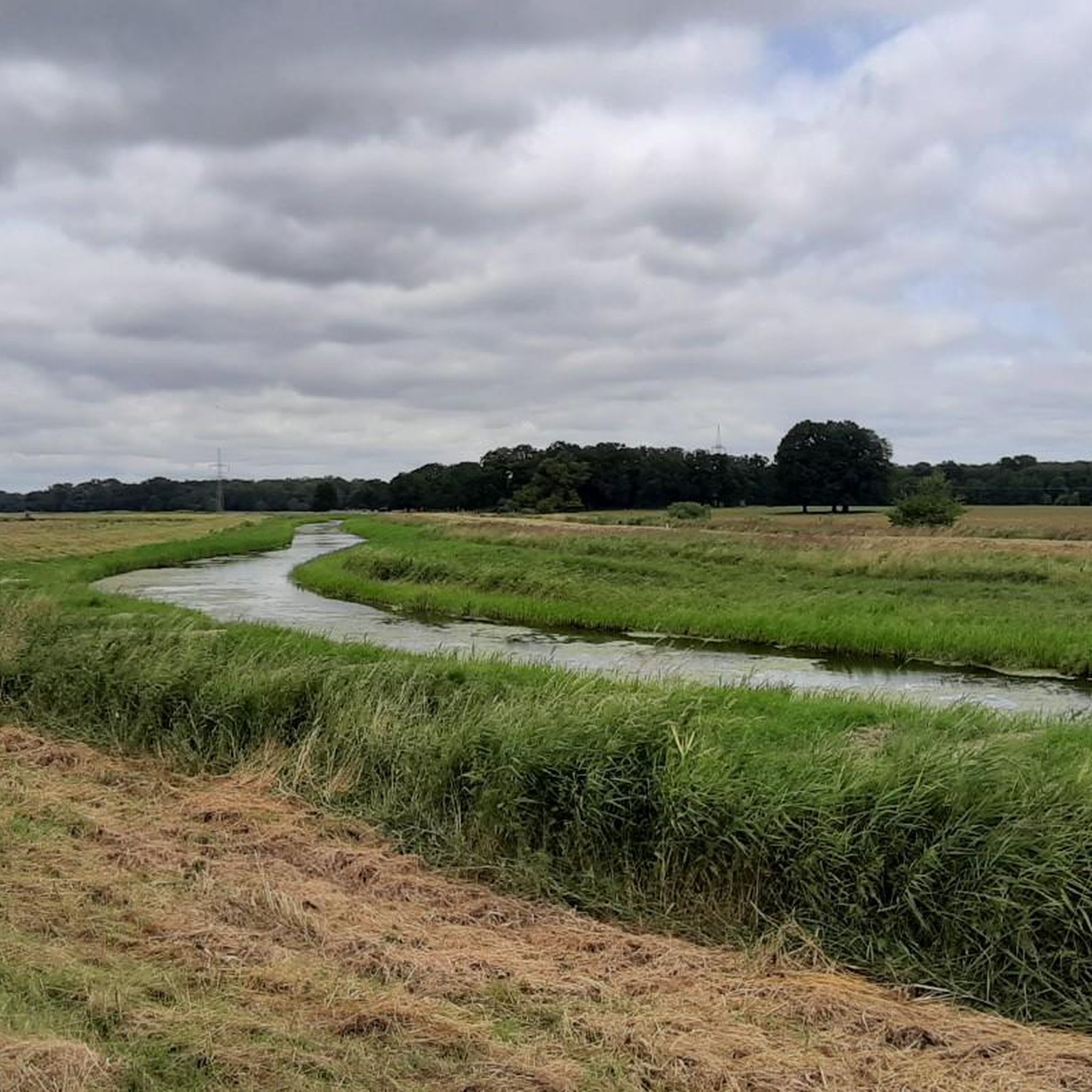
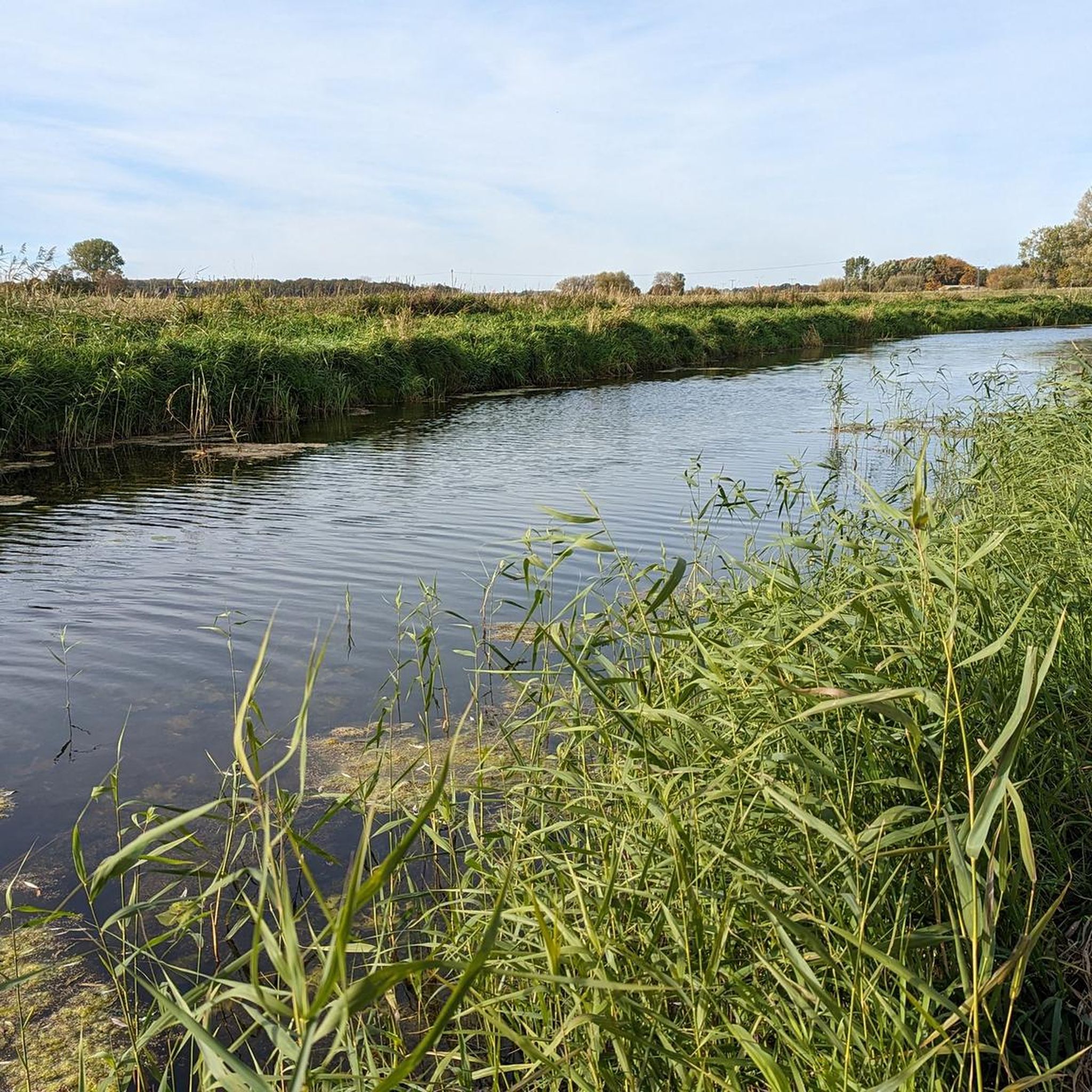
On the way to Koos Island, you also pass the new moor pavilion. Unfortunately, you are not allowed to enter the island. The path there is also well suited for bird watching.
1
0
There is a lot of bird activity at the bridge. Unfortunately, you cannot get to the island of Koos.
1
0

Beautiful view. Unfortunately, access to the island is closed.
0
0

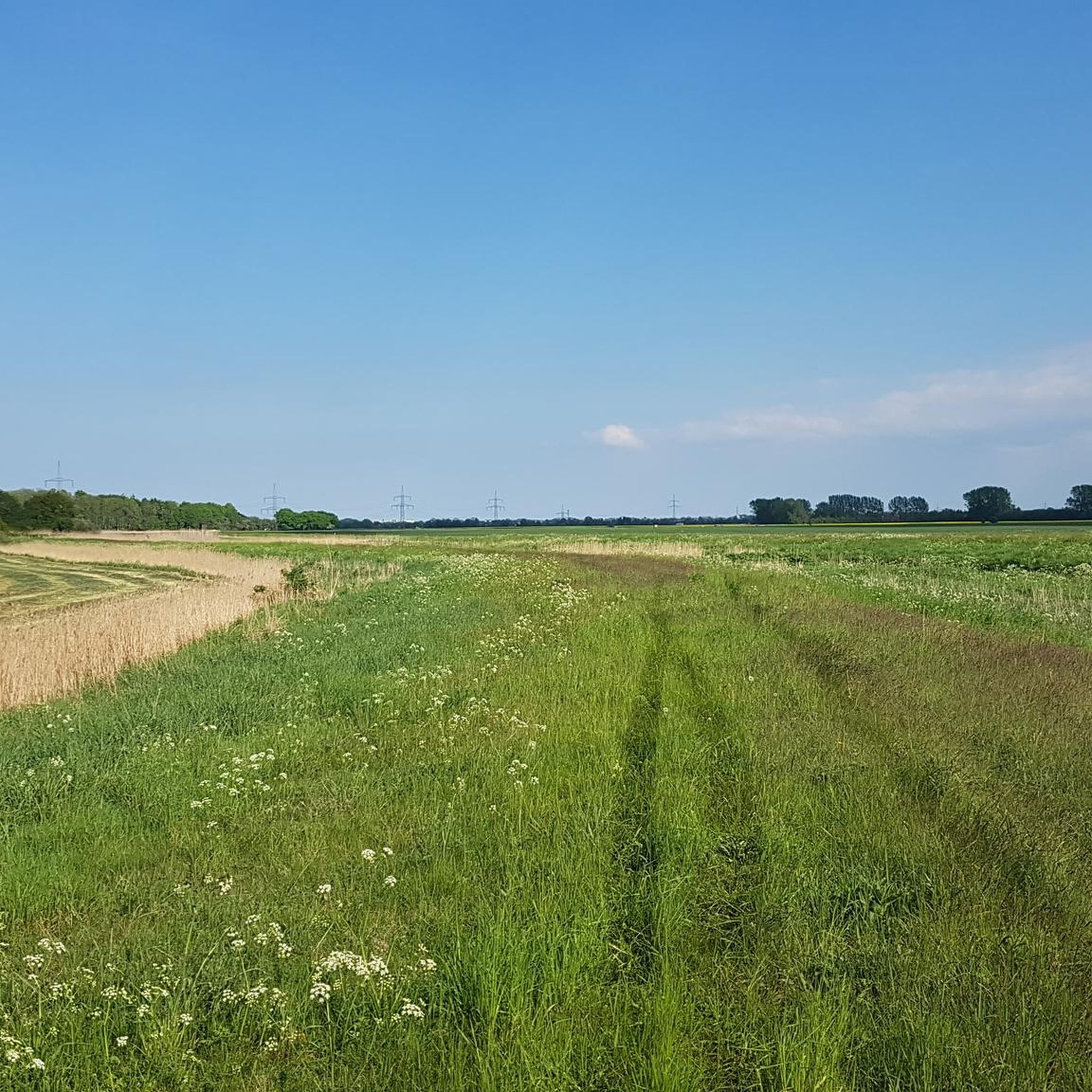
The Koos Island, Koos Lake and Wampener Riff nature reserve is a 1560 hectare nature reserve five kilometers north of the city of Greifswald in Mecklenburg-Western Pomerania. Shallow water zones, wind-blown mudflats and grazed coastal flood marshes provide an important habitat for numerous coastal birds. The island of Koos itself and the Karrendorfer/Kooser meadows are not allowed to be entered. Source https://de.wikipedia.org/wiki/Naturschutzgebiet_Insel_Koos,_Kooser_See_und_Wampener_Riff
0
0

Just enjoy the peace and quiet I highly recommend it
0
0

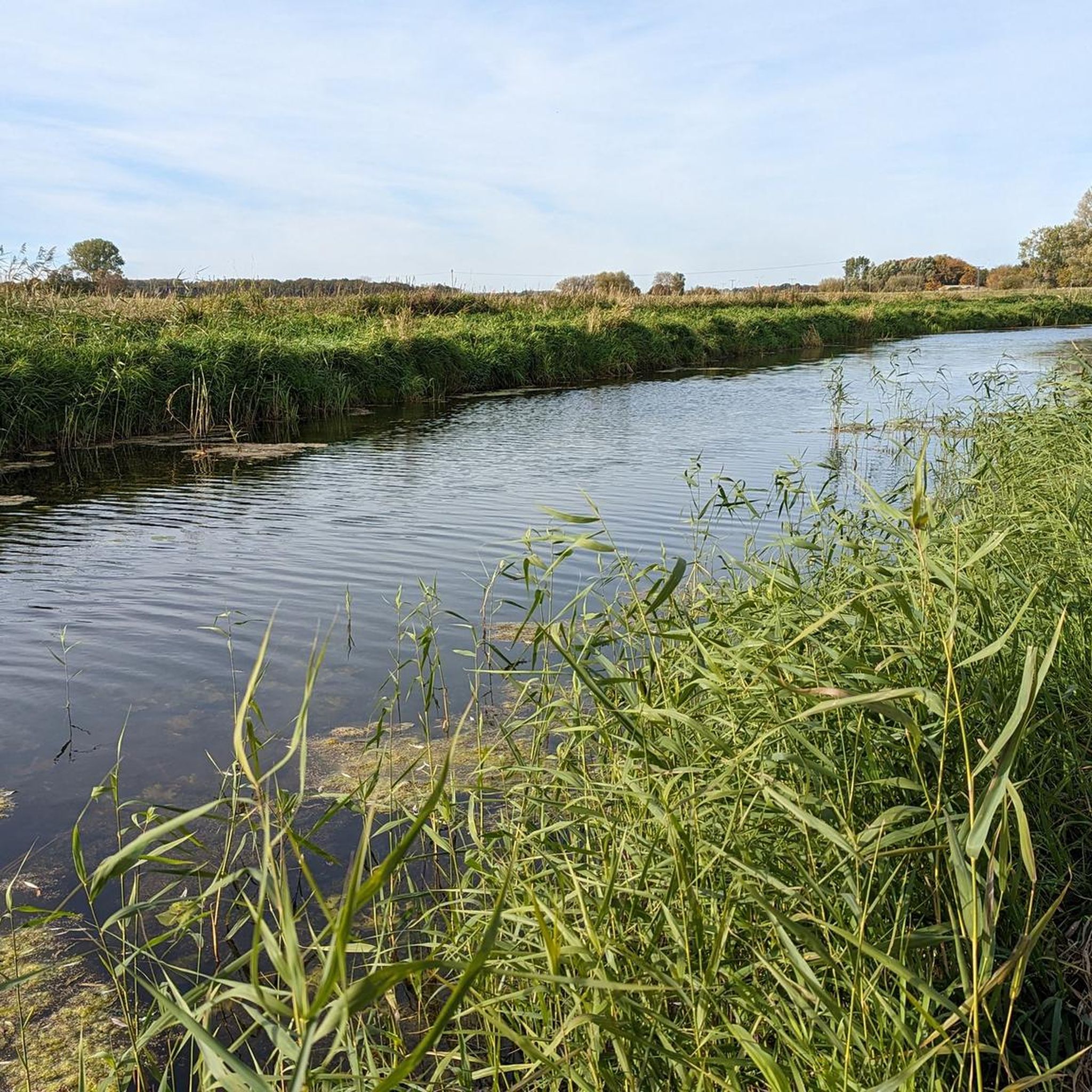
The Söllkensee was created in the 19th century by peat extraction in "Küsterbäcks Moor", a meltwater channel of the Greifswald terminal moraine. Today it is a natural monument and spawning ground for common toads and moor frogs. In the north-eastern part, the new siltation process is clearly visible. A cotton grass peat bog has formed here, which is partly forested with downy birches.
4
0

Shortly after the bridge, hikers and cyclists cannot go any further, because the island of Koos is closed to the public all year round. However, it is still worth going to the bridge, as you have a clear view of the water from here. The bridge itself is quite old and also rotten.
5
0

Koos is the second largest island in the Greifswalder Bodden and is part of the nature reserve Insel Koos, Kooser See and Wampener Riff of the state of Mecklenburg-Western Pomerania. Administratively, the island belongs to the urban area of the Hanseatic City of Greifswald, but is an exclave. It is closed to the public (apart from a short access road that can only be used by authorized motor vehicles). Access to the island is free for cyclists, the island itself may not be used and is blocked by a gate.
2
0
Frequently Asked Questions
What kind of lakes can I expect to find around Levenhagen?
While Levenhagen itself doesn't feature prominent lakes, it's situated close to the vast Mecklenburg Lake District. You'll find a diverse range of water bodies, from large inland lakes like Müritz, often called the "little sea" due to its size, to picturesque bog lakes like Söllkensee near Potthagen, and coastal water bodies like the Greifswalder Bodden with its islands.
Are there any significant natural reserves or protected areas near the lakes?
Yes, the region boasts important natural reserves. The eastern side of Müritz is part of the Müritz National Park. Closer to Levenhagen, you'll find the Insel Koos, Kooser See and Wampener Riff Nature Reserve, which includes Koos Island. This reserve is crucial for coastal birds and features shallow water zones and flood marshes.
What unique natural features can be observed at these lakes?
At Söllkensee near Potthagen, a bog lake formed by peat extraction, you can observe a cotton grass peat bog and it serves as a spawning ground for common toads and moor frogs. The Access to Koos Island offers views of shallow water zones and coastal flood marshes, which are vital habitats.
Can I go swimming in the lakes around Levenhagen?
Yes, swimming is a popular activity. The Mecklenburg Lake District, including large lakes like Müritz, offers numerous bathing spots with sandy beaches, swimming jetties, and sunbathing areas. Lake Mirow also has a well-maintained lido for summer swimming.
What outdoor activities are popular around the lakes near Levenhagen?
The region is excellent for various outdoor activities. You can enjoy cycling, hiking, and even canoeing or boating. The extensive network of lakes and surrounding nature provides ample opportunities for exploration. For specific routes, check out the hiking, cycling, and running guides for the Levenhagen area.
Are there hiking trails near the lakes around Levenhagen?
Absolutely. Many lakes, especially within the Müritz National Park and around Lake Mirow, offer excellent hiking opportunities. You can find various trails, from easy walks to more moderate routes, often leading through forests and along the water. For detailed options, explore the Hiking around Levenhagen guide.
Can I go cycling around the lakes?
Cycling is a fantastic way to experience the lakes. The Mecklenburg Lake District is known for its cycling paths, particularly around Müritz and Lake Mirow, which are enveloped by fields, meadows, and forests. You can find suitable routes in the Cycling around Levenhagen guide.
Are there opportunities for boating or canoeing?
Yes, the larger lakes like Müritz offer unique boating experiences, including the option to rent houseboats without a license. Lake Mirow also provides canoe rentals, allowing you to explore its serene waters and enjoy freshly smoked fish from local fisheries.
Are the lakes around Levenhagen suitable for families?
Many areas around the lakes are family-friendly. Highlights like Museum Harbour Greifswald offer engaging historical insights, while natural spots like Söllkensee near Potthagen provide opportunities for nature observation. The bathing spots and lidos at lakes like Müritz and Mirow are also great for families.
Are there any historical or cultural sites related to the lakes?
Yes, the Museum Harbour Greifswald is a prominent historical site. It's a living museum showcasing traditional boat and shipbuilding, with many sailing boats moored at the old city harbor. It's considered the largest museum harbor in Germany.
When is the best time to visit the lakes around Levenhagen for outdoor activities?
The best time for outdoor activities generally spans from spring to early autumn. Spring is ideal for observing wildlife, such as the common toads and moor frogs at Söllkensee. Summer is perfect for swimming, boating, and enjoying the lidos. Autumn offers beautiful scenery for hiking and cycling as the foliage changes.
How accessible are the lakes around Levenhagen?
Access varies by location. Many popular lakes in the Mecklenburg Lake District have well-developed infrastructure for visitors. For specific natural reserves like Koos Island, public access might be restricted to protect the natural environment, though access points for views are available. The University Pond at Berthold-Beitz Square in Greifswald is wheelchair accessible.
Most popular routes around Levenhagen
Most popular attractions around Levenhagen

Get inspired with the komoot mobile app


Explore more
Still not found your perfect lake around Levenhagen? Check out the guides of these regions to see even more beautiful places.
