Top 4 Castles around Unterroth
Best castles around Unterroth are situated in a region characterized by its picturesque landscapes on the edge of the Augsburg-Western Forests nature park. While Unterroth itself is known for its half-timbered houses and local history, the surrounding area offers several historical sites with connections to castles. These sites provide insights into the region's past, from medieval fortifications to later aristocratic residences. Exploring these locations allows visitors to combine historical discovery with the natural beauty of the Upper Swabia area.
Best…
Last updated: June 26, 2026
St. Andreas Church, Babenhausen
Highlight • Religious Site
Is worth a quick visit.
In addition …
Translated by Google •
Tip by

Museum Illertissen & Bavarian Bee Museum
Highlight • Historical Site
Translated by Google •
Tip by

Sign up now to discover places like this
Get recommendations on the best single tracks, peaks, & plenty of other exciting outdoor places.
Sign up for free
Römer Tower (Altenschönegg Castle)
Highlight • Historical Site
Translated by Google •
Tip by

Wain Castle
Highlight • Castle
Translated by Google •
Tip by

View of Roggenburg from the rest area
Highlight • Viewpoint
Translated by Google •
Tip by

Sign up for free to discover even more castles around Unterroth.
Sign up for free
Already have an account?
Start today with a free account
Your next adventure awaits.
Login or Signup
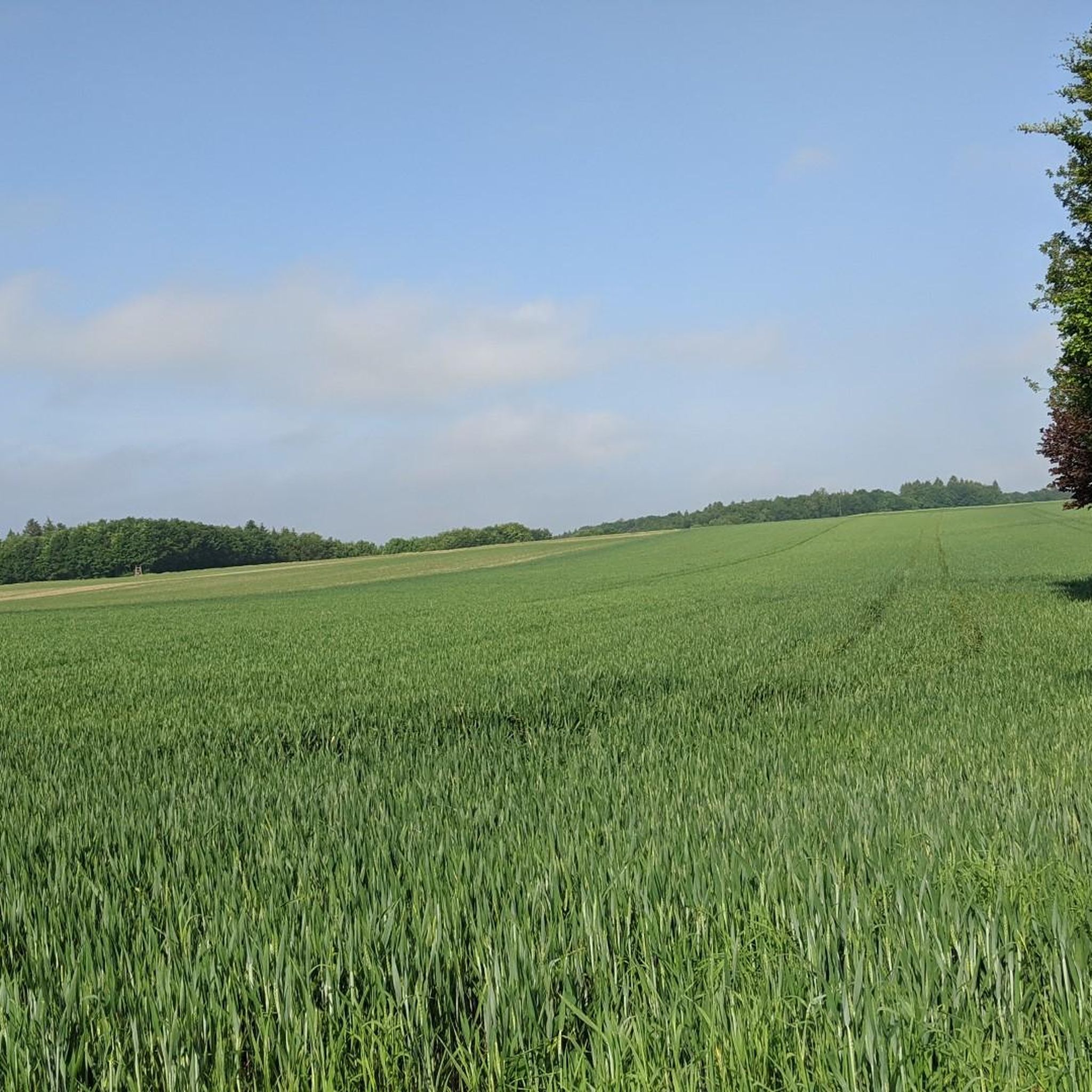

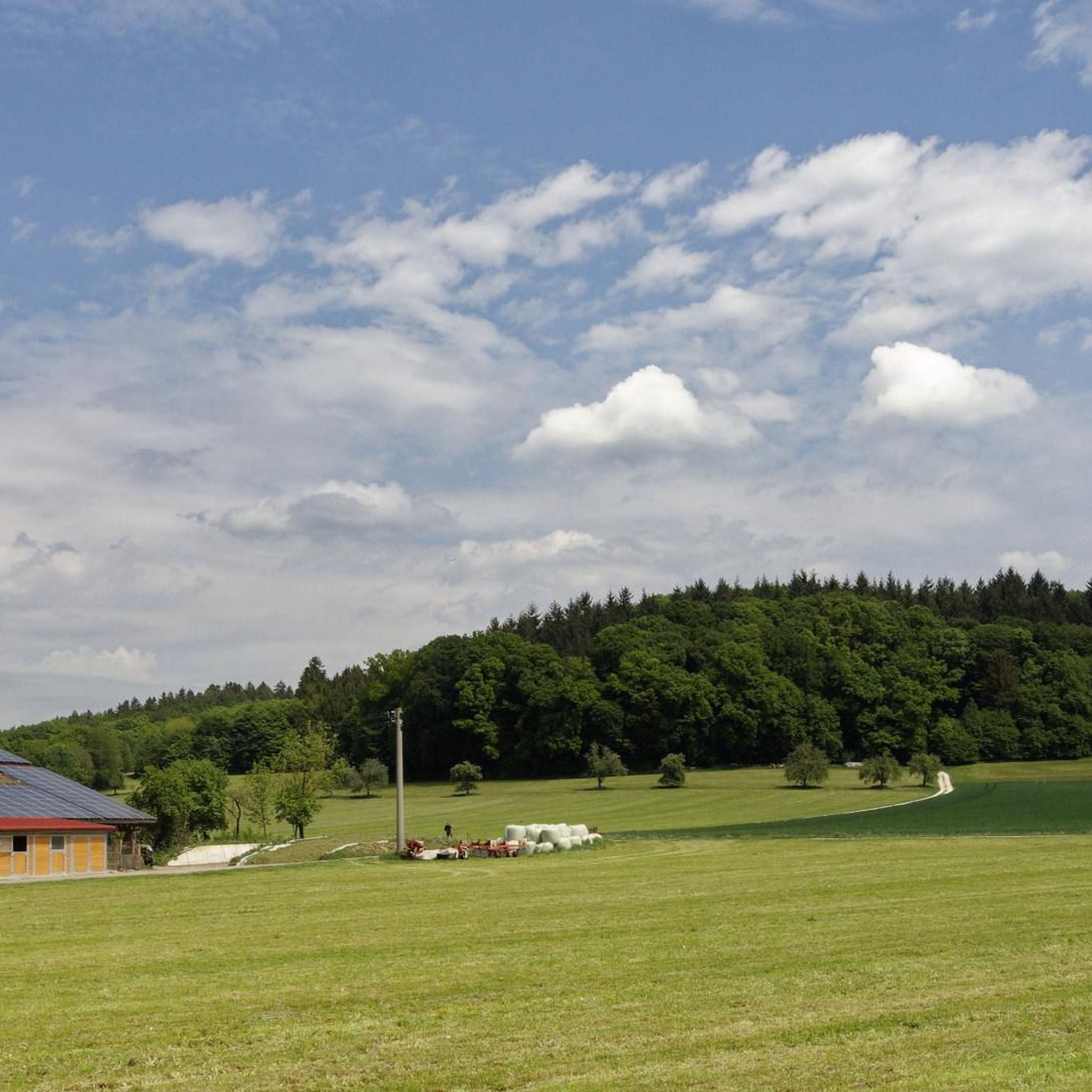
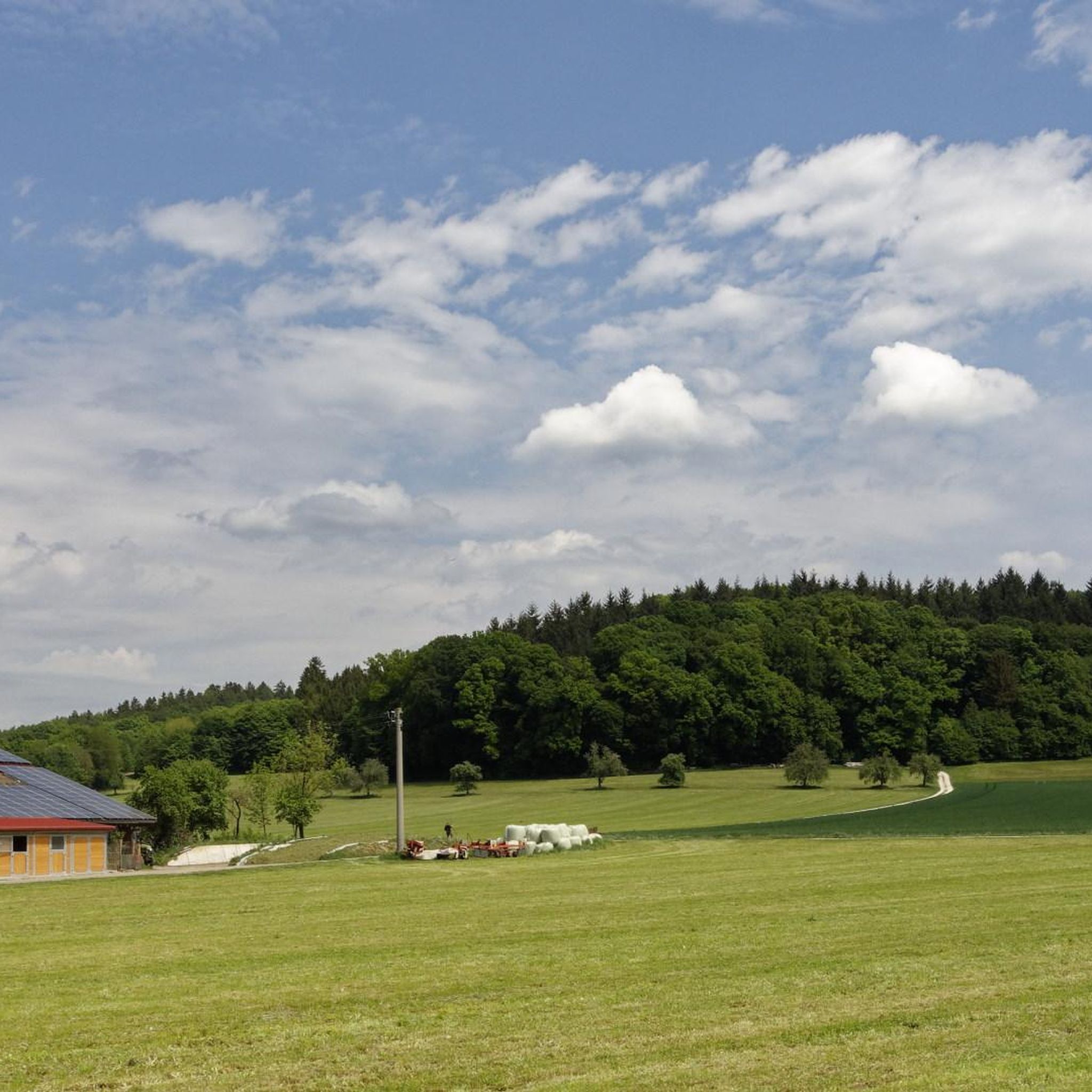
Tips from the Community

Great church in Babenhausen in the middle of town
1
0

A reconstructed Roman tower very nice view
0
0

The Roman Catholic parish church[1] of St. Andreas is a baroque church in Babenhausen in Upper Swabia, Bavaria. The local parish appears for the first time in 1235. In 1315 Heinrich von Schönegg sold half of Babenhausen incl. Church ordinance to Konrad von Rottenstein In 1499, the Lords of Rechberg donated a perpetual Holy Mass on the altar of Our Lady. The choir and the tower substructure have been preserved from the late Gothic church of the 15th century. In 1538 Anton Fugger acquired the rule, which also included the right of patronage over the church in Babenhausen. The church was designated as the family's main church and burial place. In the 16th century a new nave was built and in 1562 the tower was raised by an octagon. After damage during the Thirty Years' War, repairs were carried out. From 1714 to 1717, Michael Stiller was commissioned to redesign the interior in the Baroque style. The sign was added in the middle of the 18th century. Source: https://de.wikipedia.org/wiki/St._Andreas_(Babenhausen)
1
0

The church in Babenhausen is an imposing building in the middle of town.
2
0

The so-called Roman tower is not a building from Roman times but a remnant of Altenschönegg Castle.
2
0

The classicistic Wain Castle was built in the 18th century and is now home to the "Freiherr von Herman’s Rent and Forestry Office". The sophisticated and very representative building is not far from the Iller in the town of Wain of the same name. There was also a castle called Wain, which is no longer preserved.
0
0

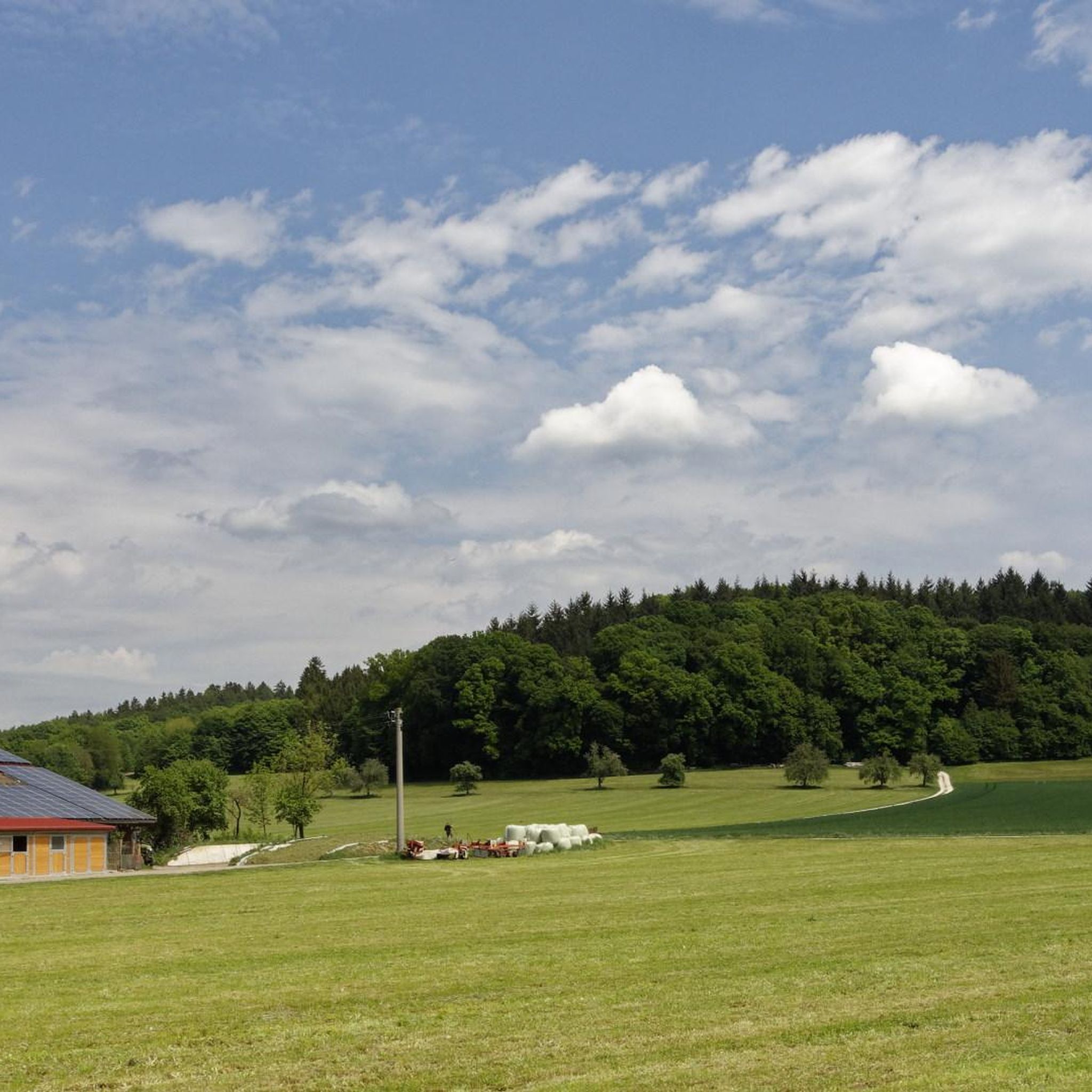
Here, a beautiful, shady rest area under large trees invites you to relax. It is equipped with 4 wooden benches and 2 newly renovated tables (as of 2020), a waste bin and a bicycle leaning bracket. You have a beautiful view of the monastery towers and across the fields.
0
0

Baroque church on a hill, outside simple (there is a small courtyard) and richly decorated inside. Former main church of the county Fugger-Babenhausen. Is worth a quick visit. In addition to the northern side entrance, there is a faucet for "refueling" and a shady break
2
0
Frequently Asked Questions
What kind of historical sites related to castles can I find around Unterroth?
While Unterroth itself doesn't have prominent castles, the surrounding area features several historical sites with castle connections. These include the Römer Tower (Altenschönegg Castle), which is a remnant of a former castle, and the classicistic Wain Castle. You can also explore sites like the Museum Illertissen & Bavarian Bee Museum, which has historical ties to a castle.
Are there any family-friendly castle-related attractions near Unterroth?
Yes, the Museum Illertissen & Bavarian Bee Museum is considered family-friendly. It offers informative exhibitions, including a detailed look at the history of beekeeping and a unique 'walk-in beehive' that can be engaging for all ages.
Where can I find good viewpoints at castle sites around Unterroth?
The Römer Tower (Altenschönegg Castle) serves as a lookout tower. This 30-meter-high keep, originally part of the Altschönegg Castle, was made accessible to the public in 1809 and offers views of the surrounding area.
What is the historical significance of the Römer Tower near Unterroth?
The Römer Tower is the last remaining keep of the former Altschönegg Castle, which was a significant seat for one of Bavarian Swabia's most important ministerial families. It was acquired by Prince Anselm Maria Fugger von Babenhausen in 1809 and restored as a public lookout tower, preserving a piece of medieval history.
Can I visit Wain Castle, and what is its current use?
The classicistic Wain Castle, built in the 18th century, is a sophisticated and representative building. It currently houses the 'Freiherr von Herman’s Rent and Forestry Office.' While it's a historical site, its primary function is administrative.
Are there any churches with historical castle connections in the area?
Yes, the St. Andreas Church in Babenhausen is a Baroque church that served as the main church and burial place for the Fugger-Babenhausen family, who were significant landowners and castle owners in the region. Its history is intertwined with the local aristocracy.
What outdoor activities can I combine with a visit to castle sites around Unterroth?
The region around Unterroth, on the edge of the Augsburg-Western Forests nature park, is excellent for outdoor activities. You can find various cycling routes, such as those listed in the Cycling around Unterroth guide, or explore mountain biking trails in the MTB Trails around Unterroth guide. These routes often pass through picturesque landscapes near historical sites.
What is the best time of year to visit the historical sites and castles around Unterroth?
The region's picturesque landscapes are enjoyable throughout the year. Spring and autumn offer pleasant weather for exploring and can provide beautiful scenery, especially with autumn foliage. Summer is also popular for outdoor activities. Winter visits can offer a quieter experience, though some attractions might have reduced hours.
Are there any unique features at the Museum Illertissen & Bavarian Bee Museum?
Beyond its historical connection to a castle, the Museum Illertissen & Bavarian Bee Museum is notable for its detailed exhibitions on the development of beekeeping and its highlight: a 'walk-in beehive,' offering a unique perspective on bee biology and honey production.
What kind of architectural styles can be seen in the castle-related sites near Unterroth?
You can observe a range of architectural styles. The Römer Tower is a medieval keep, representing earlier fortification architecture. In contrast, Wain Castle is a classicistic building from the 18th century, showcasing a later, more refined aristocratic residence style. The St. Andreas Church in Babenhausen features impressive Baroque design.
Are there any challenging routes or features at the castle sites?
The Römer Tower (Altenschönegg Castle) is noted for having old stairs that can be difficult to walk, and it is very dark inside. Additionally, the Stairs at Illertissen Castle are mentioned as being good for practicing technique with steeper sections, suggesting a more physically demanding ascent.
Most popular routes around Unterroth
Most popular attractions around Unterroth

Get inspired with the komoot mobile app


Explore more
Looking for the best castles somewhere else? Discover other guides around Unterroth:
