Top 11 Caves around Bopfingen
Best caves around Bopfingen are found in the surrounding Ostalbkreis district and the Swabian Jura region. This area is known for its diverse and historically significant subterranean formations. The Swabian Jura holds UNESCO World Heritage status due to its Ice Age art and artifacts. Exploring these caves offers insights into geology, archaeology, and natural history.
Best caves around Bopfingen
- The most popular caves are Great and Small Ofnet Caves, a cave that consists of two karst caves in the…
Last updated: June 26, 2026
Hohler Stein Cave
Highlight • Cave
Translated by Google •
Tip by

Great and Small Ofnet Caves
Highlight • Cave
Translated by Google •
Tip by

Sign up now to discover places like this
Get recommendations on the best single tracks, peaks, & plenty of other exciting outdoor places.
Sign up for free
Hohlenstein Cave
Highlight • Cave
Translated by Google •
Tip by

Marian Grotto in the Geopark Schwäbische Alb
Highlight • Religious Site
Coming closer to the goal, it appears as if in a mystical apparition. Maria …
Translated by Google •
Tip by

Small Cave in Dossinger Tal
Highlight • Cave
Translated by Google •
Tip by
Sign up for free to discover even more caves around Bopfingen.
Sign up for free
Already have an account?
Start today with a free account
Your next adventure awaits.
Login or Signup
Popular around Bopfingen
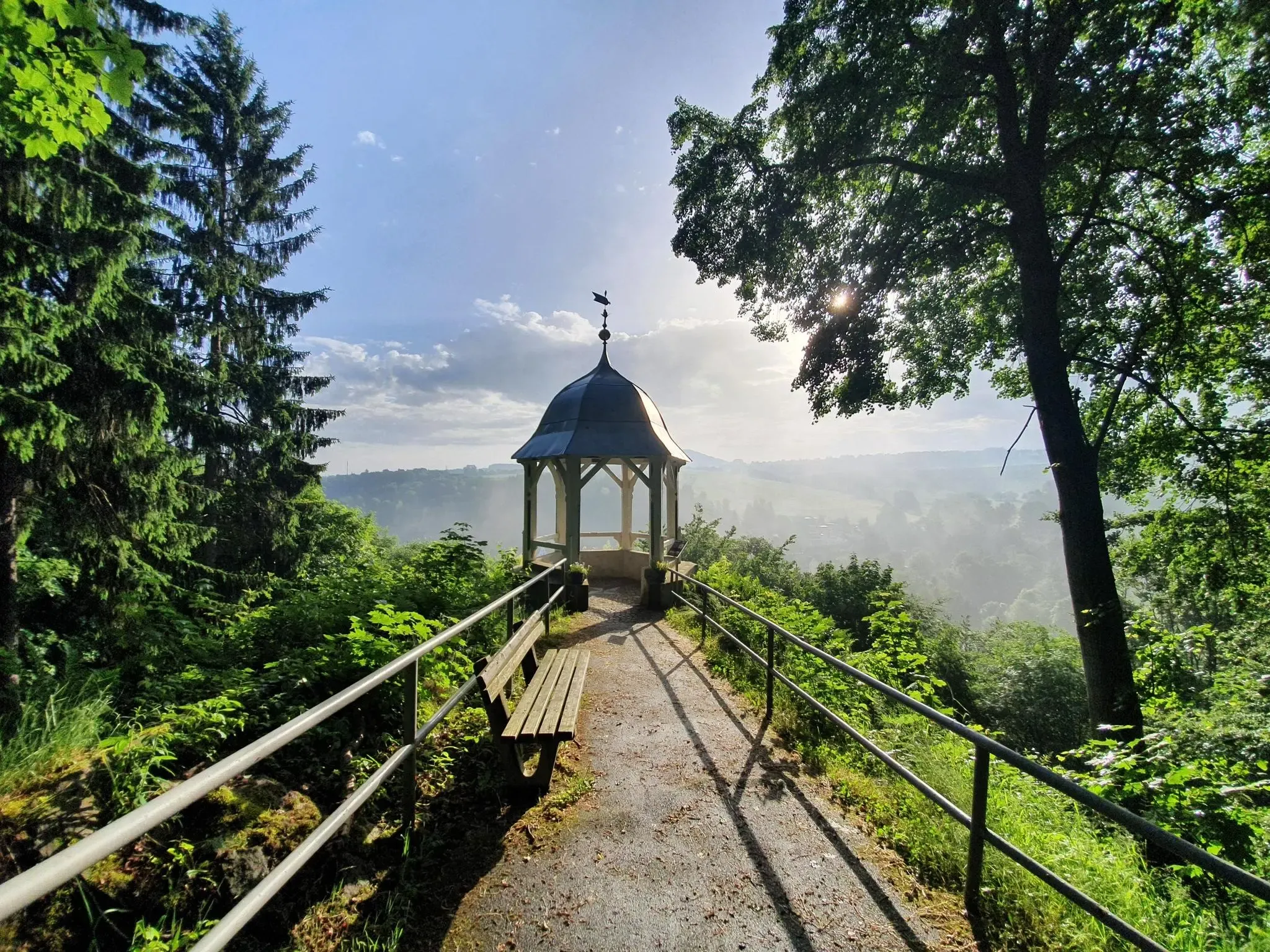
#GoFurther – discover the views of Germany!
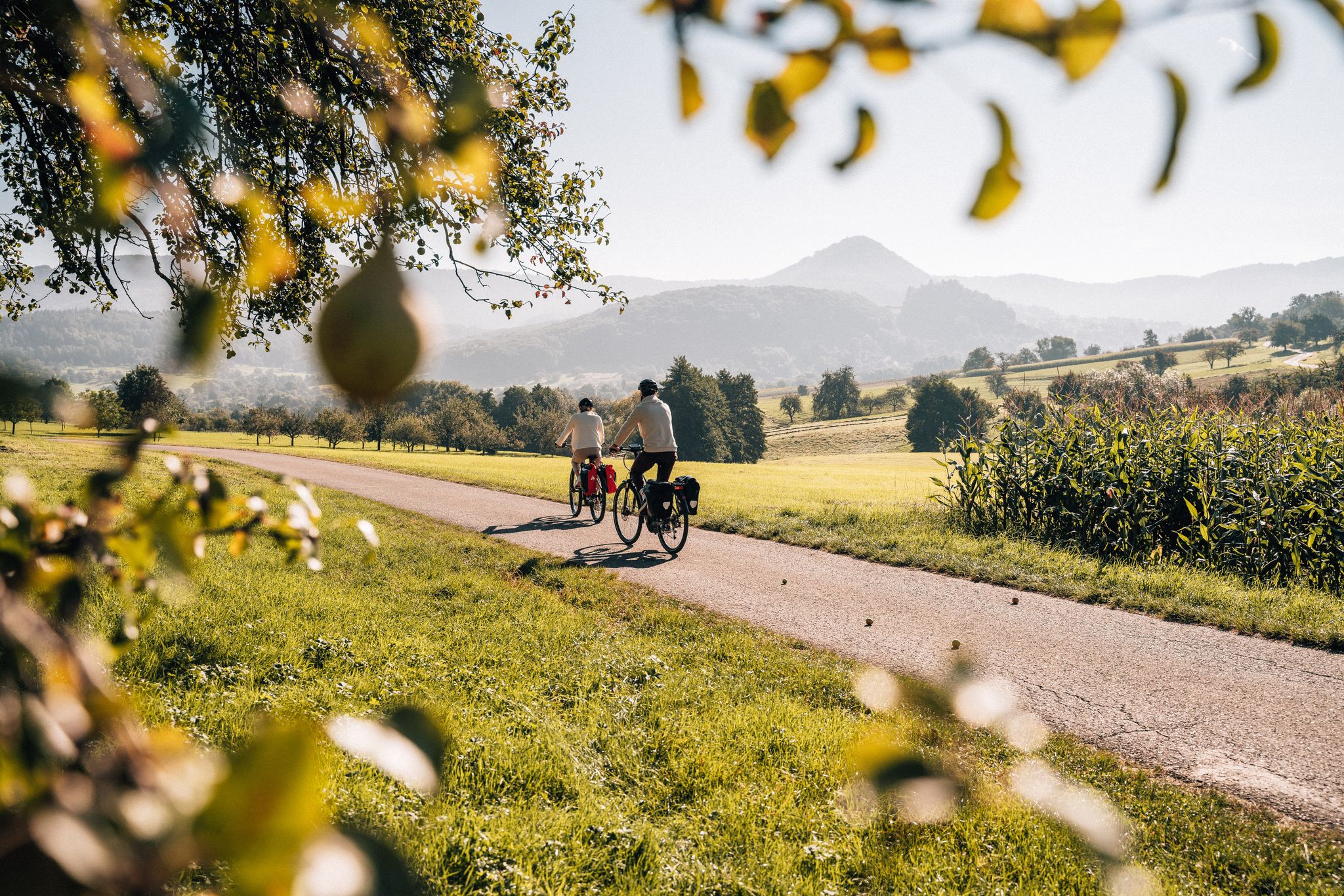
Cycle the Swabian Alb Cycle Path to Lake Constance
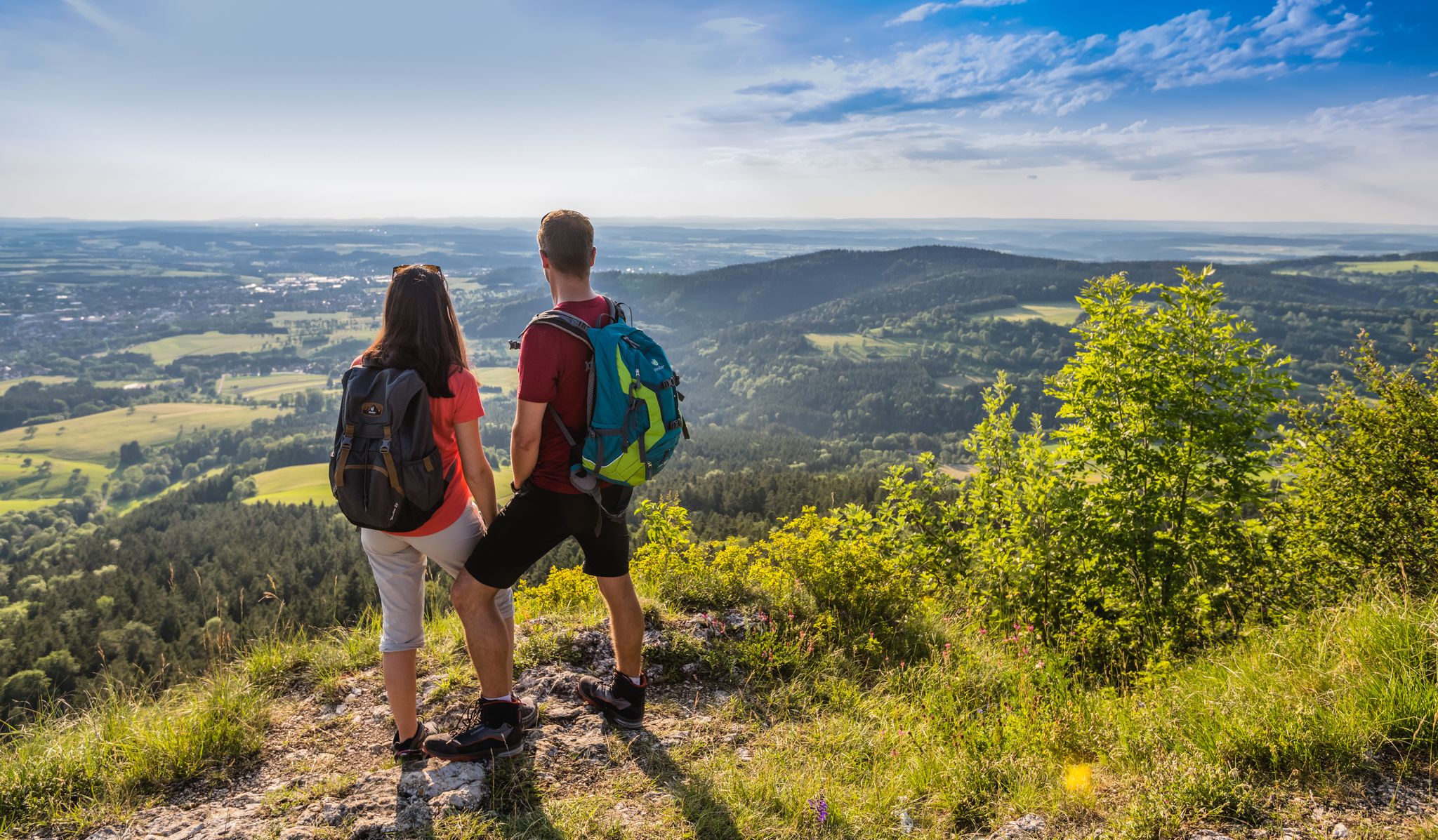
The Swabian Albsteig (HW1) – 16 stages of panoramic views
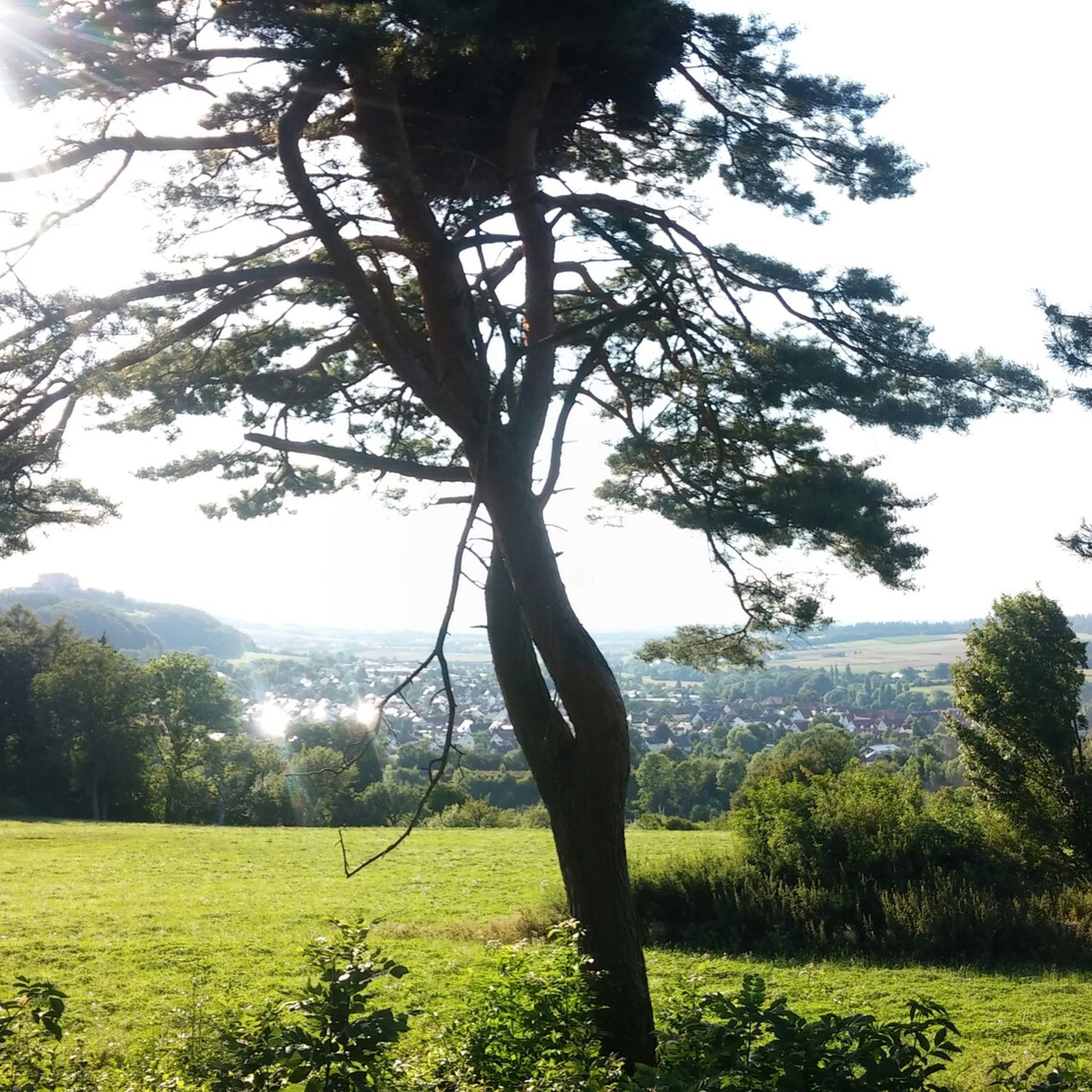
Hiking around Bopfingen
Cycling around Bopfingen
Road Cycling Routes around Bopfingen
Running Trails around Bopfingen
MTB Trails around Bopfingen
Gravel biking around Bopfingen


Tips from the Community

A bit out of the way but easily accessible when the ground is dry. CAUTION when wet.
0
0

Beautiful caves on the Riegelberg with a wonderful view of a former Roman estate
2
0

Wonderfully beautiful and great for relaxing
0
0

The rock formation here has a large hole. The path down into the valley to Glashütte is quite challenging. A T2 trail. The Hohle Stein in Unterkochen The Hohle Stein lies above Unterkochen-Glashütte on a steep rocky outcrop. It represents a spacious rock hollow, complemented by two cave chimneys leading upwards and a long, very shallow cave passage. This place is also popularly known as the "Hell's Throat," which is quite appropriate, as entering from above is not entirely safe and plunges vertically into the ground, and is only recognized at a later stage. The Hohle Stein is the most famous and legendary cave in Unterkochen, located next to the "Schlossbaufeld" (castle building field) where the Kocherburg castle once stood. Among other things, an old tradition tells us that the Hohle Stein served as a hiding place during wartime, which is quite conceivable, given its well-hidden location on a steep mountain slope, offering protection from bad weather and making it difficult for strangers without good local knowledge to find. The fact that people occasionally stayed at the Hohle Stein is also confirmed by a hearth with a chimney in the rock. Its legendary status and proximity to other attractions, such as sections of the Härtsfeld Railway, the Kocherburg Tunnel, the viaduct, the prehistoric ramparts, and the Kocherburg Castle, make a trip there worthwhile. Source: https://www.aa-history.de/Hohler_stein_Text.html
6
1

The descent to the cave is very steep, make sure you are sure-footed
0
0
Really large cave in the middle of the forest with rest benches in front of it
1
0

This contemplative place can be found a little off the usual cycle paths and below Lauchheim. Beautifully laid out and maintained, highly recommended for a short break.
2
0
Beautiful rock formation with smaller caves! Hard wearing is recommended.
5
3
Frequently Asked Questions
What types of caves can I explore around Bopfingen?
The region around Bopfingen, particularly the Swabian Jura, offers a diverse range of caves. You can find impressive dripstone caves like the Bärenhöhle and Nebelhöhle, unique water caves such as the Wimsener Cave, and numerous sites with significant archaeological and historical importance, including the UNESCO World Heritage caves known for Ice Age art. There are also former mines, like the Tiefer Stollen, which are now accessible as show mines.
Are there any show caves near Bopfingen that are easily accessible?
Yes, several show caves are accessible near Bopfingen. The Hohlenstein Cave is noted for being easily accessible and offering insight into geological history. Other notable show caves in the broader region include the Bärenhöhle and Nebelhöhle, both famous dripstone caves, and the Laichinger Tiefenhöhle, Germany's deepest accessible show cave.
Which caves around Bopfingen are known for their archaeological and historical significance?
The Swabian Jura region, a UNESCO World Heritage site, is home to caves of immense archaeological importance. Sites like the Great Scheuer Cave and the Three-Entrance Cave have yielded discoveries from the Bronze Age and Stone Age. The UNESCO World Heritage caves—including Hohlenstein-Stadel, Vogelherd, Bocksteinhöhle, Geissenklösterle, Hohle Fels, and Sirgenstein Cave—are internationally renowned for preserving Ice Age art and artifacts, such as the oldest non-stationary works of human art and musical instruments.
Are there family-friendly caves to visit near Bopfingen?
Many caves in the area are suitable for families. The Hohlenstein Cave is easily accessible and offers geological insights for all ages. The Great and Small Ofnet Caves are also considered family-friendly historical sites. The Wimsener Cave, with its unique boat tours, provides a distinctive and engaging experience for families.
What is the best time of year to visit the caves around Bopfingen?
The best time to visit depends on the specific cave. Many natural caves, such as the Bärenhöhle and Falkenhöhle, close from November to March to protect hibernating bats. Show caves and archaeological sites often have specific opening hours, so it's advisable to check ahead. Generally, spring through autumn offers pleasant weather for exploring the surrounding areas and accessing the caves.
What should I wear when visiting caves in the Bopfingen region?
Caves maintain a consistently cool temperature year-round, so even in summer, it's wise to bring a light jacket or sweater. Sturdy, closed-toe shoes with good grip are essential, as cave floors can be uneven, wet, and slippery. For caves like the Nebelhöhle, sturdy footwear is specifically recommended due to potentially slippery conditions.
Are there any caves that offer unique experiences, like boat tours or deep descents?
Yes, the Wimsener Cave (also known as the Friedrich Cave) is unique as Germany's only active water cave navigable by boat, offering a distinctive subterranean experience. For those seeking a deeper adventure, the Laichinger Tiefenhöhle is Germany's deepest accessible show cave, allowing visitors to descend 55 meters via stairways, providing an impressive view of the Alb's karstification.
What are the <a href="https://www.komoot.com/highlight/139772" target="_blank" rel="noopener">Great and Small Ofnet Caves</a> known for?
The Great and Small Ofnet Caves are two karst caves in the limestone of Riegelberg, representing remnants of a former underground karst system. They are notable historical sites, particularly famous for Stone Age finds, including tools, jewelry, and over 30 skulls of 'Homo sapiens'.
Can I find hiking or cycling routes near the caves around Bopfingen?
Absolutely. The region offers numerous outdoor activities. You can find various cycling routes, road cycling routes, and MTB trails that often pass by or lead to these cave sites. For example, there are cycling routes that take you past the Ofnet Caves or offer views of the Ipf and Albtrauf.
What is the <a href="https://www.komoot.com/highlight/203153" target="_blank" rel="noopener">Hohler Stein Cave</a> and what makes it special?
The Hohler Stein Cave in Unterkochen is a spacious rock hollow with two cave chimneys and a shallow passage. It's known for its unique rock formation and legendary status, having served as a hiding place during wartime due to its well-hidden location. It's also popularly known as the 'Hell's Throat' and requires surefootedness to access.
Are there any caves that are not natural formations but still offer a unique underground experience?
Yes, the Tiefer Stollen in Aalen is a former iron ore mine that operated until 1945. It has been reopened as a show mine, where visitors can experience riding in a lorry, similar to how miners once did. The mine's cool, clean air is also utilized for healing therapy, particularly for respiratory issues, offering a different kind of subterranean exploration.
What is the significance of the Marian Grotto in the Geopark Schwäbische Alb?
The Marian Grotto in the Geopark Schwäbische Alb is a contemplative and beautifully maintained religious site. While it's a cave-like formation, it's primarily known as a place of worship and pilgrimage, especially on Mother's Day when a procession takes place, and the Maria statue is illuminated with many burning candles.
Most popular routes around Bopfingen
Most popular attractions around Bopfingen

Get inspired with the komoot mobile app


Explore more
Extend your search for the best caves by checking out these guides of the top ones around Bopfingen:
