Top 11 Caves around Mauer
Best caves around Mauer are found in a region primarily known for its significant paleontological discoveries, particularly the "Mauer jaw" of *Homo heidelbergensis*. While the immediate vicinity of Mauer is more famous for open-air archaeological finds, the broader area features various subterranean and cave-like geological formations. These include natural rock shelters, historical tunnels, and unique geological phenomena. The landscape around Mauer, characterized by its geological history, offers diverse opportunities to explore these features.
Best caves around Mauer
- The most popular…
Last updated: June 26, 2026
Heidelberg Castle Gardens
Highlight • Viewpoint
schloss-heidelberg.de/erlebnis-schloss-garten
Translated by Google •
Tip by

Dachsenfranz Cave
Highlight • Cave
After a later understanding …
Translated by Google •
Tip by

Sign up now to discover places like this
Get recommendations on the best single tracks, peaks, & plenty of other exciting outdoor places.
Sign up for free
Breathing Rock near Rothsnasenhütte
Highlight • Natural Monument
Translated by Google •
Tip by
Rock Shelter in Naturpark Neckartal-Odenwald
Highlight • Natural Monument
Translated by Google •
Tip by

Cableway Entrance to the Quarry Tunnel
Highlight • Structure
Translated by Google •
Tip by

Sign up for free to discover even more caves around Mauer.
Sign up for free
Already have an account?
Start today with a free account
Your next adventure awaits.
Login or Signup


Tips from the Community

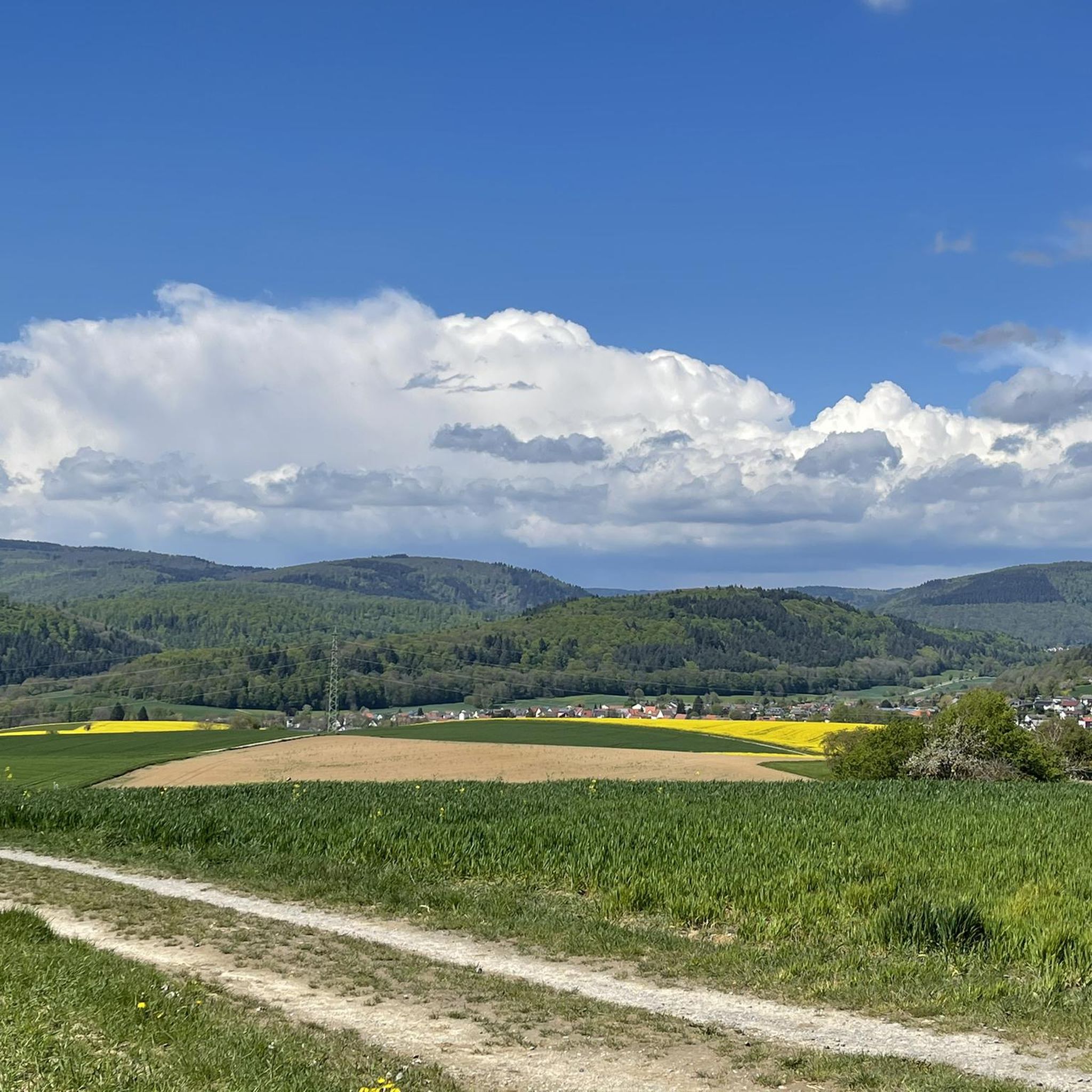
Beautiful view from the palace gardens of the Neckar and the palace. The geometrically structured terraces of the Heidelberg palace gardens, which were also called the "Hortus Palatinus", were once considered the "eighth wonder of the world" by contemporaries. It took enormous effort to create the garden on the mountainside. Under Elector Friedrich V, the "piece garden", where the cannons (also called "pieces") stood, was transformed into a magnificent and world-famous pleasure garden that was intended to contribute to the ruler's fame. The "Hortus Palatinus" was designed between 1614 and 1619 by Salomon de Caus, who was specially called from London. The highlights of the garden included artificial grottos that were set into the mountain. The large grotto in the southeast corner of the garden contained elaborate water features, its walls decorated with stones, shells and corals. A large sandstone sculpture of "Father Rhine" has been preserved. Source: https://www.familienkultour.de/natur/baden-wuerttemberg/schlossgarten-im-heidelberger-schloss/
13
0

Well done castle park. The various sculptures, fountains and busts make it even more attractive. But the visit is worth it just for the view of the castle and the view of Heidelberg and the Neckar.
13
1

Beautiful castle garden, great for a walk. Admission is free.
14
0

Totally rustic dwelling place from the so-called Dachsenfranz. In the middle of the forest and also an adventure for the children
3
0

Ascent a bit wild but short, if you know where the overhang can be seen from the path.
0
0

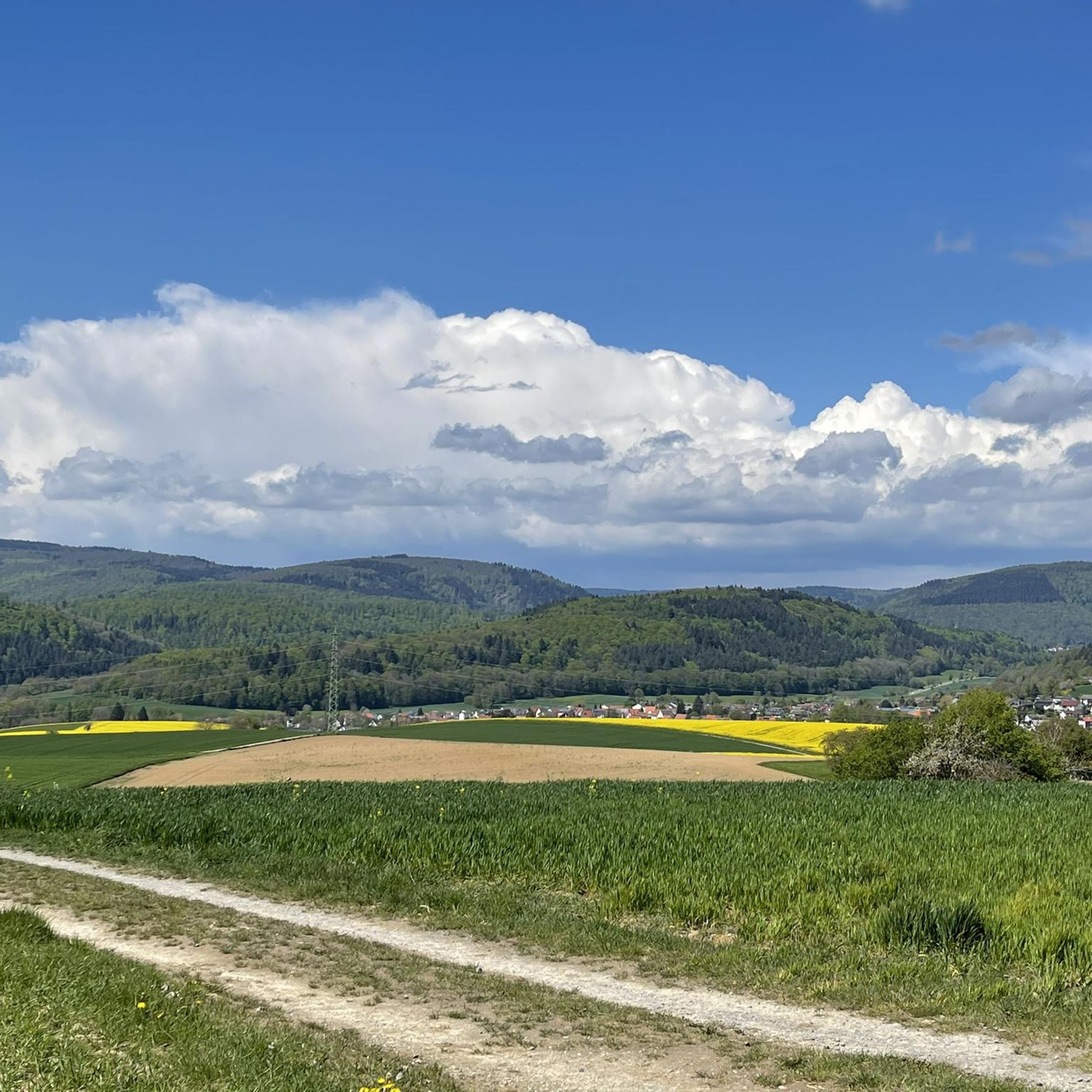
fantastic view over the Neckar valley to the Palatinate
11
0

The Dachsenfranzhöhle was once the cave of the '"Dachsenfranz" Francesco Regali. He lived over a hundred years ago in the forests of the Odenwald and in the Kraichgau. It is not original, but it is a replica. It is impressive to see how the "Dachsenfranz" lived. Also great for children, because the small living room cave is accessible.
3
0

Very nice castle garden with a great view of Heidelberg.
13
1
Frequently Asked Questions
What kind of "caves" can I expect to find around Mauer?
The Mauer region is primarily known for its significant paleontological discoveries rather than extensive natural cave systems. The "caves" you'll find are more often historical tunnels, reconstructed shelters, or unique geological formations like rock shelters and crevices. The area's importance lies more in its open-air archaeological finds.
Are there any historical tunnels or underground structures to explore near Mauer?
Yes, you can explore the Historic Brunnenstollen Tunnel. This site features a deep castle well and tunnels that were once filled in but have since been rediscovered and can be visited. It has a rich history, including legends of secret passages.
What unique natural phenomena can be observed in the Mauer area?
A notable natural phenomenon is the Breathing Rock near Rothsnasenhütte. Here, air flows out of a crevice, feeling warm in winter and cool in summer, creating a mysterious effect that has sparked local speculation.
Where can I find a well-reconstructed cave with a historical connection?
The Dachsenfranz Cave is a well-reconstructed site located in a forest. It is associated with the legendary Dachsenfranz, a figure from regional folklore who hunted and lived in the woods.
Are there any easily accessible cave-like natural monuments?
Yes, The Weiße Hohle is a natural monument and cave located directly at the entrance to the “Weiße Hohle” forest car park, making it quite accessible for visitors.
What is the primary historical significance of Mauer, Germany?
Mauer is most famous as the site where the "Mauer jaw," or Heidelberg jaw, was discovered in 1907. This fossil belongs to *Homo heidelbergensis* and is the oldest human fossil found in Germany, dating back approximately 609,000 years. It's a crucial piece of evidence for early human presence in Europe. You can learn more about this discovery on Atlas Obscura or Wikipedia.
Are there any man-made tunnels or quarry-related structures to see?
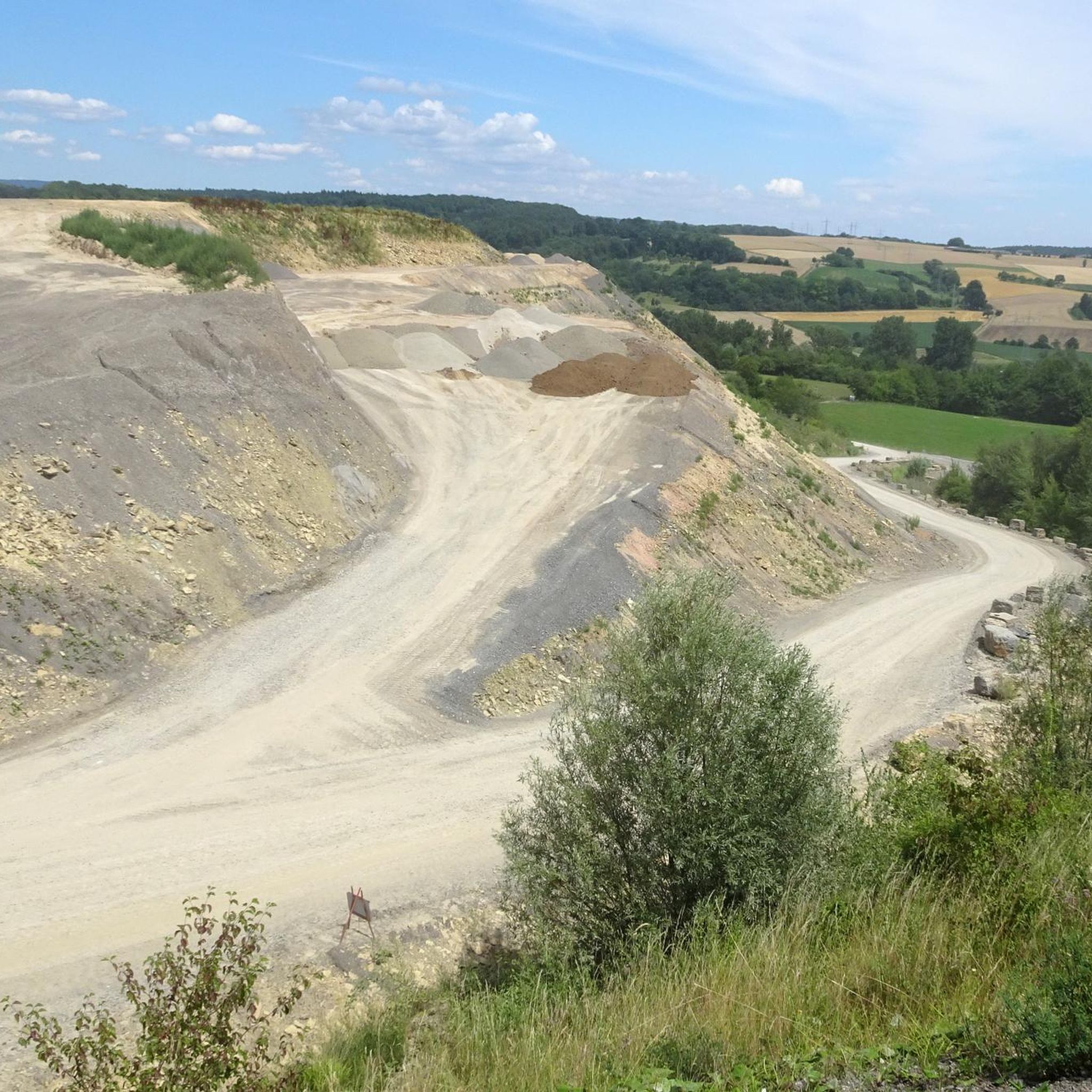
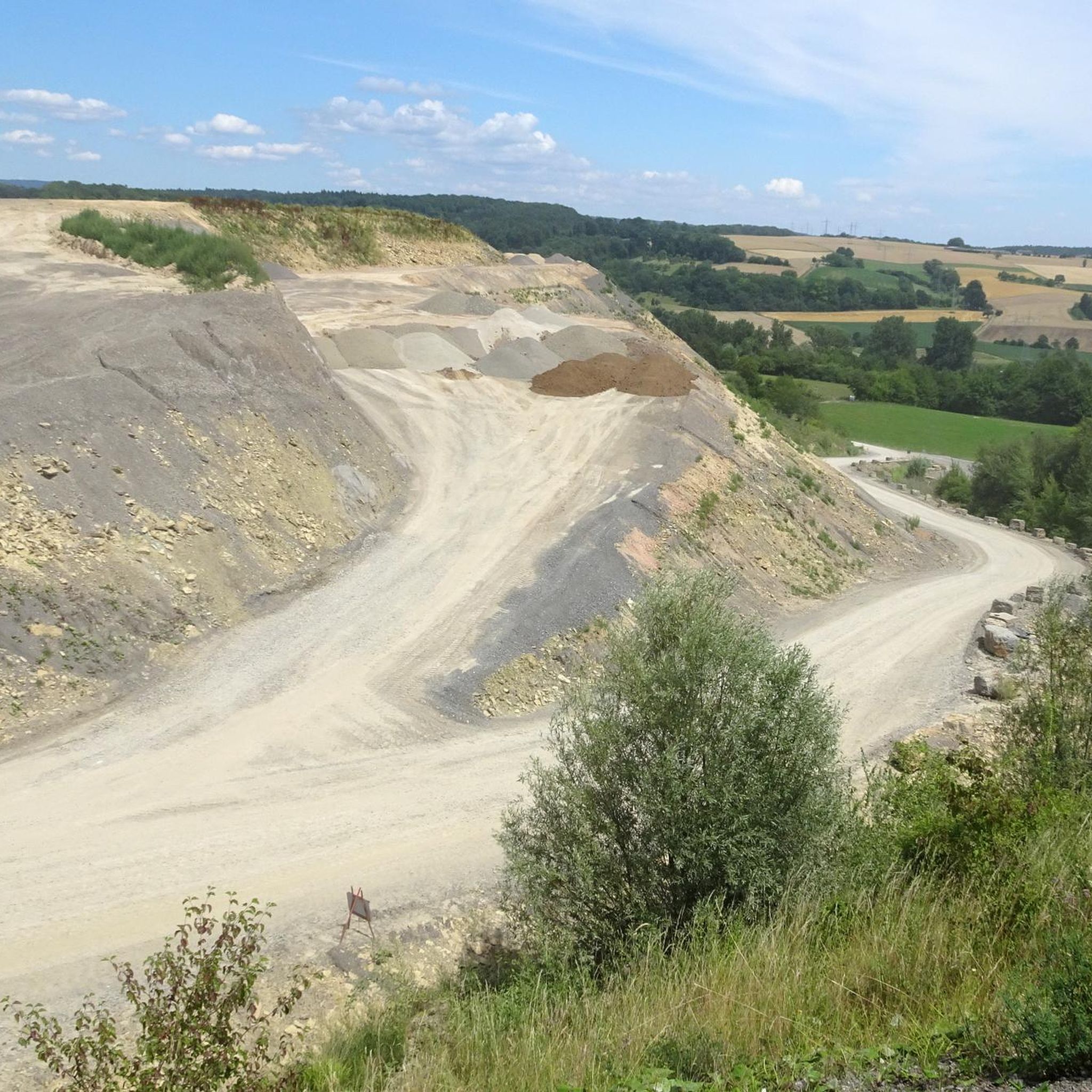
You can visit the Cableway Entrance to the Quarry Tunnel. This site features an impressive tunnel, reportedly 500 meters long, and remnants of a cable car system used for quarry operations.
What outdoor activities can I do near the caves around Mauer?
The area around Mauer offers various outdoor activities. You can find numerous running trails, such as the 'Forstwald Forest loop' or the 'Evolution Trail Gauangelloch loop'. For cycling, there are gravel biking routes like the 'Weißer Stein Trail' and road cycling routes like the 'St. Salvator City Church loop'. You can explore more options on the Running Trails around Mauer, Gravel biking around Mauer, and Road Cycling Routes around Mauer guide pages.
Are there family-friendly cave-like attractions in the Mauer area?
The Dachsenfranz Cave is considered family-friendly. Its well-reconstructed nature and connection to local folklore make it an engaging spot for visitors of all ages.
What do visitors enjoy most about the cave-like features around Mauer?
Visitors appreciate the unique blend of natural geological formations and historical sites. Many enjoy the well-reconstructed aspects of places like the Dachsenfranz Cave, the mysterious phenomenon of the Breathing Rock, and the historical depth of sites like the Historic Brunnenstollen Tunnel. The community has shared over 370 photos and given more than 390 upvotes for these attractions.
Is it possible to find parking near these cave-like attractions?
Yes, for instance, The Weiße Hohle is conveniently located directly at the entrance to the “Weiße Hohle” forest car park, making parking straightforward for visitors.
Most popular routes around Mauer
Most popular attractions around Mauer

Get inspired with the komoot mobile app


Explore more
Extend your search for the best caves by checking out these guides of the top ones around Mauer:
