Top 18 Lakes around Neidenstein
Lakes around Neidenstein are not found directly within the village, which is situated between the Kraichgau hills and the small Odenwald forest. Neidenstein is characterized by its historic castle, half-timbered houses, and extensive hiking and cycling paths along the Schwarzbach stream. For lake experiences, visitors can find several attractive options in the broader Rhine-Neckar metropolitan region. These regional lakes provide diverse options for water-based recreation.
Best lakes around Neidenstein
- The most popular lakes is Michelsee near Aglasterhausen-Michelbach, a lake…
Last updated: August 20, 2026
Michelsee near Aglasterhausen-Michelbach
Highlight • Lake
Translated by Google •
Tip by

Aglasterhausen Ponds
Highlight • Lake
Translated by Google •
Tip by
Sign up now to discover places like this
Get recommendations on the best single tracks, peaks, & plenty of other exciting outdoor places.
Sign up for free
Hinterer See Nature Reserve
Highlight • Natural Monument
Size 5.8 hectares
Brief description:
Wetland with great biological diversity, through small biotopes such as: ponds, stream banks, reed beds, large sedge meadows, tall herb corridors, wet meadows, willow breakage and hedges in the drier peripheral areas.
Translated by Google •
Tip by

Wetlands at the Ilvesbach
Highlight • Lake
Translated by Google •
Tip by

Sotten Nature Reserve
Highlight • Natural
Translated by Google •
Tip by

Sign up for free to discover even more lakes around Neidenstein.
Sign up for free
Already have an account?
Start today with a free account
Your next adventure awaits.
Login or Signup
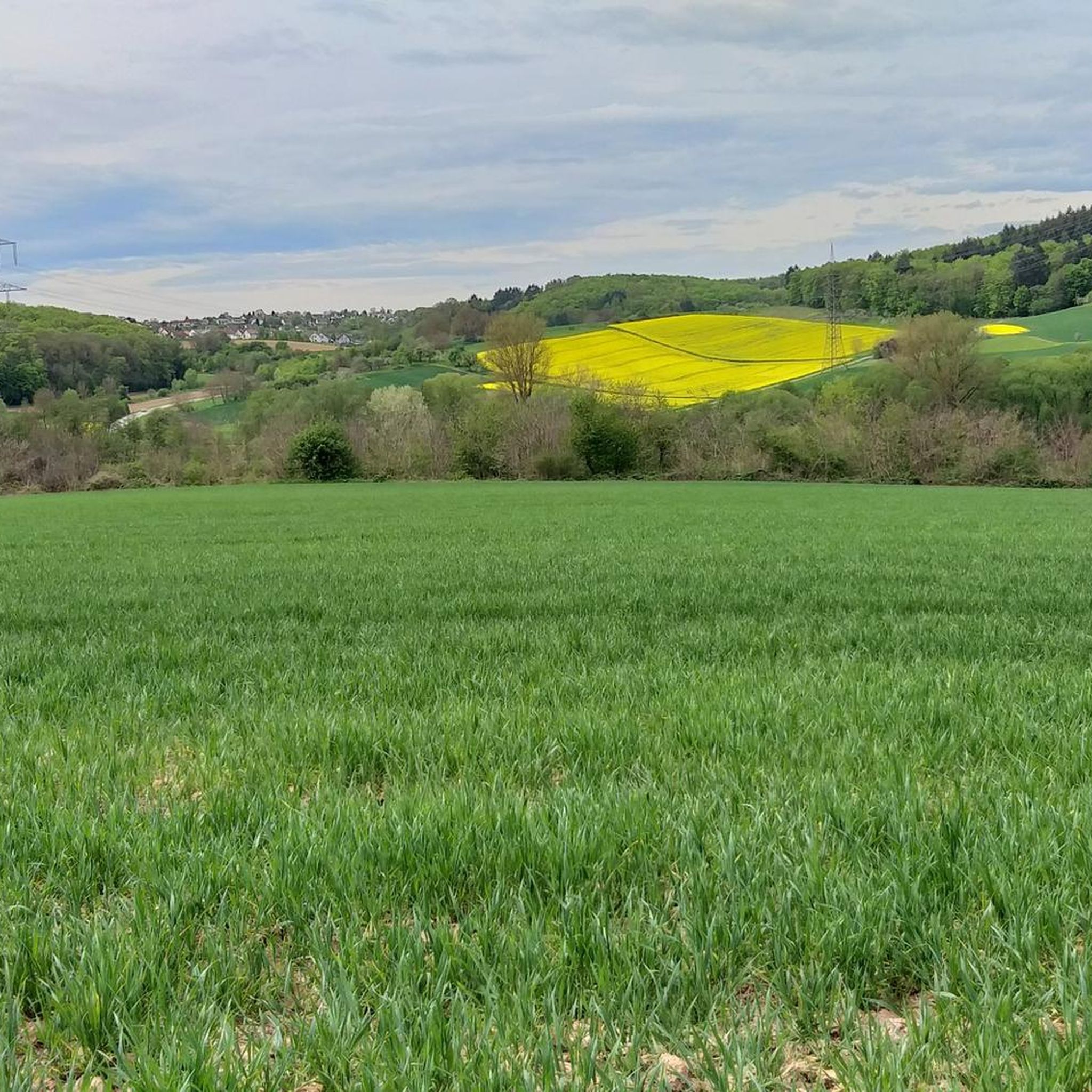
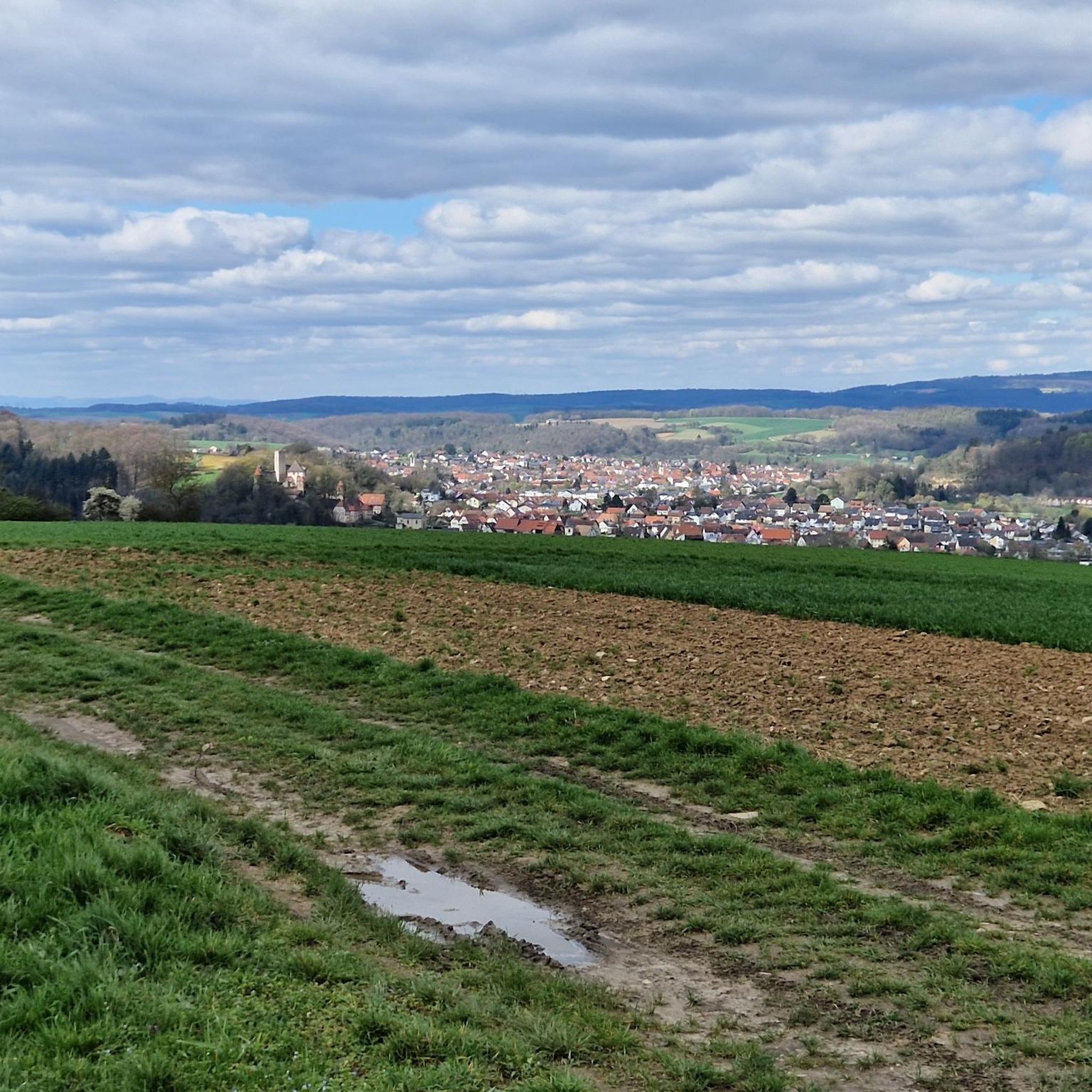
Other adventures around Neidenstein

Tips from the Community

A beautiful meadow valley in the middle of the forest with small ponds in the middle.
0
0

There are two very beautiful ponds with benches.
0
0

It looks like a swamp here, everything is natural. In spring you can hear an incredible number of birds here. Nature reserve.
0
0

Protected area behind the PreZero Arena
0
0

Expelled 1988 Size 5.8 hectares Brief description: Wetland with great biological diversity, through small biotopes such as: ponds, stream banks, reed beds, large sedge meadows, tall herb corridors, wet meadows, willow breakage and hedges in the drier peripheral areas. According to the ordinance, the main protective purpose of the nature reserve is “the preservation and promotion of a wetland area that is largely natural in its structure, some of which is still under development and is being ecologically upgraded through design measures. Furthermore, it is important to protect the rare biotic communities of the wet biotope and its endangered animal and plant species". The area is characterized by meadows surrounding a small forest island characterized by alder and hybrid poplar. In this grove there are several ponds and a small forest ledge swamp. In the west, the protected area is bordered by the Rittersbach and the Gaisbartgraben, which flow here in straightened stream beds. Reed stocks, large sedge reeds, tall herb meadows, unfertilized wet meadows, fertilized meadows, broken willow, poplar plots and hedges contribute to the ecological value of this area. Depending on the season, different flowering aspects prevail. In spring, the marsh marigolds shine bright yellow, and a little later the wood rushes with some types of orchids dominate the picture. Meadowsweet, yellow loosestrife and loosestrife bloom then, while stinging nettle and hogweed set the tone in midsummer aspect. Countless insects live in this mosaic of plant communities. The ponds, created just a few years ago to replace the damaged headwaters, are a magnet for many frogs, amphibians and toads. As the sanctuary offers sufficient breeding and cover opportunities as well as a rich food supply, it attracts a large number of birds from the surrounding area. (Excerpt from lubw.baden-wuerttemberg.de and Wikipedia)
1
0

Area: 38 ha Nature reserve since: 1989 Protective purpose: Preservation of a largely natural floodplain as a nationally important breeding and resting area for birds as well as ecological upgrading of the area through appropriate design measures. Particularities: The source of the Ilvesbach is in the "Great Forest" between Dühren and Weiler. It springs from 3 springs there. In the late Middle Ages there was a lake complex in the first part of the NSG on Weilerer Straße. The Rauwiesensee itself was created as a flood retention basin in 1978 as part of the land consolidation. The nature reserve ends at the motorway bridge. We find reed buntings, thorn warblers, red-backed shrikes, reed warblers and marsh warblers as special bird species. In addition, the Rauwiesensee is very important for migrants such as the very rare pond runner or stilt runner. A number of meadow plants that occur in nutrient-rich meadows such as meadowsweet, purple loosestrife and broomrape should also be mentioned. https://www.nabu-sinsheim.de/nreservate-in-sinsheim/
1
0
Due to the high nutrient input, a carpet of algae forms on the surface of the water in the Rauwiesensee during the hot summer months. This is not good. This will lead to oxygen depletion. 😒
0
0

A beautiful place with the two lakes, when I'm nearby I like to head for them and linger a bit. You can watch fish and water birds.
0
0
Frequently Asked Questions
What kind of natural features can I expect around the lakes near Neidenstein?
While Neidenstein itself is known for its historic castle and the Schwarzbach stream, the surrounding region offers diverse natural lake experiences. You can find natural lakes, ponds, and significant nature reserves with wetland areas. These locations are ideal for observing local wildlife, enjoying tranquil settings, and exploring unique ecosystems.
Are there specific nature reserves with lakes worth visiting near Neidenstein?
Yes, several nature reserves feature lakes and wetlands. The Sotten Nature Reserve includes a meadow valley with springs and ponds that serve as spawning waters. Another significant area is the Hinterer See Nature Reserve, a wetland with great biological diversity, including ponds, stream banks, and reed beds. The Wetlands at the Ilvesbach also offer a largely natural floodplain, important for birds and diverse plant life.
Are there family-friendly lakes for swimming and recreation near Neidenstein?
For family-friendly swimming and recreation, the broader Rhine-Neckar metropolitan region offers several options. The Breitenauer See is highly recommended for its excellent swimming, sandy beach, adventure playground, and beach volleyball courts. Closer to Neidenstein, Michelsee near Aglasterhausen-Michelbach provides recreational opportunities and walking paths, and Aglasterhausen Ponds offer a peaceful setting with benches, suitable for a relaxing family outing.
Can I go hiking or walking around the lakes near Neidenstein?
Absolutely. Many of the lakes and nature reserves in the area offer pleasant walking paths. For instance, Michelsee near Aglasterhausen-Michelbach has a nice circular path. The Aglasterhausen Ponds also have benches and information boards along their paths. For more extensive hiking, you can explore various routes in the region, such as those found in the Running Trails around Neidenstein guide, which includes paths like the 'Running loop from Neidenstein'.
What outdoor activities can I do near these lakes besides walking?
Beyond walking, the region around Neidenstein offers various outdoor activities. You can find numerous cycling routes, including road cycling and touring bicycle options. For example, the Road Cycling Routes around Neidenstein guide features routes like 'St. Georg Church, Siegelsbach – Riverside Rest Area at Schwarzbach loop'. The Cycling around Neidenstein guide also provides options like the 'Neidenstein Castle – Zuzenhausen Tobacco Barn loop'. Some regional bathing lakes, like Rheinauer See, also offer water sports such as fishing, diving, and water skiing.
What is the best time to visit the lakes near Neidenstein?
The best time to visit the lakes largely depends on your preferred activities. For swimming and water sports, the warmer months from late spring to early autumn (May to September) are ideal. If you're interested in hiking, birdwatching, or enjoying the natural scenery, spring (April-May) offers vibrant flora and active wildlife, while autumn (September-October) provides beautiful foliage. Winter can also be peaceful for quiet walks, especially around the nature reserves.
Are there any lakes near Neidenstein suitable for wild swimming?
While Neidenstein itself doesn't have designated wild swimming spots, the broader Rhine-Neckar metropolitan region offers several lakes with clear water for swimming. Die Blaue Adria in Ludwigshafen and Vogelstang See in Mannheim are known for their clear waters and spacious beaches, providing excellent opportunities for a refreshing dip in a natural setting. Always check local regulations and safety guidelines before wild swimming.
What do visitors enjoy most about the lakes and natural areas around Neidenstein?
Visitors particularly appreciate the tranquil settings and opportunities for relaxation. Many enjoy the well-maintained walking paths, the chance to observe local flora and fauna, and the peaceful atmosphere away from urban hustle. Highlights like Michelsee are praised for their recreational opportunities and pleasant walks, while the Aglasterhausen Ponds are noted for their quiet charm and natural beauty.
Are the lake areas near Neidenstein dog-friendly?
Many natural areas and walking paths around the lakes are generally dog-friendly, especially if dogs are kept on a leash. For instance, the walking paths around Michelsee are suitable for walks with dogs. However, specific nature reserves like Hinterer See Nature Reserve or Sotten Nature Reserve may have stricter rules regarding dogs to protect wildlife, so it's always best to look for local signage or information before visiting.
Are there cafes or restaurants near the lakes around Neidenstein?
While Neidenstein village itself offers cafes and restaurants, options directly adjacent to the regional lakes can vary. Larger bathing lakes like Breitenauer See often have facilities such as kiosks or small restaurants. For the more natural and secluded spots like Michelsee or Aglasterhausen Ponds, it's advisable to bring your own refreshments, though you might find benches for a picnic. You can always find dining options in the nearby towns and villages.
How accessible are the lakes near Neidenstein by public transport?
Access to the lakes near Neidenstein primarily relies on personal transport, as Neidenstein is a village. While public transport connects Neidenstein to larger towns, reaching the specific, often more secluded, lake highlights and nature reserves typically requires a drive. Some larger regional bathing lakes, especially those closer to cities like Mannheim or Ludwigshafen, might have better public transport connections, but a car offers the most flexibility for exploring the diverse lake options.
Are there any hidden or less-known lakes worth discovering near Neidenstein?
Beyond the more popular spots, the region has several smaller ponds and wetland areas that offer a sense of discovery. The Aglasterhausen Ponds, for example, are described as a 'hidden' gem where you can find almost perfect peace. Exploring the various nature reserves, such as Hinterer See Nature Reserve, can also lead you to less-trafficked spots with rich biodiversity.
Most popular routes around Neidenstein
Most popular attractions around Neidenstein

Get inspired with the komoot mobile app


Explore more
Still not found your perfect lake around Neidenstein? Check out the guides of these regions to see even more beautiful places.
