Top 14 Caves around Stein-Wingert
Best caves around Stein-Wingert are primarily historical mining tunnels and related geological formations, reflecting the region's rich industrial past. The area, situated in the Westerwald, features varied landscapes and sedimentary rock layers. While natural caves with typical formations are not prevalent, the region offers insights into past underground working conditions through former mines. The Nister river valley also contributes to the local geological interest.
Best caves around Stein-Wingert
- The most popular caves is Assberg slate mine, a historical site…
Last updated: June 26, 2026
Assberg slate mine
Highlight • Cave
Translated by Google •
Tip by

Stair Path to the Historical Slate Mine Limbach
Highlight • Trail
Translated by Google •
Tip by

Sign up now to discover places like this
Get recommendations on the best single tracks, peaks, & plenty of other exciting outdoor places.
Sign up for free
Grube Edelstein Visitor Mine
Highlight • Historical Site
From Easter Monday to the end of October, the "Grube Edelstein" is open to visitors every second Sunday of the month without registration.
Currently …
Translated by Google •
Tip by

Lourdes Grotto
Highlight • Religious Site
Translated by Google •
Tip by

Limbach Grotto (Madonna Shrine)
Highlight • Cave
Translated by Google •
Tip by

Sign up for free to discover even more caves around Stein-Wingert.
Sign up for free
Already have an account?
Start today with a free account
Your next adventure awaits.
Login or Signup
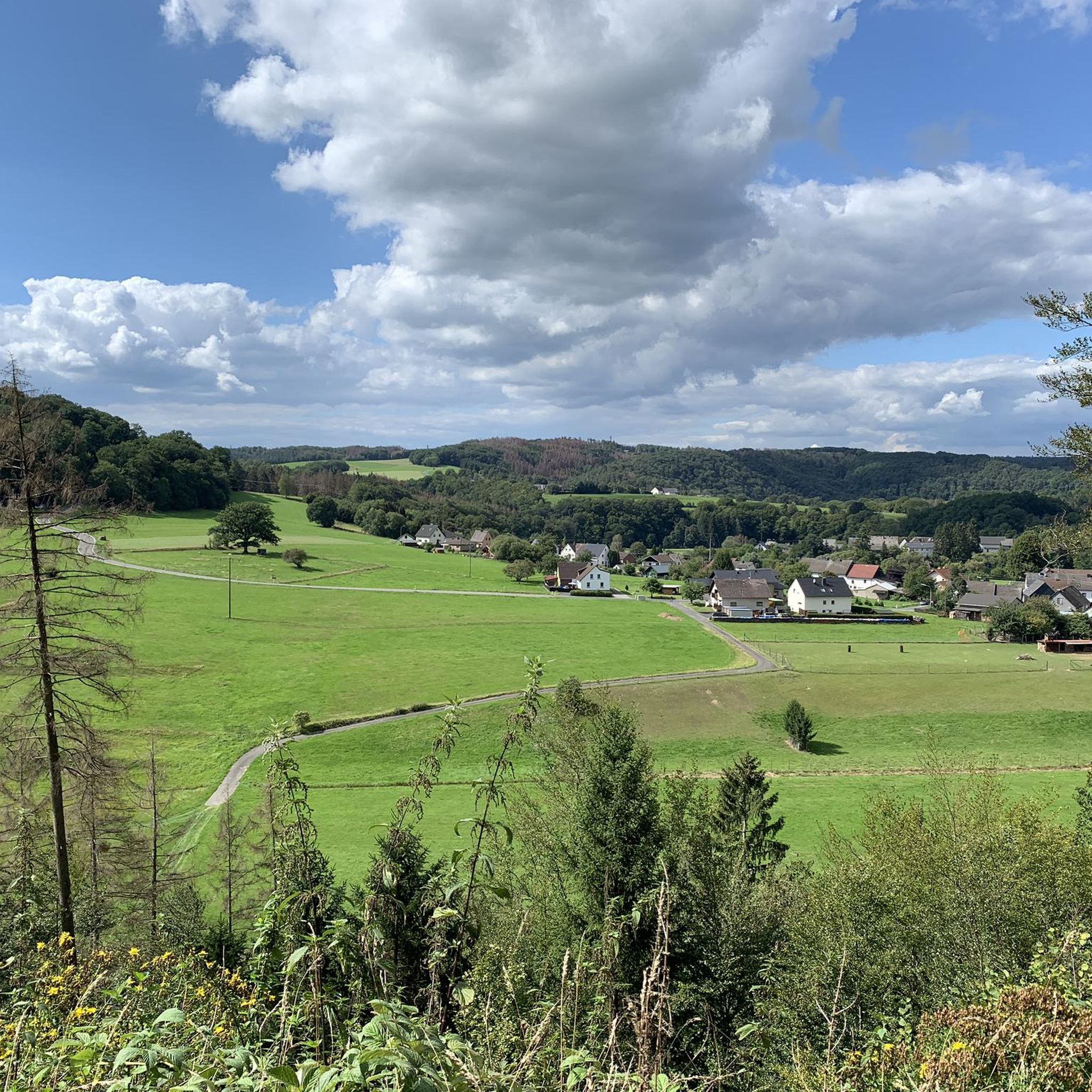

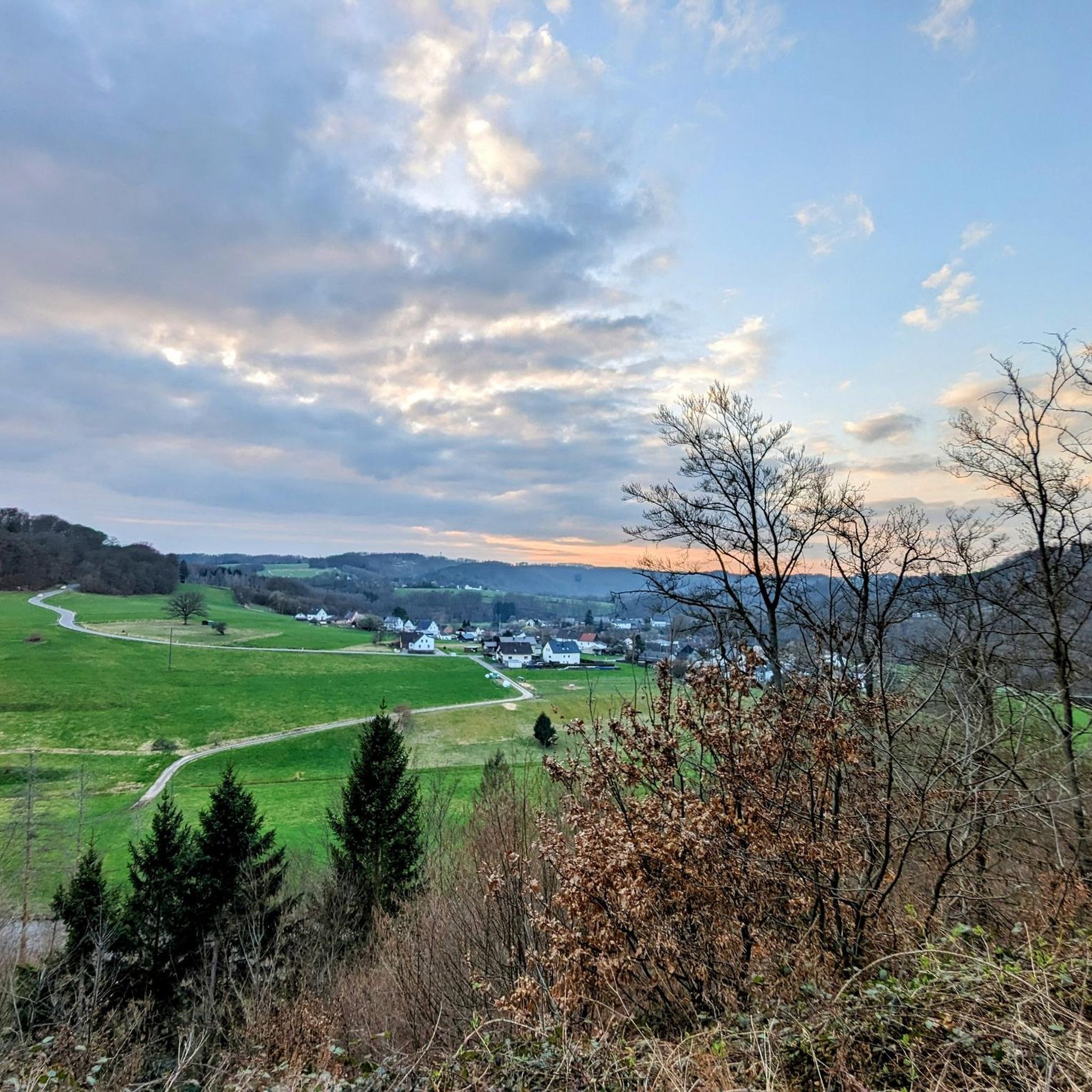
Other adventures around Stein-Wingert

Tips from the Community

Open every second Sunday from 2pm to 5pm (or by appointment)
2
0
The first records of mining activity in the Luckenbach district date back to 1685/1686. The Edelstein brown iron ore mine runs from the tunnel entrance in the Hardt area, approximately 220 meters northwest, and was operated until around 1922, but became uneconomical. At the end of World War II, the tunnel served as an air-raid shelter. While the men were at war, the population, mothers and children, had to take refuge in the tunnel when air raid warnings sounded. Nowadays, however, only part of the mine is accessible due to overburden deposits. For safety reasons, a solid door was installed in the entrance area. From time to time, guided tours of the mine are offered, which I highly recommend.
3
0

splendid
2
0

This grotto is located near the monastery.
3
0

"The Lourdes Grotto in Marienthal is a religious site located behind the pilgrimage church. It is open to visitors 24 hours a day, seven days a week. This grotto is a replica of the famous Lourdes Grotto in France, known as the site of Marian apparitions. In Marienthal, the grotto serves as a place of devotion, prayer and pilgrimage for believers from the region and beyond. Visitors come here to find solace, meditate and explore their spiritual needs. The atmosphere is often one of silence and devotion, while visitors have the opportunity to light candles and say prayers. The Lourdes Grotto of Marienthal is not only a place of faith, but also a place of rest and retreat for people of all backgrounds seeking spiritual fulfillment. " https://www.wallfahrtskirche-marienthal.de/ueber-uns/
2
0

The Mother of God depicted and venerated here is the one from Lourdes. This well-known Marian pilgrimage site is located in the French Pyrenees and is visited by many people every year, including many sick people who hope for healing. The devotional image of the Mother of God has become widespread - not only in France - and Lourdes chapels and grottos have been built by believers everywhere. The church memorial day "Our Lady of Lourdes" is on February 11th, this is the anniversary of the Marian apparition (1858), when the Mother of God appeared to 14-year-old Bernadette Soubirous in a rock grotto very close to Lourdes. Bernadette later became a nun and died at the age of just 35. On December 8th (the Feast of the Immaculate Conception of Mary) 1933, she was canonized by Pope Pius XI. The commemoration of the Madonna of Lourdes is also World Day of the Sick.
12
0

Former Edelstein ore mine. The former mine, whose tunnel mouth was reopened in 1991, is located in the Luckenbach district. It was apparently an underground mine operated by hand, as the first information from 1860 suggests. The ore was mined here between 1844 and 1920. The tunnel can also be visited.
2
0
Frequently Asked Questions
What kind of 'caves' can I expect to find around Stein-Wingert?
The 'caves' around Stein-Wingert are primarily historical mining tunnels and geological formations related to mineral extraction, rather than natural show caves with stalactites and stalagmites. The region has a rich industrial past, offering insights into former underground working conditions.
Are there any visitor mines offering tours in the area?
Yes, you can visit the Assberg slate mine, where a tour at a depth of 20 meters is possible. Another option is the Grube Edelstein Visitor Mine, which features a 100-meter tunnel into the mountain and offers guided tours.
What is the historical significance of the caves in Stein-Wingert?
The region's 'caves' are deeply rooted in its mining history. Sites like the Historic iron ore mine 'Consolidated Sonnenberg' (though not directly accessible) and the various slate and iron ore mines highlight the Westerwald's long tradition of extracting iron, lead, zinc, and slate. These sites offer a tangible connection to the industrial culture and past working conditions of the area.
Are there any family-friendly 'cave' experiences or related activities?
While direct access to some historical mines might have restrictions, the Lourdes Grotto is a family-friendly religious site near a monastery. Exploring the trails leading to historical mines, such as the Stair Path to the Historical Slate Mine Limbach, can also be an engaging activity for families.
What is the best time of year to visit the historical mines or related sites?
For visitor mines like the Grube Edelstein, guided tours typically run from Easter Monday to the end of October, often on specific weekends. It's advisable to check their schedules in advance. For outdoor trails leading to mine entrances, spring and autumn offer pleasant weather for hiking.
Are permits or special equipment needed to visit these sites?
For guided tours at visitor mines like Assberg or Grube Edelstein, you typically do not need special permits, but booking or checking opening hours is recommended. For exploring trails to mine entrances, no special permits are usually required. Always wear sturdy footwear and appropriate clothing for underground environments if entering a mine.
Can I bring my dog to the 'cave' areas or nearby trails?
Many outdoor trails in the Westerwald region, including those leading to historical mine entrances, are generally dog-friendly. However, direct entry into visitor mines or sensitive areas like bat habitats (e.g., the 'Consolidated Sonnenberg' mine) is usually restricted for pets. Always keep dogs on a leash and check specific site rules.
Are there any accessible 'caves' or trails for wheelchairs?
Due to the nature of historical mining tunnels and rugged terrain, most 'cave' sites and their immediate access paths are not wheelchair accessible. Trails leading to these sites often involve stairs or uneven ground. It's best to contact specific visitor mines directly for information on accessibility.
What wildlife can be found in or around the 'caves' near Stein-Wingert?
The Historic iron ore mine 'Consolidated Sonnenberg' serves as a traditional winter quarter for bats. To protect this bat population, direct human entry is restricted. The surrounding natural areas and forests are home to typical Westerwald wildlife.
What other outdoor activities can I do near the historical mine sites?
The Stein-Wingert area offers various outdoor activities. You can find numerous hiking trails, including the 'Weltende Nature Trail' or paths along the Nister River. There are also running trails and road cycling routes available in the wider region.
Where can I find parking when visiting these historical sites?
Parking availability varies by site. For visitor mines, dedicated parking areas are usually provided. For trails leading to mine entrances, you can often find public parking in nearby villages or designated trailheads. It's recommended to check local signage or visitor information for specific locations.
Are there any cafes or places to eat near the 'cave' attractions?
Yes, for example, near the Grube Edelstein Visitor Mine, a village café in the nearby Backes often offers coffee, cake, and drinks on days when guided tours take place. Larger towns in the Westerwald region will also have various dining options.
Most popular routes around Stein-Wingert
Most popular attractions around Stein-Wingert

Get inspired with the komoot mobile app


Explore more
Extend your search for the best caves by checking out these guides of the top ones around Stein-Wingert:
