Top 6 Caves around Nistertal
Best caves around Nistertal are found in the Westerwald region of Germany, an area characterized by its geological history and the Nister river. The landscape features a mix of natural formations and historical mining sites. These underground locations offer insights into both natural geological processes and centuries of human activity. The region provides opportunities for exploring unique subterranean environments.
Best caves around Nistertal
- The most popular caves is Assberg slate mine, a cave that allows visitors to learn about…
Last updated: June 26, 2026
Assberg slate mine
Highlight • Cave
Translated by Google •
Tip by

Stair Path to the Historical Slate Mine Limbach
Highlight • Trail
Translated by Google •
Tip by

Sign up now to discover places like this
Get recommendations on the best single tracks, peaks, & plenty of other exciting outdoor places.
Sign up for free
Grube Edelstein Visitor Mine
Highlight • Historical Site
From Easter Monday to the end of October, the "Grube Edelstein" is open to visitors every second Sunday of the month without registration.
Currently …
Translated by Google •
Tip by

Limbach Grotto (Madonna Shrine)
Highlight • Cave
Translated by Google •
Tip by

Start today with a free account
Your next adventure awaits.
Login or Signup
Popular around Nistertal
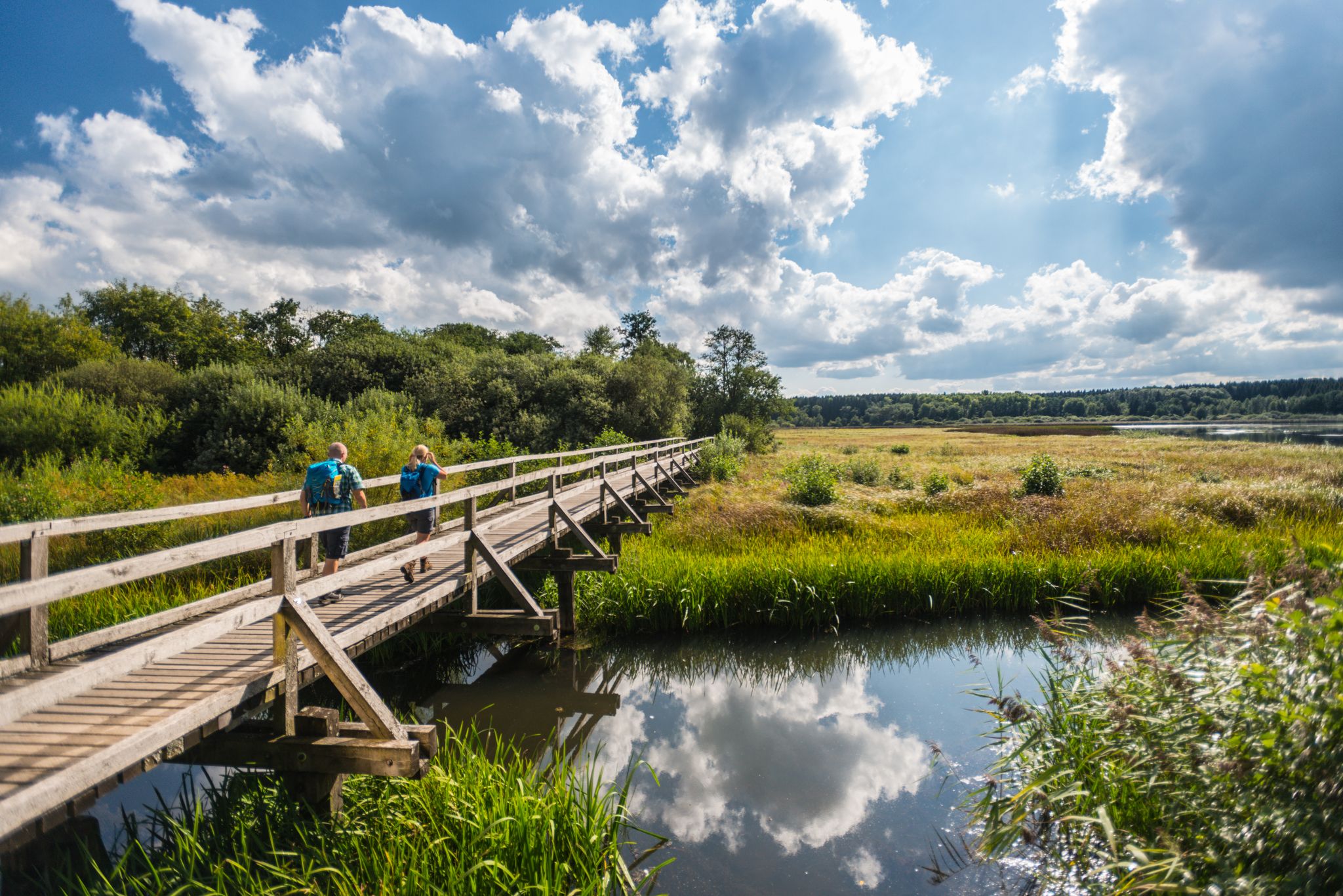
More than just forests – 16 stages on the WesterwaldSteig
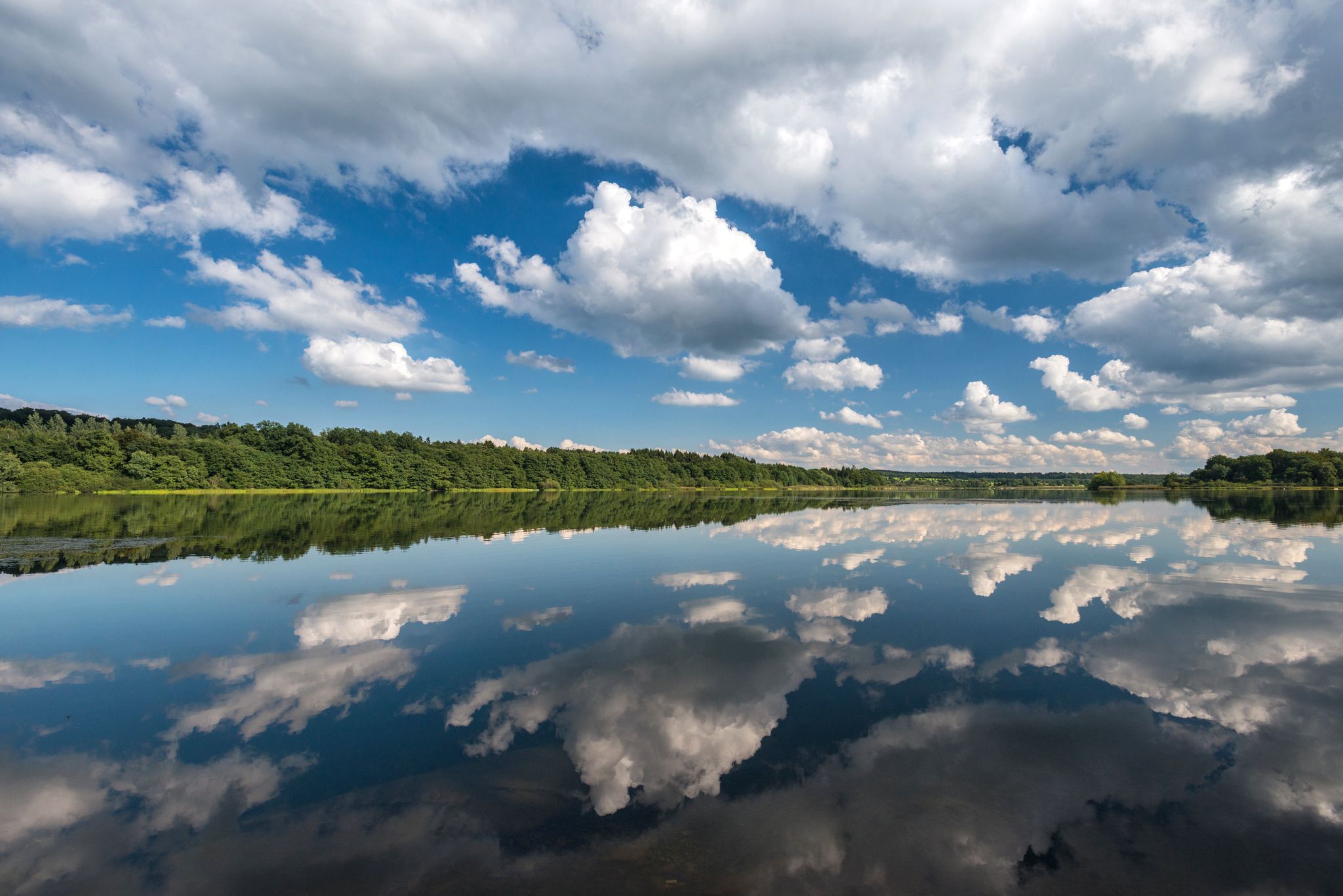
Waterways in Germany’s Westerwald — hiking along rivers and lakes
More than just forests – 16 stages on the WesterwaldSteig
Cycling around Nistertal
Hiking around Nistertal
MTB Trails around Nistertal
Road Cycling Routes around Nistertal
Gravel biking around Nistertal
Running Trails around Nistertal
Other adventures around Nistertal


Tips from the Community

Open every second Sunday from 2pm to 5pm (or by appointment)
2
0
The first records of mining activity in the Luckenbach district date back to 1685/1686. The Edelstein brown iron ore mine runs from the tunnel entrance in the Hardt area, approximately 220 meters northwest, and was operated until around 1922, but became uneconomical. At the end of World War II, the tunnel served as an air-raid shelter. While the men were at war, the population, mothers and children, had to take refuge in the tunnel when air raid warnings sounded. Nowadays, however, only part of the mine is accessible due to overburden deposits. For safety reasons, a solid door was installed in the entrance area. From time to time, guided tours of the mine are offered, which I highly recommend.
3
0

splendid
2
0

Former Edelstein ore mine. The former mine, whose tunnel mouth was reopened in 1991, is located in the Luckenbach district. It was apparently an underground mine operated by hand, as the first information from 1860 suggests. The ore was mined here between 1844 and 1920. The tunnel can also be visited.
2
0

This steep staircase is a very welcome change after all the very wide and flat paths!
0
0
The climb is worth it
1
0

Here there are only the steps up to the mine. Not really suitable as a cycling highlight. There is, however, a path up from the monastery for bicycles, although it is quite steep.
0
0

Information about the Edelstein mine: https://www.luckenbach-ww.de/gemeinde/grube-edelstein/ From Easter Monday to the end of October, the "Grube Edelstein" is open to visitors every second Sunday of the month without registration. Currently (4/2024) guided tours take place from 2 p.m. to 5 p.m. (from 3 p.m. to 6 p.m. the village café in the nearby Backes offers coffee, cake and drinks, highly recommended!) The tunnel leads about 100 meters into the mountain, widens in the rear part and branches off into outgoing tunnels. A water-filled shaft leads into the depths to lower levels.
5
0
Frequently Asked Questions
What kind of underground experiences can I expect around Nistertal?
Around Nistertal, you can explore a mix of historical mining sites and natural geological formations. These include ancient slate mines, visitor mines with tunnels, and natural grottoes, offering insights into both human history and natural processes.
Which caves offer a historical insight into the region's mining past?
The Assberg slate mine is one of the oldest and largest publicly accessible slate mines in the Westerwald, dating back to 1548. Another historical site is the Grube Edelstein Visitor Mine, where you can explore a tunnel leading about 100 meters into the mountain.
Can I explore any of the mines without a guided tour?
Yes, the Assberg slate mine can be explored without a guide and without restrictions, allowing you to delve into the world of slate mining at your own pace. Stairs lead 20 meters down into its main hall.
What makes the Assberg slate mine unique?
The Assberg slate mine is notable for its historical significance as one of the oldest and largest publicly accessible slate mines in the Westerwald. Its subterranean chambers, excavated by hand, are uniquely shaped like churches or chapels. Informative boards also detail the 400-million-year-old geology of the roofing slate and traditional mining crafts.
Are there any natural caves or grottoes to visit near Nistertal?
Yes, the Limbach Grotto (Madonna Shrine) is a natural grotto located in a rock massif. Additionally, the Heinzelmann Caves in the broader Westerwald region are of geological interest, formed by the chemical dissolution of limestone.
Are the caves around Nistertal suitable for families?
The Assberg slate mine offers an educational and self-guided experience suitable for families. The Grube Edelstein Visitor Mine also offers guided tours which can be engaging for children. However, the path to the Limbach Grotto is described as adventurous and may be more suitable for experienced hikers.
What are the difficulty levels for exploring these underground sites?
The Assberg slate mine is generally accessible via stairs. The Grube Edelstein Visitor Mine involves walking through a tunnel. However, accessing the Limbach Grotto involves a somewhat adventurous path over a steep slope, making it more challenging and recommended for experienced hikers.
What outdoor activities can I do near these caves?
The region around Nistertal is excellent for various outdoor activities. You can find numerous routes for hiking, including trails like the Westerwaldsteig, Druidensteig, and Marienwanderweg that pass near the Assberg mine. There are also options for gravel biking and MTB trails.
Are there hiking trails that lead to the caves?
Yes, the Assberg slate mine is accessible via several hiking trails, including sections of the Westerwaldsteig, Druidensteig, and Marienwanderweg. You can also find the Stair Path to the Historical Slate Mine Limbach, which is a dedicated ascent to the mine.
What do visitors enjoy most about the caves around Nistertal?
Visitors particularly appreciate the historical insights offered by sites like the Assberg slate mine, where they can learn about slate mining. The self-guided exploration opportunities and the unique geological formations are also highly valued. The natural setting of places like the Limbach Grotto also draws many visitors.
What are the best times to visit the visitor mines?
The Grube Edelstein Visitor Mine is typically open to visitors every second Sunday of the month from Easter Monday to the end of October, with guided tours offered regularly during these times. The Assberg slate mine is generally accessible year-round.
Are there any other interesting historical sites near the caves?
Beyond the mines, you can also visit the Felsenstübchen (Froneck-Nister Castle Ruins), which combines historical ruins with natural rock formations and offers a viewpoint. The region itself is rich in history, with sites like Hachenburg Castle and Marienstatt Abbey having historical ties to the slate mining industry.
Most popular routes around Nistertal
Most popular attractions around Nistertal

Get inspired with the komoot mobile app


Explore more
Extend your search for the best caves by checking out these guides of the top ones around Nistertal:
