Top 20 Lakes around Bad Düben
Best lakes around Bad Düben offer diverse natural beauty and recreational opportunities in Saxony-Anhalt. This region, situated on the edge of the Dübener Heide Nature Park, features several lakes, many of which are former open-cast mines transformed into recreational areas. Visitors can find tranquil swimming spots and areas for active water sports. The landscape provides a mix of natural and recultivated environments, making it a notable destination for outdoor activities.
Best lakes around Bad Düben
- The most popular lakes is…
Last updated: June 26, 2026
Mulde Bridge at Muldestausee
Highlight • Bridge
Translated by Google •
Tip by

Lake Neuhauser
Highlight • Lake
Translated by Google •
Tip by

Sign up now to discover places like this
Get recommendations on the best single tracks, peaks, & plenty of other exciting outdoor places.
Sign up for free
Reinharz Moated Castle
Highlight • Castle
Heinrich von Löser, Electorate of Saxony's hereditary marshal, had a representative moated castle with a baroque park, castle pond and brewery pond built between 1690 …
Translated by Google •
Tip by

Muldestausee (Mulde Reservoir)
Highlight • Lake
Translated by Google •
Tip by

Seelhausener Lake
Highlight • Lake
Translated by Google •
Tip by
Sign up for free to discover even more lakes around Bad Düben.
Sign up for free
Already have an account?
Start today with a free account
Your next adventure awaits.
Login or Signup
Popular around Bad Düben
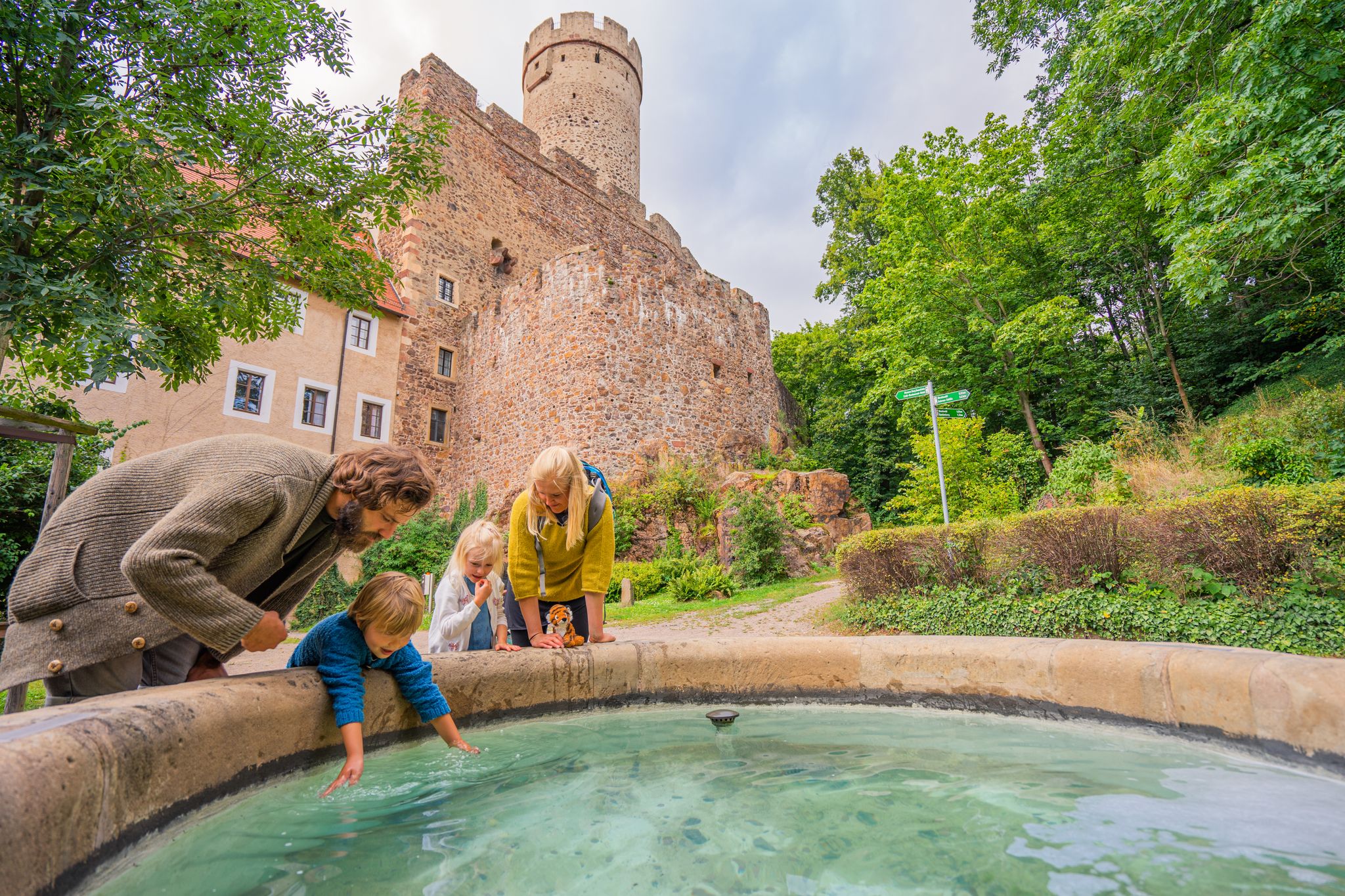
Time for little adventures – family hikes in the Leipzig region
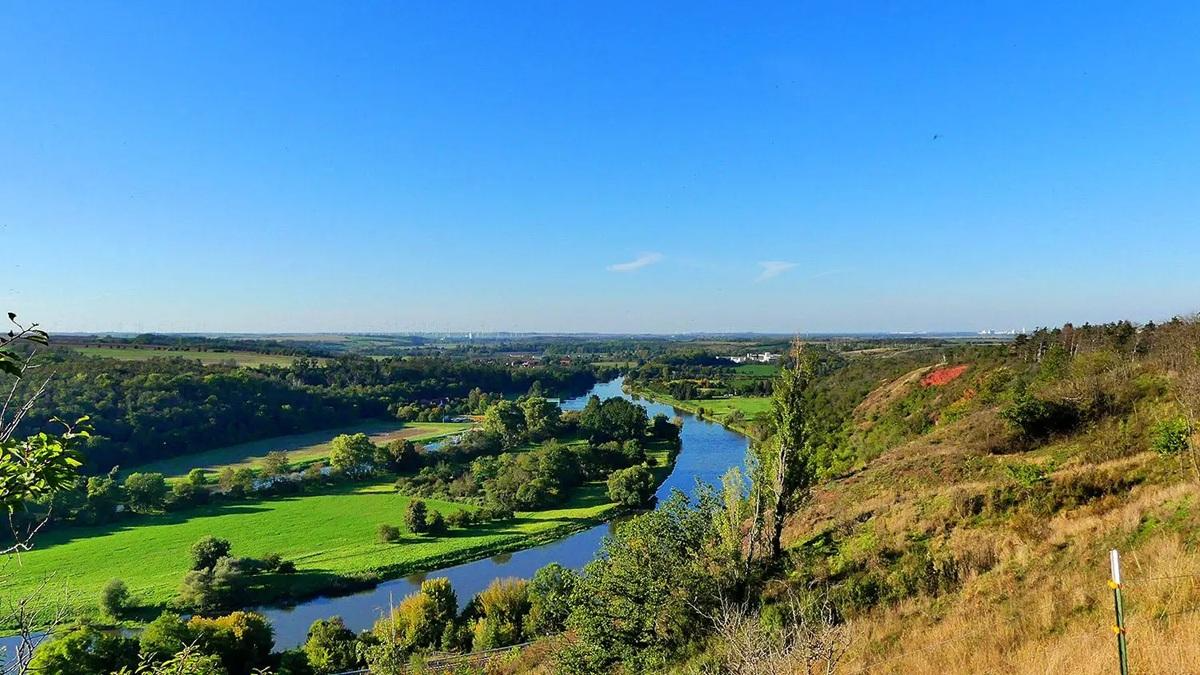
The National Natural Landscapes in Saxony-Anhalt
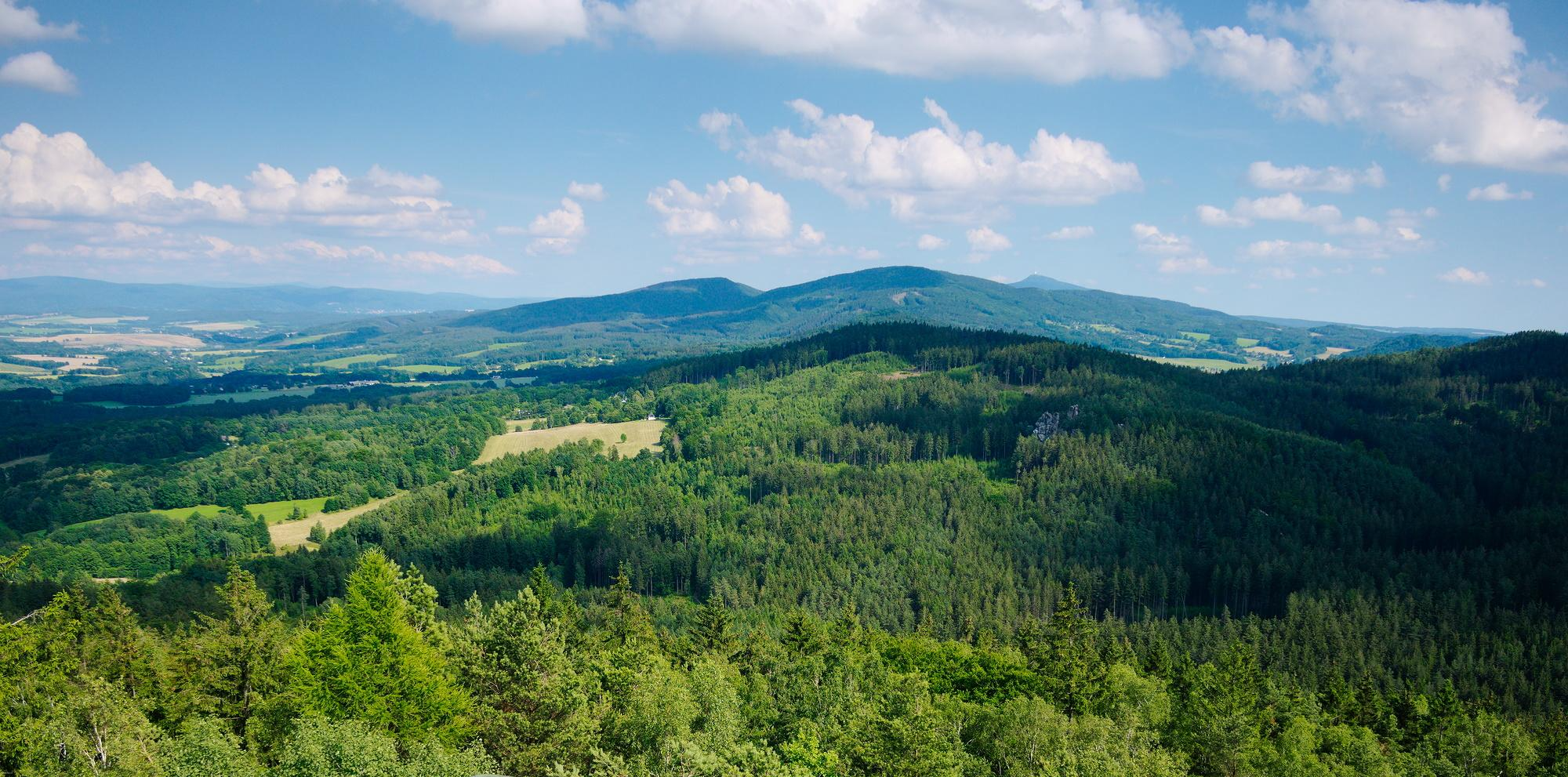
The National Natural Landscapes in Saxony
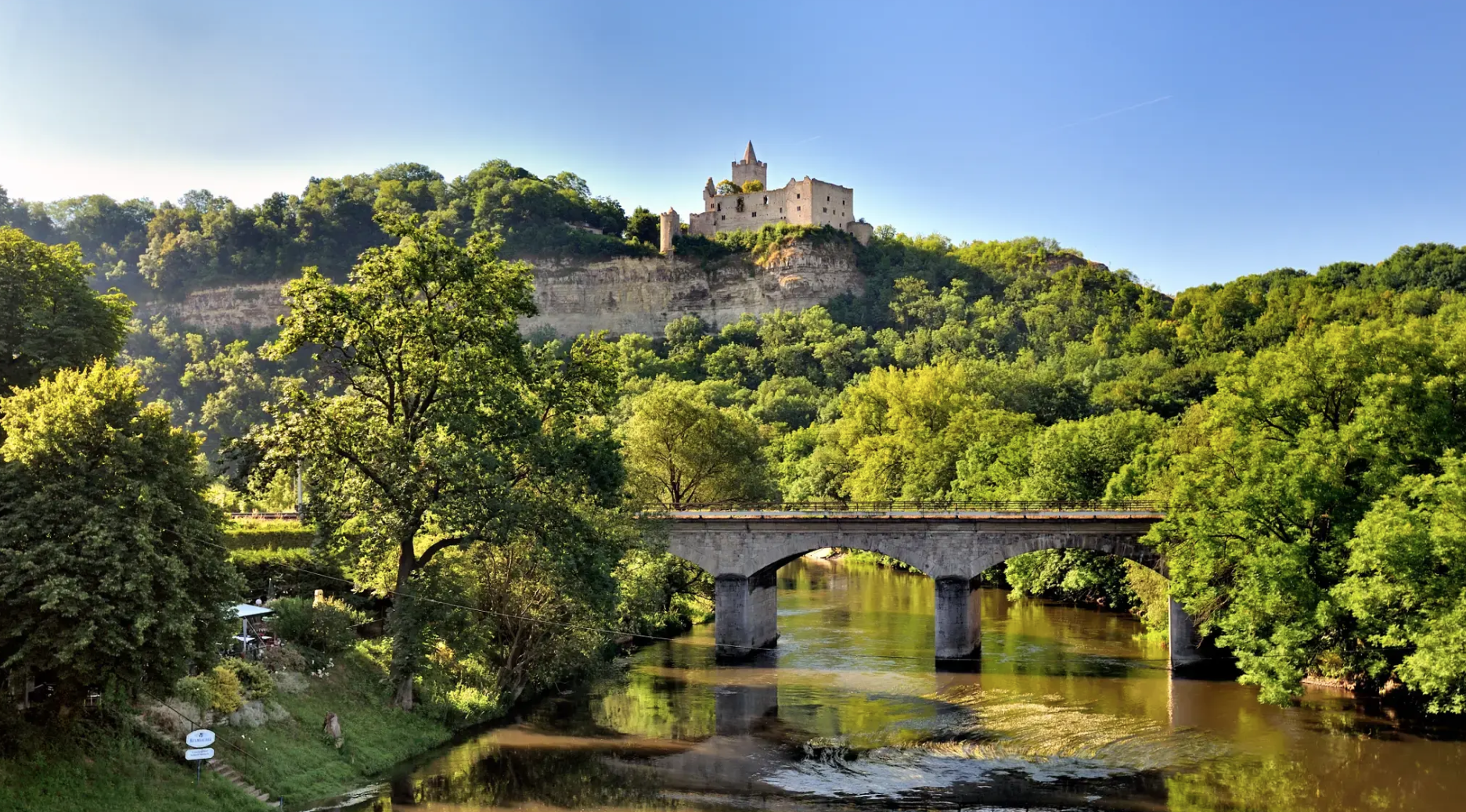
Walking and Wellness – spa towns in the Leipzig area

Pure road and gravel riding joy through Saxony
Natural wonders of Saxony – hiking with the wow factor
With the PlusBus to wonderful hikes near Leipzig
Cycling into the countryside – urban escapism around Leipzig
Hiking between big city and nature – urban escapism Leipzig
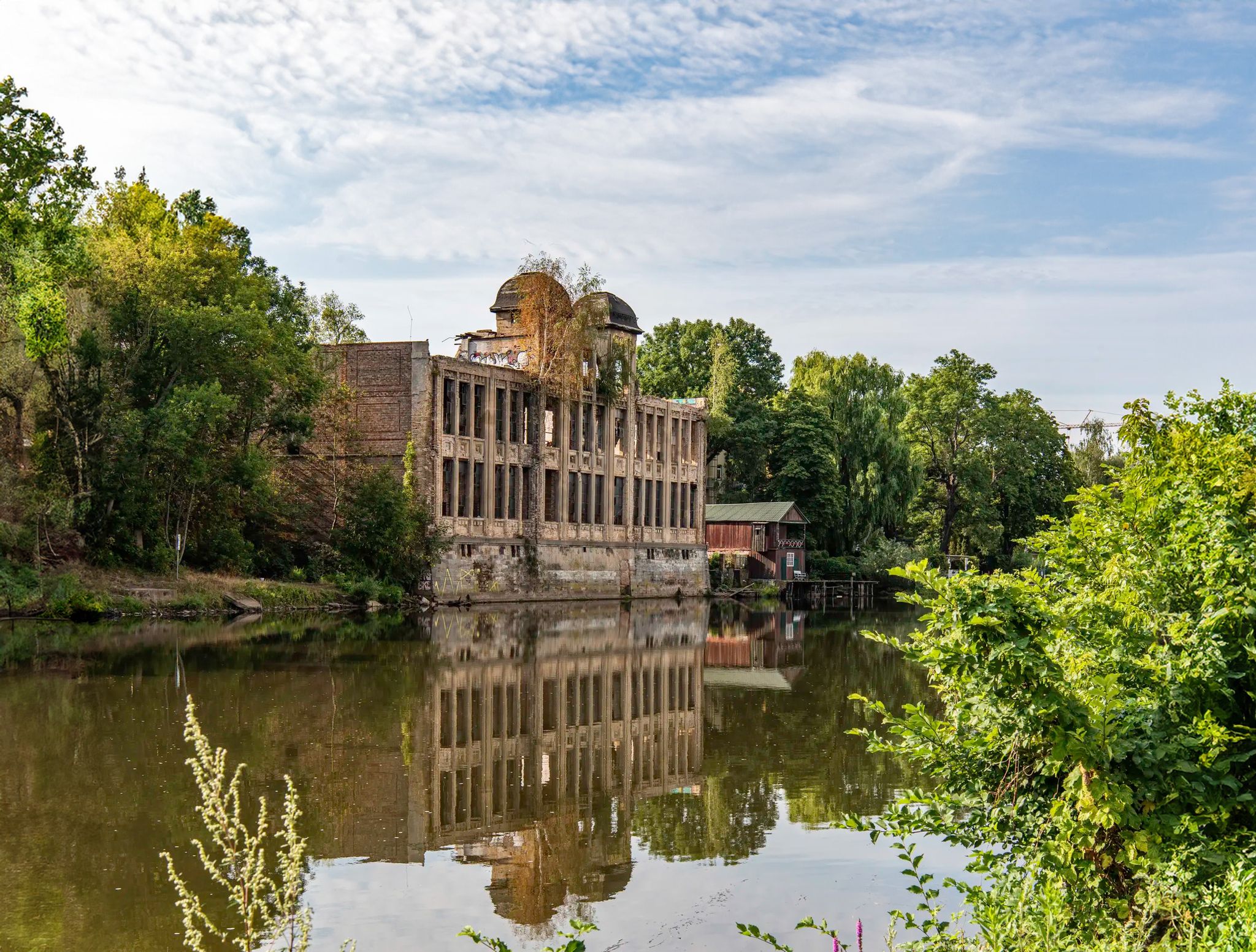
Abandoned and forgotten — mysterious lost places around Leipzig
Other adventures around Bad Düben


Tips from the Community

Today, an developed network of cycle paths and hiking trails with viewing platforms and information boards on the formation of the landscape extends along the Neuhäuser See. The 120 km long Kohle-Dampf-Licht cycle path from Lutherstadt Wittenberg to Markkleeberg passes by the lake. Source https://de.wikipedia.org/wiki/Neuh%C3%A4user_See
1
0
In the mid-19th century, the first mining activities began in the southwest of Goitzsche, near the villages of Petersroda and Holzweißig.[3] Following the lignite seam, mining progressed from west to east. Favored by the opening of the current Magdeburg–Leipzig and Trebnitz–Leipzig railway lines, the sales market for lignite expanded to Halle and Leipzig, among other places. The increased demand for electrical energy and fossil fuels in the 19th and 20th centuries led in 1908 to the opening of the Leopold open-cast mine (from 1945 to 1962 Holzweißig–Ost) and in 1958 to the creation of the Holzweißig-West open-cast mine.[3] The Neuhäuser See originated from the former Holzweißig-West lignite open-cast mine. It is named after the Neuhaus estate, which was demolished in 1976 along with the village of Paupitzsch. The Holzweißig-West open-cast mine was operated from 1958 to 1980. Other sources report usage until 1991. The lake was flooded from 1993 to 2005.[1] Overflowing water is channeled via the Goitzsche into the Mulde. Since 1997, the area has been renatured and stable embankments have been created. Source https://de.wikipedia.org/wiki/Neuh%C3%A4user_See
1
0
The Neuhäuser See is located on the northwestern border of the Free State of Saxony with Saxony-Anhalt, at an altitude of about 78 m above sea level. NN. South of the lake is Benndorf, a district of the North Saxon district town of Delitzsch, and to the north is the unified municipality of Bitterfeld-Wolfen in Saxony-Anhalt. It is located in the Central German Lake District, south of the Großer Goitzschesee and the waters Ludwigsee and Paupitzscher See. Quelle https://de.wikipedia.org/wiki/Neuh%C3%A4user_See
1
0
The Neuhäuser See (also Neuhauser See) is an opencast mine residual lake of approximately 155 hectares, which was created by flooding the former Holzweißig-West opencast mine. The lake is located in the Central German Lake District, south of the Goitzsche nature reserve and north of the town of Delitzsch. Source https://de.wikipedia.org/wiki/Neuh%C3%A4user_See
1
0
The village of Seelhausen was buried in 1987 during the expansion of the Goitzsche open-cast mine. The Seelhausen Lake was created by flooding the remaining open-cast mine pit. It lies west of Löbnitz, south of Bitterfeld, and north of Delitzsch, in the Central German Lake District. From the end of July 2000, the lake was filled with water from the Mulde River via a pipeline at a rate of 1 m³/s[1] until the pipeline was destroyed by the Elbe River flood in 2002. Since then, the lake has been fed by the Lober-Leine Canal. According to the LMBV (Lausitz and Central German Mining Company), 96% of the planned water level had been reached by March 2004. The flooding work was completed in 2005.[1] A beach area has since been built at the flooding site, and further development of the lake as a recreational area is planned. The larger Goitzsche Lake lies northwest of the Seelhausen Lake. The lake district also includes Lake Paupitzsch, Lake Holzweißig, Lake Ludwig, Lake Neuhaus, and Lake Zöckeritz with Essigloch and Lake Auensee. The total surface area of all lakes in the former Goitzsche open-cast mine is estimated at 24 square kilometers. Lake Seelhausen is a former open-cast mine lake with a water level of 78 meters above sea level. Its storage capacity is 74 million cubic meters, with a surface area of 622 hectares. Source: https://de.wikipedia.org/wiki/Seelhausener_See
2
0
Lake Seelhausen is a former open-cast mining lake of approximately 622 hectares, formed from the former Rösa lignite mine (part of the Goitzsche). It lies mostly in the German state of Saxony and partly in Saxony-Anhalt. Source: https://de.wikipedia.org/wiki/Seelhausener_See
2
0

Frequently Asked Questions
What outdoor activities can I do near the lakes around Bad Düben?
The lakes around Bad Düben offer a variety of outdoor activities. You can enjoy swimming at sandy beaches, go for pleasant strolls, or bike rides. For more structured activities, there are numerous routes for gravel biking, road cycling, and running. For example, you can explore routes like the 'Gravel tour through the Düben Heath' or 'Mulde Bridge, Eilenburg – Mulde Bridge in Bad Düben loop from Bad Düben'. You can find more details on these activities and routes in the respective guides: Gravel biking around Bad Düben, Road Cycling Routes around Bad Düben, and Running Trails around Bad Düben.
Are there family-friendly lakes around Bad Düben?
Yes, several lakes are well-suited for families. Lake Gross Düben is particularly family-friendly, offering sandy beaches, a playground, table tennis, a bowling alley, and a volleyball court. Bergwitzsee is another popular bathing lake with sandy beaches and a bistro. Muldestausee (Mulde Reservoir) and Seelhausener Lake are also noted as family-friendly destinations, providing ample space for relaxation and enjoyment by the water.
What natural features can I see around the lakes near Bad Düben?
The region boasts diverse natural beauty, including recultivated landscapes from former open-cast mines now transformed into recreational areas. You can observe the impressive 19-meter-high dam at Muldestausee. Many lakes, like Bergwitzsee and Lake Gross Düben, feature sandy beaches. The area is also characterized by lush forests, especially around Lake Gross Düben, where you can find wild berries and mushrooms in autumn. The Mulde Bridge at Muldestausee offers a beautiful viewpoint to observe the Mulde River, the Muldestausee, and the Goitzsche.
Are there historical sites near the lakes around Bad Düben?
Yes, the region combines natural beauty with historical interest. The Muldestausee itself is a significant site, formed by flooding a former open-cast mine. A notable historical landmark is Reinharz Moated Castle, a Baroque castle built between 1690 and 1701. This site features a striking 68-meter-high tower that was once used for astronomical observations. Additionally, the Walkmühlenteich is associated with a former watermill, adding to the historical charm of the area.
Which lakes are best for swimming near Bad Düben?
For swimming, Bergwitzsee is a highly popular choice, known for its sandy beaches and good water quality. Großer Lausiger Teich and Seelhausener See are also excellent options for a refreshing swim. Lake Gross Düben is an idyllic swimming lake with sandy beaches and clear water, enveloped by lush forest.
What is the best time to visit the lakes around Bad Düben?
The lakes are enjoyable throughout the warmer months for swimming and water activities. Autumn offers a unique experience, especially around Lake Gross Düben, where visitors can find wild berries and mushrooms amidst the changing foliage. The recultivated landscapes and forests provide pleasant conditions for hiking and cycling during spring and autumn as well.
Are there opportunities for tranquil walks or bike rides around the lakes?
Absolutely. Großer Lausiger Teich is ideal for a pleasant stroll or bike ride. Lake Gross Düben features a convenient 1km loop trail perfect for walks. The Muldestausee (Mulde Reservoir) offers a great flatland hike around its perimeter, providing scenic views and a peaceful environment for walking or cycling.
What do visitors enjoy most about the lakes around Bad Düben?
Visitors particularly appreciate the diverse natural beauty and recreational opportunities. Many enjoy the tranquil swimming spots and the transformation of former open-cast mines into beautiful recreational areas. The scenic views, such as those from the Mulde Bridge at Muldestausee, and the extensive network of trails for hiking and cycling are also highly valued. The komoot community has shown significant appreciation, with over 700 upvotes and more than 130 photos shared for the lakes in this region.
Can I find accommodation or dining options near the lakes?
While specific accommodation and dining options vary by lake, Bergwitzsee has a bistro for snacks. Lake Gross Düben offers holiday cabins for rent on its eastern shore. For broader options, the town of Bad Düben and surrounding villages provide various cafes, pubs, and accommodation choices.
Which lakes are good for birdwatching or nature observation?
The recultivated landscapes and surrounding forests provide habitats for various wildlife. Lakes like Lake Gross Düben, enveloped by lush forest, offer tranquil settings ideal for nature observation and potentially birdwatching. The general serenity of lakes such as Großer Lausiger Teich and Seelhausener See also makes them suitable for observing local flora and fauna.
Are there any lakes formed from former open-cast mines?
Yes, many of the lakes in the region are former open-cast mines that have been recultivated into beautiful recreational areas. Notable examples include Bergwitzsee, Muldestausee (formed by flooding with the Mulde River), and Seelhausener See (formed from the former Rösa lignite mine). Lake Gross Düben also originated from the former Sophie mining pit.
Most popular routes around Bad Düben
Most popular attractions around Bad Düben

Get inspired with the komoot mobile app


Explore more
Still not found your perfect lake around Bad Düben? Check out the guides of these regions to see even more beautiful places.
