Top 5 Caves around Harschbach
Caves around Harschbach are primarily found within the broader Rhine-Westerwald Nature Park, a region characterized by its varied terrain. While the village of Harschbach itself does not feature prominent cave systems, the surrounding area offers a range of subterranean features. These include historical mine tunnels and natural rock passages, providing insight into the region's geology and industrial past. The landscape around Harschbach is known for its natural beauty and opportunities for exploration.
Best caves around Harschbach
- The most popular caves…
Last updated: June 26, 2026
Alvenslebenstollen
Highlight • Historical Site
Translated by Google •
Tip by

Lammerichskaule Mine Tunnel
Highlight • Historical Site
Translated by Google •
Tip by

Sign up now to discover places like this
Get recommendations on the best single tracks, peaks, & plenty of other exciting outdoor places.
Sign up for free
Narrow Rock Tunnel
Highlight • Cave
Translated by Google •
Tip by

Otto Tunnel
Highlight • Cave
Translated by Google •
Tip by

Cave Entrances by the Aubach
Highlight • Cave
Translated by Google •
Tip by

Sign up for free to discover even more caves around Harschbach.
Sign up for free
Already have an account?
Start today with a free account
Your next adventure awaits.
Login or Signup
Tips from the Community

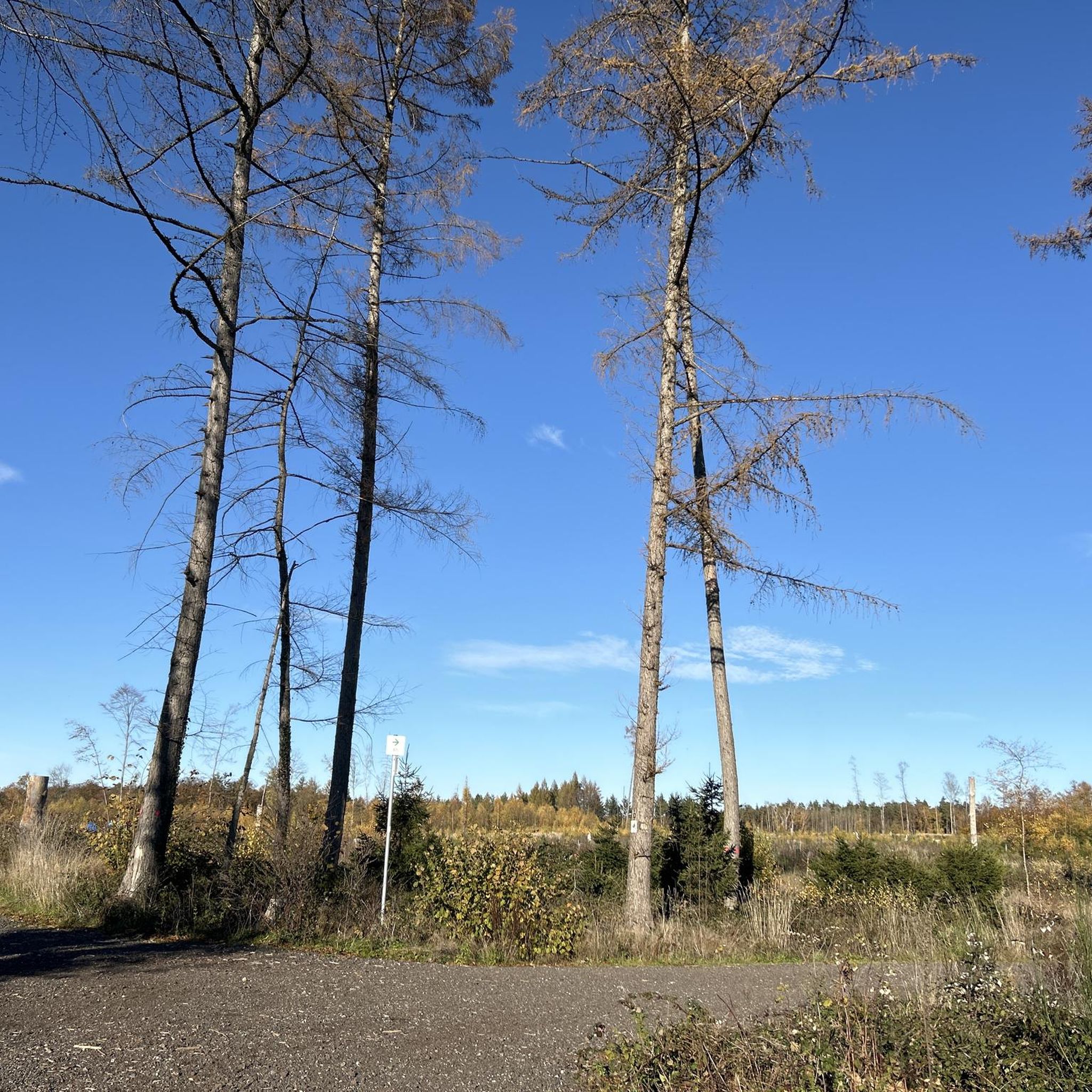
Possibility of rest and view of the tunnel and the castle
1
0

The tunnel addresses the history of mining. The last time I visited the tunnel, there were lots of small bats living there. The history is also explained in detail on site.
0
0

The tunnel was named after Otto von Bismarck. You can find more detailed information on the information boards on site.
1
0

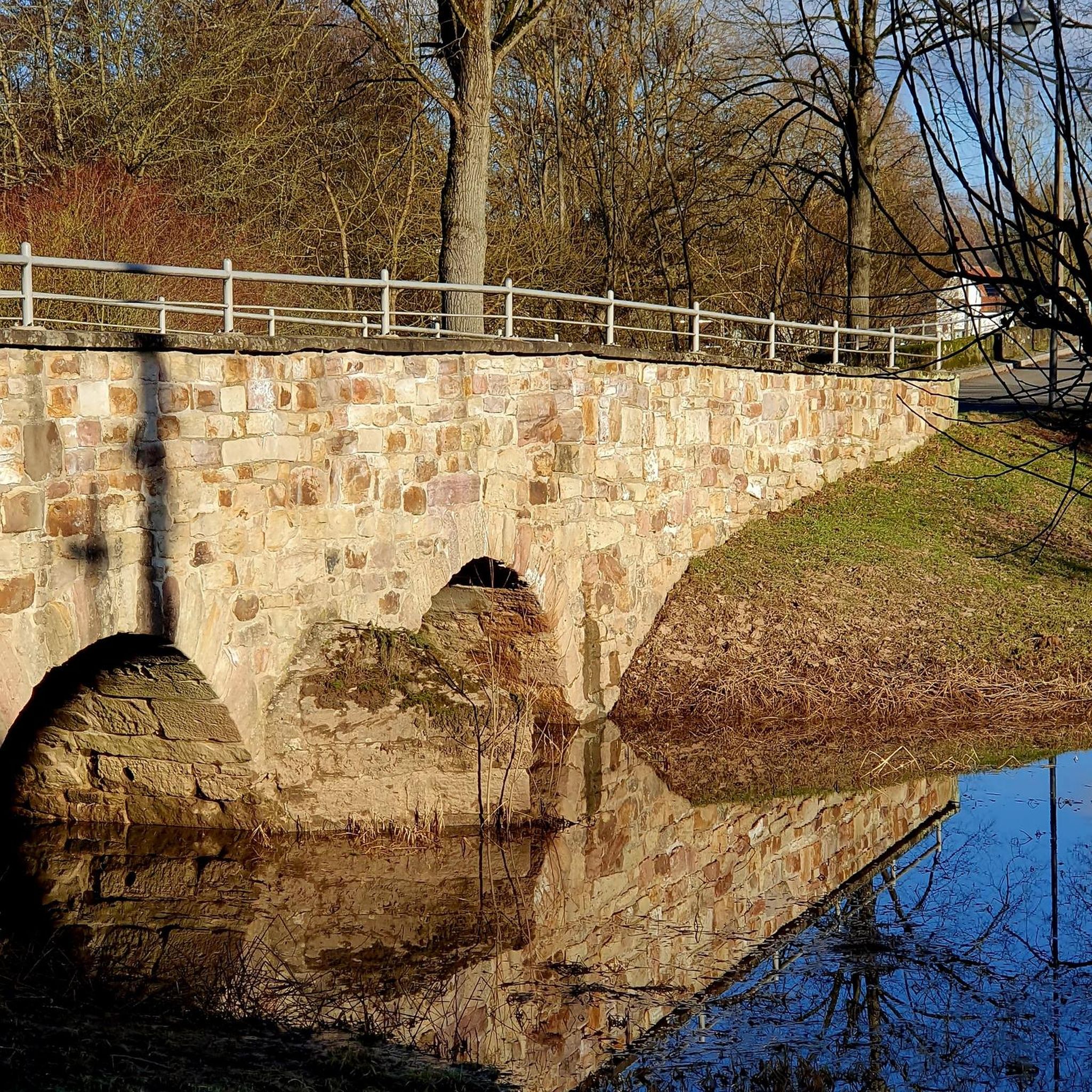
Walled-up cave entrance directly on the Aubach.
0
0


Unfortunately I didn't have time to visit the tunnel.
0
0

Former cave entrances directly on the Aubach
0
0
Frequently Asked Questions
What types of subterranean features can I explore around Harschbach?
The area around Harschbach, particularly within the Rhine-Westerwald Nature Park, offers a variety of subterranean features. These include historical mine tunnels like the Lammerichskaule Mine Tunnel and Alvenslebenstollen, as well as natural rock passages such as the Cave tunnel in Naturpark Rhein-Westerwald. There are also sealed caves, like the Sealed Cave in Naturpark Rhein-Westerwald, which serve as bat habitats.
Are there any historical mine tunnels to visit near Harschbach?
Yes, the region features significant historical mine tunnels. The Lammerichskaule Mine Tunnel, dating back to 1850, is located along the ore hiking trail and provides historical information. Another notable site is the Alvenslebenstollen, a 1546-meter long tunnel from the Louise mine, which can be viewed for approximately 400 meters by appointment.
What is the difficulty level for exploring caves in the Harschbach area?
The difficulty varies. Some natural passages, like the Cave tunnel in Naturpark Rhein-Westerwald, are considered challenging as they are low and require crawling. Historical mine tunnels like the Alvenslebenstollen are generally more accessible for guided visits. The Narrow Rock Tunnel is too small for human exploration.
Are there any family-friendly cave experiences around Harschbach?
While some natural passages might be too challenging for young children, historical sites like the Alvenslebenstollen can be family-friendly if visited by appointment. The information boards along the ore hiking trail near the Lammerichskaule Mine Tunnel offer an educational experience suitable for families.
Can I bring my dog to the caves or nearby trails?
The natural areas and hiking trails around the caves in the Rhine-Westerwald Nature Park are generally dog-friendly. However, specific cave entrances or historical mine tunnels may have restrictions. It's advisable to keep dogs on a leash and check local regulations for each specific site.
What outdoor activities can I combine with a visit to the caves?
The Harschbach area is excellent for outdoor activities. You can explore numerous hiking trails, such as those mentioned in the Hiking around Harschbach guide, including routes like the 'Dürrholz Nature Discovery Trail'. Cycling and mountain biking are also popular, with guides like Cycling around Harschbach and MTB Trails around Harschbach offering various routes.
Are there specific hiking trails that lead to or past these caves?
Yes, the Lammerichskaule Mine Tunnel is located directly along the ore hiking trail, where you can find information boards about its history. Many other natural rock passages and sealed caves are situated within the extensive network of trails in the Rhine-Westerwald Nature Park.
What do visitors enjoy most about the caves and surrounding area?
Visitors appreciate the blend of natural beauty and historical significance. The opportunity to explore historical mine tunnels, understand the region's industrial past, and discover unique natural rock formations is highly valued. The scenic trails and the quiet atmosphere of the Rhine-Westerwald Nature Park also contribute to a positive experience.
Is there parking available near the cave sites?
Parking availability varies by specific location. For sites within the Rhine-Westerwald Nature Park, designated parking areas for hikers and visitors are typically available near trailheads or points of interest. It's recommended to check specific access information for each cave or tunnel you plan to visit.
What is the best time of year to visit the caves around Harschbach?
The caves and surrounding natural areas can be visited year-round. Spring and autumn offer pleasant temperatures for hiking and exploring the outdoor trails leading to the caves. During winter, some natural passages might be wet or have icy conditions, but historical mine tunnels may still be accessible by appointment. The Sealed Cave in Naturpark Rhein-Westerwald is particularly important for bats, especially during colder months.
Are there any hidden or less-known cave features worth exploring?
Beyond the more prominent sites, the region has smaller, localized geological features. For instance, the Sealed Cave in Naturpark Rhein-Westerwald, though walled up, has an opening at the top where you can look inside. There's also a mention of a walled-up cave entrance directly on the Aubach, which is a local curiosity.
Are there any cafes or pubs near the caves for refreshments?
While Harschbach itself is a small village, the broader Rhine-Westerwald Nature Park and nearby towns offer various options for refreshments. It's advisable to plan your route and check for establishments in surrounding villages or along popular hiking and cycling trails.
Most popular routes around Harschbach
Most popular attractions around Harschbach

Get inspired with the komoot mobile app


Explore more
Extend your search for the best caves by checking out these guides of the top ones around Harschbach:
