Top 20 Caves around Hövels
Best caves around Hövels are found in the district of Altenkirchen within Rhineland-Palatinate, Germany. This region is characterized by its rural nature and historical mining activities, which have shaped many of its subterranean attractions. The landscape offers a mix of natural formations and man-made underground structures, providing insights into both geology and industrial heritage.
Best caves around Hövels
- The most popular caves is Grube Edelstein Visitor Mine, a historical site that offers guided tours into an old mine. The…
Last updated: April 28, 2026
Mariengrotte Mudersbach
Highlight • Religious Site
Translated by Google •
Tip by

Visitor Mine Grube Silberhardt
Highlight • Historical Site
Translated by Google •
Tip by

Sign up now to discover places like this
Get recommendations on the best single tracks, peaks, & plenty of other exciting outdoor places.
Sign up for free
Wilhelmslust Slate Mine
Highlight • Historical Site
Translated by Google •
Tip by

Bullenkamp Mine Entrance
Highlight • Historical Site
Mining of copper ore, pyrite and iron ore;
Length 130 m and …
Translated by Google •
Tip by
Grube Edelstein Visitor Mine
Highlight • Historical Site
From Easter Monday to the end of October, the "Grube Edelstein" is open to visitors every second Sunday of the month without registration.
Currently …
Translated by Google •
Tip by

Sign up for free to discover even more caves around Hövels.
Sign up for free
Already have an account?
Start today with a free account
Your next adventure awaits.
Login or Signup
Tips from the Community

Open every second Sunday from 2pm to 5pm (or by appointment)
2
0
The first records of mining activity in the Luckenbach district date back to 1685/1686. The Edelstein brown iron ore mine runs from the tunnel entrance in the Hardt area, approximately 220 meters northwest, and was operated until around 1922, but became uneconomical. At the end of World War II, the tunnel served as an air-raid shelter. While the men were at war, the population, mothers and children, had to take refuge in the tunnel when air raid warnings sounded. Nowadays, however, only part of the mine is accessible due to overburden deposits. For safety reasons, a solid door was installed in the entrance area. From time to time, guided tours of the mine are offered, which I highly recommend.
3
0

Former Edelstein ore mine. The former mine, whose tunnel mouth was reopened in 1991, is located in the Luckenbach district. It was apparently an underground mine operated by hand, as the first information from 1860 suggests. The ore was mined here between 1844 and 1920. The tunnel can also be visited.
2
0

The route there isn't the best, but the rest area at the slate tunnel entrance is really great.
2
0

Information about the Edelstein mine: https://www.luckenbach-ww.de/gemeinde/grube-edelstein/ From Easter Monday to the end of October, the "Grube Edelstein" is open to visitors every second Sunday of the month without registration. Currently (4/2024) guided tours take place from 2 p.m. to 5 p.m. (from 3 p.m. to 6 p.m. the village café in the nearby Backes offers coffee, cake and drinks, highly recommended!) The tunnel leads about 100 meters into the mountain, widens in the rear part and branches off into outgoing tunnels. A water-filled shaft leads into the depths to lower levels.
5
0

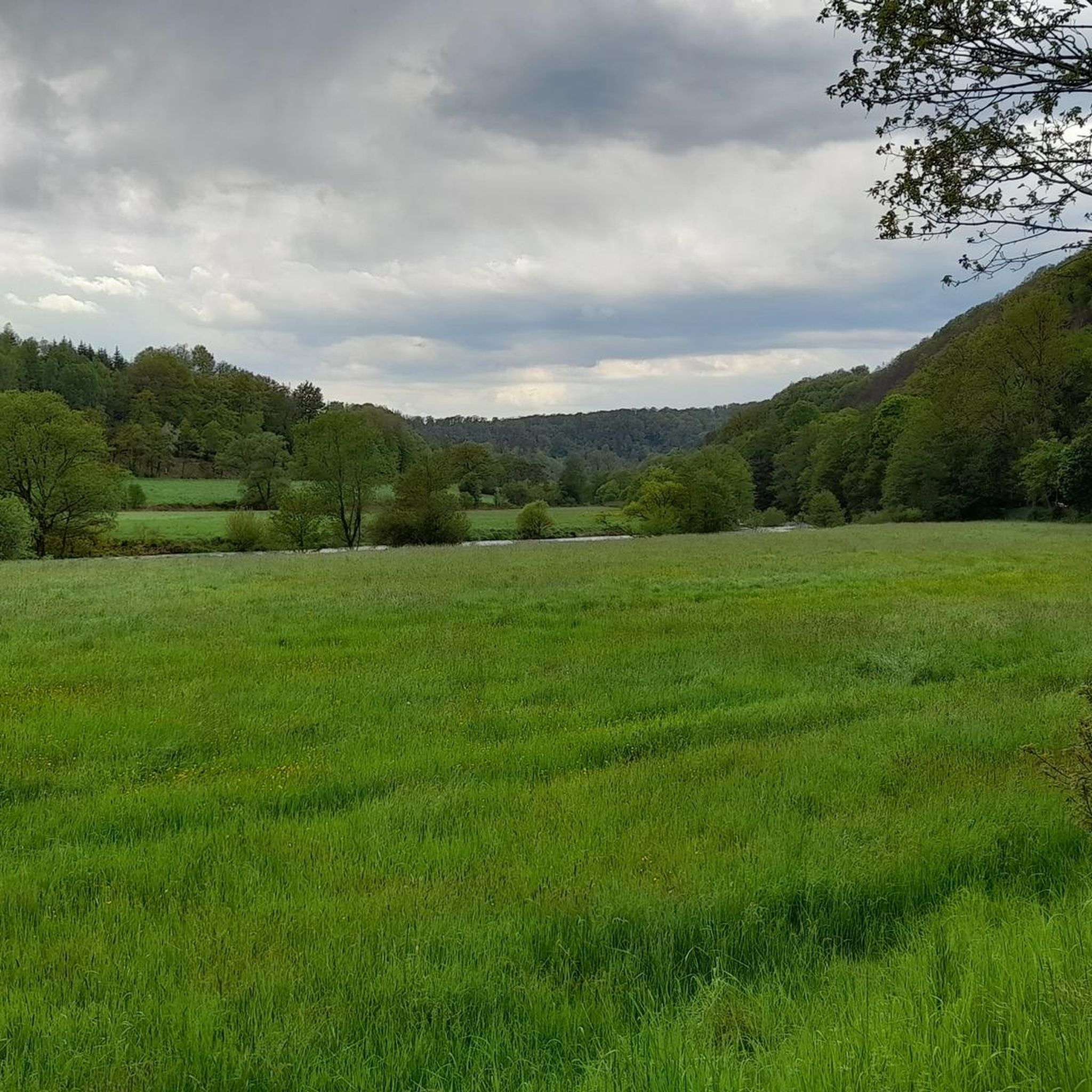
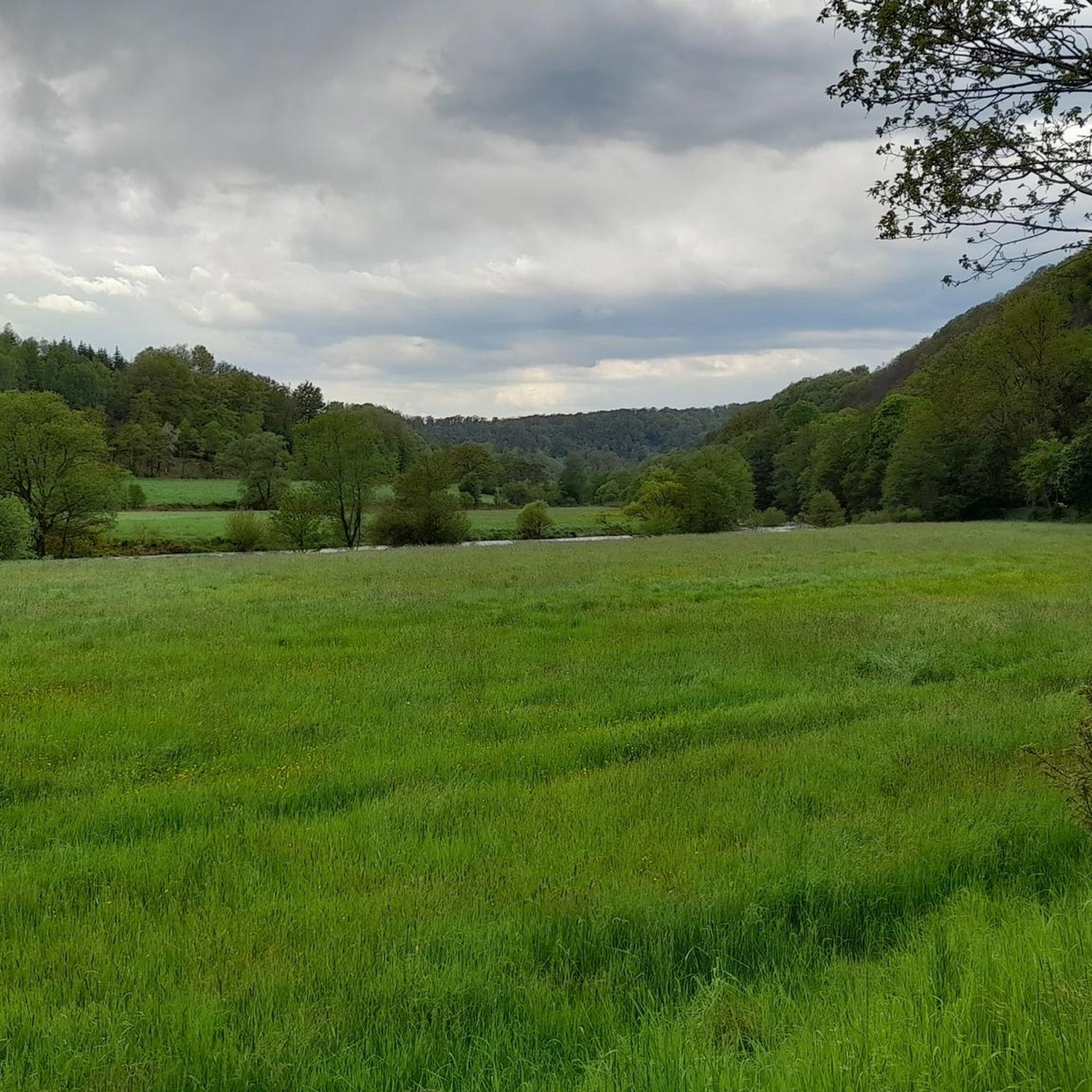
Quiet and beautiful place!
1
0

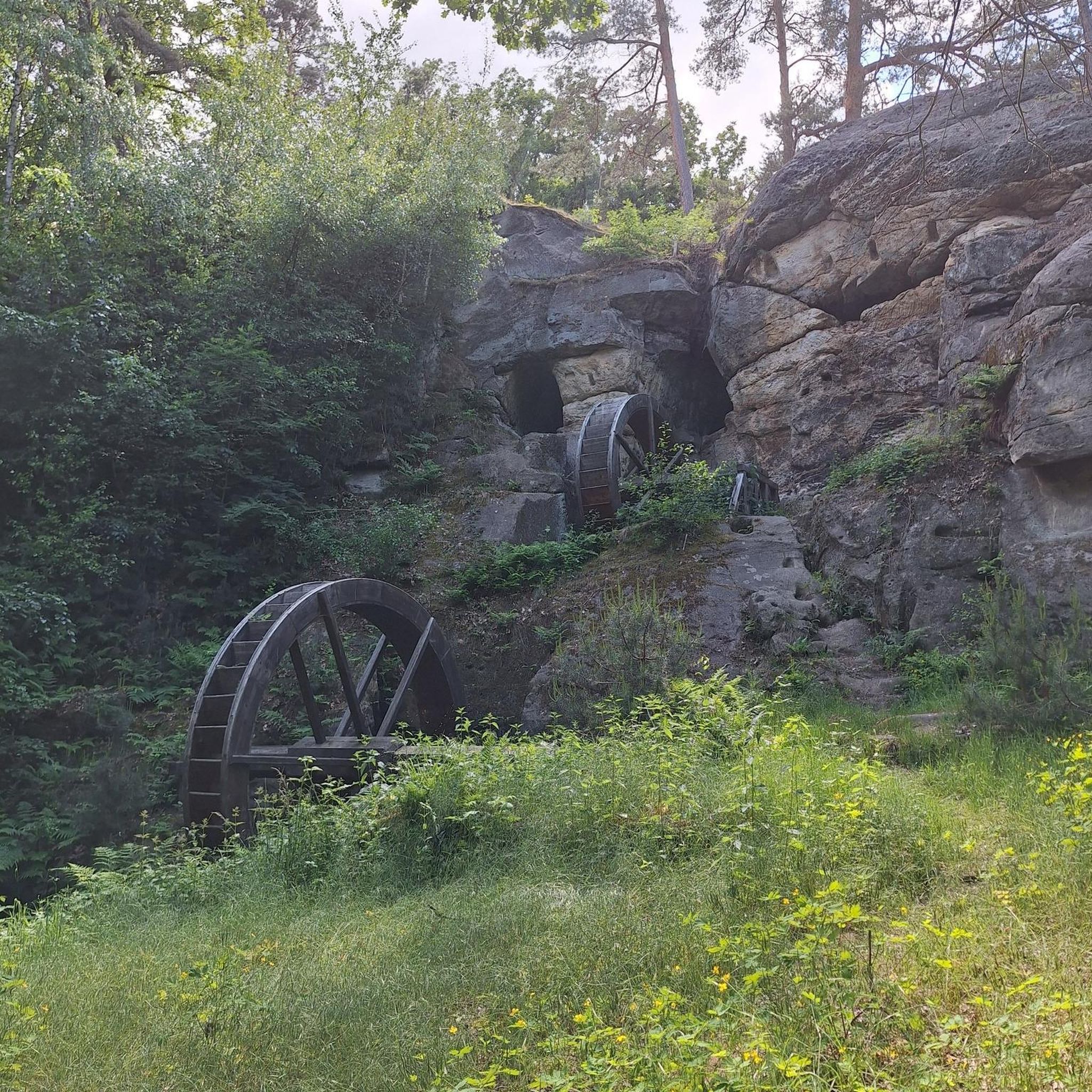
Rest of the pit with carts and explanations of mining.
1
0

Guided tours of the old mine are offered at regular intervals on weekends or by appointment.
4
0
Frequently Asked Questions
What types of underground attractions can I find around Hövels?
The region around Hövels, particularly within the district of Altenkirchen, offers a mix of historical mining sites and devotional grottoes. You can explore visitor mines, slate mines, and religious grottoes, showcasing both geological formations and the area's industrial heritage.
Are there any family-friendly caves or mines to visit near Hövels?
Yes, several sites are suitable for families. The Visitor Mine Grube Silberhardt is a mine museum with a walk-in gallery that provides insights into mining history. The Mariengrotte Mudersbach, a peaceful religious grotto, is also considered family-friendly and accessible via the cemetery path.
What is the historical significance of the caves and mines in the Hövels region?
The caves and mines around Hövels are primarily significant for their mining history. Sites like the Visitor Mine Grube Silberhardt highlight centuries of metal extraction, with operations dating back to the 15th century. The Bullenkamp Mine Entrance also has a rich history, including its use as an air-raid shelter during WWII.
Can I take a guided tour of any mines or caves near Hövels?
Yes, guided tours are available at several locations. The Grube Edelstein Visitor Mine offers guided tours into its 100-meter tunnel. Similarly, the Visitor Mine Grube Silberhardt provides guided tours through its walk-in gallery. Visits to the Wilhelmslust Slate Mine are also possible by arrangement.
What should I wear when visiting the mines or caves in the area?
When visiting underground sites like the Wilhelmslust Slate Mine, it's advisable to wear sturdy shoes and be prepared for cooler temperatures, as the tunnel maintains around 8 degrees Celsius. Protective helmets are often provided and required for safety during tours.
Are there any natural caves in the broader Rhineland-Palatinate region that are worth visiting?
While Hövels is known for its historical mines and grottoes, the broader Rhineland-Palatinate region features natural caves. Examples include the Buchenlochhöhle in the Gerolstein Dolomites, formed by groundwater erosion, and the Mühlsteinhöhlen (Millstone Caves) in the Eifel/Vulkaneifel, which are impressive labyrinths formed from basalt extraction.
What outdoor activities can I do near the caves around Hövels?
The region offers various outdoor activities. You can find numerous hiking trails, such as those mentioned in the Hiking around Hövels guide, including routes like the 'Gimli Wooden Sculpture – Auenlandweg (Shire Trail) loop'. There are also road cycling routes and MTB trails available, detailed in the Road Cycling Routes around Hövels and MTB Trails around Hövels guides.
Is the Limbach Grotto in the Altenkirchen district accessible from Hövels?
The Limbach Grotto, a Madonna shrine in a rock massif above the hiking village of Limbach, is located within the wider Altenkirchen district. It's accessible via a somewhat adventurous path, partly involving a steep slope, and is recommended for experienced hikers comfortable with heights. Its accessibility from Hövels would depend on your mode of transport and willingness to hike.
What makes the Mariengrotte Mudersbach a notable site?
The Mariengrotte Mudersbach is one of the most beautiful Marian grottoes in the region, built into a rock on the south side of the Mailey. It features a statue of the Blessed Mother and Saint Bernadette, with its origins tracing back to a private vow in 1924. It's also part of the Sieg adventure trail "Erzquellweg".
Are there any caves or mines that were used for purposes other than mining?
Yes, some sites have served multiple purposes. The Bullenkamp Mine Entrance, originally a copper, pyrite, and iron ore mine, was reopened in 1944 to serve as an air-raid shelter for residents during World War II.
What is the best time to visit the caves and mines around Hövels?
Many visitor mines, like the Grube Edelstein Visitor Mine, have specific opening times, often from Easter Monday to the end of October, typically on specific Sundays or by appointment. It's best to check the individual site's schedule before planning your visit. Natural grottoes are generally accessible year-round.
What do visitors appreciate most about the caves and mines in the Hövels area?
Visitors frequently appreciate the historical insights provided by the mine museums and walk-in galleries, learning about past mining methods and the lives of miners. The peaceful atmosphere of devotional grottoes like the Mariengrotte Mudersbach is also highly valued. The komoot community has shared over 160 photos and given more than 220 upvotes, highlighting the visual appeal and engaging nature of these sites.
Most popular attractions around Hövels

Get inspired with the komoot mobile app


Explore more
Extend your search for the best caves by checking out these guides of the top ones around Hövels:
