Top 20 Caves around Oberschöna
Best caves around Oberschöna are predominantly man-made structures, reflecting the region's extensive mining history. Situated within the scenic Ore Mountains, Oberschöna is characterized by its historical mining tunnels and adits. These sites provide insight into the area's industrial past and geological formations. The surrounding landscape is known for its hiking opportunities and cultural heritage.
Best caves around Oberschöna
- The most popular caves is Upper portal of the Porzellanfelsenrösche, a cave and historical site where quartzite was mined for porcelain…
Last updated: June 26, 2026
Upper portal of the Porzellanfelsenrösche
Highlight • Cave
Translated by Google •
Tip by

Berbersdorf Lime Quarries
Highlight • Historical Site
Starting in the …
Translated by Google •
Tip by

Sign up now to discover places like this
Get recommendations on the best single tracks, peaks, & plenty of other exciting outdoor places.
Sign up for free
Entrance to the Old/Deep Fürstenstolln
Highlight • Historical Site
In the valley of the Freiberger Mulde, the mouth of the most important and longest Freiberger adit was attached to the main adit Stehenden. …
Translated by Google •
Tip by

Andreas Alnpeckscher (Weißstaubner) Stolln
Highlight • Structure
Translated by Google •
Tip by

Neuer Segen Gottes Stolln Portal
Highlight • Historical Site
Translated by Google •
Tip by

Sign up for free to discover even more caves around Oberschöna.
Sign up for free
Already have an account?
Start today with a free account
Your next adventure awaits.
Login or Signup

Tips from the Community

great corner, always worth a trip
0
0

Lime mining is one of the first economically important industries alongside agriculture in our villages. The first beginnings are thought to date back to the 12th century. Starting in the 17th century, several landowners from Kaltofen and Berbersdorf appear as owners of lime works and kilns. Source: Display board
4
0

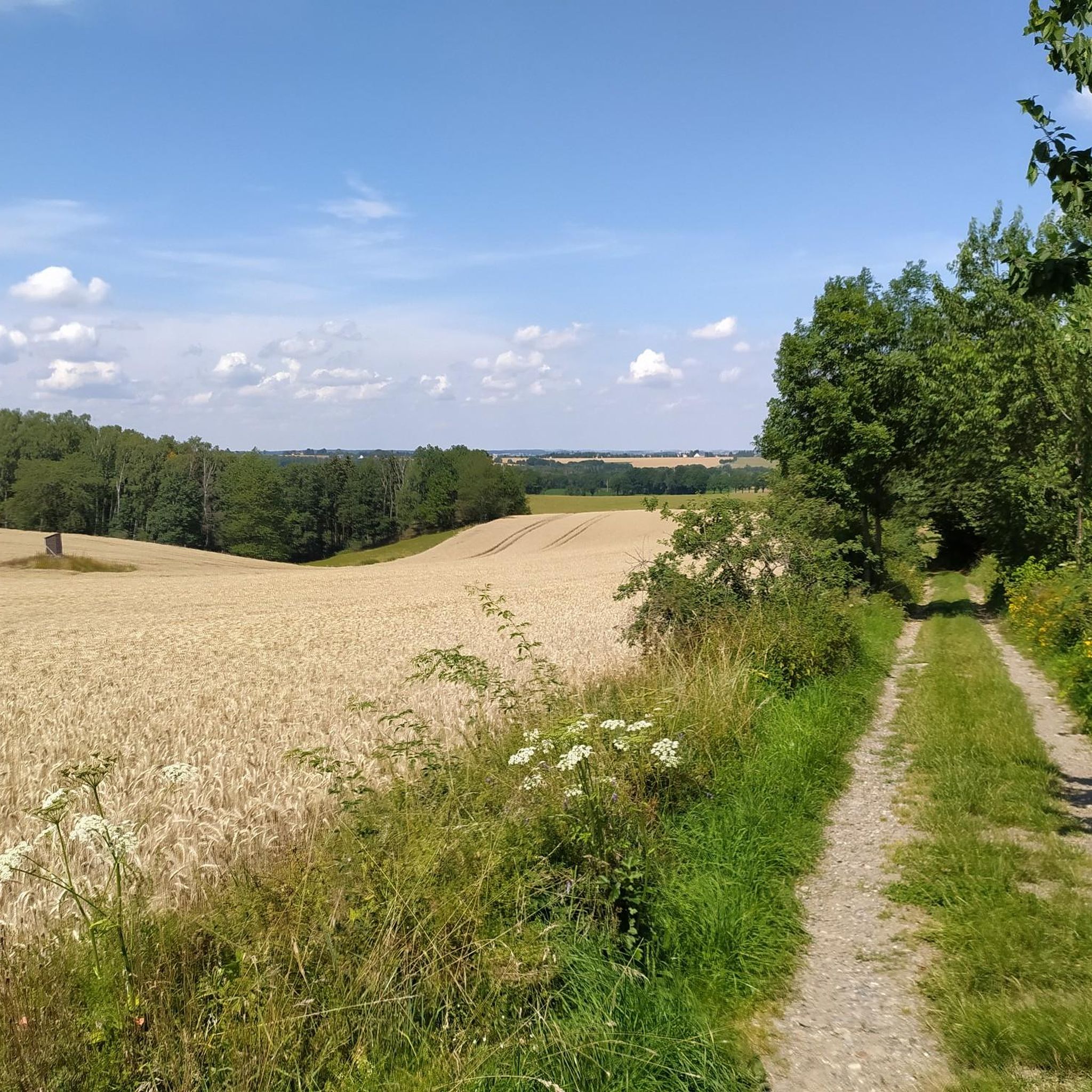
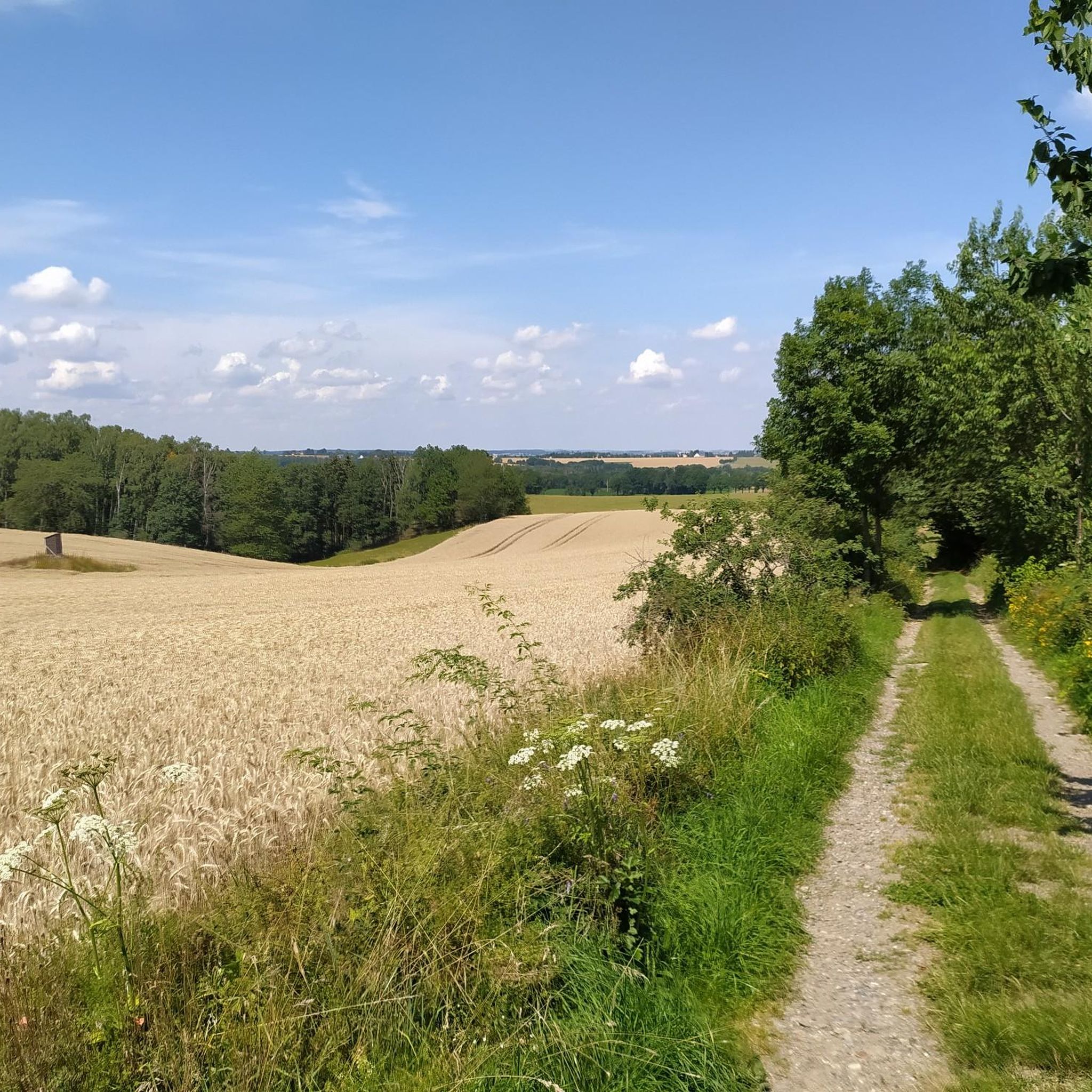
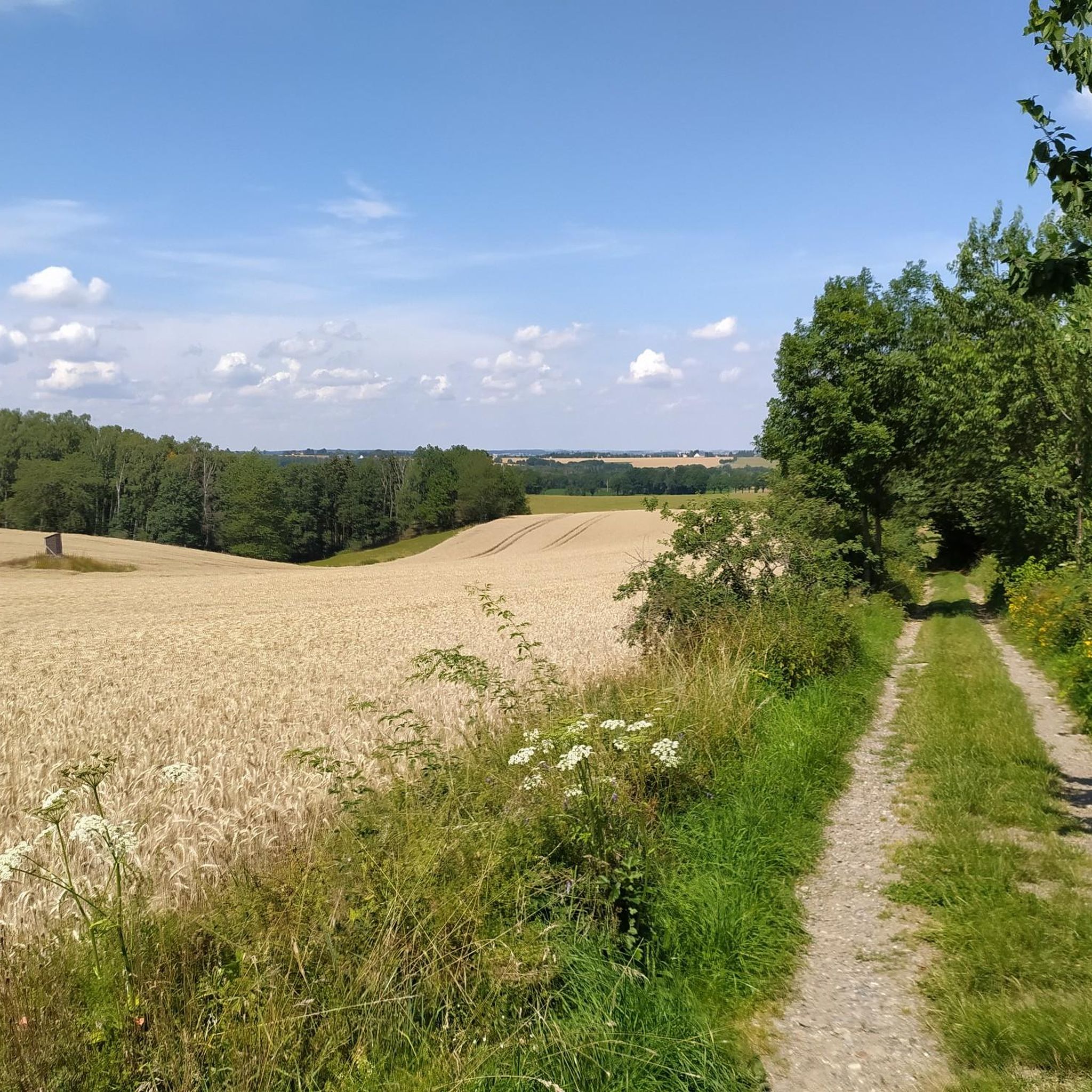
what a beautiful landscape
0
0

quartzite was extracted here, an additive for porcelain production
1
1

On the right side of the Röschenmundloch there is a small cave that was created by quartzite mining. Apparently, opportunity not only makes thieves but also miners, because this cave was created almost incidentally during the construction of the Rösche to extract quartzite for porcelain production.
4
1
After a few hundred meters through the forest, a little off the Bobritzsch, the hiking trail and the artificial ditch, which is very well preserved here, reach the upper mouth of the 150-meter-long porcelain rock rose. On the right side of the Röschenmundloch there is a small cave that was created by quartzite mining. Apparently opportunity makes not only thieves but also miners, because this cave was created almost incidentally during the construction of the Rösche to win quartzite for porcelain production.
4
1

Beautiful walk-in cave from quartzite mining
2
1
The arched mouth hole of the Neuer Segen Gottes Stolln with lining wall and quarrying made of quarry stone has the inscription "Mouth hole ... Neuer Segen Gottes Stolln 1817" on the keystone. A small drainage rose branches off underground from the tunnel and emerges not far from the mouth hole in a narrow, brick drainage ditch that flows into the Striegis. The New Blessing of God tunnel, also referred to as Seven Planets Erbstolln as an addition to the Seven Planets Fundgrube, was probably started as early as the 16th century, but only gained greater importance as a water-dissolving tunnel after it was taken over by the Himmelsfürst Fundgrube. From 1817, the treasure trove extended the tunnel further into its pit, so that it not only solved the pit of the Seven Planets Treasure Trove, but also other important shafts in Linda and Himmelsfürst, such as the Siegismund shaft (preserved heap part of the "Brander Revier”, cf. 09208116), the Albert Schacht (cf. 09208666), the Franken Schacht in 1840 (cf. 09208602) and the Glück auf Schacht (cf. 08991313). Previously, the Himmelsfürster pit was drained from the Thelersberger Stolln (cf. 09208657), which is about 21 meters higher, but the pit water was then able to drain away at a greater depth and over a much shorter distance via the Neuer Segen Gottes Stolln. Including its tunnel wing, the tunnel has a comparatively short length of approx. 6.6 kilometers. From 1854 onwards, Himmelsfürst was able to drain into the Moritz tunnels, which were even lower, so that the Neuer Segen Gottes tunnels became less important in the years that followed. From 1947 to 1950 it was made usable again by SAG Wismut and again discharged pit water from the western part of the Himmelsfürst pit and from the Glück auf shaft emergency drainage system. The adit also served as flood protection and relieved the Rothschönberger adit. As an important water release tunnel for the pits in Linda and Himmelsfürst, the Neuer Segen Gottes tunnel is of local and, above all, mining-historical significance. Its mouth, together with the water drainage ditch, are surface testimonies of this drainage system, which is so important for mining at greater depths and are therefore of great documentary value – also seen in connection with the Thelersberger Stolln.
4
1
Frequently Asked Questions
What kind of 'caves' can I expect to find around Oberschöna?
The 'caves' around Oberschöna are primarily man-made structures, reflecting the region's rich mining history. You'll discover historical mining tunnels, adits, and former quarry sites rather than natural cave systems with stalactites or stalagmites. These sites offer a unique glimpse into the area's industrial past.
Are there any natural caves with typical geological formations near Oberschöna?
No, Oberschöna is not known for natural caves featuring formations like stalactites or stalagmites. The geological landscape of the immediate area is more characterized by its mining heritage and the resulting man-made underground structures.
Which historical mining sites are most notable around Oberschöna?
Among the most popular sites is the Upper portal of the Porzellanfelsenrösche, an artificial ditch where quartzite was mined for porcelain production. Another significant location is Berbersdorf Lime Quarries, a historical site with lime mining dating back to the 12th century. Also, consider visiting the Entrance to the Old/Deep Fürstenstolln, an important 18th-century mining tunnel in the Freiberger Mulde valley.
Are the mining tunnels and historical sites around Oberschöna suitable for families?
Yes, some sites are considered family-friendly. For instance, the Upper portal of the Porzellanfelsenrösche is categorized as family-friendly and offers an interesting historical experience. Always check specific site information for suitability and safety guidelines, especially with younger children.
Do I need special equipment to explore the mining sites?
For most publicly accessible historical mining sites around Oberschöna, you typically won't need specialized caving equipment. However, sturdy footwear is highly recommended, as paths can be uneven or muddy. Some sites might have restricted access or require guided tours for deeper exploration, where specific safety gear might be provided or required.
What outdoor activities can I do near these historical mining sites?
The region around Oberschöna, part of the scenic Ore Mountains, offers excellent opportunities for various outdoor activities. You can find numerous running trails, such as the 'Oberschöna Viaduct loop from Oberschöna', or enjoy easy hikes like the 'Old Sheep Bridge – Jakobstolln loop from Bräunsdorf'. For cycling enthusiasts, there are gravel biking routes like the 'Oberschöna Viaduct – Railway Viaduct loop from Freiberg'. You can explore more options on the Running Trails around Oberschöna, Easy hikes around Oberschöna, and Gravel biking around Oberschöna guide pages.
What do visitors enjoy most about the historical sites around Oberschöna?
Visitors appreciate the unique insight into the region's industrial heritage and the opportunity to explore well-preserved historical mining structures. The blend of history with the natural landscape of the Ore Mountains, often accessible via hiking trails, is also a significant draw. The community has shared 184 photos and given 328 upvotes to these highlights, indicating a strong positive reception.
Can I visit the historical mining sites around Oberschöna with my dog?
While specific regulations for each site are not detailed, many outdoor historical sites and trails in Germany are dog-friendly, provided dogs are kept on a leash. It's advisable to check local signage or contact specific site operators for their pet policies before your visit, especially for any indoor or restricted access areas.
Are there any guided tours available for the mining sites?
The guide data does not explicitly mention guided tours for all sites. However, historical mining regions often offer guided tours to provide deeper insights and ensure safety in certain areas. It is recommended to check with local tourism information centers or the specific site's official website for tour availability and booking details.
How can I reach the historical mining sites around Oberschöna?
Access to the historical mining sites around Oberschöna is generally possible by car, with parking often available nearby. Public transport options might be limited for some more remote sites, so planning your route in advance is recommended. Many sites are also integrated into local hiking and cycling networks, making them accessible on foot or by bike.
What is the historical significance of mining in the Oberschöna region?
The Oberschöna region, situated within the Ore Mountains, has a profound mining history that dates back centuries. Sites like the Berbersdorf Lime Quarries show lime mining from the 12th century, while the Porzellanfelsenrösche highlights quartzite extraction for the famous Meissen porcelain. These sites are crucial testaments to the area's economic development and technological advancements through the ages.
Most popular routes around Oberschöna
Most popular attractions around Oberschöna

Get inspired with the komoot mobile app


Explore more
Extend your search for the best caves by checking out these guides of the top ones around Oberschöna:
