Top 6 Caves around Schürdt
Caves around Schürdt are primarily found within the broader Westerwald region, an area known for its diverse natural landscape and historical significance. This part of Germany features a mix of natural geological formations and historical mining tunnels. The terrain offers opportunities for exploring underground sites that reveal both natural processes and past industrial activities. Schürdt serves as a starting point for discovering these unique attractions in the surrounding environment.
Best caves around Schürdt
- The most popular caves is Otto Tunnel…
Last updated: October 13, 2026
Alvenslebenstollen
Highlight • Historical Site
Translated by Google •
Tip by

Erbach Trail and Pawnee Bat Tunnel
Highlight (Segment) • Trail
Translated by Google •
Tip by

Sign up now to discover places like this
Get recommendations on the best single tracks, peaks, & plenty of other exciting outdoor places.
The Gold Hole and the Boller-Mosch
Highlight • Cave
around the year 1750 were up to mischief.
Allegedly a ghost who hits trees with a club and screams mosch, …
Translated by Google •
Tip by

Lammerichskaule Mine Tunnel
Highlight • Historical Site
Translated by Google •
Tip by

Otto Tunnel
Highlight • Cave
Translated by Google •
Tip by

Sign up for free to discover even more caves around Schürdt.
Already have an account?
Start today with a free account
Your next adventure awaits.
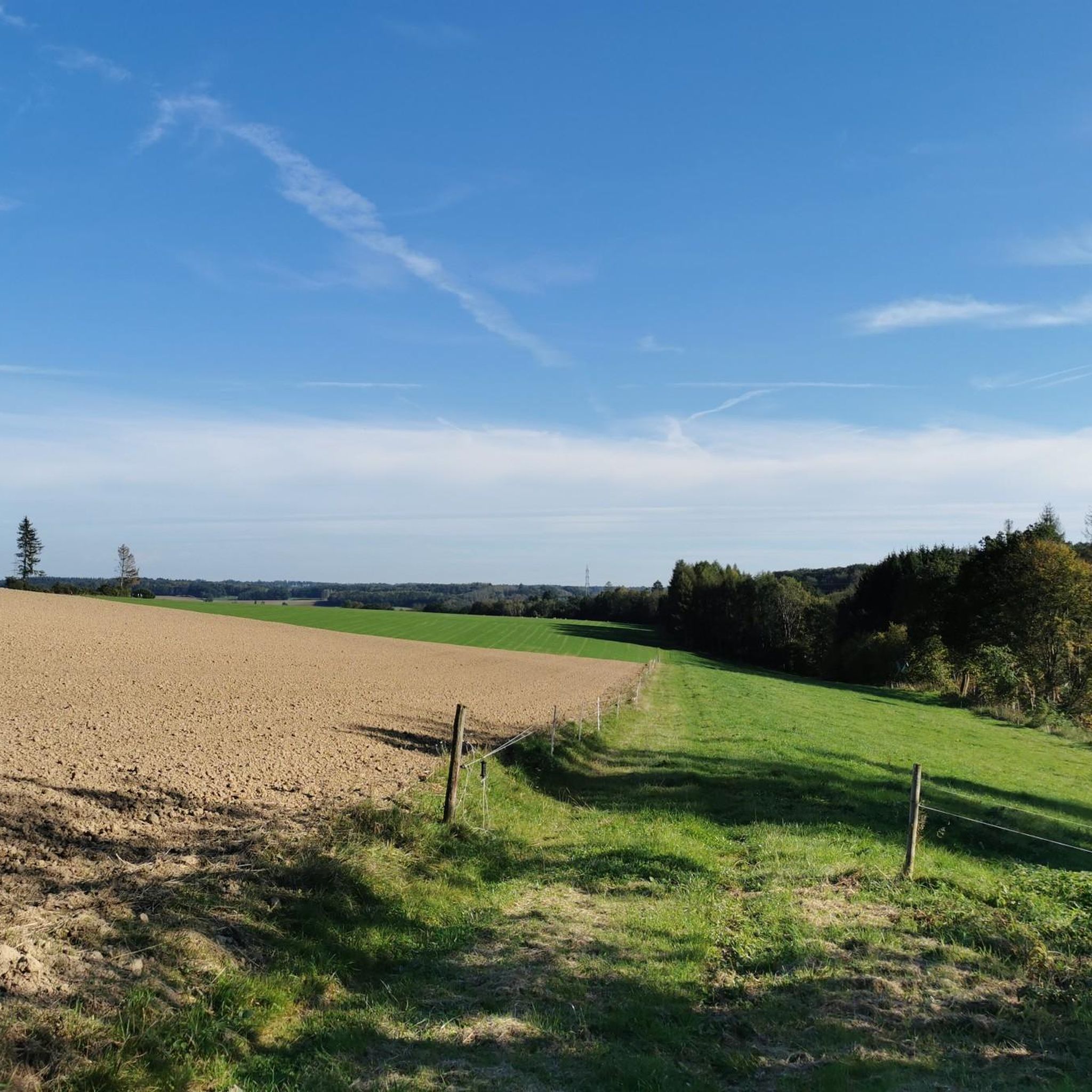
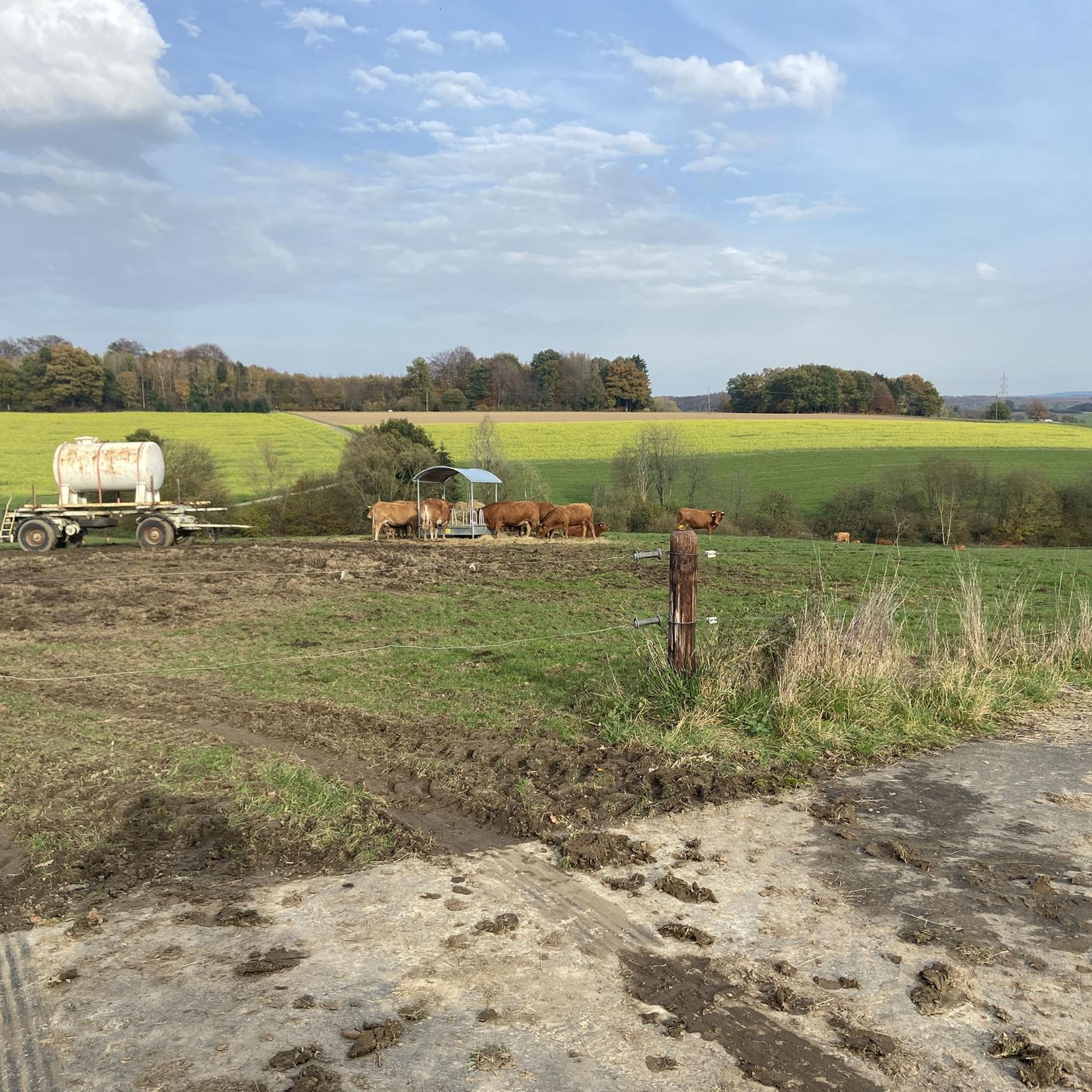
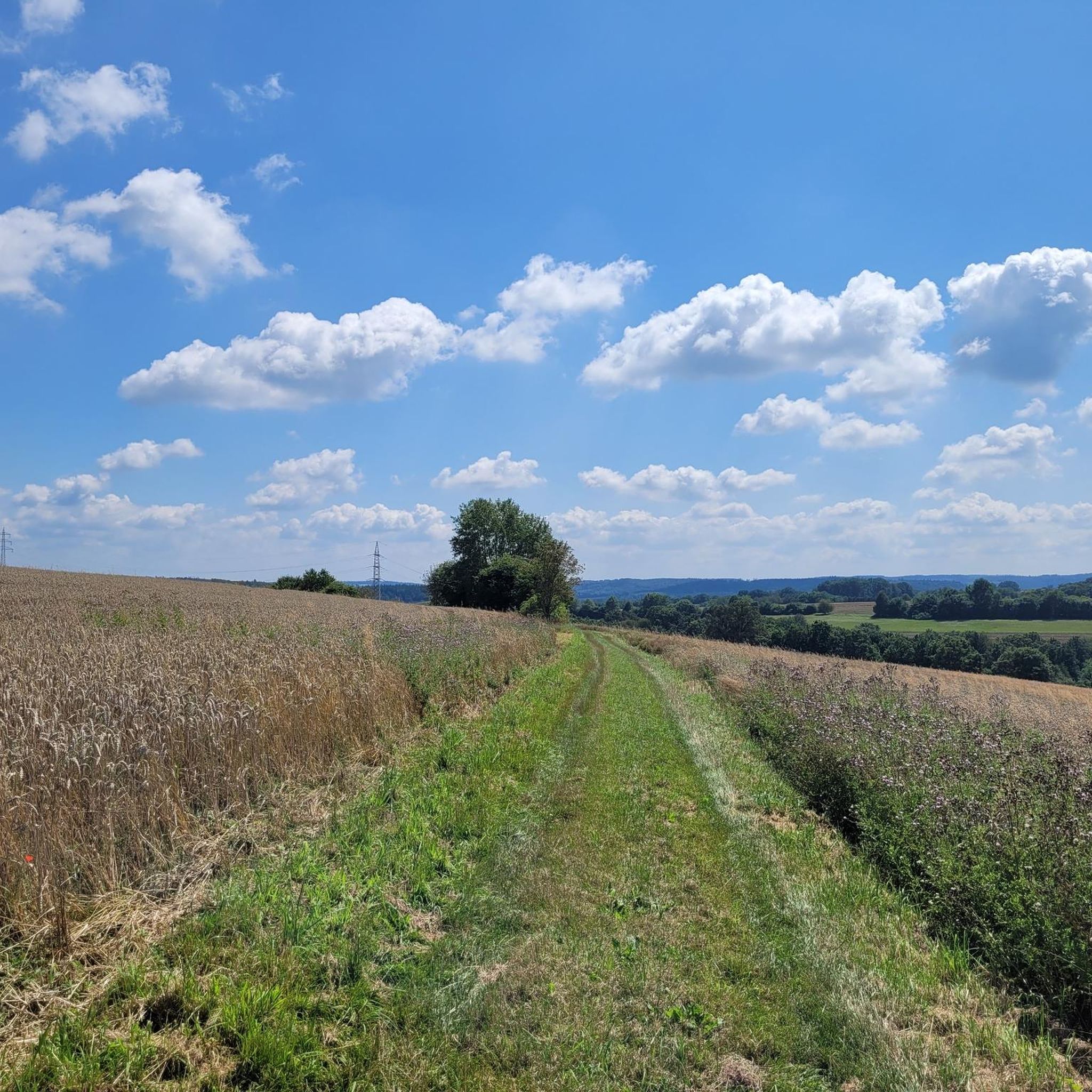
Tips from the Community


Possibility of rest and view of the tunnel and the castle
1
0

The tunnel addresses the history of mining. The last time I visited the tunnel, there were lots of small bats living there. The history is also explained in detail on site.
0
0

Beautiful and especially great for families!
2
0

The tunnel was named after Otto von Bismarck. You can find more detailed information on the information boards on site.
1
0

Unfortunately I didn't have time to visit the tunnel.
0
0

A great path with many highlights
1
0
Frequently Asked Questions
What kind of caves can I explore around Schürdt?
The area around Schürdt, particularly within the broader Westerwald region, offers a mix of historical mine tunnels and natural geological formations. You can find sites that showcase both past industrial activities and natural processes.
Are there any historical mine tunnels to visit near Schürdt?
Yes, several historical mine tunnels are accessible. For instance, the Otto Tunnel is named after Otto von Bismarck and provides insights into the region's mining history. Another is the Lammerichskaule Mine Tunnel, where information boards detail its 1850 history along the ore hiking trail. The Alvenslebenstollen, a legacy of the Louise mine, can also be visited by appointment.
What are some notable natural caves in the wider German region?
While Schürdt itself is known for mine tunnels, the broader German regions offer impressive natural caves. Examples include the Heinrichshöhle in North Rhine-Westphalia, famous for Ice Age animal bones and ancient stalactites, and the Kluterthöhle, a national natural monument with 380 corridors and abundant fossils. The Stalactite Cave in Eberstadt is also notable for its white stalactites and unique formations.
Are there family-friendly options for exploring caves or tunnels near Schürdt?
Yes, the Erbach Trail and Pawnee Bat Tunnel is categorized as family-friendly and offers a unique experience with a bat gallery. When visiting other historical tunnels, it's advisable to check specific access requirements, as some may require appointments.
What kind of geological features can I expect to see in the natural caves of Germany?
Natural caves in Germany, such as the Kluterthöhle and the Stalactite Cave in Eberstadt, feature spectacular stalactites and stalagmites. You can also find unique formations like slender examples, conical stalagmites, calc-sinter flags, terraces, and crystals. The Kluterthöhle is particularly known for its well-preserved coral reef fossils.
What is the best time to visit caves in the Schürdt area?
Caves and mine tunnels generally maintain a consistent cool temperature year-round, making them suitable for exploration in various seasons. However, for specific natural caves or guided tours, it's best to check their operating hours, which might vary seasonally. Winter conditions outside may affect access to some trailheads.
What should I wear for caving or exploring tunnels near Schürdt?
Given the cool and often damp conditions inside caves and tunnels, it's recommended to wear layers of clothing, including a warm jacket or fleece. Sturdy, closed-toe shoes with good grip are essential for navigating uneven terrain. A flashlight is also highly advisable, especially for less developed sites like Feldhof Cave.
Are there opportunities for hiking or other outdoor activities near these caves?
Yes, the region around Schürdt offers various outdoor activities. You can find numerous hiking trails, such as those detailed in the Hiking around Schürdt guide, which includes routes like the 'Open-air stage Mehren – Mehrbach loop'. There are also options for gravel biking and running trails, as highlighted in the Gravel biking around Schürdt guide and Running Trails around Schürdt guide.
What makes the Kluterthöhle a significant natural wonder?
The Kluterthöhle in Ennepetal is a national natural monument due to its geological history spanning over 380 million years. It features spectacular stalactites and stalagmites, 380 corridors, and a wealth of fossils including sponges, shells, and corals, making it one of Europe's best-preserved coral reefs. It also offers special guided tours for adventurous exploration.
Can I learn about mining history in the area?
Absolutely. The historical mine tunnels like Otto Tunnel, Lammerichskaule Mine Tunnel, and Alvenslebenstollen are direct links to the region's mining past. The Assberg Slate Mine, while not a natural cave, also offers tours to learn about slate mining at a depth of 20 meters.
What do visitors particularly enjoy about the caves and tunnels around Schürdt?
Visitors appreciate the historical significance and the opportunity to explore former mining operations. The komoot community has shown strong engagement, with over 350 upvotes and more than 130 photos shared, indicating a high level of interest in these unique underground sites.
Are there any caves known for wildlife or ancient discoveries?
While the local tunnels around Schürdt are primarily historical, the Heinrichshöhle in North Rhine-Westphalia is particularly famous for the thousands of Ice Age animal bones discovered within, including those of cave bears, mammoths, and giant deer. The Erbach Trail and Pawnee Bat Tunnel also indicates the presence of bats.
Most popular attractions around Schürdt

Get inspired with the komoot mobile app


Explore more
Extend your search for the best caves by checking out these guides of the top ones around Schürdt:
