Top 5 Caves around Mönchberg
Best caves around Mönchberg are primarily found in the broader region of Bavaria, particularly Franconian Switzerland and the Nuremberg area, which are known for their subterranean attractions. Mönchberg itself is situated in a region with diverse natural features, including gorges and valleys, which can host smaller cave formations. The area offers a mix of natural grottos and historically significant man-made subterranean structures. Exploring these sites often involves hiking through scenic landscapes.
Best caves around Mönchberg
- The most popular caves is…
Last updated: June 26, 2026
Ice Cellar Klingenberg Gorge
Highlight • Structure
Showing Translation
Tip by

Mariengrotte Mechenhard
Highlight • Religious Site
Translated by Google •
Tip by

Sign up now to discover places like this
Get recommendations on the best single tracks, peaks, & plenty of other exciting outdoor places.
Sign up for free
Marian Grotto in the Spessart
Highlight • Cave
Translated by Google •
Tip by

Daniel's Cave
Highlight • Cave
Translated by Google •
Tip by

Willibaldshöhle and View of the Main Valley
Highlight • Viewpoint
Translated by Google •
Tip by

Sign up for free to discover even more caves around Mönchberg.
Sign up for free
Already have an account?
Start today with a free account
Your next adventure awaits.
Login or Signup
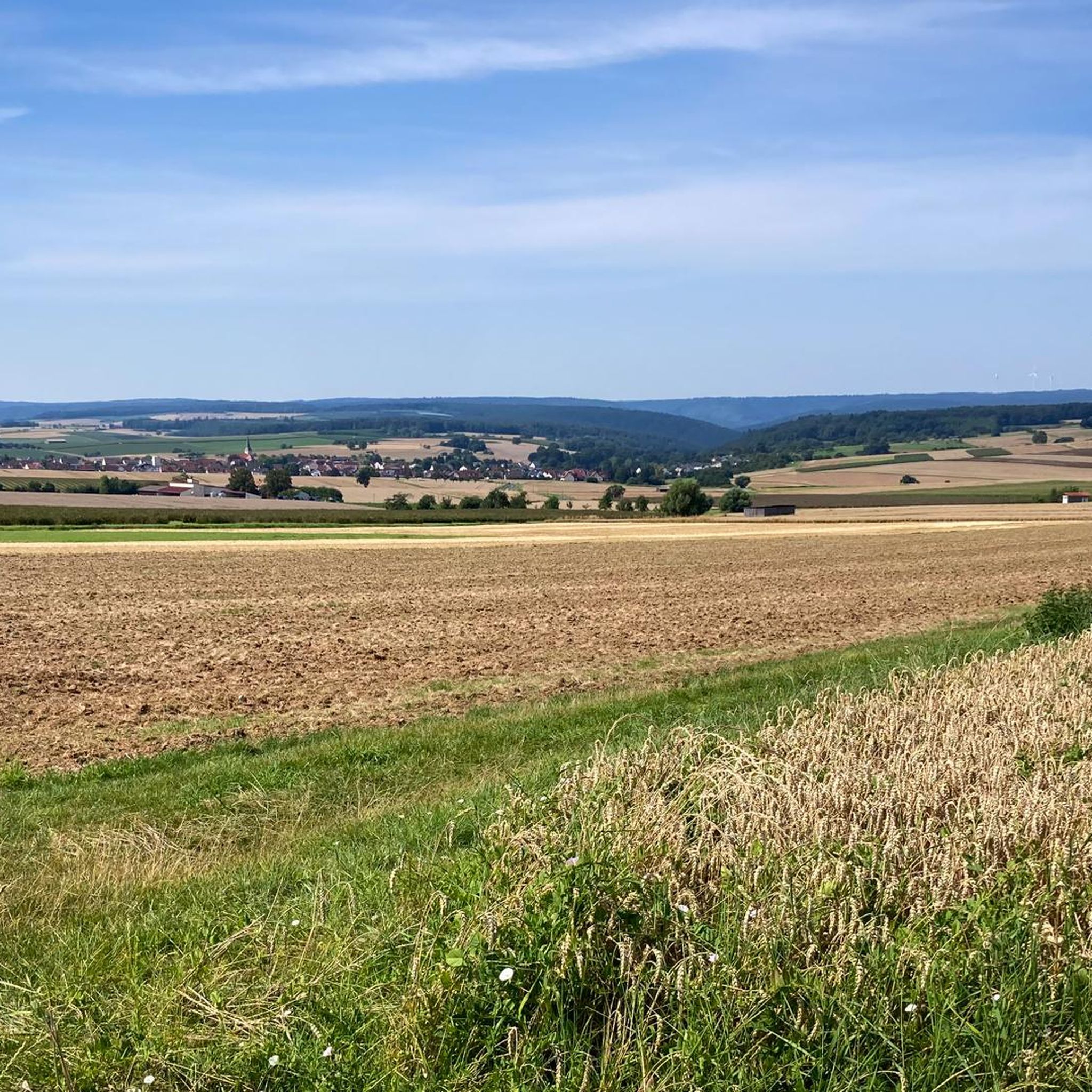
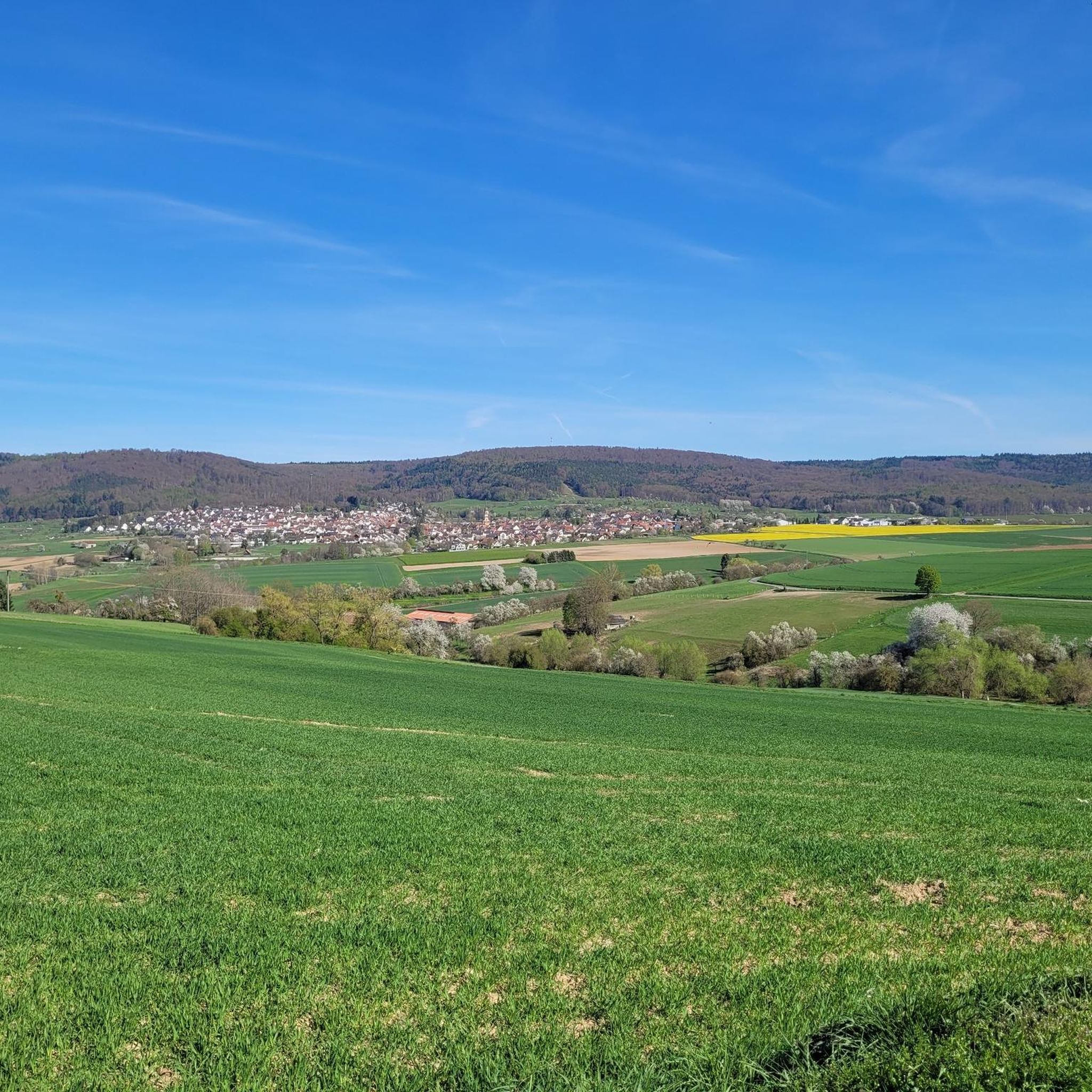
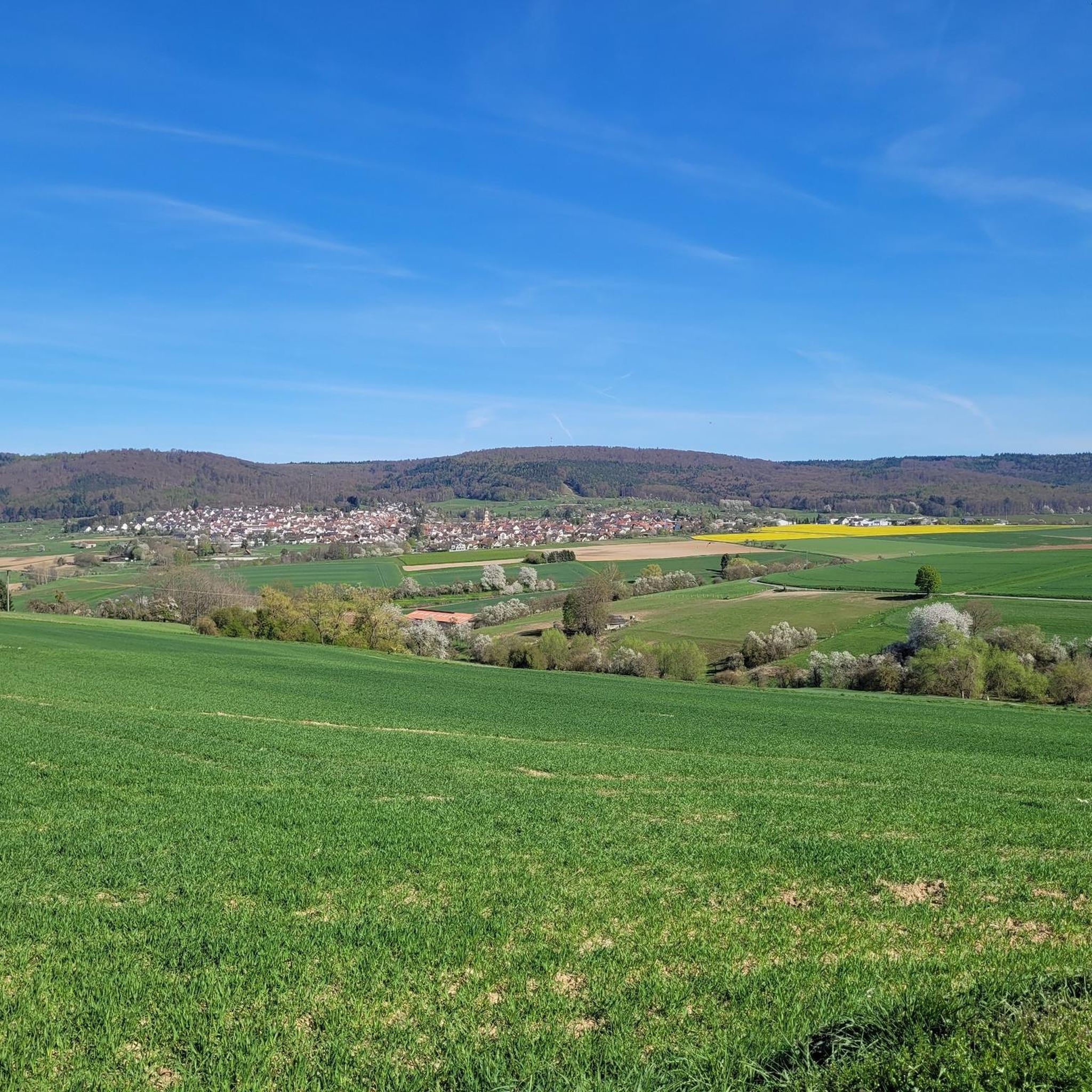
Tips from the Community

The grotto is somewhat hidden off the path, but the detour is definitely worth it.
0
0

Such places offer unique opportunities to take stunning photographs or to be creative, be it through painting, writing or other artistic expressions.
1
0

Hidden in the vineyard towards Röllfeld coming from Grossheubach
1
0

Definitely visit the beautifully located Mariengrotte
3
0

nicely hidden away, contemplative resting place, with red sandstone idyll
3
0

Great view in a great atmosphere. Just enjoy in peace.
2
0

Very interesting, and good that it has been preserved - or rediscovered.
0
0
Frequently Asked Questions
What types of caves can I explore around Mönchberg?
Around Mönchberg, you'll find a mix of natural grottos, historical man-made structures, and religious grottoes. Examples include the contemplative Marian Grotto in the Spessart, the historical Ice Cellar Klingenberg Gorge, and the religious Mariengrotte Mechenhard. For larger, more developed show caves, you would need to venture into the broader Bavarian region.
Are there large show caves near Mönchberg, or are they mostly smaller formations?
Mönchberg itself is known for smaller, more localized natural grottos and historical subterranean sites. For large, impressive show caves with extensive formations and visitor infrastructure, you'll need to travel to the broader Bavarian region, particularly Franconian Switzerland and the Nuremberg area. These regions host caves like Teufelshöhle and Sophienhöhle.
What are some of the most impressive dripstone caves in the broader Bavarian region?
The broader Bavarian region, especially Franconian Switzerland, is home to several spectacular dripstone caves. Notable examples include the Teufelshöhle (Devil's Cave) near Pottenstein, known for its vast halls and creative lighting; the Sophienhöhle (Sophie's Cave) near Rabenstein with its stunning stalactites in various colors; the Binghöhle (Bing Cave) near Streitberg, featuring unique riverine formations; and the König-Otto-Tropfsteinhöhle in Neumarkt in der Oberpfalz, considered one of Germany's most beautiful dripstone caves.
Are there caves with historical significance in the Mönchberg area?
Yes, the region offers sites with historical interest. The Ice Cellar Klingenberg Gorge is a historical man-made structure once used for wine storage. Additionally, Daniel's Cave is noted for its historical association as a shelter for the old Teutons. In the Nuremberg region, caves like the Gustav Adolf Cave also have historical markers.
What should I wear when visiting caves in the region?
Temperatures underground are consistently cool, even in summer. It's advisable to wear sturdy shoes for potentially uneven terrain and a warm jacket or layers to stay comfortable during your visit.
Are there family-friendly caves to visit near Mönchberg?
Many of the smaller grottos and accessible sites around Mönchberg, such as Mariengrotte Mechenhard, are suitable for families. For larger, more developed show caves in the broader region, most are well-equipped for visitors of all ages, often with paved paths and guided tours.
Can I find guided tours for caves in the Mönchberg area?
While the smaller grottos directly around Mönchberg are typically self-explored, the larger show caves in the broader Bavarian region, such as Teufelshöhle, Sophienhöhle, and Binghöhle, offer guided tours to enhance the visitor experience and provide insights into their geology and history.
What is the best time of year to visit caves around Mönchberg?
Caves maintain a consistent cool temperature year-round, making them a good destination in any season. However, some caves, particularly in the broader region, may be closed during certain periods (typically October to March) to protect bat populations during hibernation. It's always best to check specific cave opening times before planning your visit.
Are there hiking trails that incorporate cave exploration around Mönchberg?
Yes, many of the natural grottos and smaller caves around Mönchberg are integrated into scenic hiking routes. For example, the Willibaldshöhle and View of the Main Valley is part of a trail offering great views. You can find various hiking options, including easy and moderate trails, by exploring the Hiking around Mönchberg guide.
What other outdoor activities can I combine with a cave visit near Mönchberg?
The Mönchberg area offers a variety of outdoor activities. Besides hiking, you can explore gravel biking routes or challenge yourself on MTB trails. The region's diverse landscapes, including gorges and valleys, provide excellent opportunities for combining subterranean exploration with other outdoor adventures.
Where can I find natural grottos or unique rock formations in the Mönchberg area?
The Mönchberg area features several natural grottos and interesting rock formations. The Marian Grotto in the Spessart is a nice little grotto off the trail, known for its red sandstone idyll. The broader Franconian Alb in the Nuremberg region also boasts numerous caves and mystical rock chambers, some integrated into hiking trails, like the Teufelskirche (Devil's Church) with its unique gorge and waterfall.
What do visitors particularly enjoy about the caves and grottos near Mönchberg?
Visitors appreciate the tranquil and contemplative atmosphere of sites like the Marian Grotto in the Spessart. The historical significance of places like the Ice Cellar Klingenberg Gorge also draws interest. Many enjoy the combination of natural beauty and the opportunity for quiet reflection or historical discovery that these subterranean sites offer.
Most popular routes around Mönchberg
Most popular attractions around Mönchberg

Get inspired with the komoot mobile app


Explore more
Extend your search for the best caves by checking out these guides of the top ones around Mönchberg:
