Top 6 Caves around Großheubach
Caves around Großheubach include natural rock formations and historical rock cellars within a municipality in Bavaria, Germany. The region offers points of interest for hikers and those interested in local history. The area is characterized by its natural geology and proximity to historical sites like Kloster Engelberg. Visitors can explore these features along various hiking and cycling routes.
Best caves around Großheubach
- The most popular caves is Zigeunerstein Rock Formation, a natural monument that features beautiful rock formations with…
Last updated: June 26, 2026
Ice Cellar Klingenberg Gorge
Highlight • Structure
Showing Translation
Tip by

Mariengrotte Mechenhard
Highlight • Religious Site
Translated by Google •
Tip by

Sign up now to discover places like this
Get recommendations on the best single tracks, peaks, & plenty of other exciting outdoor places.
Sign up for free
Zigeunerstein Rock Formation
Highlight • Natural Monument
Translated by Google •
Tip by

Schneeberg Giant Cave
Highlight • Cave
Translated by Google •
Tip by

Daniel's Cave
Highlight • Cave
Translated by Google •
Tip by
Sign up for free to discover even more caves around Großheubach.
Sign up for free
Already have an account?
Start today with a free account
Your next adventure awaits.
Login or Signup
Popular around Großheubach
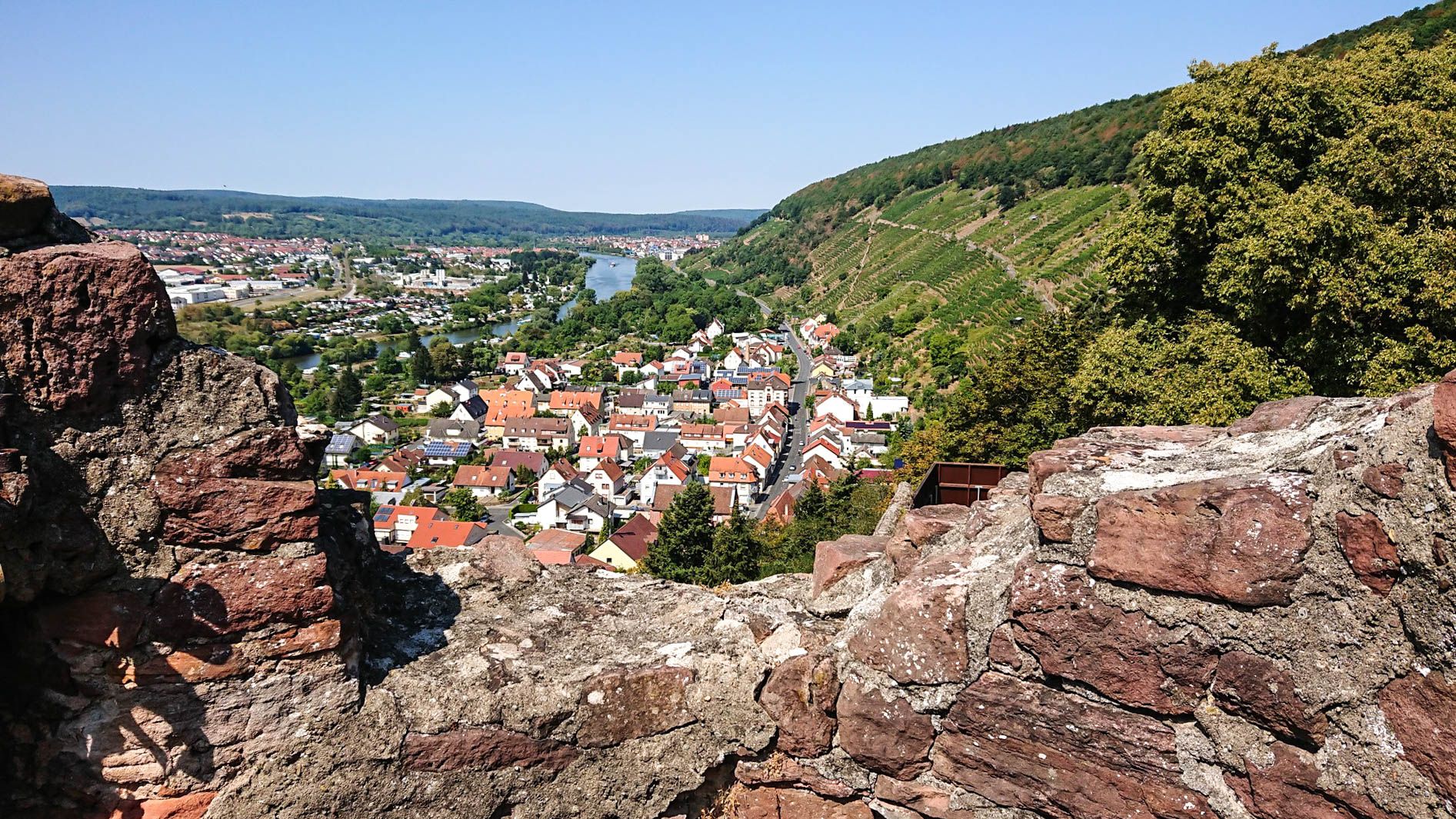
Franconian Red Wine Trail — From vineyards to the Main River

Freerides, Trails & other specials - Mountainbiking in Churfranken
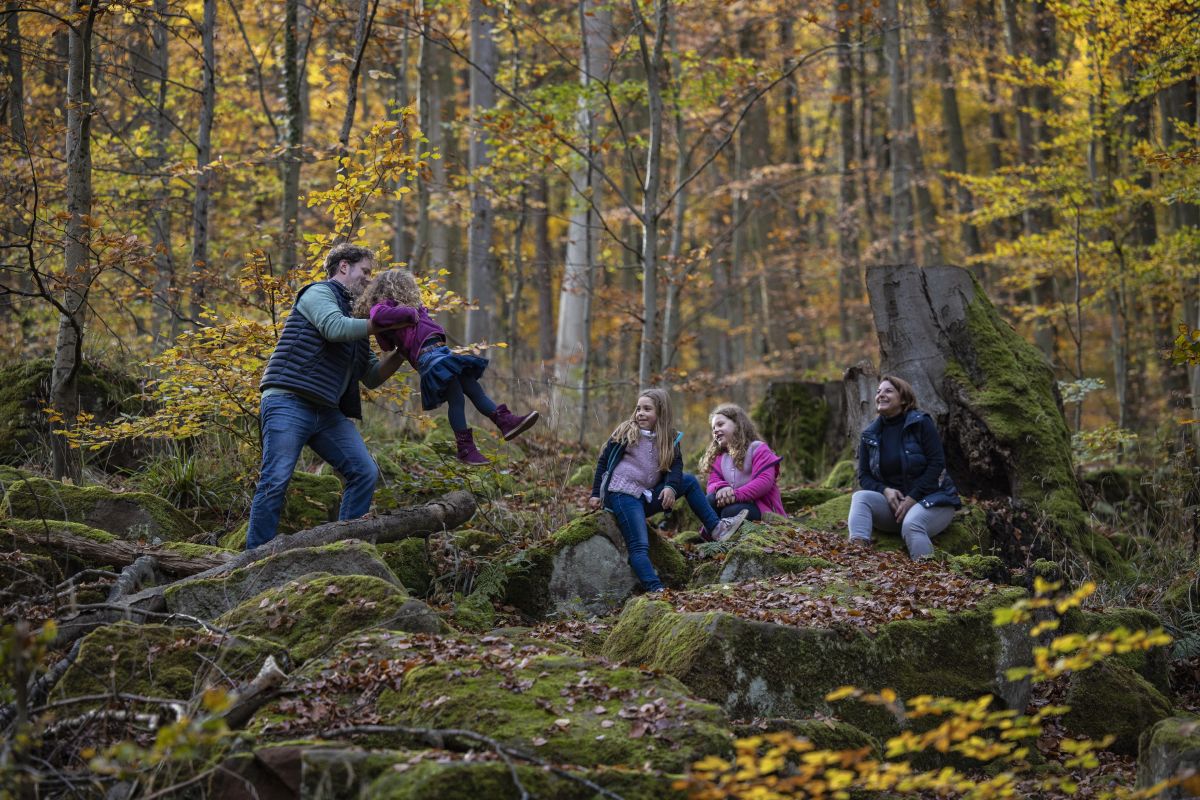
Europäische Kulturwege zwischen Aschaffenburg und Miltenberg am Main
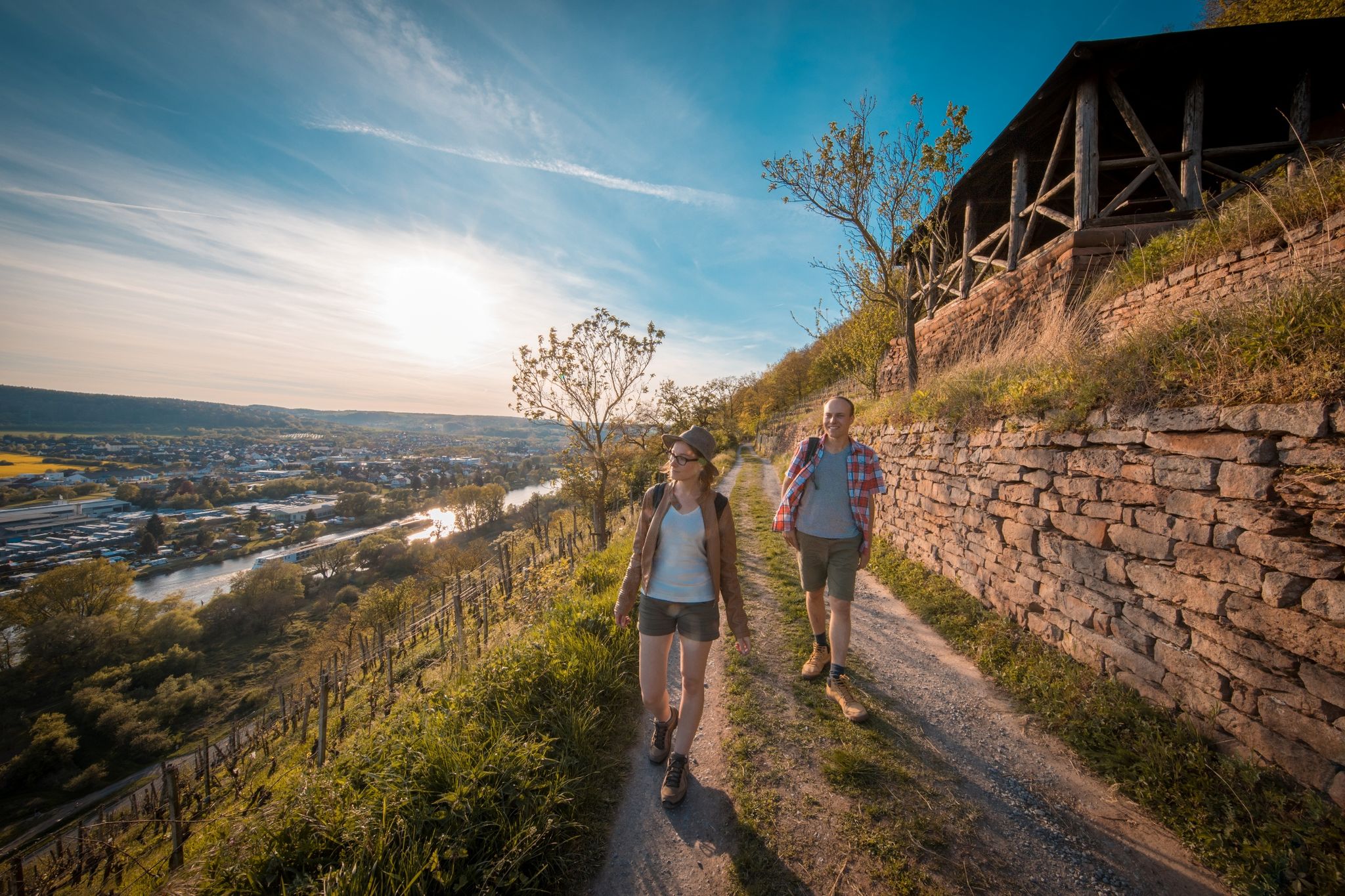
Fränkischer Rotwein Wanderweg – Wandern im Zeichen des Rotweinglases
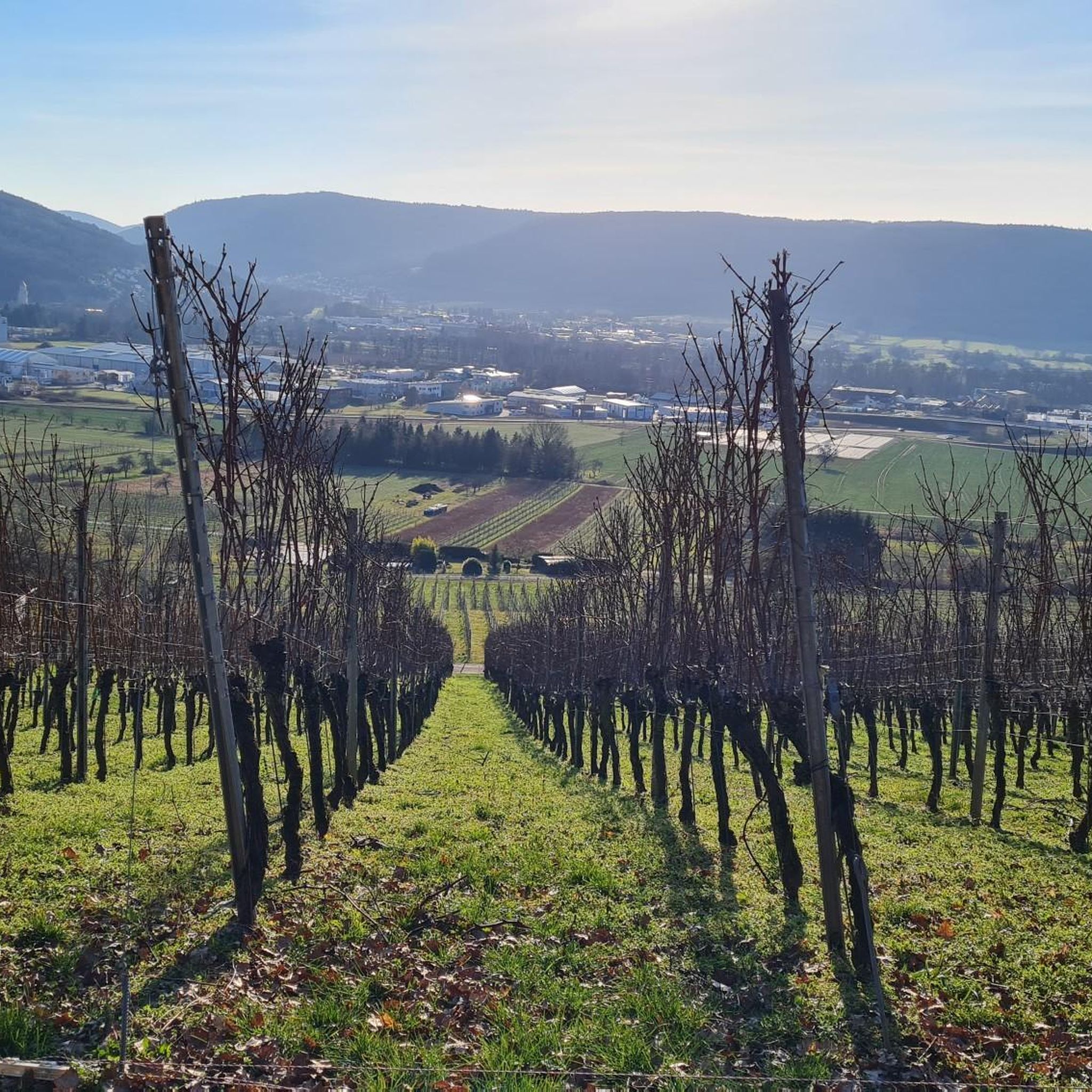
Hiking around Großheubach
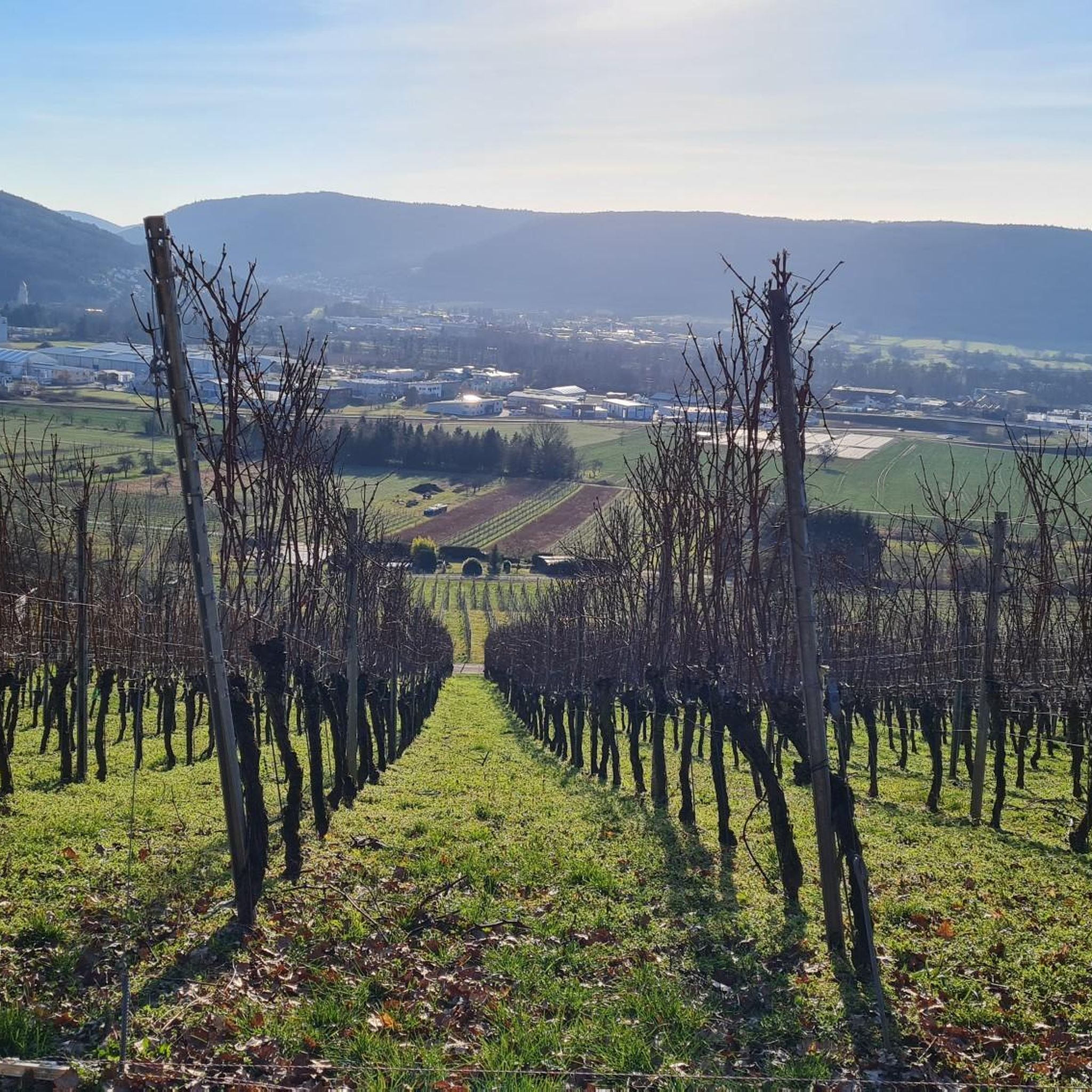
Road Cycling Routes around Großheubach
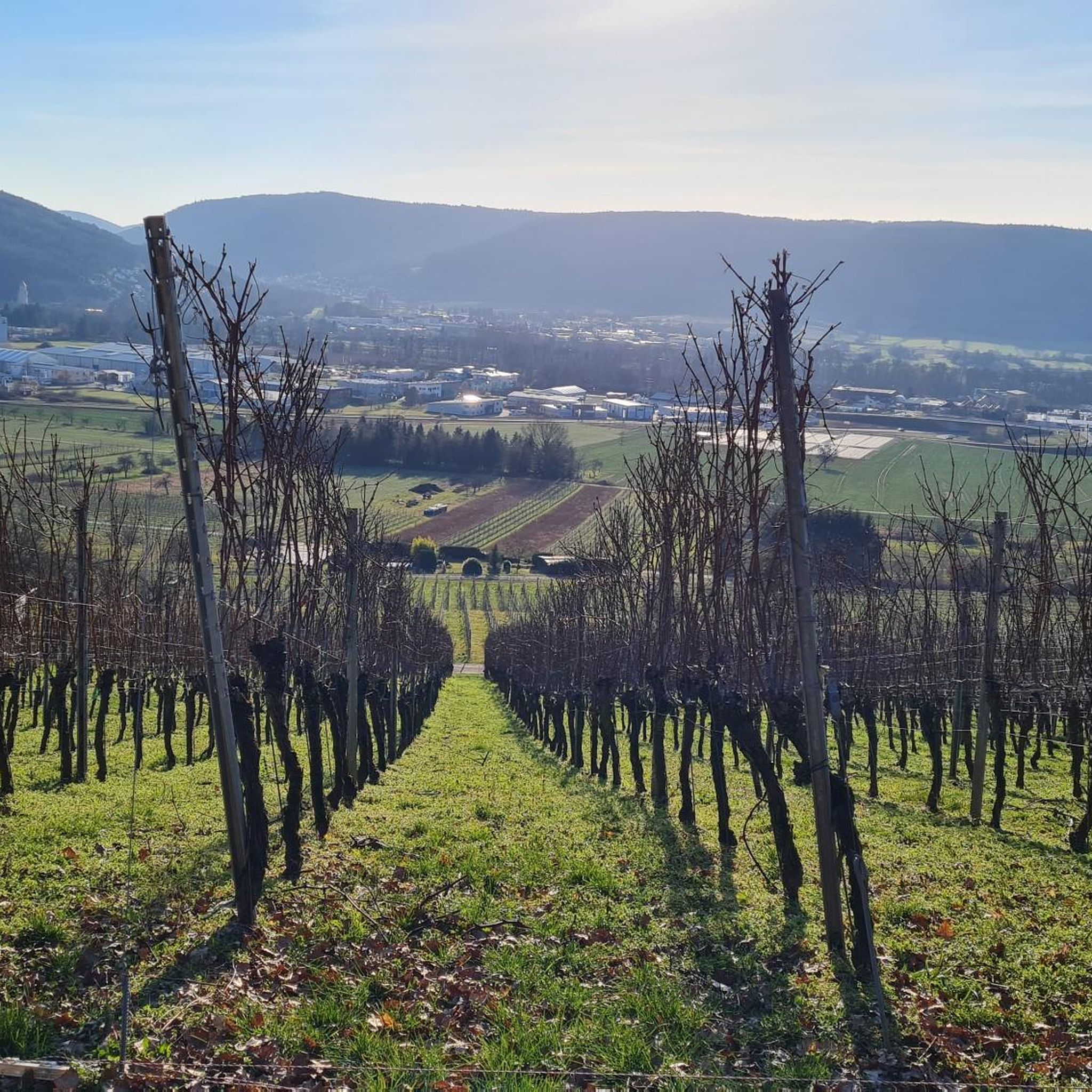
Cycling around Großheubach
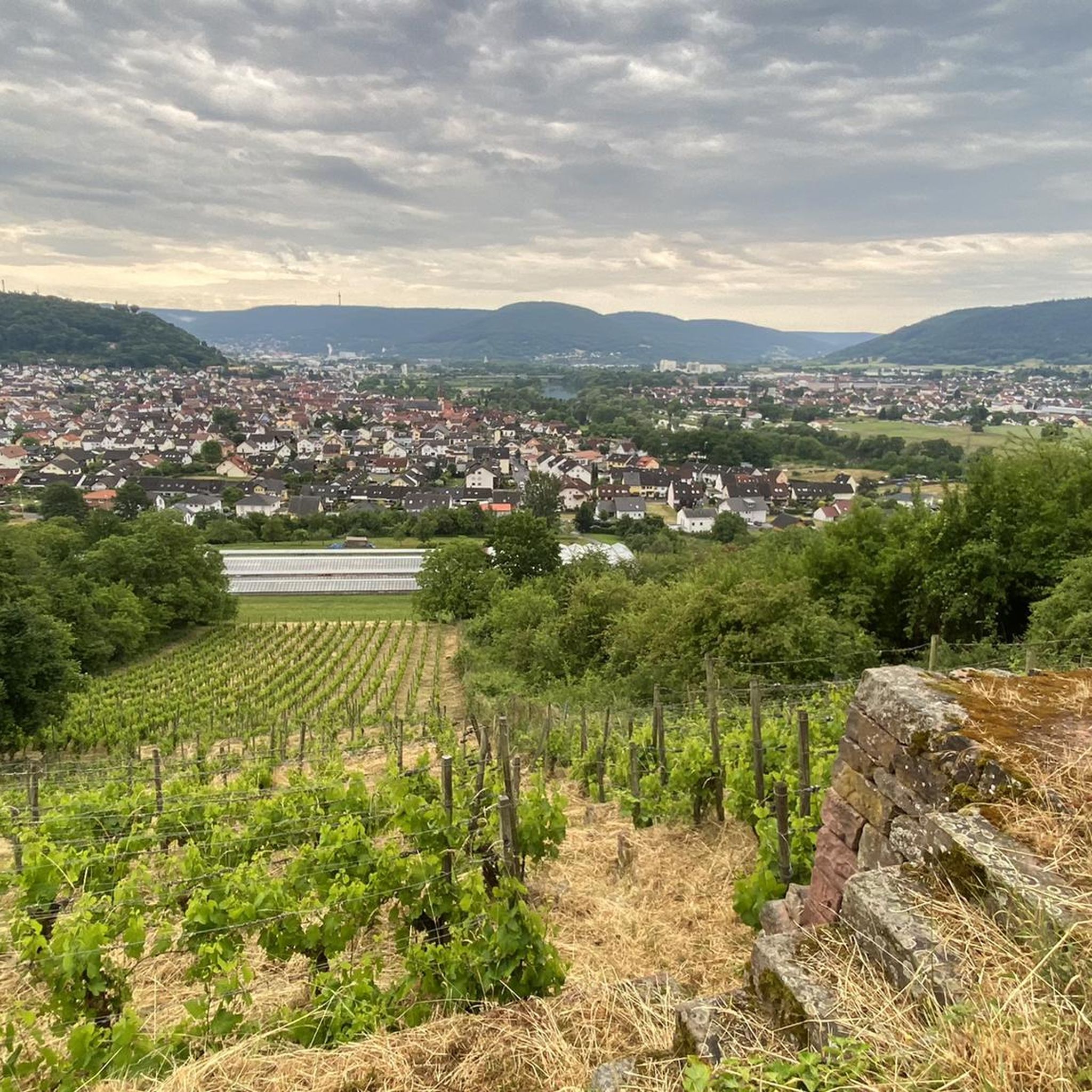
Running Trails around Großheubach
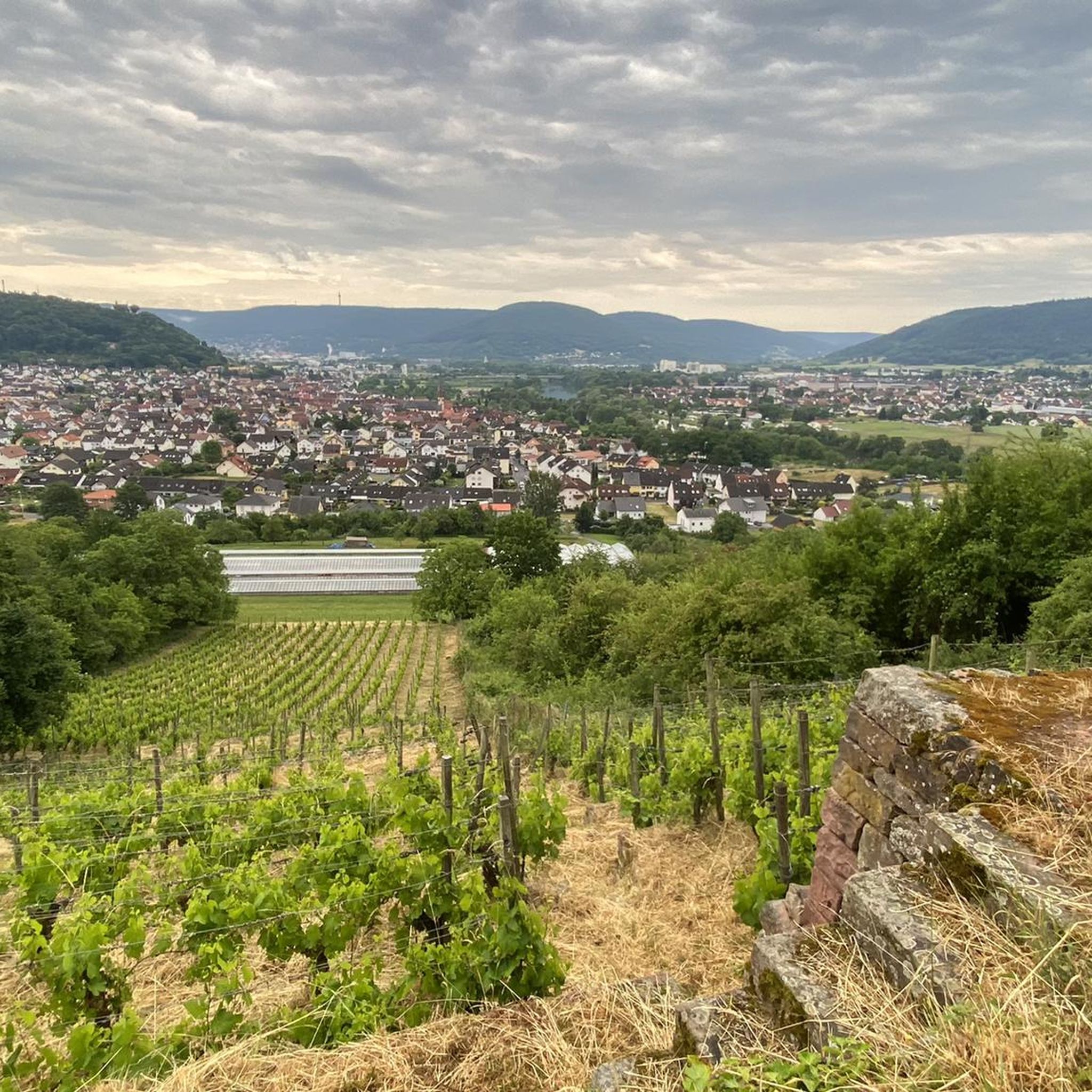
MTB Trails around Großheubach
Gravel biking around Großheubach
Other adventures around Großheubach


Tips from the Community

Hidden in the vineyard towards Röllfeld coming from Grossheubach
1
0

Only accessible on foot
0
0

Very interesting, and good that it has been preserved - or rediscovered.
0
0

It's pretty much in the water 😂
6
0

Located above the forest swimming pool, ideal for a rest with the blessing from above
5
0
Shelter of the old Teutons to peek after the Romans
14
0
Beautiful rock formations with history
15
0
Frequently Asked Questions
What types of natural and man-made underground features can I explore around Großheubach?
Around Großheubach, you can explore a mix of natural rock formations and historical rock cellars. These include small natural caves, cavities in rocks, and man-made cellars carved into sandstone, offering insights into both the region's geology and its past uses.
Are there historical rock cellars to visit in the area?
Yes, the region features historical rock cellars. A notable example is the Ice Cellar Klingenberg Gorge. These man-made structures were historically used by local breweries and butchers for cooling and storage, utilizing ice blocks collected in winter. They represent fascinating traditional preservation methods.
Where can I find unique rock formations with historical significance?
The Zigeunerstein Rock Formation is a significant natural monument. This red sandstone formation served as a hiding place and shelter for families during World War II, offering both natural beauty and a poignant historical context.
Are there any family-friendly cave-like spots around Großheubach?
Yes, the Mariengrotte Mechenhard is considered family-friendly. This grotto features Mary statues and is located between Mechenhard and Erlenbach. Additionally, the Stefanshöhle near Kloster Engelberg is accessible via an easy path, making it suitable for all fitness levels and families.
Which caves can be found along hiking trails?
Several cave-like features are integrated into hiking routes. The Daniel's Cave is located on the Klingenpfad in Großheubach, offering a natural point of interest for hikers. The Weinberghöhle is also situated near a local wine educational path, allowing for a combined experience of hiking and historical exploration.
Are there any less-known or 'hidden gem' caves to explore?
The Schneeberg Giant Cave is a less-known natural monument. It is said to have been a hiding place for various individuals throughout history. A narrow and steep path with a handrail leads down to its entrance, requiring sturdy shoes and surefootedness.
What outdoor activities can I combine with a visit to the caves?
The area around Großheubach is excellent for outdoor activities. You can combine cave visits with hiking or running. For example, there are numerous easy hikes and general hiking trails, as well as running trails that pass by or near these natural features.
What is the best season to visit the caves around Großheubach?
The caves and rock formations around Großheubach can be visited year-round. However, spring and autumn offer pleasant temperatures for hiking the surrounding trails. During winter, some paths might be slippery, especially near cave entrances like the Schneeberg Giant Cave.
What should I wear when exploring caves and rock formations in this region?
When exploring the caves and rock formations, it is advisable to wear sturdy shoes, especially if you plan to hike the trails leading to them. Some paths, like the one to the Schneeberg Giant Cave, can be steep and require surefootedness. Layered clothing is also recommended as temperatures inside caves can be cooler.
What historical significance do the caves and rock formations hold?
The caves and rock formations in the Großheubach area often have rich historical connections. The Zigeunerstein Rock Formation served as a shelter during WWII, while the Ice Cellar Klingenberg Gorge highlights traditional storage methods. The Stefanshöhle is a memorial site, and the Weinberghöhle was historically used as a shelter, reflecting human interaction with these natural features over centuries.
How long does it typically take to explore the cave-like features?
Most cave-like features around Großheubach are relatively small and can be explored in a short amount of time, typically 15-30 minutes for the feature itself. However, they are often part of longer hiking routes, so the total time for your outing will depend on the length of the trail you choose to follow.
Are there any religious or spiritual sites among the cave features?
Yes, the Mariengrotte Mechenhard is a religious building featuring Mary statues, holding significance for the local community. The Stefanshöhle near Kloster Engelberg also serves as a memorial site, adorned with messages of gratitude, reflecting a spiritual aspect.
Most popular routes around Großheubach
Most popular attractions around Großheubach

Get inspired with the komoot mobile app


Explore more
Extend your search for the best caves by checking out these guides of the top ones around Großheubach:
