Top 13 Gorges around Frankenhardt
Best canyons around Frankenhardt are found within this rural municipality in the district of Schwäbisch Hall, Baden-Württemberg, Germany. The region is characterized by its intact nature and varied terrain, including deeply incised valleys, ravines, and gorges. Frankenhardt offers an environment for outdoor activities, with numerous hiking and cycling trails that traverse diverse landscapes. These natural features contribute to the area's scenic beauty and provide opportunities for exploration.
Best canyons around Frankenhardt
- The most popular canyons is Confluence of the Gronach…
Last updated: October 13, 2026
Blinde Rot Valley
Highlight • Gorge
Translated by Google •
Tip by

Confluence of the Gronach and the Jagst
Highlight • River
Translated by Google •
Tip by

Sign up now to discover places like this
Get recommendations on the best single tracks, peaks, & plenty of other exciting outdoor places.
Lourdes Grotto, Hohenberg
Highlight • Religious Site
Translated by Google •
Tip by

Teufelsklinge
Highlight (Segment) • Gorge
Translated by Google •
Tip by

Schmerach Valley Trail
Highlight (Segment) • Trail
Translated by Google •
Tip by

Sign up for free to discover even more gorges around Frankenhardt.
Already have an account?
Start today with a free account
Your next adventure awaits.
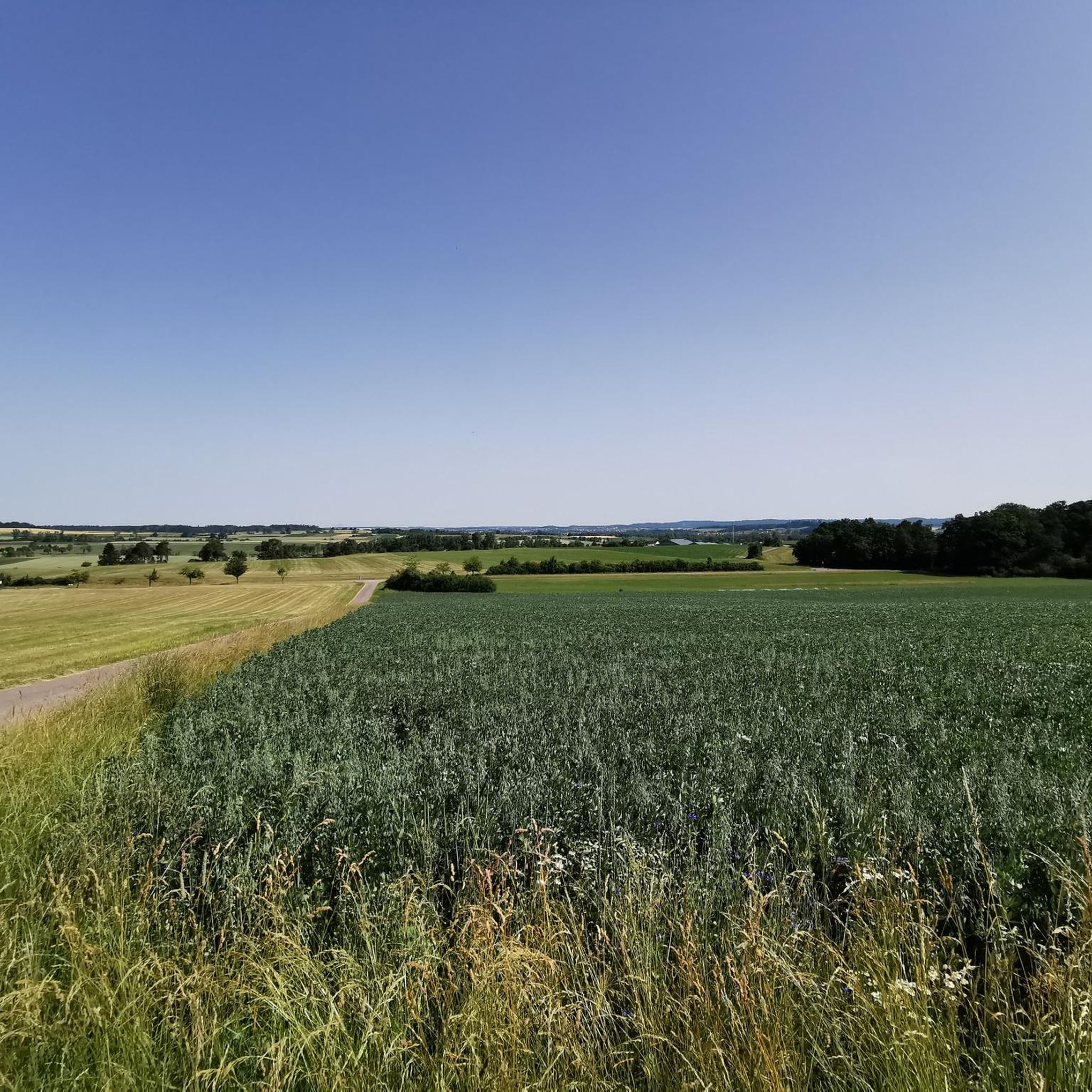
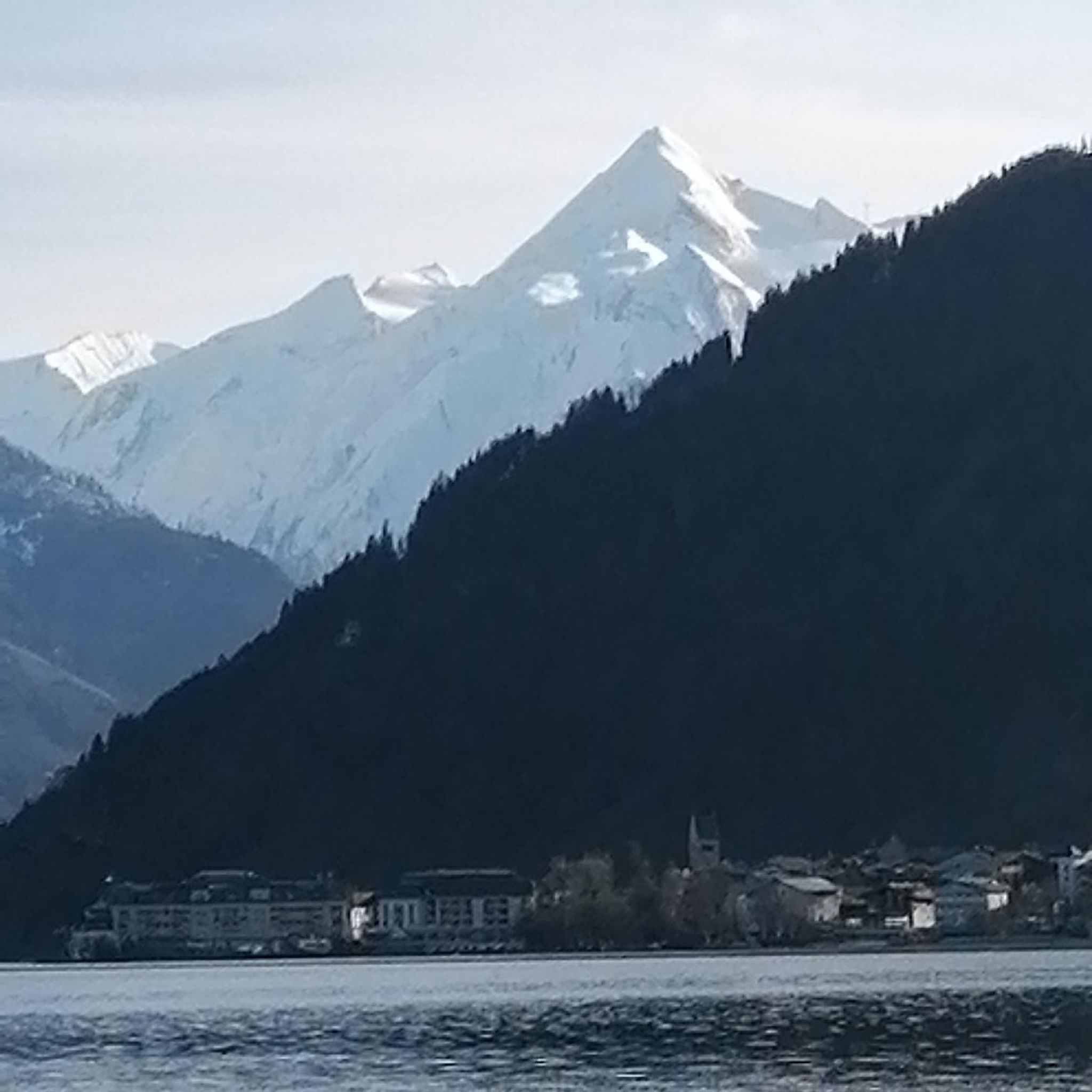
Tips from the Community

Pastor Franz Josef Fuchs had the Lourdes Grotto built into the northern slope of Hohenberg Mountain. It was consecrated on June 20, 1886. Glass particles from the Rosenberg glass factory can still be seen in the Lourdes Grotto today. Slag stones from the disused glass factory were used as building material, into which various colored glass was melted. The grotto is freely accessible and can be reached via a path northwest of the pilgrimage church of St. James. It is located in a small wooded area directly next to a small pond. Cycling is prohibited, but you can easily push your bike down from Hohenberg Mountain; there are a few steps at the bottom. You can continue by bike from the grotto.
1
0
Pastor Franz Josef Fuchs had the Lourdes Grotto built into the northern slope of Hohenberg Mountain. It was consecrated on June 20, 1886. Glass particles from the Rosenberg glass factory can still be seen in the Lourdes Grotto today. Slag stones from the disused glass factory were used as building material, into which various colored glass was melted. The grotto is freely accessible and can be reached via a path northwest of the pilgrimage church of St. James. It is located in a small wooded area directly next to a small pond. Cycling is prohibited, but you can easily push your bike down from Hohenberg Mountain; there are a few steps at the bottom. You can continue by bike from the grotto.
1
0

the climb is worth it
0
0

Great summer tour with lots of shade.
3
0

You can also pass here on the 1st stage of the Bühlersteig (via the Hohenberg from Ellwangen to Willa).
0
0

Beautiful grotto in the middle of the forest and below the Hohenberg. However, the trails are very overgrown, so you have to be careful which one you choose
1
0

Pastor Franz Josef Fuchs had the Lourdes grotto built into the northern slope of the Hohenberg. This was consecrated on June 20, 1886. In the Lourdes grotto you can still see glass particles from the Rosenberg glass factory. The building material used was cinder blocks from the disused glass factory, into which different colored glass was melted. The grotto is freely accessible and can be reached via a path northwest of the pilgrimage church of St. James. It is located in a small forest directly on a small pond. This can be combined with a visit to the pilgrimage church of St. James. The outer facade of the Sieger-Köder-Haus right next to the church is also worth seeing. The grotto is located in a beautiful forest. You can leave this on various paths and take a hike around Hohenberg. Source attractions Swabian Alb
0
0

Frequently Asked Questions
What kind of natural features can I expect to see in the gorges around Frankenhardt?
The Frankenhardt region is characterized by its intact nature, featuring deeply incised valleys, ravines, and stream courses. You'll encounter diverse landscapes, including dense forests, natural lakes, and renaturalized stream sections. Highlights like the Blinde Rot Valley showcase multiple streams and varying colors depending on the season, while the Confluence of the Gronach and the Jagst offers romantic trails along riverbanks with bridges and fords.
Which gorges are particularly popular with visitors in Frankenhardt?
Among the most popular gorges are the Confluence of the Gronach and the Jagst, known for its romantic hiking trails and river crossings. Another favorite is the Blinde Rot Valley, appreciated for its natural setting and seasonal color changes. The Teufelsklinge, a natural monument within a nature reserve, is also highly regarded for its impressive natural beauty.
Are there family-friendly options for exploring the gorges in Frankenhardt?
Yes, some areas are suitable for families. For instance, the Confluence of the Gronach and the Jagst is categorized as family-friendly, offering accessible trails along the river. When planning a family outing, consider the difficulty and terrain, as some trails might involve multiple river crossings or uneven paths.
What outdoor activities can I do near the gorges of Frankenhardt?
The region around Frankenhardt is excellent for various outdoor activities. You can find numerous running trails, road cycling routes, and general cycling routes. These routes often traverse the scenic countryside, including areas near the deeply incised valleys and natural monuments.
Are there specific hiking trails that explore these gorges?
Yes, the region is well-suited for hiking. Many trails lead through or alongside the gorges. For example, the Schmerach Valley Trail offers a comfortable path along the Schmerach stream. You can also find numerous circular hiking trails throughout Frankenhardt that incorporate these picturesque valleys. For more options, explore the running and hiking guides for the area.
What is the best time of year to visit the gorges in Frankenhardt?
The gorges and valleys around Frankenhardt offer beauty throughout the year. Spring and autumn are particularly appealing for hiking, with pleasant temperatures and vibrant foliage. The Blinde Rot Valley, for instance, is noted for its varying colors depending on the season and light conditions. During winter, some trails might be more challenging due to snow or wet conditions, requiring sturdy footwear.
What should I wear or bring when visiting the gorges?
Given the natural terrain, sturdy and waterproof footwear is highly recommended, especially for trails like the Schmerach Valley Trail, where you might encounter stream crossings or muddy sections. Layered clothing is advisable to adapt to changing weather conditions, and bringing water and snacks is always a good idea for longer explorations.
Can I see any wildlife in the gorges of Frankenhardt?
Yes, the natural environment of Frankenhardt's gorges supports various wildlife. The Schmerach Valley Trail is known to be a habitat for kingfishers, offering a chance to spot these colorful birds. The renaturalized stream courses and diverse landscapes also provide homes for other local flora and fauna.
Are there any natural monuments or special geological features to see?
Absolutely. The Teufelsklinge is a designated natural monument, offering an impressive example of the region's geological formations. The deeply incised valleys themselves are a result of the area's geology, with the Schmerach Valley Trail revealing how the loose limestone is easily washed out, shaping the landscape.
What do visitors enjoy most about the gorges and valleys in Frankenhardt?
Visitors frequently praise the intact nature and scenic beauty of the region. They enjoy the romantic hiking trails, the cool valley bottoms, and the diverse interplay of colors in the landscape throughout the seasons. The opportunity to explore natural monuments and walk along babbling streams, often with multiple river crossings, is a highlight for many.
Are there any cultural or historical sites near the gorges?
While the primary focus of the gorges is natural beauty, you can find points of interest like the Lourdes Grotto in Hohenberg. This grotto, built into a hillside, offers a unique blend of natural setting and historical significance, located within a small wooded area and accessible via a path.
Are dogs allowed on the trails through the gorges?
Many natural areas and hiking trails in Frankenhardt are dog-friendly. However, when visiting nature reserves, such as the area around Teufelsklinge, it's important to keep dogs on a leash to protect wildlife and the natural environment, as specified by nature reserve rules.
Most popular routes around Frankenhardt
Most popular attractions around Frankenhardt

Get inspired with the komoot mobile app


Explore more
Already discovered everything in this region? See additional gorges around Frankenhardt for your next adventure:
