Top 8 Castles around Ratekau
Best castles around Ratekau are found in the municipality of Ostholstein, Germany, an area rich in historical sites. While traditional grand castles are not within its immediate borders, the region offers insights into its past through ancient fortifications and well-preserved churches. The surrounding landscape features the Hemmelsdorfer See and forested areas, providing a scenic backdrop for historical exploration. Visitors can discover a range of historical structures, from medieval ramparts to 18th-century mansions.
Best castles around Ratekau
- The most popular castles…
Last updated: June 26, 2026
Johannstorf Castle
Highlight • Castle
Translated by Google •
Tip by

Räuberkuhle Motte (motte-and-bailey castle)
Highlight • Castle
Info:
de.m.wikipedia.org/wiki/Burg_Gosevelde
Translated by Google •
Tip by

Sign up now to discover places like this
Get recommendations on the best single tracks, peaks, & plenty of other exciting outdoor places.
Sign up for free
Entrance gate to Pötenitz Castle
Highlight • Monument
Translated by Google •
Tip by

Rantzau Palace, Lübeck
Highlight • Historical Site
Translated by Google •
Tip by

Medieval Slavic Castle Site in Riesebusch
Highlight • Historical Site
Translated by Google •
Tip by

Sign up for free to discover even more castles around Ratekau.
Sign up for free
Already have an account?
Start today with a free account
Your next adventure awaits.
Login or Signup

Tips from the Community

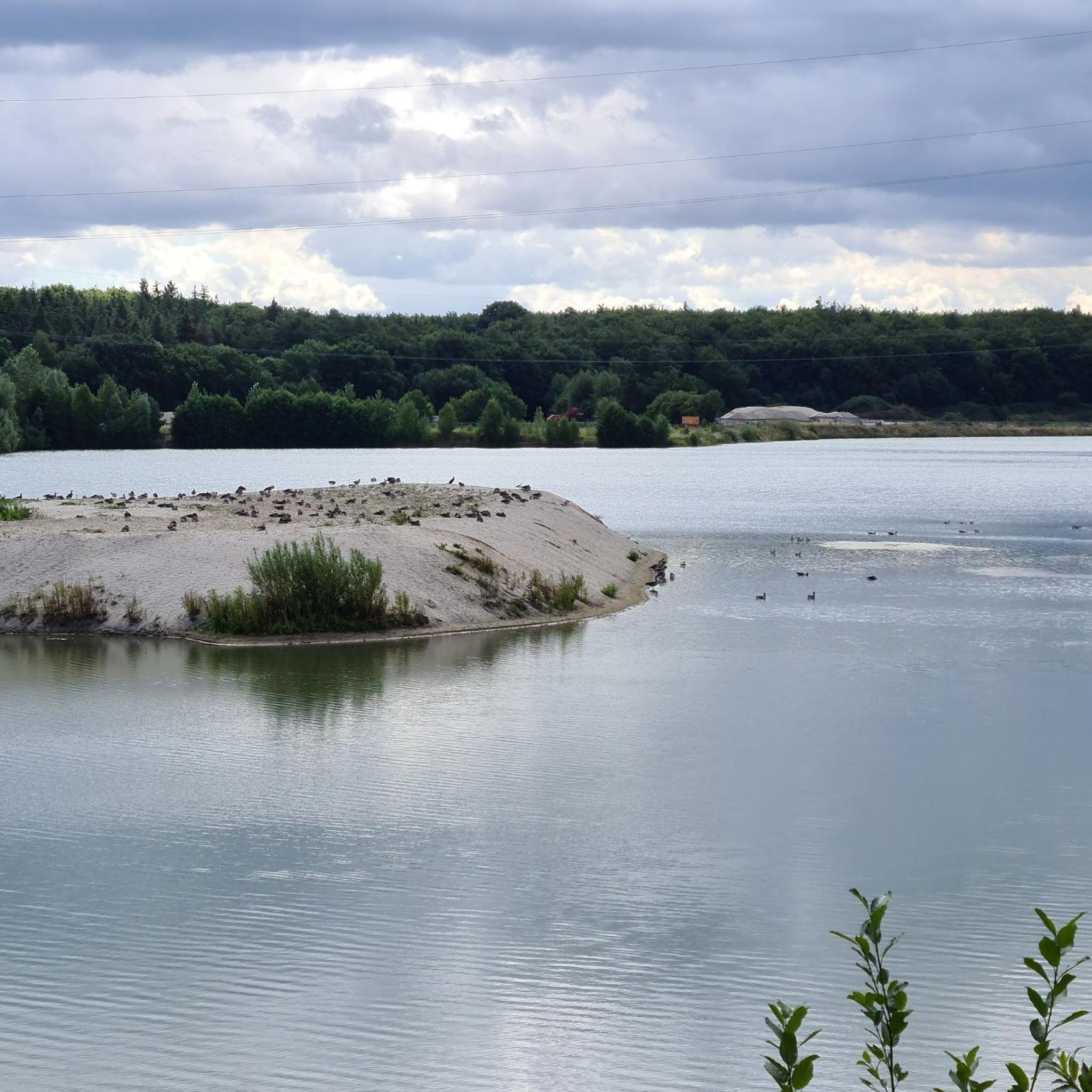
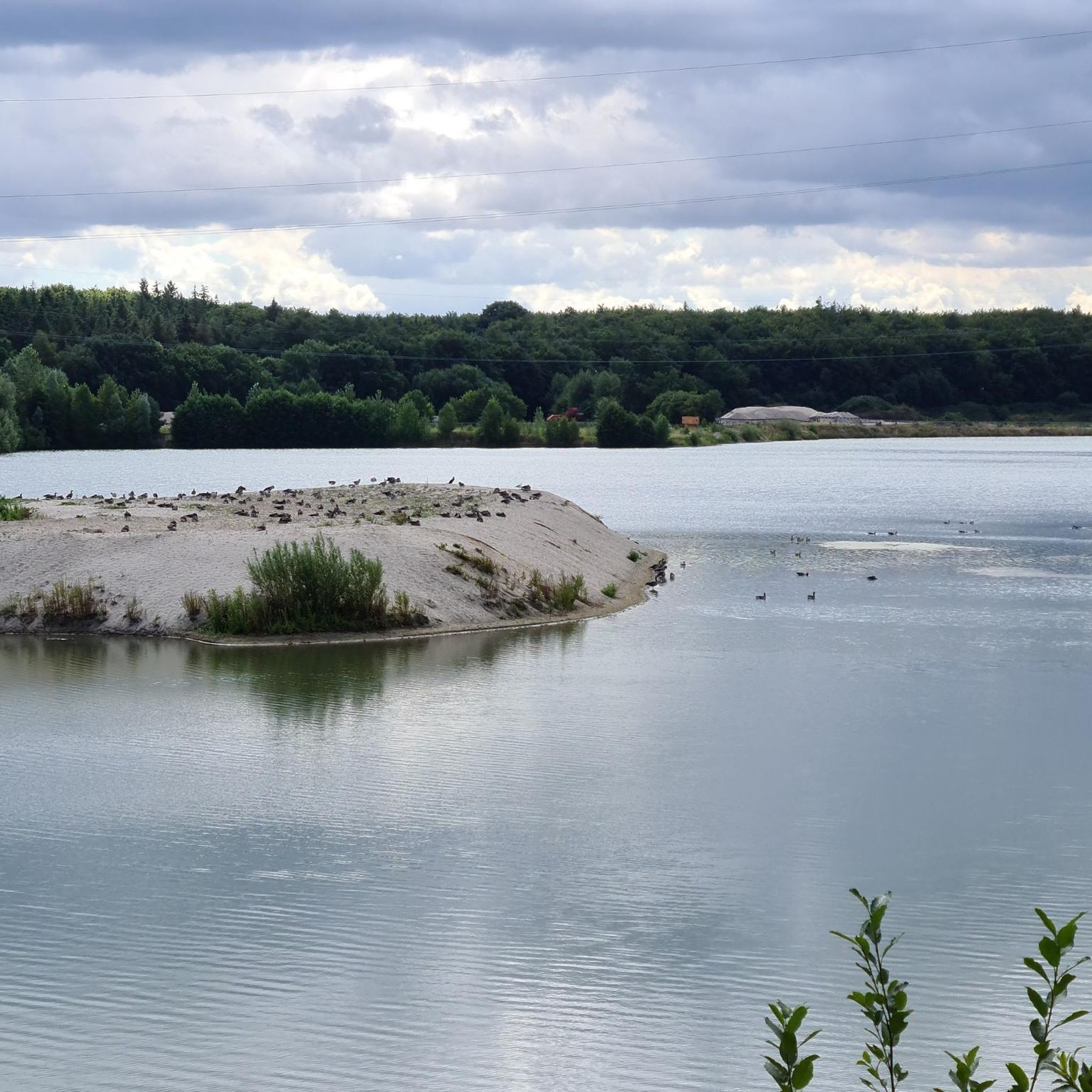
Apart from the raised embankment, unfortunately not much else can be seen. A shelter offers protection and a place to rest.
1
0

The Palais Rantzau in Lübeck is an impressive neo-Gothic city palace located on Kapitelstraße on the corner of Parade. It is not far from Lübeck Cathedral and was originally a medieval canon's residence from the 13th century. The builder, Kuno Rantzau-Breitenburg, had the building extensively rebuilt in 1858 and gave it its current neo-Gothic appearance. The palace is a unique example of neo-Gothic architecture in Lübeck and can be visited.
0
0

The beautiful entrance gate is practically directly in front of Pötenitz Castle. Pötenitz Castle is being completely renovated and converted into a castle hotel with a surrounding holiday complex. The innovative planning concept focuses on the renovation of the listed castle on the one hand and the construction of new, modern holiday properties on the other. This creates a combination of the preservation and at the same time the new beginning of a history.
1
0

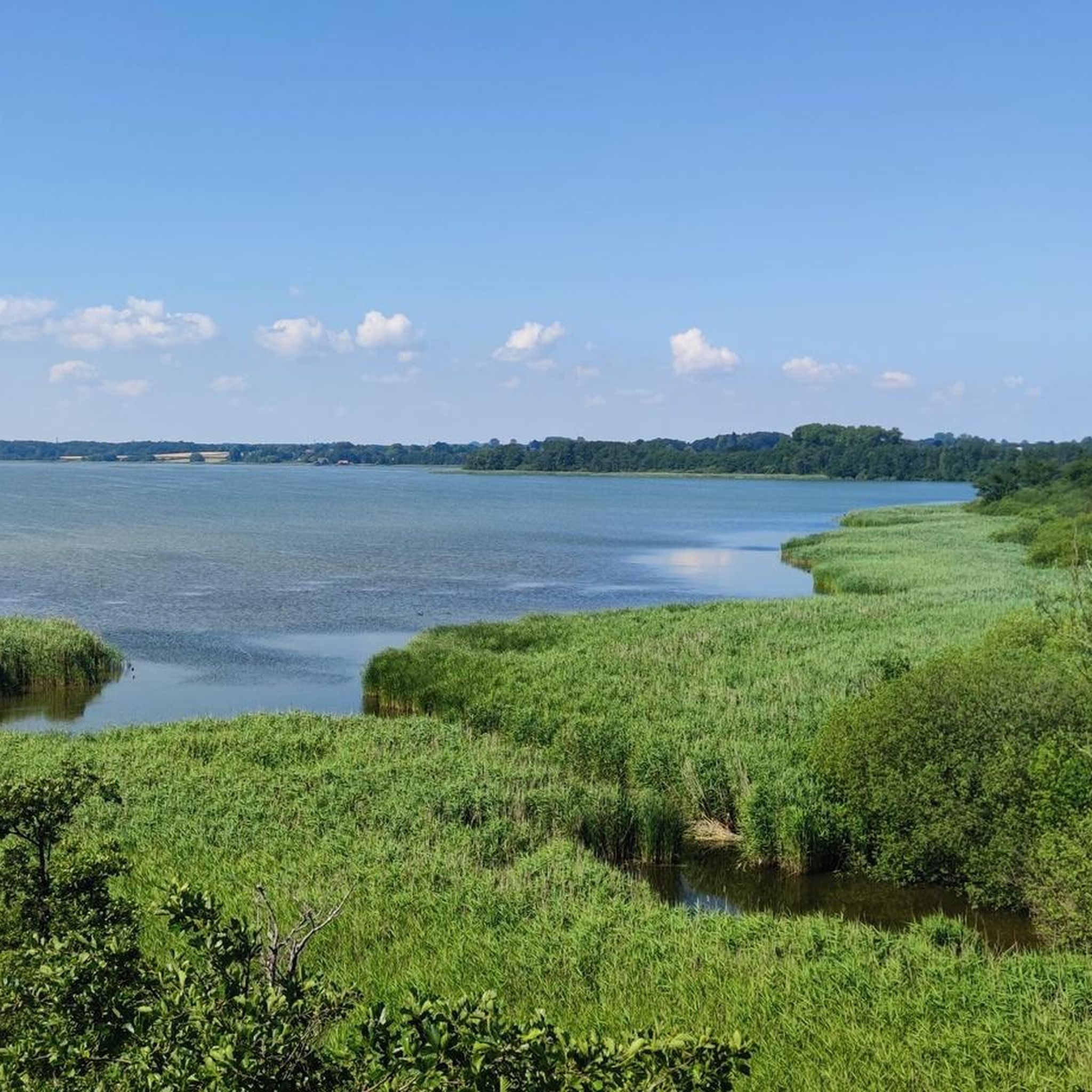
The castle complex is located on the Langen Hörn. The hill is surrounded on three sides by the Schwartau, so the castle never had any great fortifications. Not much is known, but it was probably owned by the bishop, who administered the diocese from Old Lübeck. The castle complex is several hundred meters long and can be walked along its entire length. The ramparts that separated the castle sections from each other are still clearly visible.
1
0

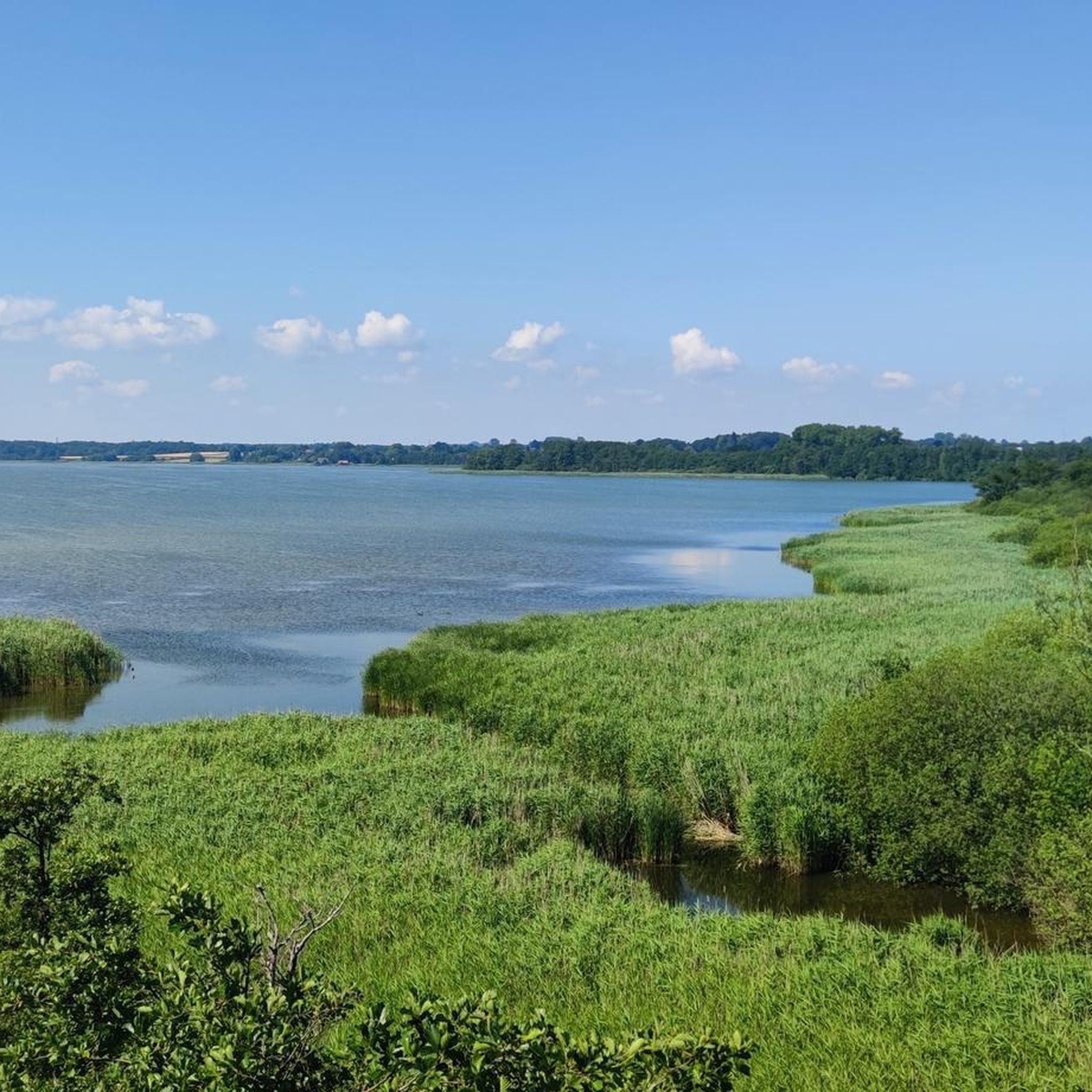
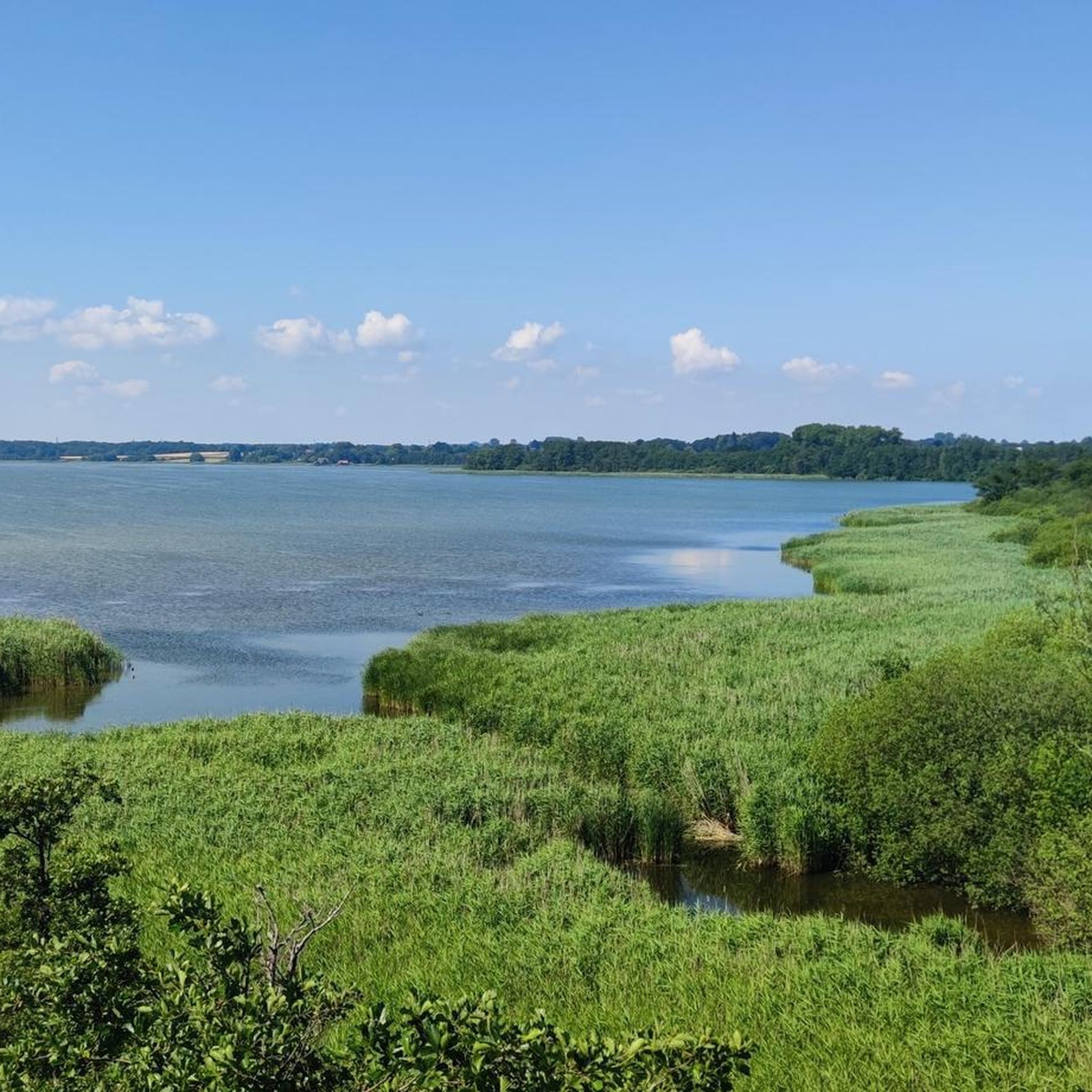
Sightseeing for archaeology fans! Anything but the classic medieval castle ruins, but thanks to the information sign it becomes a bit more interesting. The route to the castle is also interesting, it is almost 1.5km along forest paths and trails with tall grass and you may also have to cross the odd wooden bridge, pure adventure!
0
0

Manor house (manor house, castle) Johannstorf In 1743, the two-storey brick building was built on the site of a former moated castle according to plans by master builder Rudolph Matthias Dallin. The client for the construction was the von Buchwald(t) family, whose ancestral seat had been Johannstorf since 1412. The eye-catcher is the central projection on the southwest side of the manor house with colossal pilasters, the portal crowning and the triangular gable decorated with a coat of arms. Inside, the spacious hall impresses with a double staircase that leads to the upper floor. In the garden room, wooden wall panels that reach up to the ceiling have been preserved; stucco ceilings, fireplaces and stoves, mirrors and textile wall coverings are also still there. In 1782, the Eckermann family acquired the estate and remained the owners until it was expropriated in 1945. After 1945, the manor house was mainly inhabited. The listed building has been privately owned since 1993, and the urgently needed renovation was a long time coming. Through a legal settlement between the town of Dassow and the owner, the town of Dassow has managed to at least partially start the renovation of the manor house. The outbuildings are continuing to deteriorate, as is the manor house. The moat has also unfortunately deteriorated. https://gutshaeuser.de/de/guts_herrenhaeuser/gutshaeuser_j/gutshaus_herrenhaus_schloss_johannstorf
5
0

In any case, you cannot get to Pötenitz Castle through this gate or by car or bicycle.
2
0

Saved us from a shower.
6
1
Frequently Asked Questions
What kind of historical sites can I explore around Ratekau?
While Ratekau itself doesn't feature grand castles, the region offers a rich history through various sites. You can discover ancient fortifications like the remains of a Slavic rampart and the 12th-century Vicelin Church, known for its fortified design. Nearby, you'll find traditional castle experiences such as Johannstorf Castle, an 18th-century mansion, and archaeological sites like Räuberkuhle Motte (motte-and-bailey castle), which provides insight into medieval defensive structures.
Are there any medieval castle remains to visit near Ratekau?
Yes, you can explore several medieval remains. The Räuberkuhle Motte (motte-and-bailey castle), originally known as Gosevelde, is a 13th-century archaeological site where you can see the former tower hill, boulders, and a moat. Another example is the Medieval Slavic Castle Site in Riesebusch, where the small hill is the rest of an outer bailey, with a visible moat and rampart.
What are some notable castles or mansions near Ratekau that are worth visiting?
Beyond the medieval sites, you can visit Johannstorf Castle, a grand 18th-century mansion with a unique 'sleeping beauty' charm. Although not a traditional castle, the Rantzau Palace in Lübeck is a neo-Gothic city palace with a medieval core, offering a fascinating architectural blend. Additionally, the entrance gate to Pötenitz Castle is a historical landmark, though the castle itself is a ruin and not accessible.
Are there family-friendly historical sites or castles around Ratekau?
Yes, the region offers options suitable for families. The Medieval Slavic Castle Site in Riesebusch is considered family-friendly, offering an engaging outdoor exploration of ancient fortifications. While the Entrance gate to Pötenitz Castle is a man-made monument, its historical context can be interesting for older children.
What outdoor activities can I do near the castles around Ratekau?
The area around Ratekau is excellent for outdoor activities. You can find numerous routes for hiking, road cycling, and mountain biking. For hiking, explore trails like the 'View of Ruppersdorfer See loop' or 'Hemmelsdorfer Lake loop'. Cyclists can enjoy routes such as 'L309 Country Road Near Roge' for road cycling or 'Schwartau Slope Trail' for MTB. You can find more details on these activities in the Hiking around Ratekau, Road Cycling Routes around Ratekau, and MTB Trails around Ratekau guides.
Can I combine a visit to a castle with a nature experience?
Absolutely. Many historical sites are set within beautiful natural surroundings. For instance, Warnsdorf Castle, located near Timmendorfer Strand, is situated within a picturesque park directly on Hemmelsdorfer See, offering a scenic backdrop for both nature and history enthusiasts. The Räuberkuhle Motte (motte-and-bailey castle) is also found in the middle of a forest, providing a natural setting for exploration.
What do visitors particularly enjoy about the castles and historical sites in the Ratekau region?
Visitors appreciate the diverse range of historical structures, from ancient ramparts to 18th-century mansions, reflecting different eras of regional history. The komoot community has shown significant engagement, with over 290 upvotes and more than 280 photos shared, highlighting the appeal of these sites. Many enjoy the blend of historical exploration with the scenic natural landscapes, such as those around Hemmelsdorfer See.
Are there any fortified churches in the Ratekau area?
Yes, the Vicelin Church in Ratekau is a prominent example. This 12th-century fieldstone church is considered one of the best-preserved fortified churches (Wehrkirchen) in Ostholstein. Its 48-meter-high defensive tower showcases its original dual purpose as both a place of worship and a protective structure during less stable times, making it a significant historical and architectural site.
What is the best time of year to visit the castles and historical sites around Ratekau?
The region's historical sites and natural beauty can be enjoyed throughout the year. Spring and summer offer pleasant weather for exploring the outdoor sites and combining visits with hiking or cycling. Autumn provides beautiful foliage, while winter can offer a unique, serene atmosphere, especially for sites like the Vicelin Church or the forest-embedded Räuberkuhle Motte.
Are there any 'hidden gems' or less-known historical sites near Ratekau?
Beyond the more prominent sites, the remains of the Slavic rampart in Ratekau offer a glimpse into the region's ancient past and early defensive structures, often overlooked by those seeking traditional castles. The Räuberkuhle Motte (motte-and-bailey castle), nestled in the forest, also provides a fascinating, less-trafficked archaeological experience.
How long should I plan for a visit to the historical sites around Ratekau?
The duration of your visit depends on the number of sites you wish to see. For individual sites like the Vicelin Church or the Räuberkuhle Motte, you might spend 1-2 hours. If you plan to visit multiple locations, such as Johannstorf Castle and a nearby natural area, a half-day or full-day trip would be more suitable to allow for travel and thorough exploration.
Most popular routes around Ratekau
Most popular attractions around Ratekau

Get inspired with the komoot mobile app


Explore more
Looking for the best castles somewhere else? Discover other guides around Ratekau:
