Top 20 Caves around Bad Münder am Deister
Best caves around Bad Münder am Deister are found nestled between the Deister and Süntel mountain ranges. This region offers a variety of natural attractions, including several notable caves and cave-like features. These sites range from natural rock formations that provide habitat for wildlife to historical adits. They offer insights into the region's geology, biodiversity, and industrial past.
Best caves around Bad Münder am Deister
- The most popular caves is Feggendorfer Adit, a historical site that provides insight into…
Last updated: July 10, 2026
Feggendorfer Adit
Highlight • Historical Site
Translated by Google •
Tip by

Cliffs and Bat Caves in the Kleiner Deister
Highlight • Cave
Translated by Google •
Tip by
Sign up now to discover places like this
Get recommendations on the best single tracks, peaks, & plenty of other exciting outdoor places.
Sign up for free
Schillat Cave
Highlight • Cave
Translated by Google •
Tip by

Bärenhöhle Restaurant
Highlight • Restaurant
Translated by Google •
Tip by

Oberberg Crevice
Highlight • Cave
Translated by Google •
Tip by

Sign up for free to discover even more caves around Bad Münder am Deister.
Sign up for free
Already have an account?
Start today with a free account
Your next adventure awaits.
Login or Signup
Popular around Bad Münder am Deister
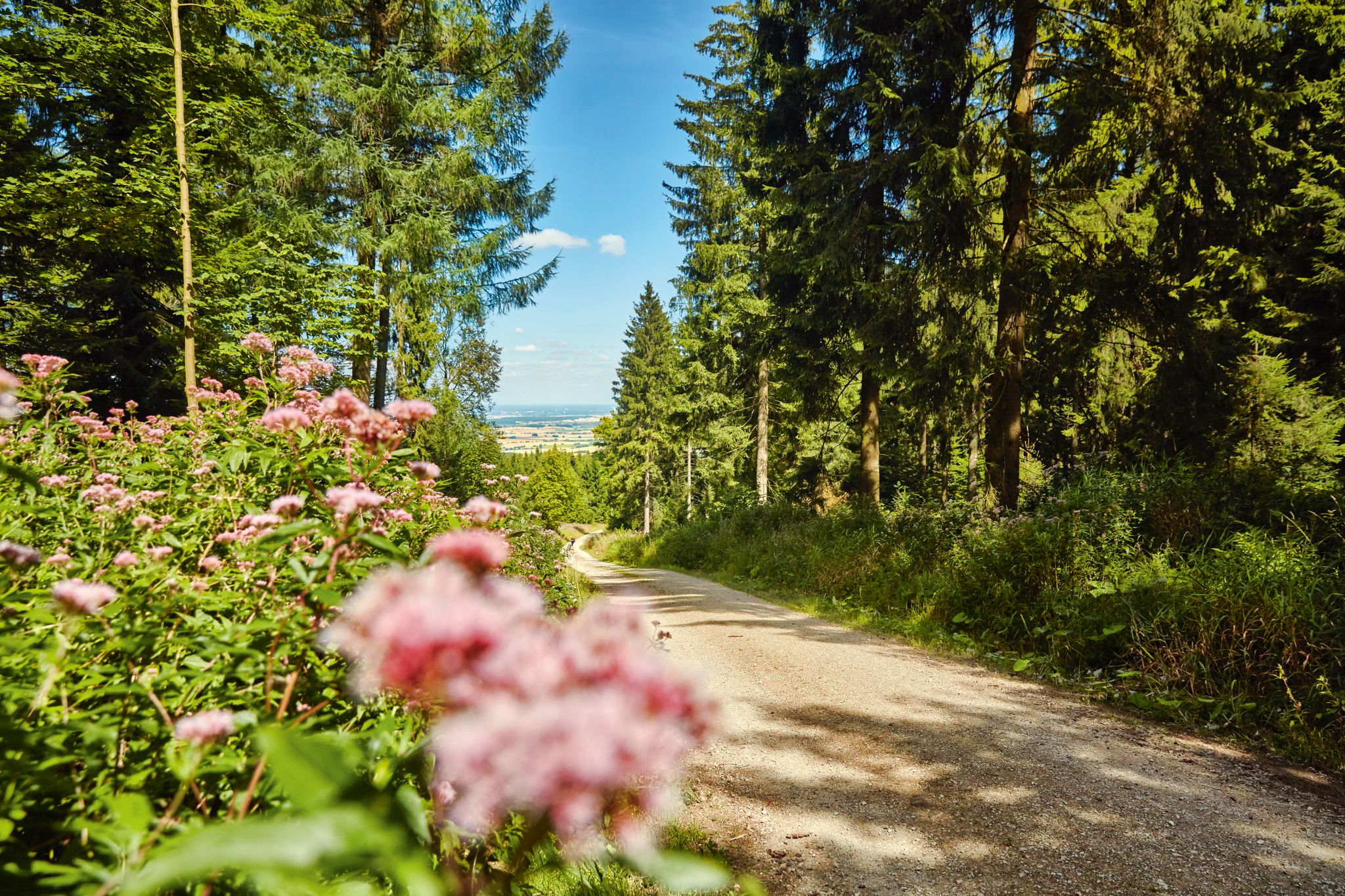
Hanover trails – hiking between Steinhuder Meer and Deister
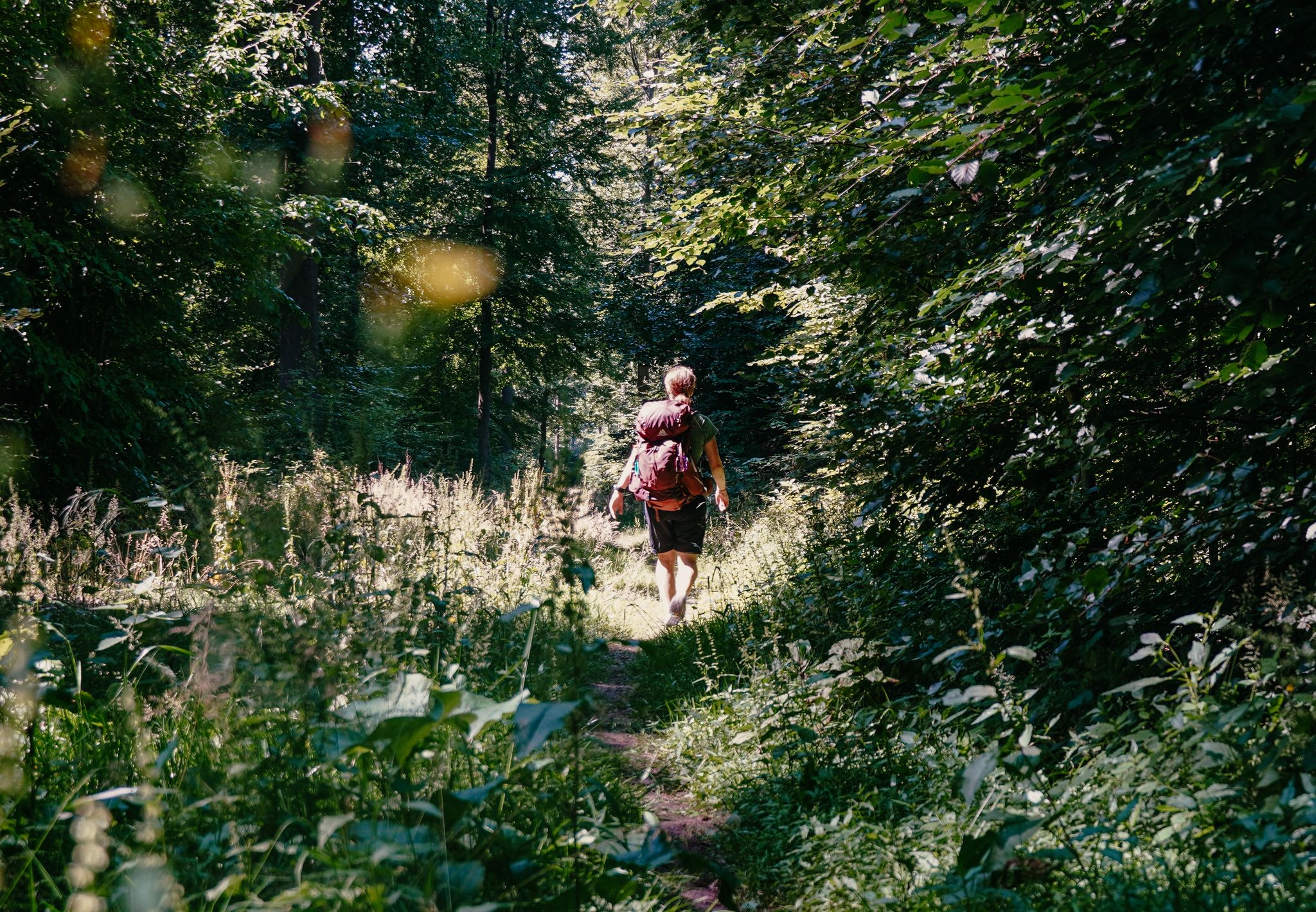
Experience nature with all your senses in the Weserbergland
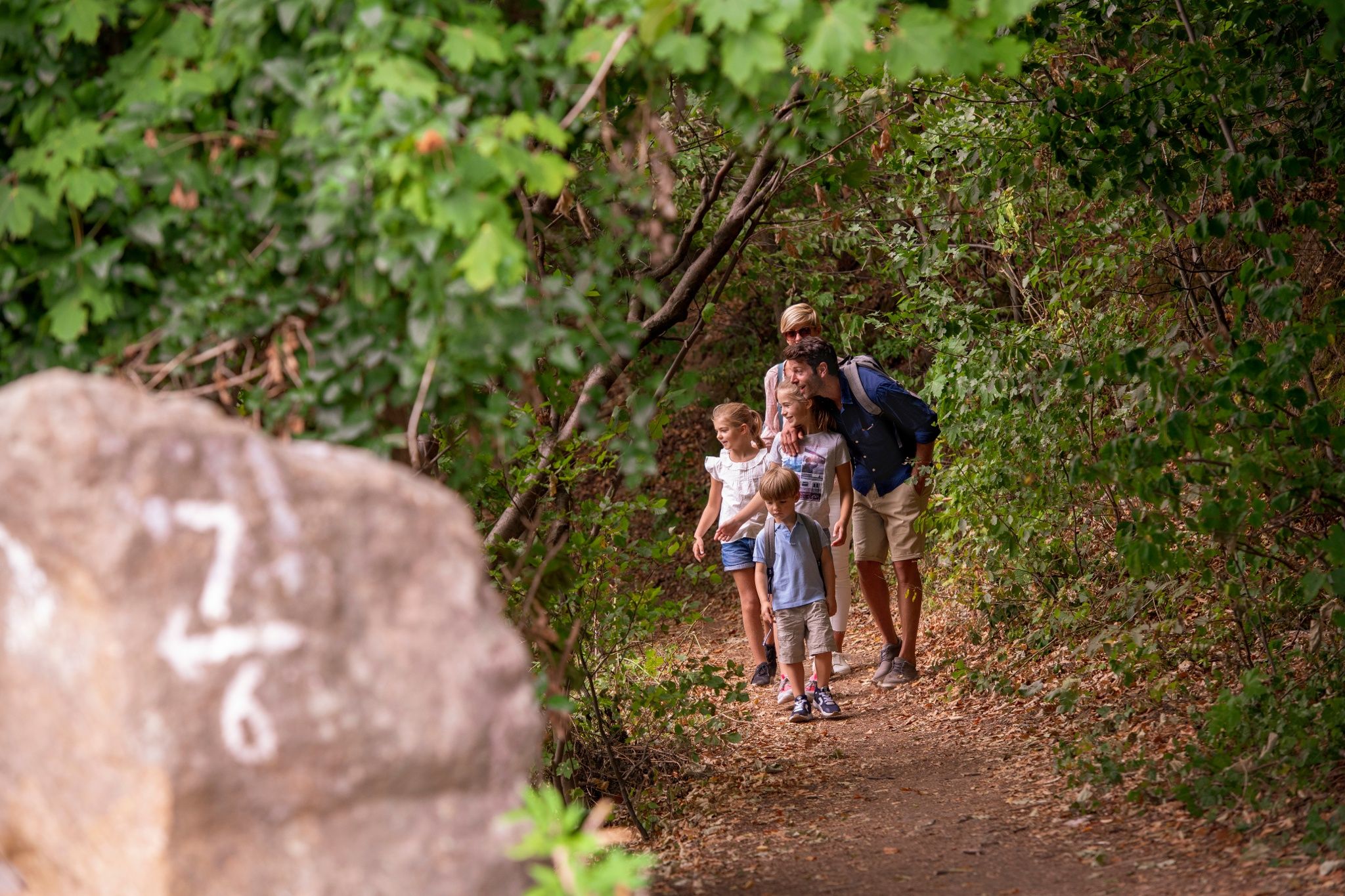
Castles and miners – hike through history in the Weserbergland region
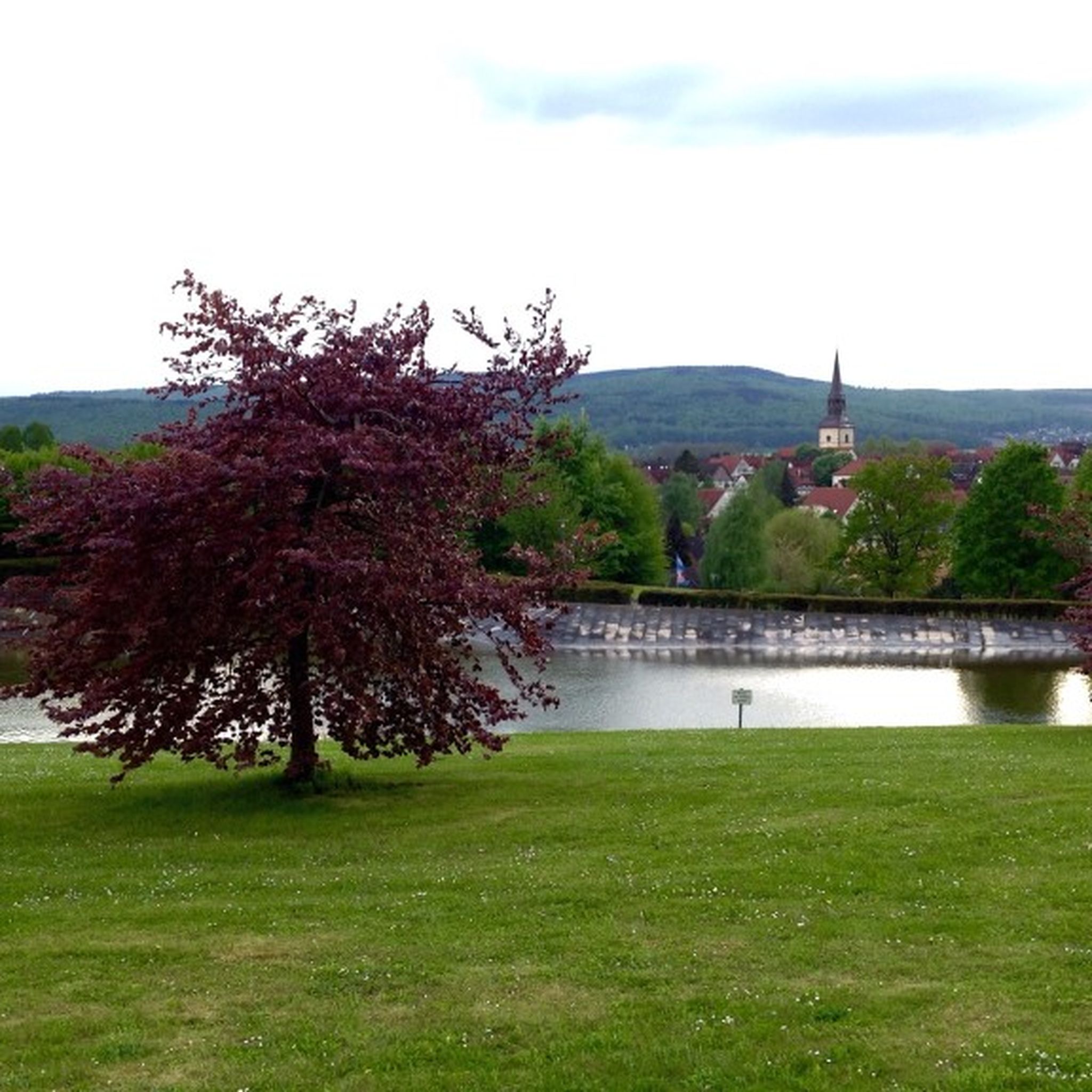
Hiking around Bad Münder am Deister
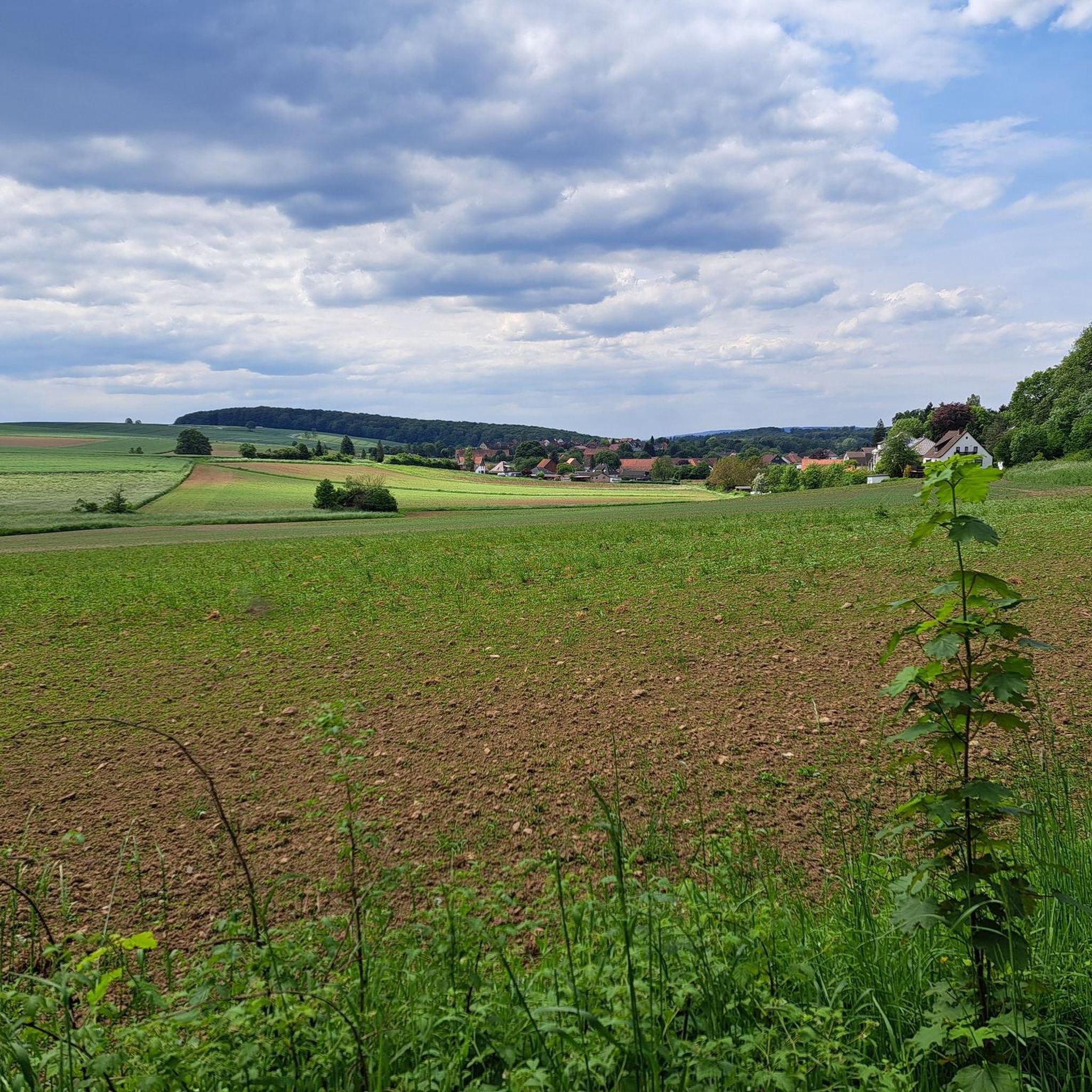
Cycling around Bad Münder am Deister
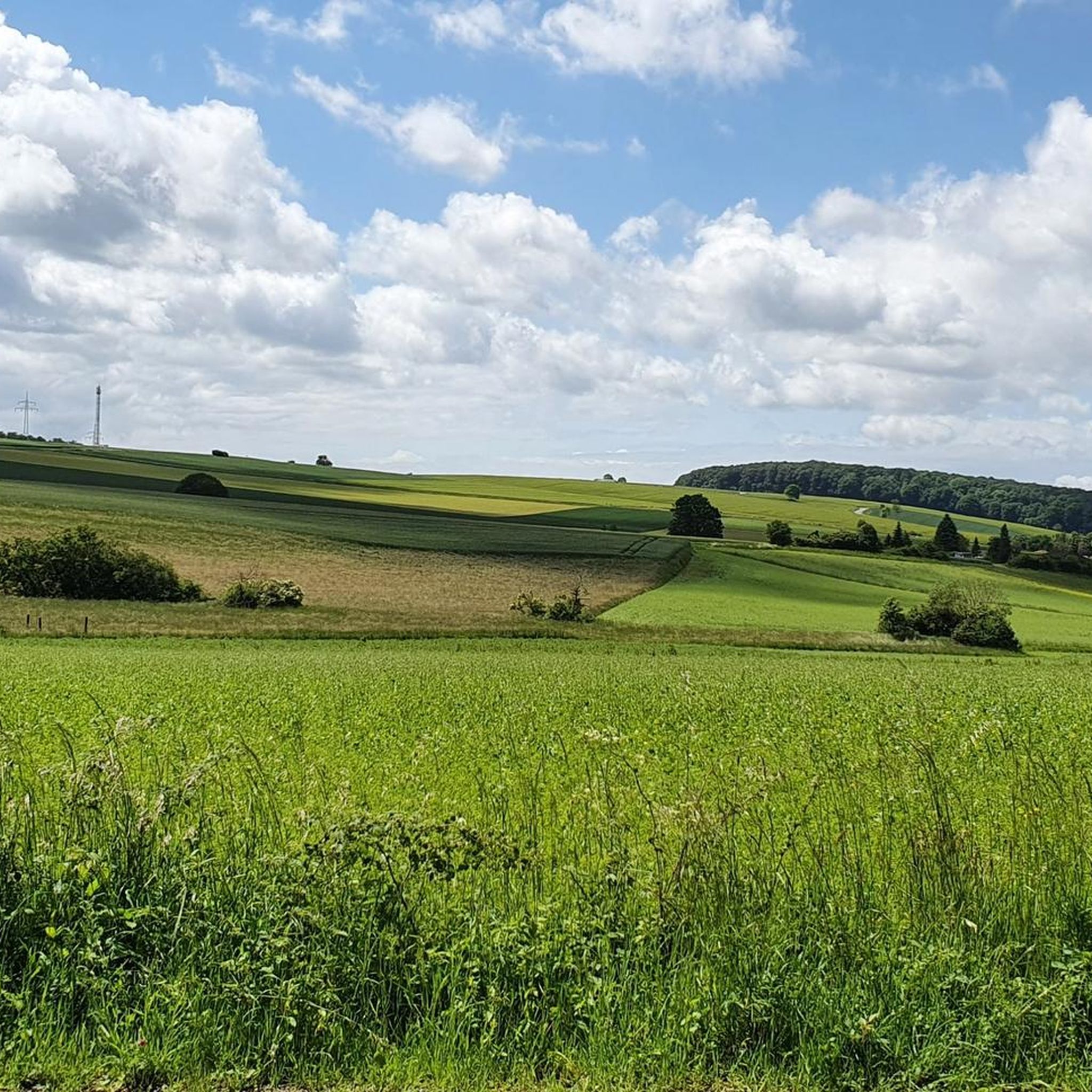
MTB Trails around Bad Münder am Deister
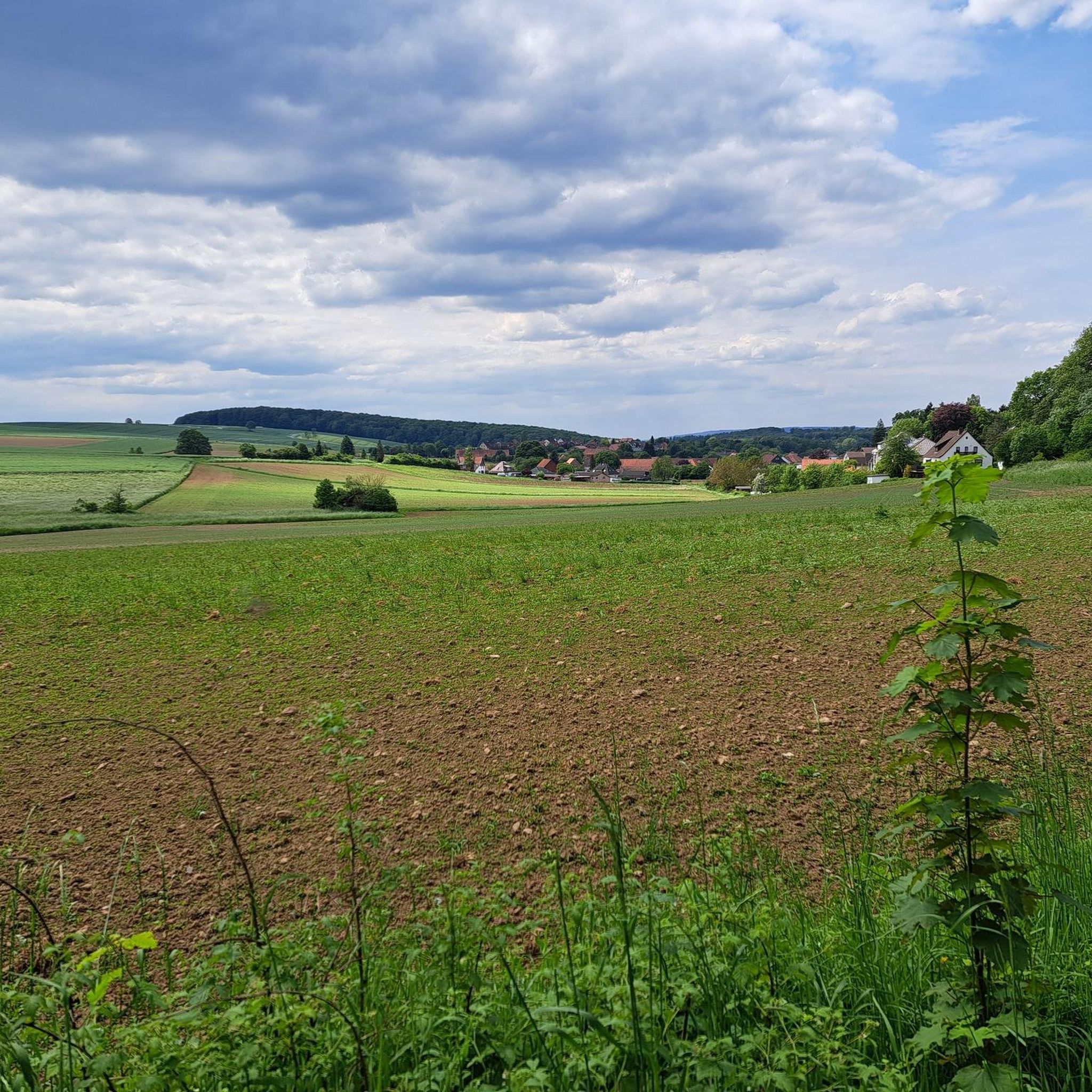
Road Cycling Routes around Bad Münder am Deister
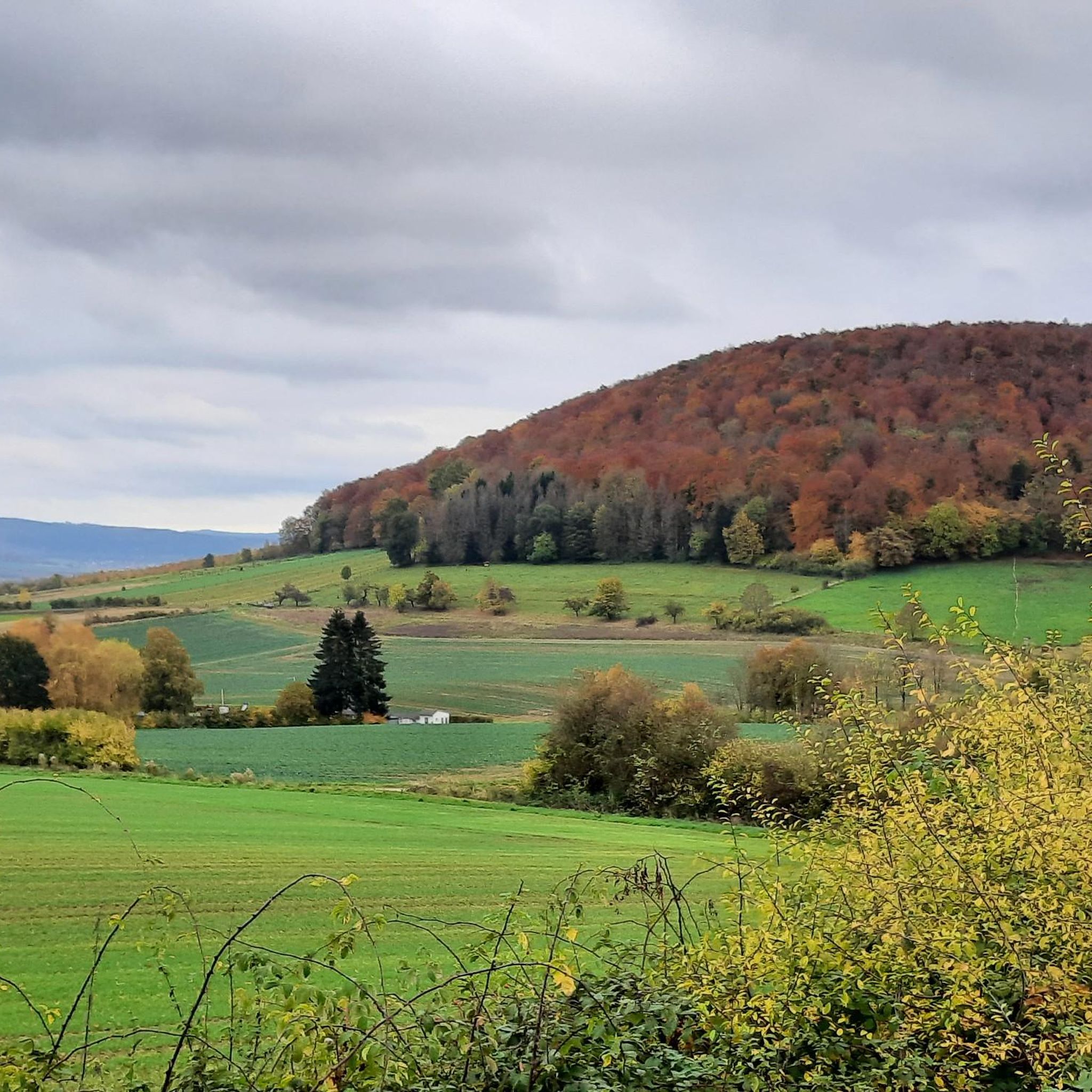
Running Trails around Bad Münder am Deister
Gravel biking around Bad Münder am Deister

Mountain Hikes around Bad Münder am Deister
Other adventures around Bad Münder am Deister


Tips from the Community

The Bärenhöhle forest inn is idyllically situated in the Deister hills near Egestorf (Barsinghausen) and is a popular destination for hikers and day-trippers. Surrounded by ancient beech trees, it offers a cozy atmosphere with a rustic dining room, a conservatory, and a large beer garden nestled in the greenery. The kitchen combines regional and seasonal dishes – from game and asparagus specialties to the popular schnitzel day. Breakfast is served in the mornings, and on weekends a generous buffet featuring regional products and homemade jams is offered. Thanks to its proximity to the Egestorf S-Bahn station, the Bärenhöhle is easily accessible and perfect for a break after a hike. Whether for a family outing, a celebration, or a casual get-together – here, good food meets genuine Deister idyll.
1
0

The Oberberg fissure in the Weser Uplands is a narrow, natural crevice in the limestone of the Oberberg mountain and is one of the region's geological features. It lies well hidden on a steep slope and resembles a deep, inaccessible crack in the rock less than a cave. Due to its narrow structure, slippery limestone walls, and partially unstable floor, hiking guides advise against entering the fissure. It is precisely this mysterious yet difficult-to-access appearance that makes it such a fascinating place, best viewed from a distance.
0
0

Here you can take part in a nice and interesting guided tour for 8 euros. The place is open on weekends from 10 a.m. to 6 p.m. You can also watch a short film afterwards.
5
0


CAUTION: With high humidity, the risk of slipping is very high in the area. (roots, stones)
0
0
The first mention of a coal seam can be found in 1738. Excavation only began on October 31, 1831. After 103 meters, mining could begin in 1832. The mined coal was used to supply local industrial plants and as domestic fuel and forge coal. In 1862, the Feggendorfer tunnel was penetrated by a direct connection to the Hohenbostel tunnel. The natural air circulation created by the approximately 100 m difference in height between the two mouths was used for ventilation. Annual production rose from 840 t to 1600 t and finally fell to 540 t. In 1879, the mine was closed for economic reasons, but was maintained to ventilate the Hohenbostel tunnel until 1895, when it was closed. In 1917, the last year of the First World War, the tunnel was reopened and expanded after a 40-year break due to the poor supply situation. In 1921, 139 men mined 80 to 90 tons per day. The mine was officially closed in 1947, but continued to be used on a small scale until 1952. In that year, all usable facilities were demolished and the access was blown up. The tracks and the mine cars were used in other Deister mines. Source: https://de.wikipedia.org/wiki/Feggendorfer_Stolln
3
0

In the past, hard coal was mined here and brought down via the braking distance. You can see the mine house, old carts, unused rails, the entrance to the tunnel and old and new tools. There is also plenty of space to take a break before completing the ascent to Kreuzbuche.
6
0

Refuge for animals and plants! Here is something else from the network: https://de.wikipedia.org/wiki/H%C3%B6hlengebiet_im_Kleinen_Deister
4
0
Frequently Asked Questions
What types of caves can I explore around Bad Münder am Deister?
The region offers a diverse range of underground features. You can explore natural limestone caves like Schillat Cave with its impressive stalactites, natural rock formations and bat habitats such as the Cliffs and Bat Caves in the Kleiner Deister, and historical mining tunnels like the Feggendorfer Adit.
Are there any historical mining tunnels to visit in the area?
Yes, the Feggendorfer Adit is a historical mining tunnel that offers insight into the region's industrial past. Guided tours are available, allowing visitors to experience the underground world of historical mining firsthand.
What natural features can I expect to see in the caves?
The natural caves and crevices showcase impressive geological formations. Schillat Cave features stunning stalactite and stalagmite formations, while the Cliffs and Bat Caves in the Kleiner Deister are significant for their natural rock formations and role as a wildlife refuge.
Are there family-friendly cave experiences around Bad Münder am Deister?
Absolutely. The Schillat Cave is considered family-friendly, offering guided tours that are educational and visually captivating. The Feggendorfer Adit also offers guided tours that are suitable for all ages, providing a fun and interactive experience of mining history.
Is the Schillat Cave accessible for wheelchairs?
Yes, the Schillat Cave is noted as wheelchair accessible, making it a good option for visitors with mobility needs to experience a natural limestone cave.
What is the best time of year to visit the caves?
The Schillat Cave is open on weekends and public holidays from 10 a.m. to 6 p.m., with additional Wednesday openings during the high season (Easter to October). The Feggendorfer Adit is open from April to September, every Sunday at 11 a.m. and 2 p.m. for spontaneous visitors. Always check specific opening times before your visit.
Do I need to book tours for any of the caves?
Yes, the Schillat Cave can only be visited as part of a guided tour. For the Feggendorfer Adit, while spontaneous visits are possible on Sundays, groups of 5 or more are asked to register in advance to avoid waiting times.
Are there hiking trails near the caves around Bad Münder am Deister?
Yes, many of the cave sites are integrated into hiking trails within the Deister and Süntel ranges. You can find various hiking routes around Bad Münder am Deister, ranging from easy to moderate, that allow you to explore the natural beauty of the region alongside the caves. For more details, see the Hiking around Bad Münder am Deister guide.
What other outdoor activities can I do near the caves?
Beyond hiking, the region offers opportunities for running and cycling. There are numerous trails suitable for various abilities. You can explore Running Trails around Bad Münder am Deister or find suitable Cycling routes around Bad Münder am Deister.
What do visitors enjoy most about the caves in Bad Münder am Deister?
Visitors appreciate the unique blend of natural beauty, geological interest, and historical insight. The guided tours at Schillat Cave are often praised for being interesting and informative, while the Feggendorfer Adit offers an authentic and hands-on experience of mining history. The natural formations of the Cliffs and Bat Caves are also a highlight for nature enthusiasts.
Are there cafes or restaurants near the caves?
Yes, the Schillat Cave has a café & beer garden in the “Huthaus” where you can enjoy regional products. Additionally, the Bärenhöhle Restaurant is located in proximity to some of the cave areas, offering dining options.
What is the Oberberg Crevice?
The Oberberg Crevice is a geological feature near Bad Münder am Deister. It's known for being a very narrow gap with unique rock formations, offering an interesting point of exploration for hikers, though caution is advised due to its challenging nature.
Most popular routes around Bad Münder am Deister
Most popular attractions around Bad Münder am Deister

Get inspired with the komoot mobile app


Explore more
Extend your search for the best caves by checking out these guides of the top ones around Bad Münder am Deister:
