Top 8 Lakes around Boltenhagen
Lakes around Boltenhagen are not the primary natural feature of this Baltic Sea resort, which is celebrated for its expansive sandy beaches and picturesque cliffs. Boltenhagen's main aquatic attraction is the Baltic Sea, offering opportunities for swimming, paddling, and coastal activities. The region's appeal lies in its direct access to the sea, its 5-kilometer stretch of beach, and its status as a seaside spa resort. While the broader Mecklenburg-Vorpommern region contains numerous lakes, prominent inland lakes are not directly adjacent…
Last updated: October 13, 2026
Cliff View of Lübeck Bay
Highlight • Viewpoint
Translated by Google •
Tip by

Ostseequelle Beach
Highlight • Beach
Translated by Google •
Tip by

Sign up now to discover places like this
Get recommendations on the best single tracks, peaks, & plenty of other exciting outdoor places.
Zierow Beach
Highlight • Beach
Translated by Google •
Tip by

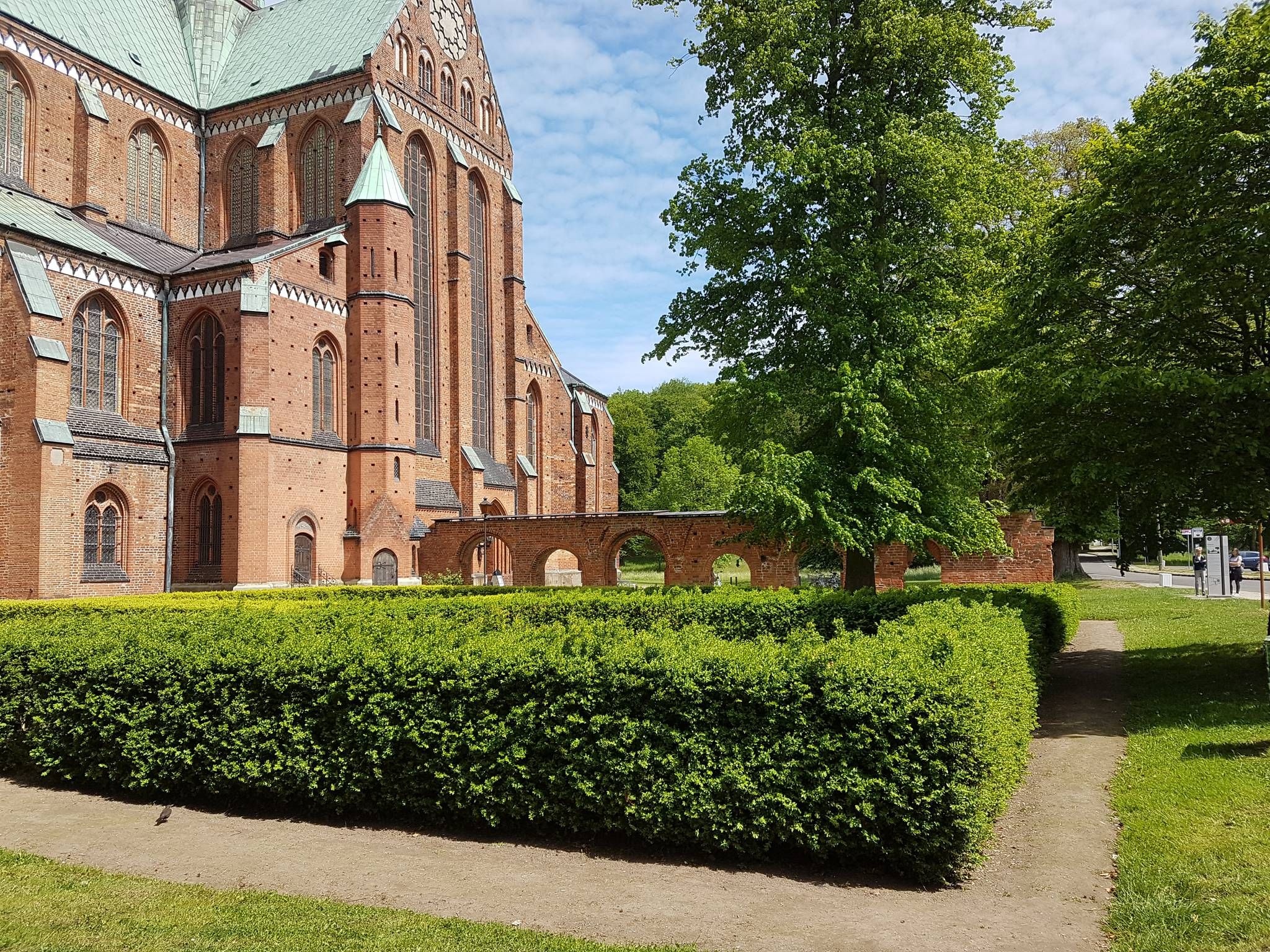
Stellshagen Manor
Highlight • Historical Site
Translated by Google •
Tip by

Natural Beach on the Baltic Sea
Highlight • Beach
Translated by Google •
Tip by

Sign up for free to discover even more lakes around Boltenhagen.
Already have an account?
Start today with a free account
Your next adventure awaits.


Other adventures around Boltenhagen

Tips from the Community

The history of Gutshaus Stellshagen dates back to the Bronze Age, 3600 to 3200 BC. Stellshagen was first documented in 1230 as Stellershagen. In 1817, Hans Bernhard von Plessen united the estates in Stellshagen and Damshagen. In 1819, he sold the Gut Stellshagen estate to Gotthard Bernhard Vorbeck for 63,000 Reichsthaler. In 1833, the estate passed to Johann August Bosselmann, and in 1855 to his son Johann Heinrich Georg Friedrich Bosselmann. The latter sold it in 1865 for 225,000 Reichsthaler to Karl Bernhard Rudolff. Through a forced auction, the 353.3-hectare estate was acquired in 1886 by Count Ludwig von Bothmer. In 1894, it passed into the possession of Otto Graf von Bothmer and in 1918 it was sold to Hans von Plessen. In 1924, the Hamburg architect Franz Bach senior acquired the estate with 1500 Morgen of land for his son Franz Bach junior and built a stately manor house on the highest elevation in the area. The new lord of the manor, Franz Bach junior, was a patriarch like all the other lords of the manor in the area, but as a newcomer, he had not grown up with conventional patterns of relationships between lord and day laborers – so it was easier for him to bridge the social gap between him and his employees. In the village, the manor house was called "The Castle" because of its massive dimensions. But no nobles lived in the castle, but people with an uncomplicated and unconventional way of life – everything revolved around agriculture, the weather, the harvest, and the festivals that accompanied the leisurely rhythm of the seasons. In 1944, World War II broke into the idyll of the Klützer Winkel. Streams of refugees from the East poured into the country. Not only the manor house, but also the barn and the houses of the day laborers filled up with people who did not want to be overrun by the Russians. Many arrived with horse-drawn wagons, and some pushed their bundles on wheelbarrows – most of them were women and children. The front line moved ever closer. In the end, it was not the Red Army, but the Americans who marched into Stellshagen. The German soldiers offered no resistance, so the village was spared damage. Mrs. Lore Cordes, daughter of Franz Bach junior, had learned English at the Gymnasium in Hamburg and proved useful as an interpreter. The first thing she heard from the American commander was an eviction order. The American officer gave the Bach family three hours to leave their house, then he moved in himself. Lore Cordes found accommodation with her young son in the estate manager's house. But three weeks later, the Americans moved out again, and the Bachs were able to return to their house. The Americans had handed over the administration to the British. The Bach family left the manor house for Hamburg, but Franz Bach junior did not want to come along. The farmer was attached to his property and was not impressed by rumors that the British were about to withdraw. Soon after, the British left, and the Russians arrived. The lord of the manor, Franz Bach, got along well with the Russians. He met regularly with the Soviet commander for card games and vodka sessions in the manor house's living room, so that something akin to a friendship developed between the two. The land reform was, of course, unavoidable, and Franz Bach was aware that his manor house no longer belonged to him. He only lived there temporarily, but he helped the Soviet commander divide his lands among his former employees. Finally, the Russian officer handed over the administration to the German officials of the Soviet occupation zone. Shortly before this happened, the Russian commander advised his friend Franz Bach: It's time for you to get out. In 1994, Gertrud Cordes, granddaughter of Franz Bach junior, acquired the old manor house and converted it into an organic and health hotel, which opened in 1996.
0
0

Great beach, quiet atmosphere, no crowds or tourists like on many other Baltic Sea beaches. Shallow water and fine sand. Drinks are available at the kiosk and food can be found at the campsite in the Oasis. If you want a beach, this is the right place.
1
0

You can cycle through and always have a beautiful view of the sea
0
0

Beautiful beach with (thankfully!) a traffic-calmed country road and a good bike path.
1
0

A well-maintained beach with a sweeping view of the water. Food and drink are available at the mini-golf course or at the campsite (which also houses the Oase restaurant). The "Zierow Strand" bus stop is approximately 200 meters from the beach. A bus to Wismar departs every hour (30 minutes to the central bus station).
2
0

Clean and well located, restaurants also available
2
0

Is a wonderful beach to linger
1
0
On the other side of the road is this beautiful sandy beach. Just stop and put your feet in the water. Wonderful
2
1
Frequently Asked Questions
What are the main aquatic attractions around Boltenhagen?
Boltenhagen is primarily known for its direct access to the Baltic Sea, not inland lakes. The main aquatic attractions are its expansive sandy beaches and picturesque cliffs along the coast. The Baltic Sea offers opportunities for swimming, paddling, kayaking, canoeing, and windsurfing.
Are there any prominent inland lakes directly adjacent to Boltenhagen?
No, there are no prominent, widely recognized inland lakes directly within or immediately adjacent to Boltenhagen that are major attractions. Boltenhagen's appeal lies in its direct access to the Baltic Sea and its coastal landscapes.
What are some popular coastal viewpoints near Boltenhagen?
Visitors frequently enjoy the Cliff View of Lübeck Bay, which offers expansive views of the Baltic Sea coastline. Another scenic spot is the Poel Island Baltic Sea Coast, known for beautiful sunsets and ideal for cycling and hiking.
Which beaches are recommended for families around Boltenhagen?
Zierow Beach is highly recommended for families due to its excellent water quality, a playground, and shallow waters perfect for children. It also offers facilities like paid parking and a kiosk. Another beautiful option is Ostseequelle Beach, which invites visitors to linger.
What kind of outdoor activities can I do near Boltenhagen's coast?
You can enjoy various outdoor activities, primarily hiking and cycling along the coast. There are easy hikes like the Boltenhagen Promenade – Marina Tarnewitz loop, and moderate options such as the Cliffs of Boltenhagen – Cliff Path on the Baltic Sea loop. For cycling, the Gravel biking around Boltenhagen guide offers routes like the Baltic Sea Coast Cycle Route.
Are there historical sites or cultural attractions near Boltenhagen?
Yes, Stellshagen Manor is a notable historical site with well-maintained grounds. It also features a hotel, café, and restaurant offering vegetarian and vegan dishes, making it a pleasant stop for visitors.
What is the best time to visit Boltenhagen for coastal activities?
The summer months are ideal for swimming and beach activities due to warmer temperatures. However, the coastal paths and viewpoints can be enjoyed year-round, with spring and autumn offering pleasant weather for hiking and cycling without the peak summer crowds. Winter walks along the coast also offer a serene experience.
Are there dog-friendly options for walks around Boltenhagen's coastal areas?
Yes, many coastal areas and trails around Boltenhagen are dog-friendly. For example, Zierow Beach has a designated dog beach located about 250m west of the main family beach, allowing your furry friends to enjoy the Baltic Sea too.
Where can I find cafes or restaurants near the coastal attractions?
You can find cafes and restaurants in Boltenhagen itself, particularly along the boardwalk and near the pier. Additionally, Stellshagen Manor offers a café and restaurant with vegetarian and vegan options, providing a pleasant dining experience in a historical setting.
What kind of hiking trails are available near Boltenhagen?
There are various hiking trails, mostly along the coast. You can find easy routes like the Boltenhagen Pier – Boltenhagen Beach and Pier loop, or more moderate trails such as the Wooden dune promenade along the natural dune beach of Boltenhagen. For more options, refer to the Easy hikes around Boltenhagen and Hiking around Boltenhagen guides.
What do visitors enjoy most about the Boltenhagen area?
Visitors particularly appreciate the stunning views of the Baltic Sea from viewpoints like the Cliff View of Lübeck Bay, the excellent water quality at beaches like Zierow Beach, and the well-maintained historical sites such as Stellshagen Manor. The overall serene natural experience with coastal landscapes and fresh sea air is a major draw.
Most popular routes around Boltenhagen
Most popular attractions around Boltenhagen

Get inspired with the komoot mobile app


Explore more
Still not found your perfect lake around Boltenhagen? Check out the guides of these regions to see even more beautiful places.
