Top 5 Caves around Gaukönigshofen
Caves around Gaukönigshofen provide insights into the region's geological features and natural formations. Situated in Lower Franconia, the area features various natural attractions, including grottos, rock cellars, and ice caves. These natural sites offer opportunities for exploration and are often integrated into local hiking trails.
Best caves around Gaukönigshofen
- The most popular caves is Goßmannsdorf Grotto, a trail that was built from boulders in 1898 and renovated in 1979. It is located on a footpath above Goßmannsdorf, offering views…
Last updated: October 13, 2026
Goßmannsdorf Grotto
Highlight • Trail
Translated by Google •
Tip by

Rock cellar and bat roost
Highlight • Cave
Translated by Google •
Tip by

Sign up now to discover places like this
Get recommendations on the best single tracks, peaks, & plenty of other exciting outdoor places.
Grotto Trail
Highlight (Segment) • Trail
Translated by Google •
Tip by
Ice Cave
Highlight • Cave
Translated by Google •
Tip by

Mariengrotto
Highlight (Segment) • Cave
Translated by Google •
Tip by

Start today with a free account
Your next adventure awaits.
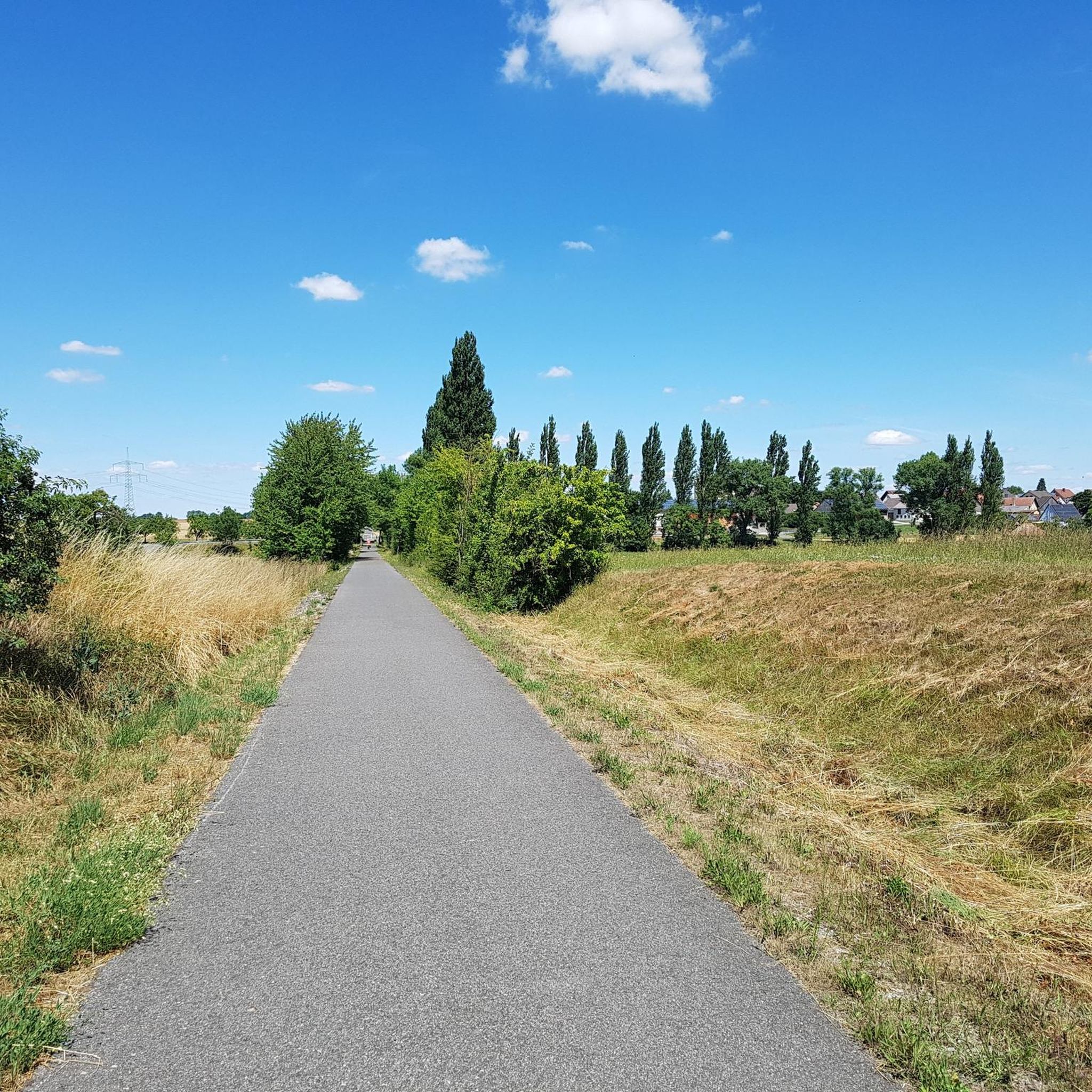
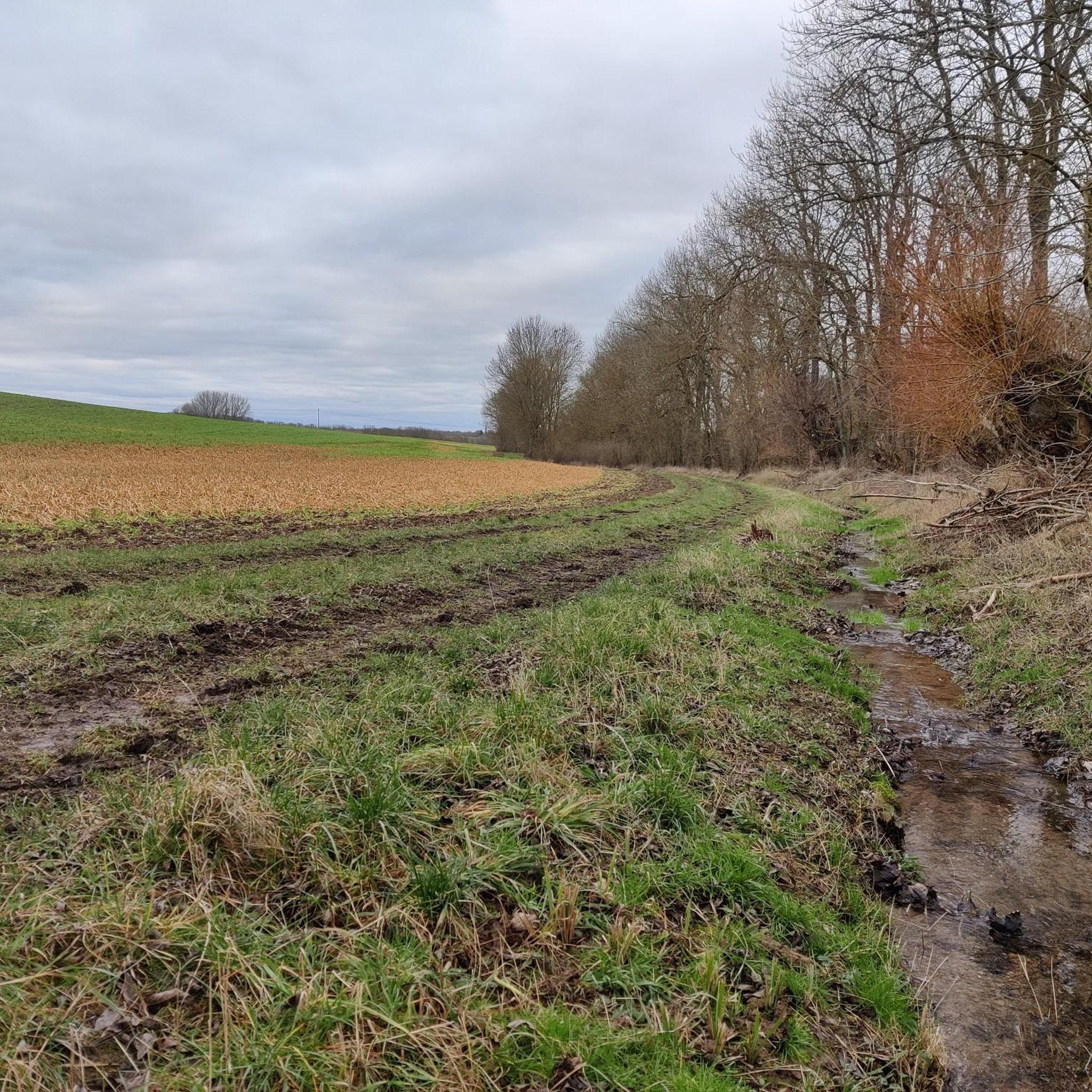
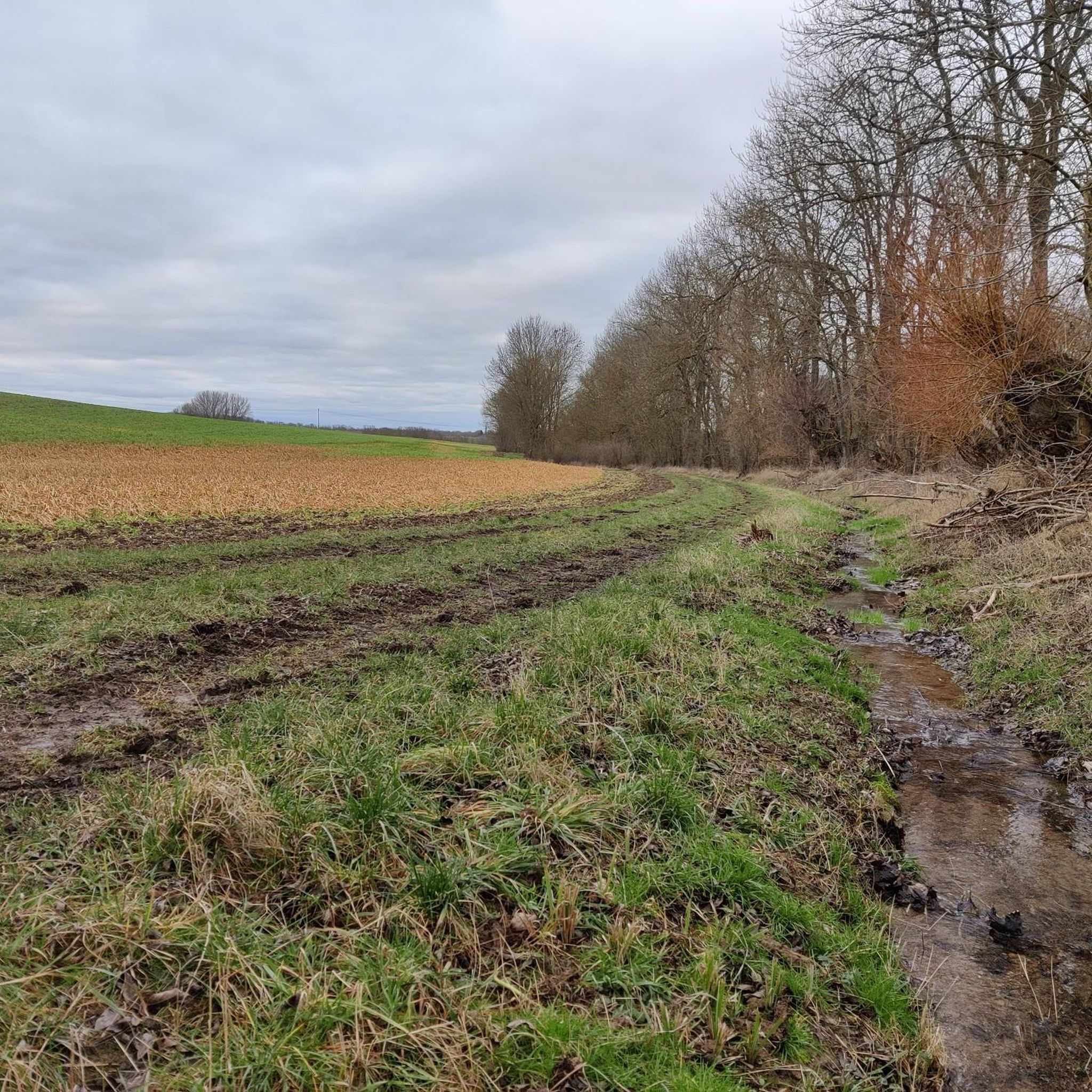
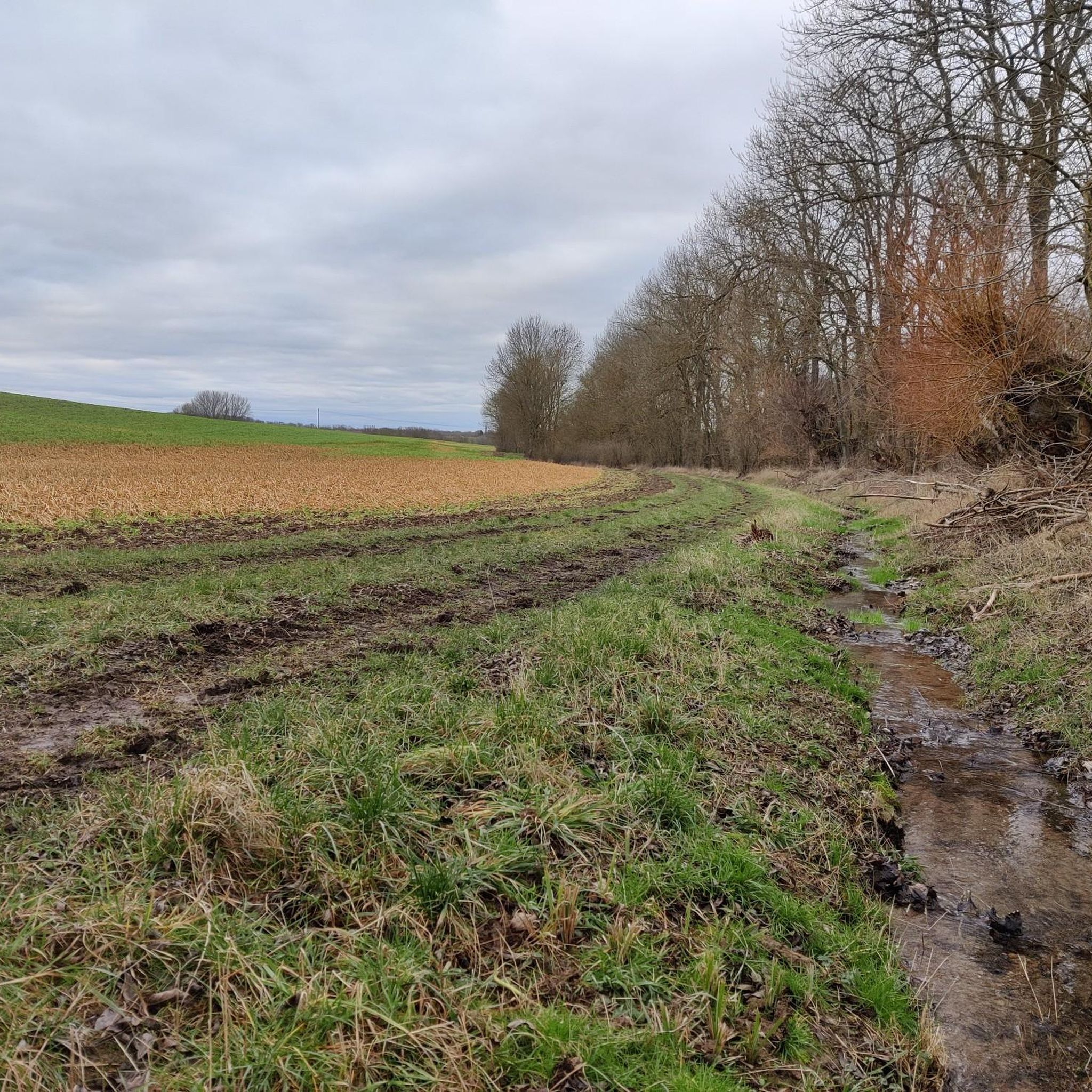
Tips from the Community


S1, very blocked, nice and challenging, but not really for beginners
0
0

You have to like it or it also depends on the weather. Once it gets a bit wet, this trail gets extremely slippery. I would rate the difficulty as S1 from the grotto. The grotto itself is definitely a highlight. The trail is conditionally suitable for beginners.
1
0


Here is a rock cellar whose door is closed but permeable for bats. An information board provides information about this and the region.
0
0

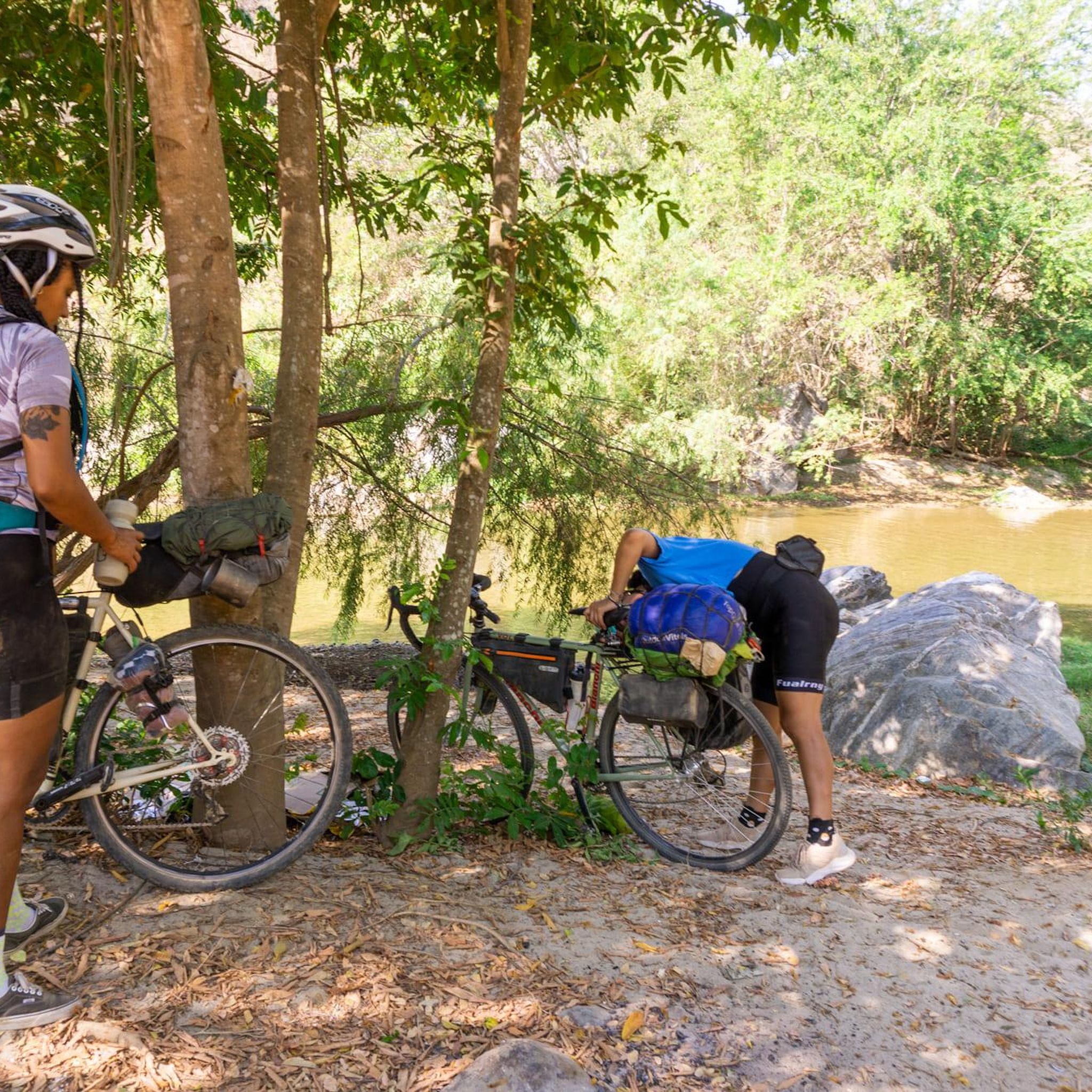
Exciting little trail. It's fun, but not without it. You should have a good command of your MTB and the brakes. In the upper area steep and blocked, so that there is a bit of alpine feeling. Not for gravel bikes.
1
0
Frequently Asked Questions
What are some notable caves and grottoes to explore around Gaukönigshofen?
Around Gaukönigshofen, you can explore several interesting natural formations. The Goßmannsdorf Grotto is a historic site built from boulders in 1898, offering a place for reflection. Another unique spot is the Ice Cave, where ice can sometimes persist into the summer months. You can also visit the Mariengrotto, known for its steep path, or the Rock cellar and bat roost, which provides shelter for bats.
Are there any challenging trails associated with the caves in the region?
Yes, some cave-related trails around Gaukönigshofen can be quite challenging. For instance, the Grotto Trail is described as challenging and blocked in sections, suitable for experienced hikers. The path to the Mariengrotto is also noted for being very steep, with a short stretch over rocks, almost like in the Alps.
What kind of geological features can I expect to see in the caves around Gaukönigshofen?
The caves and grottoes around Gaukönigshofen showcase various natural formations. You'll find grottos, rock cellars, and even ice caves. These features provide insights into the region's geology, with some, like the Ice Cave, creating unique microclimates where ice can remain well into the warmer months.
Are there any caves around Gaukönigshofen that are important for wildlife?
Yes, the Rock cellar and bat roost is a significant location for wildlife. Its door is designed to be permeable for bats, providing them with a crucial roosting site. Visitors are encouraged to be quiet to avoid disturbing the bats.
What outdoor activities can I combine with a visit to the caves?
The region around Gaukönigshofen offers various outdoor activities that can be combined with cave visits. You can find numerous cycling routes, such as those detailed in the Cycling around Gaukönigshofen guide, or explore running trails, like those in the Running Trails around Gaukönigshofen guide. There are also options for gravel biking, as highlighted in the Gravel biking around Gaukönigshofen guide.
Are there any historical or religious sites among the caves?
Yes, the Goßmannsdorf Grotto has historical and religious significance. Built in 1898, it was renovated in 1979 and features figures of saints, including a Madonna and Saint Florian. It serves as a place for prayer and reflection, with a solemn May devotion traditionally held there.
What do visitors generally appreciate about the caves and grottoes in this area?
Visitors appreciate the unique natural formations and the opportunities for exploration. The komoot community has given the caves around Gaukönigshofen 67 upvotes and contributed 84 photos, highlighting their appeal as interesting natural features often integrated into local hiking trails.
Are there any caves near Gaukönigshofen that are suitable for beginners?
While some trails are challenging, the general exploration of the grottoes and rock cellars can be accessible. For example, the Rock cellar and bat roost offers an interesting, less strenuous visit with an information board. However, for trails like the Grotto Trail, tips suggest it's not for beginners due to its blocked and challenging sections.
What is the best season to visit the caves around Gaukönigshofen?
The best season depends on what you want to experience. For general exploration and hiking, spring to autumn offers pleasant weather. If you're interested in seeing ice persist, visiting the Ice Cave in late spring or early summer might be ideal, as ice can remain in some years until then. Winter visits might offer a different, quieter experience, but some paths could be more challenging due to conditions.
Are there any specific safety considerations or tips for exploring these caves?
When exploring, especially on challenging trails like the Grotto Trail or the steep path to the Mariengrotto, wear appropriate footwear. Some trails are described as very steep and rocky, not recommended in wet conditions. If visiting the Rock cellar and bat roost, remember to be quiet to avoid disturbing the bats.
Are there any well-known caves like Wichtelhöhlen or Teufelskeller directly in Gaukönigshofen?
While the broader region of Lower Franconia and Bavaria is home to notable caves like the Wichtelhöhlen (Gnome Caves) near Bad Kissingen and Teufelskeller (Devil's Cellar) in the Rhön biosphere reserve, these are located at a distance and are not considered to be directly in Gaukönigshofen. The caves and grottoes within Gaukönigshofen's immediate vicinity are generally smaller, local natural features.
Most popular routes around Gaukönigshofen
Most popular attractions around Gaukönigshofen

Get inspired with the komoot mobile app


Explore more
Extend your search for the best caves by checking out these guides of the top ones around Gaukönigshofen:
