Top 5 Gorges around Thurn
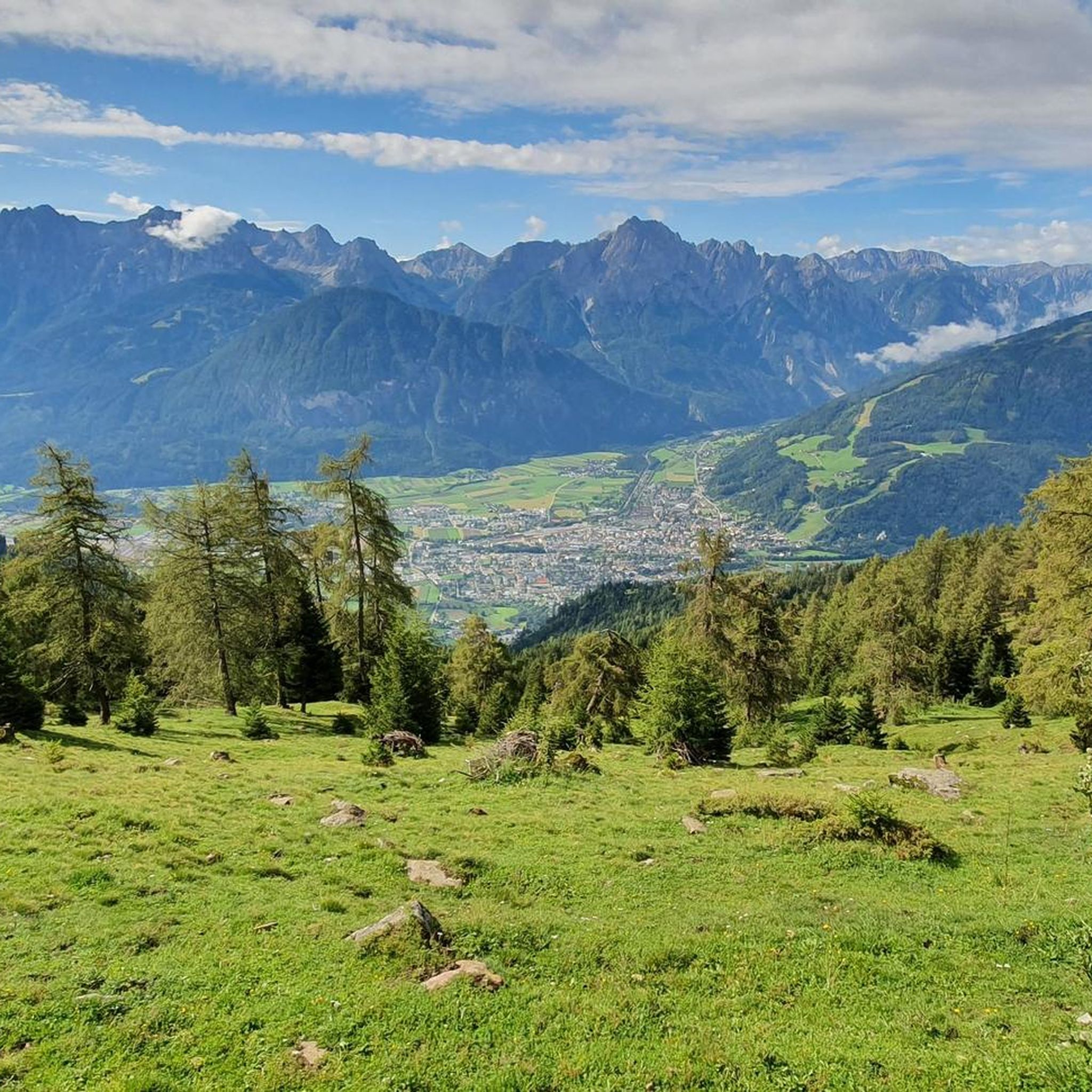
Best canyons around Thurn are situated in the East Tyrol region of Austria, known for its mountainous landscapes and extensive hiking network. Thurn itself is a municipality offering views of the Lienz Dolomites and the Schober Group. The area provides opportunities for exploring natural features, including dramatic gorges and waterways within the broader vicinity of the Austrian Alps. This region is characterized by its alpine valleys and diverse scenic trails.
Best canyons around Thurn
- The most popular canyons is Debanttal…
Last updated: June 26, 2026
Galitzenklamm Gorge
Highlight • Gorge
Translated by Google •
Tip by

Galitzenklamm Gorge & Via Ferrata
Highlight (Segment) • Climb
The Wasserschaupfad runs on comfortable footbridges and allows everyone to explore the imposing gorge with its roaring …
Translated by Google •
Tip by

Sign up now to discover places like this
Get recommendations on the best single tracks, peaks, & plenty of other exciting outdoor places.
Sign up for free
Verborgene Welt Via Ferrata
Highlight • Climb
Translated by Google •
Tip by

Debanttal
Highlight • Gorge
The end of …
Translated by Google •
Tip by

Gorge Bridge
Highlight • Bridge
Translated by Google •
Tip by

Sign up for free to discover even more gorges around Thurn.
Sign up for free
Already have an account?
Start today with a free account
Your next adventure awaits.
Login or Signup
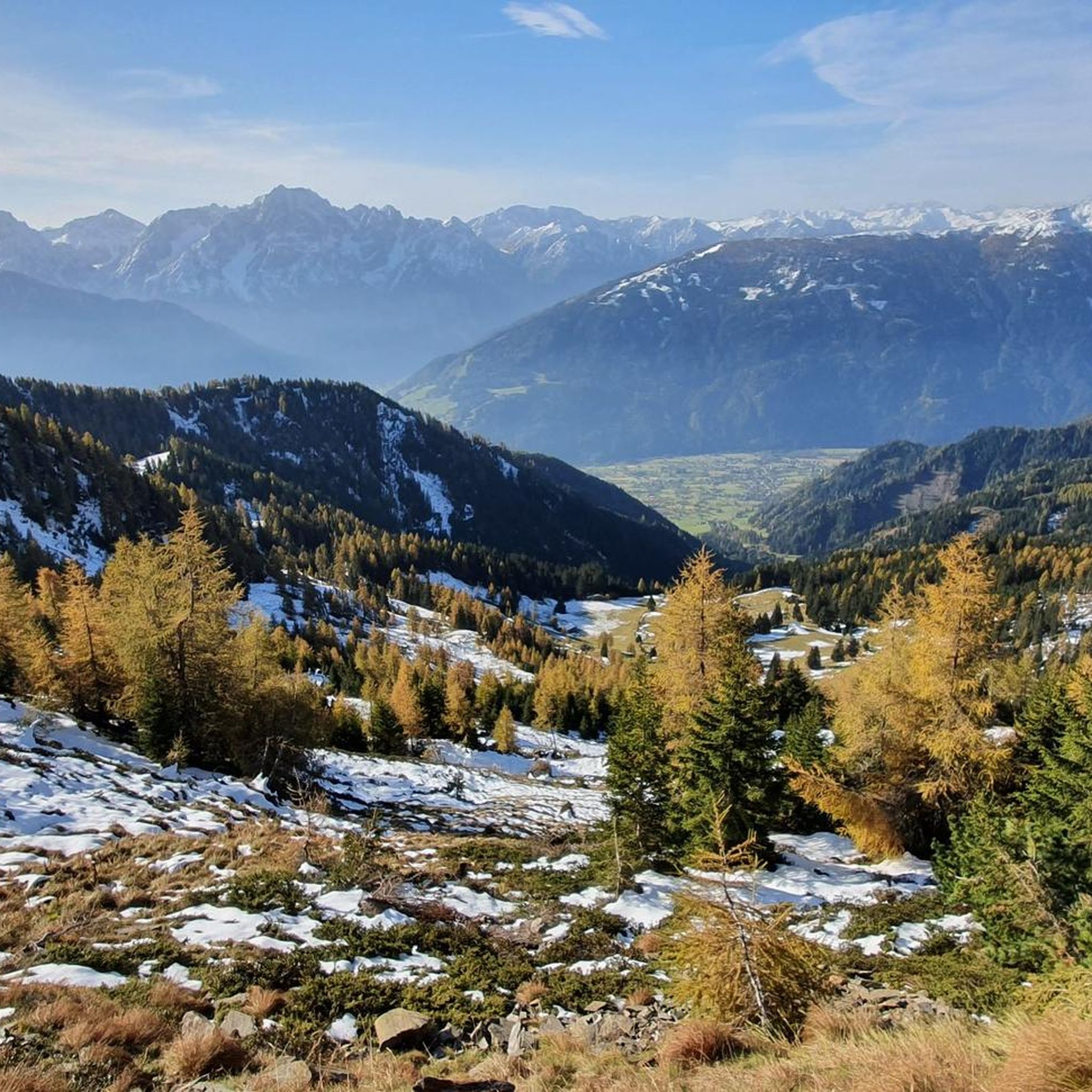
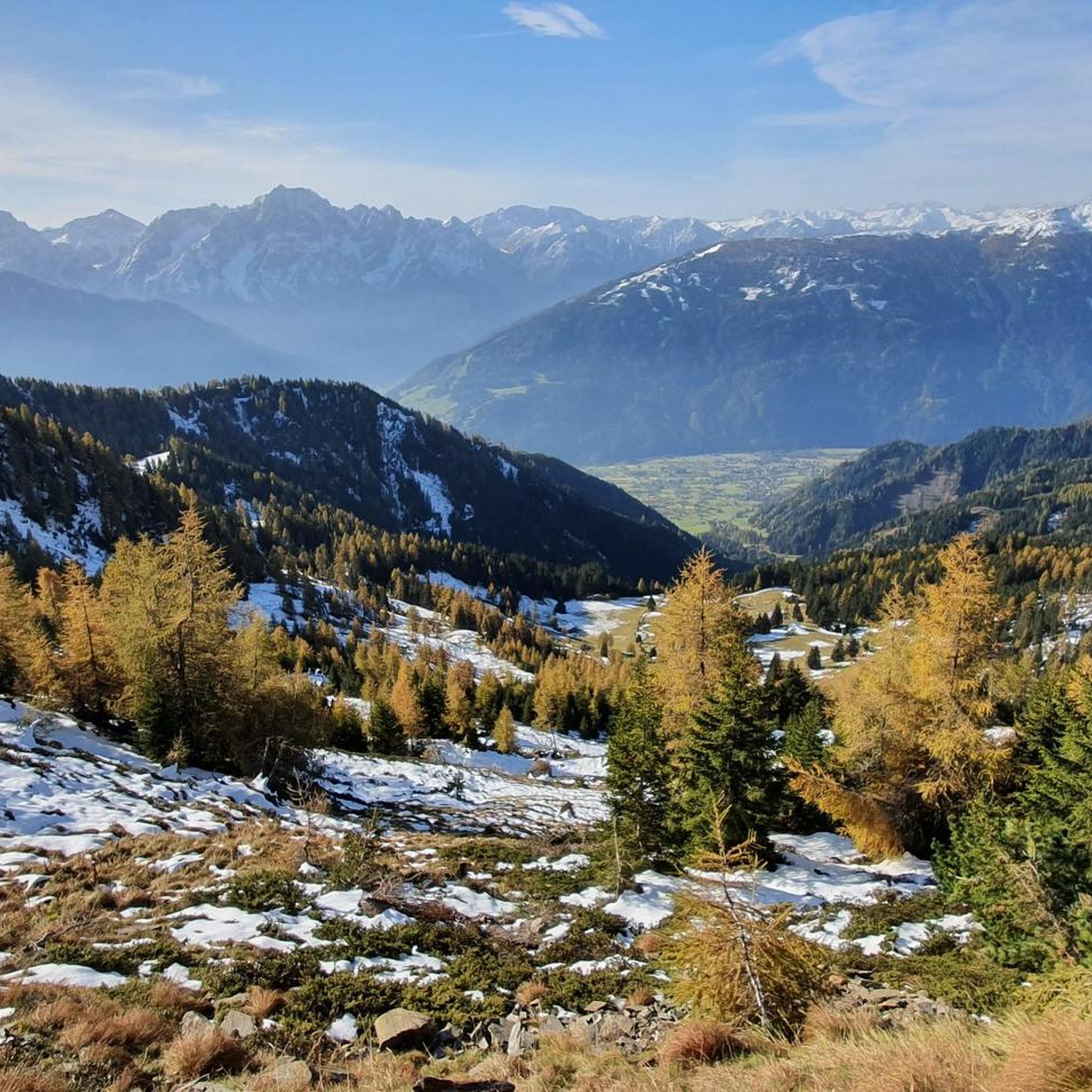
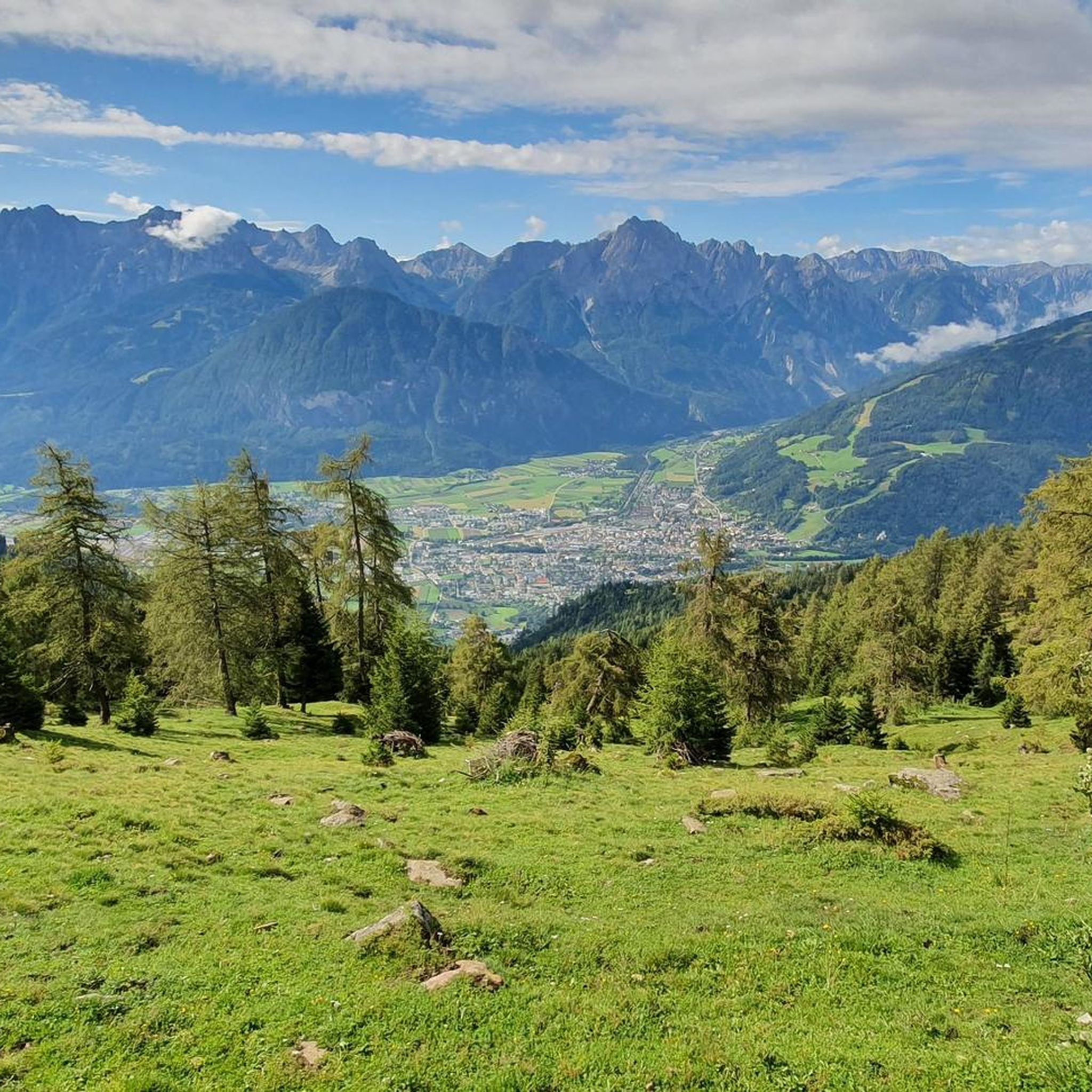
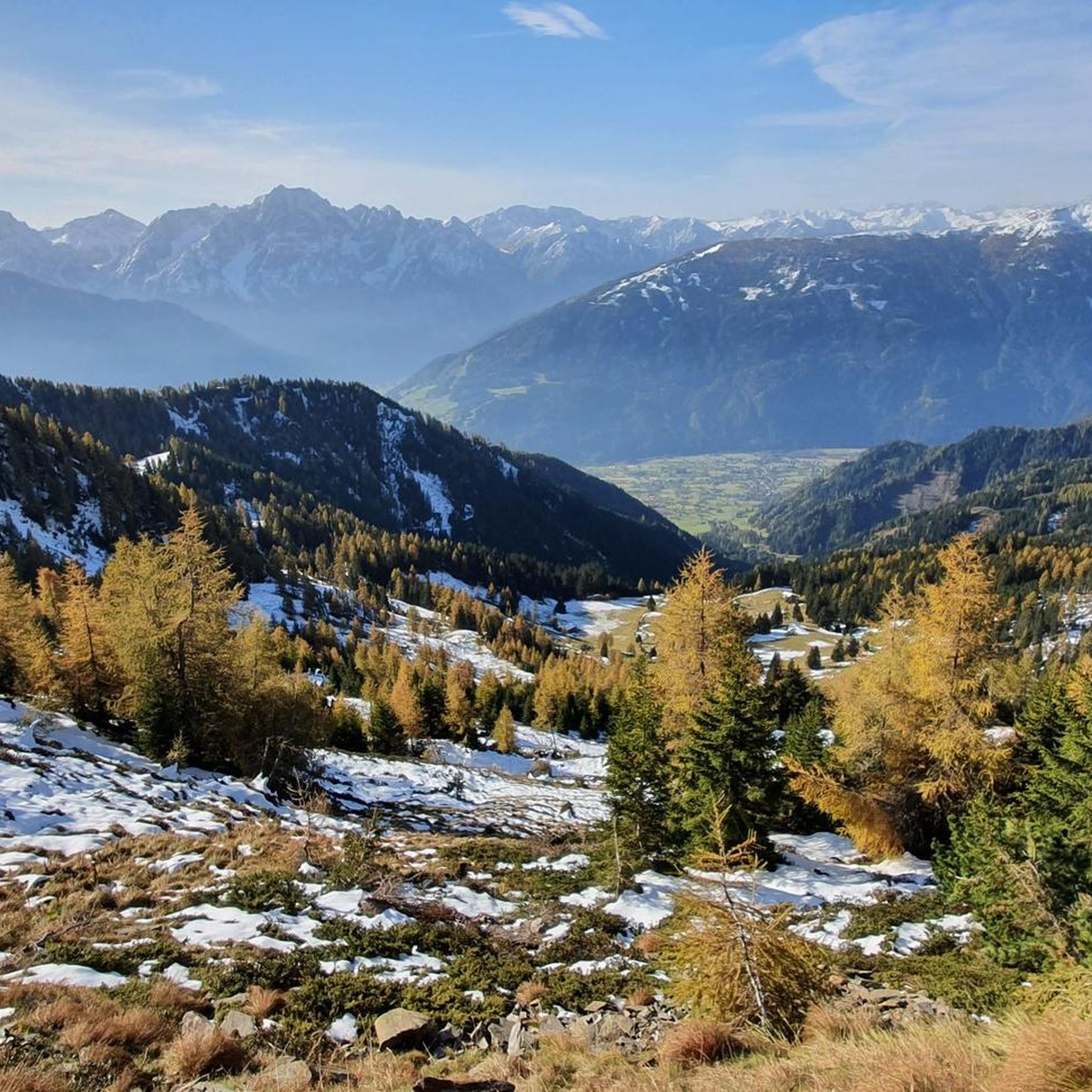

Tips from the Community


quite nice, but an artificial climb that has little to do with climbing!
1
0
perfect starting point for many tours! unbelievable deep view into the gorge!
1
0

A look from the bridge into the gorge below is worthwhile - very spectacular how the water has carved into the rock.
1
0
A short but beautiful via ferrata, you should possibly consider another tour destination so that you get your money's worth when climbing or you can do the via ferrata several times in a row. You have to cover quite a distance. The "arrival" with the (e-)mountain bike is more pleasant. Officially it doesn't seem to be allowed (forest road), but the passage next to the barrier has a generous width and invites you to do so.
1
0


Beautifully situated on the Drau. The cycle path is very well developed
4
0
Frequently Asked Questions
What are the most notable gorges and canyons near Thurn?
While Thurn itself is a charming village, the broader East Tyrol region offers impressive natural features. Key highlights include Debanttal, Austria's longest self-contained alpine valley, and the dramatic Galitzenklamm Gorge & Via Ferrata, known for its footbridges and climbing routes. Another interesting spot is the Gorge Bridge, which provides spectacular views into water-carved rock formations.
Are there family-friendly activities at the gorges near Thurn?
Yes, the Galitzenklamm Gorge is particularly family-friendly. It features a water adventure park with a forest ropes course, a water trail, and a water playground where children can enjoy themselves. There's also a snack station available for refreshments.
What kind of natural features can I expect to see in the canyons around Thurn?
The gorges and canyons in the region showcase diverse natural beauty. You'll encounter dramatic rock formations, powerful waterways, roaring waterfalls, and deep views into water-carved rock. Areas like Debanttal, part of the Hohe Tauern National Park, are home to a wide range of wild animals and mountain plants, with larch and stone pine forests spreading across mountain slopes.
Are there opportunities for climbing or via ferrata in the gorges?
Absolutely. The Galitzenklamm Gorge & Via Ferrata offers an exposed via ferrata with a difficulty level of C, leading along spectacular waterfalls and high cliffs. Equipment can be rented on-site. Additionally, the Verborgene Welt Via Ferrata takes you through the Klapffall gorge with four rope bridges, featuring difficulty B with some C-passages.
What is the best time to visit the gorges and canyons near Thurn?
The best time to visit is generally during the warmer months when the attractions are fully open and accessible. For example, the Galitzenklamm Gorge & Via Ferrata is typically open from May (weekends) through September (daily in June, July, August). Always check specific opening hours before planning your trip, especially for attractions with admission fees.
Are there hiking trails near the canyons around Thurn?
Yes, the region around Thurn is known for its extensive hiking network. You can find various trails, from easy to difficult. For instance, the Hiking around Thurn guide offers routes like the "Themed trail "Vom Alten Leben" - Around Lienz" or the "Zettersfeld Alpine Meadow – Meckis Dolomitenpanorama Hut loop from Gaimberg" which are moderate and easy respectively.
Can I find mountain biking or gravel biking routes in the area?
Yes, the East Tyrol region provides excellent opportunities for cycling. The Gravel biking around Thurn guide includes routes such as the "View of Nußdorf – Debanttal loop from Lienz" (difficult) or the "Mountain panorama – Drau Bridge loop from Lienz" (easy), allowing you to explore the scenic landscapes on two wheels.
What are the difficulty levels for hiking and climbing in the gorges?
Hiking trails vary in difficulty, with options ranging from easy walks on comfortable footbridges, such as those in Galitzenklamm, to more challenging routes. For climbing, the via ferratas can be quite demanding; for example, the Galitzenklamm Via Ferrata is rated C, and the Verborgene Welt Via Ferrata includes B and C-passages. Always ensure you have appropriate equipment and experience for the chosen route.
Where can I find parking for the gorge trails?
Specific parking information is often available for individual attractions. For the Verborgene Welt Via Ferrata, you can find parking possibilities at the Klammbrücke after taking the forest road towards Kerschbaumeralm from Leisach-Gries. It's always advisable to check local signage or official websites for the most current parking details.
Are there any cafes or snack stations near the gorges?
Yes, for instance, the Galitzenklamm Gorge has a snack station that offers food and drinks, catering to visitors including cyclists. At the end of the Debanttal valley, the Lienzer Hütte welcomes visitors with regional delicacies.
What makes the Debanttal valley unique?
The Debanttal is unique as Austria's longest self-contained alpine valley, stretching 16 kilometers. It's an integral part of the Hohe Tauern National Park, offering a pristine natural environment with a wide array of wild animals and mountain plants. The valley culminates at the Schober group, featuring the 3,242-meter high Hochschober.
What should I wear or bring when visiting the gorges?
When visiting the gorges, especially if you plan to hike or climb, wear sturdy footwear suitable for uneven terrain. Layers of clothing are recommended as weather conditions can change. If attempting a via ferrata, ensure you have appropriate climbing equipment; for Galitzenklamm, equipment can be rented on-site. Bringing water and snacks is always a good idea.
Most popular attractions around Thurn

Get inspired with the komoot mobile app


Explore more
Already discovered everything in this region? See additional gorges around Thurn for your next adventure:
