Top 10 Gorges around Hohe Wand
Best canyons around Hohe Wand are characterized by dramatic rock formations and extensive hiking trails. This prominent mountain ridge in Lower Austria features diverse natural landscapes, including several captivating gorges. The region's terrain is shaped by its geology, offering unique experiences for visitors exploring its wild formations. Hohe Wand is a popular destination for hikers and climbers seeking rugged and beautiful natural environments.
Best canyons around Hohe Wand
- The most popular canyons is Johannesbach Gorge, a gorge that is approximately one kilometer long and carved into Wetterstein limestone. Its rock walls can reach up to 60 meters in height, and it is particularly suitable for families with children due to its accessible path.
- Another must-see spot is Waldegger Trail – Große Klause, a trail that includes gorge sections. Visitors can expect a comfortable hiking trail between imposing rocks, with some sections requiring ladders to bridge gaps.
- Visitors also love Johannesbach Gorge and Schrattenstein Castle Ruins, a gorge that is a popular destination year-round. This area offers a combination of demanding hiking tours, family-friendly paths, and historical sites like the Schrattenstein castle ruins.
- Hohe Wand is known for its deep gorges, rocky trails, and natural monuments. The region offers a variety of canyon-like formations to see and explore, from accessible family-friendly paths to more challenging routes.
- The canyons around Hohe Wand are appreciated by the komoot community, with more than 480 upvotes and over 600 photos shared by visitors.
Last updated: June 26, 2026
Johannesbach Gorge
Highlight (Segment) • Gorge
With a walking time of 30 minutes, the excursion is particularly great for families with children. This is also due to the many stairs and bridges that make the path so entertaining. If you want, you can leave the wooden footbridge in some places and cool your feet in the Johannesbachbach. You can also take a good rest at the KlammWirtin at the entrance to the gorge.
By the way: If you like to walk for longer, you can turn the walk through the Johannesbachklamm into a hike. Or you can admire the "largest decorated Christmas tree in Austria" in the Johannesbachklamm during Advent.
Source: niederoesterreich.at/ausflugsziel/a-johannesbachklamm-wuerflach
Translated by Google •
Tip by

Johannesbach Gorge and Schrattenstein Castle Ruins
Highlight (Segment) • Gorge
Translated by Google •
Tip by

Sign up now to discover places like this
Get recommendations on the best single tracks, peaks, & plenty of other exciting outdoor places.
Sign up for free
Leitergraben Gorge
Highlight • Gorge
Translated by Google •
Tip by

Klamm Gallery
Highlight (Segment) • Gorge
Translated by Google •
Tip by

Waldegger Trail – Große Klause
Highlight (Segment) • Trail
Translated by Google •
Tip by

Sign up for free to discover even more gorges around Hohe Wand.
Sign up for free
Already have an account?
Start today with a free account
Your next adventure awaits.
Login or Signup
Popular around Hohe Wand
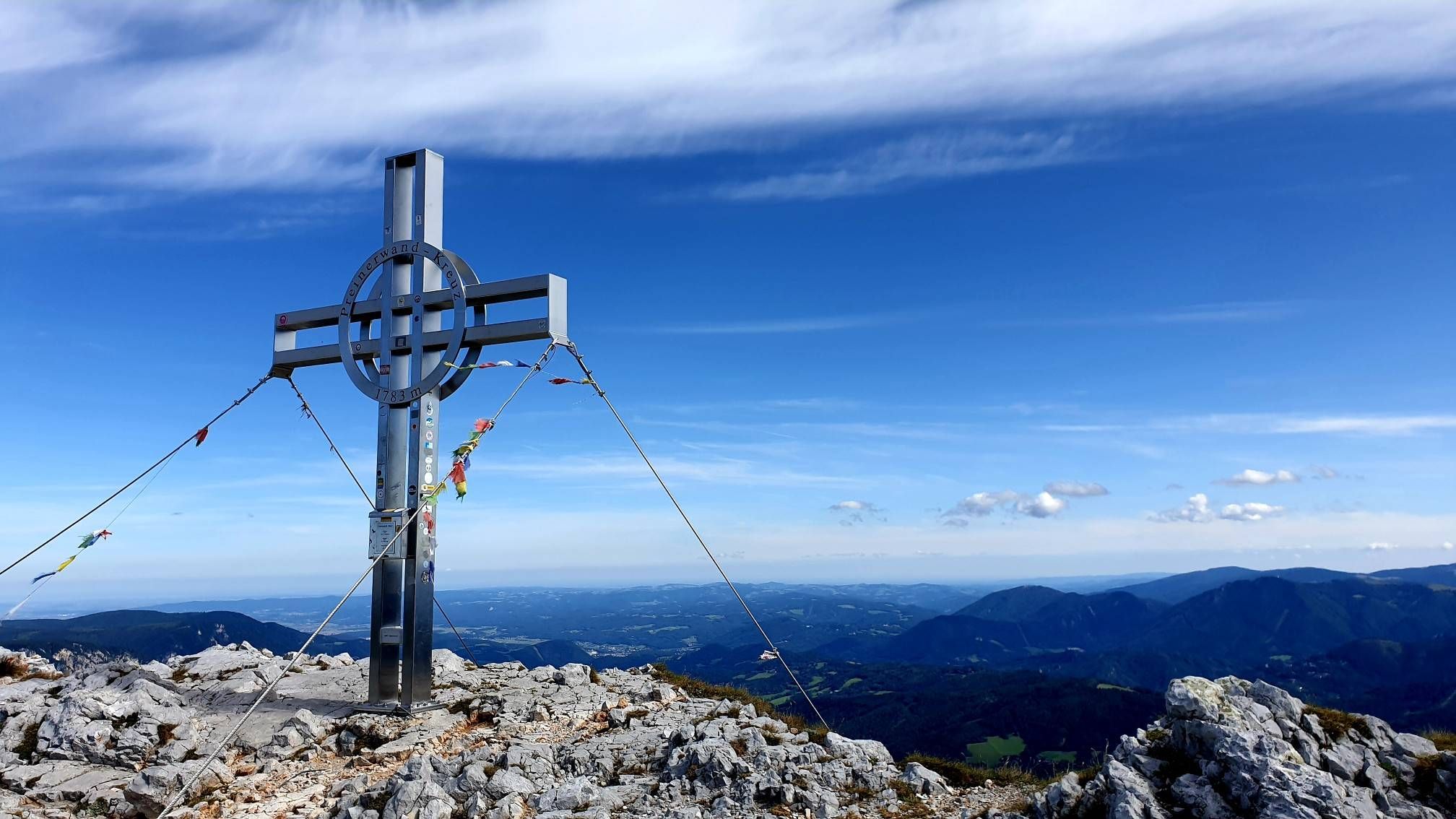
Alpine hiking on Vienna’s doorstep – Rax-Schneeberg Group Mountains
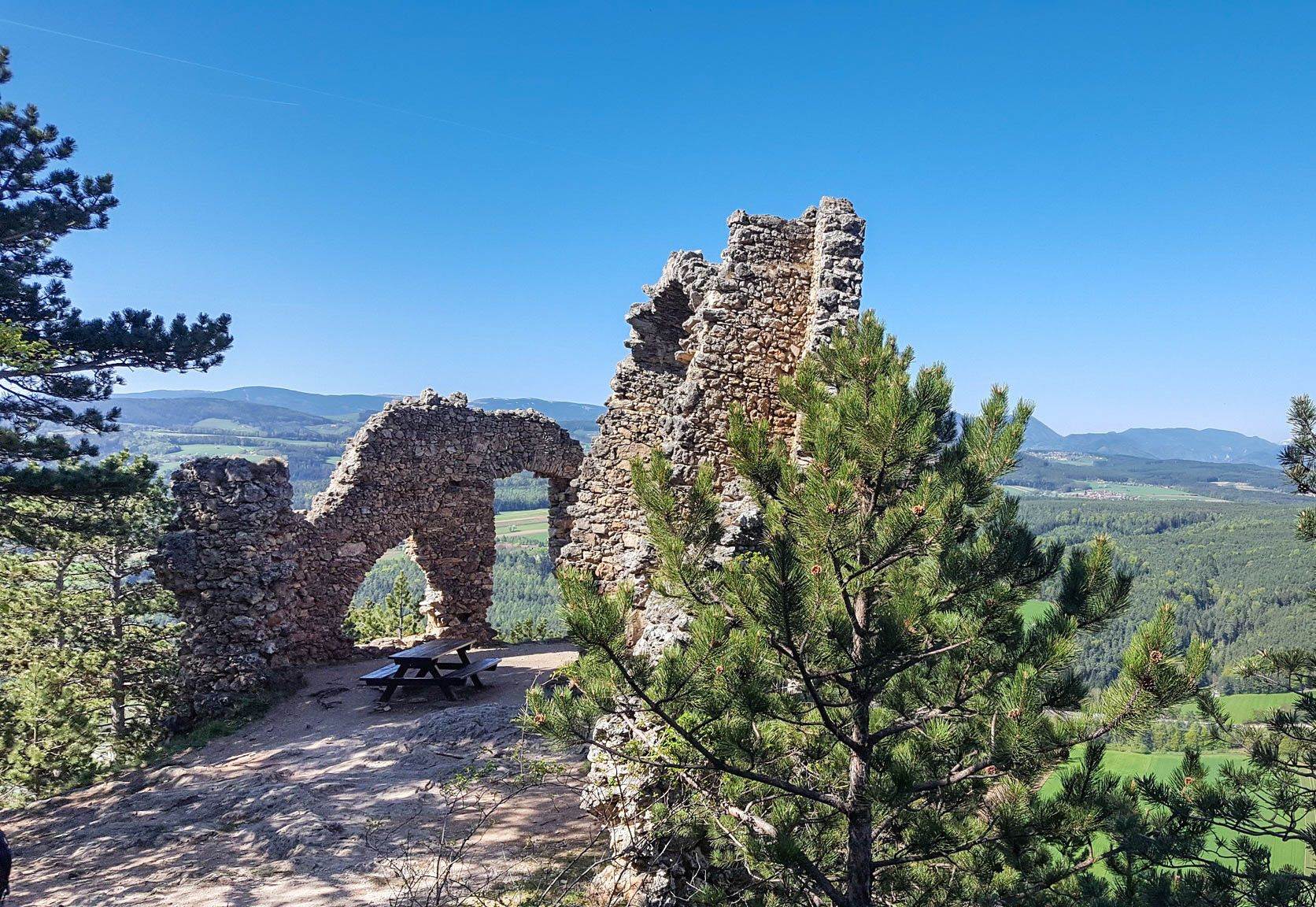
Family adventures in Vienna's local mountains
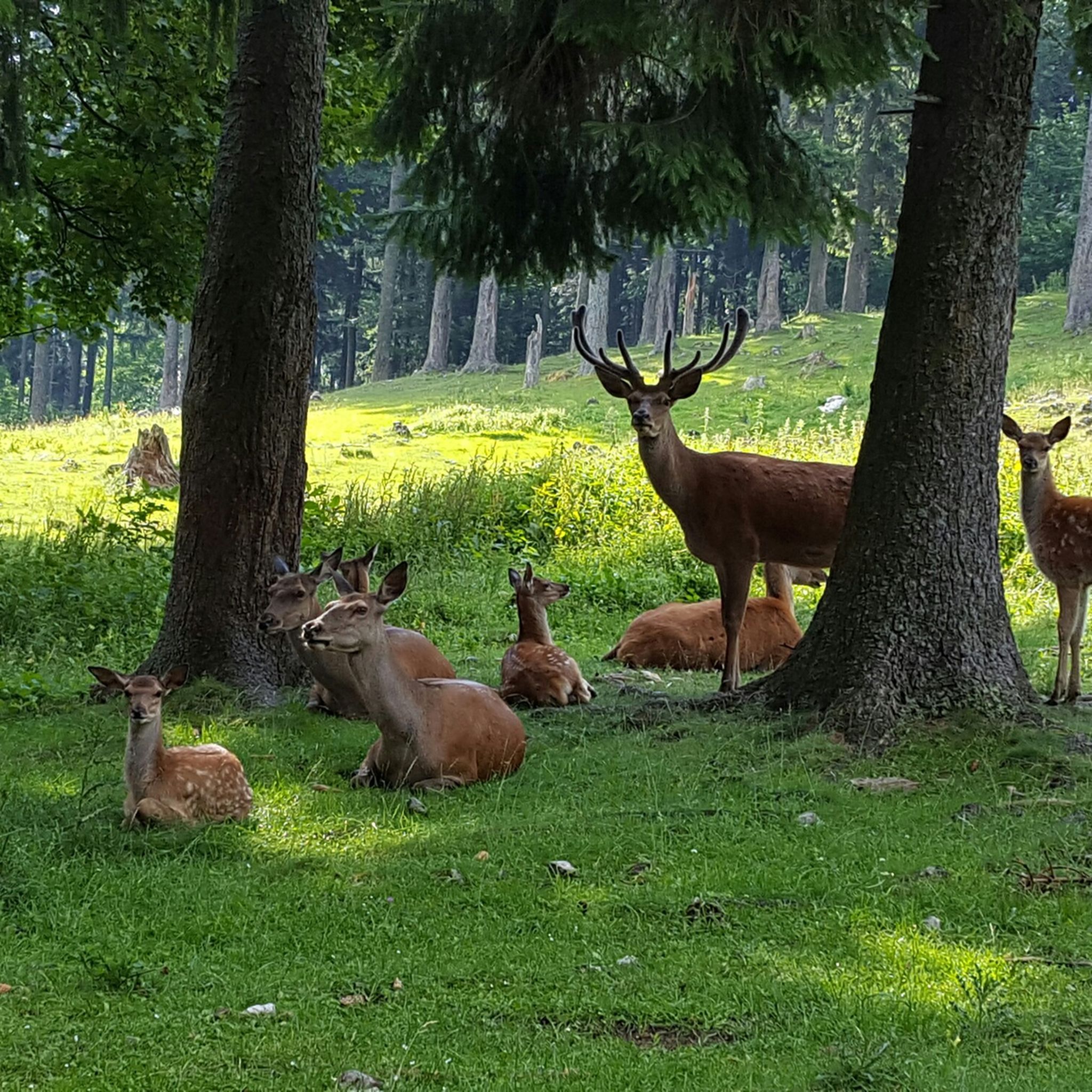
Hiking around Hohe Wand
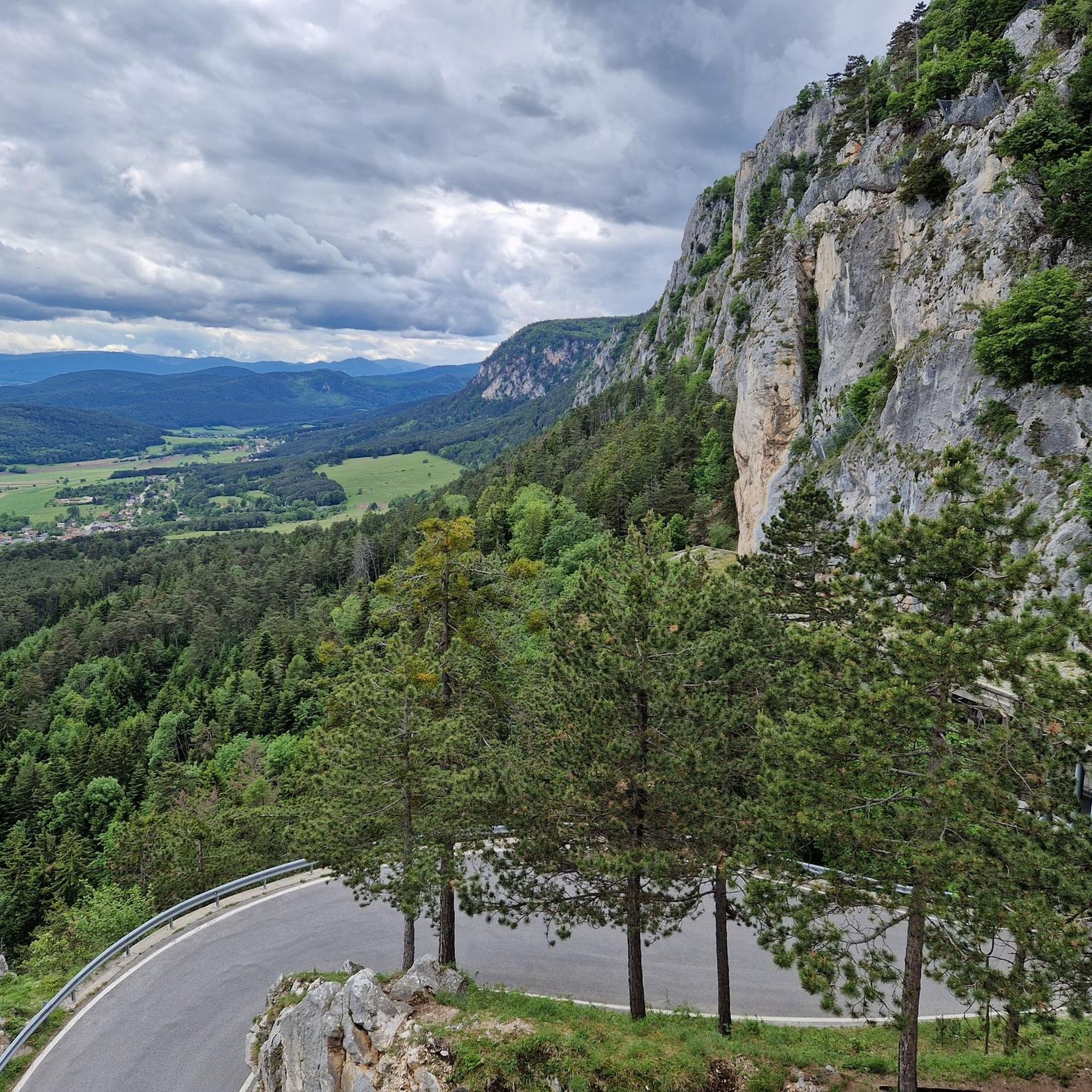
Road Cycling Routes around Hohe Wand
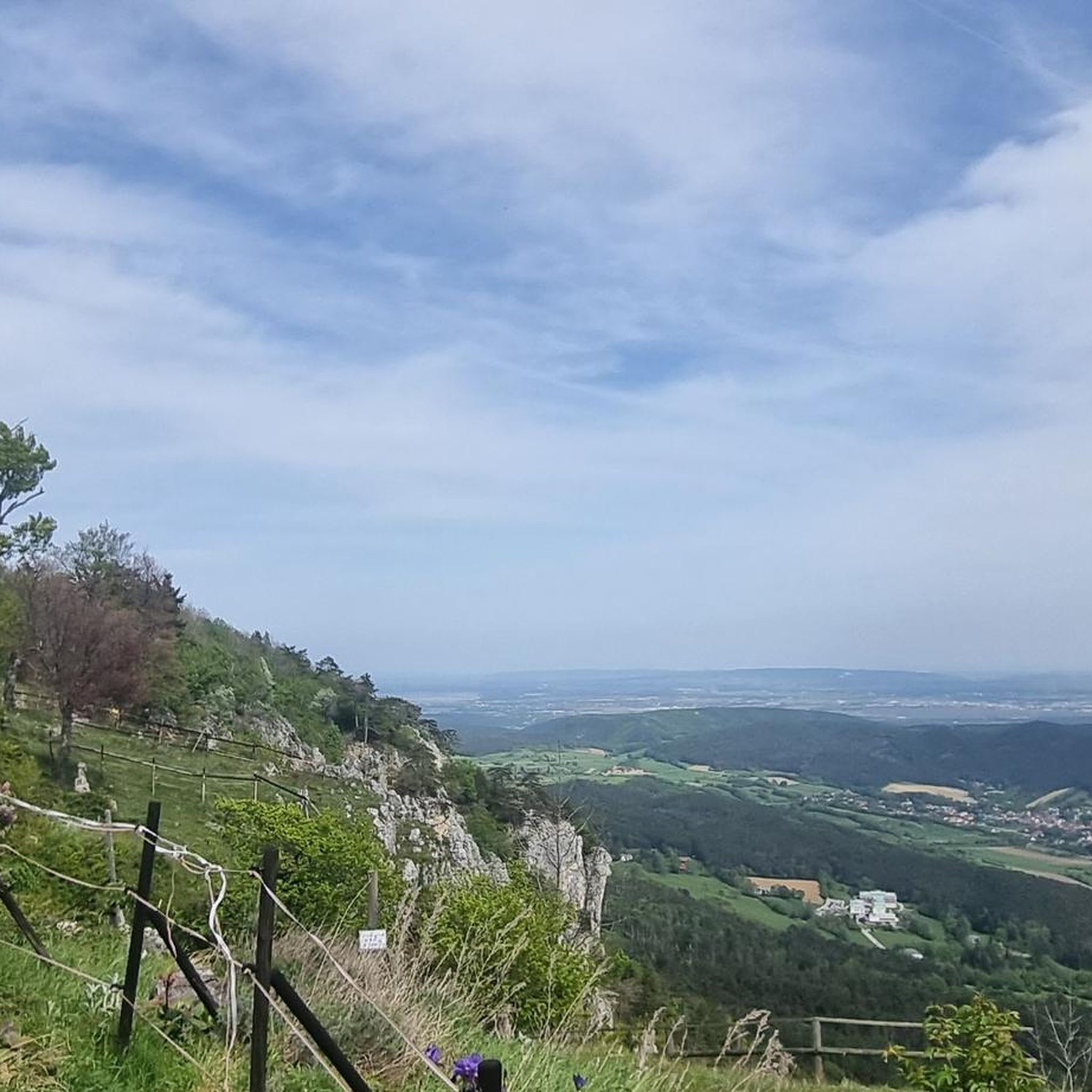
Cycling around Hohe Wand
Mountain Hikes around Hohe Wand
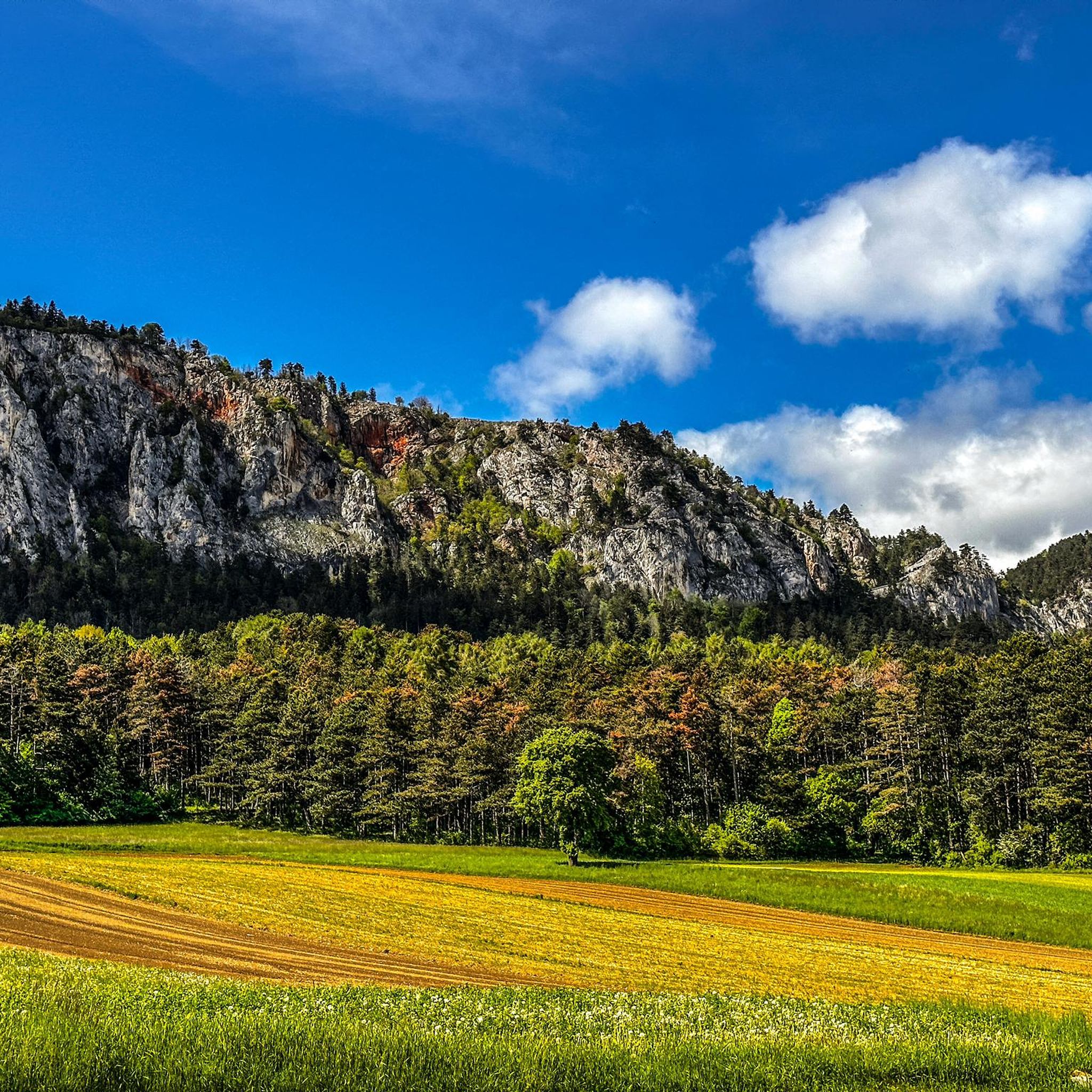
Running Trails around Hohe Wand
Gravel biking around Hohe Wand
MTB Trails around Hohe Wand


Tips from the Community

A very rocky path...fun if you're sure-footed...the others usually complain. A rather quiet spot on the Big Wall. For dog owners: be careful in spring when the ibexes give birth...they are incredibly aggressive towards any furry friend. Mine was attacked on the secured trail...for whatever reason, he got away...he was lucky and still had the speed of youth in him.
0
0

The Johannesbach Gorge, approximately 1 km long and up to 60 m deep, on the western edge of Würflach is a true natural gem and a popular destination – especially on hot summer days. The well-maintained trail, with numerous wooden walkways, steps, and bridges, leads through a wildly romantic gorge carved into the Wetterstein limestone by the Johannesbach stream over millennia. Along the way, you'll discover deep potholes, bowl-shaped depressions ("mills"), and, with a little attention, geological features such as the "Marientritt" (Marientritt). Two small caves – the Johannesbach Gorge Cave and the Klammwirt Cave – complete the experience. With a walk time of approximately 30 minutes, the gorge is also ideal for families with children. Those who like can dip their feet in the cool water or stop off at the Klammwirtin restaurant. The gorge is particularly atmospheric during the Advent market, when Austria's largest decorated Christmas tree is illuminated. If you want more, you can combine the gorge with hikes to the Schrattenstein castle ruins, along the Andreassteig or towards Grünbach.
6
0

With a 30 minute walk, the trip is especially great for families with children, unfortunately almost no water
6
0
short walk through the gorge - on hot days unfortunately almost no water
4
0

The Johannesbach Gorge, which is around 60 m deep and around 1000 m long, lies entirely in the Wetterstein limestone. It lies like a barrier across the course of the Johannesbach and at the same time separates the softer rocks of the Werfen layers of the Schrattenbach hills to the west from the large gravel areas of the Rohrbach conglomerate in the Steinfeld to the east. The predecessor of the Johannesbach once had to break through the Wetterstein limestone barrier. A tectonic furrow and the rainy climate of the post-glacial period helped it: it carried a lot of water, which in turn moved enormous amounts of rock and eroded the subsoil of the stream. Over thousands of years, the tectonic line was deepened and the stream bed sunk. Many potholes on the steep slopes of the gorge and mills in the subsoil - including the "Marientritt" - testify to the power of the early Johannesbach. Source: www.wuerflach.at/index.php?option=com_content&view=category&id=34&Itemid=37
28
2
The Johannesbachklamm is a popular excursion destination on the western edge of Würflach and only an hour from Vienna. On the way through the gorge, which is just over a kilometer long, visitors experience a small natural paradise that is pleasantly cool even on hot days. And if you look closely, you can see from the rock walls that are up to 60 meters deep how the Johannesbach has dug itself into the Wetterstein limestone over thousands of years. With a walking time of 30 minutes, the excursion is particularly great for families with children. This is also due to the many stairs and bridges that make the path so entertaining. If you want, you can leave the wooden footbridge in some places and cool your feet in the Johannesbachbach. You can also take a good rest at the KlammWirtin at the entrance to the gorge. By the way: If you like to walk for longer, you can turn the walk through the Johannesbachklamm into a hike. Or you can admire the "largest decorated Christmas tree in Austria" in the Johannesbachklamm during Advent. Source: www.niederoesterreich.at/ausflugsziel/a-johannesbachklamm-wuerflach
29
2

The Johannesbachklamm is a popular destination all year round. In summer it is pleasantly cool, in winter it becomes a glittering wonderland: At the atmospheric Advent market there is mulled wine and punch between bridges, rocks and (with a bit of luck) snow-covered trees. There is a lot to discover in and around the gorge - demanding hiking tours , family-friendly paths, deer park, the Schrattenstein castle ruins, small waterfalls, cozy huts. For refreshment, the gorge innkeeper offers hearty goulash or fiery chicken soup. And at the end of a long day you can relax and recharge your batteries in the Würlach wellness world. By the way: the gorge may already look familiar to you - in 2022 it was in the final of the ORF show "9 places - 9 treasures".
6
0

Small, varied round over ladders, it's a quick way up. Abbreviation Savings approx. 1 hour without Waldeggerhaus ...at the junction via Stanglsteinweg back, yellow marking, to the starting point.
1
0
Frequently Asked Questions
What are the most notable gorges to explore in the Hohe Wand region?
The Hohe Wand region features several captivating gorges. The Johannesbach Gorge is a prominent natural paradise, approximately one kilometer long, carved into Wetterstein limestone. Other notable areas include the Waldegger Trail – Große Klause, which offers a comfortable hiking path between imposing rocks, and the Leitergraben Gorge, known for its challenging, rocky terrain.
Are there family-friendly gorges around Hohe Wand?
Yes, the Johannesbach Gorge is highly recommended for families with children. Its accessible path features well-maintained wooden walkways, stairs, and bridges, making the walk enjoyable and engaging. You can even cool your feet in the stream on warm days. The Johannesbach Gorge and Schrattenstein Castle Ruins area also offers family-friendly paths alongside historical sites.
What kind of natural features can I expect to see in the gorges?
The gorges around Hohe Wand are characterized by dramatic rock formations, including impressive rock walls up to 60 meters high in the Johannesbachklamm. You can observe unique geological formations like deep potholes and bowl-shaped depressions known as 'mills,' with the 'Marientritt' being a famous example. Dense vegetation, babbling streams, and surrounding forests are also common, creating a serene atmosphere.
What is the best time of year to visit the gorges in Hohe Wand?
The gorges are popular year-round. In summer, they offer a refreshing escape with pleasant coolness. Autumn provides vibrant colors in the surrounding forests, making for picturesque hikes. Even in winter, areas like the Johannesbach Gorge and Schrattenstein Castle Ruins transform into a glittering wonderland, sometimes hosting atmospheric Advent markets.
Are there challenging hiking routes through the gorges for experienced hikers?
Yes, for those seeking a challenge, the Leitergraben Gorge is known for its very rocky path and can include steep descents and ascents, making it suitable for sure-footed hikers, preferably with walking sticks. The Hohe Wand Nature Park generally encourages exploring its wild formations, including climbing over gorges and steep tracks.
What historical sites can be found near the gorges?
Near the Johannesbach Gorge, you can explore the historical Schrattenstein castle ruins. The region's landscape also hints at a rich past, with the gorges themselves being natural monuments shaped over thousands of years.
What amenities are available near the gorges, such as food or rest stops?
At the entrance to the Johannesbach Gorge, you'll find the Klammwirtin restaurant, offering refreshments and a place to rest. The area around Johannesbach Gorge and Schrattenstein Castle Ruins also features cozy huts and the gorge innkeeper, who offers hearty meals.
What do visitors enjoy most about the gorges in Hohe Wand?
Visitors frequently appreciate the serene and refreshing atmosphere, especially on warm days, due to the dense vegetation and constant sound of the stream. The well-maintained paths, unique geological formations, and the opportunity to cool feet in the stream are also popular. Many enjoy the combination of natural beauty with accessible trails and nearby historical sites.
Are there other outdoor activities or routes available near the gorges?
Yes, the Hohe Wand region offers a variety of outdoor activities. You can find numerous mountain hikes, including challenging routes like the Hohe Wand Skywalk – Frauenluckensteig loop, or easier hikes such as the Hohe Wand Nature Park loop. Cycling routes are also available, like the View of Hohe Wand – Fischauer Thermal Spa loop. For more details, explore the Mountain Hikes around Hohe Wand, Easy hikes around Hohe Wand, and Cycling around Hohe Wand guides.
Can I combine a visit to a gorge with a longer hike?
Absolutely. The Johannesbach Gorge, for instance, can be integrated into longer circular hikes to explore the surrounding hilly landscape and historical sites like the Schrattenstein castle ruins. The Prossetschlucht also serves as a scenic route to access the broader Hohe Wand plateau, allowing for extended exploration.
What is the 'Klamm Gallery' and what does it offer?
The Klamm Gallery offers a short walk through a gorge, which can be pleasantly refreshing on hot days. It has also been known to host art installations, with various artists' works displayed on a large meadow, typically available for viewing until late autumn.
Most popular routes around Hohe Wand
Most popular attractions around Hohe Wand

Get inspired with the komoot mobile app


Explore more
Already discovered everything in this region? See additional gorges around Hohe Wand for your next adventure:
