Top 8 Castles around Bleiburg
Best castles around Bleiburg are located in the Austrian state of Carinthia, a region characterized by its historical fortifications and scenic landscapes. The town of Bleiburg is notably associated with Schloss Bleiburg, a significant historical structure with origins in the 12th century. The area features a mix of medieval castles and later architectural transformations, reflecting centuries of regional history. Visitors can explore various historical sites that offer insights into the past.
Best castles around Bleiburg
- The most popular castles is…
Last updated: June 26, 2026
Schloss Elberstein
Highlight • Castle
Showing Translation
Tip by

Rabenstein Castle Ruins
Highlight • Castle
Translated by Google •
Tip by

Sign up now to discover places like this
Get recommendations on the best single tracks, peaks, & plenty of other exciting outdoor places.
Sign up for free
Weißenegg Castle
Highlight • Castle
Translated by Google •
Tip by

Griffen Castle Ruins
Highlight • Castle
Translated by Google •
Tip by

Sonnegg Castle Ruins
Highlight • Castle
burgen-austria.com/archive.php?id=1649
Of this one notices much more in view of the few remnants …
Translated by Google •
Tip by

Sign up for free to discover even more castles around Bleiburg.
Sign up for free
Already have an account?
Start today with a free account
Your next adventure awaits.
Login or Signup
Popular around Bleiburg
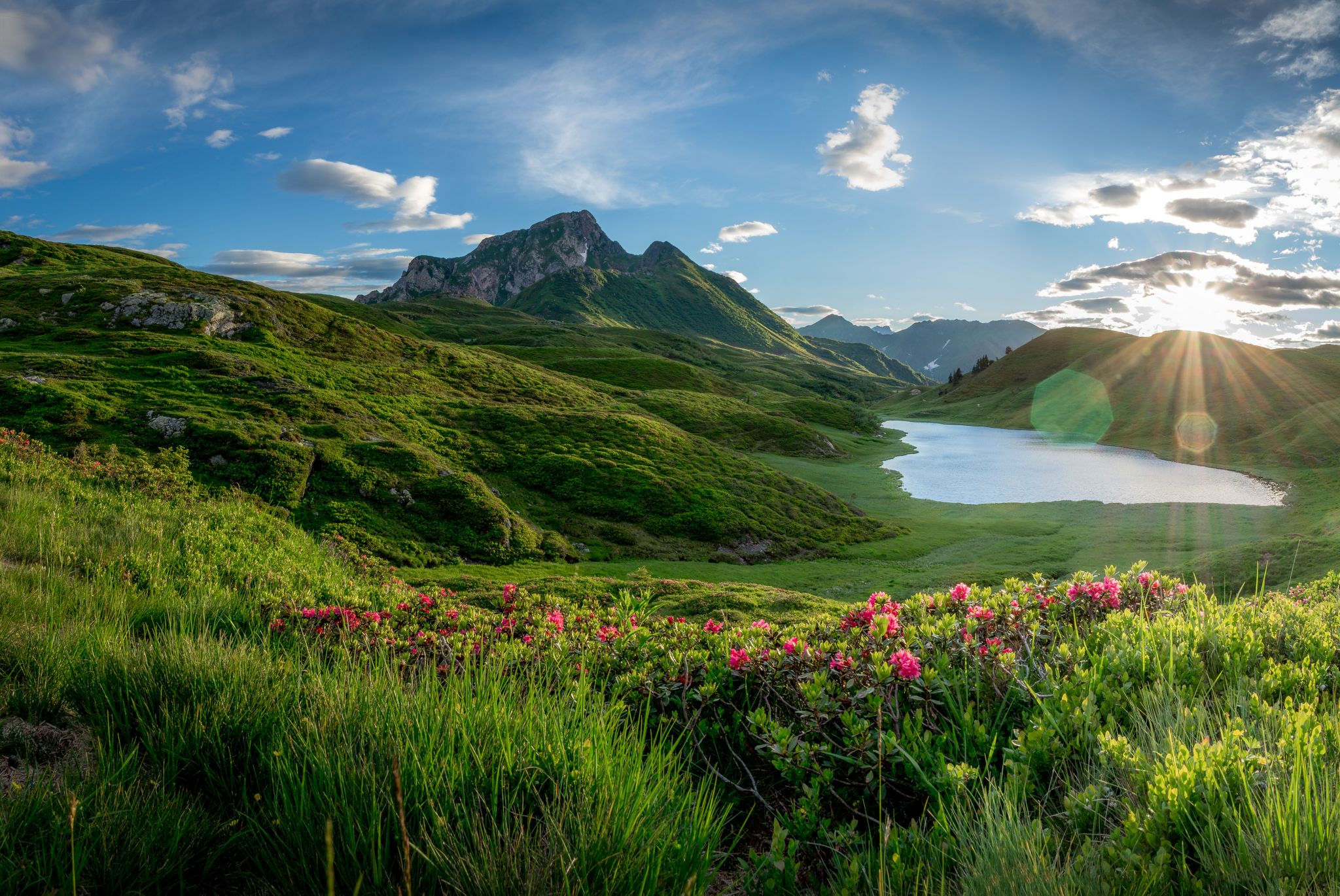
Southern Alpine Trail – Styrian vineyards and the Carnic Alps in Austria
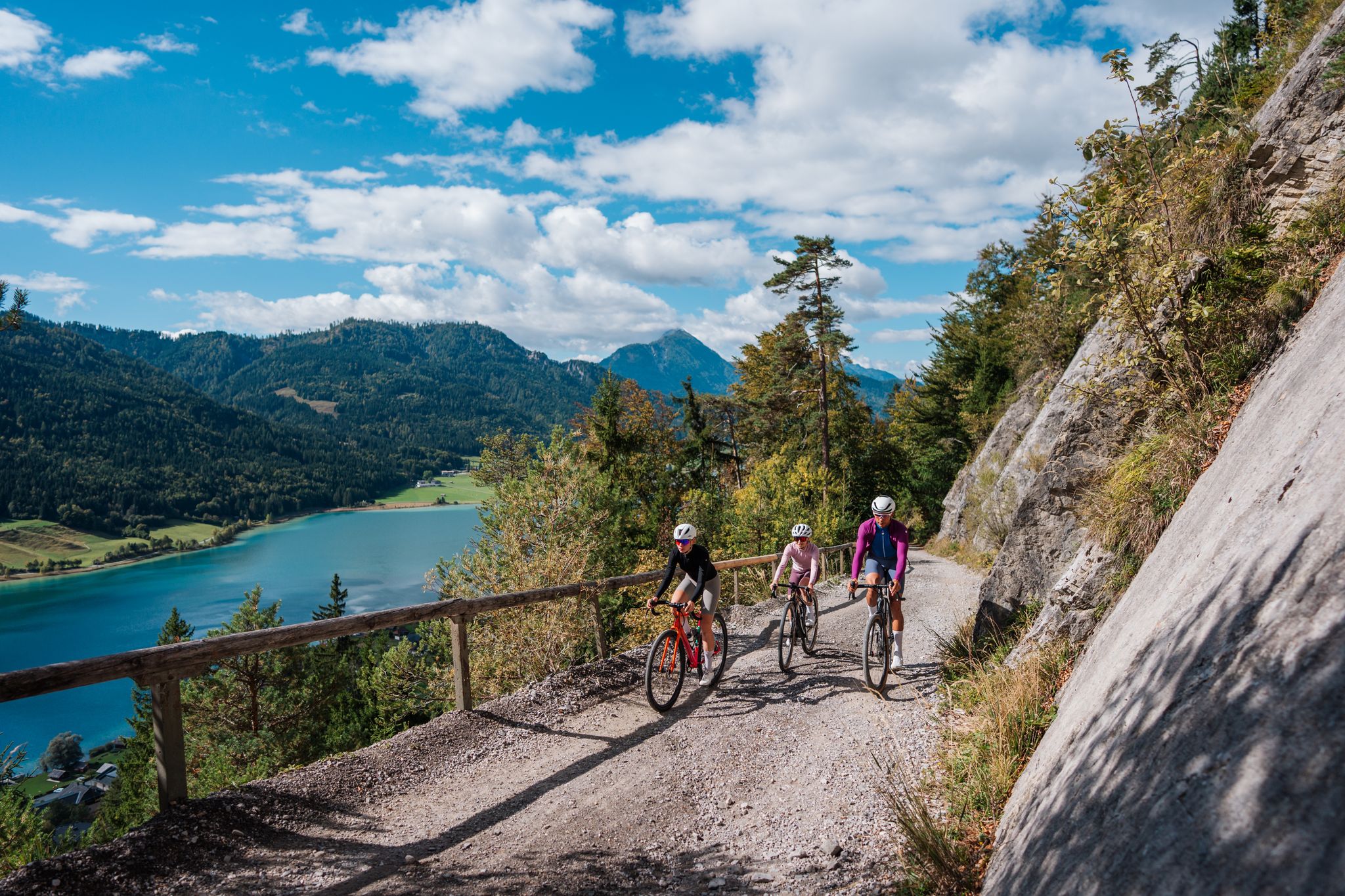
Gravel Carinthia
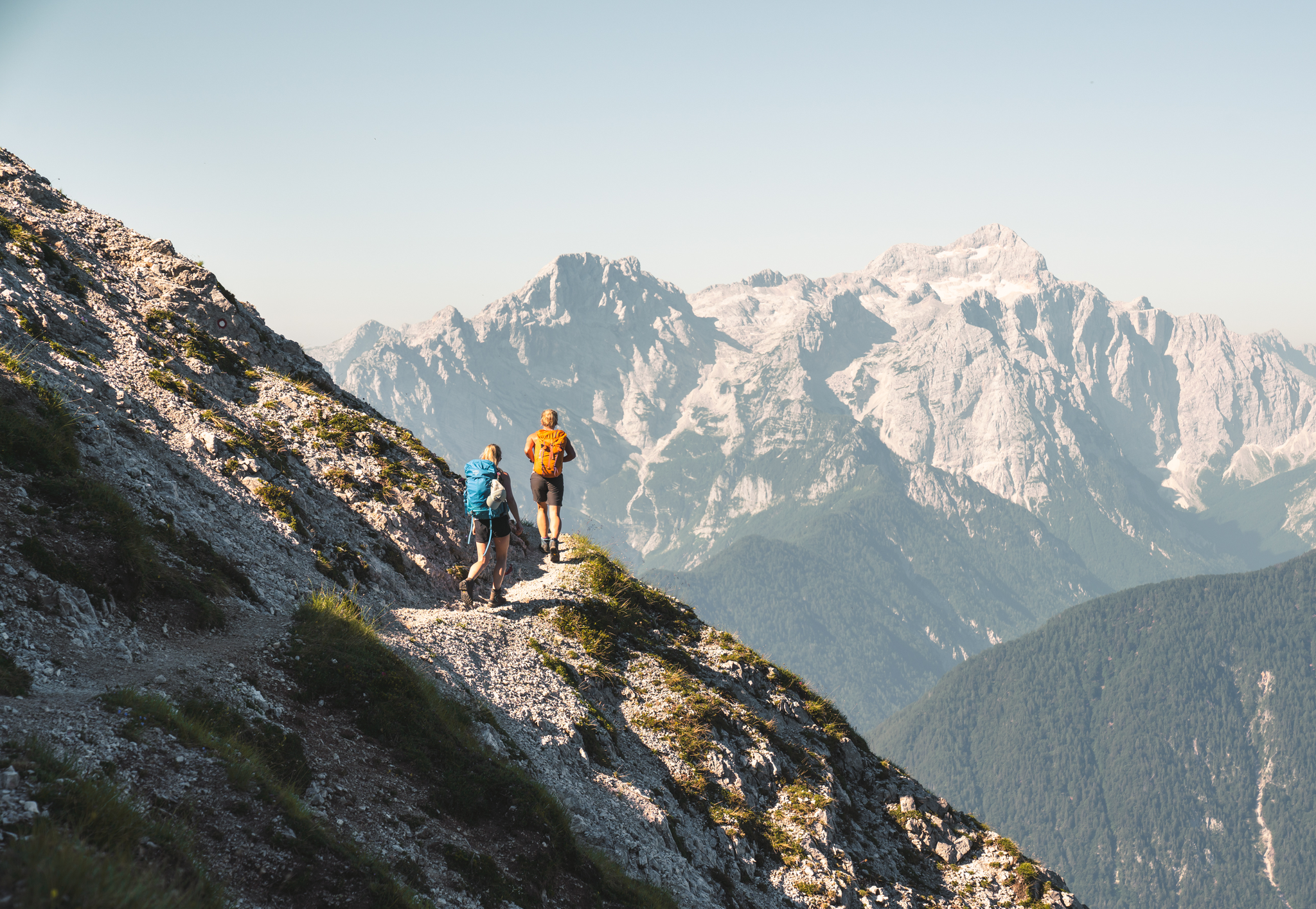
Sunny adventures on the Southern Alps Panorama Trail
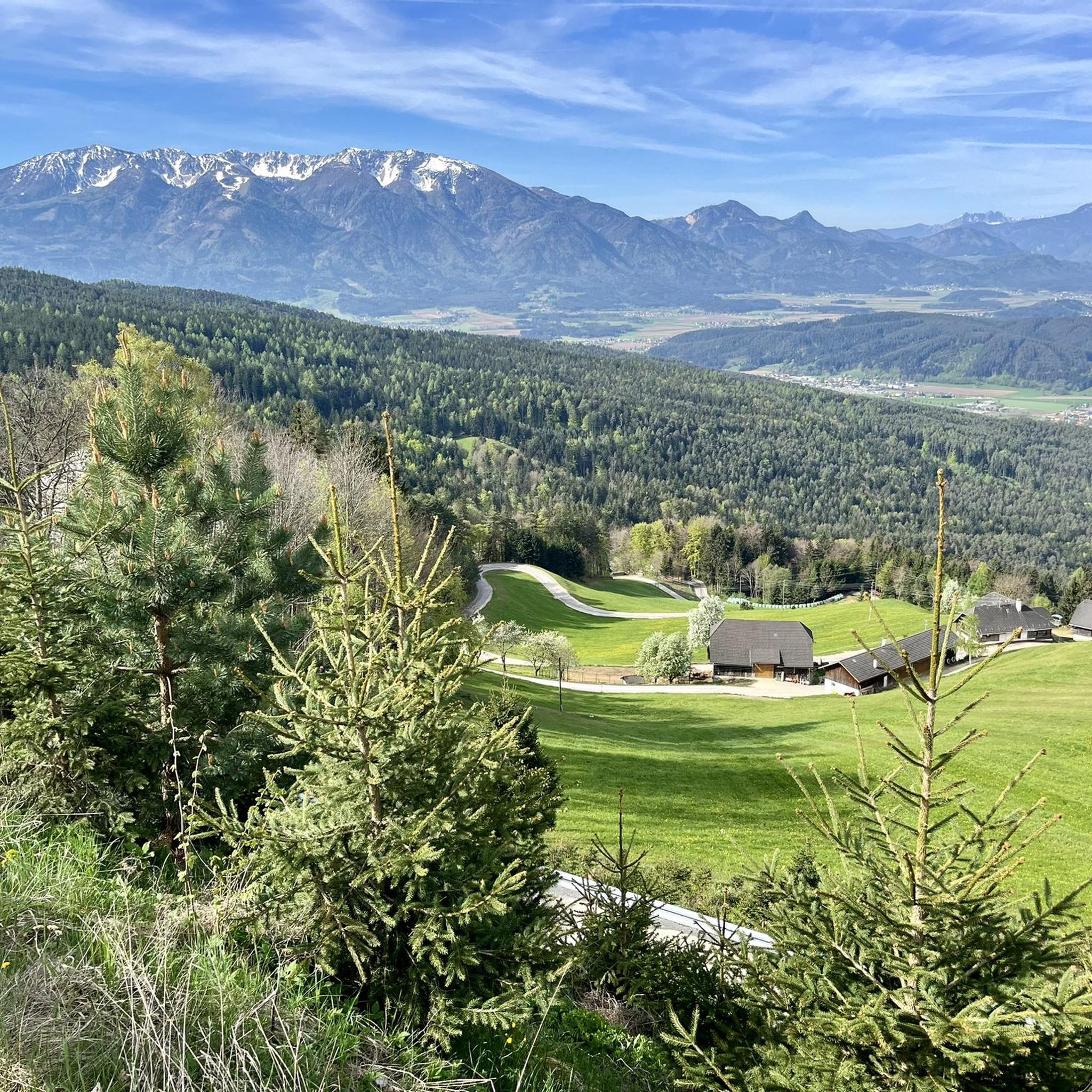
Cycling around Bleiburg
Road Cycling Routes around Bleiburg
MTB Trails around Bleiburg
Hiking around Bleiburg
Running Trails around Bleiburg
Mountain Hikes around Bleiburg

Gravel biking around Bleiburg


Tips from the Community

Beautiful view over Griffen and the surrounding area.
1
0

Schloss Elberstein Fairy-tale castle built by oneself: Some build a house, others a castle. Ludmilla and Johann Elbe from Globasnitz show how to get a sweet castle with a coat of arms and a resounding name, even without millions in the bank.
2
0

Rabenstein Castle was built in the 12th century to protect the St. Paul Monastery in the Lavanttal. After a fire in 1636 it fell into disrepair, so that today only ruins can be seen.
4
0
At the entrance to the stalactite cave you will find a sign describing all three ascent options to Griffen Castle
1
0
There were a total of four castles with the name Weißenegg in the Austrian provinces, of which the castle near Ruden was probably the ancestral castle of the Weißeneggers. The oldest known descendant of the Weißenegger family is said to have been Wülfing von Wizzeneck, who is said to have lived around 1120. The castle was first mentioned in a document in 1243 as dominus de Wizenekke. Dietmar von Weißenegg, a ministerial of the diocese of Bamberg, appears several times in documents between 1244 and 1263. In the 13th and 14th centuries, the Weißeneggers were an important noble family in Carinthia, they provided several bishops and were also active in the military. From the year 1300 Weißenegg was the seat of a district court, which also included Ruden. In 1332 the property was sold to the Lords of Walsee. Eberhard von Walsee († 1363), who had no descendants, inherited the castle and dominion from his cousins Ulrich and Hermann I von Cilli. The Counts of Cilli stayed on Weißenegg until 1425, then Hermann II von Cilli exchanged Weißenegg and Hartneidstein with the bishopric of Bamberg for the lordship of Mauthenberg (Hohenmauthen/Muta). Weißenegg remained in Bamberg until 1759, when the diocese sold its estates in Carinthia to the Austrian Empire. The castle was already deserted at this point. In 1775 Maximilian Thaddäus Freiherr von Egger acquired the castle, which from then on remained in the possession of his descendants for over a century. In 1885 the barons Ferdinand and Karl Helldorf bought the property, and in 1936 the extensive forests with the ruins passed to the Leitgeb family of industrialists from Kühnsdorf, who are still the owners today.
6
0
Fairytale castle, built by Ludmilla and carpenter Johann Elbe, in the middle of Globasnitz
1
0
Elberstein Castle stands on a steep cliff above the Görtschitz Valley in the northeast of the Austrian state of Carinthia.
1
0

Inside the 130 m high Schlossberg is the Griffen stalactite cave. The mountain consists of yellowish limestone.
1
0
Frequently Asked Questions
What is the most historically significant castle in Bleiburg?
The most historically significant castle directly in Bleiburg is Schloss Bleiburg. Originally a 12th-century fortification, it was transformed into a Renaissance palace in the early 17th century and remains in the ownership of the Thurn-Valsassina family. It features impressive Renaissance and Baroque architecture, historical interiors with frescoes and a library, and a Gothic castle chapel. Schloss Bleiburg also holds significant historical weight from 20th-century events.
Are there any castles around Bleiburg that offer unique architectural styles?
Yes, Schloss Elberstein is a unique, self-built castle created by a local artist. This elaborately designed structure is considered a tourist attraction in Globasnitz, showcasing a distinctive artistic vision rather than traditional historical architecture. You can learn more about it here: Schloss Elberstein.
Which castle ruins near Bleiburg offer panoramic views?
The Rabenstein Castle Ruins are known for offering unique views from their castle walls. Originally built in the 12th century to protect the St. Paul Monastery, these ruins provide a great vantage point over the surrounding area.
Can I combine a castle visit with a cave exploration?
Yes, the Griffen Castle Ruins offer this unique combination. A hiking trail leads up to the ruins, and inside the 130-meter-high Schlossberg (castle hill) is the Griffener stalactite cave, making for an interesting dual exploration.
Are there any easy walking trails to castles near Bleiburg?
A hiking trail leads up to the Griffen Castle Ruins, making it accessible for a walk. For more general easy hikes around the area, you can explore routes like the 'Parish Church of Bleiburg – Bleiburg loop' or the 'Werner Berg Museum, Bleiburg loop'. Find more easy hikes here: Easy hikes around Bleiburg.
What kind of historical artifacts or interiors can be seen at Schloss Bleiburg?
Schloss Bleiburg boasts a rich interior with frescoes, stucco ceilings from the early 18th century, and a historical library featuring an early Baroque coffered ceiling and partially inlaid doors from the early 17th century. The living quarters are furnished with pieces from the 17th to 19th centuries, along with tapestries and painted paper wallpapers, offering a glimpse into the past.
Are there any privately owned castles in the region that are still accessible?
Schloss Bleiburg is privately owned by the Thurn-Valsassina family. While access may be limited, guided tours of the castle's interiors and castle concerts are occasionally held, offering unique opportunities to experience its ambiance. It's advisable to check for current event schedules.
What outdoor activities can I do near the castles around Bleiburg?
The Bleiburg region offers various outdoor activities. You can find mountain hikes, such as the 'Valley station Petzen cable car – Customs hut loop', or explore road cycling routes like the 'Lavanttal Cycle Path'. For more options, check out the guides for Mountain Hikes around Bleiburg and Road Cycling Routes around Bleiburg.
What do visitors particularly enjoy about the castles around Bleiburg?
Visitors appreciate the blend of historical significance and unique architectural creations. Highlights like the Rabenstein Castle Ruins are valued for their unique views, while Schloss Elberstein is admired for its elaborate, self-built artistry. The region's castles have garnered over 160 upvotes and more than 60 photos shared by the komoot community, indicating a strong positive reception.
Is there a castle near Bleiburg with a long and complex history of ownership?
Yes, Weißenegg Castle has a documented history of changing hands multiple times. It was the ancestral castle of the Weißeneggers, then passed to the Lords of Walsee, and later to the Counts of Cilli, before being exchanged with the bishopric of Bamberg. It eventually became deserted and was acquired by the Egger family, and later the Helldorfs, before passing to the Leitgeb family who are the current owners. You can find more details here: Weißenegg Castle.
Are there any very overgrown or 'Sleeping Beauty' style castle ruins to explore?
The Sonnegg Castle Ruins are described as a ruin in 'Sleeping Beauty sleep,' being very fused and overgrown. While once one of Carinthia's most powerful castles, today it offers a picturesque, wilder ruin experience with few remnants of its former walls.
Most popular routes around Bleiburg
Most popular attractions around Bleiburg

Get inspired with the komoot mobile app


Explore more
Looking for the best castles somewhere else? Discover other guides around Bleiburg:
