Top 18 Castles around Ravelsbach
Castles around Ravelsbach are situated in the Schmidatal valley in Lower Austria, an area known for its wine cellar lanes and traditional wineries. The region offers cultural trails and various cycling and hiking routes. While Ravelsbach itself does not host prominent castles, the surrounding landscape features several historical sites. These sites provide insights into the area's past and are accessible via local routes.
Best castles around Ravelsbach
- The most popular castles is Burg Maissau, a castle that is a well-preserved hilltop complex with a history dating back to the 12th century. This site features early Gothic architecture, including a watchtower and defense tower, though it is not open to the public.
- Another must-see spot is Falkenberg Castle Ruins, a historical site. Only sparse remnants remain of this once imposing castle, which is now under monument protection.
- Visitors also love Ruins near Sachsendorf, a historical site featuring remains of a Romanesque chapel and a residential tower. Part of the former wooden palisades has been reconstructed, offering a glimpse into its past.
- Ravelsbach is known for its variety of historical castles and castle ruins. These sites range from well-preserved hilltop castles to significant archaeological remains.
- The castles around Ravelsbach are appreciated by the komoot community, with more than 19 upvotes and over 20 photos shared by visitors.
Last updated: July 9, 2026
Burg Maissau
Highlight • Castle
The viewer has two different pictures of the system. The older part facing the forest dates from the 14th / 15th century and still shows the early Gothic construction, in particular the watchtower and defense tower should be mentioned here. From the city, the south wing has been characterized by a Romanesque-Gothic style since the renovation in the 19th century.
The facility is one of the possessions of the Abensperg and Traun families. It is not open to the public.
Translated by Google •
Tip by

Schonenburg Ruins
Highlight • Castle
Piper, Otto: Austrian Castles, Vol.: 6, Vienna, 1908
daten.digitale-sammlungen.de/0007/bsb00070360/images/index.html?id=00070360&groesser=&fip=fsdrxdsydyztsewqeayaxdsydweayawfsdr&no=5&seite=210
Translated by Google •
Tip by
Sign up now to discover places like this
Get recommendations on the best single tracks, peaks, & plenty of other exciting outdoor places.
Sign up for free
Falkenberg Castle Ruins
Highlight • Castle
Translated by Google •
Tip by

Ruins near Sachsendorf
Highlight • Historical Site
Part of the former wooden palisades was reconstructed in the 20th century. Information boards provide information about the history of the building. Source Wikipedia
Translated by Google •
Tip by

Fels am Wagram Castle
Highlight • Castle
Translated by Google •
Tip by

Sign up for free to discover even more castles around Ravelsbach.
Sign up for free
Already have an account?
Start today with a free account
Your next adventure awaits.
Login or Signup
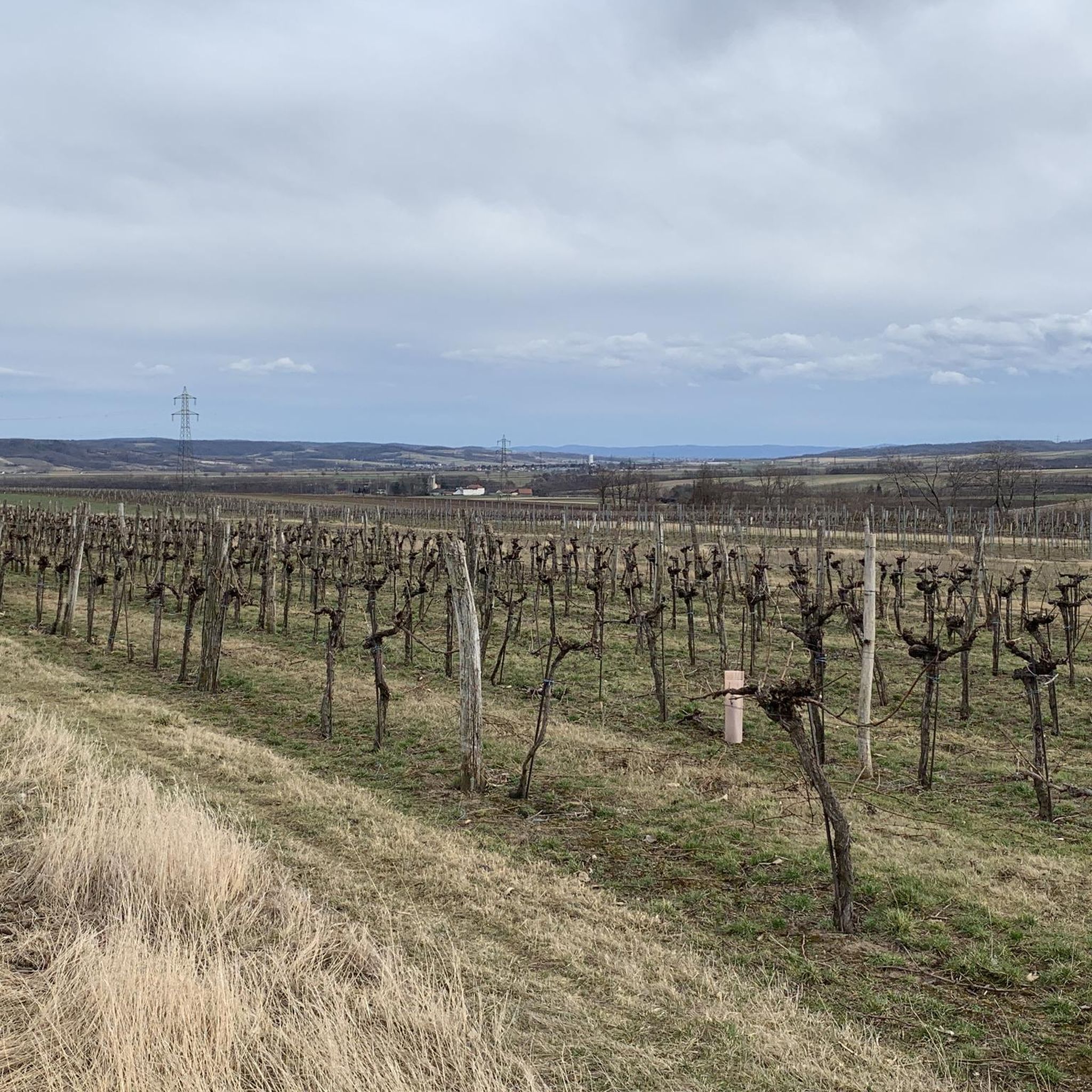
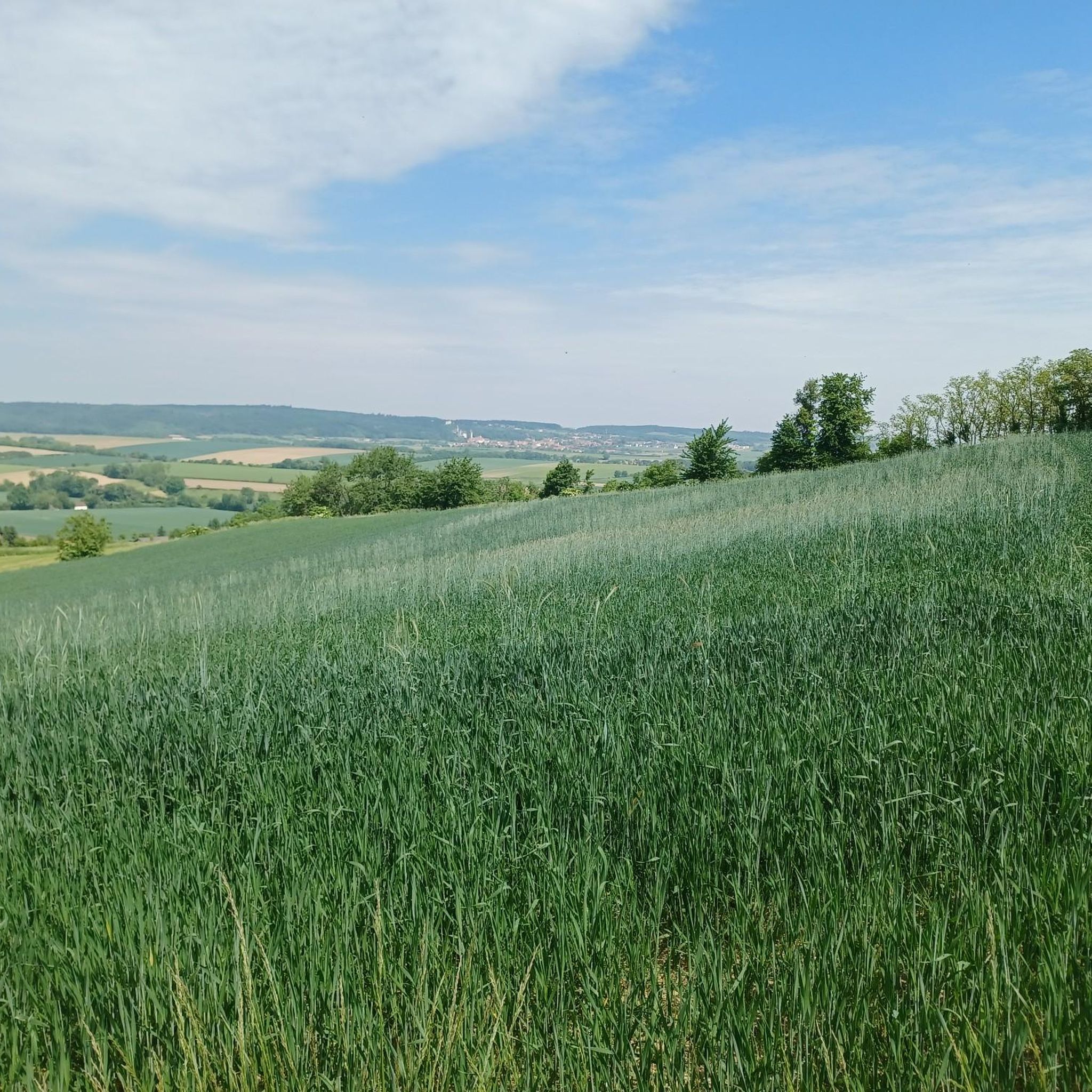
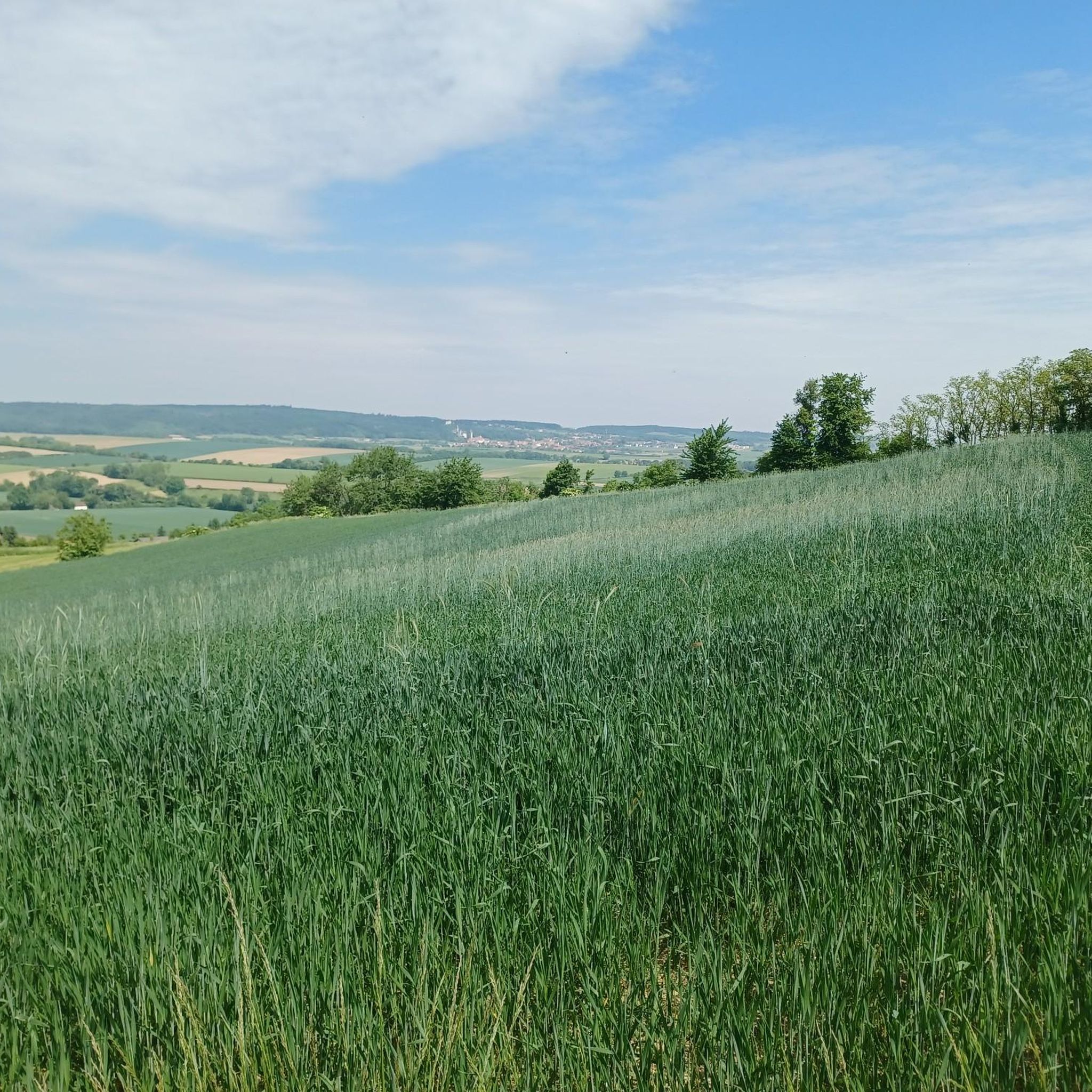
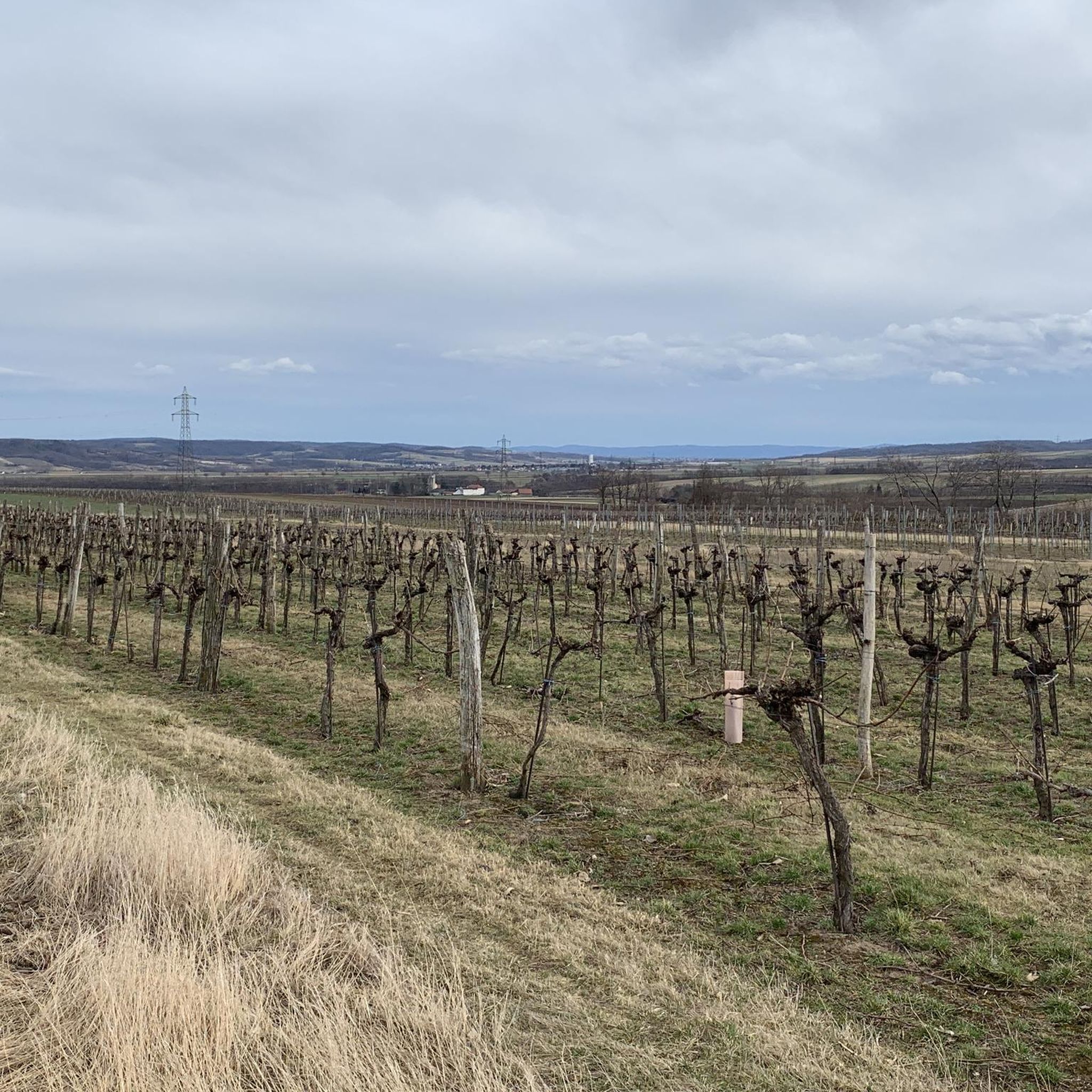

Tips from the Community

Although these ruins are very dilapidated, a visit is definitely worthwhile; it must once have been a large complex.
3
0

Fels Castle in Fels am Wagram houses the local history museum, which collects and displays historical objects from the everyday lives of previous generations. It is also an important meeting place for local clubs and communities. The history of the town is strongly influenced by viticulture: The Schloss Fels winery, associated with the castle, is one of Austria's largest wineries and boasts a historic wine cellar whose origins date back to the 13th century. This cellar once served simultaneously as a tavern and post station on an important imperial road. The wine country surrounding Fels am Wagram, with its cellar lanes and scenic viewpoints, continues to make the town a popular destination for culture and wine enthusiasts.
3
0

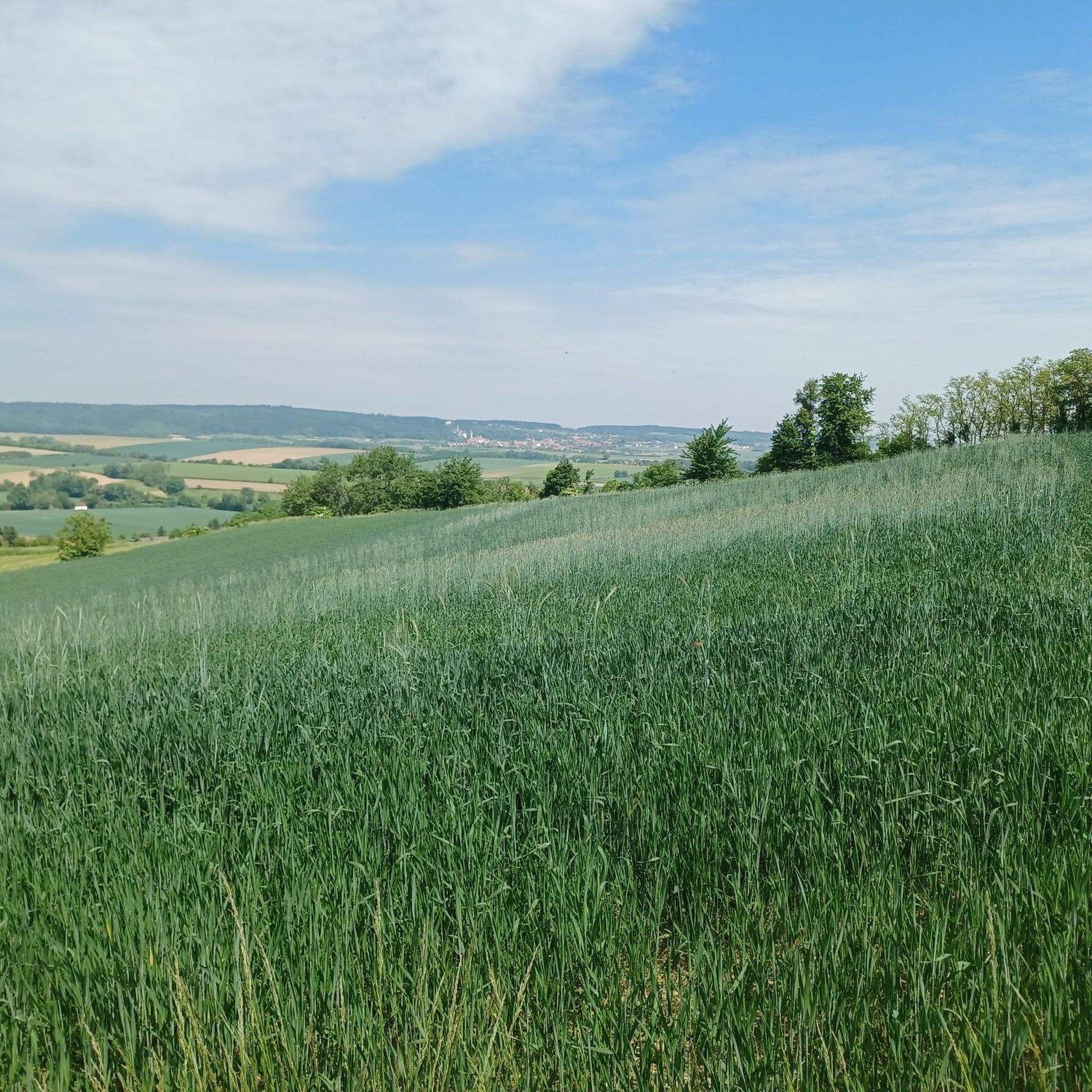
Also a beautiful view of the old hilltop castle, whose history dates back to the 12th century. It is privately owned by the Abensperg and Traun families. It is not open to the public.
0
0
Maissau Castle is a well-preserved hilltop castle. Its history dates back to the 12th century. Two distinct aspects of the complex are presented to the viewer. The older part, facing the forest, dates back to the 14th/15th century and still displays early Gothic architecture, particularly the watchtower and defense tower. From the town side, the southern wing, since its 19th-century remodeling, bears the character of a Romanesque-Neo-Gothic style. The complex is owned by the Abensperg and Traun families. It is not open to the public.
0
0
Built in the first half of the 17th century, probably on the site of a former castle, first documented in 1160 and rebuilt in the 18th century. Owned by the municipality of Fels am Wagram since 1947. The castle now houses the local museum, the municipal library and various clubs.
4
0

Living history in the Weinviertel.
0
0

An impressive complex - unfortunately not open to the public.
0
0

The castle now houses the local museum, the community library and various clubs. More on the history: https://g4v.info/kufe/kufe.info/fels-am-wagram/fels-schloss-fels
3
0
Frequently Asked Questions
Are there castles directly within Ravelsbach?
Ravelsbach itself is primarily known for its charming wine cellar lanes, traditional wineries, and the beautiful parish church. While it offers a rich cultural experience with cycling and hiking routes, there are no prominent castles or palaces located directly within the market town. The historical sites are found in the surrounding region.
Which castles near Ravelsbach are well-preserved and worth visiting?
While some castles are ruins, Burg Maissau is a well-preserved hilltop castle with a history dating back to the 12th century, showcasing early Gothic architecture. However, it is not open to the public. Fels am Wagram Castle, built in the 17th century, now houses a local museum and is open to visitors.
Can I visit castle ruins near Ravelsbach?
Yes, the area features several significant castle ruins. You can explore Falkenberg Castle Ruins, where only sparse remnants remain of a once imposing structure under monument protection. Another option is Ruins near Sachsendorf, which features remains of a Romanesque chapel and a residential tower, with reconstructed wooden palisades offering a glimpse into its past.
What kind of historical insights do these castles offer?
The castles and ruins around Ravelsbach provide a window into centuries of regional history. For instance, Ruins near Sachsendorf reveals archaeological findings from a Romanesque chapel and residential tower, dating back to the 12th century. Burg Maissau showcases early Gothic architecture from the 14th/15th centuries, reflecting its defensive role.
Are there family-friendly castles or activities near Ravelsbach?
Fels am Wagram Castle is considered family-friendly, as it houses a local museum that can be interesting for all ages. The surrounding region also offers cultural trails and easy hiking routes, such as those found in the Easy hikes around Ravelsbach guide, which can be enjoyed by families.
What outdoor activities can I combine with a castle visit?
The area around Ravelsbach is excellent for outdoor activities. You can find numerous cycling and hiking routes. For example, the Gravel biking around Ravelsbach guide offers routes that pass by historical sites. If you prefer hiking, the Easy hikes around Ravelsbach guide includes a loop that takes you past Burg Maissau.
Are there any castles that are particularly scenic or offer good viewpoints?
Burg Maissau is a hilltop castle, suggesting it offers good views of the surrounding landscape, even if the interior is not accessible. The region itself, with its vineyards and rolling hills, provides many scenic spots, especially along the cycling and hiking trails.
What is the best time of year to visit castles around Ravelsbach?
Spring and autumn are generally ideal for visiting the castles and exploring the region. The weather is pleasant for outdoor activities like hiking and cycling, and the vineyards offer beautiful scenery. In autumn, the wine harvest season adds a special charm to the area's wineries and cellar lanes.
Can I find cafes or pubs near the castles?
While specific cafes directly adjacent to every castle ruin might be rare, the region around Ravelsbach is known for its traditional wineries and local taverns (Heurigen). Towns like Fels am Wagram, where Fels am Wagram Castle is located, offer opportunities to enjoy regional specialties and quality wines.
Is public transport an option for reaching these castles?
Ravelsbach and the surrounding municipalities are part of Lower Austria's regional transport network. While some castles might be accessible via bus routes, it's often recommended to check local public transport schedules for specific destinations. For detailed information on reaching Ravelsbach itself, you might find resources on the Lower Austria tourism website.
Are there any lesser-known or 'hidden gem' castles to discover?
Beyond the more prominent sites, the region holds several historical remnants. Schloss Thürnthal, a baroque-classicist building that was once a moated castle, offers a unique architectural blend. While it's privately owned, its exterior can be admired, especially if you're doing the Wagram bike tour.
What are the historical connections of these castles to the region?
Many castles, like Burg Maissau, have roots dating back to the 12th century, reflecting the region's strategic importance. Falkenberg Castle Ruins were once home to a proud knightly family, the Falkenbergs, who played a role in medieval conflicts. These sites collectively tell the story of Lower Austria's past, from noble families to defensive structures.
Most popular attractions around Ravelsbach

Get inspired with the komoot mobile app


Explore more
Looking for the best castles somewhere else? Discover other guides around Ravelsbach:
