The 5 Most Amazing Peaks in Côte d'Ivoire
Mountain peaks in Côte d'Ivoire are primarily located in the western region, characterized by diverse landscapes and rich biodiversity. These areas feature notable mountain ranges, including granite peaks and cloud forests. The country's mountains offer varied ecosystems and cultural insights for exploration.
Best mountain peaks in Côte d'Ivoire
- The most popular mountain peaks is Dent de Man Campground, a facilities highlight offering a natural setting near the town of Man. It provides access to the Dent de Man climb…
Last updated: July 9, 2026
La Dent de Man
Highlight • Summit
Tip by

Lac de Kan Overlook summit (240m)
Highlight • Summit
Tip by
Sign up now to discover places like this
Get recommendations on the best single tracks, peaks, & plenty of other exciting outdoor places.
Sign up for free
Female Mountain of the Mafa Mountains
Highlight • Summit
Translated by Google •
Tip by
View from the south towards La Dent de Man
Highlight • Viewpoint
Translated by Google •
Tip by
Summit of the Monogaga coastal hill
Highlight • Summit
Translated by Google •
Tip by
Start today with a free account
Your next adventure awaits.
Login or Signup
Popular around Côte d'Ivoire
Tips from the Community

The Mafa Mountains of Bécédi Brignan come in male and female forms according to the belief of the Akié people of the locality. The female mountain is 600 meters high and smaller than the male mountain, which reaches 800 meters. At the foot of the Mafa Mountains, there is a small, inexhaustible watering hole whatever the season. Before climbing these mountains, the guardians of the place require a rite of purification of the body and spirit.
0
0
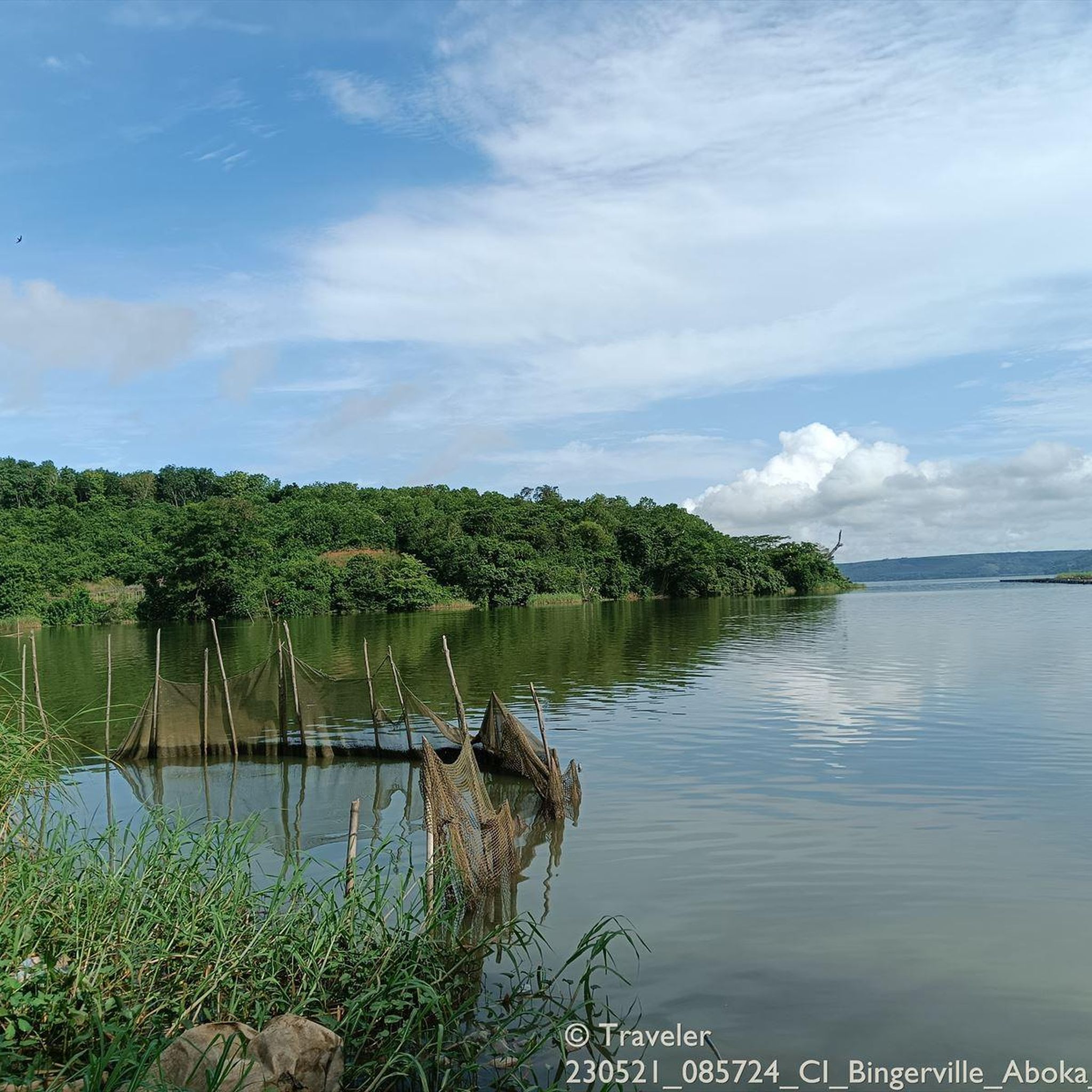
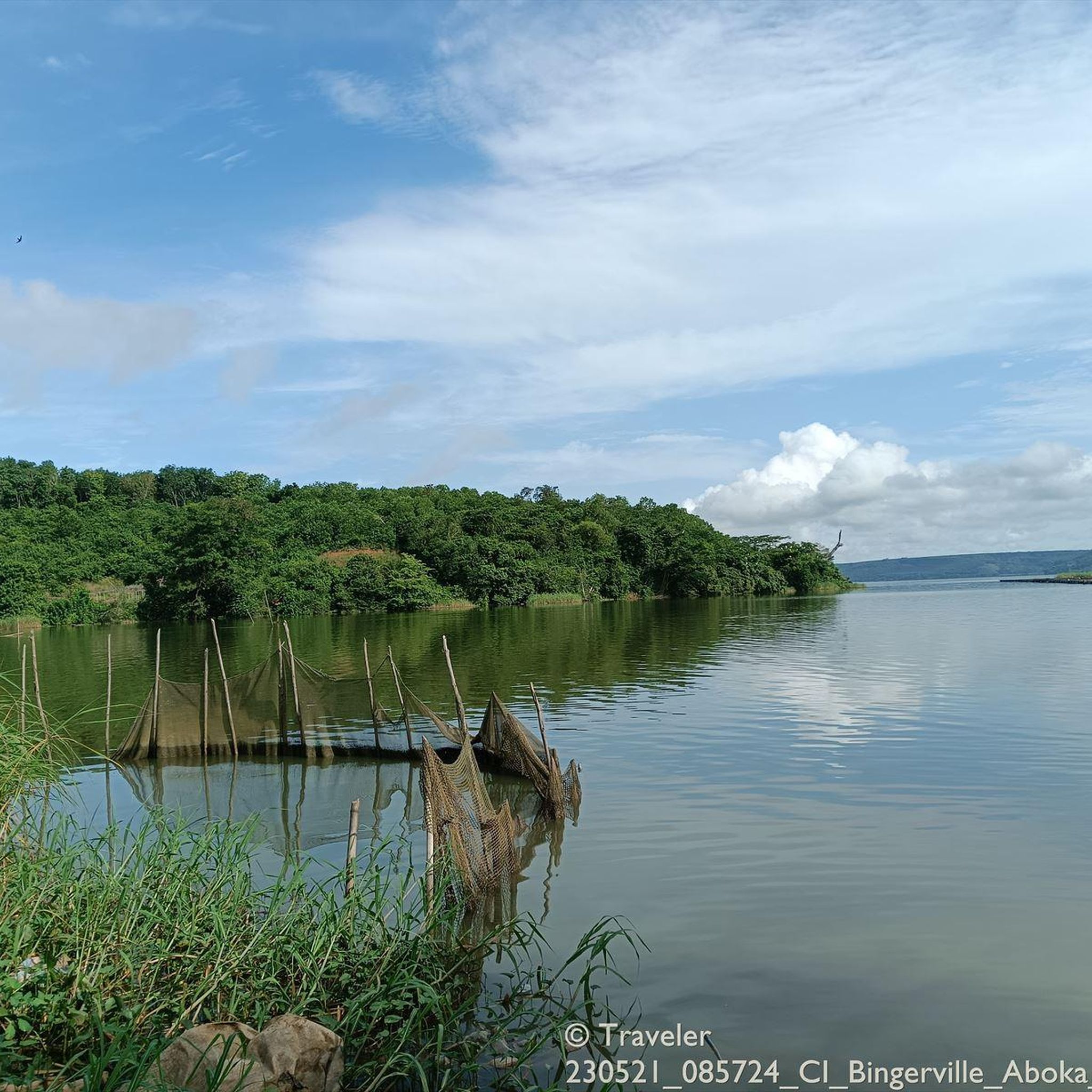
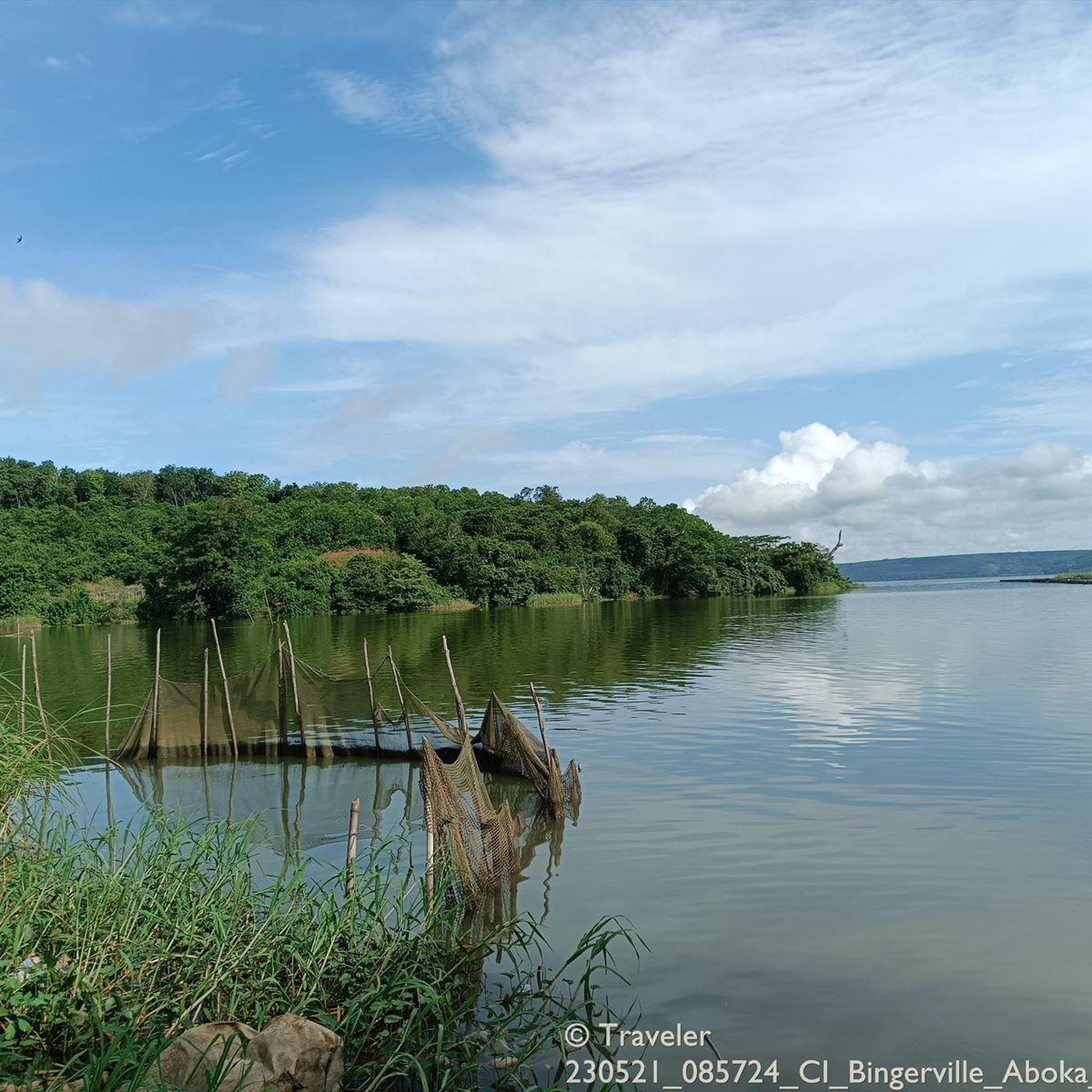
Highest point of the south-east side of Abokouamekro NationalPark, with a ruin of a former park service post on the summit and a 360 degree surround view of the reserve, the reservoir lake, and the surrounding landscape. The gravel road here has a wider parking area flat enough for camping, and rocks for securing a fireplace. The roof of the ruined post can still provide some shelter in a rainstorm, and the floor is clean enough for camping, though windows and doors are missing.
0
0
Excellent view point on the rocky slope forming the emblematic summit of the Dent de Man, culminating at 881 meters
0
0
Rising to 891 meters, the Dent de Man is a prominent rock located on the top of a hill overlooking the town of Man and visible from all over the town. There is an established tourist route to the top of the rock, one of the most popular excursions in the area, despite its level of difficulty. The route is rich, with a panoramic view of the Tonkpi region from the rocky 'tooth' shaped summit.
1
0
The smaller of the two "teeth" forming the iconic mountain offers a great view of its taller sibling
0
0
Iconic vulcanic mountain standing tall above the hill town. The last part of the ascent requires some rock scrambling and can be slippery when coming back down
1
0
At the highest point of the hill we have a first view of the sea, until the road falls towards the coast.
0
0
Frequently Asked Questions
What are the most prominent mountain peaks in Côte d'Ivoire?
Côte d'Ivoire's most prominent peaks are primarily located in the western region. These include Mount Nimba (also known as Mount Richard-Molard), the highest peak in the country at 1,752 meters, Mont Sangbé within the Toura Mountains, Mont Tonkoui, and the iconic La Dent de Man. Other notable peaks like Mont Zo and Mont Zan also contribute to the region's diverse mountainous landscape.
Which is the highest mountain in Côte d'Ivoire?
The highest mountain in Côte d'Ivoire is Mount Nimba, also known as Mount Richard-Molard, standing at 1,752 meters (5,748 feet) above sea level. It is part of the Nimba Range and is recognized as a UNESCO World Heritage Site for its exceptional biodiversity.
What unique natural features can I expect to see in Côte d'Ivoire's mountains?
The mountains of Côte d'Ivoire offer diverse natural features. Mount Nimba boasts dense cloud forests at lower altitudes and mountain-top grasslands, acting as a 'water tower' with numerous springs. Mont Sangbé National Park features rugged terrain, granite peaks, and a mix of savanna woodland and deciduous forests. The region also has distinctive rock formations like La Dent de Man, often called 'The Tooth of Man', and coastal hills such as the Summit of the Monogaga coastal hill.
Are there opportunities for wildlife spotting in the mountain regions?
Yes, particularly in Mont Sangbé National Park, which is a vital habitat for a diverse array of wildlife. Visitors might spot elephants, buffaloes, leopards, various antelopes, and a significant population of western chimpanzees. Mount Nimba is also renowned for its rich flora and fauna, including endemic species like the Nimba viviparous toad and tool-using chimpanzees.
What is the best time to visit the mountain peaks in Côte d'Ivoire?
The best time to visit the mountain regions, especially for hiking and wildlife observation, is generally during the dry season, which typically runs from November to March. During this period, hiking conditions are easier, and wildlife is more visible.
What kind of hiking experiences can I find near the mountain peaks?
You can find a variety of hiking experiences. For example, La Dent de Man offers a challenging climb involving scrambling and small wooden ladders, rewarding hikers with panoramic views. Mount Nimba has trails of varying difficulty through dense forests and past waterfalls. For general hiking, you can explore routes like the moderate 'Dent de Man summit – Dent de Man Classified Forest loop from Zogoualé' or easier options such as the 'Arboretum loop from Andokoi'. More hiking routes can be found in the Hiking in Côte d'Ivoire guide.
Are there any family-friendly activities or accessible spots in the mountain areas?
While many mountain trails can be challenging, some areas offer more accessible experiences. For instance, the Dent de Man Campground provides a natural setting near the town of Man with options for camping and river bathing, which can be enjoyable for families. For easier walks, consider routes listed in the Easy hikes in Côte d'Ivoire guide, such as the 'Parcelle Henri Konan Bédié loop from Bingerville'.
What cultural or historical significance do these mountains hold?
Many peaks hold cultural significance for local communities. For example, the name 'Nimba' means 'water source' in the local Dan language, reflecting Mount Nimba's importance. The Mafa Mountains, which include the Female Mountain of the Mafa Mountains, are believed by the local Akié people to come in male and female forms, with specific purification rites required before climbing.
Where can I find panoramic views of the region?
Several peaks offer stunning panoramic views. Mont Tonkoui provides impressive vistas of the surrounding region, potentially extending to Liberia and Guinea on clear days. La Dent de Man offers a 360-degree view of the entire Niounienu region and the city of Man. Additionally, the Lac de Kan Overlook summit (240m) provides a 360-degree view of Abokouamekro National Park and its reservoir lake.
Are there any specific permits required for hiking in national parks or protected mountain areas?
For protected areas like Mount Nimba Strict Nature Reserve or Mont Sangbé National Park, permits are generally required. It is advisable to check with local authorities or park management for the most current information on entry fees and permit requirements before planning your visit.
What are some of the most popular spots for visitors in the mountain regions?
Visitors frequently enjoy the Dent de Man Campground for its natural setting and access to the Dent de Man climb. The Lac de Kan Overlook summit (240m) is also popular for its expansive views. The Mafa Mountains, including the Female Mountain of the Mafa Mountains, attract those interested in cultural significance and natural beauty.
Most popular attractions in Côte d'Ivoire

Get inspired with the komoot mobile app


Explore more
See even more amazing summits in Côte d'Ivoire with these guides:
