Top 13 Gorges in Argentina
Best canyons in Argentina are characterized by diverse geological formations and varied landscapes. The country's terrain ranges from the colorful, ancient rock layers of the northwest to river-carved gorges in central regions and monolithic desert formations. These natural features offer insights into millions of years of Earth's history and provide varied exploration opportunities.
Best canyons in Argentina
- The most popular canyons is Valle en el camino a la laguna de los Tres, a gorge that offers impressive views of mountains and glaciers from a high plateau. The path follows the valley of the Chorillo del Salto, providing spectacular breadth.
- Another must-see spot is Quebrada de San Lorenzo, a gorge with challenging trails. Visitors can expect beautiful views and an adventurous experience on narrow paths.
- Visitors also love Cajón del Azul, a gorge with a forest and river. This region is known for its crystal clear rivers.
- Argentina is known for canyons with intensely colored rock formations, river-carved gorges, and monolithic desert landscapes. These areas offer diverse geological features and opportunities for exploration.
- The canyons in Argentina are appreciated by the komoot community, with 272 upvotes and 31 photos shared by users.
Last updated: July 9, 2026
Valle en el camino a la laguna de los Tres
Highlight • Gorge
Translated by Google •
Tip by

Quebrada de San Lorenzo
Highlight • Gorge
Translated by Google •
Tip by

Sign up now to discover places like this
Get recommendations on the best single tracks, peaks, & plenty of other exciting outdoor places.
Sign up for free
Cajón del Azul
Highlight • Gorge
Translated by Google •
Tip by

Talampaya National Park Petroglyphs and Rock Formations
Highlight • Gorge
The park includes:
- The dry bed of the Talampaya River, where dinosaurs lived millions of years ago - fossils, whilst not as interesting as Ischigualasto, have been found here;
- The Talampaya gorge and its rock formations with walls of the Talampaya Formation of up to 143 metres (469 ft) high, narrowing to 80 metres (262 ft) at one point;
- The remains of indigenous peoples' settlements, such as the petroglyphs of the Puerta del Cañón;
- A botanical garden of the local flora at the narrow point of the canyon;
- Regional fauna, including guanacos, hares, maras, foxes and condors.
(Wikipedia)
Park visitors must join a guided tour that visits the park's most popular sights. Even with the limitations, it is be much worth a visit!
Tip by

Pools of Parque Provincial Ernesto Tornquist
Highlight • Gorge
Translated by Google •
Tip by

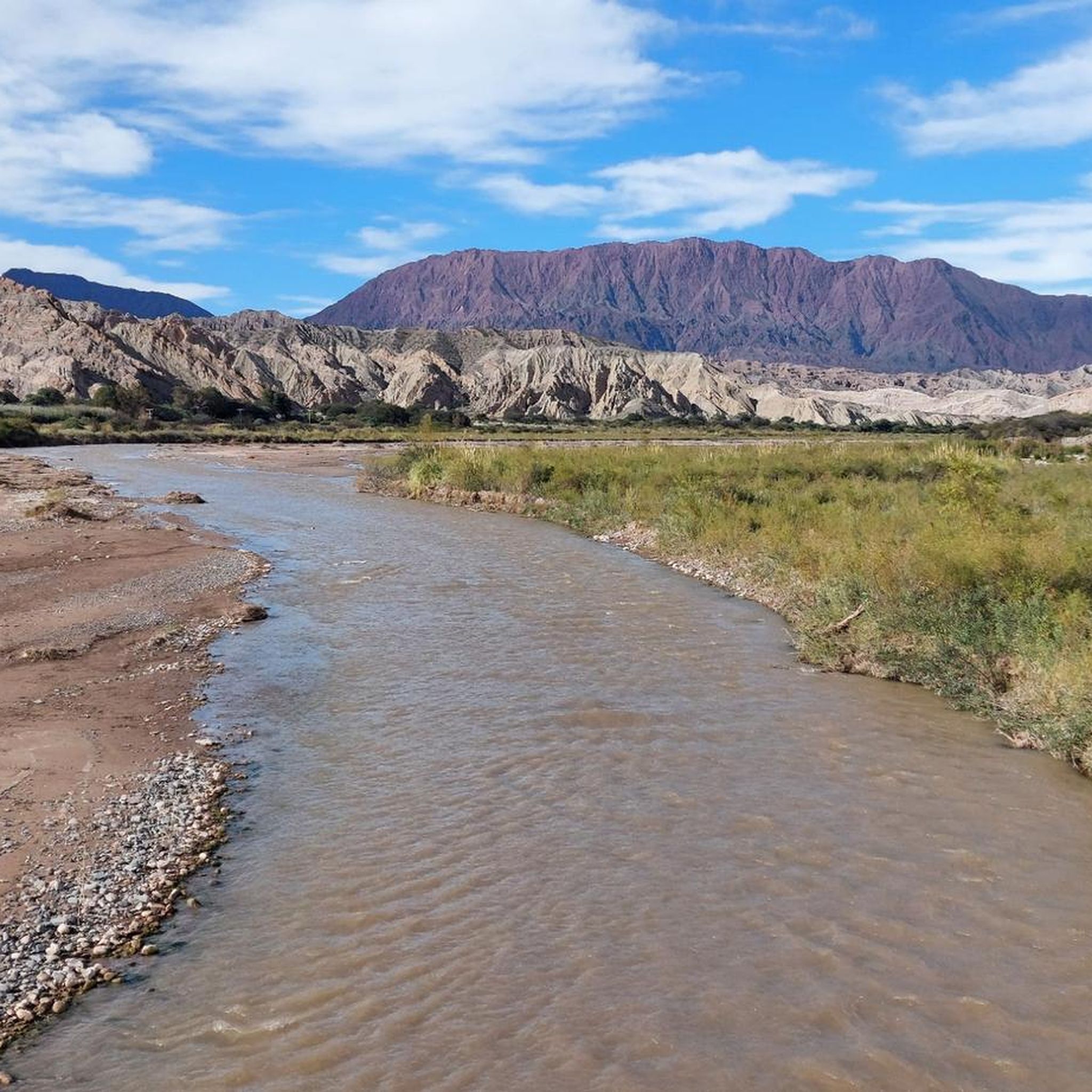
Río Calchaquí Valley
Highlight (Segment) • River
Translated by Google •
Tip by

Quebrada de las Flechas
Highlight (Segment) • Gorge
Translated by Google •
Tip by
Cajón del Azul
Highlight • Gorge
Translated by Google •
Tip by

Tapalque Stream (cliffs)
Highlight • Gorge
Translated by Google •
Tip by

Bridge Over the Río Calchaquí
Highlight • Bridge
Translated by Google •
Tip by
Sign up for free to discover even more gorges in Argentina.
Sign up for free
Already have an account?
Start today with a free account
Your next adventure awaits.
Login or Signup
Popular around Argentina
South American Epic — From Cartagena to Ushuaia
Puerto Montt to Cueva de las Manos – Carretera Austral
Between Chile and Argentina — Andean lakes and volcanoes
Hiking in Argentina
Running Trails in Argentina
Cycling in Argentina
MTB Trails in Argentina
Road Cycling Routes in Argentina
Mountain Hikes in Argentina
Gravel biking in Argentina


Tips from the Community

We walked a large part of the walk today. I personally found the climbing difficult. A lot of climbing and scrambling on narrow paths. It had also rained a lot so sometimes it was slippery. Beautiful views and quite an adventure 😊
0
0

There are many cool pools here to cool off in!
2
0

Talampaya National Park is a national park located in the east/centre of La Rioja Province, Argentina. It was designated a provincial reserve in 1975, a national park in 1997, and a UNESCO World Heritage Site in 2000. The park includes: - The dry bed of the Talampaya River, where dinosaurs lived millions of years ago - fossils, whilst not as interesting as Ischigualasto, have been found here; - The Talampaya gorge and its rock formations with walls of the Talampaya Formation of up to 143 metres (469 ft) high, narrowing to 80 metres (262 ft) at one point; - The remains of indigenous peoples' settlements, such as the petroglyphs of the Puerta del Cañón; - A botanical garden of the local flora at the narrow point of the canyon; - Regional fauna, including guanacos, hares, maras, foxes and condors. (Wikipedia) Park visitors must join a guided tour that visits the park's most popular sights. Even with the limitations, it is be much worth a visit!
1
0

About 40 minutes by bus from El Bolsón is the beautiful Cajón del Azul. From Wharton, a hiking trail leads down to the Cajón. There are many hiking opportunities here with varying degrees of difficulty. Online registration in advance is mandatory.
0
0

Due to the natural jump of the Tapalque stream, once it crosses it, the channel becomes a beautiful and picturesque canyon with striking ravines. A few years ago, fossil remains were found that allow us to investigate the history of the place and that add great value to the area.
2
0

Good specific footwear to avoid surprises or possible sprains, patience and a calm rhythm, rest as many times as necessary. It can be done from children to older adults who are healthy. It is a short distance and little altitude gained and lost but the slope is important for people with little physical condition, it is tiring but it can be done.
1
0

After that only hiking on private property with a guide
0
0

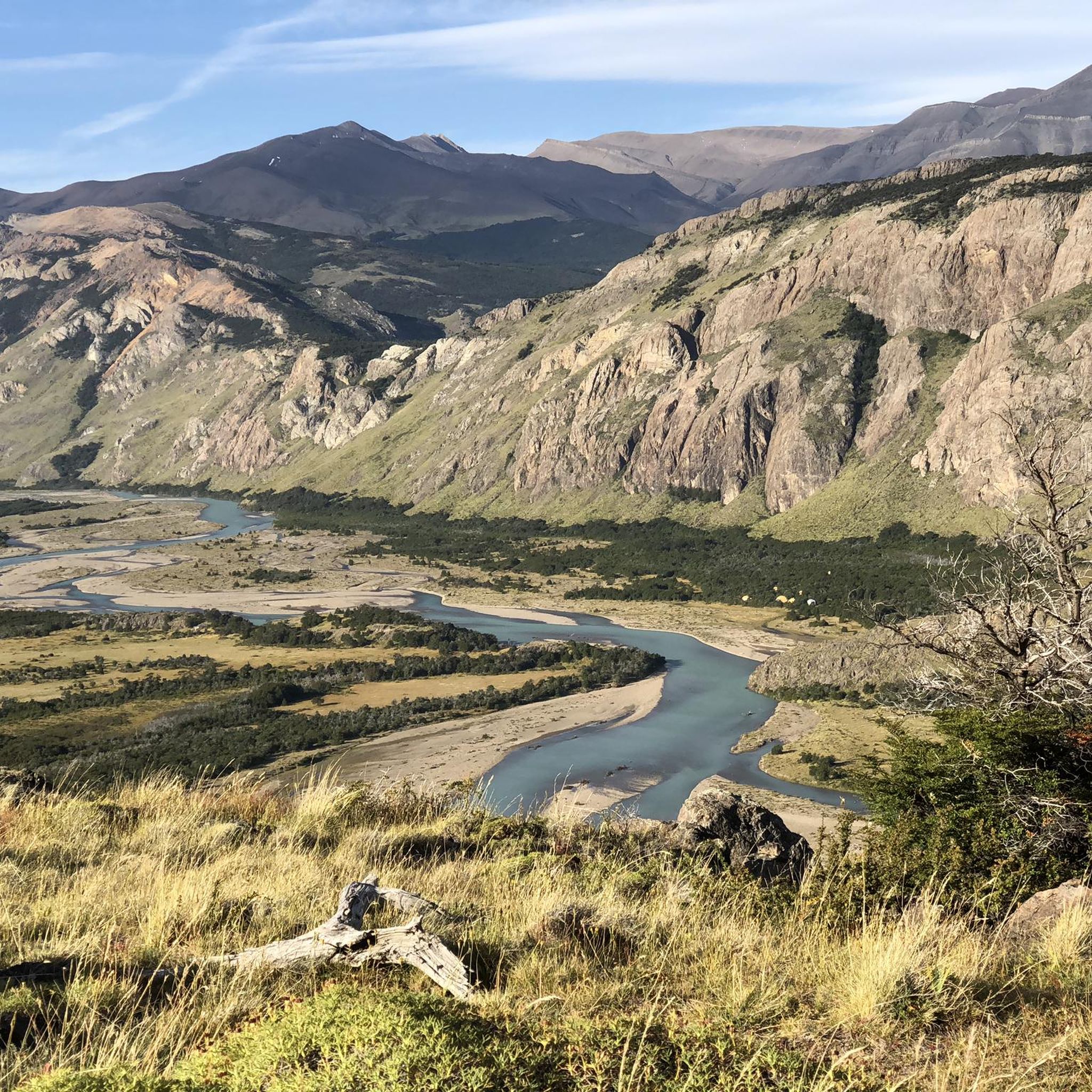
The path to the Laguna de los Tres follows the valley of the Chorillo del Salto between the swamp section and the junction to the Laguna Capri.
4
0
Frequently Asked Questions
What are some of the most popular canyons and gorges to explore in Argentina?
Argentina offers a diverse range of canyons. Some highly appreciated by the komoot community include Valle en el camino a la laguna de los Tres, known for its impressive mountain and glacier views, and Quebrada de San Lorenzo, which offers challenging trails and beautiful vistas. Another favorite is Cajón del Azul, celebrated for its forest and crystal-clear rivers.
Which canyons in Argentina are known for their unique geological formations and vibrant colors?
The northwest of Argentina is particularly famous for its colorful canyons. The Humahuaca Gorge is renowned for its intensely colored rock formations and 'candy-striped' rock faces, a result of millions of years of sediment accumulation. Similarly, Quebrada de las Conchas near Salta showcases a striking array of multicolored rock formations, from deep reds to bright oranges and purples, with notable features like the Amphitheater and 'Garganta del Diablo' (Devil's Throat).
Are there canyons in Argentina that offer opportunities for adventure sports?
Yes, Atuel Canyon in Mendoza Province is a prime location for adventure sports. Here, you can enjoy activities such as rafting, hiking, climbing, horseback riding, and mountain biking amidst a landscape of unique rock formations, mountains, and lakes. Vultures Canyon in the Chubut Valley is also recognized as an excellent area for hiking and rock climbing.
Which canyons in Argentina are significant for their historical or cultural importance?
The Humahuaca Gorge is a UNESCO World Heritage Site, not only for its dramatic scenery but also for its rich cultural history, with tranquil villages retaining a strong indigenous character and ancient Inca trails. The Pinturas River Canyon in Santa Cruz Province is home to Cueva de las Manos (Cave of the Hands), a UNESCO World Heritage site famous for its ancient cave paintings dating back up to 13,000 years. Additionally, Talampaya National Park features petroglyphs and rock formations, also a UNESCO site.
Are there family-friendly canyon trails or activities in Argentina?
While many canyons offer adventurous experiences, some areas can be enjoyed by families. The Bridge Over the Río Calchaquí is listed as family-friendly. For hiking, the Pools of Parque Provincial Ernesto Tornquist offer a trail that can be done by children to healthy older adults, with cool pools for refreshing breaks.
What kind of wildlife can be found in Argentina's canyons?
The unique microclimate of canyons like Quebrada de las Conchas supports a rich diversity of flora and fauna, including towering cacti and colorful bird species. While specific wildlife varies by region, these natural environments often host a variety of desert-adapted animals and plants.
What are some less-known or hidden canyons in Argentina worth exploring?
Cañón del Indio in Catamarca Province is described as a hidden gem, offering a unique hiking experience through narrow passages and whimsical rock formations. A highlight is a formation resembling two indigenous faces, giving the canyon its name. Los Terrones Natural Park in Sierras de Córdoba also offers unique trails through red volcanic rock formations, providing a mystical and otherworldly atmosphere away from the more crowded spots.
What kind of hiking experiences can I expect in Argentina's canyons?
Hiking experiences vary greatly. For instance, Quebrada de San Lorenzo offers challenging trails with climbing and scrambling on narrow paths. In contrast, the path to Valle en el camino a la laguna de los Tres follows a valley, providing spectacular breadth and impressive views. Many canyons, like Cañón del Indio, offer unique trekking through distinctive rock sculptures.
What outdoor activities are available near the canyons in Argentina?
Beyond canyon exploration, the regions surrounding Argentina's canyons offer various outdoor activities. You can find numerous options for road cycling, gravel biking, and hiking. For example, you can explore road cycling routes, embark on gravel biking adventures, or enjoy easy hikes in the surrounding areas.
What geological features are prominent in Argentina's canyons?
Argentina's canyons are characterized by diverse geological formations. You'll find intensely colored rock layers from millions of years of river and sea sediment, as seen in Humahuaca Gorge and Quebrada de las Conchas. River-carved gorges like Atuel Canyon showcase unique rock formations resembling castles or monks. Talampaya National Park features monolithic pink-hued rock formations and narrow sandstone gorges with immense walls, while Los Terrones Natural Park displays red volcanic rock and Triassic sandstones sculpted by erosion.
What do visitors particularly enjoy about the canyons in Argentina?
Visitors often highlight the breathtaking scenery, the sense of adventure, and the unique geological formations. For instance, the 'gorge of the arrows' (Quebrada de las Flechas) is appreciated for its magnificent, almost vegetationless rocky landscape with bizarre pinnacles. The crystal-clear rivers found in regions like Cajón del Azul are also a favorite for swimming and relaxation.
Most popular routes in Argentina
Most popular attractions in Argentina

Get inspired with the komoot mobile app


Explore more
Already discovered everything in this region? See additional gorges in Argentina for your next adventure:
