The 20 Most Amazing Peaks in Peru
Best mountain peaks in Peru are primarily found within the Andean mountain range, including the Cordillera Blanca and Cordillera Huayhuash. This region features a diverse natural landscape of snow-capped peaks, glaciers, and high-altitude ecosystems. Many of these mountains hold deep cultural and spiritual significance for local Andean communities. Peru offers a variety of mountain experiences, from challenging climbs to accessible treks.
Best mountain peaks in Peru
- The most popular mountain peaks is Rainbow Mountain (Vinicunca), a natural monument known for its vibrant, mineral-rich layers. This peak offers a unique spectrum of colors, making it a highly popular destination for trekkers and photographers.
- Another must-see spot is Salkantay Pass, a mountain pass offering views of the Salkantay and Humantay peaks. Located at an altitude of more than 4600 meters, it is considered a sacred site by local inhabitants.
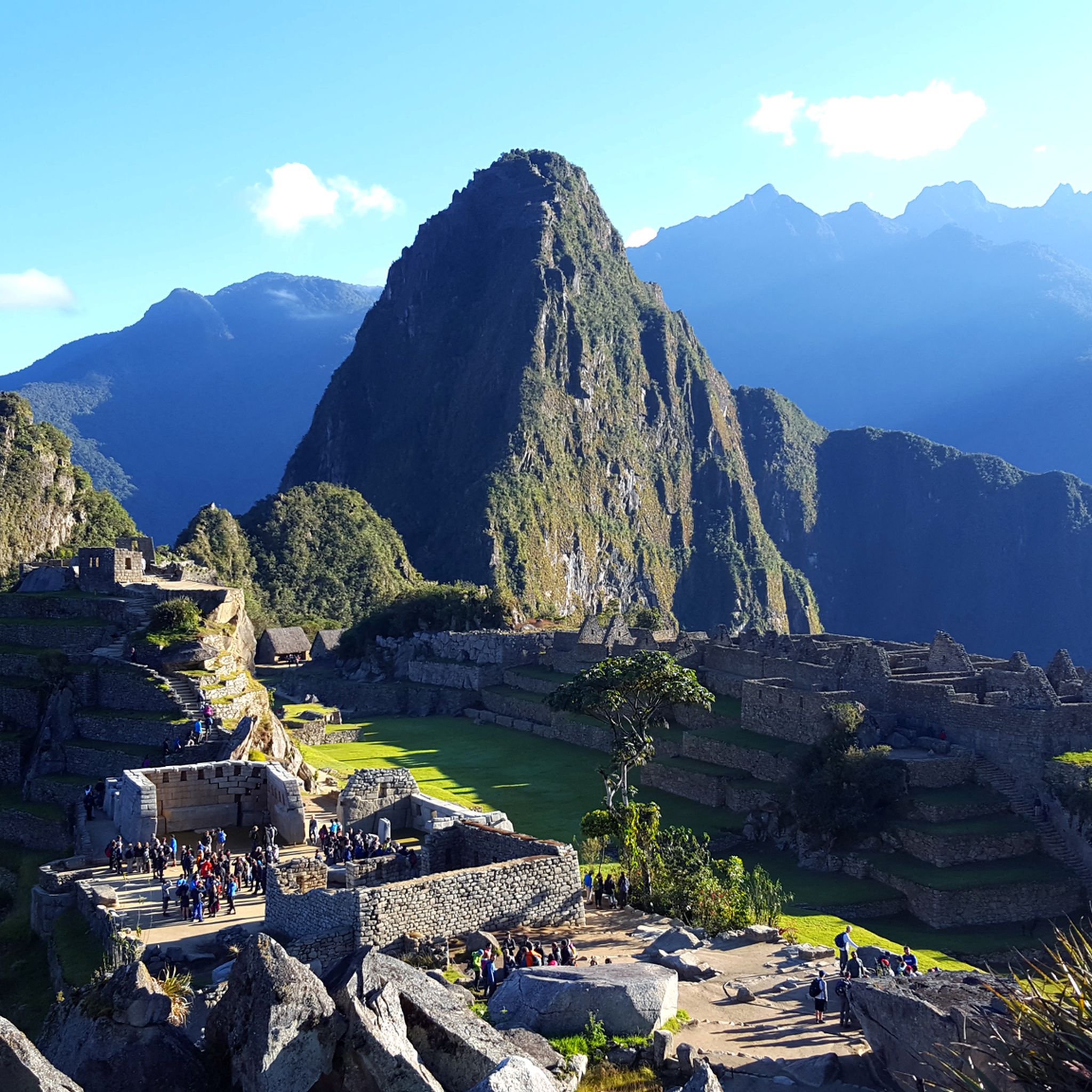
- Visitors also love Huayna Picchu, a summit offering views of Machu Picchu. The ascent is challenging, featuring steep stairs, and provides an elevated perspective of the ancient Inca citadel.
- Peru is known for its high-altitude, sacred, and pyramid-shaped peaks. These include the highest tropical peak globally, Huascarán, and the aesthetically renowned Alpamayo, offering diverse experiences for mountaineers and trekkers.
- The mountain peaks in Peru are appreciated by the komoot community, with 71 upvotes and 156 photos shared across various highlights.
Last updated: July 9, 2026
Rainbow Mountain (Vinicunca)
Highlight • Natural Monument
The strenuous climb to over 5000m is worth it. - exhausting not because of the steep - but because of the thin air. It is advisable to take this tour only after you have acclimatized to heights between 3000 and 4000 meters for a few days. And even then, good physical fitness is more than helpful.
More information: rainbowmountainperu.com
Translated by Google •
Tip by

Salkantay Pass
Highlight • Mountain Pass
The climb is tiring, but once up here, the rarefied air doesn't matter anymore. The place has breathtaking beauty. I advise you to chew and suck coca leaves, which are very popular locally and easy to find. They help with the physical challenges of the high altitude.
Translated by Google •
Tip by

Sign up now to discover places like this
Get recommendations on the best single tracks, peaks, & plenty of other exciting outdoor places.
Sign up for free
Huayna Picchu
Highlight (Segment) • Summit
Translated by Google •
Tip by

Climb to Huayna Picchu
Highlight • Summit
Translated by Google •
Tip by

Summit of Nevado Chachani (6,057 m)
Highlight • Summit
Translated by Google •
Tip by

View of Salkantay from Soraypampa
Highlight • Viewpoint
Translated by Google •
Tip by
Second Lookout at the Seven-Colored Mountain
Highlight • Viewpoint
Translated by Google •
Tip by
Huascarán
Highlight • Summit
whc.unesco.org/en/list/333
en.wikipedia.org/wiki/Huascar%C3%A1n_National_Park
Translated by Google •
Tip by

Pachatata (Father Earth)
Highlight • Historical Site
Translated by Google •
Tip by

View of Mount Humantay
Highlight • Viewpoint
It is one of my 3 highlights (Laguna humantay, Montaña de siete colores and of course Machu Picchu).
Translated by Google •
Tip by

Sign up for free to discover even more peaks in Peru.
Sign up for free
Already have an account?
Start today with a free account
Your next adventure awaits.
Login or Signup
Popular around Peru
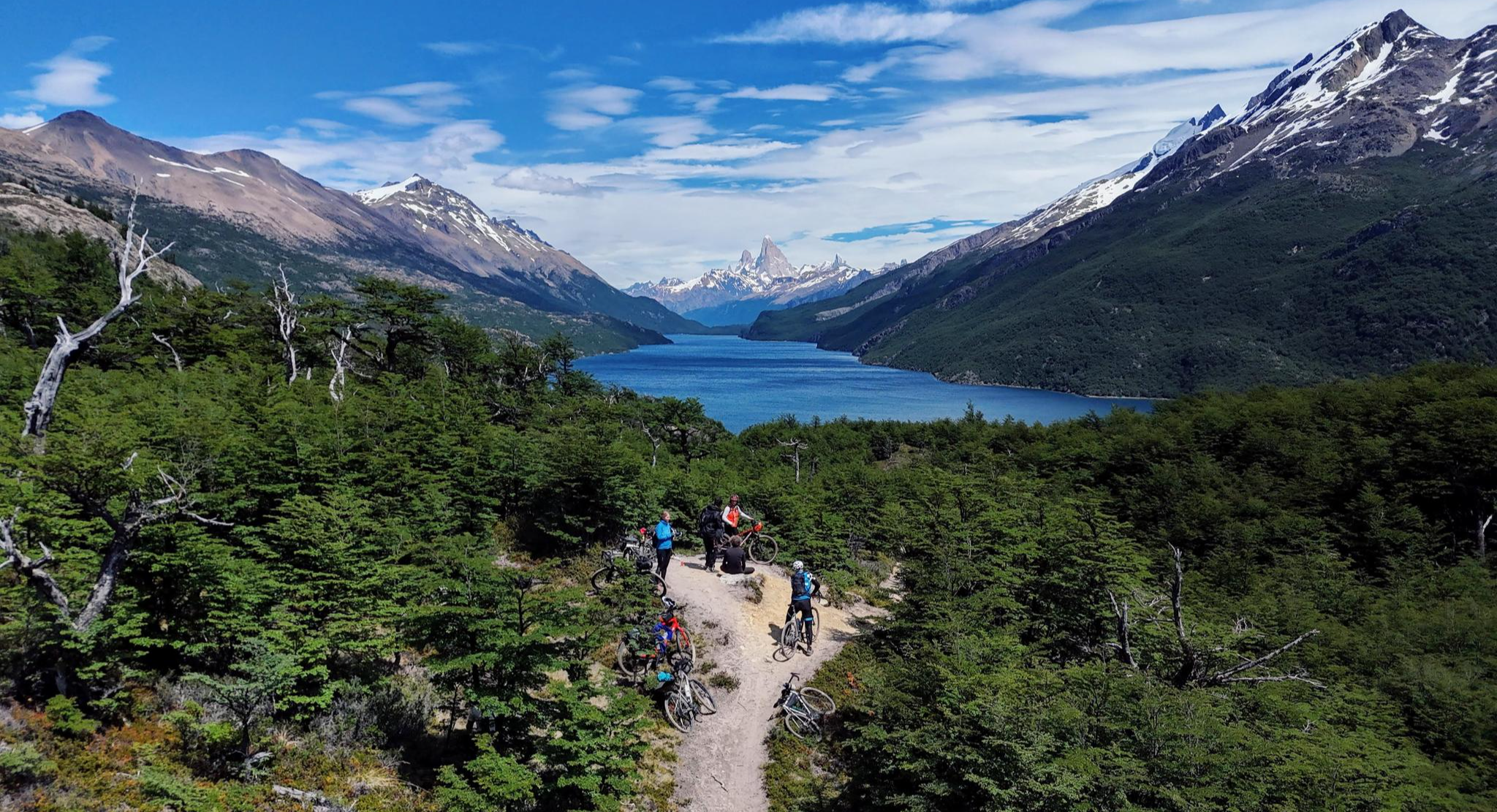
South American Epic — From Cartagena to Ushuaia
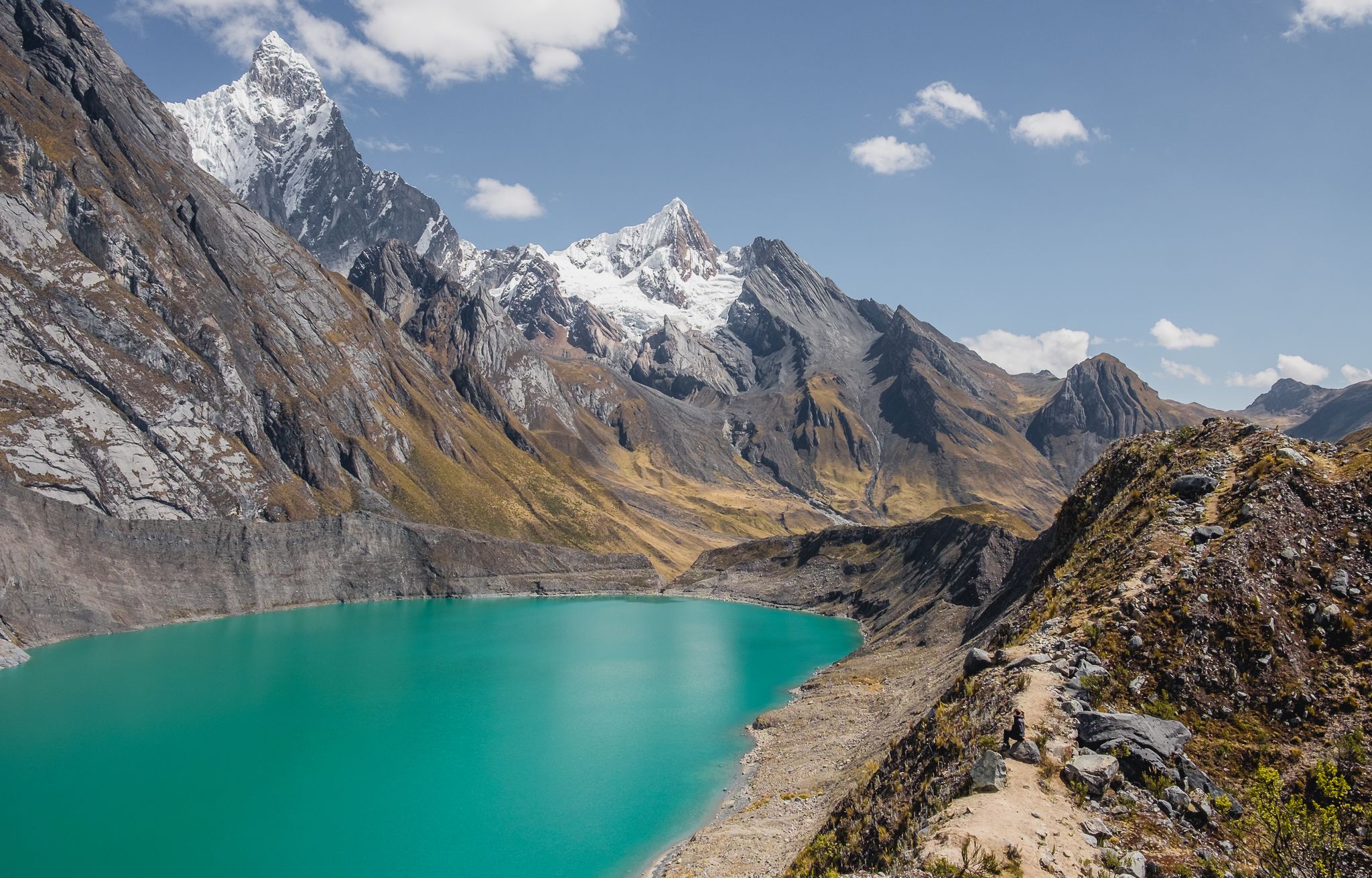
Breathtaking views on the Huayhuash Trek in Peru
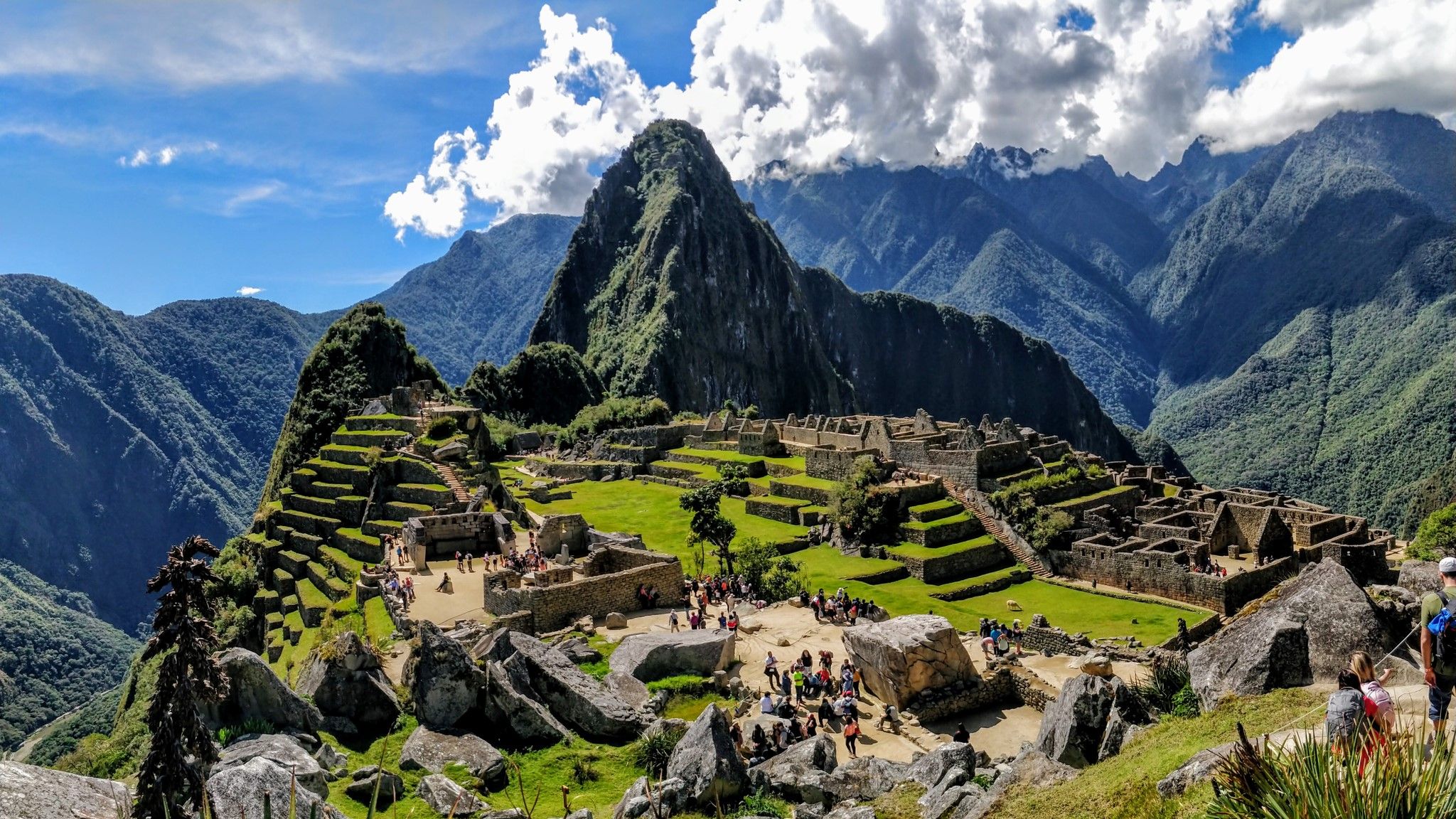
Between snowfields and jungles to Machu Picchu – Salkantay Trek
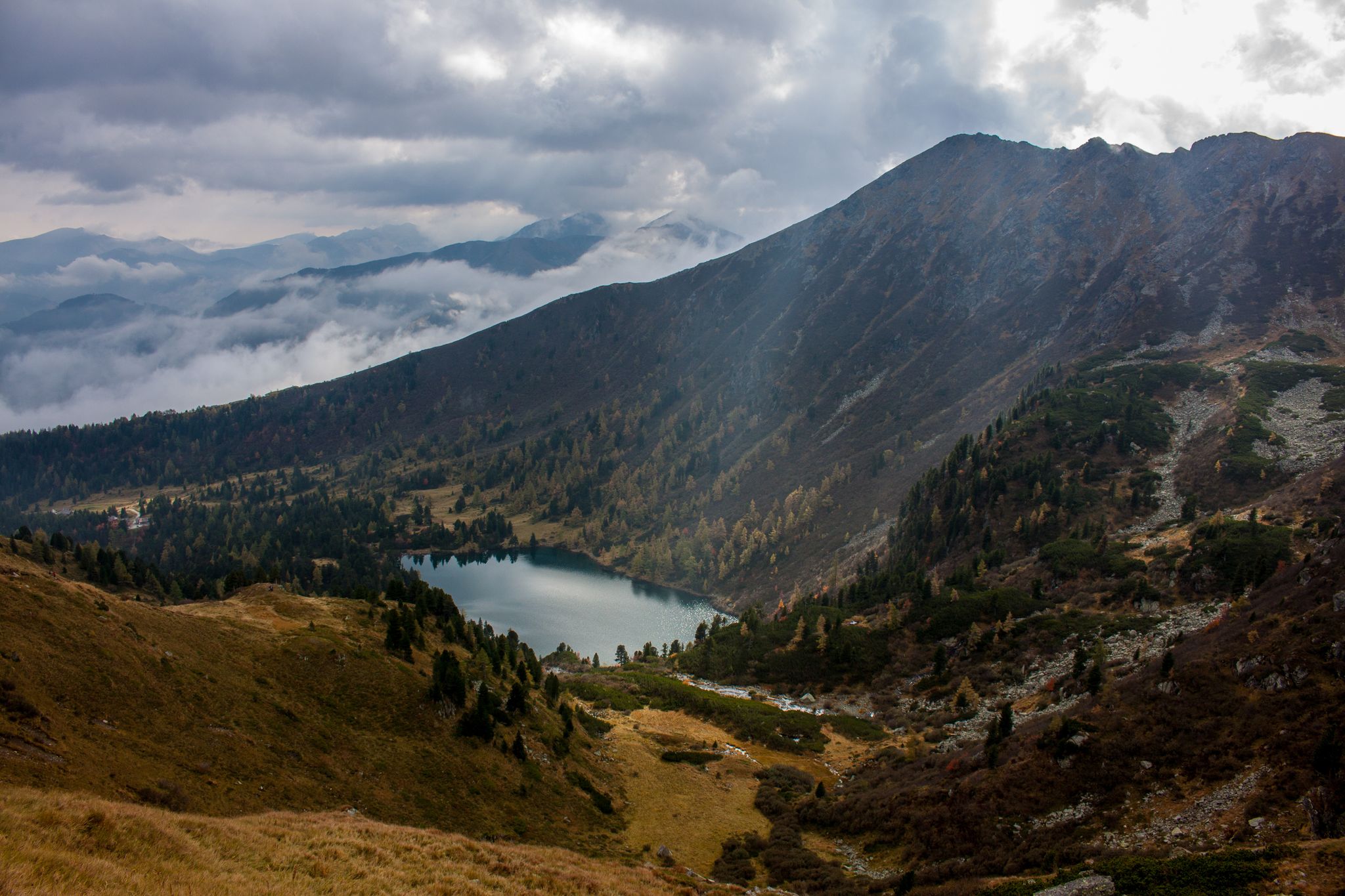
Berge mit unglaublichen Namen
Hiking in Peru
Running Trails in Peru
Cycling in Peru
MTB Trails in Peru
Road Cycling Routes in Peru

Mountain Hikes in Peru
Other adventures in Peru


Tips from the Community

The climb is demanding due to the altitude and the steepness. Prior acclimatization is essential. Personally, the last section between 5850 meters and the summit was difficult (I was out of breath), and the feeling of not making any progress required me to dig deep. Once at the summit, the view is superb, and the satisfaction is immense. For the descent... you can simply relax in the layer of ash on the volcano's cone. To avoid carrying our gear, base camp was set up just before the end of the 4x4 track. From this point, it took us about 7 hours to reach the summit and about 3.5 hours to return to camp. A fantastic adventure!
0
0

Good physical condition
0
0


Huascarán National Park is located in the Andean region of the Cordillera Blanca located north of Lima. The starting point for countless treks is the town of Huaraz. From here with Colectivos (local mini buses) you can reach the starting points of the treks.
0
0

Huayna Picchu (Quechua Wayna Pikchu for "young peak") is one of the two peaks between which the ruins of the Inca city of Machu Picchu lie. The peak is known for the classic postcard motif, where the mountain towers above the ruins of Machu Picchu in the background. The peak is accessible to tourists, but the number of visitors is limited to 400 per day. They must register and enter their names at a checkpoint before the climb. There they are also given an approximate return time. The climb takes about an hour, but the demands should not be underestimated. The steepest sections are equipped with steel cables to hold on to, the path sometimes leads through caves, and on the descent you have to crouch under a rock ledge and climb down 40 cm wide stairs, sometimes directly on the slope, without any safety equipment. A head for heights is therefore an absolute prerequisite. The climb can only be started between 8:00 and 10:00 and must be completed by 14:00. Access to the checkpoint is available after crossing the ruins of Machu Picchu. The same access can also be used to climb Huchuy Picchu in a 15-minute climb. Source: https://de.wikipedia.org/wiki/Huayna_Picchu
1
0

Huayna Picchu, also called Wayna Picchu, means "young peak" in Quechua. It is widely believed in the region that the mountain served as a watchtower to protect the sanctuary of Machu Picchu. The Machu Picchu site is located between two mountains - Huayna Picchu and Machu Picchu Mountain. Although both offer exciting hiking routes, there are certain differences between Huayna Picchu and Machu Picchu that you need to be aware of, including altitude, difficulty, and duration. From both mountains, you can enjoy beautiful views of the Machu Picchu ruins and the surrounding mountains. Huayna Picchu is the majestic, cone-shaped mountain that you often see in the background of the most famous photographs and postcards of Machu Picchu. The Huayna Picchu hike is generally considered moderate to difficult, so it can be challenging at times.
0
0

The temple ruins on the peaks are used for the island festival on January 20th every year. There will be a competition on this day. Half of the island's population gathers at one of the two temples, and one runner runs to a point between the two buildings. According to tradition, a victory for Pachamama (which one of the two peaks represents) would bring a good harvest the next year).
3
0

Huascarán National Park covers most of the Cordillera Blanca mountain range in the central Andes of Peru. The park covers an area of 3,400 km2 and was declared a World Heritage Site by UNESCO in 1985. https://whc.unesco.org/en/list/333/ https://en.wikipedia.org/wiki/Huascar%C3%A1n_National_Park
1
1
Frequently Asked Questions
What are some of the most unique mountain peaks to visit in Peru?
Peru offers several unique peaks. The Rainbow Mountain (Vinicunca) is renowned for its vibrant, mineral-rich layers, creating a stunning spectrum of colors. Alpamayo, in the Cordillera Blanca, is often called 'the most beautiful mountain in the world' due to its perfect, pyramid-shaped ice and snow flanks. Huascarán is notable as the highest mountain in Peru and the tallest tropical peak globally.
Which mountain peaks in Peru hold significant cultural or spiritual importance?
Many peaks in Peru are considered sacred 'Apu' (spirit mountains) by Andean communities. Ausangate, near Cusco, is deeply revered, with traditional ceremonies still performed on its slopes. Salkantay, in the Vilcabamba Mountain Range, was also a sacred 'Apu' for the Incas, believed to be a protector and provider of life-giving water.
Are there challenging multi-day treks available around Peru's mountain peaks?
Yes, Peru is famous for its challenging multi-day treks. The Ausangate Trek offers an immersive high-altitude experience with stunning landscapes and cultural immersion. The Cordillera Huayhuash trek is an 8-12 day circuit known for its dramatically beautiful scenery around peaks like Yerupajá. The Salkantay trek is also a popular multi-day route, often taken as an alternative to Machu Picchu, combining natural beauty with historical sites.
What are some accessible mountain peaks or viewpoints for trekkers without advanced climbing skills?
For trekkers without advanced climbing skills, Rainbow Mountain (Vinicunca) is a popular destination, though it requires acclimatization due to its high altitude. Nevado Pisco, known as the 'Balcony of the Cordillera Blanca,' offers sweeping summit views of many prominent peaks and is frequently ascended without requiring prior technical climbing experience, making it ideal for high-altitude acclimatization.
What kind of natural attractions can I expect to see in the Peruvian Andes?
The Peruvian Andes boast diverse natural attractions. You'll find snow-capped peaks, extensive glaciers, vibrant turquoise lakes, and natural hot springs. The Cordillera Blanca, for instance, features over 300 glacial lakes. Beyond the peaks themselves, areas like the Ausangate region are known for colorful mountains due to rich mineral deposits, and the Salkantay trek passes through diverse landscapes from high mountain passes to cloud forests.
What is the best time of year to visit the mountain peaks in Peru for trekking?
The best time to visit the mountain peaks in Peru for trekking is generally during the dry season, which runs from May to September. During these months, the weather is typically clearer and sunnier, with less rainfall, making for better trekking conditions and clearer views. However, temperatures can still be very cold at high altitudes, especially at night.
What outdoor activities can I do near the mountain peaks in Peru?
Beyond summiting, you can enjoy various outdoor activities. There are numerous hiking and mountaineering routes, such as the 'Winikunka loop from Phullawasipata' or the 'Laguna Churup – Churup Waterfall loop from Pitec'. You can find more details on these and other routes in the Mountain Hikes in Peru guide and the Hiking in Peru guide.
Are there any mountain peaks in Peru that are considered less technical but still offer a high-altitude experience?
Yes, Chopicalqui in the Cordillera Blanca is a popular choice for mountaineers seeking to summit a 6,000-meter peak without extreme technical difficulty, offering panoramic views. Coropuna, Peru's third-highest mountain, is a massive extinct stratovolcano considered a non-technical climb, though its extreme altitude makes it physically demanding.
What are some of the most challenging mountain climbs in Peru?
Peru is home to some of the world's most challenging climbs. Huascarán, the highest peak, involves glacier travel and ice climbing, making it a coveted objective for experienced mountaineers. Yerupajá in the Cordillera Huayhuash is renowned for being one of the most challenging climbs due to its pyramid shape and technical routes. Siula Grande is also iconic for its steep ice walls and extreme challenges.
What do visitors appreciate most about the mountain peaks in Peru?
Visitors frequently highlight the breathtaking views and the immense satisfaction of achieving high-altitude treks. For example, the climb to Summit of Nevado Chachani (6,057 m) rewards with magnificent distant views. The unique geological formations and vibrant colors of peaks like Rainbow Mountain (Vinicunca) are also highly praised, as is the rich cultural heritage found along many trails.
Is it possible to see Machu Picchu from any of the mountain peaks?
Yes, Huayna Picchu, a summit adjacent to Machu Picchu, offers an elevated and challenging perspective of the ancient Inca citadel. The ascent features steep stairs and provides an incredible view of Machu Picchu from above.
What are the highest mountain peaks in Peru?
Huascarán is the highest mountain in Peru, reaching 6,768 meters (22,205 ft). Yerupajá is the second highest at 6,635 meters (21,709 ft), and Coropuna is the third highest at 6,377 meters (20,922 ft).
Most popular attractions in Peru

Get inspired with the komoot mobile app


Didn’t find what you were looking for?
Discover Peru’s best peaks and summits by region:
Explore more
See even more amazing summits in Peru with these guides:
