Top 10 Gorges in Peru
Canyons in Peru are prominent geological formations carved into the Andean landscape. These deep valleys often feature diverse ecosystems and historical significance. Many canyons are characterized by towering cliffs, rivers, and ancient agricultural terraces. The region offers opportunities to observe local wildlife and experience traditional cultures.
Best canyons in Peru
- The most popular canyons is Santa Teresa River Gorge, a gorge that features colorful granite walls. This deeply cut canyon can experience significant water flow.
- Another must-see spot is…
Last updated: July 9, 2026
Santa Teresa River Gorge
Highlight • Gorge
Translated by Google •
Tip by

Trail Past the Maras Salt Pans
Highlight • Trail
Translated by Google •
Tip by

Sign up now to discover places like this
Get recommendations on the best single tracks, peaks, & plenty of other exciting outdoor places.
Sign up for free
Quebrada Santa Cruz
Highlight • Gorge
Translated by Google •
Tip by

Condor Viewing Point
Highlight (Segment) • Viewpoint
Translated by Google •
Tip by

Duck Canyon
Highlight (Segment) • Canyon
Tip by

Red Valley
Highlight • Natural Monument
Translated by Google •
Tip by

View of the Colcapampa Valley
Highlight • Viewpoint
Translated by Google •
Tip by

Quebrada Los Cedros
Highlight • Gorge
Translated by Google •
Tip by
Callejón de Huaylas – Santa River Valley
Highlight • River
Translated by Google •
Tip by
Condor Viewing Point in Geoparque Colca y Volcanes de Andagua
Highlight • Viewpoint
It is best to be here in the morning and watch the Condore start.
Translated by Google •
Tip by

Sign up for free to discover even more gorges in Peru.
Sign up for free
Already have an account?
Start today with a free account
Your next adventure awaits.
Login or Signup
Popular around Peru
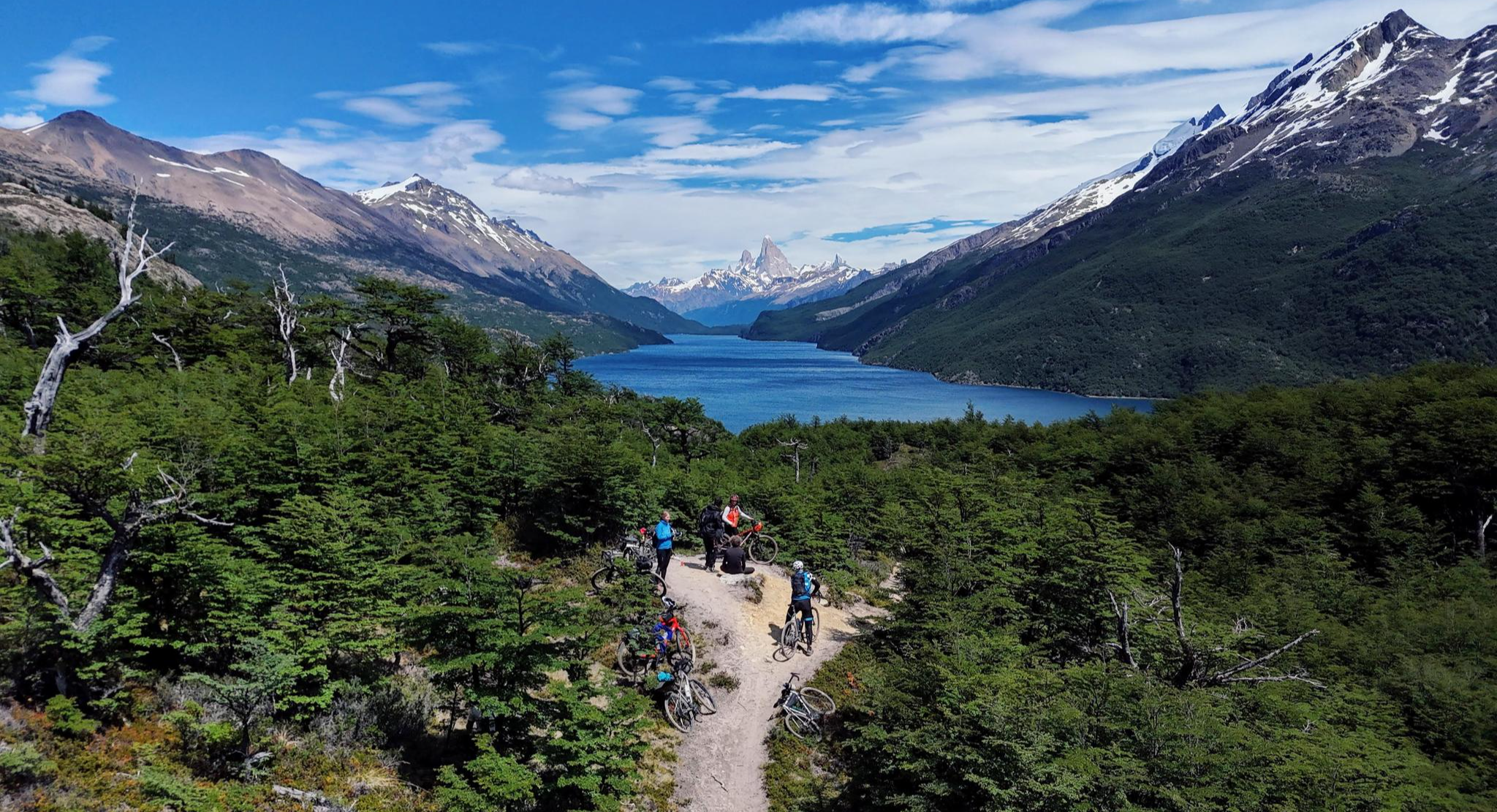
South American Epic — From Cartagena to Ushuaia
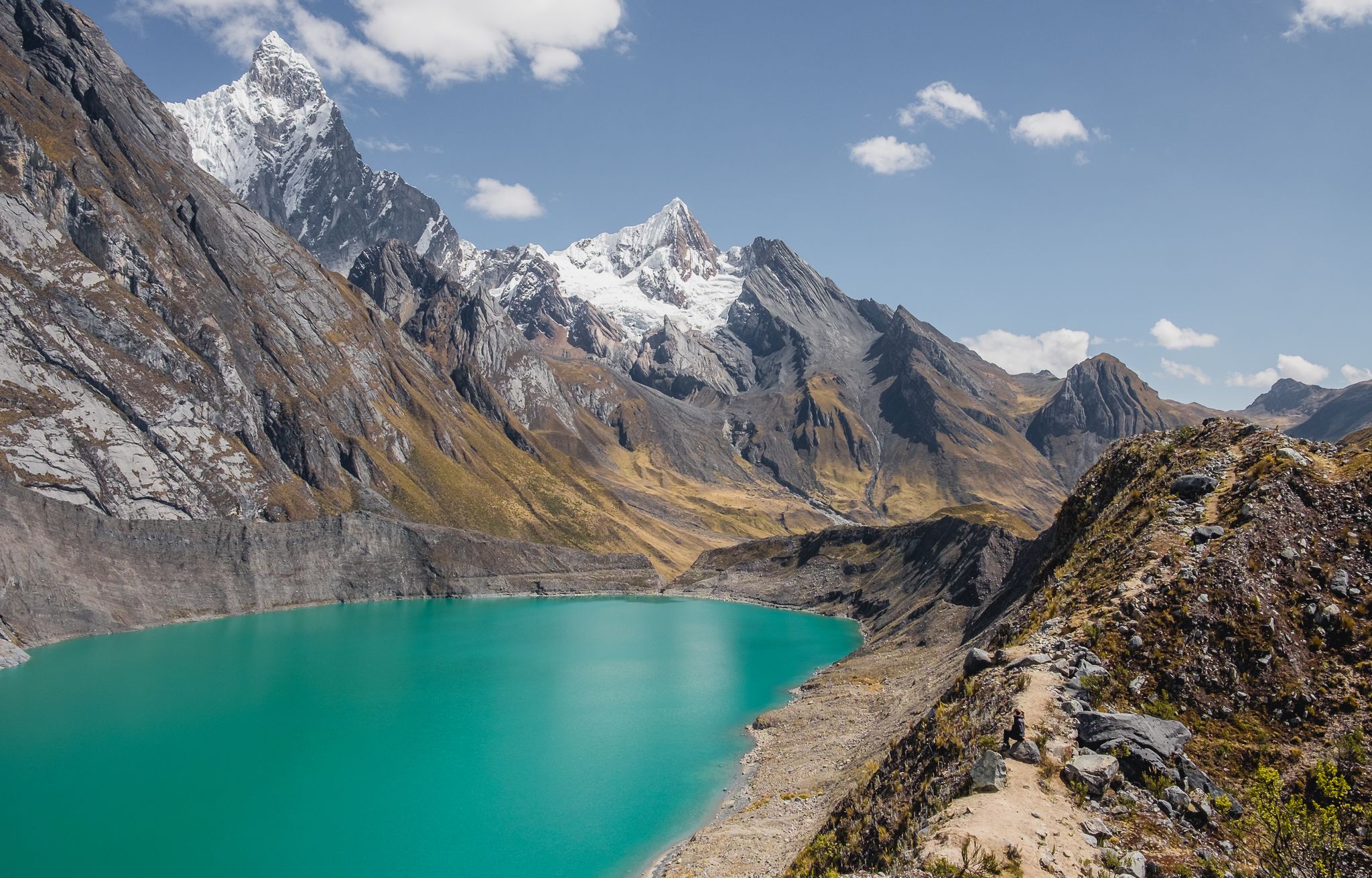
Breathtaking views on the Huayhuash Trek in Peru
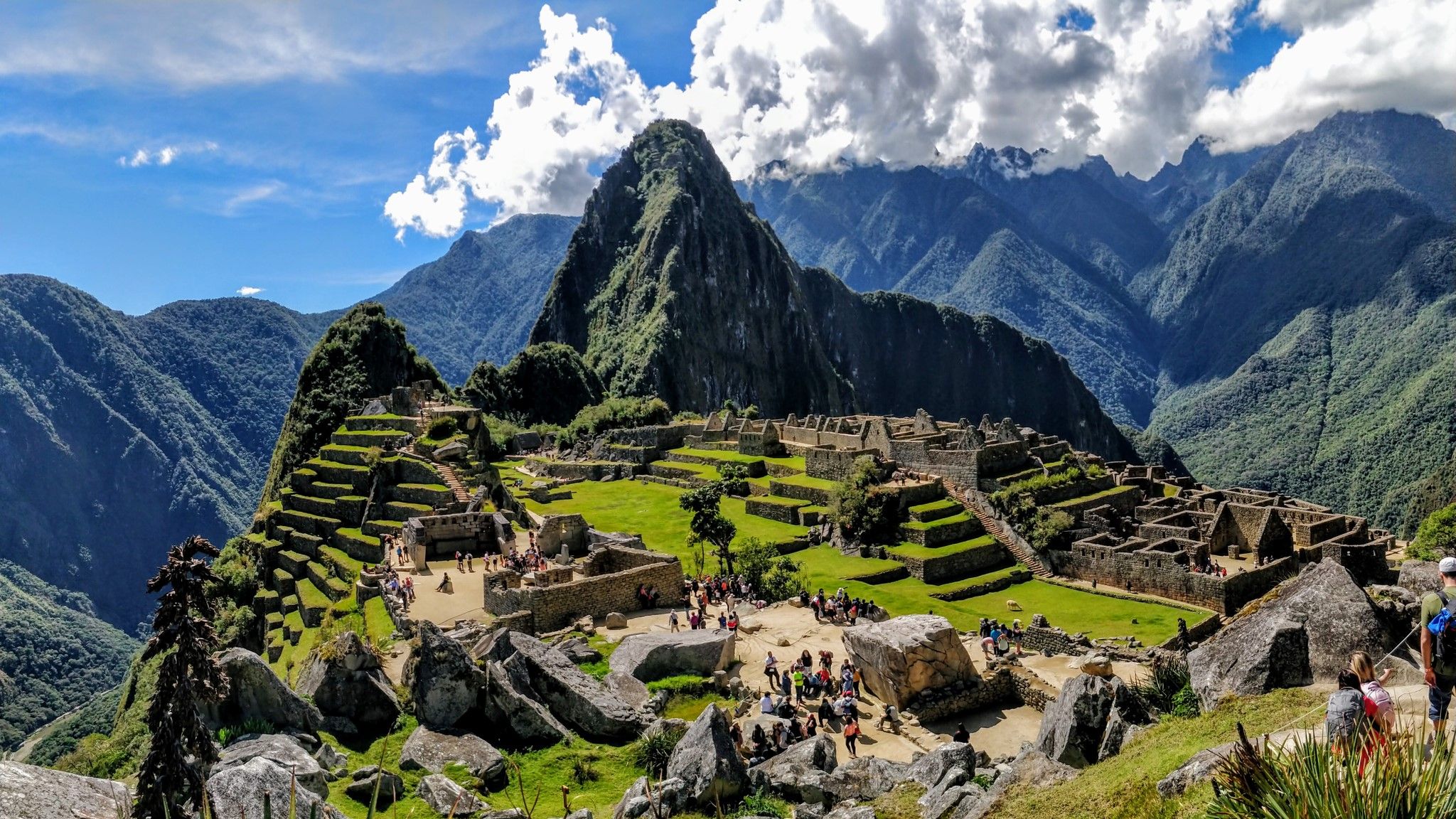
Between snowfields and jungles to Machu Picchu – Salkantay Trek
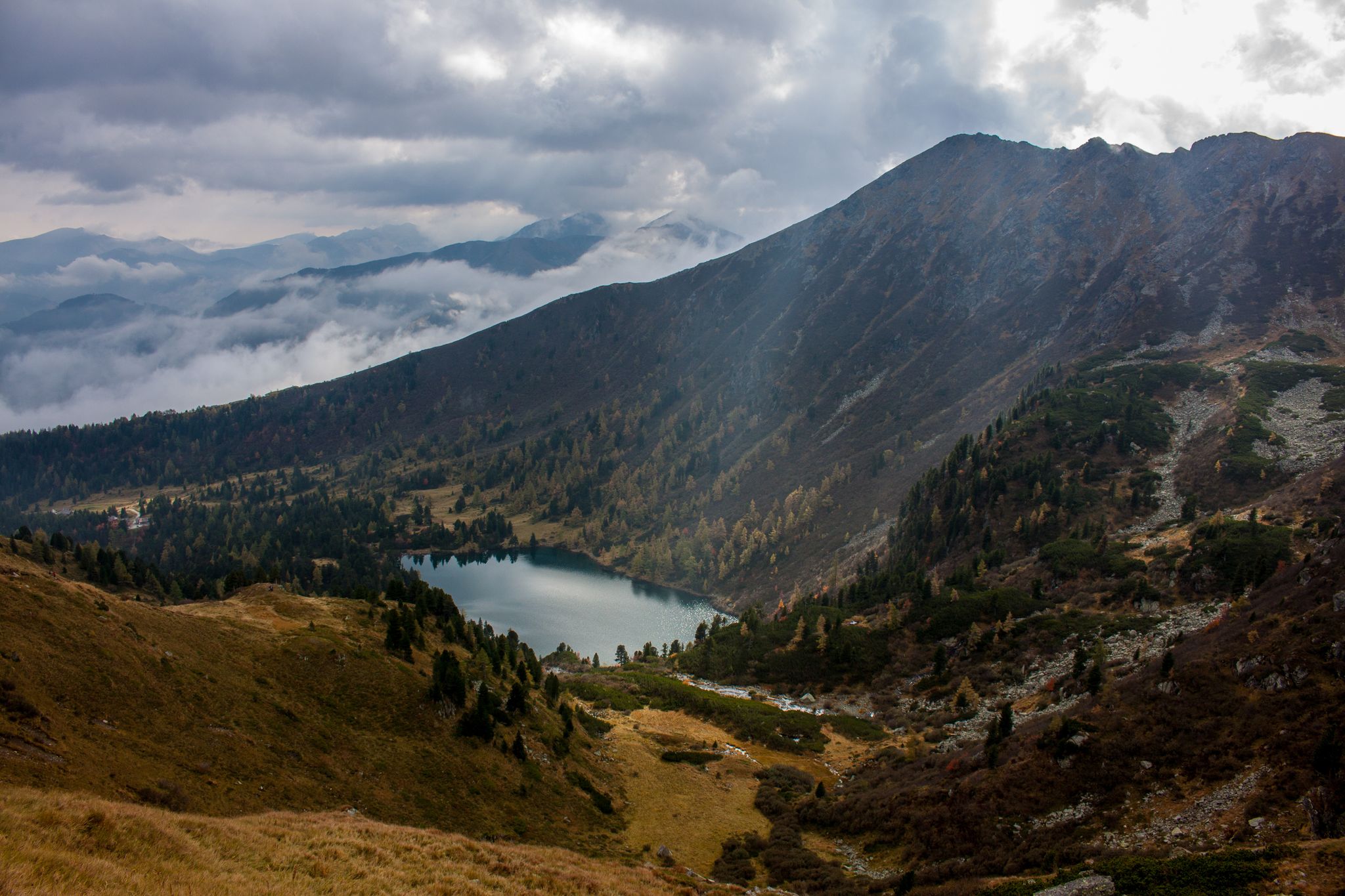
Berge mit unglaublichen Namen
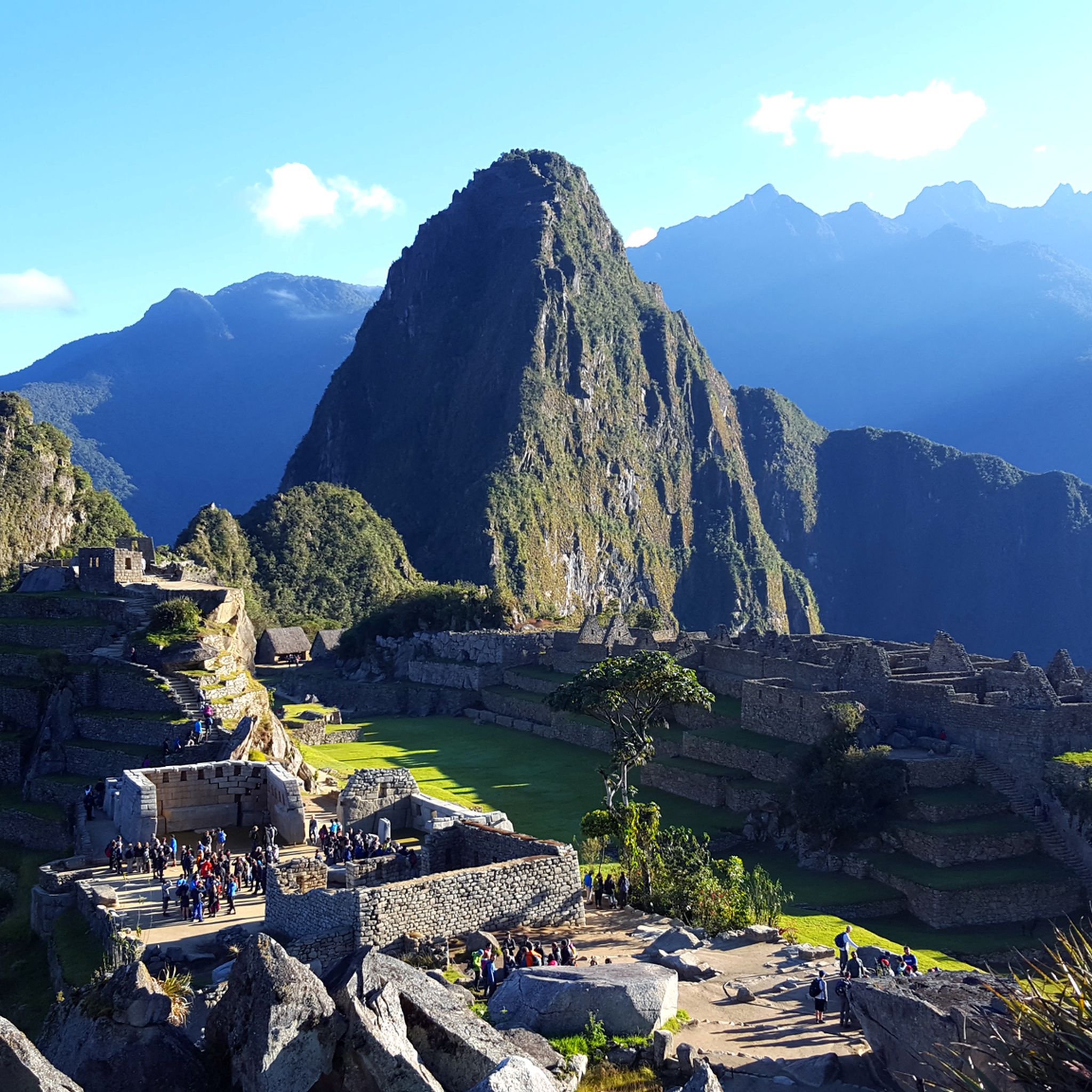
Hiking in Peru
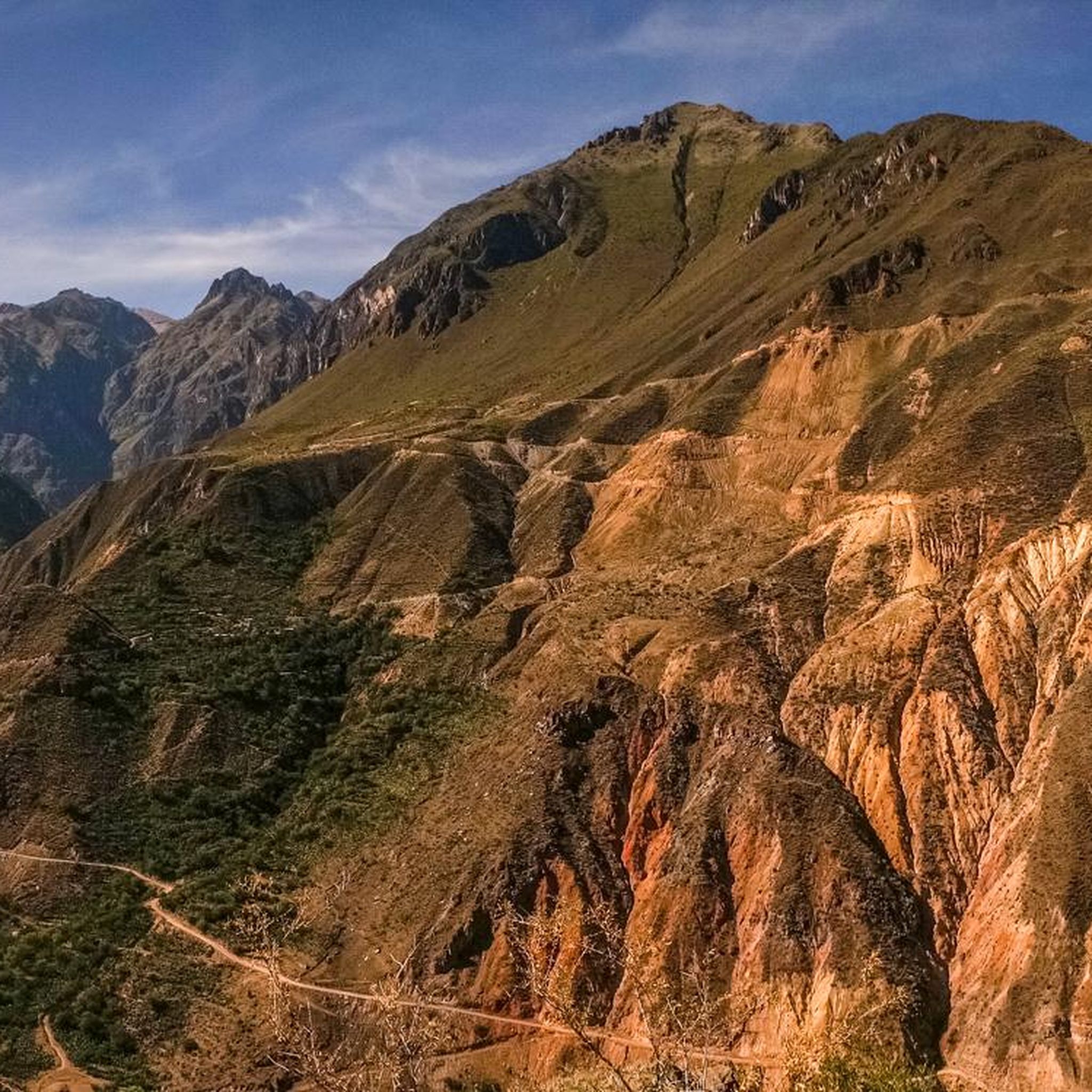
Running Trails in Peru
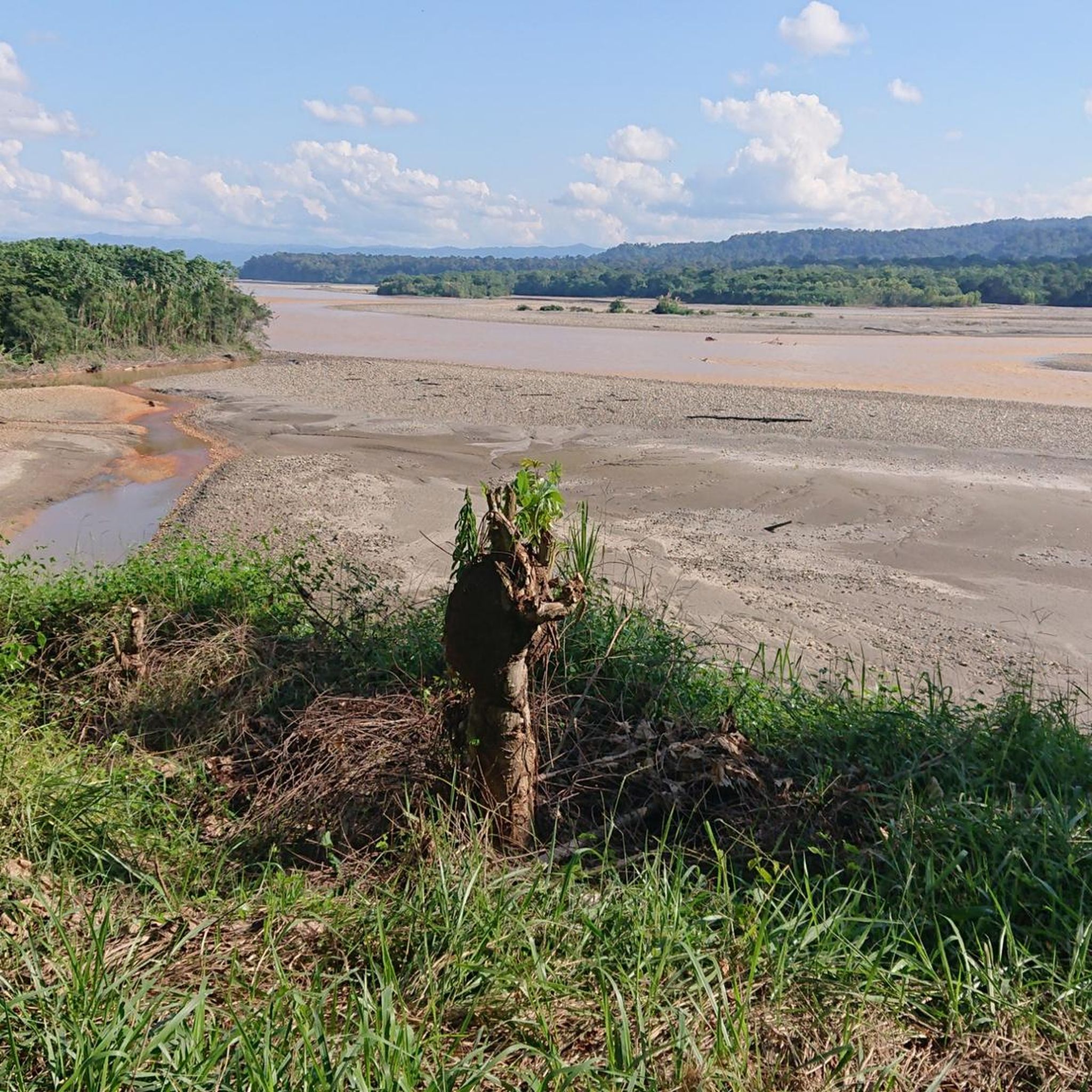
Cycling in Peru
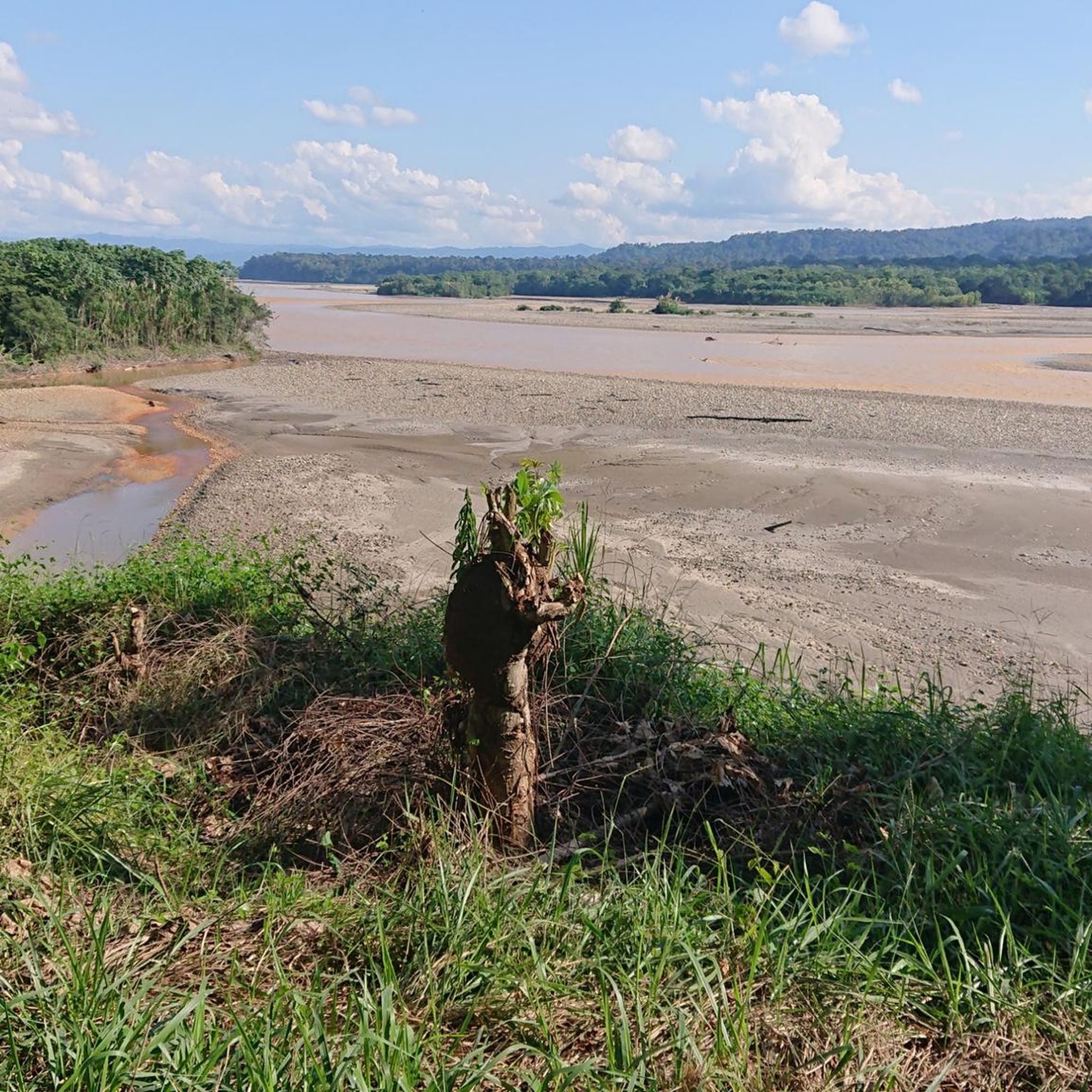
MTB Trails in Peru
Road Cycling Routes in Peru

Mountain Hikes in Peru
Other adventures in Peru


Tips from the Community

This is a must-see option for Rainbow Mountain. Minimal effort and stunning views. Absolutely worth it.
1
0


the most beautiful and incredible canyon I have ever cycled through
0
0

From the viewing point, a path leads past the salt terraces and later through a beautiful gorge down into the Urubamba Valley.
8
0

The Quebrada Santa Cruz mountain stream rises from the Nevado Taulliraju glacier (5,830 m) and crosses the high mountain range of the Cordillera Blanca from east to west. North of the Punto Union pass, the high mountain river is saturated by the outflow of the glacial lake Laguna Taullicocha. https://de.wikipedia.org/wiki/Quebrada_Santa_Cruz
1
0
The Rio Santa runs 200 km northward between the Cordillera Negra in the west and the Cordillera Blanca in the east and overlooks the fertile Callejón de Huaylas. To the south lies the summit of the Huayhuash Mountains. Huaraz, the largest town in Callejón, lies at an altitude of 3,000 m. In the valley north of Huaraz lie the towns of Carhuaz, Yungay and Caraz. https://en.wikipedia.org/wiki/Santa_River https://en.wikipedia.org/wiki/Huaylas_Street
1
0
The Quebrada Los Cedros is a 21 km long tributary of the Río Santa in the Cordillera Blanca in Peru. The high mountain river has its origins in the Laguna Jancarurish glacier lake at an altitude of around 4,290 m. This is fed by a glacier on the northern flank of the 6,036 m high Quitaraju and on the northwest flank of the 5,947 m high Alpamayo. https://de.wikipedia.org/wiki/Quebrada_Los_Cedros
1
0

30+ tunnels, from a couple of meters to around five longish ones. All tunnels are single lane with little shoulder, unlit and some with potholes. You MUST use headlights and rear flashers.
0
0
Frequently Asked Questions
What are some of the most prominent canyons in Peru?
Peru is home to several impressive canyons. Among the most well-known are the Colca Canyon, famous for its depth and condor sightings, and the Cotahuasi Canyon, considered one of the deepest in the world. The Apurímac Canyon also offers dramatic landscapes and condor observation opportunities. From the komoot community, highlights include the deeply cut Santa Teresa River Gorge and the scenic Quebrada Santa Cruz, formed by a glacial mountain stream.
Are there opportunities for wildlife spotting in Peru's canyons?
Yes, Peru's canyons are excellent for wildlife spotting. The Colca Canyon is renowned as one of the best places globally to observe the majestic Andean condor, particularly at the Condor Viewing Point in Geoparque Colca y Volcanes de Andagua. The Apurímac Canyon, especially its Chonta section, also offers a unique chance to see condors returning to their roosts at sunset. Beyond condors, you might spot vicuñas, alpacas, llamas, and various raptors.
What are the best canyons in Peru for hiking?
Many canyons in Peru offer fantastic hiking opportunities. The Colca Canyon provides multi-day treks to an oasis at its bottom, while Cotahuasi Canyon is ideal for extensive hiking in a wilder setting. For a unique experience, the Trail Past the Maras Salt Pans leads through a beautiful gorge into the Urubamba Valley. The Salkantay trek, passing through areas like the Colcapampa Valley, offers diverse views over cloud forests and ancient Inca paths.
Are there family-friendly canyon experiences in Peru?
While many canyons offer challenging adventures, some areas can be enjoyed by families. Options like the Trail Past the Maras Salt Pans provide accessible paths with stunning views. Visiting traditional villages in the Colca Valley or enjoying hot springs like La Calera can also be family-friendly activities. Always check the difficulty ratings for specific trails, as many canyon routes are intermediate to challenging.
What is the best time to visit Peru's canyons?
The best time to visit Peru's canyons is generally during the dry season, which runs from May to October. During these months, the weather is typically sunny with less rain, making hiking and outdoor activities more enjoyable and safer. The rainy season (November to April) can bring swollen rivers and more challenging conditions, especially in deeply cut canyons like the Santa Teresa River Gorge.
What kind of natural features can I expect to see in Peru's canyons?
Peru's canyons showcase a diverse range of natural features. You'll encounter towering cliffs, deep river valleys, and unique geological formations. Many canyons, like the Colca, feature ancient pre-Inca agricultural terraces still in use. Glacial outflows feed high mountain rivers in areas like Quebrada Santa Cruz. You can also find lush valleys, giant cacti, and hot springs, such as those near Colca and Cotahuasi.
What outdoor activities can I do near these canyons?
Beyond canyon exploration, the regions around Peru's canyons offer a variety of outdoor activities. You can find numerous running trails, cycling routes, and mountain hikes. For example, you can explore running trails in Peru, embark on cycling adventures, or tackle challenging mountain hikes. Whitewater rafting and kayaking are popular on rivers like the Cotahuasi and Apurímac.
Are there any less-known or off-the-beaten-path canyons to explore in Peru?
Yes, for those seeking a wilder and more intimate experience, the Cotahuasi Canyon is significantly less touristy than Colca and offers untouched nature. The Apurímac Canyon, particularly the Chonta section, also provides a less crowded condor observation experience. Other less-traveled areas include the Duck Canyon and the remote Quebrada Los Cedros, offering rugged adventure away from the main tourist routes.
What are some notable viewpoints near Peru's canyons?
Peru's canyons boast numerous breathtaking viewpoints. The Cruz del Condor in Colca Canyon is world-famous for observing Andean condors. The Condor Viewing Point in Geoparque Colca y Volcanes de Andagua also offers excellent condor sightings. For stunning geological formations, the Red Valley provides spectacular views with minimal effort. The View of the Colcapampa Valley offers diverse perspectives over cloud forests and rivers.
How difficult are the canyoning routes in Peru?
The difficulty of canyoning routes in Peru varies significantly. Some trails, like parts of the Trail Past the Maras Salt Pans, are intermediate and accessible. However, many canyons, such as the Duck Canyon and Quebrada Los Cedros, are rated as challenging, involving steep descents, river crossings, and rugged terrain. Whitewater rafting on the Cotahuasi and Apurímac rivers can reach Class V, requiring significant experience. Always check specific route details and consider guided trips for more challenging areas.
What cultural and historical sites can be found near Peru's canyons?
The regions surrounding Peru's canyons are rich in cultural and historical significance. The Colca Valley is dotted with traditional towns like Chivay, Yanque, and Maca, preserving ancestral traditions and offering insights into local culture. Ancient pre-Inca agricultural terraces are still in use within the Colca Canyon. Near Cotahuasi, you can find Inca and Wari ruins, as well as the ancient Toro Muerto petroglyphs, providing a glimpse into Peru's rich past.
Most popular attractions in Peru

Get inspired with the komoot mobile app


Didn’t find what you were looking for?
Want to see even more gorges? See the best ones in Peru region by region:
Explore more
Already discovered everything in this region? See additional gorges in Peru for your next adventure:
