Top 20 Caves in Norway
Caves in Norway present a diverse array of geological formations, shaped by millennia of natural processes. The country's landscape, characterized by ancient rock, glaciers, and a rugged coastline, provides conditions for various subterranean wonders. These sites offer insights into geological history and natural beauty beneath the surface.
Best caves in Norway
- The most popular caves is Trollkyrka - First Cave with underground waterfall, a cave that features an impressive underground waterfall and limestone sculptures. Headlamps are recommended for exploring its natural, untamed environment.
- Another must-see spot is Torghatten Cave, a sea cave with a distinctive 160-meter-long hole piercing through Mount Torghatten. This landmark was formed by sea ice and waves approximately 10,000 years ago.
- Visitors also love Bremsneshula Cave, a cave recognized as Norway's largest, extending 80 meters into the mountain. It is a significant archaeological site with finds from the 10,000-year-old Fosna culture.
- Norway is known for karst caves, sea caves, and ice caves. These include vast "mountain cathedrals" and narrow passages, offering a variety of subterranean experiences.
- The caves in Norway are appreciated by the komoot community, with 462 upvotes and 252 photos shared across various highlights.
Last updated: October 12, 2026
Trollkyrka - First Cave with underground waterfall
Highlight • Cave
Be sure to pack warm clothing and a flashlight to enter the cave.
Surefootedness Required!!
Translated by Google •
Tip by

Torghatten Cave
Highlight • Cave
Translated by Google •
Tip by

Sign up now to discover places like this
Get recommendations on the best single tracks, peaks, & plenty of other exciting outdoor places.
Brufjell Caves
Highlight • Cave
From the Brufjell summit, you can descend to Brufjellhålene. The path is very steep and exposed. Steel steps and steel cables have been installed for climbing the steepest sections (a short via ferrata without safety equipment). Nevertheless, this section is dangerous, especially in wet conditions and with improper footwear! Dogs cannot negotiate this route.
Don't be too tempted by the cave photos; some visitors are disappointed because the caves are smaller than they appear in the photos. The real attraction are the eroded rock formations directly above the surf.
Translated by Google •
Tip by
Trollkyrkja - Third Cave Entrance and Waterfall
Highlight • Cave
Translated by Google •
Tip by

Trollholene Caves
Highlight • Cave
The first service was held here in 1911. A large number of people rowed to the lakeshore for this service.
Then there was a break in service until 1988. The new parish pastor, Mr. Torfinn Moen, made this cave service an annual tradition.
About 10,000 years ago, during the last Ice Age, and before the land rose, these caves were carved out by water.
Translated by Google •
Tip by

Waterfalls on the Trail to Trollkirka
Highlight • Waterfall
Translated by Google •
Tip by
River Cave at Flåm Railway
Highlight • Cave
Translated by Google •
Tip by
Ladder to the Second Cave at Trollkyrkja
Highlight • Cave
Translated by Google •
Tip by

Trollkirka Information Board
Highlight • Rest Area
Translated by Google •
Tip by
Mine Tunnel near Evje
Highlight • Cave
Translated by Google •
Tip by

Sign up for free to discover even more caves in Norway.
Already have an account?
Start today with a free account
Your next adventure awaits.
Popular around Norway
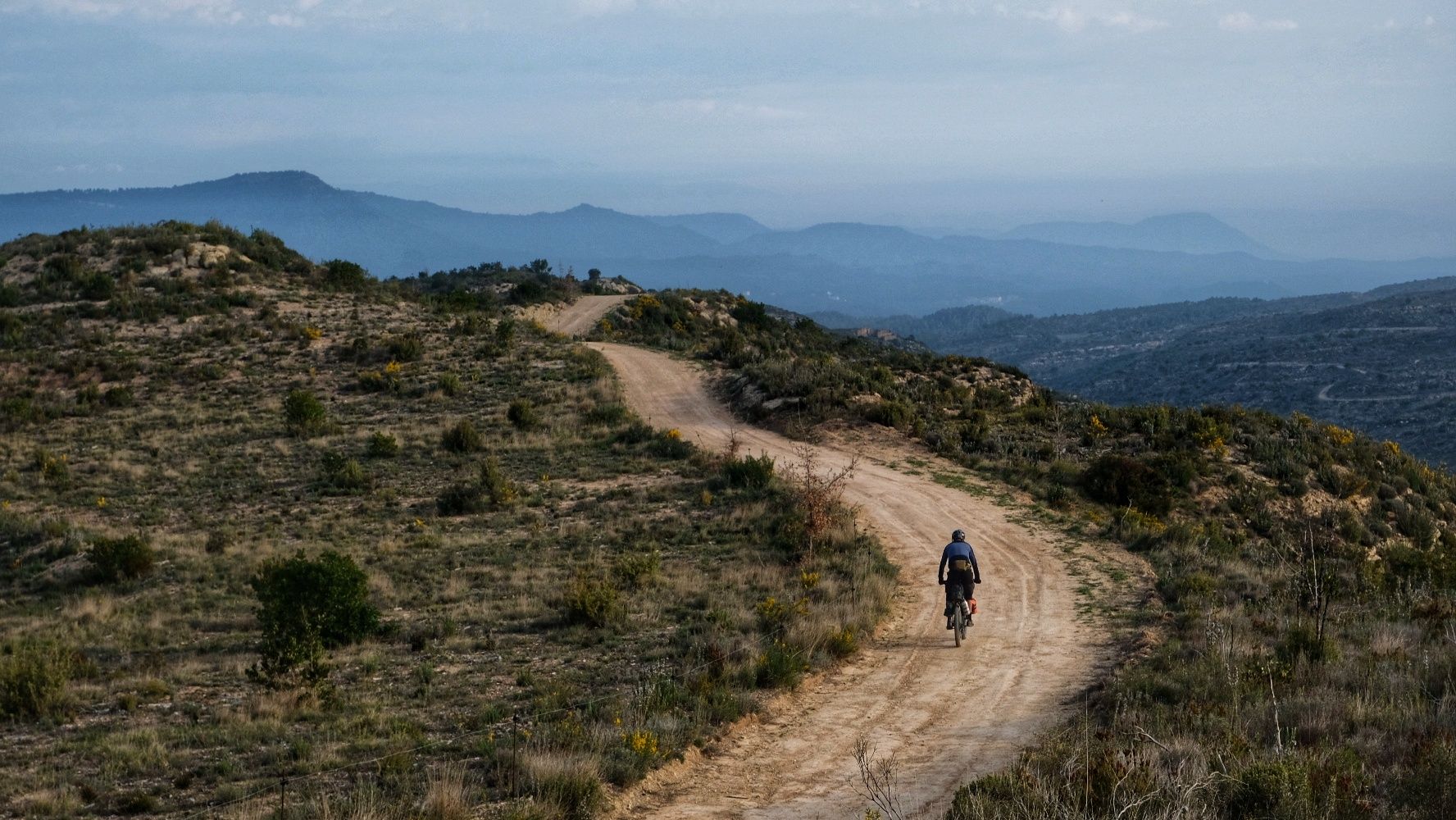
European Divide Trail — 7,600 km across the continent
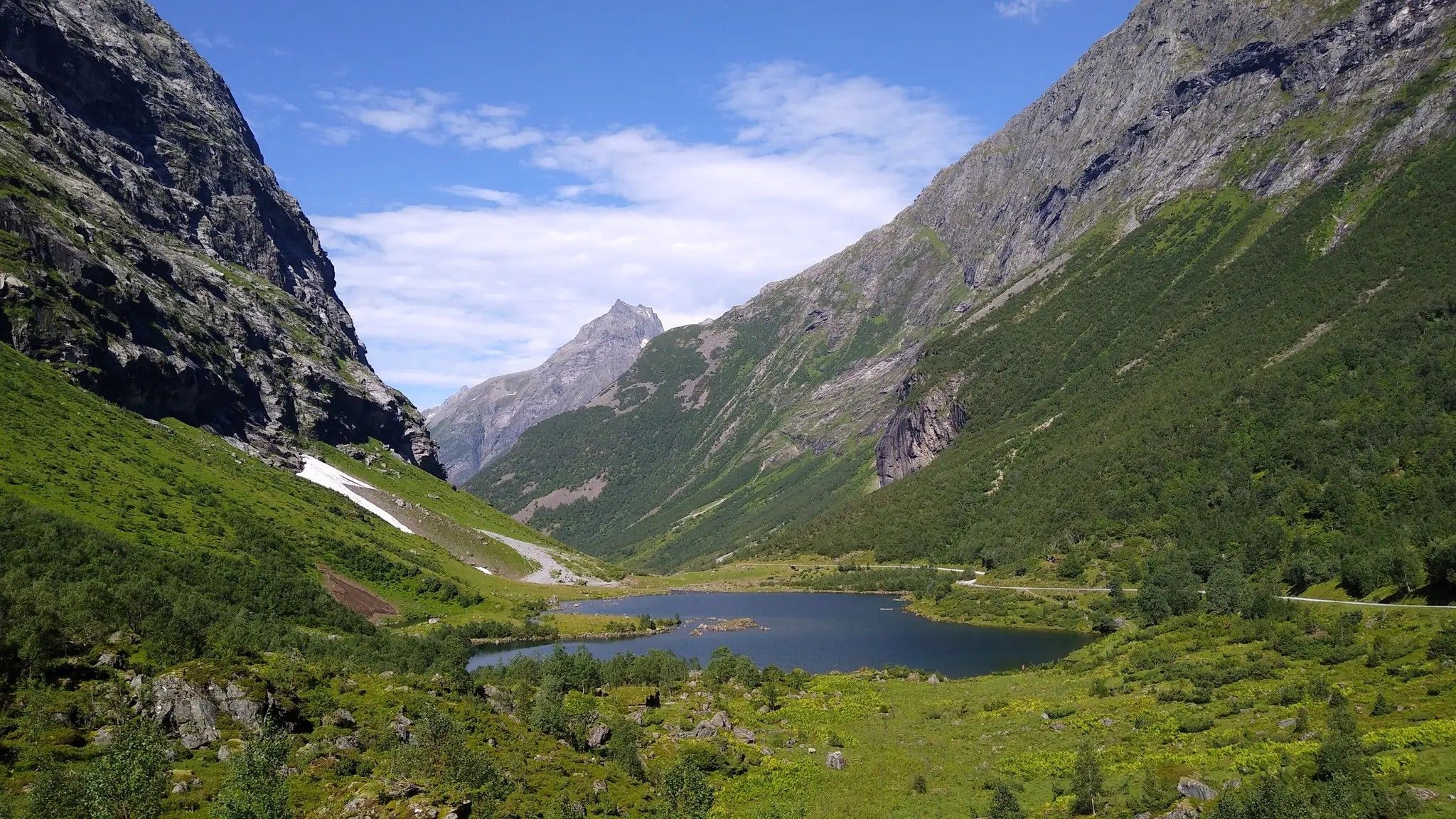
Hjørundfjorden Rundt — exploring the ancient Sunnmøre Alps
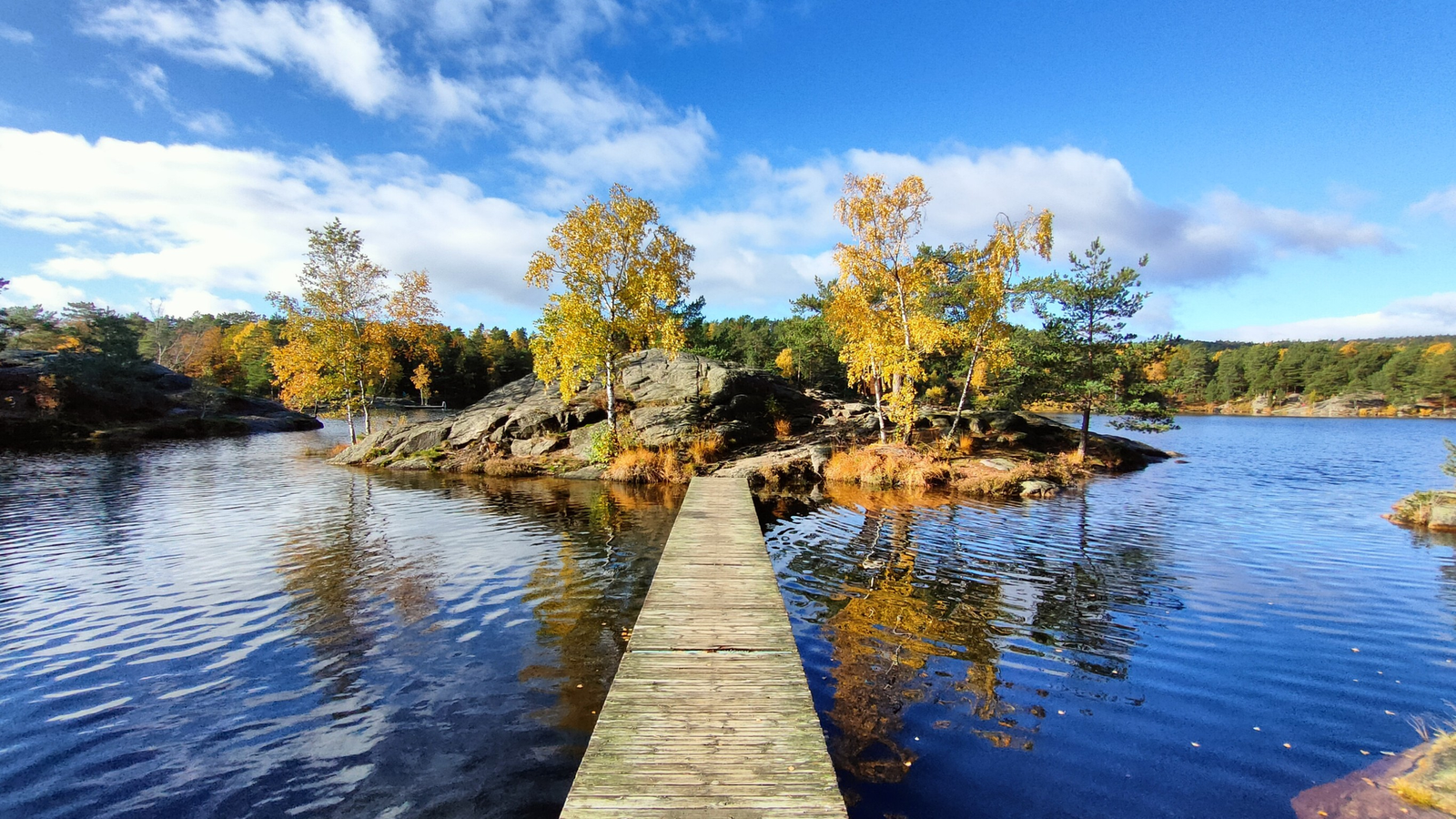
The Child Wanderer Path – Kvinesdal to Landvik
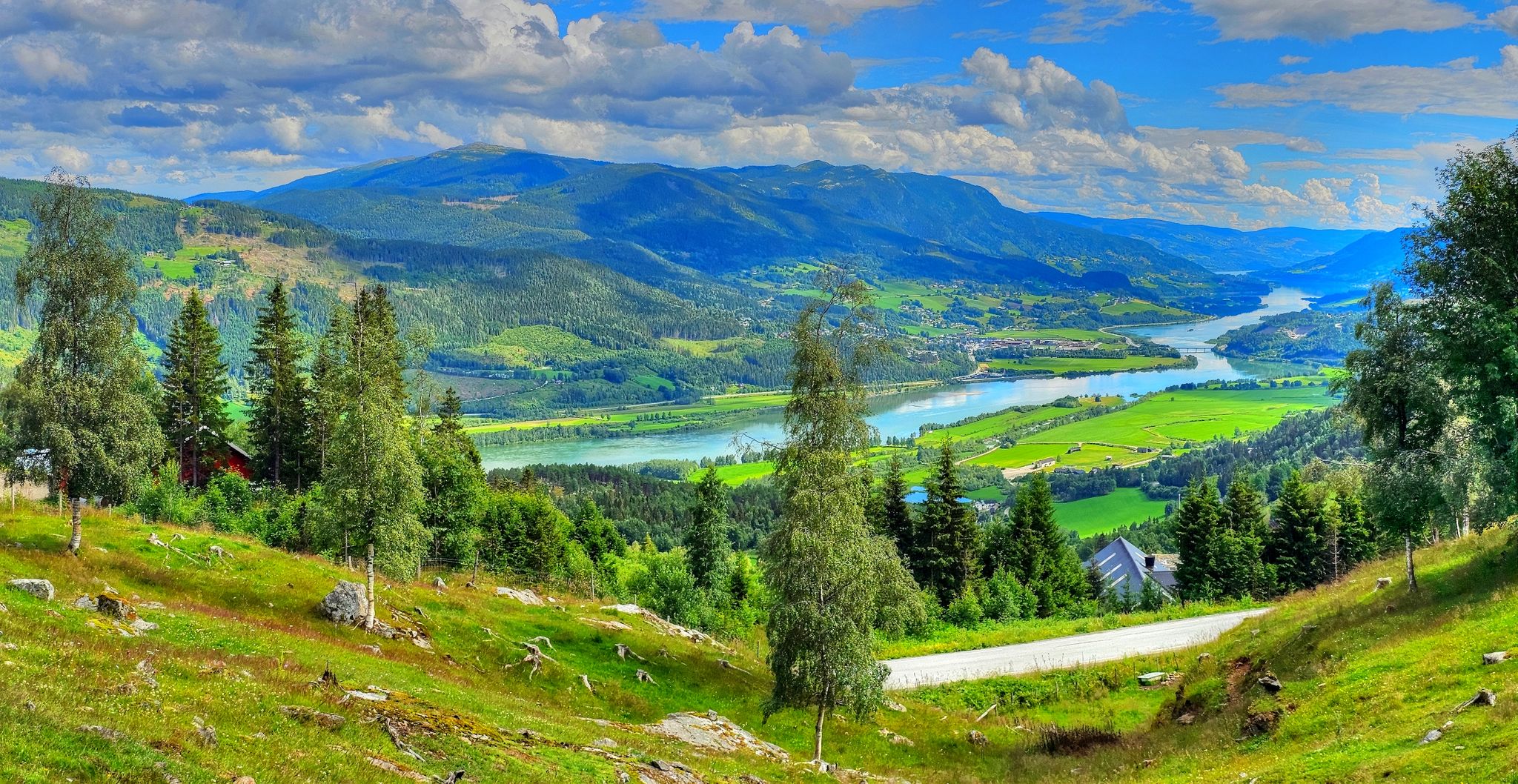
Pilgrim Route – An epic journey across Norway
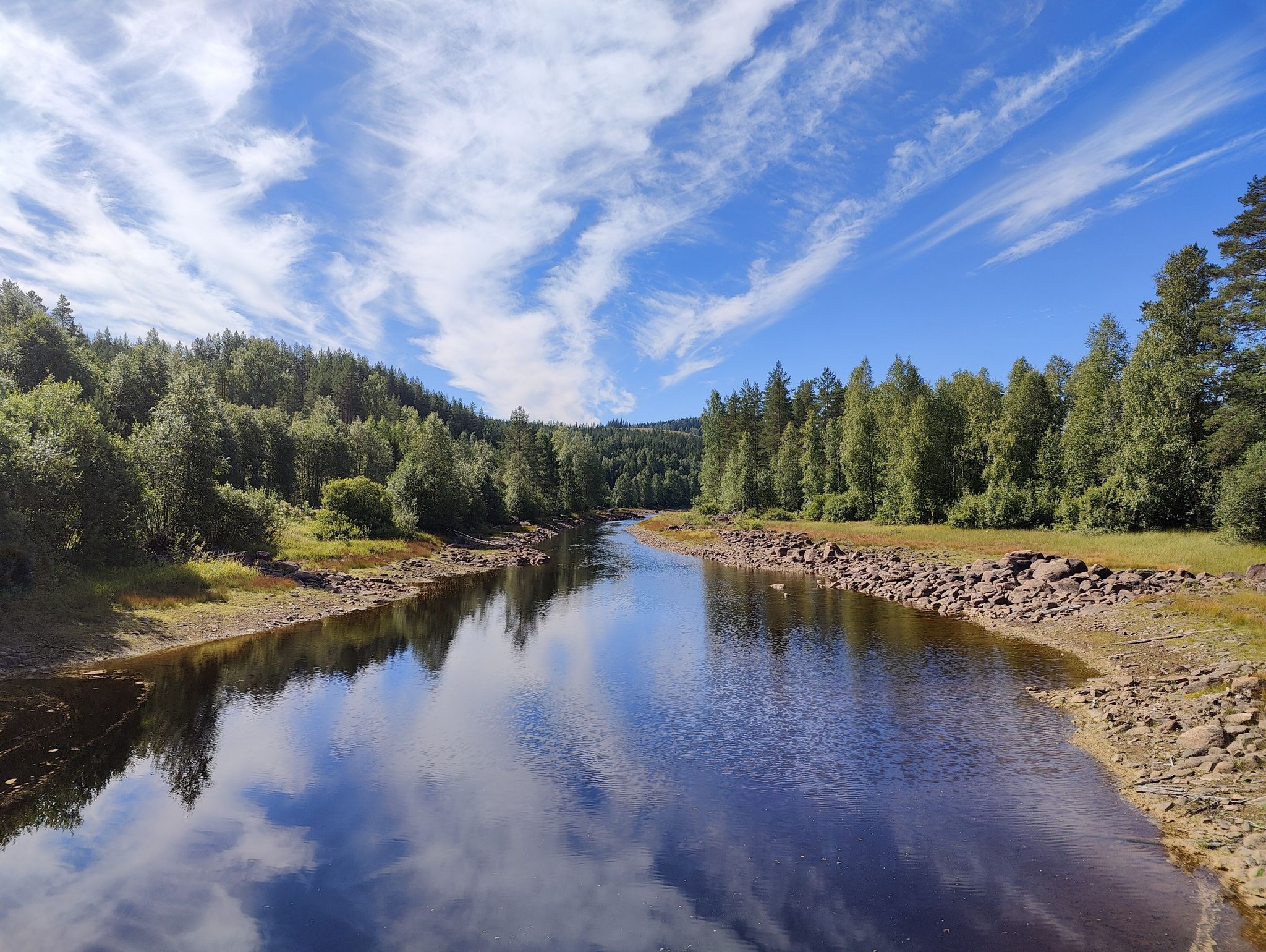
Finnskogleden – Hiking the Beautiful and Historic Forest of the Finns
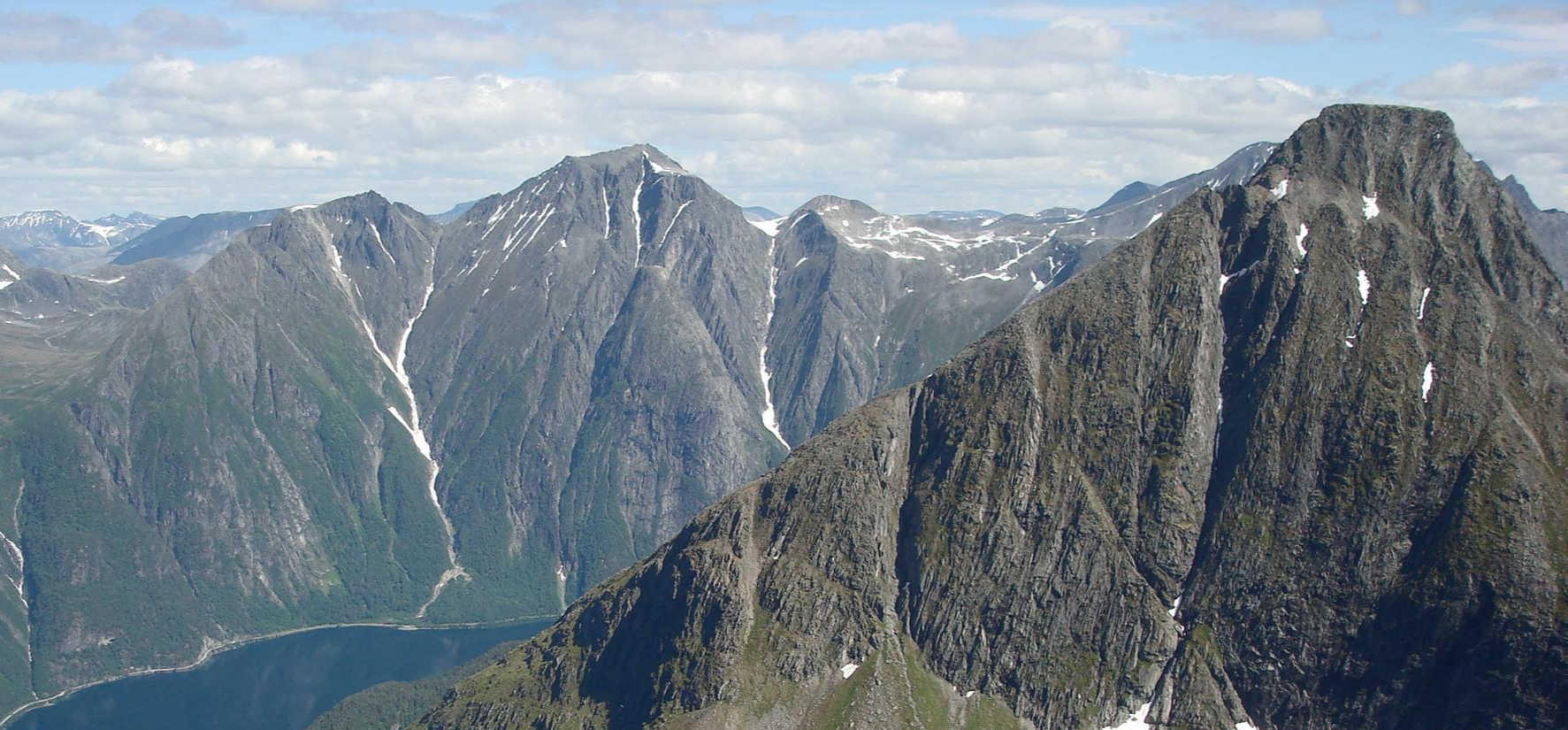
SignaTUR Romsdalstien – From the fjord to majestic mountains
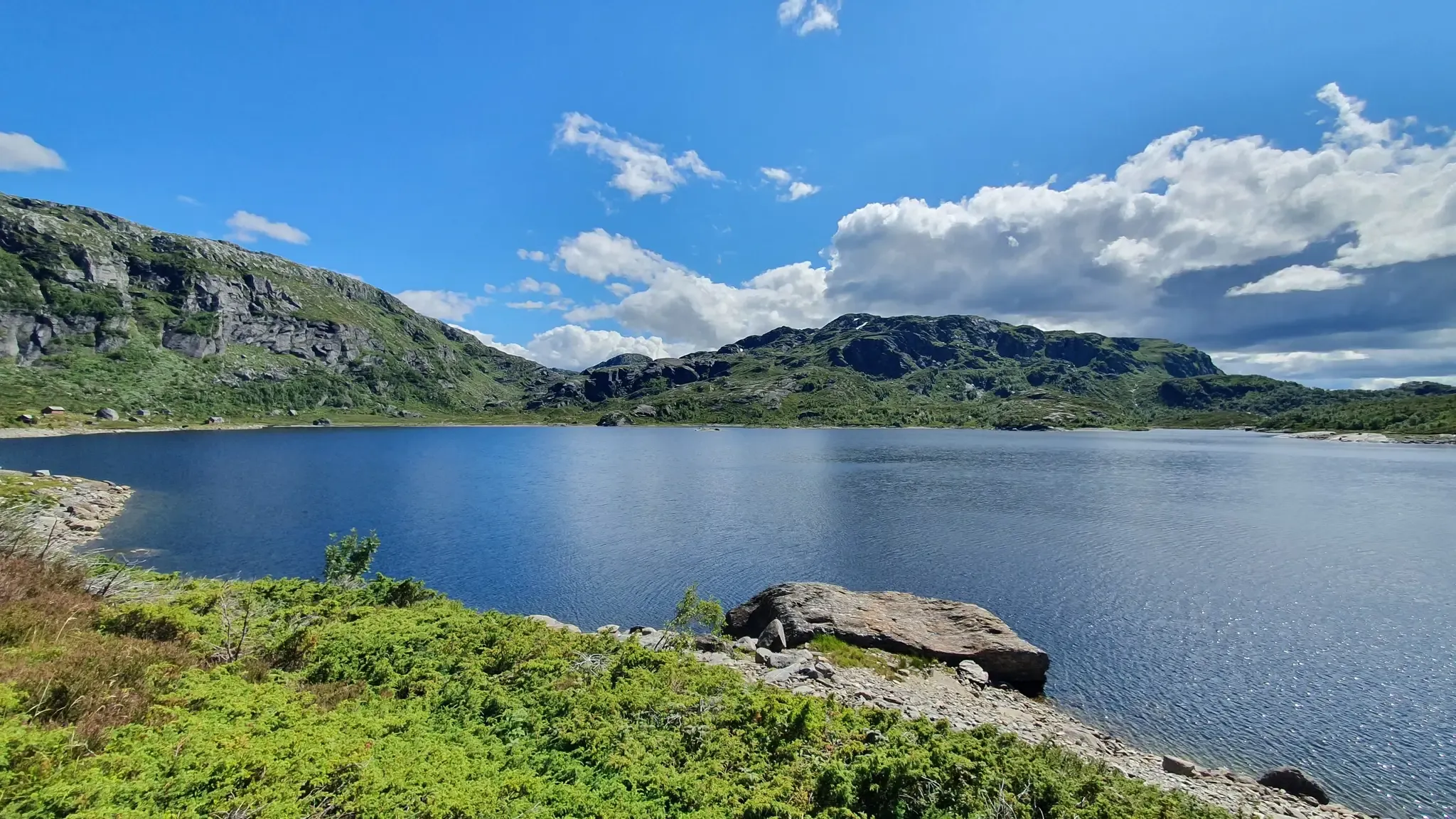
SignaTUR Gullruta i Etnefjellene – Trekking Norway's Golden Route
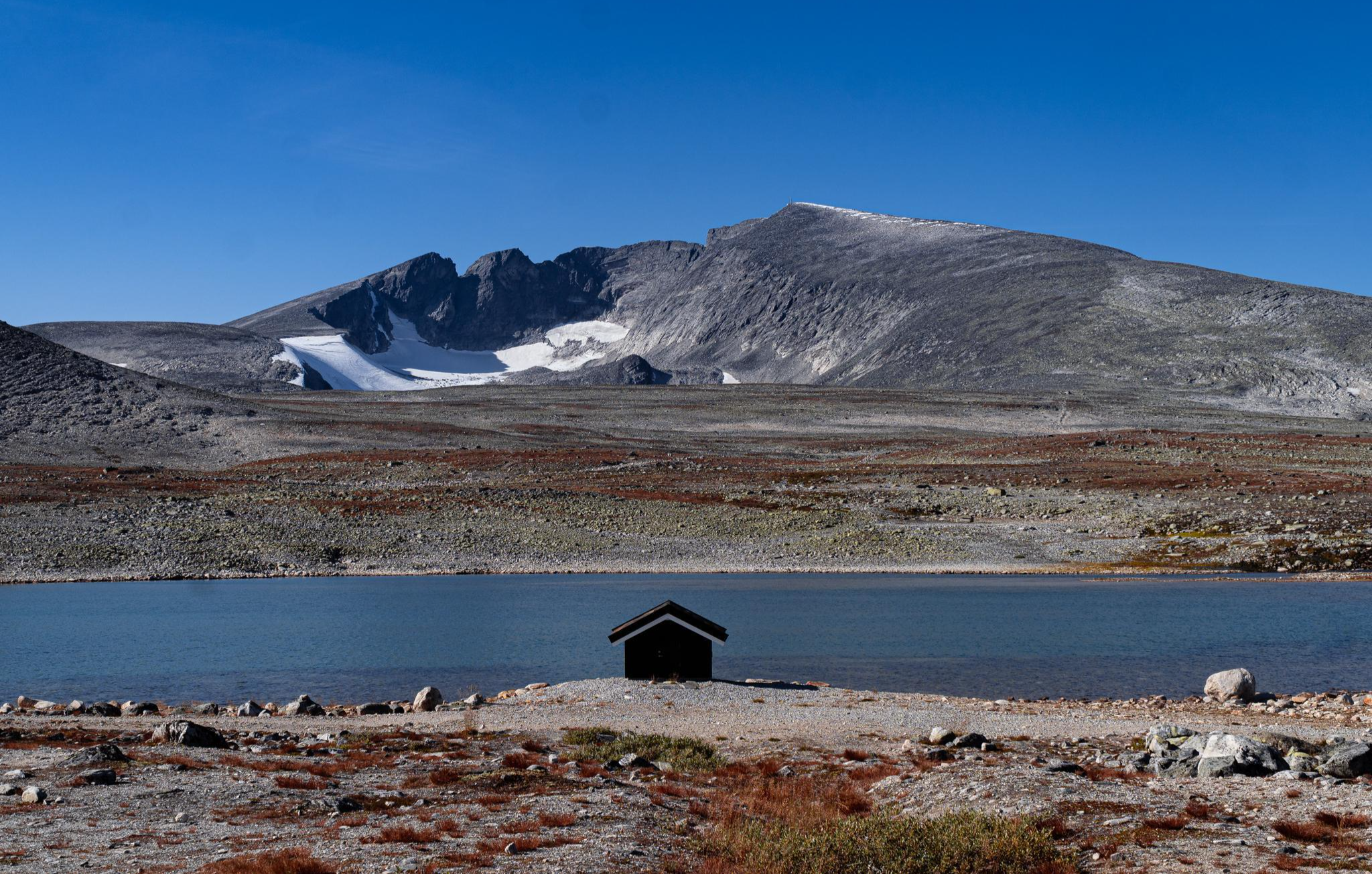
SignaTUR SAGA – Reindeer, wild trails and mighty peaks
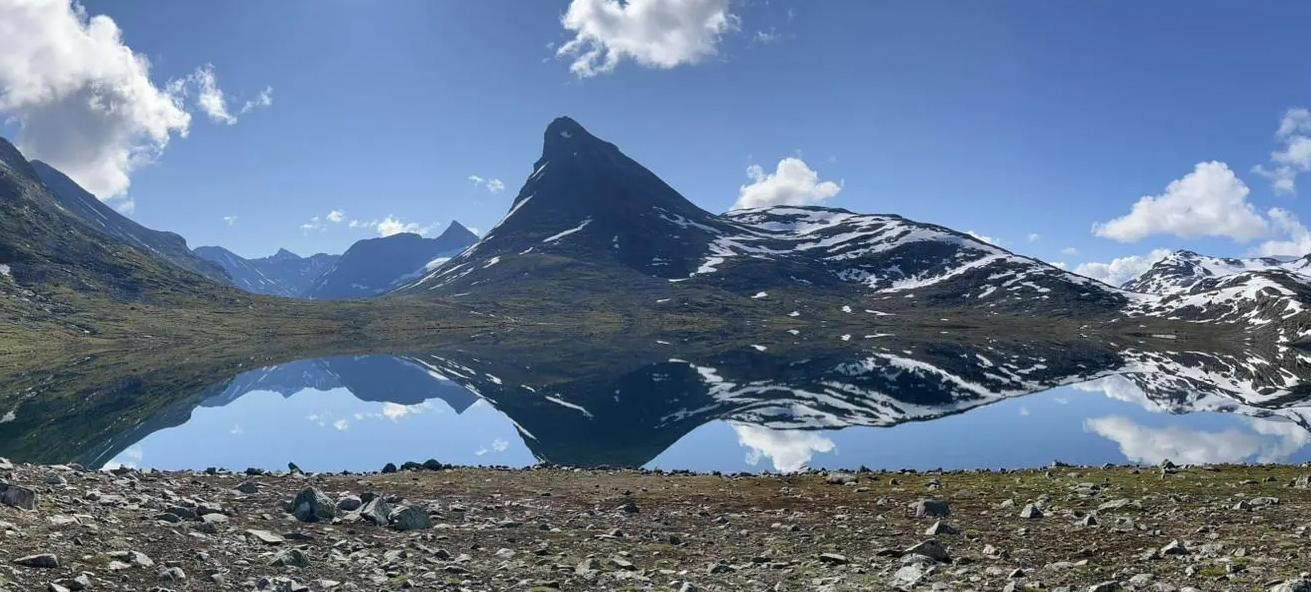
SignaTUR Omveien – Vast wilds, epic peaks and deep valleys
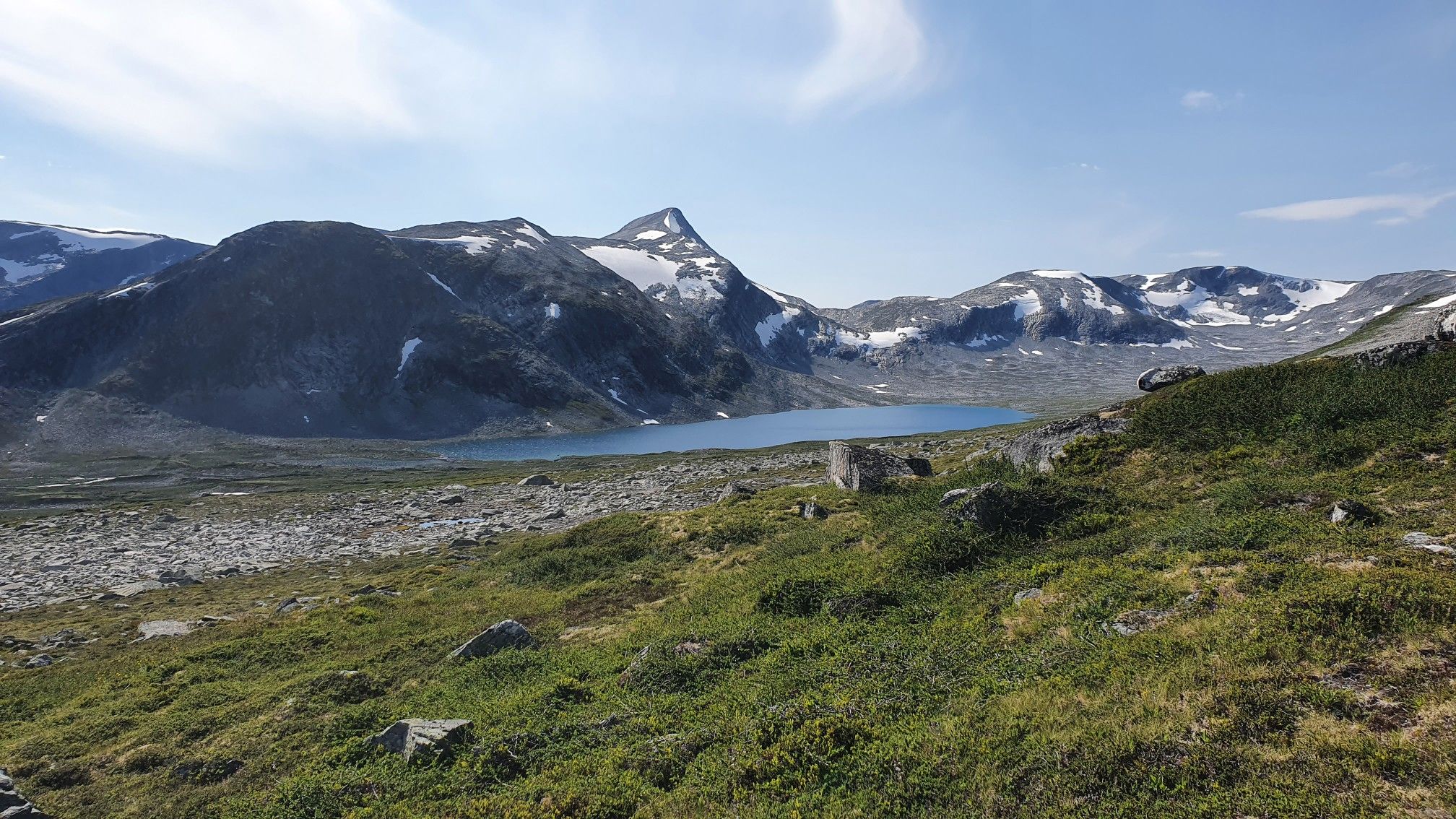
SignaTUR i Tafjordfjella – Into Møre og Romsdal's mountainous wilds
Other adventures in Norway


Tips from the Community

In fact the 3rd cave and not much too see, but the water droplets are beautiful. Dont go too deep you just get dirty lol
0
0

To run hunched over, distance difficult to estimate, but would estimate significantly more than 30 m. Absolutely dark, mobile phone light provides some security, flashlight is better.
1
0

Here, too, one can see the enormous power of water.
0
0

Take water with you for the journey!
0
1
No fear of heights and no fear of water. Anyone who has made it this far can certainly balance on wet stones...
0
0

Don't make the mistake of letting the entrance scare you off. It's worth it :)
0
0

The ladder looks intimidating, but is well secured at the most dangerous points. The descent into the second cave, with another waterfall, is worth it.
0
0
Frequently Asked Questions
What types of caves can I explore in Norway?
Norway offers a diverse range of caves, including karst caves formed by dissolving soluble rocks like limestone and marble, sea caves carved by ocean waves and ice, and stunning ice caves found within glaciers. Each type provides a unique subterranean experience.
What makes Norwegian caves unique?
Norwegian caves are unique for their varied geological features, from intricate limestone formations and underground waterfalls to sea-carved tunnels and mesmerizing blue ice. Many also hold significant historical and archaeological treasures, including traces of ancient human habitation and medieval religious sites.
Are there family-friendly caves in Norway?
Yes, some caves are suitable for families. For instance, Grønligrotta in Rana is well-appointed with electric lighting, stairs, and paved footpaths, making it accessible for a wider range of visitors. Torghatten Cave is also easily accessible, allowing families to explore its distinctive hole independently.
What is the best time to visit caves in Norway?
The best time depends on the type of cave. Karst and sea caves like Grønligrotta are generally best visited during the summer months when guided tours are available. Ice caves, such as Nigardsbreen Ice Cave, are typically more stable and recommended for visits during winter, often combined with other winter activities.
What equipment do I need for caving in Norway?
For natural, untamed caves like Trollkirka, a headlamp, warm clothing, and surefootedness are highly recommended due to wet and muddy conditions and climbing over boulders. For ice caves like Nigardsbreen, specialized equipment such as headlamps, crampons, and helmets are often required and provided on guided tours.
Are there accessible caves for all fitness levels?
Accessibility varies greatly. Grønligrotta is known for its paved paths and lighting, making it suitable for many visitors. However, caves like Setergrotta and the Brufjell Caves require physical fitness and an adventurous spirit, with challenging paths, narrow passages, or steel steps and cables.
Can I find guided tours for caves in Norway?
Yes, guided tours are available for several caves. Grønligrotta offers guided tours throughout the summer. For more adventurous experiences, guided tours are recommended for Setergrotta, and ice caves like Nigardsbreen are typically explored with a guide for safety and equipment provision.
What is special about <a href="https://www.komoot.com/highlight/305022" target="_blank" rel="noopener">Trollkirka</a>?
Trollkirka, or 'The Trolls' Church,' is a karst cave system near Molde famous for its dramatic interior, including a spectacular 14-meter underground waterfall plunging into a white marble pool, and stunning limestone sculptures. It's accessible via a steep hike and requires a headlamp for exploration.
What is the <a href="https://www.komoot.com/highlight/274105" target="_blank" rel="noopener">Torghatten Cave</a> known for?
The Torghatten Cave is an iconic sea cave near Brønnøysund, famous for a distinctive 160-meter-long hole piercing straight through Mount Torghatten. This geological marvel was formed by sea ice and waves approximately 10,000 years ago, and local folklore attributes its creation to a troll king's hat.
Where can I find archaeological insights in a Norwegian cave?
Bremsneshula Cave, located on the southern side of Bremsneshatten mountain in Averøy, is Norway's largest cave and a significant archaeological site. Numerous artifacts from the 10,000-year-old Fosna culture have been discovered there, indicating its use as an ancient dwelling.
Are there any ice caves to visit in Norway?
Yes, the Nigardsbreen Ice Cave, nestled under the Nigardsbreen glacier in Luster, offers a stunning experience. This ephemeral marvel showcases vibrant blue ice, icicles, and snow crystals formed by glacial meltwater. Access is typically through guided tours, often combined with glacier hiking or snowshoeing.
What kind of adventure can I expect at Setergrotta?
Setergrotta, near Mo i Rana, offers an extensive and adventurous caving experience. It features huge cathedral-like chambers, narrow passages, diverse limestone formations, and an underground river. Exploring it requires physical fitness and an adventurous spirit, though no prior caving experience is needed for guided tours.
Can I visit a cave with historical religious significance?
Yes, Mikaelshulen (Mikael's Cave) in Telemark is notable for its historical use as a Catholic church dedicated to Archangel Michael during the Middle Ages. It was an important pilgrimage site and retains a sacred atmosphere, accessible by boat or a steep path.
What outdoor activities can I do near caves in Norway?
Many caves are situated in areas rich with outdoor activities. You can find MTB Trails, Mountain Hikes, and Gravel Biking routes nearby. For example, you could combine a cave visit with a challenging mountain hike or a scenic gravel bike ride through the Norwegian landscape.
Most popular routes in Norway
Most popular attractions in Norway

Get inspired with the komoot mobile app


Didn’t find what you were looking for?
Discover more caves in Norway region by region:
Explore more
Extend your search for the best caves by checking out these guides of the top ones in Norway:
