Top 20 Caves around Hochwald
Best caves around Hochwald are found within a diverse landscape featuring gorges, natural monuments, and historical sites. This region offers a blend of natural beauty and archaeological significance, with many areas providing insights into prehistoric human activity. Visitors can explore various cave types, from those offering shelter to early humans to small grottoes within landscaped gardens. The area is characterized by its varied terrain, including impressive rock walls and serene forest environments.
Best caves around Hochwald
- The most popular caves…
Last updated: June 26, 2026
Kaltbrunnental Gorge
Highlight • Gorge
Translated by Google •
Tip by

Chaltbrunnental Nature Reserve
Highlight • Gorge
There is also a karst educational trail through the valley, …
Translated by Google •
Tip by
Sign up now to discover places like this
Get recommendations on the best single tracks, peaks, & plenty of other exciting outdoor places.
Sign up for free
Ermitage Arlesheim Landscape Garden
Highlight • Natural Monument
Translated by Google •
Tip by

Schalberg Cave
Highlight • Cave
Translated by Google •
Tip by

Kastel Cave
Highlight • Cave
A light source is very helpful.
Translated by Google •
Tip by
Sign up for free to discover even more caves around Hochwald.
Sign up for free
Already have an account?
Start today with a free account
Your next adventure awaits.
Login or Signup

Tips from the Community

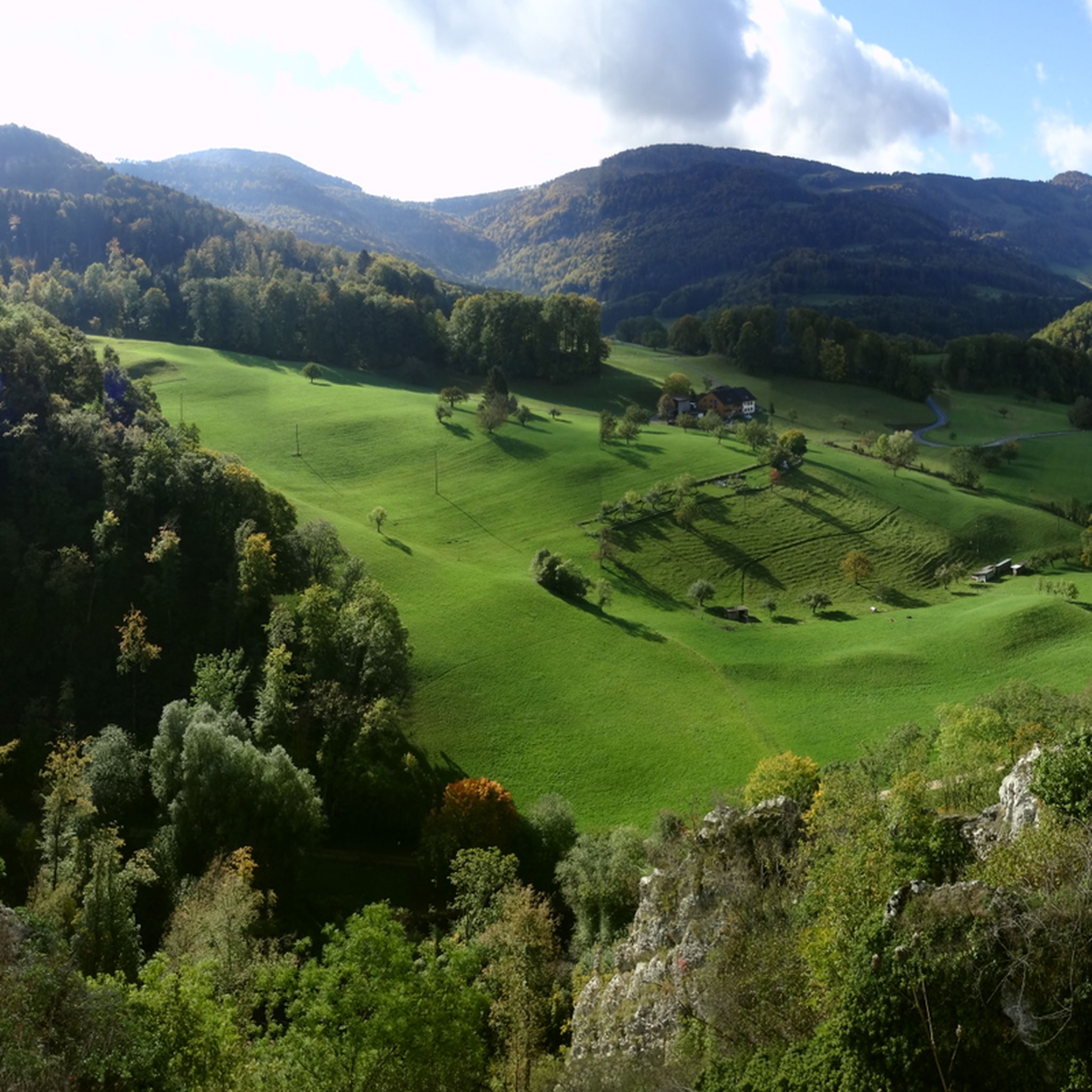
In addition to its scenic beauty, the Kaltbrunnental Valley is a great outdoor playground for families. The stream offers fun activities and children's canyoning, easy access to the water, and barbecue areas are available. A hot tip, especially in summer.
1
0


Already 12,000 years ago, gatherers and hunters used the protection of the caves in Chessiloch.
2
0

Very interesting cave in which numerous archaeological finds from prehistoric times (Magdalenian culture, Neanderthals, Paleolithic) were made.
1
0

A beautiful tour for cave explorers, goblin fans, nature lovers, historians ...
1
0

The Ermitage is a large and lovingly designed green area from 1785, with three idyllic ponds, several romantic grottos, historical buildings, pretty walking paths between the shore and the edge of the forest and, on top of it all, the castle ruins of Bierseck Castle, as the crowning glory of the whole. It is a wonderful place for physical and mental relaxation, but those seeking peace and quiet should visit outside of the holidays or weekends. It is a real visitor magnet. Warning! The grottos can only be reached on foot and via steep stairs. The rest of the garden is mostly wheelchair accessible and suitable for pushchairs. There are no parking spaces directly at the Ermitage! Free entry!
0
0

Fine cookie. "Made with love".
1
0

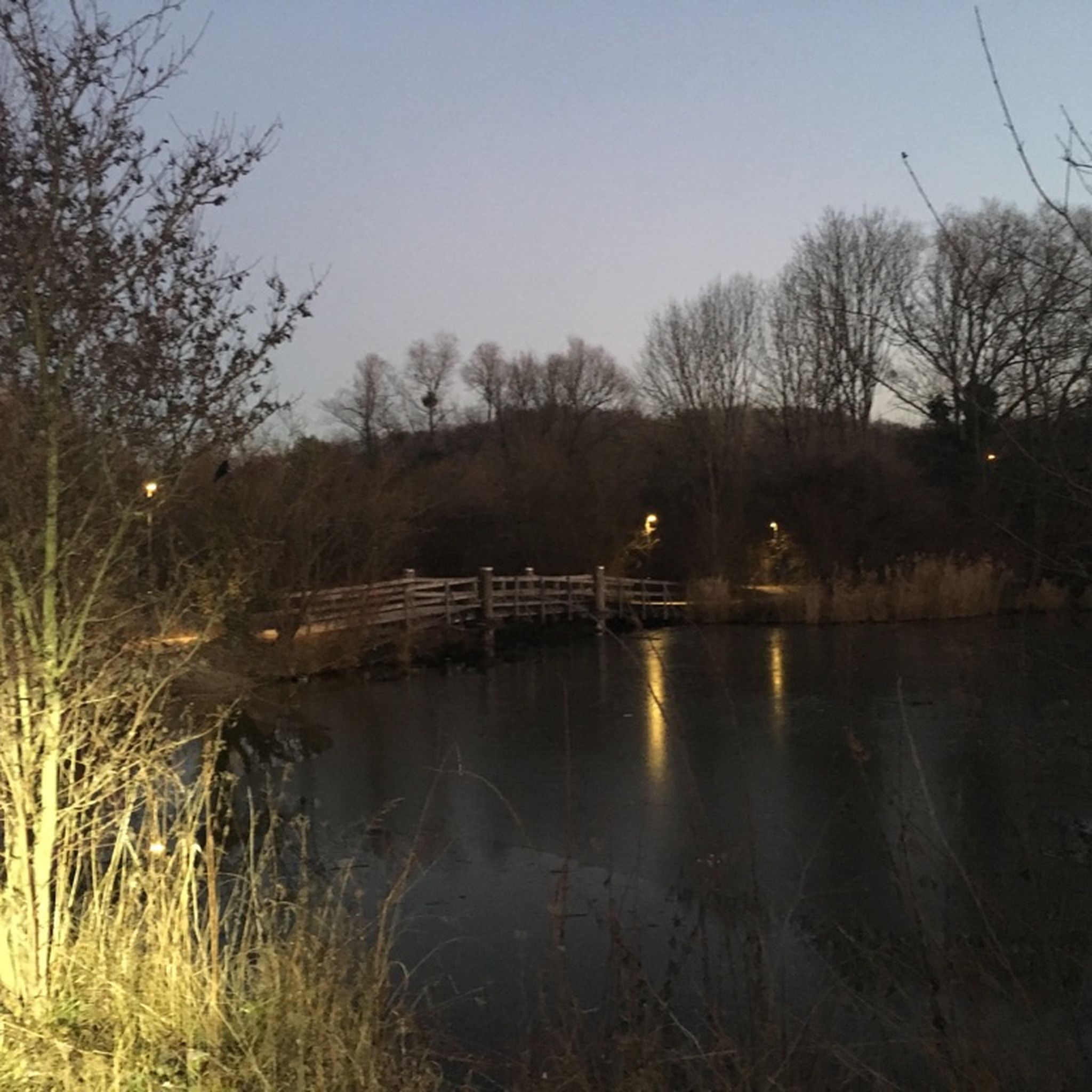
The Hermitage in Arlesheim is a romantic landscape garden based on the English model. It is a place of silence, peace, contemplation, and for some even a place of strength. The meandering, playful paths make you want to discover the various nooks and crannies of the Hermitage. Here you can meet the hermit Brother Klaus or discover small cave entrances. The Hermitage also has a beautifully landscaped pond. The wooden footbridge that leads into the pond invites you to linger. The Hermitage has its charm in every season. It was opened in 1785. There is so much to say and learn about the Hermitage that it is worth taking part in one of the regular tours. Ask the Arlesheim Tourist Office or the "Friends of the Hermitage" association. Towards the end of the 18th century, the largest English garden in Switzerland was created on the Birseck castle hill. English gardens combine the natural landscape with artificial elements that are based on nature. Observation platforms, waterfalls, suspension bridges and hermits' cells were created, which were connected by winding paths. Even in ancient times, the area around the Ermitage was apparently a sacred landscape. Finds in the caves prove that this area was already inhabited in the Stone Age. "The sensitive people who live close to nature must have always noticed the high vibrations at the Ermitage, which is why it can be assumed that the hill with its caves has been the home of wise women and men for thousands of years." And even today, a secret hovers over the landscape. There are intense power spots right next to the grotto complex in the entrance area, at the rock overhang at the carousel square or on the square of the Temple Rustique. These are the power spots whose vibrations help to open the inner eyes. The Ermitage has become a true place of pilgrimage for many who know the importance of such places and appreciate their influence. Source: Pier Hänni, Magical Jura. Hikes to places of power from Schaffhausen, via Basel to the Neuenburg Jura, AT Verlag, Baden and Munich, pp. 76-80.
1
0
Frequently Asked Questions
What types of caves can I explore around Hochwald?
The Hochwald region offers a diverse range of cave experiences. You can find archaeological caves that provided shelter to prehistoric people, natural grottoes within scenic landscapes, and small caves integrated into historical gardens. Examples include the ancient dwellings in Kastel Cave and the small caves within the Ermitage Arlesheim Landscape Garden.
Are there family-friendly caves or trails suitable for children?
Yes, several areas around Hochwald are suitable for families. The Ermitage Arlesheim Landscape Garden, with its small caves and extensive grounds, is family-friendly. The Kaltbrunnental Gorge also offers easy hiking trails and is described as a nice recreation area, making it suitable for families.
What historical or archaeological significance do the caves in Hochwald have?
Many caves in the Hochwald region hold significant historical and archaeological value. For instance, the caves in Chessiloch within the Kaltbrunnental Gorge provided protection for gatherers and hunters 12,000 years ago. Kastel Cave was also a dwelling for prehistoric people. The Schalberg Cave is particularly notable for archaeological finds, including flint tools, Ice Age fauna remains, and even human bones, indicating its use as a burial site and dwelling over various periods.
What are the geological features of the caves and surrounding areas?
The region is characterized by varied terrain, including impressive rock walls and gorges. The Kaltbrunnental Gorge showcases how the stream snakes through the valley, framed by these rock formations. The Chaltbrunnental Nature Reserve features a karst educational trail, offering insights into the geological processes that formed the many caves in the area.
What should I wear or bring when exploring caves in Hochwald?
For caves like Kastel Cave, a light source (like a flashlight) is highly recommended as some passages can be dark. For more challenging caves like Schalberg Cave, good footwear and sure-footedness are essential due to narrow, winding passages and potentially uneven terrain.
Are there any challenging caves for experienced explorers?
Yes, the Schalberg Cave is described as a narrow, winding passage that requires good footwear and sure-footedness, making it suitable for those seeking a more challenging exploration experience.
What outdoor activities can I do near the caves around Hochwald?
The Hochwald area offers various outdoor activities. You can find numerous mountain hikes, such as the 'Chastelbach Waterfall – Kaltbrunnental Gorge loop' or the 'Neu-Thierstein Castle – Kaltbrunnental Stream loop'. There are also cycling routes and road cycling routes available. For more details, explore the Mountain Hikes around Hochwald or Cycling around Hochwald guides.
Are there hiking trails that pass by or through caves?
Yes, the Kaltbrunnental Gorge features easy hiking trails where you can explore the impressive rock walls and the caves in Chessiloch. The Chaltbrunnental Nature Reserve also offers an easy hike with a karst educational trail that highlights the many caves in the valley.
What do visitors enjoy most about the caves and natural areas in Hochwald?
Visitors appreciate the blend of natural beauty and historical significance. Many enjoy the pleasantly cool environment of the gorges in summer, the impressive rock formations, and the opportunity to connect with prehistoric history. The Ermitage Arlesheim Landscape Garden is valued as a place of rest and for its diverse attractions, including small caves and a castle.
Is there a specific 'Hochwald' region known for caves, or are they spread out?
The caves mentioned in this guide are primarily located in the Hochwald region of Switzerland, particularly around areas like Arlesheim and the Chaltbrunnental. While the name 'Hochwald' can refer to other areas in Europe, this guide focuses on the caves within this specific Swiss context.
Can I explore the caves on my own, or are guided tours necessary?
Many of the caves, such as Kastel Cave, are accessible for self-exploration, though a light source is recommended. For more complex or challenging caves like Schalberg Cave, while not explicitly requiring a guide, it's advised to be well-prepared with appropriate footwear and sure-footedness.
Most popular routes around Hochwald
Most popular attractions around Hochwald

Get inspired with the komoot mobile app


Explore more
Extend your search for the best caves by checking out these guides of the top ones around Hochwald:
