Top 8 Castles around Flims
Castles around Flims offer a glimpse into the region's rich history, set against a backdrop of the Graubünden landscape. The area is characterized by its mountainous terrain and the dramatic Rhine Gorge, carved by the Vorderrhein river. While Flims itself features the ruins of Burg Belmont, the broader canton provides access to several other historic castle sites. These locations combine historical exploration with opportunities to experience the natural environment.
Best castles around Flims
- The most popular castles is Belmont Castle…
Last updated: June 26, 2026
Confluence of the Vorderrhein and Hinterrhein
Highlight • River
Dominated by Reichenau Castle, the hamlet lies at the confluence of the Vorderrhein and Hinterrhein rivers, making it virtually the birthplace of the …
Translated by Google •
Tip by

Reichenau Castle
Highlight • Castle
Showing Translation
Tip by
Sign up now to discover places like this
Get recommendations on the best single tracks, peaks, & plenty of other exciting outdoor places.
Sign up for free
Rhäzüns Castle above the Hinterrhein
Highlight • Castle
It is not known when the plant or its predecessors were built. A castle probably existed on the site of today's palace as …
Translated by Google •
Tip by
Canaschal Castle Ruins
Highlight • Castle
Translated by Google •
Tip by

Belmont Castle Ruins
Highlight • Castle
Translated by Google •
Tip by

Sign up for free to discover even more castles around Flims.
Sign up for free
Already have an account?
Start today with a free account
Your next adventure awaits.
Login or Signup
Popular around Flims
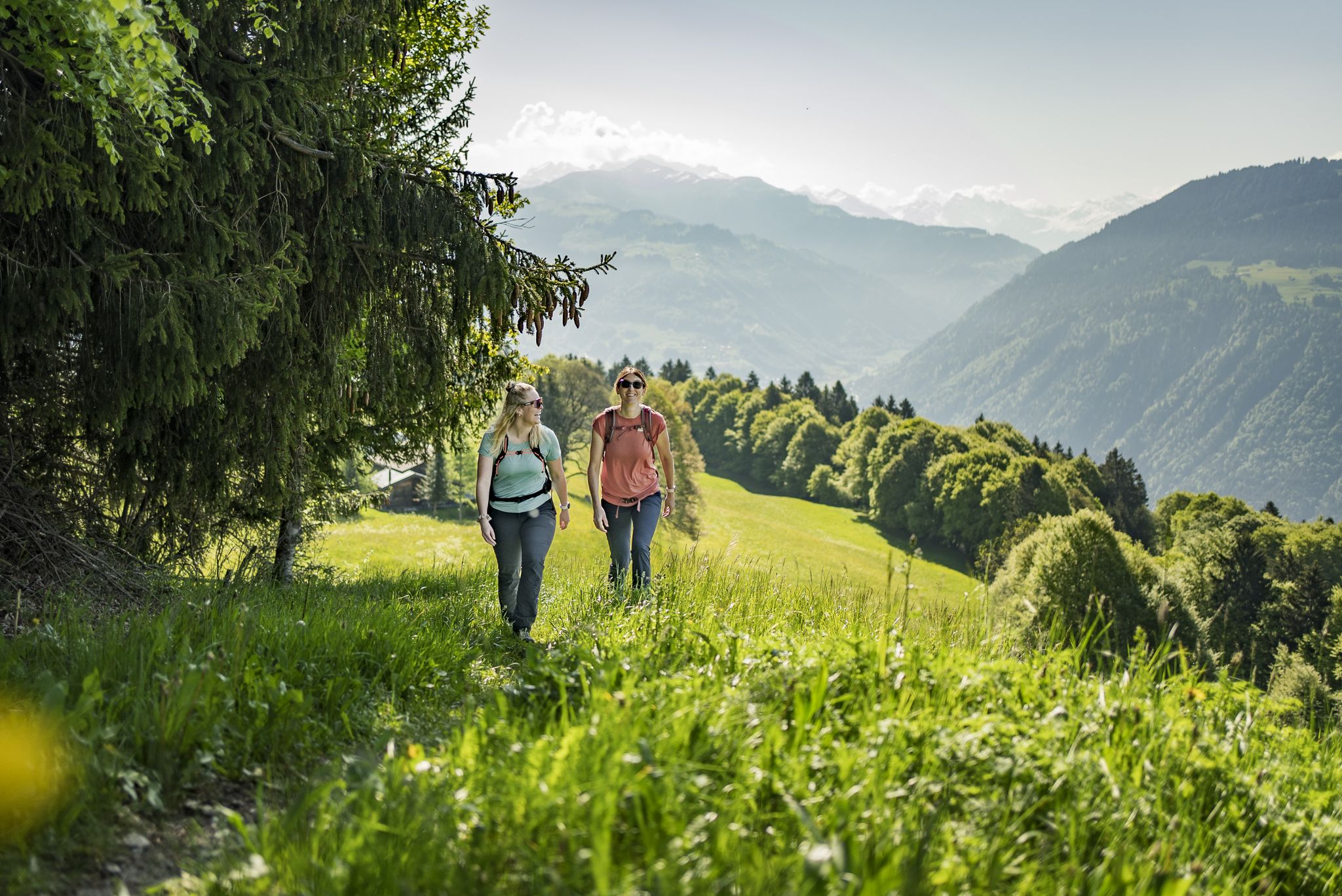
Step into the hiking season – spring routes in Graubünden
Indulgence to the power of two – culinary delights and winter hiking in Flims Laax
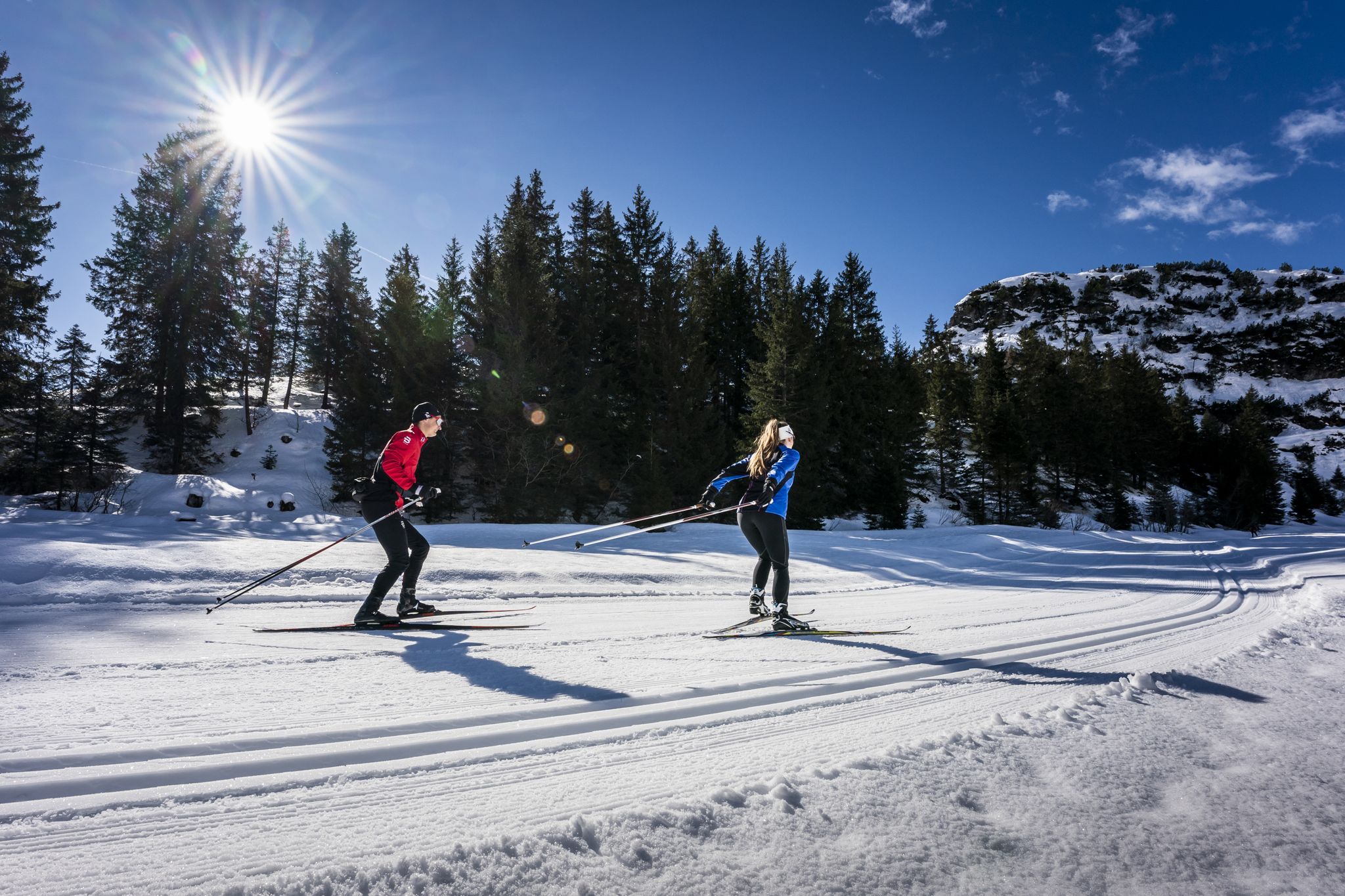
Cross-country skiing in Flims Laax – a Swiss Winter paradise
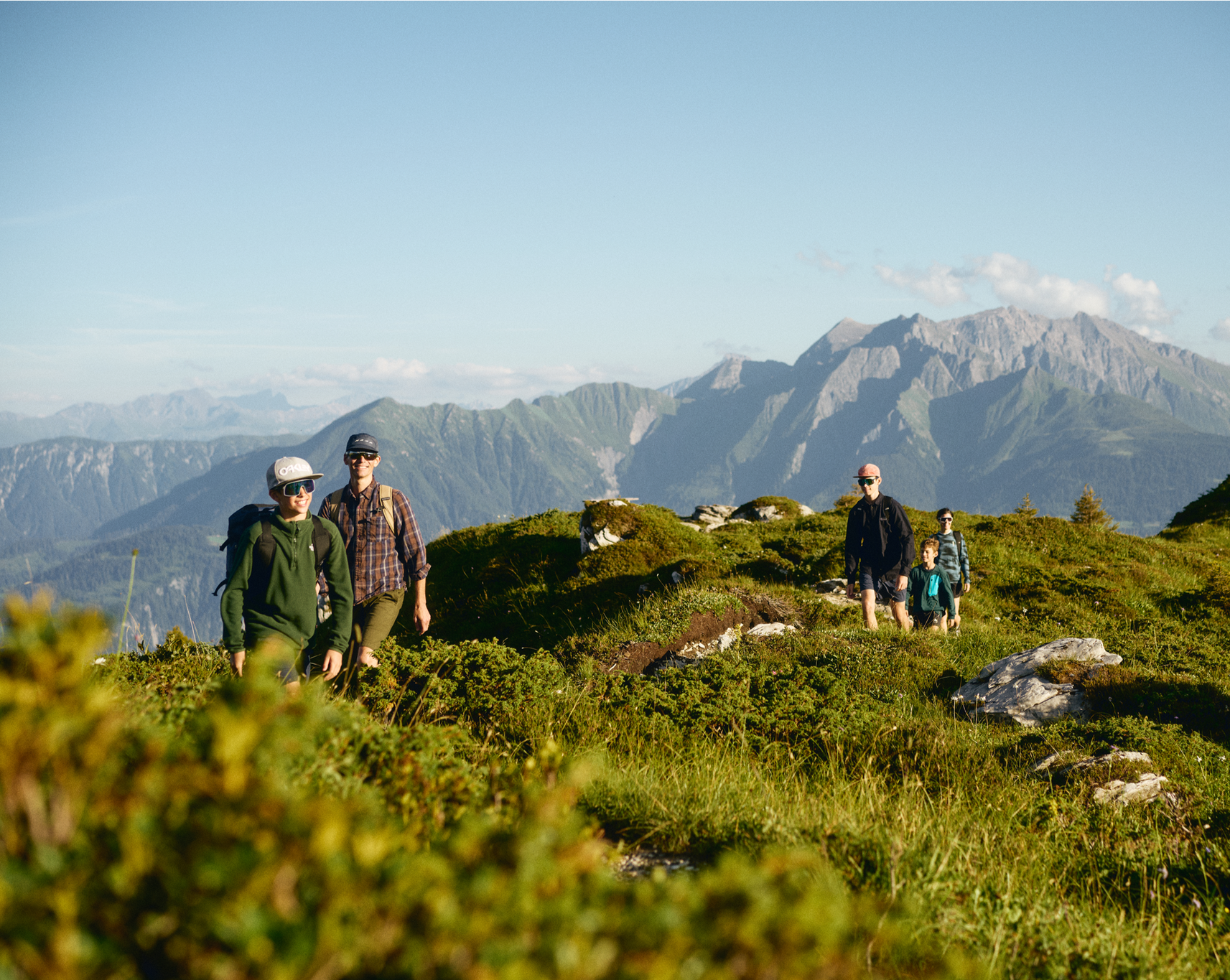
Hiking in and around the Sardona UNESCO World Heritage Site
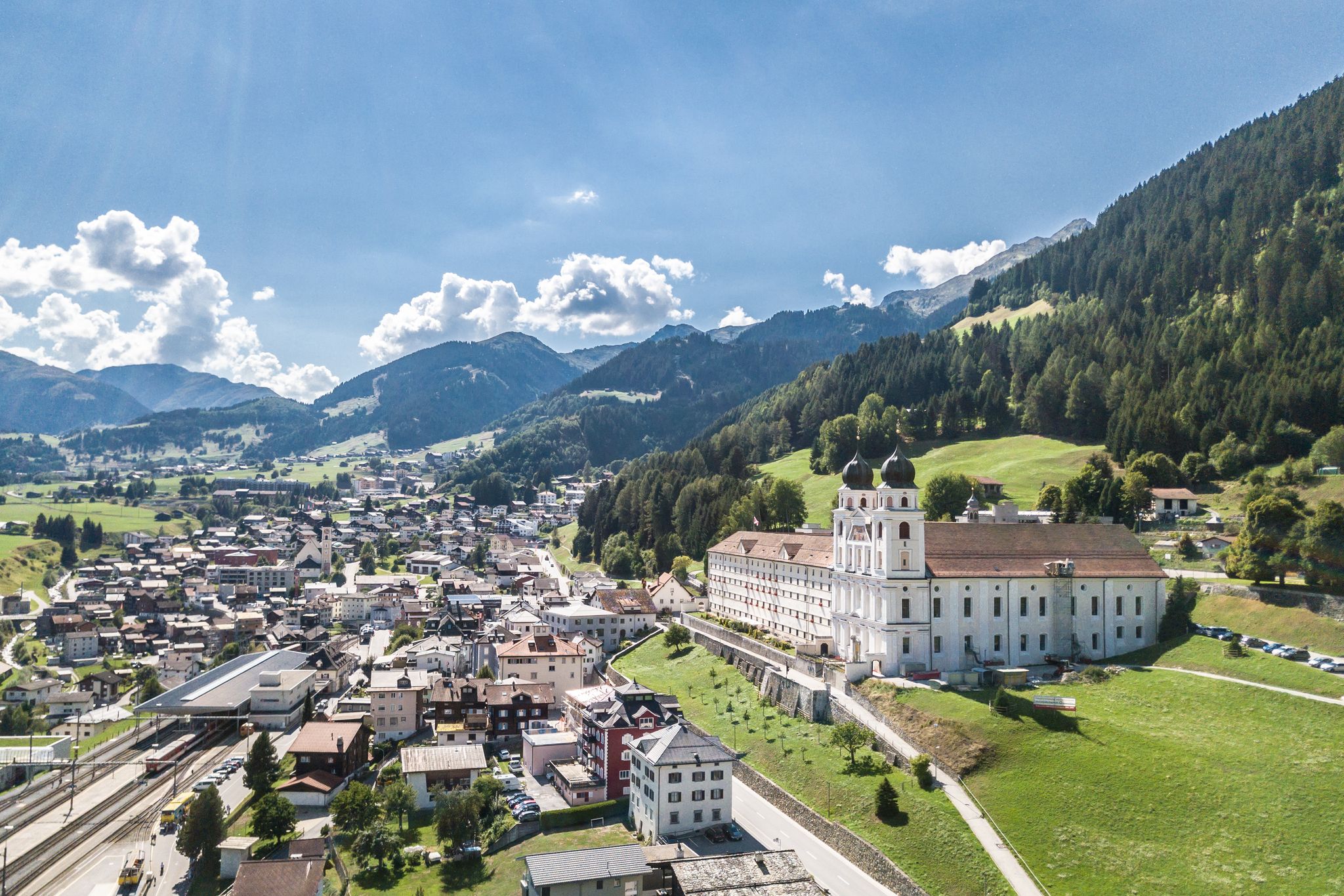
Between water, rock and forest - Grischun Cultura Surselva
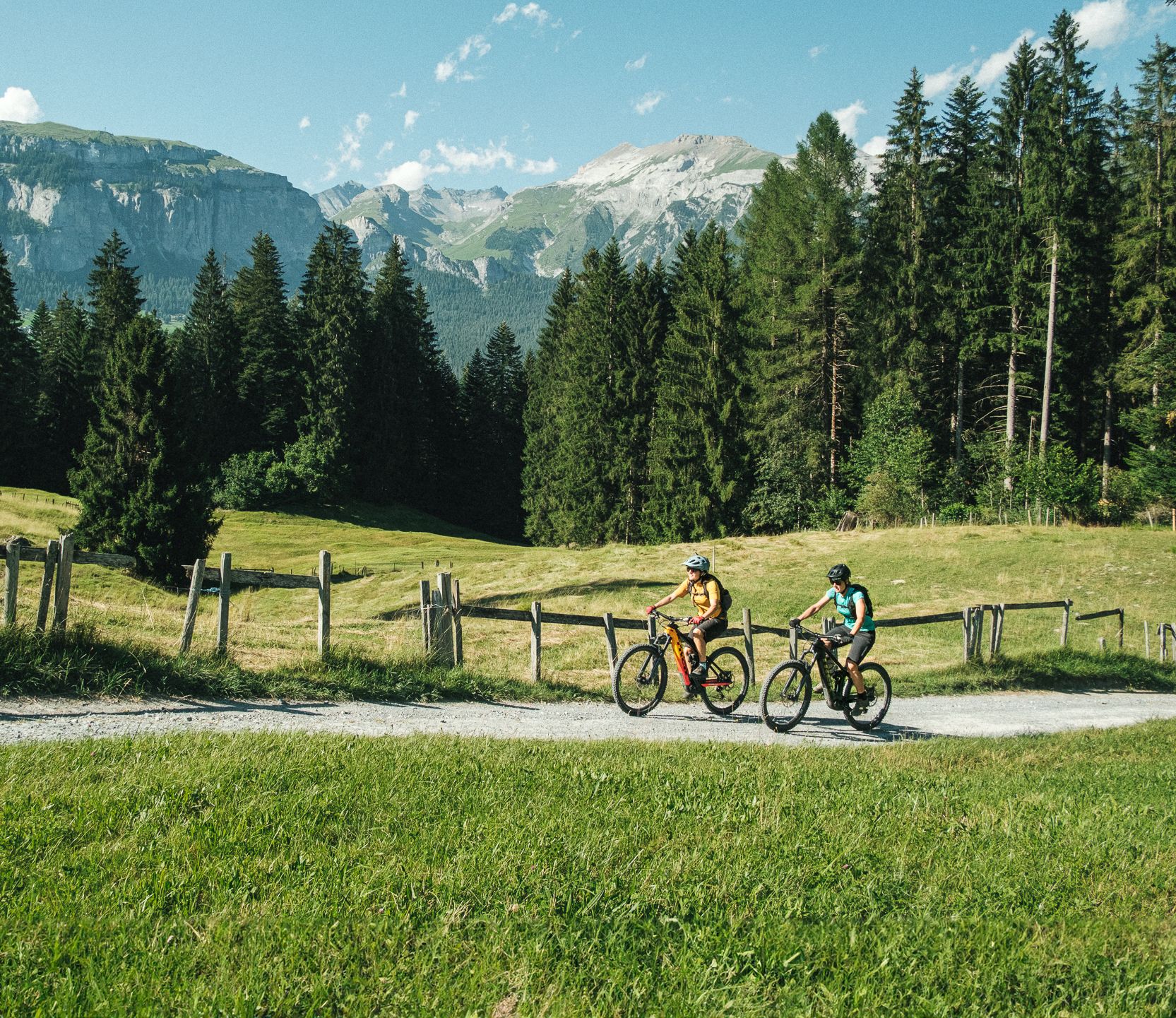
The most beautiful cross country e-bike Tours in Flims Laax Falera
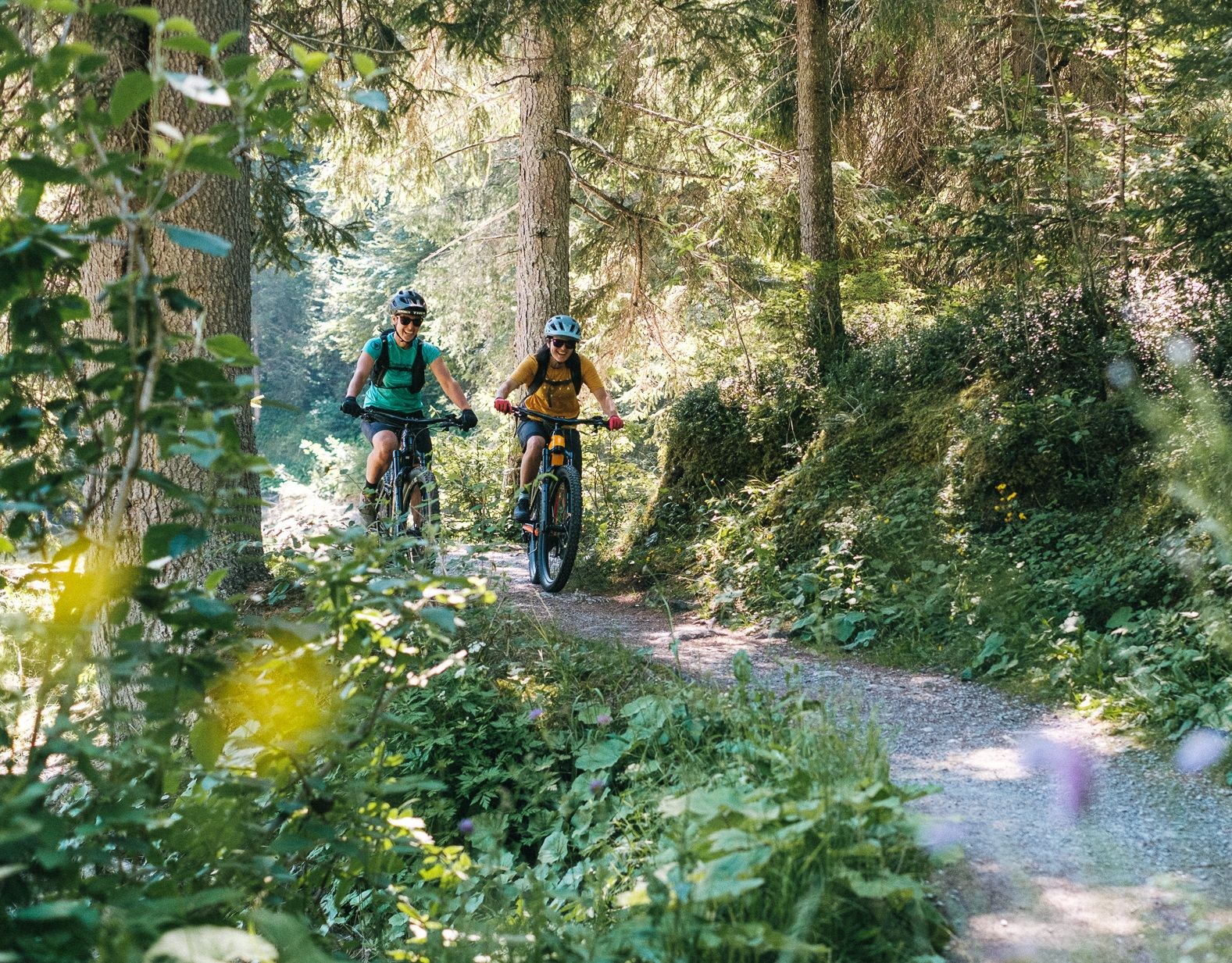
The most beautiful cross country Tours in Flims Laax Falera
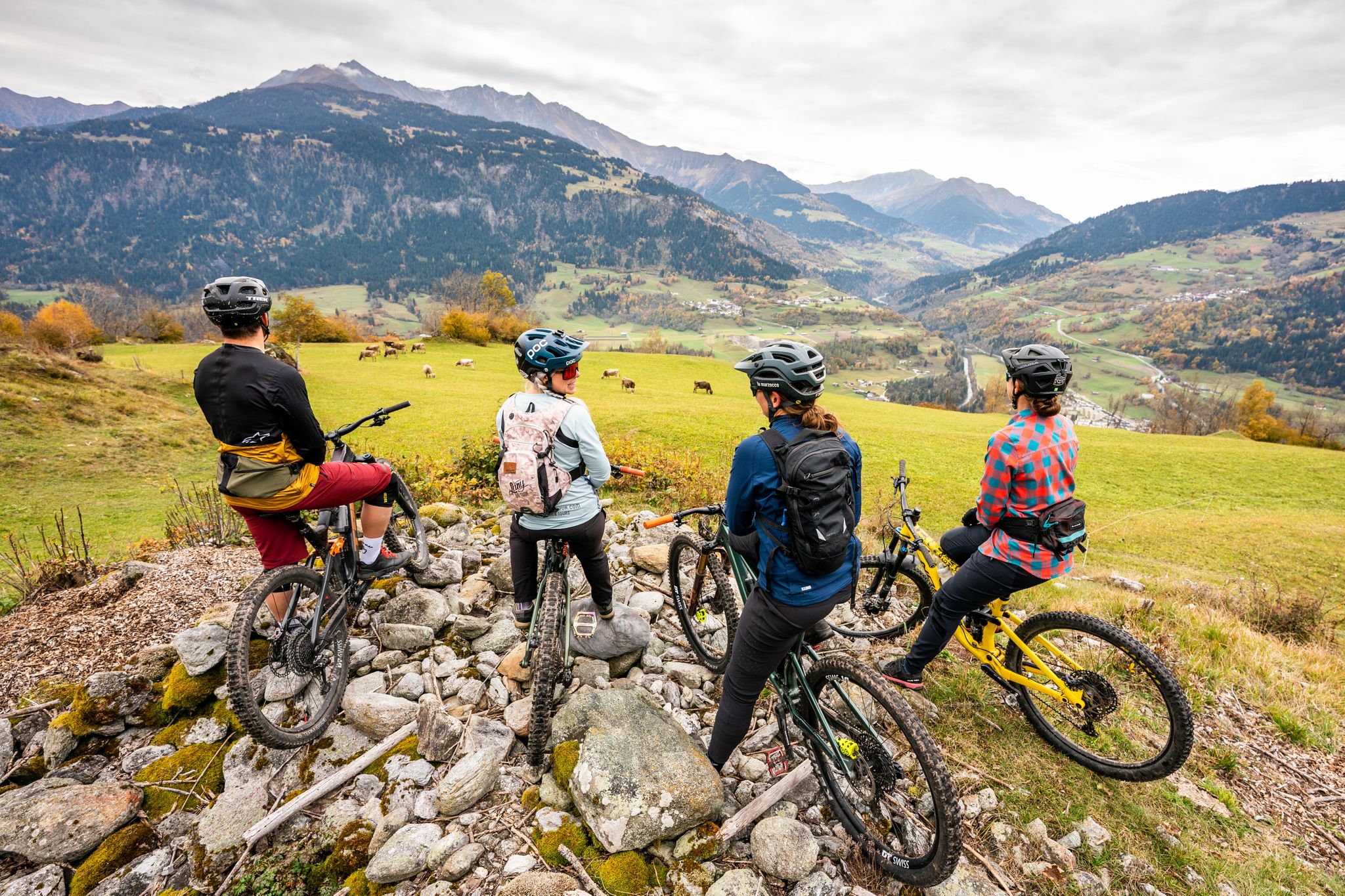
The best Enduro adventures of the Surselva with an E-MTB
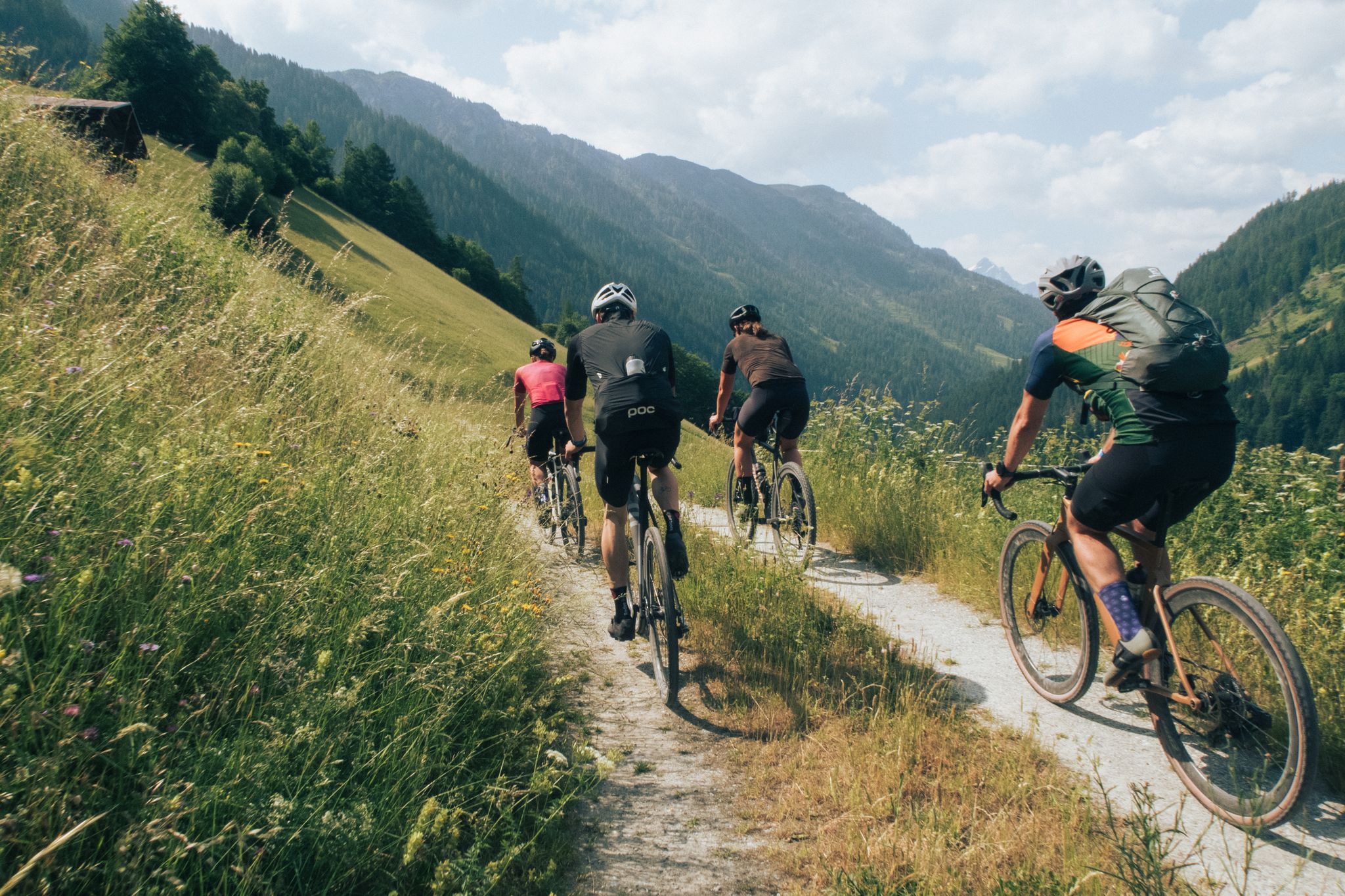
Quite some gravel – The best Gravel-Tours in Flims Laax

Biketrails from the Glacier to the Rhine – Flow without end in Flims Laax
Other adventures around Flims


Tips from the Community

The history of the castle continued after its purchase by the Swiss expatriate community. In 1958, Hovag Domat/Ems, under Dr. Werner Oswald, bought Rhäzüns Castle. Since 1984, it has been owned by Ems-Chemie AG, with residential rights granted to the family of Silvia and Christoph Blocher. Therefore, it is not possible to visit the castle.
0
0

A place of power in a special class
0
0

Ruinaulta Rhine Gorge The Ruinaulta, or Rhine Gorge, is a gorge of the Vorderrhein River, up to 400 meters deep and approximately 13 kilometers long, between Ilanz and the mouth of the Hinterrhein River near Reichenau in the canton of Graubünden in Switzerland. The Romansh name 'Ruinaulta' is composed of the two words ruina (scree slope, quarry) and aulta (high). The Ruinaulta was formed after the Flims Landslide almost 10,000 years ago. At that time, over 10 billion cubic meters of rock broke off between the Flimserstein and Piz Grisch, burying the Vorderrhein Valley between the present-day villages of Castrisch and Reichenau under a mass of debris several hundred meters thick. Because the Vorderrhein River could no longer drain away, a lake was dammed over a length of approximately 25 kilometers. Over time, the river cut deep into the landslide, and the resulting lake drained away completely. What remained was the Ruinaulta, with its steep limestone scree cliffs in impressive erosion formations. Text / Source: Wikipedia https://de.wikipedia.org/wiki/Ruinaulta
16
0
Schloss Reichenau At the confluence of the Hinterrhein and Vorderrhein, at the birthplace of the Alpine Rhine, lies the historic site of Reichenau. Reichenau already had great importance in the past: in the 14th century, as long-distance traffic over the Grisons Alpine passes increased significantly, two bridges and a customs house were built. Reichenau was considered a traffic hub, where all traffic could be controlled. In Reichenau, the routes of the north-south axis separate, along the Vorderrhein into the Oberland towards the Lukmanier and Oberalp passes, and along the Hinterrhein through the Domleschg via the Splügen and San Bernardino. Text / Source: Weinbau von Tscharner & Events Schloss Reichenau, Schloss Reichenau, Reichenauerstr. 59, 7015 Reichenau https://www.reichenau.ch/de/reichenau/geschichte-lage
15
0
At the confluence of the Hinterrhein and Vorderrhein, at the birthplace of the Alpine Rhine, lies Reichenau Castle. Built in the 17th century by the episcopal ministerial family Schauenstein, it looks back on a long history. The last king of France even lived here once.
15
0
Confluence of the Vorderrhein and Hinterrhein, Reichenau Dominated by Reichenau Castle, the hamlet lies at the confluence of the Vorderrhein and Hinterrhein rivers, making it virtually the birthplace of the Rhine. It all began 10,000 years ago. Between the Flimserstein (a high plateau) and Piz Grisch, over 10,000 cubic meters of rock broke off and thundered down into the valley. Towards Reichenau, the Vorderrhein valley disappears under a gigantic mass of rubble. From there, the Rhine diligently ate its way through the rock, creating the spectacular Swiss "Grand Canyon" – the Ruinaulta. Text / Source: myswitzerland.com https://www.myswitzerland.com/de-ch/erlebnisse/route/vom-zusammenfluss-der-rheine-in-die-rheinschlucht/
16
0


very nice on sunny days
0
0
Frequently Asked Questions
Which castles around Flims offer the best panoramic views?
For breathtaking panoramic views, the Belmont Castle Ruins are highly recommended. Perched on a rocky spire, they offer magnificent vistas of Flims, Laax, and Falera. Similarly, Canaschal Castle Ruins also provide a great viewpoint from its elevated position.
Are there any castles near Flims that are also wineries?
Yes, Reichenau Castle, located at the confluence of the Vorderrhein and Hinterrhein rivers, functions as a winery today. It was built in the 17th century and is now run by the von Tscharner family, offering a unique combination of history and viticulture. Further afield, Schloss Salenegg in Maienfeld is recognized as one of Europe's oldest wineries, with a history of viticulture dating back to 1068.
What is the historical significance of Burg Belmont near Flims?
Burg Belmont, dating back to the 10th or 11th century, was the ancestral seat of the powerful Barons of Belmont. It played a significant role in regional power struggles, including a successful uprising in 1352. Although largely ruined, remnants of its complex layout, including ring walls and a cistern, are still visible, offering a tangible glimpse into medieval history.
Can I visit Rhäzüns Castle?
While Rhäzüns Castle above the Hinterrhein is a historical site with origins possibly dating back to the 10th century and a spectacular location, it is privately owned and unfortunately not open for public visits.
Are there any unique or unusual castle ruins to explore in the region?
Yes, Burg Kropfenstein (Casti Grotta) near Waltensburg/Vuorz is a truly unique medieval cave castle ruin. It is built directly into a vertical rock face, using an overhanging rock plate as its roof. This construction has helped preserve parts of the castle, offering a fascinating example of defensive architecture and a glimpse into 13th-century life.
What kind of hiking trails lead to the castles around Flims?
Many castles, like the Belmont Castle Ruins, are accessible via hiking trails. The path to Belmont, for instance, is a rewarding roughly 30-minute walk from a parking area near Fidaz, with steps carved into the rock for the final ascent. For more hiking options in the area, you can explore the various routes in our Hiking around Flims guide.
Are there family-friendly options for visiting castles near Flims?
Visiting castle ruins like Belmont Castle Ruins can be a great family activity, combining a scenic walk with historical exploration. The relatively short hike to Belmont, for example, makes it suitable for families. Many of the trails leading to these historical sites are enjoyable for all ages, offering a blend of nature and history.
What outdoor activities can I combine with a castle visit near Flims?
The region around Flims offers numerous outdoor activities. You can combine castle visits with hiking, as many ruins are accessible via trails. For example, the Belmont Castle Ruins are a popular hiking destination. Additionally, the area is excellent for road cycling and gravel biking. You can find detailed routes in our Road Cycling Routes around Flims and Gravel biking around Flims guides.
What natural features are near the castles around Flims?
The castles around Flims are set against the stunning backdrop of the Graubünden landscape. Reichenau Castle is notably located at the confluence of the Vorderrhein and Hinterrhein rivers, marking the 'birthplace' of the Alpine Rhine. The region is also characterized by its mountainous terrain and the dramatic Rhine Gorge (Ruinaulta), offering impressive natural scenery alongside historical sites.
What do visitors enjoy most about the castles around Flims?
Visitors particularly enjoy the combination of historical exploration and the stunning natural environment. The panoramic views from ruins like Belmont Castle Ruins are frequently highlighted, with many appreciating the opportunity to combine a scenic hike with a glimpse into the region's rich past. The unique architecture of sites like Burg Kropfenstein also captivates many.
Is there parking or public transport access to the castle ruins?
Access varies by castle. For Belmont Castle Ruins, there is a parking area near Fidaz, from which it's about a 30-minute walk. For other sites, public transport options may be available to nearby villages, followed by a hike. It's advisable to check specific access details for each castle you plan to visit.
Most popular routes around Flims
Most popular attractions around Flims

Get inspired with the komoot mobile app


Explore more
Looking for the best castles somewhere else? Discover other guides around Flims:
