Top 6 Caves around Bezirk Mistelbach
Best caves around Bezirk Mistelbach are primarily historical and man-made underground structures, as the region's geology does not support large natural cave systems. The area offers insights into local history, viticulture, and medieval refuge sites. Visitors can explore unique subterranean attractions that reflect the cultural heritage of Bezirk Mistelbach. These sites provide a different perspective on the natural attractions of the Mistelbach region.
Best caves around Bezirk Mistelbach
- The most popular caves is Lourdes Grotto Falkenstein, a religious building…
Last updated: October 12, 2026
Lourdes Grotto Falkenstein
Highlight • Religious Site
Translated by Google •
Tip by

Herrnbaumgarten Cave Dwellings
Highlight • Cave
Free to visit, shady place in the cellar alley.
Translated by Google •
Tip by

Sign up now to discover places like this
Get recommendations on the best single tracks, peaks, & plenty of other exciting outdoor places.
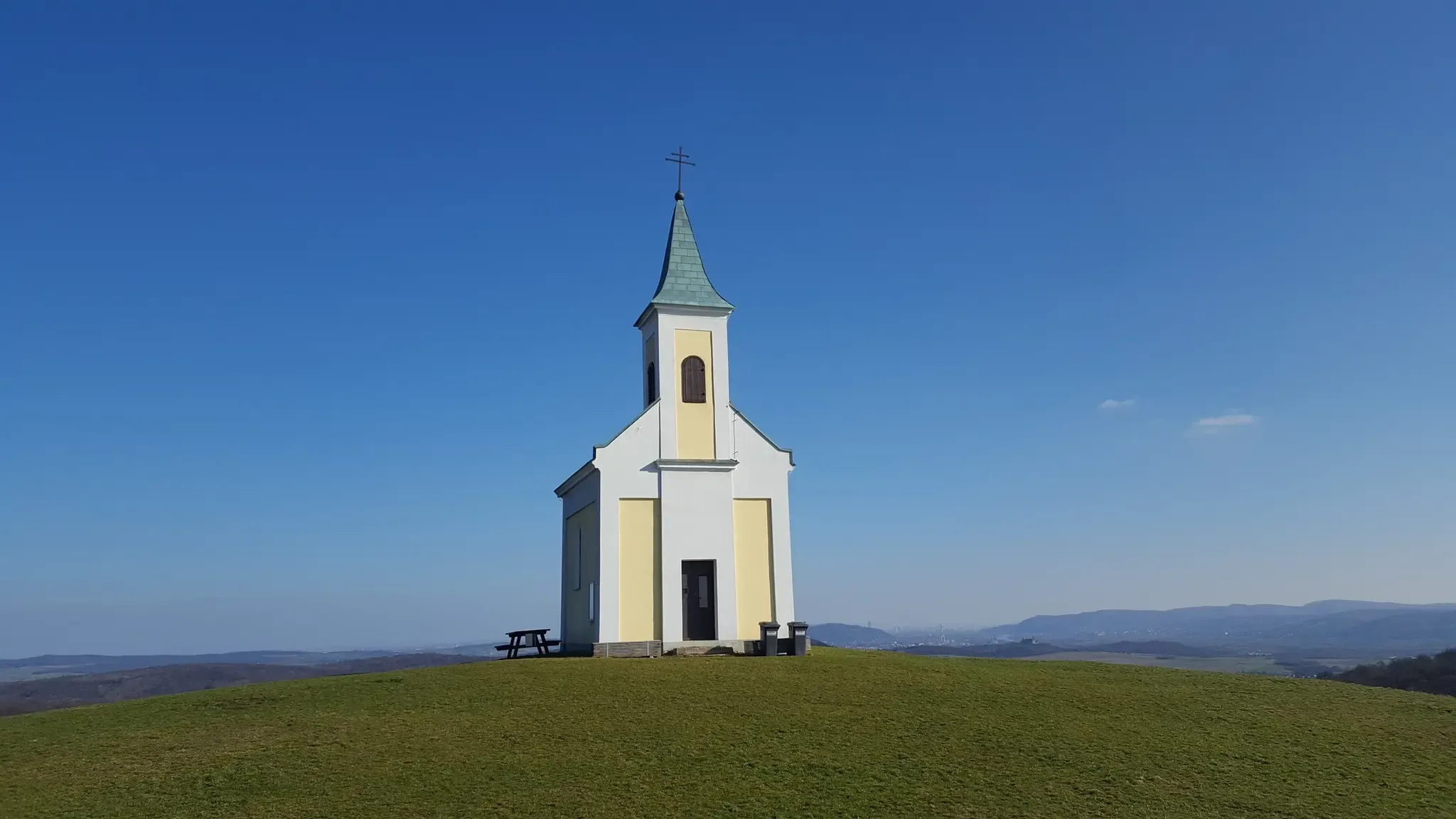
Kapellenberg With Erdstall and Cellar Lane
Highlight • Historical Site
Translated by Google •
Tip by

Erdstall Museum Althöflein
Highlight • Cave
Translated by Google •
Tip by

Start today with a free account
Your next adventure awaits.
Popular around Bezirk Mistelbach
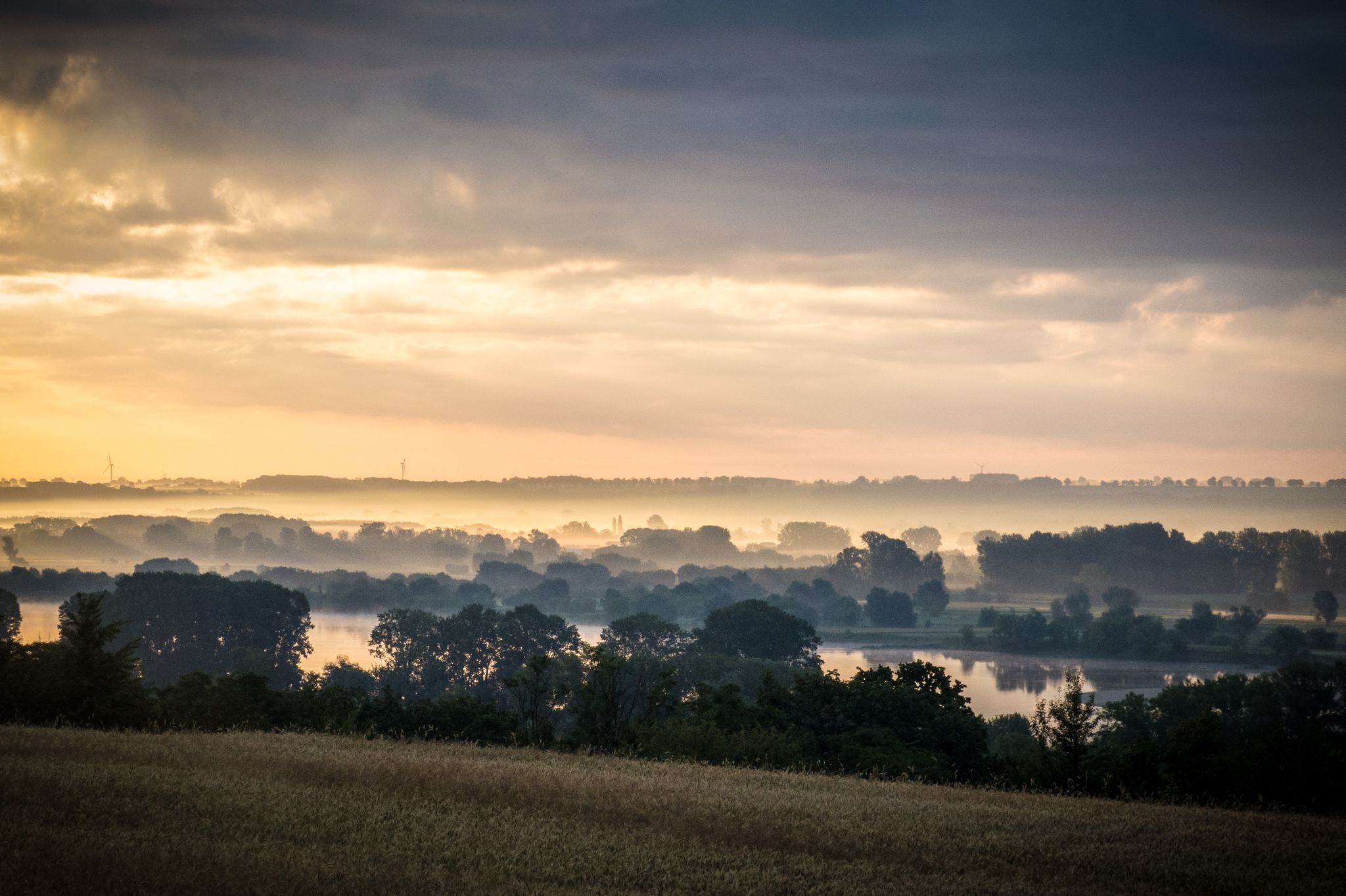
EuroVelo 9 – The Amber Route from the Baltic to Adriatic Sea
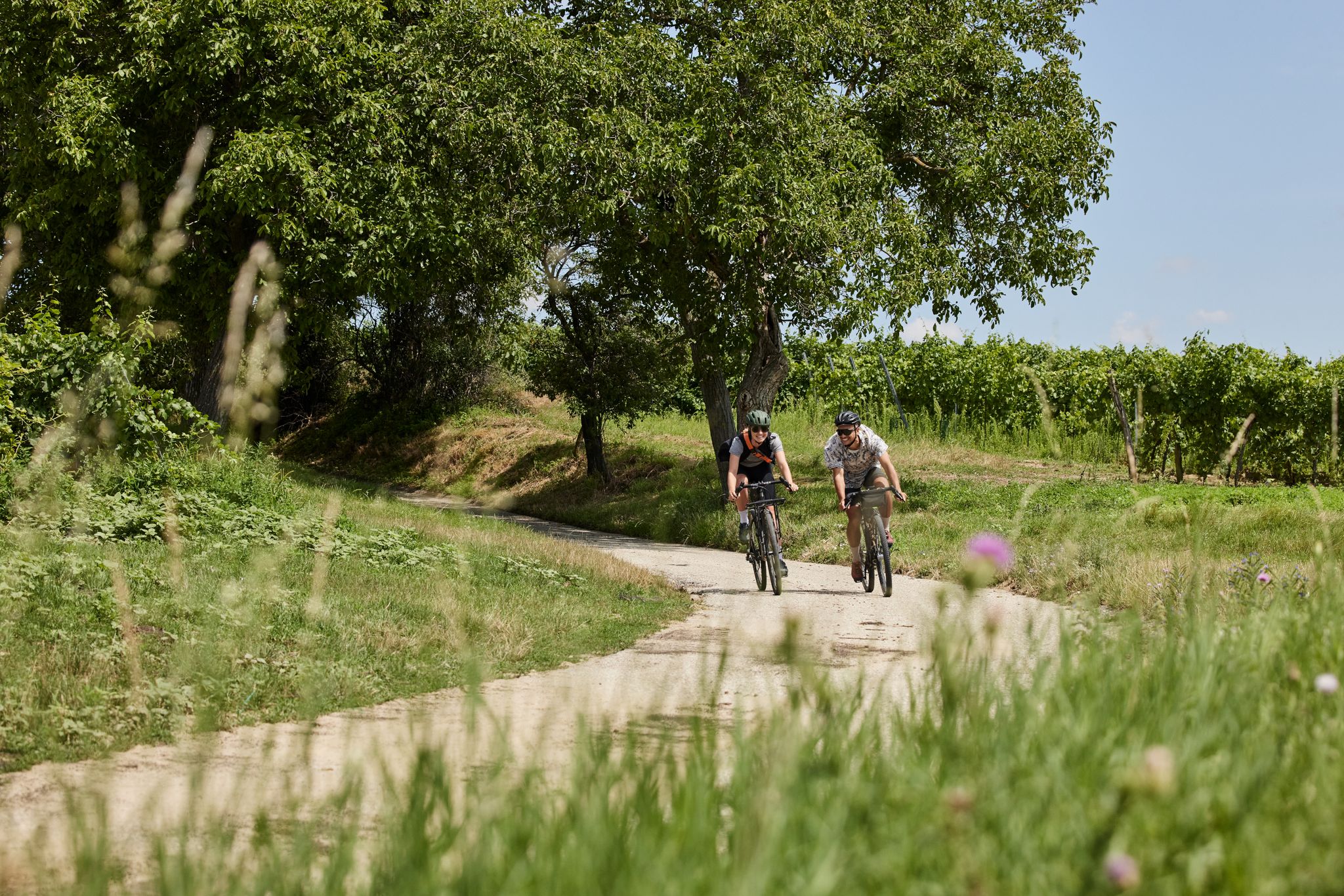
Cycling between the vines – wine routes in the Weinviertel
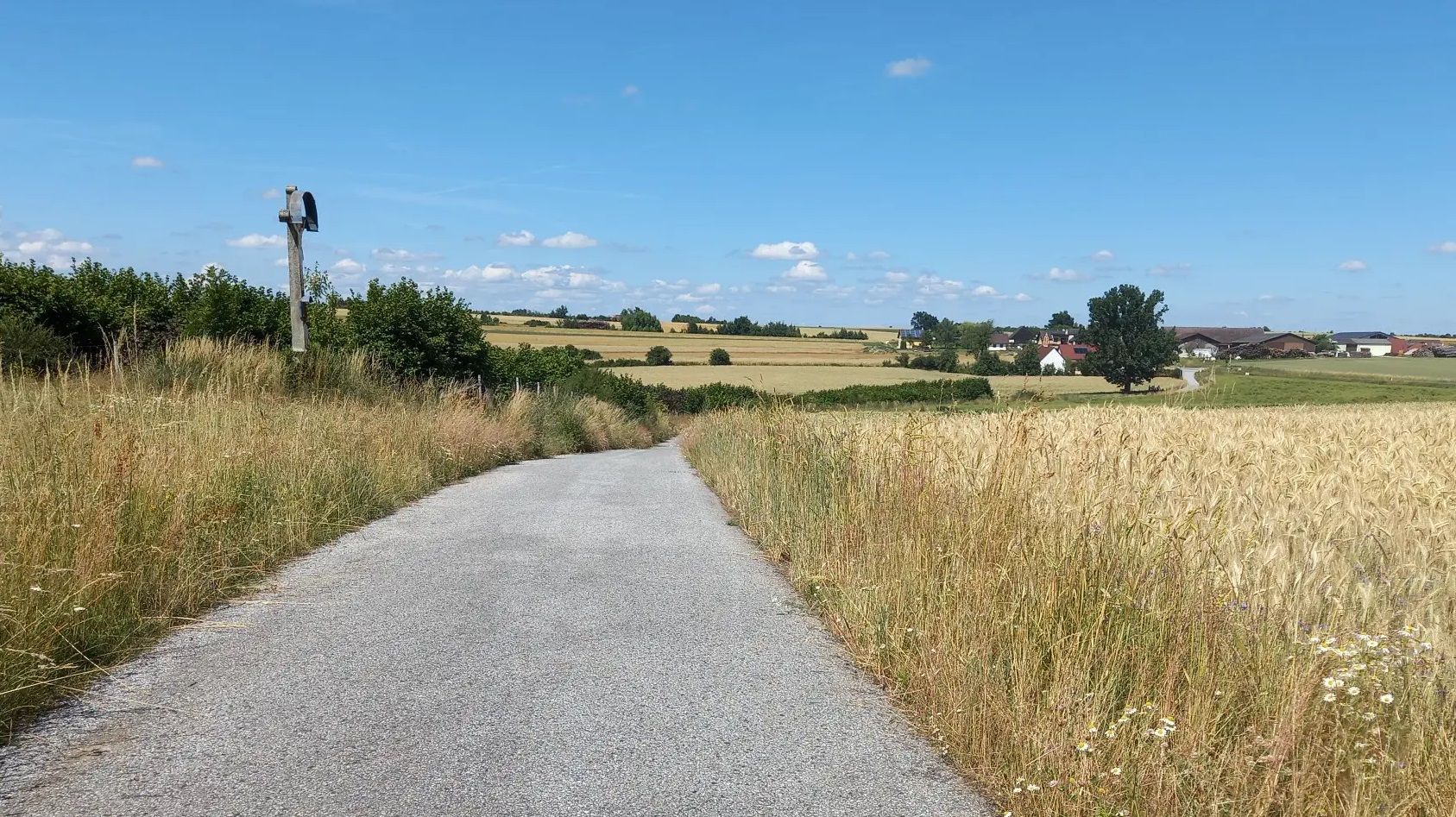
Cycling away from the crowds – Austria’s Kamp-Thaya-March Cycle Route
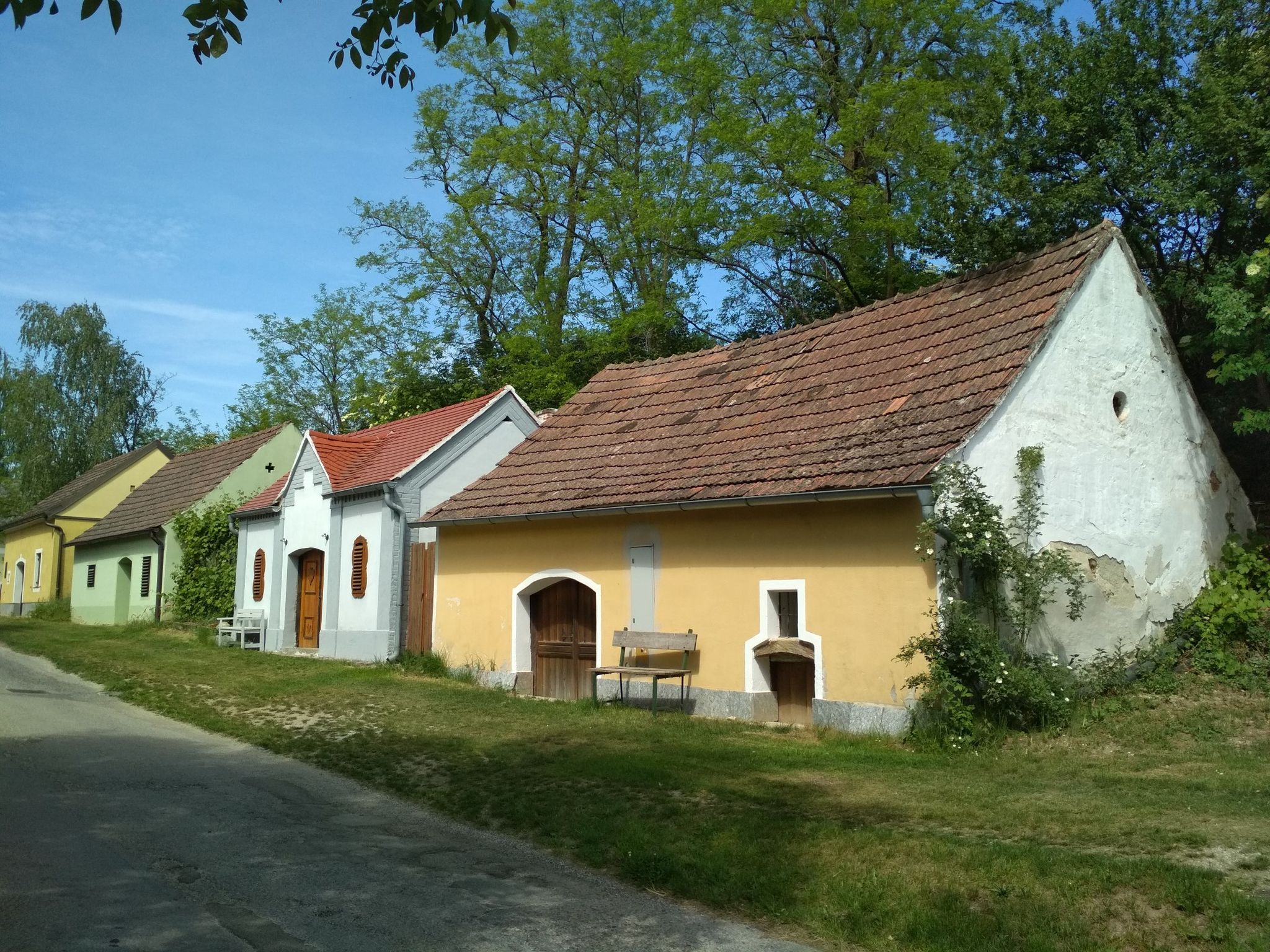
The most beautiful wine cellar lanes along the Jakobsweg Weinviertel
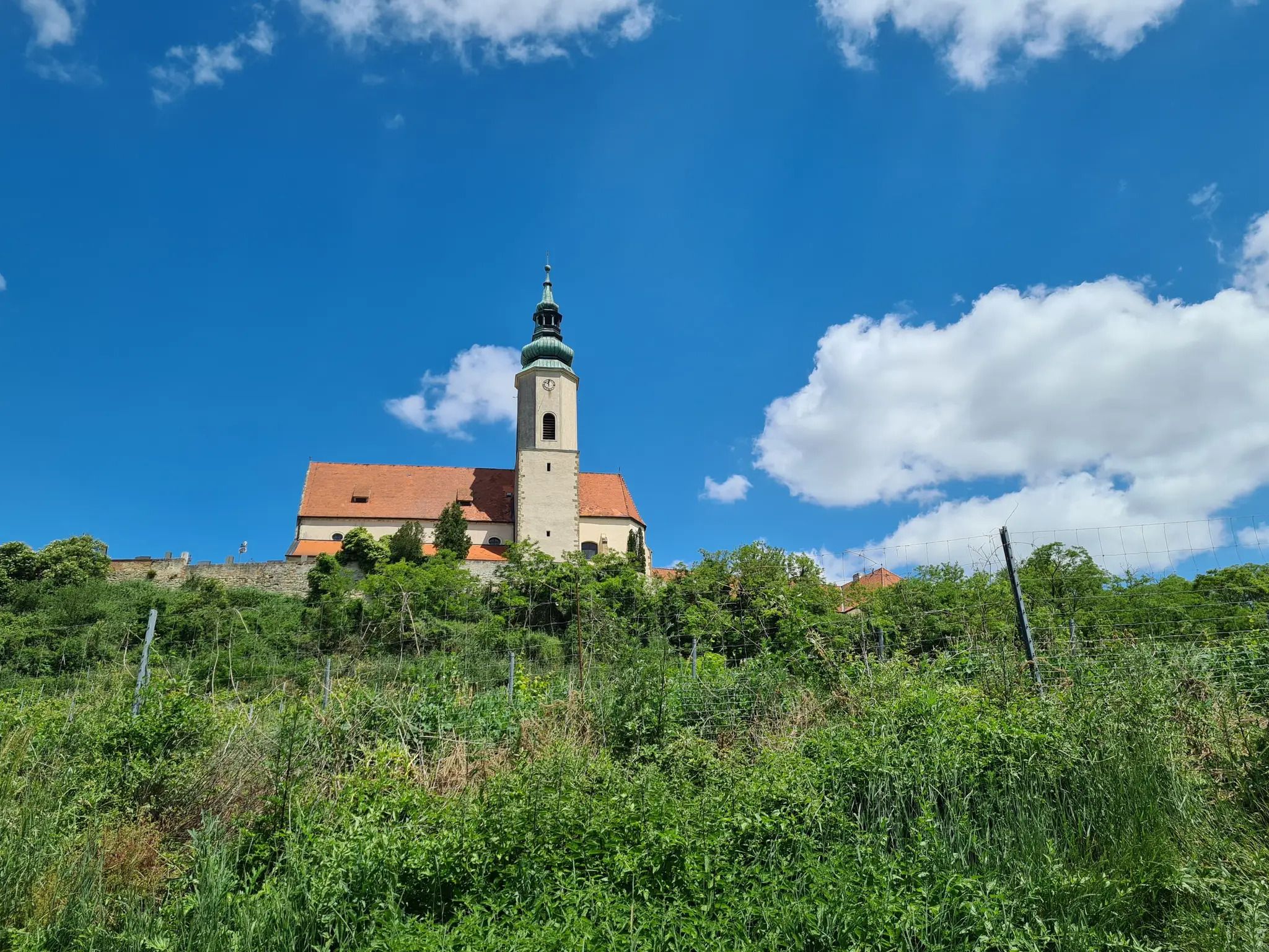
Jakobsweg Weinviertel
Die besten Orte der Stille
Natur erleben: Dein Wanderurlaub am Bauernhof

Die besten Orte der Inspiration
Die besten Orte für Genießer
Cycling around Bezirk Mistelbach
Other adventures around Bezirk Mistelbach


Tips from the Community

Mysterious cave systems In Kapellenberg near Althöflein, something mysterious is hidden: so-called Erdställe, an artificially created cave system by humans of approx. 270 m length. Tunnels and chambers are located on several levels, which are connected to each other. The underground passages can be visited during the opening hours of the Erdstall Museum, which tells about the complex.
0
0

Unique arrangement with circular path and "border" with cellar lane.
0
0

The Mariengrotte is a 15-meter-high half-cave beneath the Falkenstein castle ruins, which was designed as a Lourdes grotto in 1889. The larger-than-life statues - of the Mother of God and St. Bernadette - are the work of Theodor Haf from Pfronten, a sculptor in Munich.
1
0

Romantic Kellerberg with Erdstallanlage or Erdstallmuseum (guided tours are possible).
0
0

Opening hours 01/03/2023 - 30/11/2023 every 3rd weekend from March to November from 3 p.m.; as well as by prior arrangement by telephone
0
0

The chapel mountain Althöflein lures with an interesting secret. Cave systems, so-called earth stables, are hidden inside. They probably served as a place of refuge for the population in the Middle Ages. This man-made cave system is divided into two to three floors, which are connected by riser hatches and air exchange tunnels. The tunnels should be in the 12./13. Century to have been created and have a total length of about 200 meters. These earth stables are among the largest of their kind in German-speaking countries. The Erdstallmuseum provides an overview of the research work and the facility. A film, the report of a villager, as well as a visit to the tunnels or a look into the earth stables bring the long past to life again.
0
0
Such shelters were also used in earlier times by itinerant craftsmen such as tinkers, knife and scissor grinders, rider makers, etc., and from 1893 there is evidence of large families from Milovice
0
0
Hermitage chapel during the Baroque period from inhabited by a hermit
0
1
Frequently Asked Questions
What kind of 'caves' can I expect to find in Bezirk Mistelbach?
The Bezirk Mistelbach region is not known for large natural cave systems due to its geology. Instead, you will discover unique historical and man-made underground structures. These include religious grottoes, historical cave dwellings, medieval refuge systems known as Erdställe, and extensive cellar systems with cultural significance.
Are there any natural caves to explore in Bezirk Mistelbach?
No, the Bezirk Mistelbach region does not feature significant natural caves. The geological conditions are not conducive to their formation. The 'caves' in this area are primarily historical, man-made underground sites that offer insights into local history and culture.
What is an Erdstall, and where can I visit one in Bezirk Mistelbach?
An Erdstall is a man-made, often labyrinthine, underground passage system, believed to have served as a place of refuge for the population in the Middle Ages. You can explore an Erdstall at Kapellenberg With Erdstall and Cellar Lane, which offers guided tours. Another significant site is the Erdstall Museum Althöflein, which provides an overview of these fascinating systems and allows visits to the tunnels.
Are there any family-friendly underground attractions in the region?
Yes, several sites are suitable for families. The Lourdes Grotto Falkenstein is a religious half-cave with impressive statues. The Herrnbaumgarten Cave Dwellings offer a glimpse into past living conditions and are free to visit. The historical and cultural aspects of these sites can be engaging for all ages.
Can I learn about local history and wine culture in an underground setting?
Absolutely. The Schwedenkeller in Mistelbach, a historical cellar system managed by the Hauerzunft Mistelbach, offers guided tours that delve into local history, viticulture, and wine tasting. These tours provide a unique perspective on the region's heritage and wine-making traditions.
What is the <a href="https://www.komoot.com/highlight/290767" target="_blank" rel="noopener">Lourdes Grotto Falkenstein</a>?
The Lourdes Grotto Falkenstein is a 15-meter-high half-cave located beneath the Falkenstein castle ruins. It was designed as a Lourdes grotto in 1889 and features larger-than-life statues of the Mother of God and St. Bernadette, offering a peaceful and historically significant site.
Where can I see historical cave dwellings in Bezirk Mistelbach?
You can visit the Herrnbaumgarten Cave Dwellings in the 'Tiefen Graben' Herrnbaumgarten. These shelters were historically used by itinerant craftsmen and large families, providing a fascinating insight into past living conditions. They are free to visit and include informative boards.
What outdoor activities can I do near these underground sites?
The region around Bezirk Mistelbach offers various outdoor activities. You can find easy hikes, running trails, and mountain biking routes. For example, there are easy hikes like the 'Falkenstein Castle Ruins loop from Falkenstein' and running trails such as the 'Falkenstein Wine Trail'. For more options, explore the Easy hikes around Bezirk Mistelbach, Running Trails around Bezirk Mistelbach, or MTB Trails around Bezirk Mistelbach guides.
When is the best time to visit the underground attractions in Bezirk Mistelbach?
Many of the historical underground sites, such as the Erdstall Museum Althöflein, have specific opening hours, often from spring through autumn (e.g., March to November). It's advisable to check the specific operating times for guided tours or museum visits, especially for sites like the Erdstall Museum Althöflein, which may only be open on specific weekends or by prior arrangement.
Are there guided tours available for the historical underground sites?
Yes, guided tours are available for several sites. The Schwedenkeller in Mistelbach offers guided tours that include wine tasting and historical context. The Kapellenberg With Erdstall and Cellar Lane and the Erdstall Museum Althöflein also provide guided tours to explore their unique Erdstall systems.
What makes the <a href="https://www.komoot.com/highlight/4927454" target="_blank" rel="noopener">Erdstall Museum Althöflein</a> unique?
The Erdstall Museum Althöflein showcases one of the largest Erdstall systems of its kind in German-speaking countries. This man-made cave system, dating back to the 12th/13th century, is divided into two to three floors connected by riser hatches and air exchange tunnels, with a total length of about 200 meters. The museum provides research insights, a film, and direct access to the tunnels.
Most popular routes around Bezirk Mistelbach
Most popular attractions around Bezirk Mistelbach

Get inspired with the komoot mobile app


Didn’t find what you were looking for?
Discover more caves around Bezirk Mistelbach region by region:
