Top 8 Caves around Wurmberg
Best caves around Wurmberg are found within the broader Harz Mountains region, where Wurmberg is located as the highest mountain in Lower Saxony. This area is characterized by its diverse geological formations, including numerous impressive cave systems. The region's landscape features ancient rock formations and dense forests, providing a natural setting for these underground wonders. These caves offer insights into the geological history of the Harz Mountains.
Best caves around Wurmberg
- The most popular caves is Rainloch - shaft cave…
Last updated: June 26, 2026
Sternried Cave
Highlight • Cave
Translated by Google •
Tip by

Rainloch - shaft cave
Highlight • Cave
Translated by Google •
Tip by

Sign up now to discover places like this
Get recommendations on the best single tracks, peaks, & plenty of other exciting outdoor places.
Sign up for free
Käfersteige Mine Entrance
Highlight • Structure
Translated by Google •
Tip by

Raspberry Cave
Highlight • Cave
You don't see much.
Translated by Google •
Tip by
Bat Winter Quarters, Schönklinger Tunnel
Highlight • Cave
Translated by Google •
Tip by

Sign up for free to discover even more caves around Wurmberg.
Sign up for free
Already have an account?
Start today with a free account
Your next adventure awaits.
Login or Signup
Tips from the Community

Anyone who can read "maps" has a clear advantage 😆!
0
0

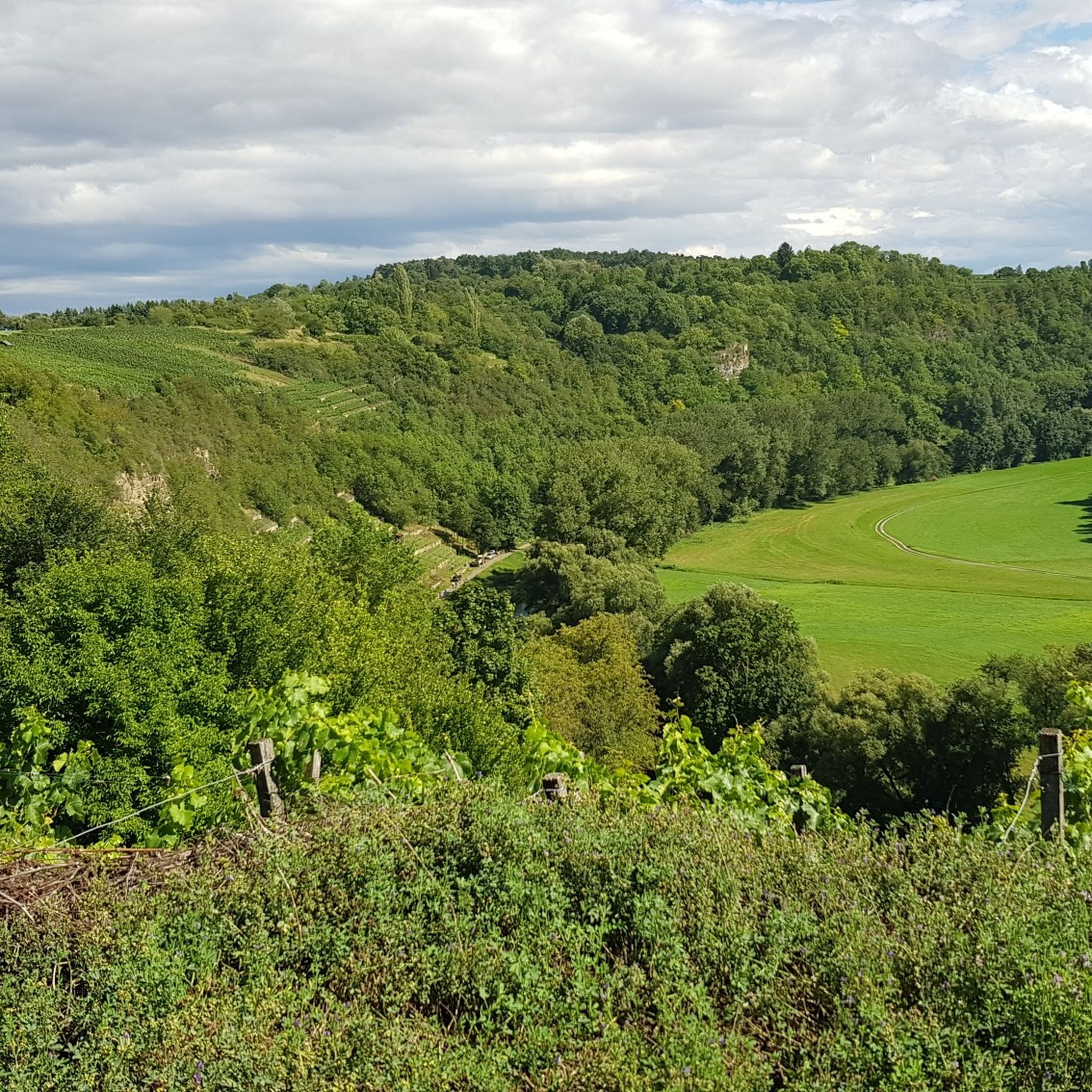
The only way to the unguarded cave entrance, located in the middle of a forest, is via a rather overgrown path. The connection from the Enzberg Oak, marked as a forest road, is very difficult to follow and only vaguely recognizable as a path. Nevertheless, the somewhat adventurous route there is worthwhile.
5
0
Old video of the "mine"! https://youtu.be/0HAQ8IZwJjA
1
1

Promisingly, it's advertised with a large sign. Sorry, but a cave doesn't look like much. Perhaps a fox could live in here. But it's not really an attraction. Access would have to be cleared first.
9
0

The first difficulty is getting to the cave 🤷♂️ Dense blackberry vines and hawthorn make access via the marked paths impossible 😅. You have to somehow 👀 make your way across the 🌳forest 🤷♂️ Once you get there, the largest cave in the Enzkreis is quite inconspicuous; you can't see much because the entrance leads directly down a vertical shaft, so you can't see much. Descending is definitely to be avoided without equipment and experience ☝️. But just being here and even finding it is a bit of an adventure 👍.
3
0
The cave is accessible via a hiking trail and has a small access hole. For those who aren't experienced cavers and have the appropriate equipment, there's a beautiful rock formation at the entrance.
8
1
Fluorite and barite were mined at the Käfersteige mine until 1997. The Käfersteige area is believed to contain the largest fluorite deposit in Europe. The former tracks that led into the tunnel can still be seen at the former Käfersteige tunnel entrance. The video-monitored access to the tunnel is closed and cannot be entered.
7
0
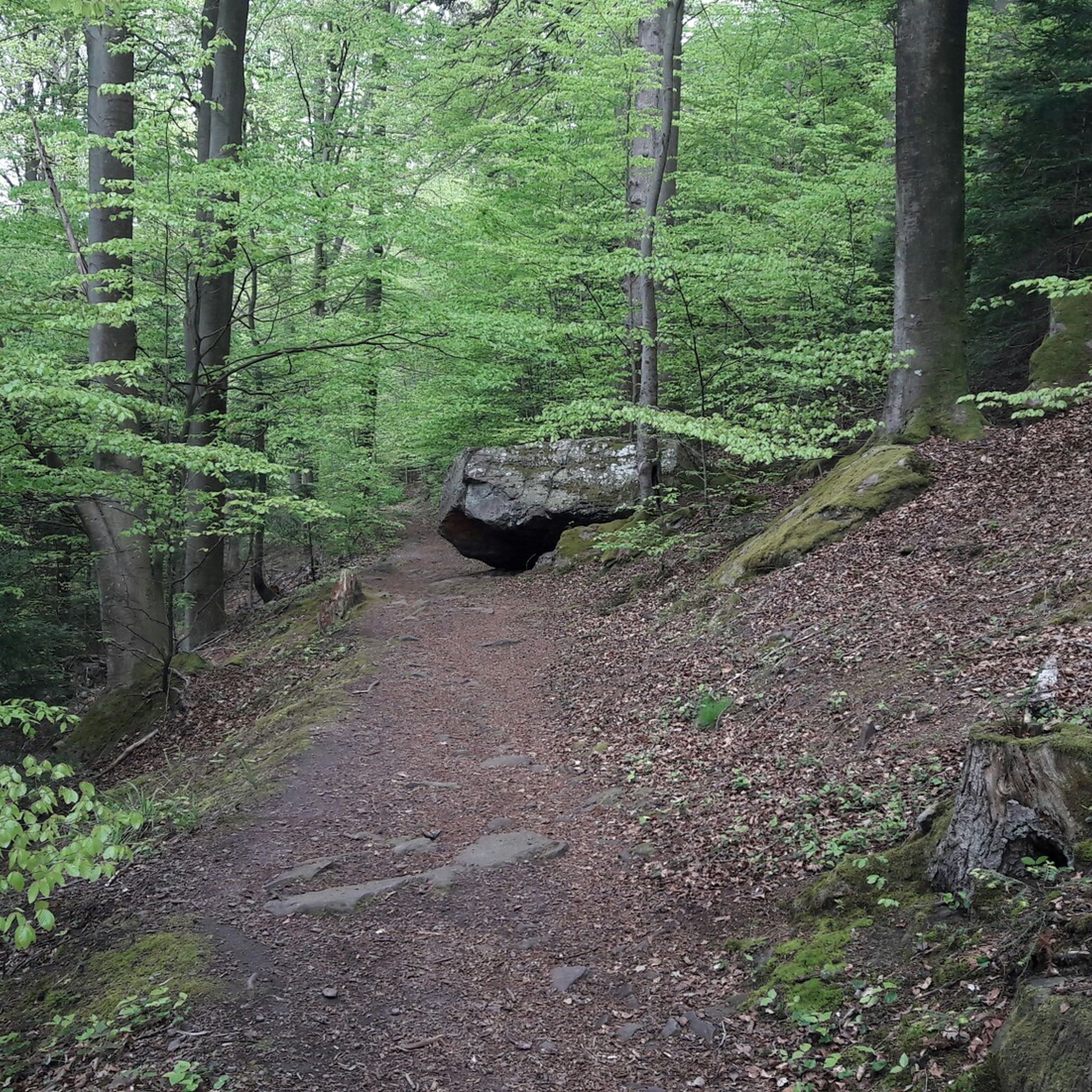
A small, somewhat inconspicuous cave that requires a few meters of descent from the forest path. Not necessarily spectacular, but a nice change of pace with a bit of climbing.
6
0
Frequently Asked Questions
What types of caves can I explore around Wurmberg?
The region around Wurmberg, particularly the broader Harz Mountains, offers a diverse range of underground formations. You can find ancient show caves with rich stalactite formations like Baumannshöhle and Hermannshöhle, unique geological sites such as the Iberger Tropfsteinhöhle which was once a coral reef, and natural karst caves like Unicorn Cave. Additionally, there are natural caves, shaft caves, and sinkholes, including the Rainloch - shaft cave and the Höllenloch (Neulingen Sinkholes).
Are there any family-friendly caves near Wurmberg?
Yes, several caves in the Harz Mountains are suitable for families. Show caves like Baumannshöhle and Hermannshöhle offer guided tours with well-maintained paths, making them accessible for most visitors. The Iberger Tropfsteinhöhle also provides an engaging experience with its unique geological history and an archaeological museum. For a more adventurous, yet still manageable experience, the Raspberry Cave is described as a nice change of pace with a bit of climbing, though it's small.
What are some historically significant caves in the region?
The Harz Mountains are rich in historical caves. Baumannshöhle near Rübeland is potentially Germany's oldest show cave, with official tours dating back to 1649, and was even visited by Johann Wolfgang von Goethe. The Iberger Tropfsteinhöhle has an archaeological museum showcasing findings from the nearby Lichtenstein Cave, including evidence of a Bronze Age family clan. The Unicorn Cave also has a fascinating history, named after a 17th-century myth.
What unique geological features can I expect to see in these caves?
The caves around Wurmberg boast remarkable geological formations. Baumannshöhle is known for its rich stalactite formations and the 'Goethesaal' with an underground lake. Hermannshöhle features a glittering 'crystal chamber' and is home to Germany's only cave olms. The Iberger Tropfsteinhöhle, formed from an ancient coral reef, displays petrified sea creatures, sinter cascades, stalactites, and massive ground dripstones. The Höllenloch (Neulingen Sinkholes) showcases funnel-shaped depressions in karst rock where water disappears underground.
What should I wear when visiting caves in the Wurmberg area?
Caves generally maintain a constant cool temperature and high humidity year-round, regardless of the weather outside. It is highly recommended to wear comfortable, sturdy shoes with good grip and warm clothing, even in summer, to ensure a pleasant experience.
Are there any caves that require special equipment or experience?
Yes, some caves are not suitable for casual exploration. The Rainloch - shaft cave, for instance, extends over 140 meters to a depth of 24 meters and requires appropriate knowledge and equipment for inspection due to the risk of falling. Its entrance is unsecured and goes straight down deep. Similarly, the Sternried Cave has a small access hole, making it only accessible for animals or small children who can crawl, and is not recommended for inexperienced cavers without proper equipment.
Can I visit old mining sites or tunnels near Wurmberg?
Yes, the region has a history of mining. The Käfersteige Mine Entrance is a notable site where fluorite and barite were mined until 1997. While the former tracks leading into the tunnel can still be seen, the video-monitored access to the tunnel is closed and cannot be entered.
What outdoor activities can I combine with a cave visit around Wurmberg?
The area around Wurmberg offers numerous outdoor activities. You can explore various hiking trails, including easy routes like the Paulinensee loop or the Bear sculpture loop. For cycling enthusiasts, there are moderate touring bicycle routes such as the Lake Seehaus – Paulinensee loop. Mountain biking is also popular, with trails like the Enz River Weir loop. You can find more details on these activities in the Easy hikes around Wurmberg, Cycling around Wurmberg, and MTB Trails around Wurmberg guides.
Are there any caves with unique wildlife or ecosystems?
Hermannshöhle is particularly notable for its unique ecosystem. It is home to the only cave olms (aquatic salamanders) in Germany, which reside in its 'Olmensee' (Olm Lake). This makes it a fascinating destination for those interested in subterranean wildlife.
What is the best time of year to visit the caves?
Caves maintain a relatively constant temperature year-round, making them a good destination in any season. However, visiting during spring or autumn can be particularly pleasant, as the surrounding Harz Mountains offer beautiful scenery for hiking to and from the cave entrances. Summer provides a cool escape from the heat, while winter offers a unique contrast to the snowy landscape outside.
Are dogs allowed in the caves near Wurmberg?
While many outdoor areas around Wurmberg are dog-friendly, policies for specific show caves can vary. Generally, show caves like Baumannshöhle and Hermannshöhle do not permit dogs inside for safety and preservation reasons. For natural, undeveloped caves, dogs might be allowed, but their access could be limited by the cave's structure, as seen with the Sternried Cave which has a very small entrance. It's always best to check with individual cave operators beforehand.
How long does it typically take to explore the caves?
The duration of a cave visit varies significantly. Guided tours in show caves like Baumannshöhle or Hermannshöhle typically last between 45 minutes to an hour, covering approximately 800 meters in Hermannshöhle. For smaller, undeveloped caves like the Raspberry Cave, exploration might only take a short time, depending on your level of interest and equipment. More challenging caves like Rainloch - shaft cave, requiring special equipment, could involve longer, more technical expeditions.
Most popular routes around Wurmberg
Most popular attractions around Wurmberg

Get inspired with the komoot mobile app


Explore more
Extend your search for the best caves by checking out these guides of the top ones around Wurmberg:
