Top 18 Caves around Springe
Best caves around Springe are primarily known for their ecological importance as bat habitats and their scenic surroundings within the Deister hills. This region in Germany offers unique opportunities for nature observation and forms part of picturesque hiking routes. The area features natural rock formations, historical mining adits, and significant wildlife sanctuaries. These locations provide insights into both geological processes and local industrial heritage.
Best caves around Springe
- The most popular caves is Feggendorfer Adit, a historical site that…
Last updated: June 26, 2026
Feggendorfer Adit
Highlight • Historical Site
Translated by Google •
Tip by

Witches' Kitchen (Thüster Berg)
Highlight • Natural Monument
Source: mystic-culture.de/kultplatz/kanstein/detail/detail_09.html
Translated by Google •
Tip by

Sign up now to discover places like this
Get recommendations on the best single tracks, peaks, & plenty of other exciting outdoor places.
Sign up for free
Cliffs and Bat Caves in the Kleiner Deister
Highlight • Cave
Translated by Google •
Tip by
Bärenhöhle Restaurant
Highlight • Restaurant
Translated by Google •
Tip by

Ruins of Calenberg Castle
Highlight • Castle
Showing Translation
Tip by

Sign up for free to discover even more caves around Springe.
Sign up for free
Already have an account?
Start today with a free account
Your next adventure awaits.
Login or Signup



Tips from the Community

The Bärenhöhle forest inn is idyllically situated in the Deister hills near Egestorf (Barsinghausen) and is a popular destination for hikers and day-trippers. Surrounded by ancient beech trees, it offers a cozy atmosphere with a rustic dining room, a conservatory, and a large beer garden nestled in the greenery. The kitchen combines regional and seasonal dishes – from game and asparagus specialties to the popular schnitzel day. Breakfast is served in the mornings, and on weekends a generous buffet featuring regional products and homemade jams is offered. Thanks to its proximity to the Egestorf S-Bahn station, the Bärenhöhle is easily accessible and perfect for a break after a hike. Whether for a family outing, a celebration, or a casual get-together – here, good food meets genuine Deister idyll.
1
0

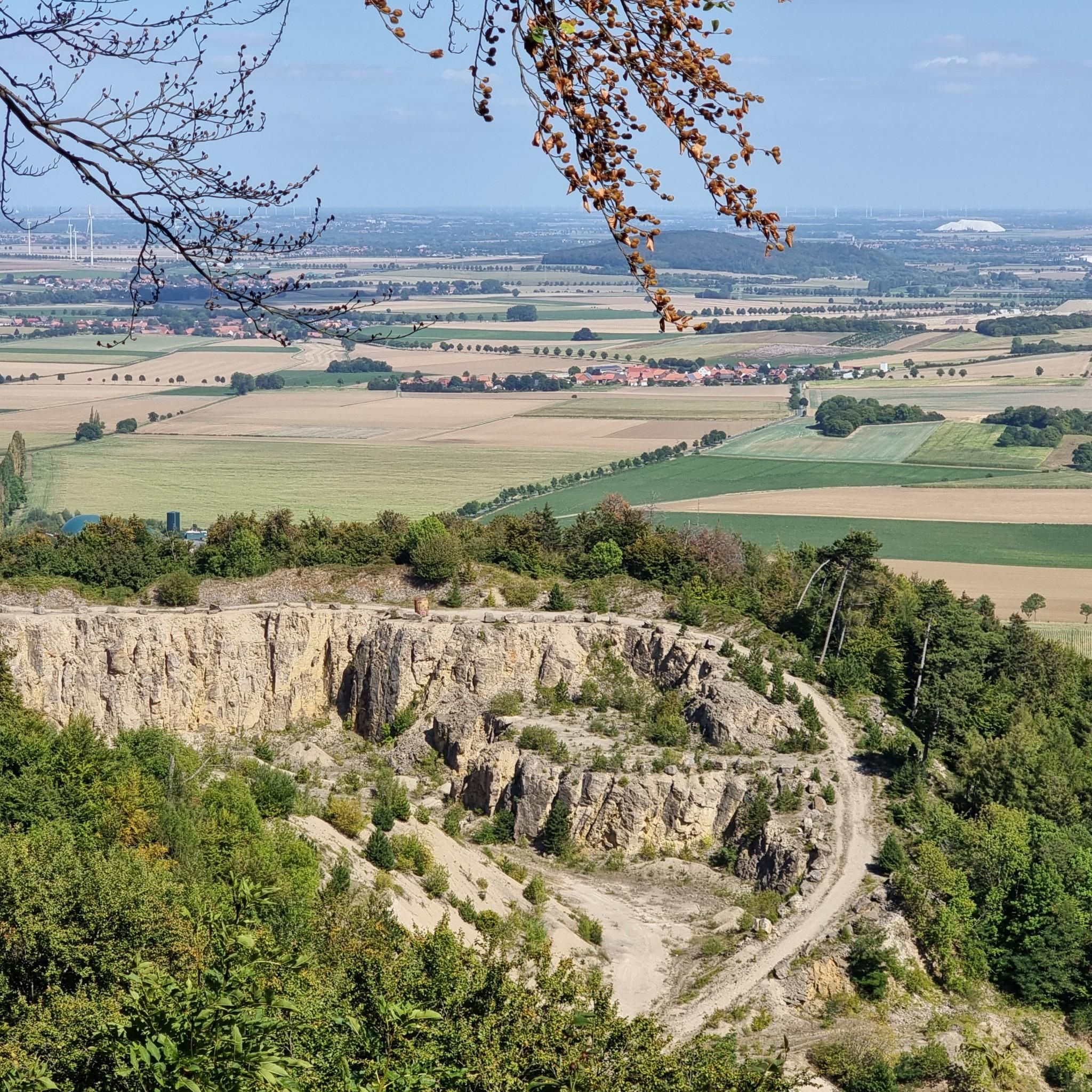
You can briefly visit these cliffs on the way to the Lönturm. I find the place interesting for a few pictures.
3
0

Evidence from the Middle Ages: the remains of Calenberg Castle in Pattensen. https://www.visit-hannover.com/Sehensw%C3%BCrdigkeiten-Stadttouren/Hannover-Urlaubsregion/Calenberger-Land/Die-Feste-Calenberg
12
0

Driving past it forever, the "discovery" and the visit were worth it. Old relics and today only a ruin.
2
1
The witch's kitchen on the Thüster Berg is a bizarre rocky outcrop west of the Kanstein. Due to the Christian renaming of this place, a pagan, cultic meaning can be assumed. Source: https://www.mystic-culture.de/kultplatz/kanstein/detail/detail_09.html
6
0
The first mention of a coal seam can be found in 1738. Excavation only began on October 31, 1831. After 103 meters, mining could begin in 1832. The mined coal was used to supply local industrial plants and as domestic fuel and forge coal. In 1862, the Feggendorfer tunnel was penetrated by a direct connection to the Hohenbostel tunnel. The natural air circulation created by the approximately 100 m difference in height between the two mouths was used for ventilation. Annual production rose from 840 t to 1600 t and finally fell to 540 t. In 1879, the mine was closed for economic reasons, but was maintained to ventilate the Hohenbostel tunnel until 1895, when it was closed. In 1917, the last year of the First World War, the tunnel was reopened and expanded after a 40-year break due to the poor supply situation. In 1921, 139 men mined 80 to 90 tons per day. The mine was officially closed in 1947, but continued to be used on a small scale until 1952. In that year, all usable facilities were demolished and the access was blown up. The tracks and the mine cars were used in other Deister mines. Source: https://de.wikipedia.org/wiki/Feggendorfer_Stolln
3
0

In the past, hard coal was mined here and brought down via the braking distance. You can see the mine house, old carts, unused rails, the entrance to the tunnel and old and new tools. There is also plenty of space to take a break before completing the ascent to Kreuzbuche.
6
0

Refuge for animals and plants! Here is something else from the network: https://de.wikipedia.org/wiki/H%C3%B6hlengebiet_im_Kleinen_Deister
4
0
Frequently Asked Questions
What types of caves can I find around Springe?
The Springe area features a variety of cave types, including natural rock formations, historical mining adits, and significant wildlife sanctuaries. These range from geological formations like Homeisters Loch Cave to sites of historical human activity such as the Feggendorfer Adit.
What makes the caves around Springe unique?
The caves around Springe are primarily valued for their ecological importance as bat habitats and their scenic surroundings within the Deister hills. They offer unique opportunities for nature observation and are integrated into picturesque hiking routes. Many caves, like those in the Cliffs and Bat Caves in the Kleiner Deister, serve as vital winter refuges for various bat species.
Are there family-friendly cave experiences around Springe?
Yes, the Feggendorfer Adit offers a family-friendly experience. You can book guided tours to explore an authentic mining tunnel with a helmet and miner's lamp, learning about historical working conditions. It's described as great fun for all ages.
When is the best time to visit the caves around Springe?
For observing the natural landscape and potentially bats (as they leave the caves), the best time to visit is from spring to autumn when trails are typically dry. Many caves are protected bat habitats, and access might be restricted during winter months to avoid disturbing the animals.
Do I need permits to visit caves in Springe?
Most natural caves in the region, especially those designated as bat habitats like Homeisters Loch Cave and the Cliffs and Bat Caves in the Kleiner Deister, are either gated or blocked off to protect their inhabitants. Public access for exploration into these specific caves is generally not permitted. However, the surrounding areas and hiking trails are accessible without permits.
What kind of gear do I need for visiting caves in Springe?
For guided tours into accessible sites like the Feggendorfer Adit, you will typically be provided with necessary safety gear such as a helmet and miner's lamp. For exploring the trails and natural areas around the caves, sturdy hiking shoes are recommended, especially during wetter seasons.
What outdoor activities can I do near these caves?
The caves are often part of picturesque hiking routes. You can find numerous hiking opportunities, including easy hikes around Springe. For example, you can explore routes like the 'Deister Radar Tower – Nienstedter Pass loop' or the 'Ebersberg Communication Tower – Quarry at Ebersberg loop'. There are also cycling routes available, such as the 'Springe Old Town – Bubikopfallee loop'. You can find more details on easy hikes around Springe and cycling around Springe.
Are there historical sites related to caves in Springe?
Yes, the Feggendorfer Adit is a significant historical site, offering insights into the region's mining heritage. Additionally, the Ruins of Calenberg Castle, while primarily a castle ruin, also has cellars that serve as bat habitats and are closed during certain months for their protection, linking history with natural conservation.
Can I see bats or other wildlife near the caves?
The caves, particularly those in the Cliffs and Bat Caves in the Kleiner Deister and Homeisters Loch Cave, are crucial bat habitats. While the caves themselves are often closed to protect the bats, you might observe them in the surrounding natural areas, especially during dusk or dawn in spring to autumn. The region's natural beauty also supports other wildlife.
What do visitors enjoy most about the caves around Springe?
Visitors particularly appreciate the authentic experience offered by sites like the Feggendorfer Adit, where they can experience mining up close. The natural beauty of the cliff formations and the peaceful hiking trails around the bat caves, such as those in the Kleiner Deister, are also highly valued for their scenic views and opportunities for nature observation.
Is there a 'Bear Cave' near Springe?
While there is a highlight named Bärenhöhle Restaurant near Springe, which is a local spot suitable as a resting point after a hike, it is not a prominent tourist cave system. The well-known 'Bärenhöhle' (Bear Cave) famous for cave bear skeletons and extensive features is located near Erpfingen in a different part of Germany.
Are there any viewpoints near the caves?
Yes, the area of the Cliffs and Bat Caves in the Kleiner Deister is also a viewpoint, offering interesting cliff formations. Homeisters Loch Cave is situated in a cliff on the ridge of the Raher mountain, providing an impressive view of the surrounding landscape.
Most popular routes around Springe
Most popular attractions around Springe

Get inspired with the komoot mobile app


Explore more
Extend your search for the best caves by checking out these guides of the top ones around Springe:
