Top 20 Lakes around Remagen
Best lakes around Remagen offers diverse aquatic landscapes, from the prominent volcanic crater lake Laacher See in the nearby Eifel region to smaller, tranquil ponds. Situated on the Rhine River, Remagen provides access to a variety of natural and man-made water bodies in its vicinity. The area is characterized by its geological history, including volcanic formations and former quarry sites that have transformed into lakes, providing opportunities for recreation and nature observation.
Best lakes around Remagen
- The most popular lakes…
Last updated: June 26, 2026
Rheinaue Park, Bonn
Highlight • Rest Area
Translated by Google •
Tip by

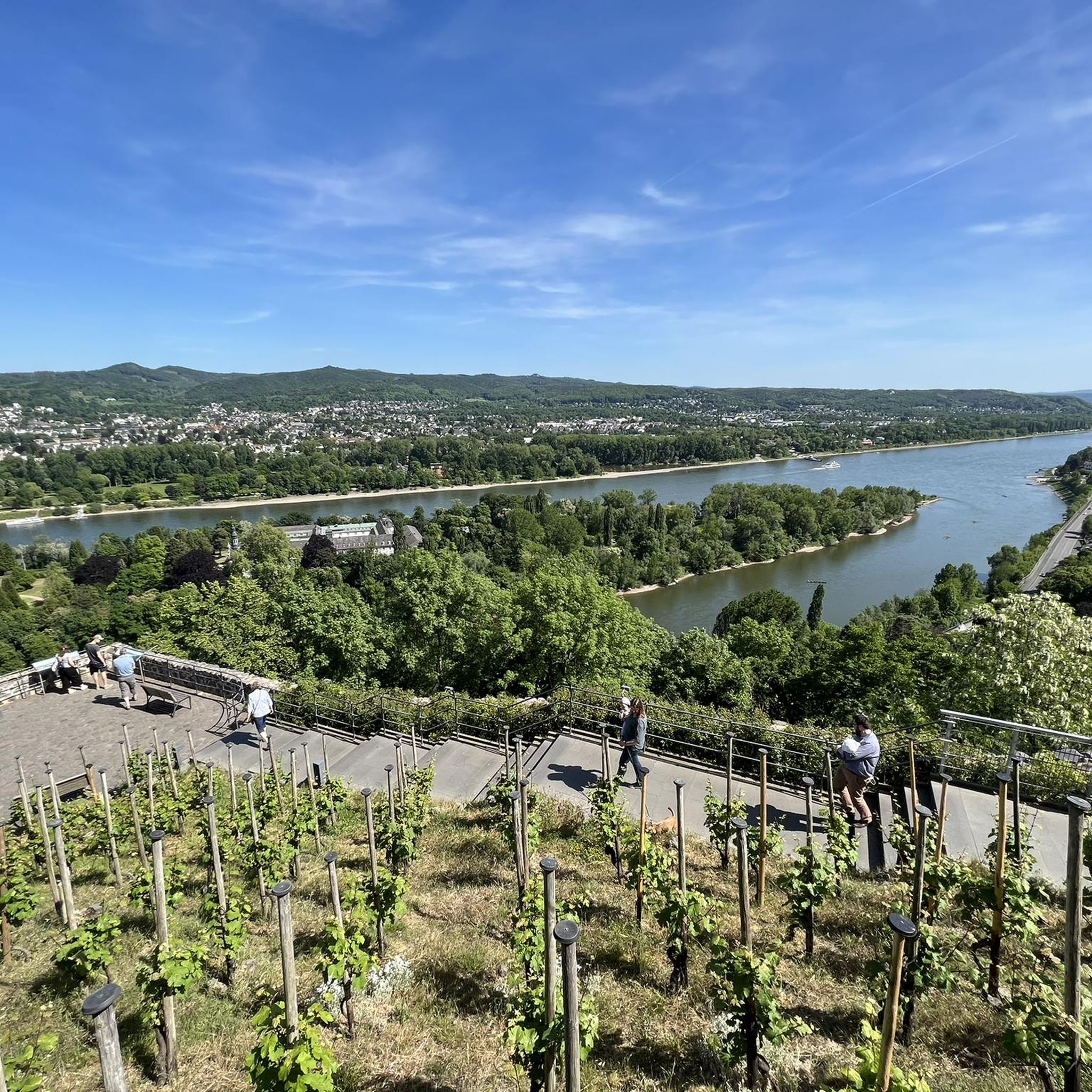
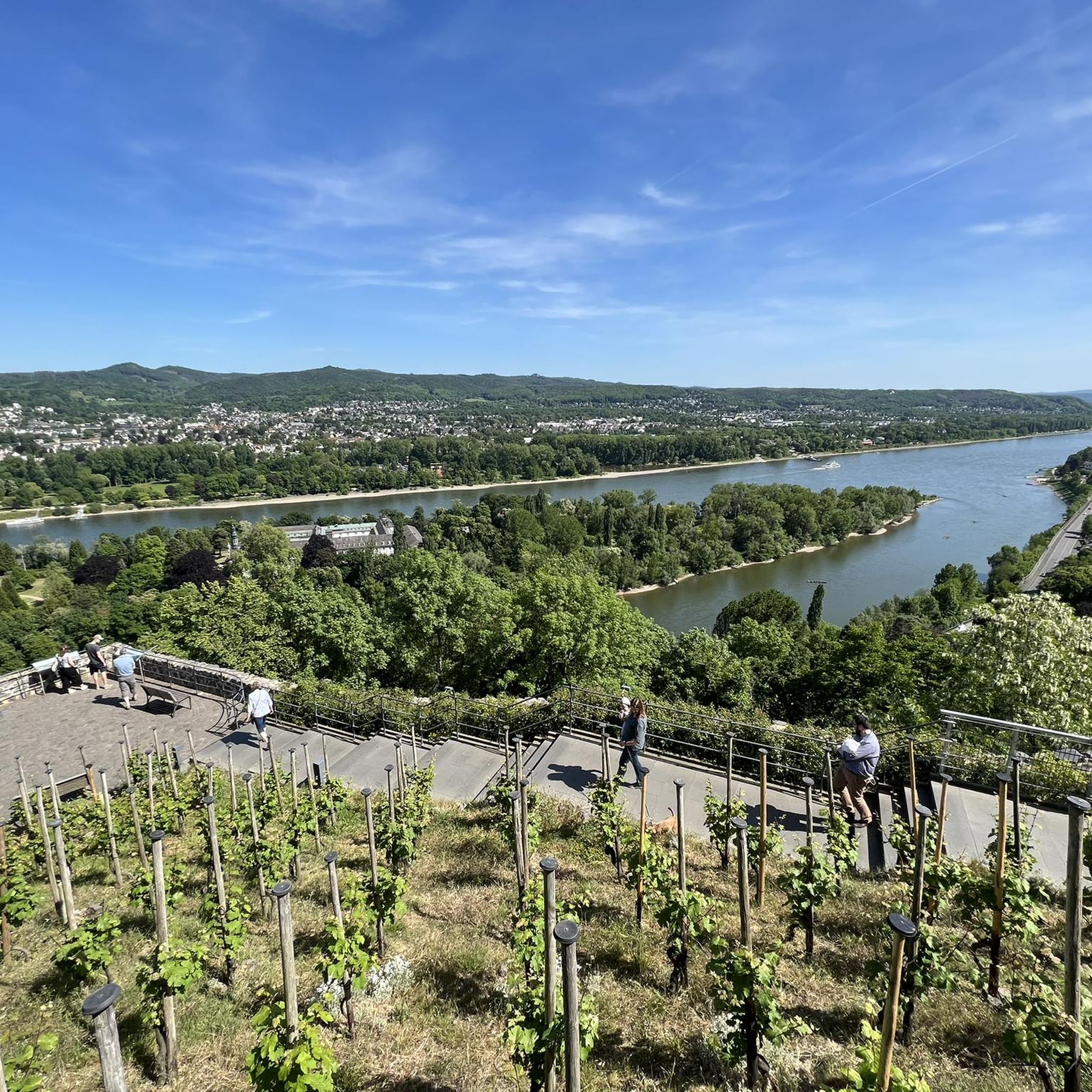
Three-Lakes Viewpoint
Highlight • Viewpoint
Translated by Google •
Tip by

Sign up now to discover places like this
Get recommendations on the best single tracks, peaks, & plenty of other exciting outdoor places.
Sign up for free
View of Dornheckensee
Highlight • Viewpoint
Translated by Google •
Tip by

Weilberg Quarry
Highlight • Natural Monument
The highlight is on the tour "Weg der …
Translated by Google •
Tip by
Waldschlößchen Pond
Highlight • Lake
Translated by Google •
Tip by

Sign up for free to discover even more lakes around Remagen.
Sign up for free
Already have an account?
Start today with a free account
Your next adventure awaits.
Login or Signup
Popular around Remagen
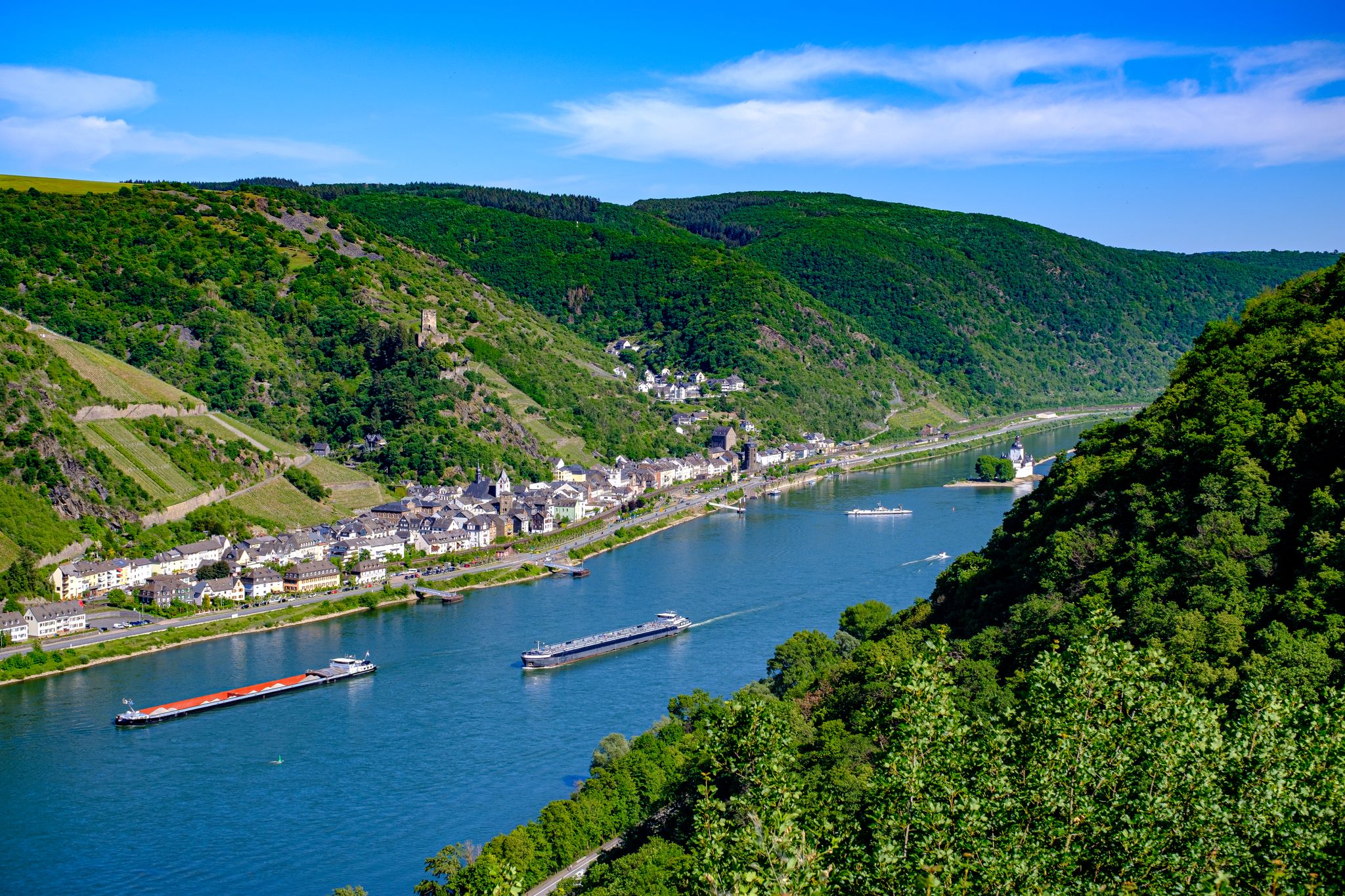
The Rhine Castle Trail – 13 stages of pure Rhine romanticism
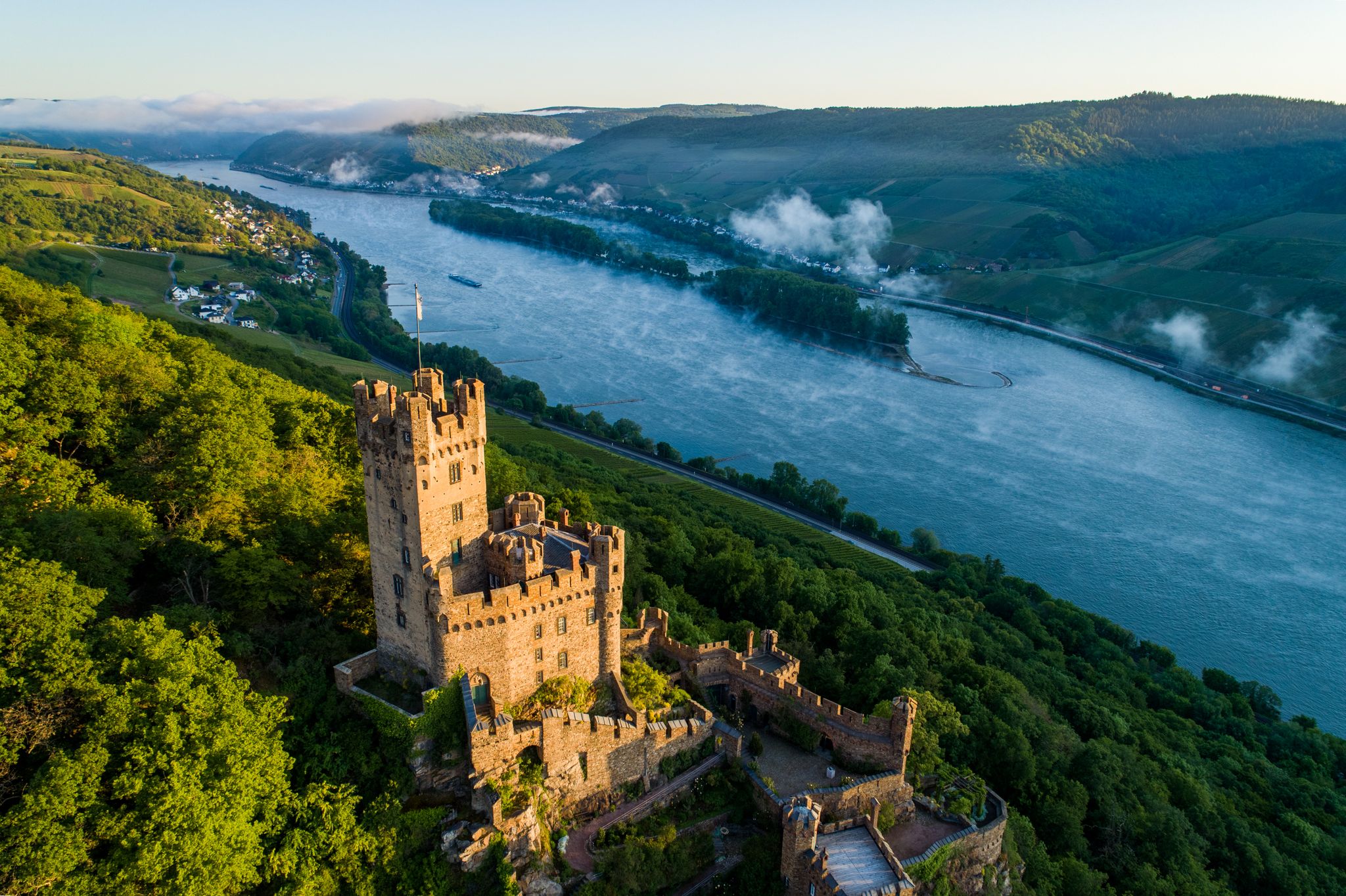
Stunningly beautiful – hiking on the RheinBurgenWeg
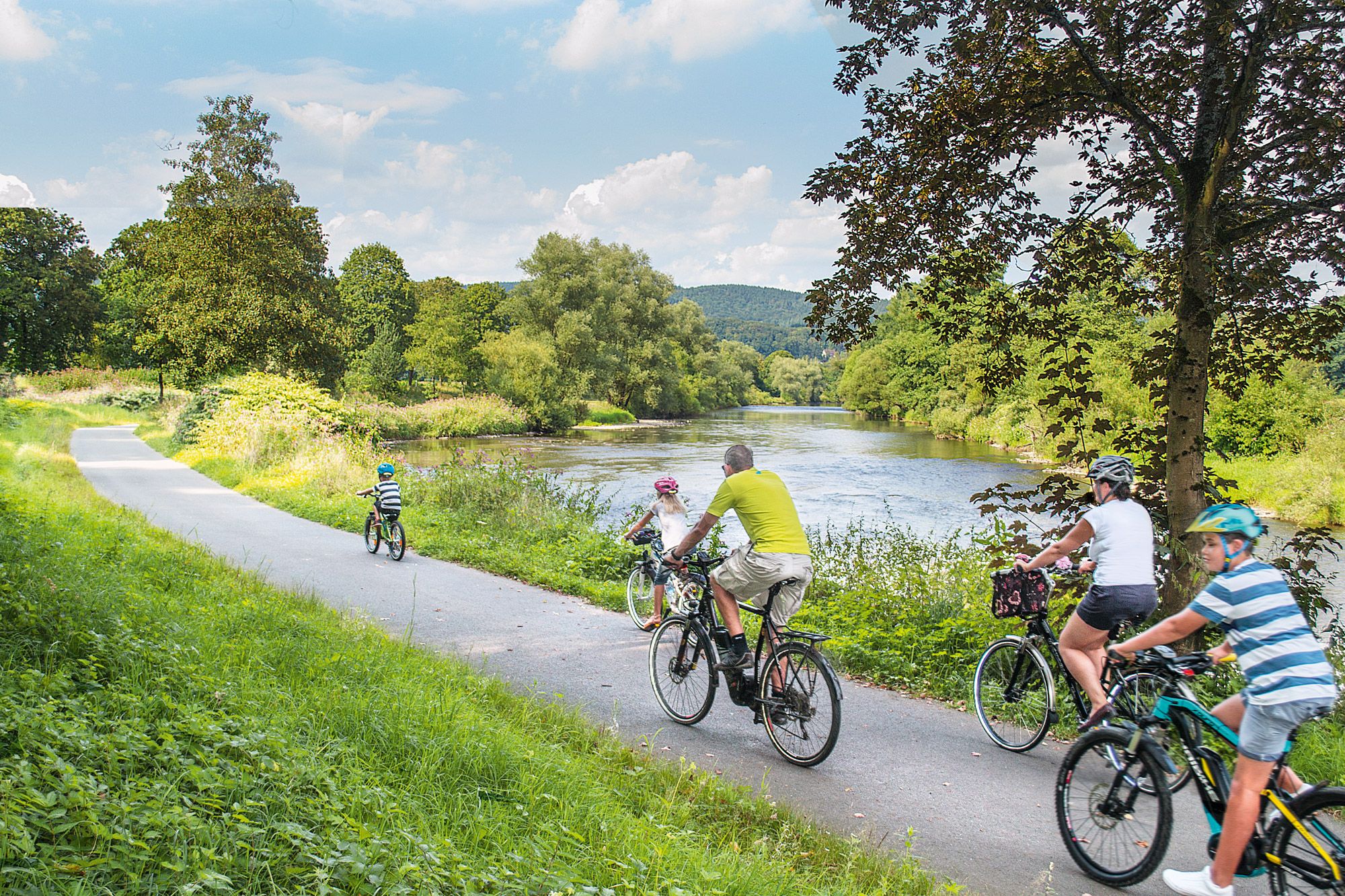
Nature bathing on your bike – beautiful Tours on the Rhine and Sieg
Lowest to Highest (L2H) in Germany
Hiking around Remagen
Road Cycling Routes around Remagen
Cycling around Remagen
Running Trails around Remagen
MTB Trails around Remagen

Mountain Hikes around Remagen
Other adventures around Remagen


Tips from the Community

The name is once again misleading: Of course, the local hiker knows that there are by no means several lakes visible from this spot. Rather, it is the "good old Father Rhine," which can be seen several times, seen here from above.
9
0

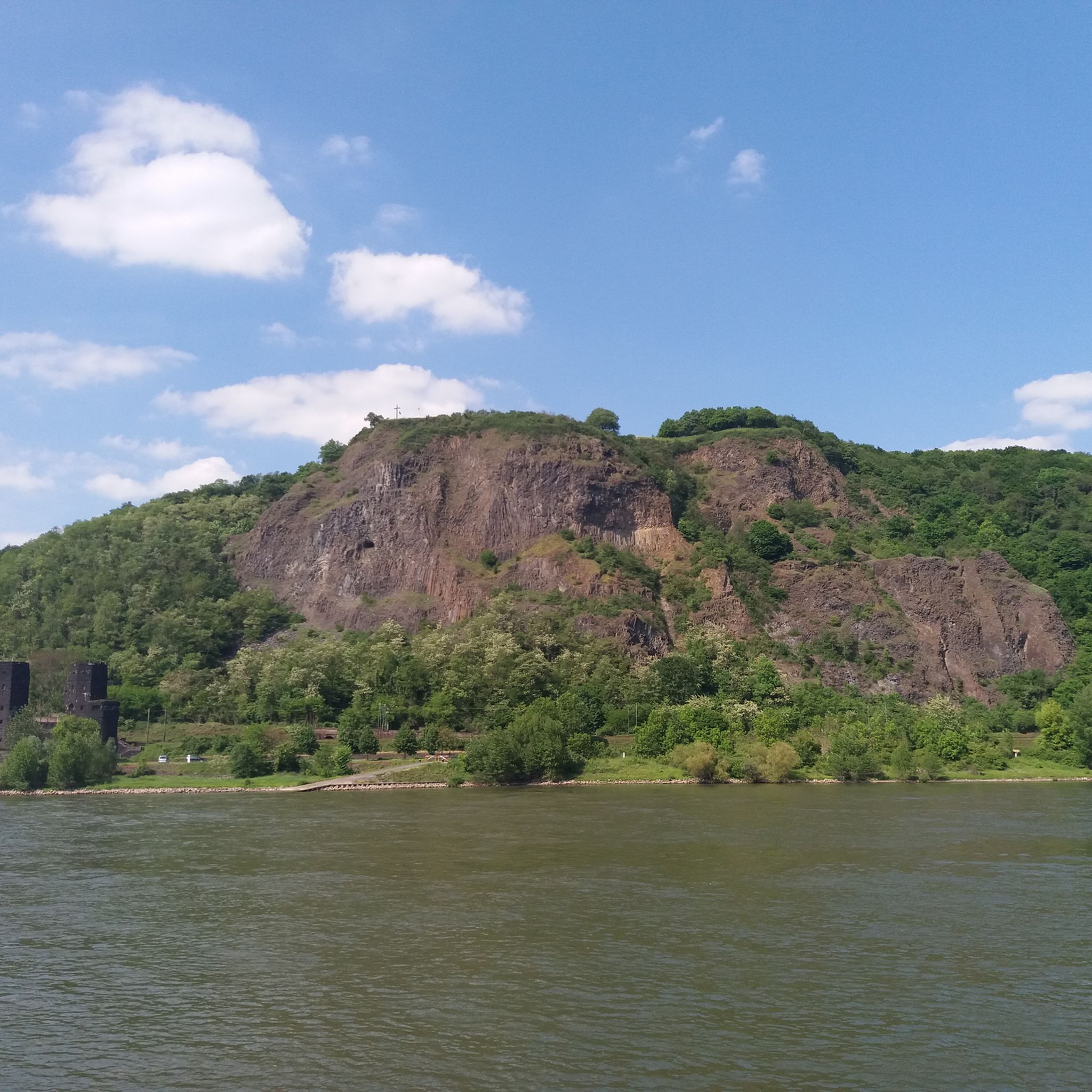
The Weilberg is one of the many relics of the Siebengebirge from the time of the volcanoes that formed the landscape around 30 million years ago (Tertiary period). At that time, the volcanic activity began with a huge ash rain. Inside the earth was a huge magma focus that had created eruptions in various chimneys and crevices. Loose material was thrown explosively through these eruption sites to the earth's surface. This was deposited on the earth's surface and solidified into tuff. Lava penetrated the forming trachytuff layer and colored the tuff red at the contact zone. This can still be clearly seen today. The lava solidified into hexagonal basalt columns, often into slender columns. Later, liquid basalt penetrated the old tufa layer again in one passage and formed a "basalt tulip" at the upper end. Over the course of time, the destructive power of nature eroded the soft tuff layer through erosion, weathering and erosion. The hard layers of basalt resisted these forces and are therefore so close to the surface today that they were quarried. There are three large groups of volcanic rock in the Siebengebirge: 1. Trachyte (e.g. Drachenfels, Lohrberg) - used in the construction of Cologne Cathedral 2. Latite (e.g. Stenzelberg, Wolkenburg) - used for baroque building decoration 3. Basalts (e.g. Weilberg, Ölberg, Petersberg) - use e.g. B. for coastal reinforcement or as gravel for road and railway construction In the 19th and early 20th century, basalt was mined on the Weilberg, as in many other places in the Siebengebirge. The workers toiled for ten hours to extract the valuable stone by hand with hammers, crowbars, iron wedges or stone forks. It was particularly dangerous for the workers, who were lowered to the blast site on a rope. The extracted rock was transported to the nearby stone crushing plant. The workers loaded the mined rock into wagons and brought it down to the valley. From 1889, a narrow-gauge railway was built for transport, which led down into the Rhine Valley to the loading point on the ships. At weekends, she brought the day trippers to the Siebengebirge in passenger transport. Basalt was and is very popular for building roads, paths and railways, but also for bank and dike reinforcements (also in the Netherlands!). This quarry activity, which ended in 1942, offers the visitor a fantastic insight into times long past. Information boards give the visitor important information about the history of the origins of the volcanic landscape and the Weilberg, but also about the history of quarrying.
3
0

This is the closed Weilberg basalt quarry.
4
0

A nice place to take a break. The pond is currently covered with duckweed, the green color gives the pond a mystical touch.
6
0

Especially beautiful now in the spring, because everything is blooming, green and a clear view in the forest...
3
0


Idyllic small forest lake. For ducks etc. just great location.
5
0

Frequently Asked Questions
What types of lakes can I find around Remagen?
The area around Remagen offers a diverse range of aquatic landscapes. You'll find significant volcanic crater lakes like Laacher See, former quarry lakes such as the one overlooked by the View of Dornheckensee, and tranquil forest ponds like Waldschlößchen Pond. Additionally, some viewpoints, like the Three-Lakes Viewpoint, offer expansive views of the Rhine that resemble lakes.
Which is the most prominent lake near Remagen?
The most prominent lake near Remagen is Laacher See, located in the eastern Eifel region. It is a unique volcanic crater lake, the largest in Rhineland-Palatinate, known for its geological significance and recreational opportunities.
Are there family-friendly lakes or activities near Remagen?
Yes, several spots are great for families. Rheinaue Park, Bonn, which includes the Japanese Garden with its lake and waterfalls, is very family-friendly. The Three-Lakes Viewpoint and Waldschlößchen Pond also offer pleasant, easy-to-access natural settings suitable for all ages.
Can I go swimming in the lakes around Remagen?
Laacher See is a popular destination for swimming, especially during warmer months. While other smaller lakes like Dungkopfsee, Himberger See, and Steinsee exist, their recreational potential for swimming might be more limited or locally focused. Always check local regulations and safety information before swimming in any natural body of water.
What unique natural features can I explore near Remagen's lakes?
The region is rich in unique natural features, primarily due to its volcanic history. Laacher See is a prime example, being a volcanic crater lake formed after an eruption approximately 13,000 years ago. You can also find former basalt quarry lakes, such as the one visible from the View of Dornheckensee, which have transformed into beautiful natural habitats.
Are there historical or cultural sites near the lakes?
Yes, near Laacher See, you can visit the Benedictine Maria Laach Abbey, which is situated directly on its western side. Additionally, the Japanese Garden in Rheinaue Park, while a more modern creation, offers a cultural experience with its traditional design and serene lake.
What outdoor activities can I do near these lakes?
The area around Remagen's lakes offers various outdoor activities. You can enjoy hiking, cycling, and gravel biking. For specific routes, explore guides like Easy hikes around Remagen, Cycling around Remagen, and Gravel biking around Remagen.
When is the best time to visit Laacher See?
Laacher See is enjoyable year-round. The warmer months are ideal for swimming, sailing, and camping. Spring and autumn offer pleasant temperatures for hiking and exploring the volcanic landscape, with beautiful foliage in fall. Even in winter, the serene atmosphere can be appealing for quiet walks.
Are there hiking trails around the lakes near Remagen?
Yes, there are numerous hiking opportunities. The area surrounding Laacher See is part of a nature reserve with many trails. You can also find pleasant walks around smaller bodies of water like Waldschlößchen Pond. For more options, check out Easy hikes around Remagen.
Is there parking available at Laacher See?
Yes, Laacher See is a popular destination, and parking facilities are available for visitors. Specific parking areas are usually signposted near the main attractions like Maria Laach Abbey and recreational spots.
Can I bring my dog to the lakes?
Many natural areas around the lakes, including parts of Laacher See, are generally dog-friendly for walks, provided dogs are kept on a leash. However, specific rules may apply to swimming areas or nature reserves, so it's always best to check local signage or regulations for each specific location.
What is the 'Three-Lakes Viewpoint' and what does it offer?
The Three-Lakes Viewpoint is a popular spot that offers panoramic views of three sections of the Rhine River, which appear like distinct lakes nestled between the mountains of the Siebengebirge. From here, you can enjoy expansive vistas of landmarks like Drachenfels, Bonn, and even Cologne Cathedral on a clear day.
Most popular routes around Remagen
Most popular attractions around Remagen

Get inspired with the komoot mobile app


Explore more
Still not found your perfect lake around Remagen? Check out the guides of these regions to see even more beautiful places.
