Top 20 Caves around Moselkern
Caves around Moselkern offer insights into the region's mining history and natural formations within the Moselle Valley. This area is characterized by its river landscapes and steep vineyards, providing a backdrop for exploring various underground sites. Many of these sites are former slate quarries or mine tunnels, now often serving as natural habitats. The geological features of the region contribute to the presence of these unique subterranean structures.
Best caves around Moselkern
- The most popular caves is Baybachtal Bat Cave…
Last updated: October 12, 2026
Baybachtal Bat Cave (Slate Tunnel)
Highlight • Cave
Translated by Google •
Tip by

Klöckners Kaul slate mine tunnel and rest area
Highlight • Cave
Translated by Google •
Tip by

Sign up now to discover places like this
Get recommendations on the best single tracks, peaks, & plenty of other exciting outdoor places.
Old Slate Mine Tunnel
Highlight • Cave
Translated by Google •
Tip by

Small cave on the Felsensteig
Highlight • Cave
Translated by Google •
Tip by

Theresia Mine Tunnel
Highlight • Cave
Translated by Google •
Tip by

Sign up for free to discover even more caves around Moselkern.
Already have an account?
Start today with a free account
Your next adventure awaits.
Popular around Moselkern
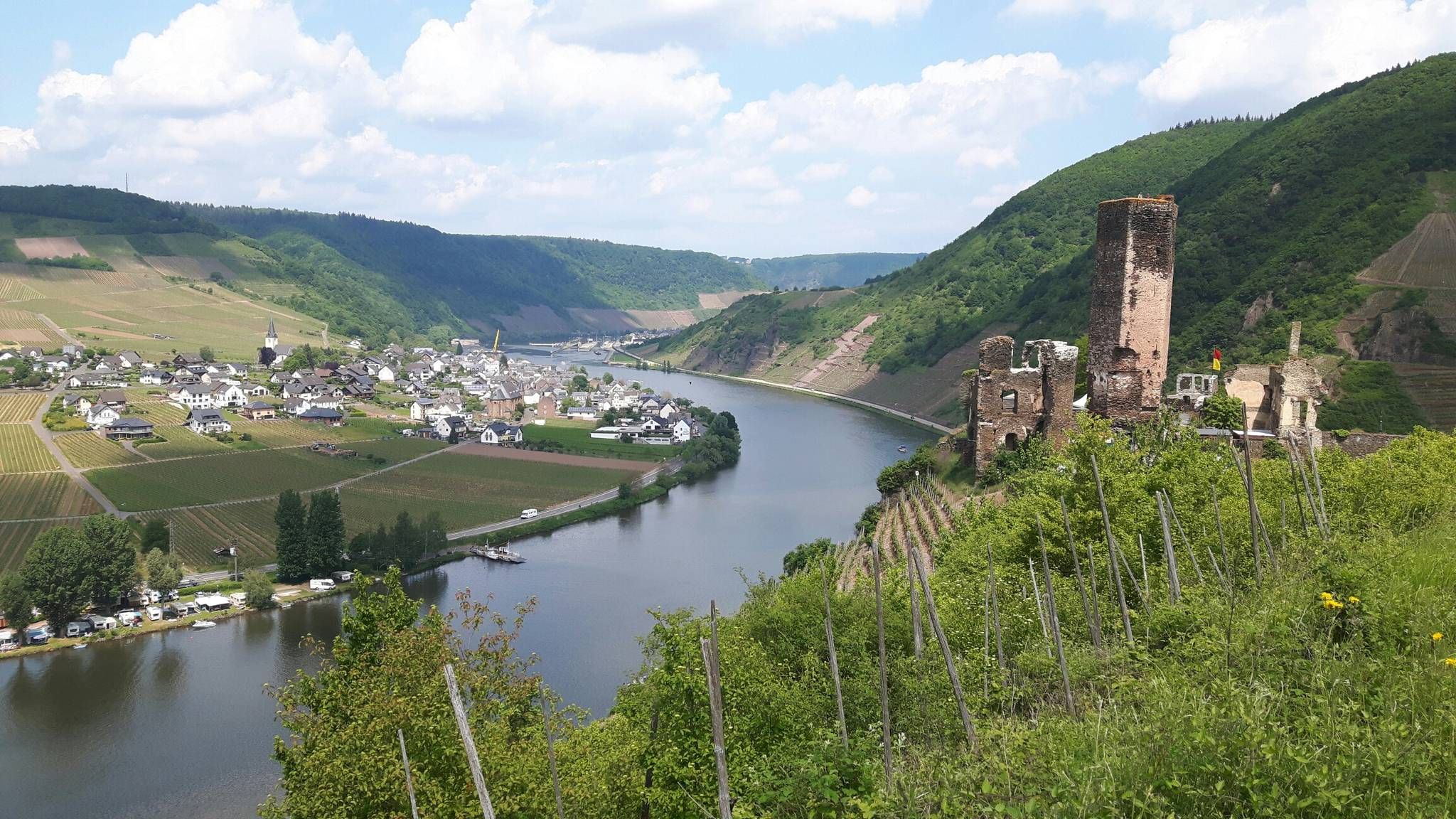
The Moselsteig trail – 24 stages along the sunny Moselle Valley
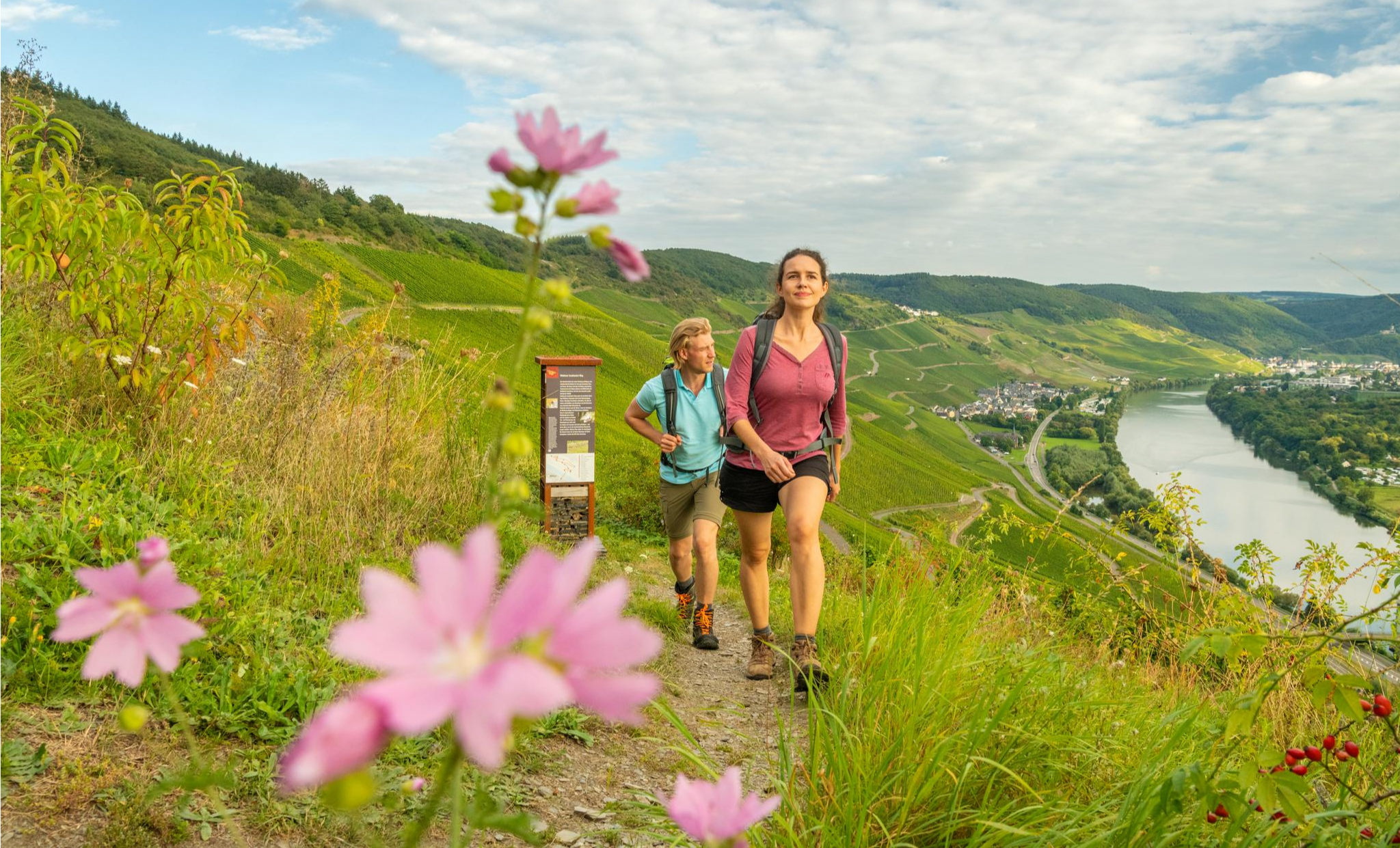
Moselsteig – 24 varied stages from Perl to Koblenz
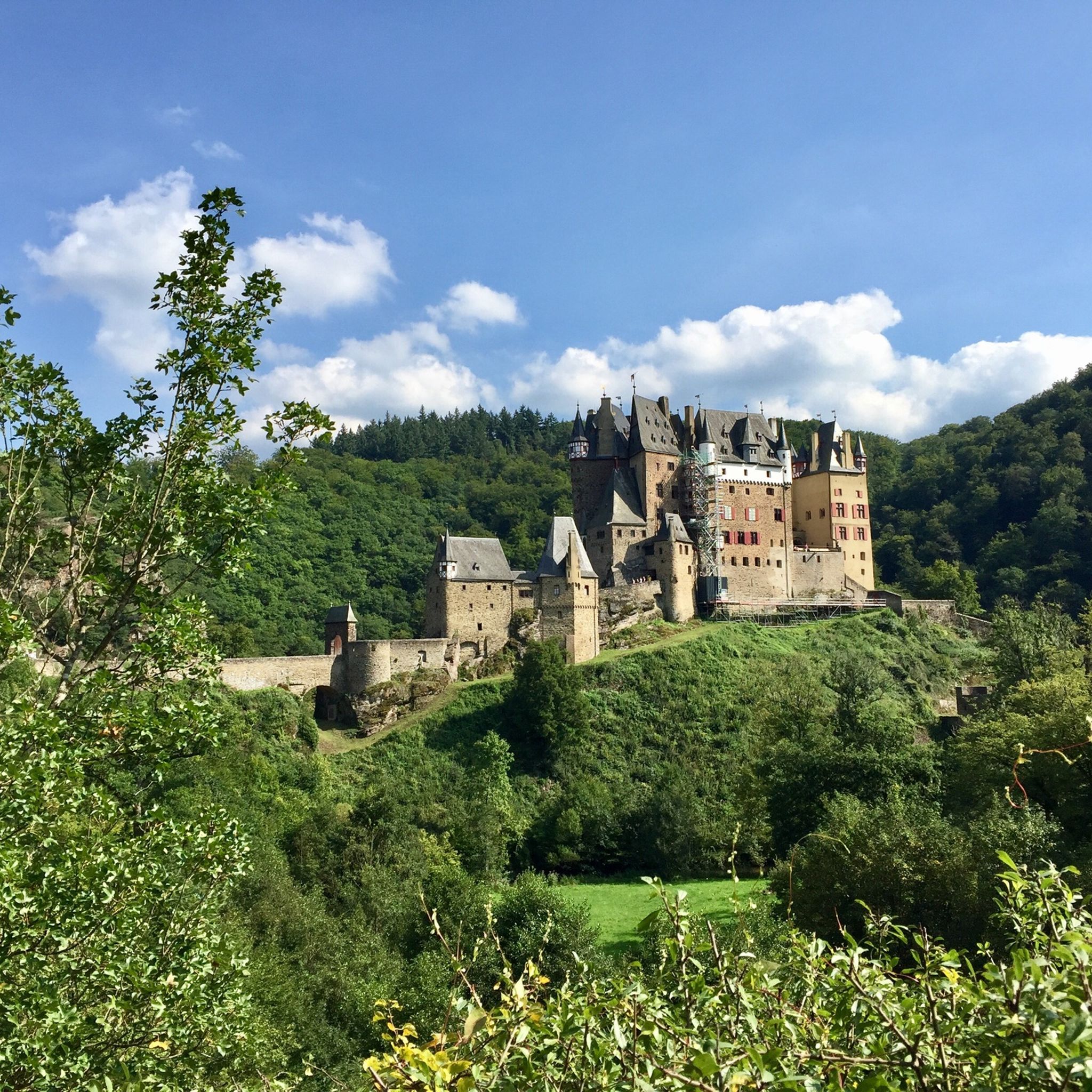
Hiking around Moselkern
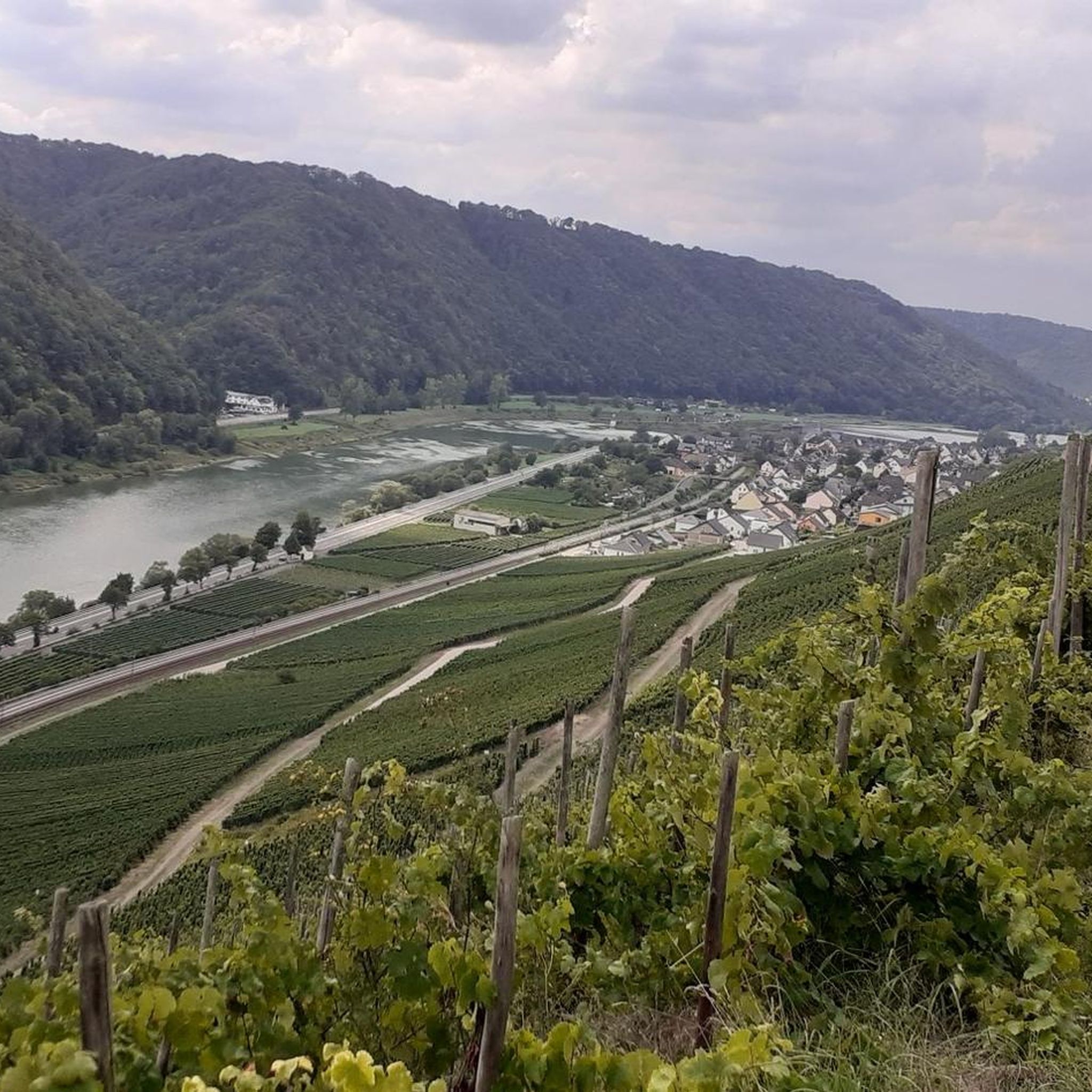
Road Cycling Routes around Moselkern
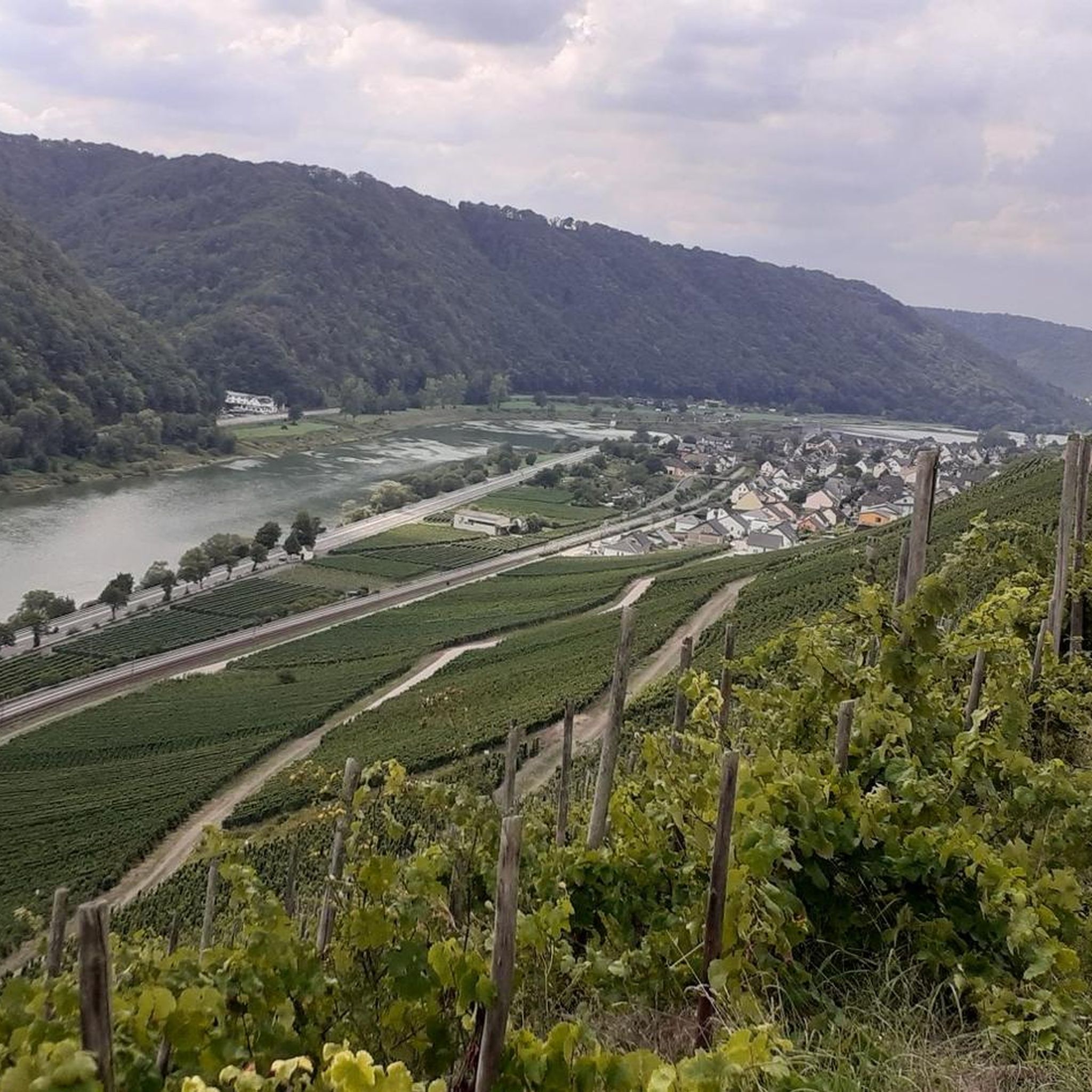
Cycling around Moselkern
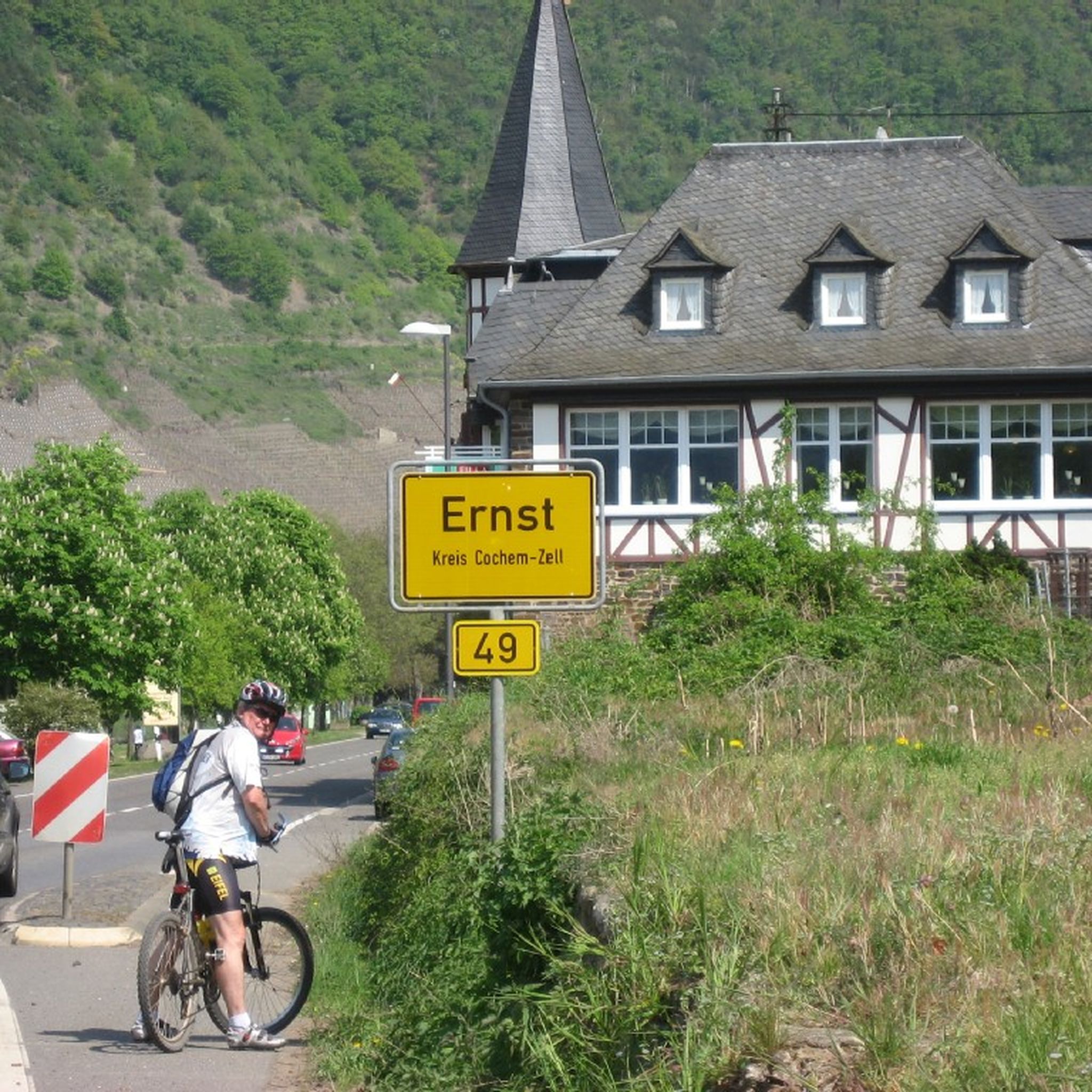
MTB Trails around Moselkern
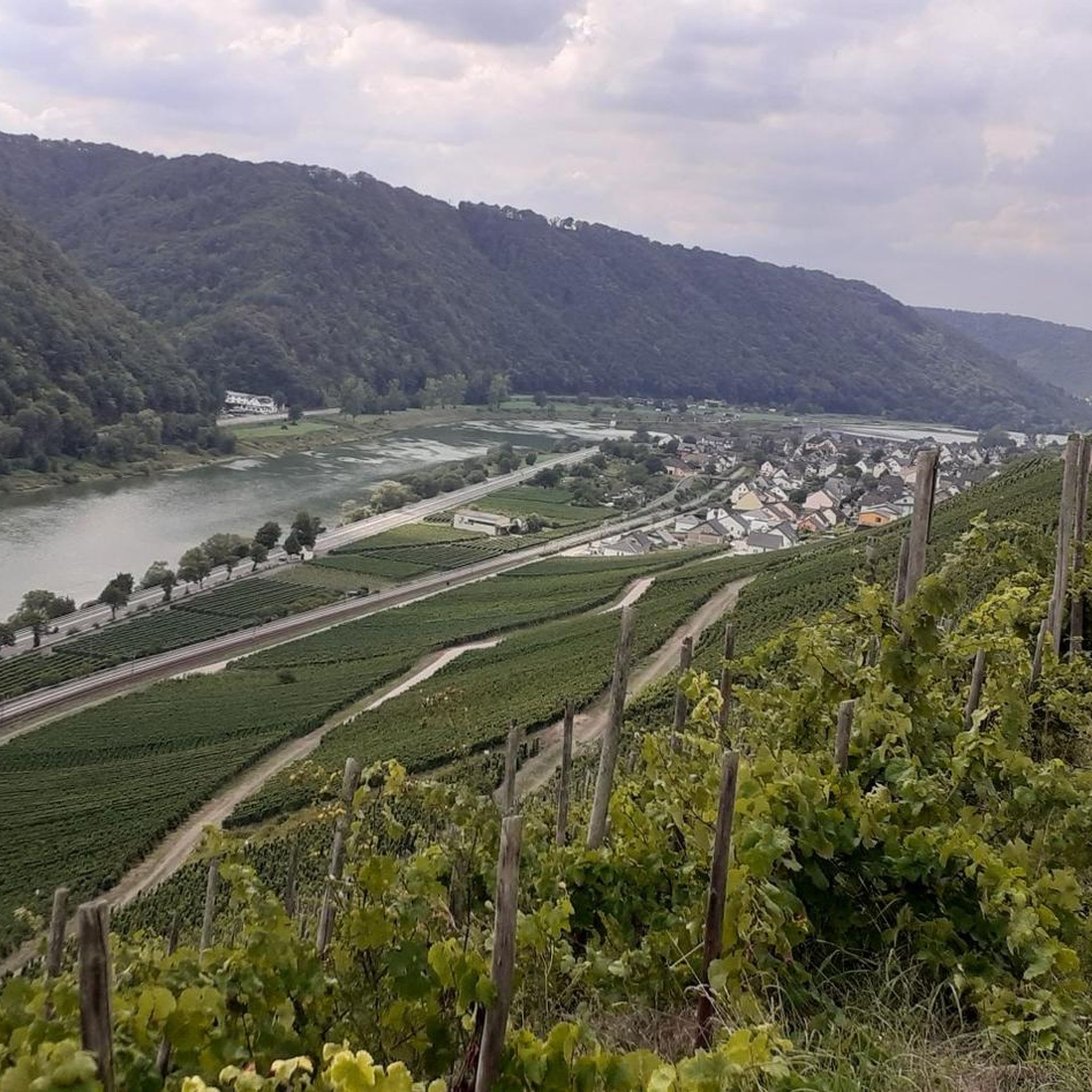
Running Trails around Moselkern
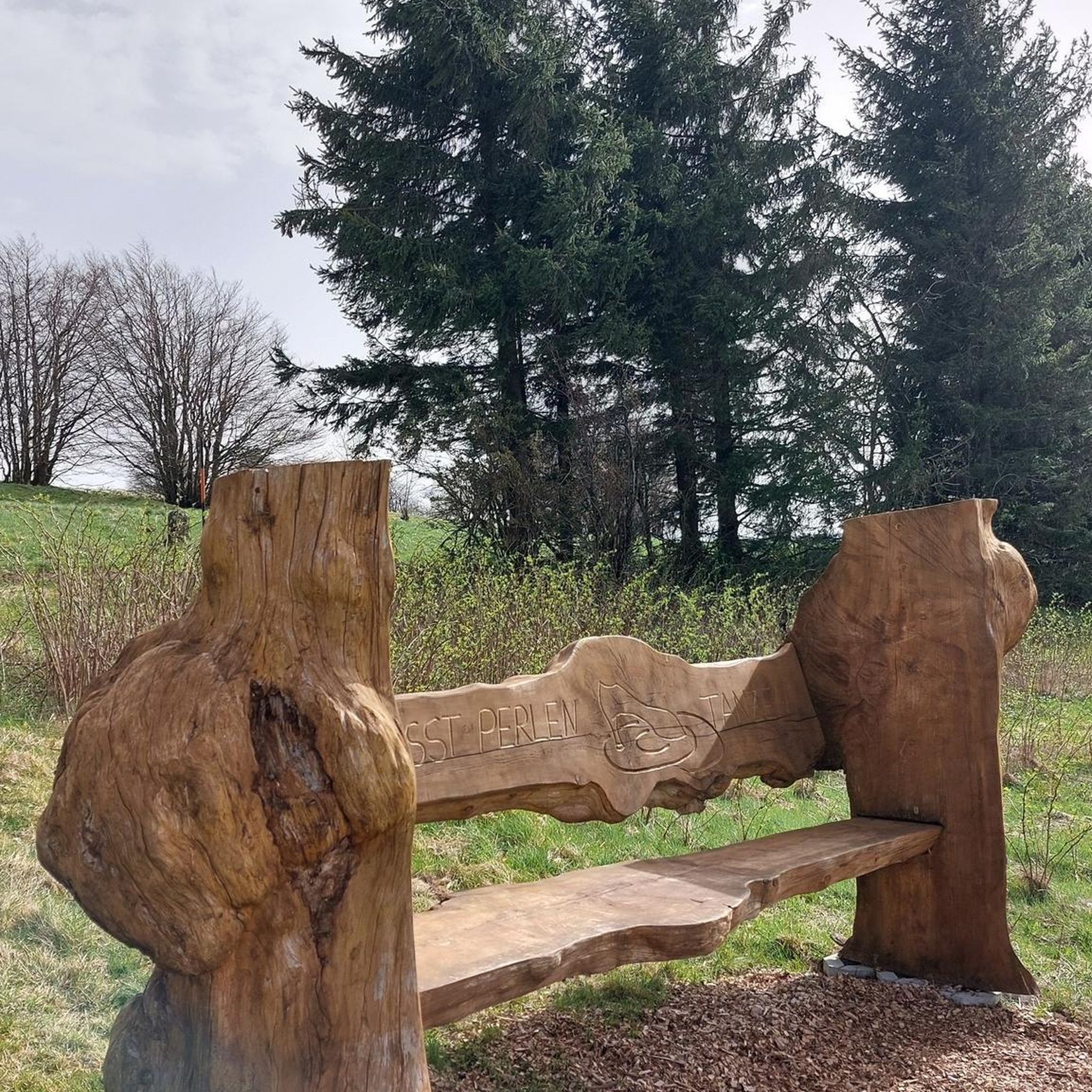
Gravel biking around Moselkern
Mountain Hikes around Moselkern


Tips from the Community

large rocky outcrop as a shelter and as a wintering place for bats
3
0

A slate mine with a nice rest area and information board.
2
0

This evidence of the former slate mining in the Baybachtal can be found in several places.
2
0

The mine path begins with Jupp, the miner carved out of wood, who is a symbol of the miners from Morshausen who mined ore in the lower Theresia mine from 1859 to 1886. The ores were brought to St. Goarshausen-Fellen for smelting. From the Theresia ore mine, the mouth hole of the lowest tunnel at Baybach level near the colliery house, which was built in 1860 for 12 miners and miners, has been preserved and one at the spoil heap level. The various tunnels extended from 250 meters to 20 meters into the mountain and were 10 to 15 meters wide.
1
0

Even if it's tempting: Don't go in (even if the cave is open) and disturb the bats, because then they might not survive hibernation!
2
0

Caves bear witness to the former slate mining. You can shine a flashlight into the caves. I would rather not crawl in because of the danger of falling rocks.
1
0

A welcome change for little explorers!!!
1
0

Old slate quarry that was left to the bats. The entrance is barred and cannot be entered.
5
0
Frequently Asked Questions
What kind of caves can I expect to find around Moselkern?
The caves around Moselkern are primarily former slate quarries and mine tunnels, which now often serve as natural habitats. You'll find historical sites like the Baybachtal Bat Cave (Slate Tunnel), which was an old slate quarry, and the Klöckners Kaul slate mine tunnel and rest area, a former mining site. There are also smaller, natural caves such as the Small cave on the Felsensteig.
Are there any historical mining sites to explore near Moselkern?
Yes, the region around Moselkern is rich in historical mining sites. Many of the caves are remnants of old slate quarries and mine tunnels. For instance, the Klöckners Kaul slate mine tunnel and rest area is a beautifully designed spot at a former mining site. The Theresia Mine Tunnel in the Hunsrück region is another example, where lead, silver, copper, and zinc ores were once extracted.
Can I see bats in the caves around Moselkern?
Many of the former mine tunnels and slate quarries in the Moselkern area, including the Baybachtal Bat Cave (Slate Tunnel) and the Theresia Mine Tunnel, are now closed off and serve as important wintering places and sheltered sleeping spots for bats. While you might not be able to enter these specific tunnels to avoid disturbing the bats, their presence highlights the ecological significance of these sites.
Are there family-friendly caves to visit near Moselkern?
Absolutely. The Klöckners Kaul slate mine tunnel and rest area is considered family-friendly, offering a pleasant rest area at a historical site. The Small cave on the Felsensteig is also a natural monument that is small, manageable, and particularly interesting for children, providing a nice spot for a rest.
What outdoor activities can I combine with a visit to the caves?
The Moselkern area offers various outdoor activities. You can explore nearby running trails, such as the 'Eltz Castle – Moselsteig Trail at the Elzbach loop from Wierschem'. For cycling enthusiasts, there are gravel biking routes like the 'View of Eltz Castle – Scenic view of Moselkern loop from Treis-Karden', and MTB trails, including the 'Eltz Castle – View of Burg Thurant loop from Burgen'.
Are there hiking trails that lead to or past these caves?
Yes, many caves are accessible via hiking trails. For example, the Small cave on the Felsensteig is located directly on a trail, offering a convenient resting spot. The Baybachtal Bat Cave (Slate Tunnel) is also situated along routes in the Baybachtal, where you can find spoil heaps and tunnel entrances from past mining operations.
What do visitors enjoy most about the caves around Moselkern?
Visitors appreciate the unique blend of natural beauty and historical significance. The transformation of old slate quarries into bat habitats, the opportunity to explore former mining tunnels, and the discovery of small, accessible natural caves along scenic hiking paths are frequently highlighted. The Klöckners Kaul slate mine tunnel and rest area is particularly noted for its beautifully designed rest area.
How long does it typically take to explore a cave or mining site?
The time required varies depending on the site. Smaller, accessible caves like the Small cave on the Felsensteig are quick stops for a rest. Larger mine tunnels, such as the Old Slate Mine Tunnel, might take a bit longer to observe from the entrance. Since many are protected bat habitats, extensive exploration inside is often not possible. Plan your time based on the hiking route that leads to these points of interest.
Is it possible to enter all the caves mentioned?
No, not all caves are accessible for entry. Many former mine tunnels, including the Baybachtal Bat Cave (Slate Tunnel) and the Theresia Mine Tunnel, are barred to protect bat populations, especially during wintering periods. However, smaller natural caves like the Small cave on the Felsensteig are often open for visitors to briefly explore or rest.
Are there any viewpoints or natural landmarks near the caves?
Yes, the region is known for its scenic river landscapes and steep vineyards, offering numerous viewpoints. Many of the trails leading to or past the caves provide picturesque views of the Moselle Valley. The Small cave on the Felsensteig itself is located on a trail that offers good views, and the surrounding area is rich in natural monuments.
What is the best time of year to visit the caves around Moselkern?
The Moselkern region is beautiful year-round. Spring and autumn offer pleasant temperatures for hiking and exploring the trails that lead to the caves, with vibrant foliage or blooming nature. Summer is also suitable, though it can be warmer. Winter can provide a unique, quiet experience, but some trails might be more challenging due to weather conditions, and bat habitats are particularly sensitive during this time.
Are there any specific safety considerations when visiting these sites?
When exploring former mining sites, it's important to respect any barriers or warning signs, especially those protecting bat habitats. Some older tunnels, like the Old Slate Mine Tunnel, might have unstable areas if not properly maintained, so caution is advised. Always stay on marked paths and wear appropriate footwear for hiking on uneven terrain.
Most popular routes around Moselkern
Most popular attractions around Moselkern

Get inspired with the komoot mobile app


Explore more
Extend your search for the best caves by checking out these guides of the top ones around Moselkern:
