Top 20 Gorges around Nideggen
Best canyons around Nideggen are characterized by impressive red sandstone cliffs and canyon-like formations within the Rur Valley. These geological features were formed approximately 240 million years ago during the Triassic period, with the distinctive red color resulting from weathering under tropical conditions. The Eifel region's uplift and the Rur river's erosion over millions of years carved these rock formations. The area is recognized for its geological significance, including conglomerates embedded in the sandstone.
Best canyons around Nideggen
- The most…
Last updated: June 26, 2026
Buntsandstein Cliffs (Rur Valley)
Highlight • Natural Monument
Translated by Google •
Tip by

Through the Schlehbachtal
Highlight (Segment) • Gorge
Translated by Google •
Tip by

Sign up now to discover places like this
Get recommendations on the best single tracks, peaks, & plenty of other exciting outdoor places.
Sign up for free
Kaiserfelsen (Emperor Rock)
Highlight • Gorge
Translated by Google •
Tip by

Rock trail below Nideggen Castle
Highlight • Gorge
Translated by Google •
Tip by

Buntsandstein Trail Below the Cliffs (Rur Valley, Eifel)
Highlight (Segment) • Trail
Translated by Google •
Tip by

Sign up for free to discover even more gorges around Nideggen.
Sign up for free
Already have an account?
Start today with a free account
Your next adventure awaits.
Login or Signup
Popular around Nideggen
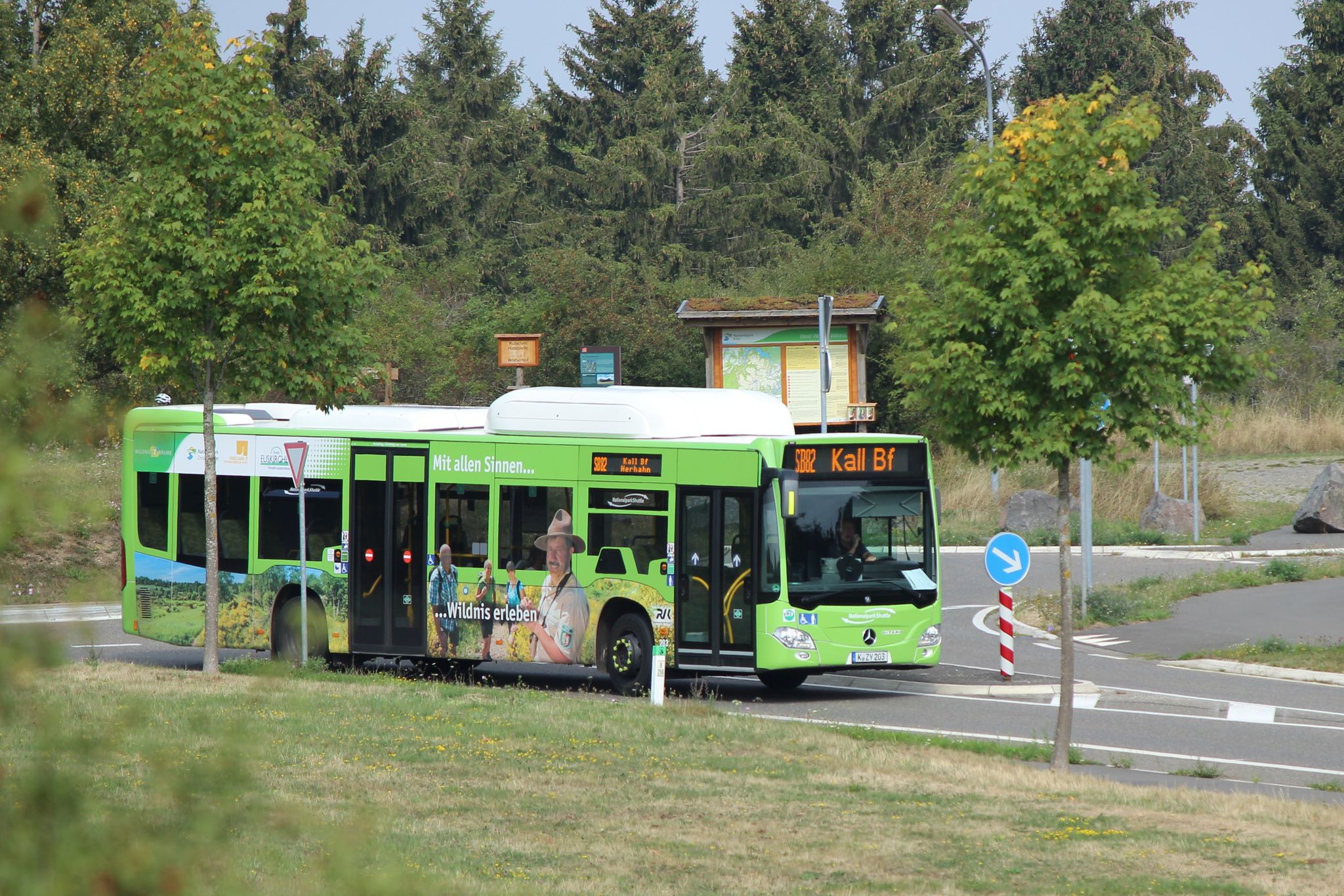
Next stop: Wilderness! – Germany’s Eifel National Park by public transport
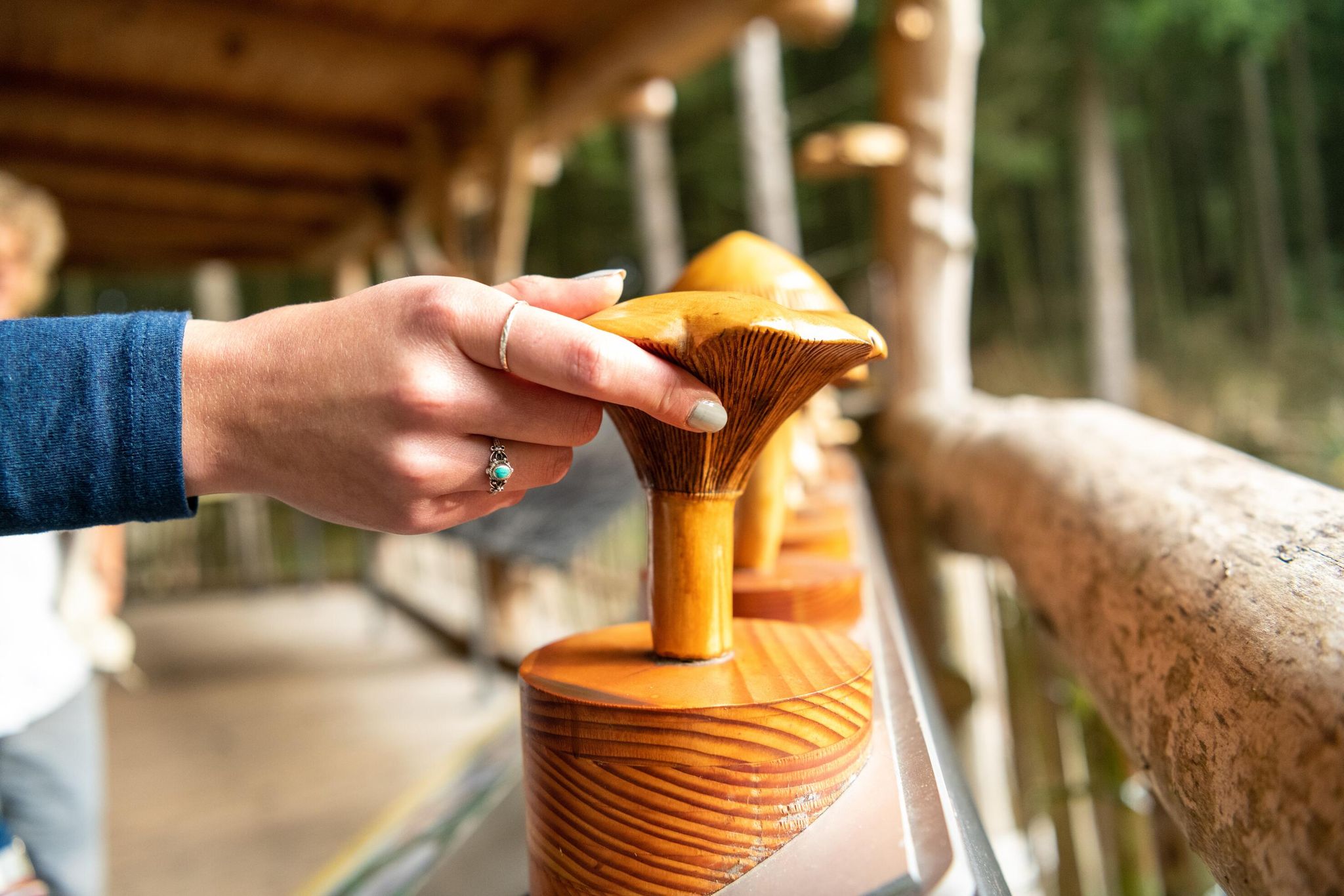
Accessible routes in Germany’s Eifel National Park

Eifel National Park information centres and facilities
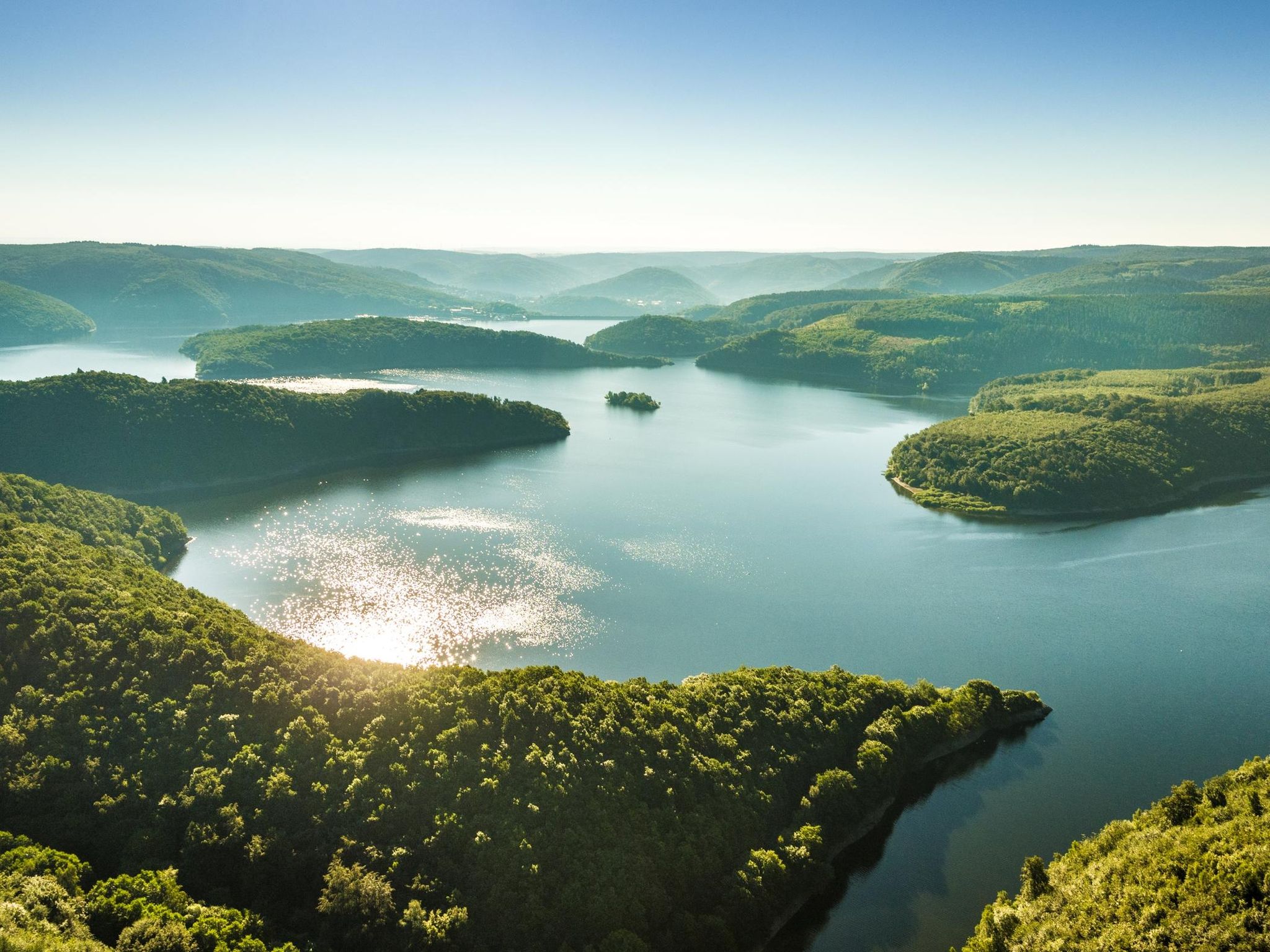
Themed tours around the Eifel National Park
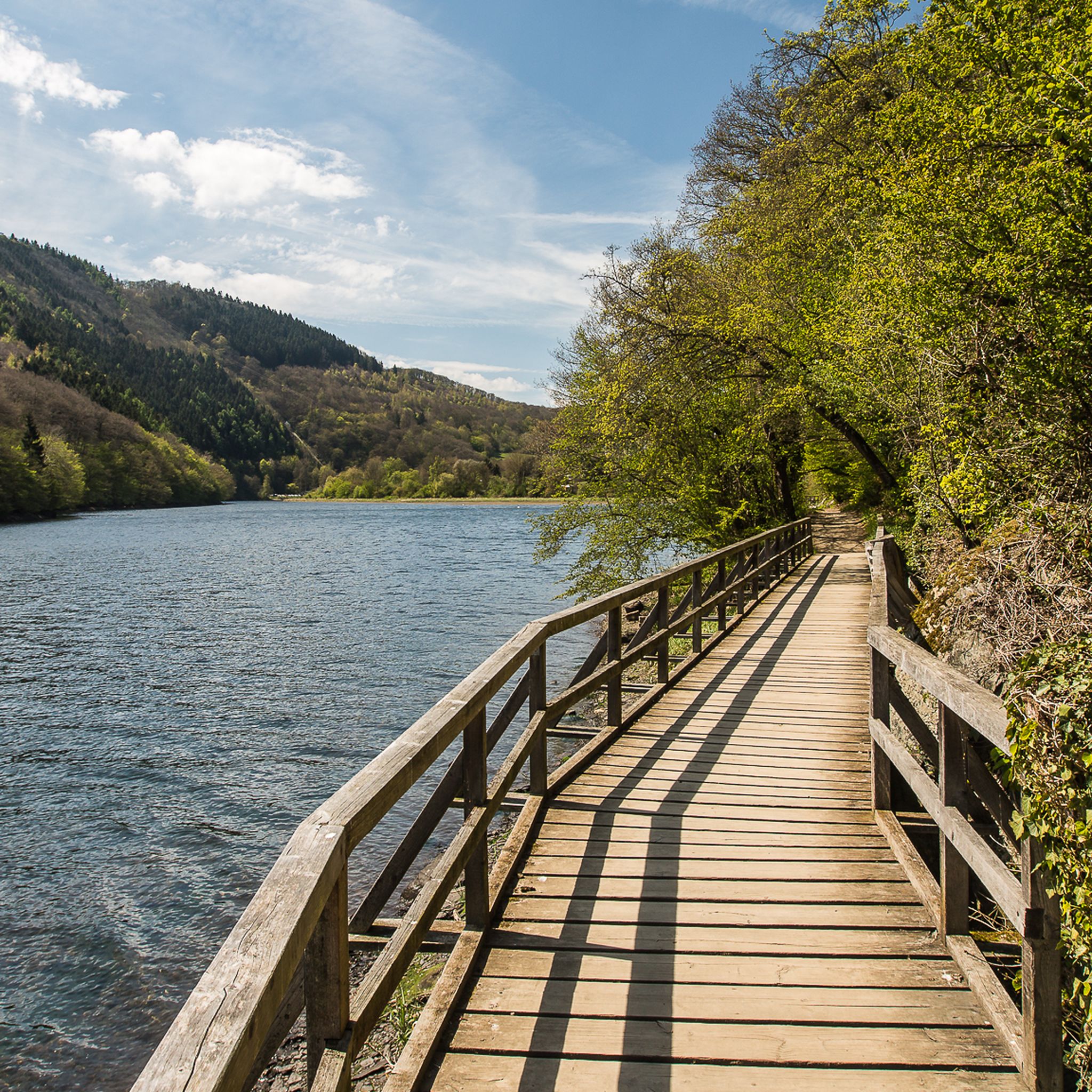
Hiking around Nideggen
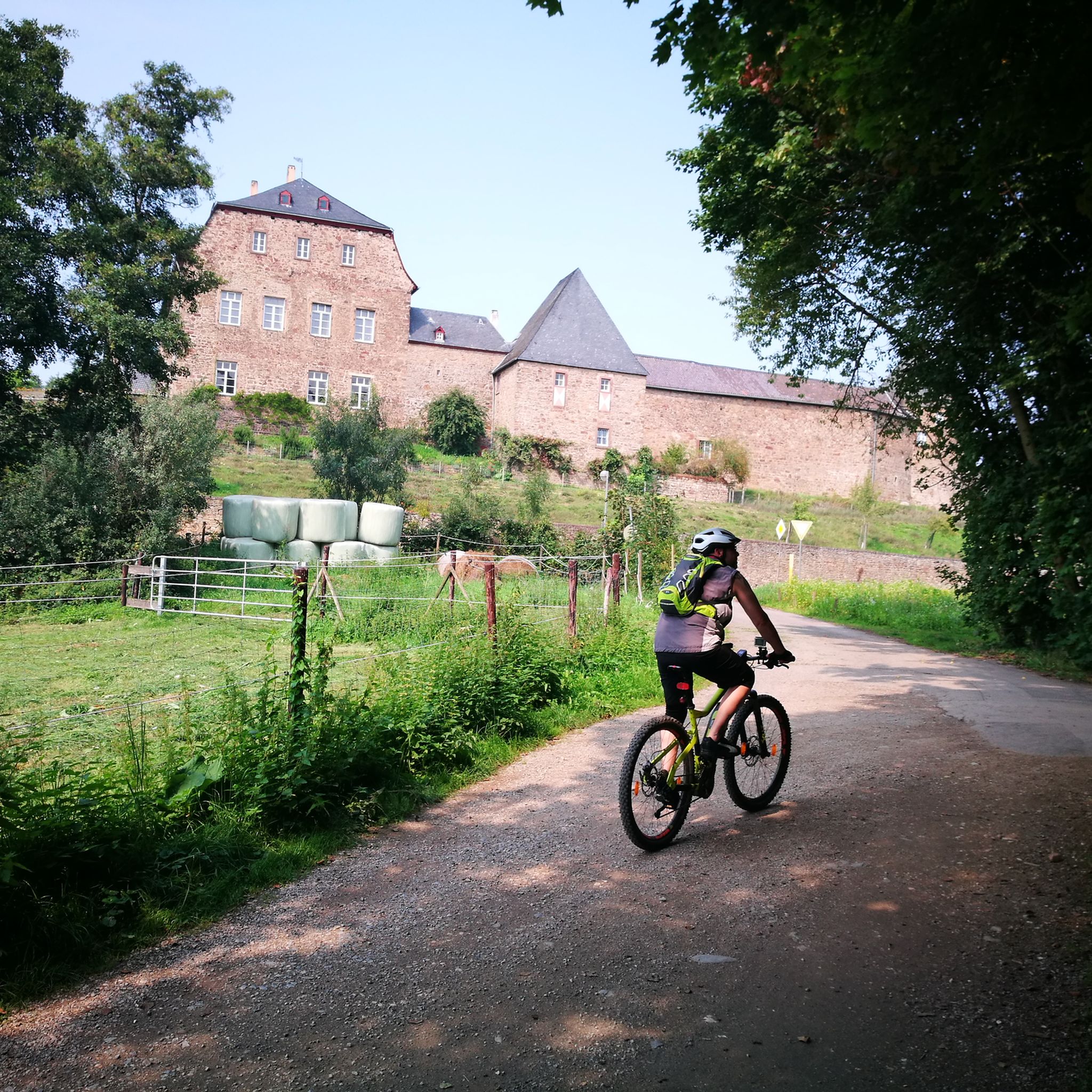
MTB Trails around Nideggen
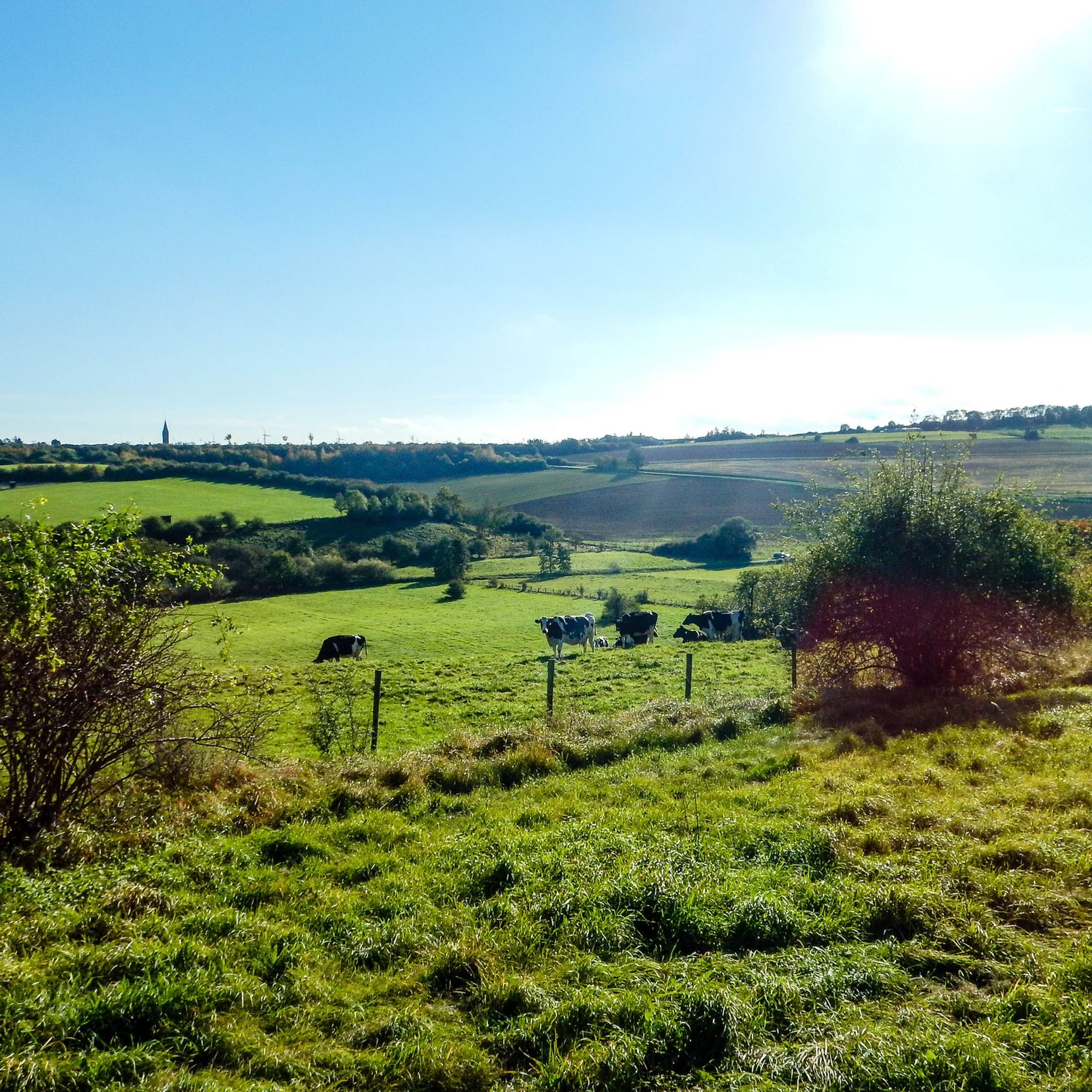
Cycling around Nideggen
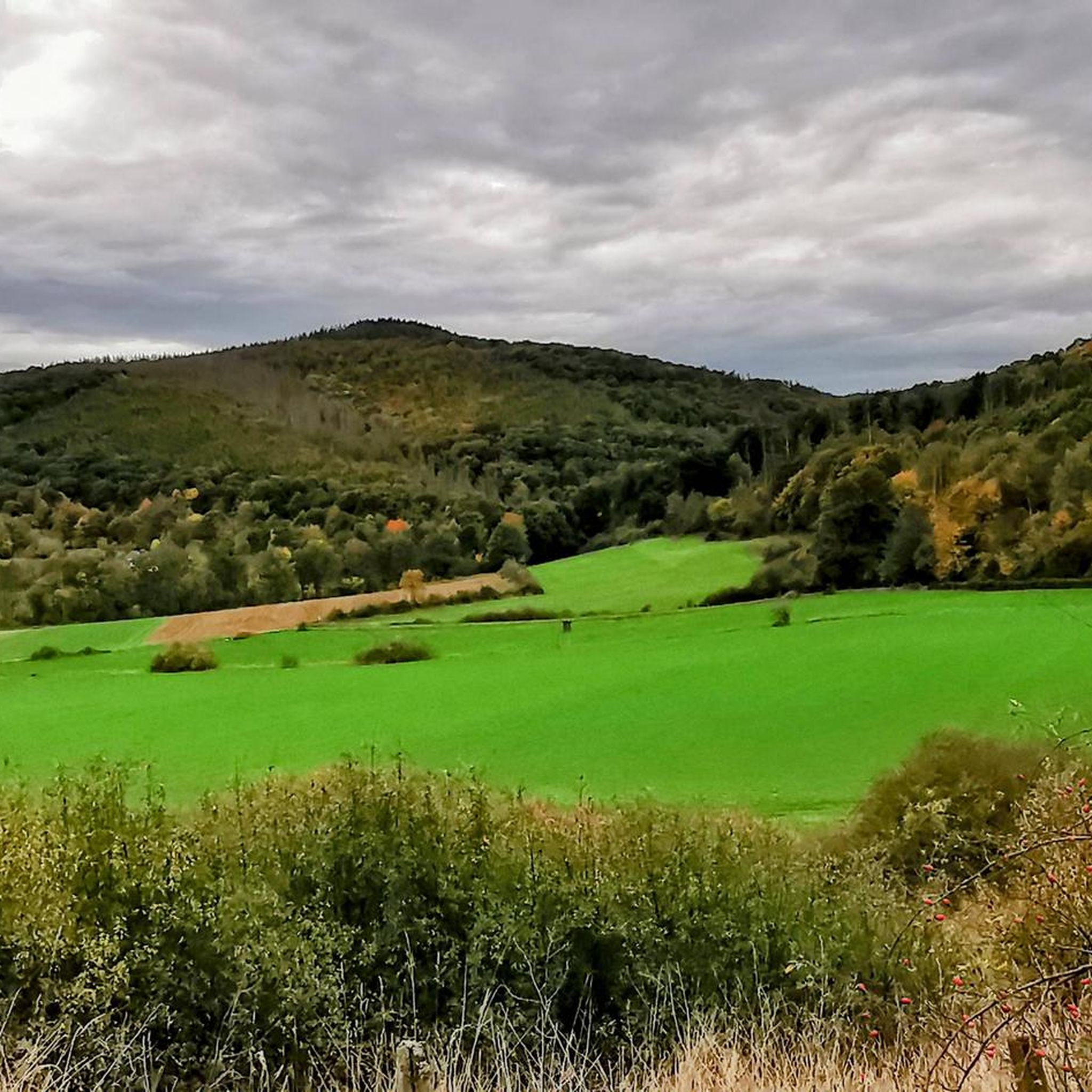
Running Trails around Nideggen
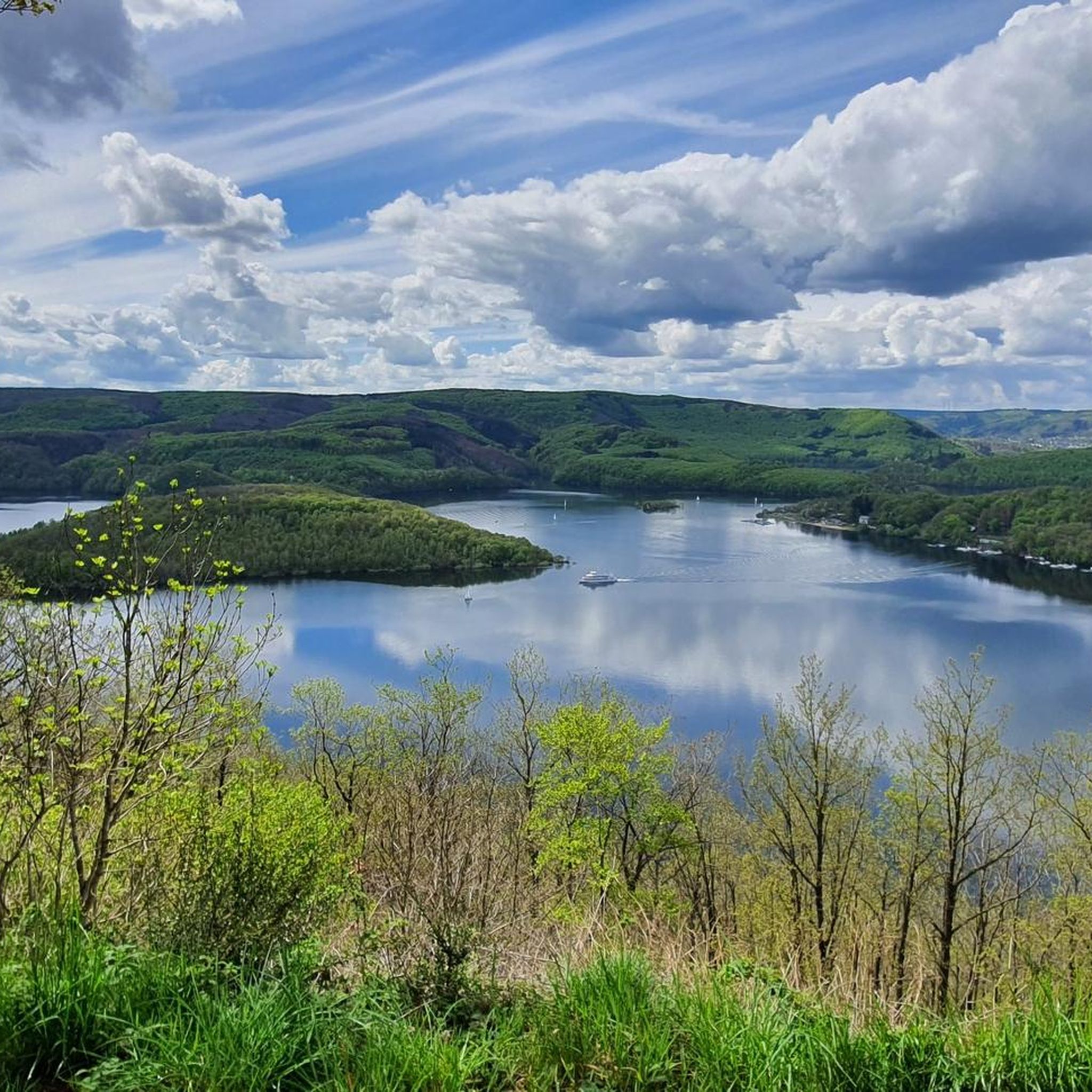
Road Cycling Routes around Nideggen
Gravel biking around Nideggen
Other adventures around Nideggen

Tips from the Community

You'll find the Kaiserfelsen (Emperor's Rock) right near the dam.
1
0

Already hiked or cycled past 100 times, but still impressive
0
0

Beautiful hiking trail with some interesting rock formations made of red sandstone.
4
0

Very beautiful rock formations! The rust-red rock bastions along the valley slopes dominate the landscape in the Rur valley. But how did these impressive rock walls and towers come into being? The rocks are made of rubble and sand that was formed by weathering in a hot, desert-like landscape in the early Mesozoic during the Triassic period, more precisely in the formation of the "Buntsandstein" around 240 million years ago. Weathering under tropical climatic conditions is also the reason for the red color of the rocks. In these deserts there were violent storms from time to time, which transported the sand and rubble masses via large rivers into depressions and deposited them there. During transport in the river, the larger stones were ground down into rounded pebbles. Today, embedded in the sand that has solidified over millions of years, they can be clearly seen in the rocks. In geology, these types of rocks are known as "conglomerates". When the Eifel gradually rose millions of years later, having eroded into a low-lying plain, the larger rivers, such as the Rur, cut deeper and deeper into the sedimentary rocks, particularly during the ice ages, thus exposing the rock formations that can be seen today. Source: biostation-dueren.de/schutzgebiete/buntsandsteinfelsen-im-rurtal
3
0
Very beautiful hiking trail on the edge of the rocky plateau of Nideggen Castle in the Rur Valley.
4
1

Wonderful path over the rocks of Nideggen with great views.
5
1

Simply impressive rocky landscape in the Eifel with great views.
4
1

The cycle path here leads between the “Kaiserfelsen”.
11
2
Frequently Asked Questions
What are the geological features of the canyons around Nideggen?
The canyons around Nideggen are characterized by impressive red sandstone cliffs and canyon-like formations within the Rur Valley. These geological features were formed approximately 240 million years ago during the Triassic period. The distinctive red color results from weathering under tropical conditions. As the Eifel region uplifted and the Rur river eroded the sedimentary rocks over millions of years, particularly during the ice ages, these rock formations were carved out. The rocks also contain 'conglomerates,' which are rounded pebbles embedded in the solidified sand, offering a glimpse into ancient river systems.
Are there popular hiking trails that explore the Nideggen canyons?
Yes, the region is crisscrossed with numerous scenic hiking trails. A popular option is the Felsenrundgang (Rock Circuit Trail), which takes visitors from one viewpoint to another, passing through the forest above the Rur and featuring fantastic rock formations. You can also explore trails around highlights like the Rock trail below Nideggen Castle, which offers wonderful views, or the Buntsandstein Trail Below the Cliffs (Rur Valley, Eifel).
What kind of views can I expect along the canyon trails?
From various points along the cliffs and trails, visitors can enjoy breathtaking, expansive views of the densely wooded Rur-Eifel region and the historic Nideggen Castle, which is perched high above the cliffs. Specific viewpoints like Eugenienstein offer magnificent panoramic views of the surrounding area and the Rur Valley.
Are the canyons around Nideggen suitable for families?
Yes, some areas are family-friendly. For instance, the Kaiserfelsen (Emperor Rock) is categorized as family-friendly and features an impressive meter-high gorge that can be traversed, often by cycle path, making it accessible for various activities.
Can I bring my dog on trails in the Nideggen canyon area?
Many trails in the Nideggen canyon area are dog-friendly. The Kaiserfelsen (Emperor Rock), for example, is explicitly listed as dog-friendly, allowing you to enjoy the impressive sandstone rock formations with your canine companion.
What other outdoor activities are available near the Nideggen canyons?
Beyond hiking, the Nideggen area offers a variety of outdoor activities. You can find numerous cycling routes, including touring bicycle and road cycling options, as well as mountain hikes. For more details on routes, you can explore guides like Cycling around Nideggen, Mountain Hikes around Nideggen, and Road Cycling Routes around Nideggen.
What is the best time of year to visit the Nideggen canyons?
While the Nideggen canyons can be visited year-round, spring and autumn often offer the most pleasant conditions for hiking and exploring, with mild temperatures and vibrant foliage. Spring brings blooming wildflowers, especially in areas like Through the Schlehbachtal, while autumn showcases beautiful fall colors.
Where can I find parking for the canyon trails in Nideggen?
Parking is generally available in and around Nideggen town, particularly near trailheads and popular starting points for hikes into the Rur Valley. Specific parking information for individual trails or viewpoints can often be found on local signage or tourist information websites.
How can I reach the Nideggen Rur Valley trails by public transport?
Nideggen is accessible by public transport, primarily buses that connect to larger towns with train stations in the Eifel region. From the Nideggen town center, many trails into the Rur Valley and towards the canyons are within walking distance. It's advisable to check local bus schedules for the most up-to-date information.
What are some notable natural landmarks in the Nideggen canyon area?
The most notable natural landmark is the Buntsandstein Cliffs (Rur Valley), known for their striking red sandstone formations and geological significance. Other prominent features include the Kaiserfelsen (Emperor Rock) and the scenic Eugenienstein viewpoint.
Are there any challenging climbing opportunities in the Nideggen canyons?
Yes, the Buntsandsteinfelsen (Red Sandstone Cliffs) constitute an imposing and popular climbing area, providing challenging terrain for climbers. This region is well-known among the climbing community for its unique rock formations.
Are there circular hiking routes available around the Nideggen canyons?
Yes, the region offers several circular hiking routes. The Felsenrundgang (Rock Circuit Trail) is a prime example, designed to take visitors on a loop through various viewpoints and rock formations. Many local trails are also structured as circular walks, allowing you to start and end at the same point.
What should I pack for a trip to the Nideggen canyons?
For a trip to the Nideggen canyons, it's recommended to pack sturdy hiking shoes suitable for varied terrain, weather-appropriate clothing (layers are always a good idea), water, snacks, and a map or GPS device. If you plan on climbing, ensure you have the necessary safety equipment. Don't forget your camera to capture the stunning views!
Are there cafes or refreshment options near the canyon trails?
Yes, Nideggen town itself offers various cafes and restaurants where you can find refreshments before or after your hike. Along some of the more popular trails, you might also find smaller establishments or rest areas. It's always a good idea to carry some water and snacks, especially on longer routes.
Most popular routes around Nideggen
Most popular attractions around Nideggen

Get inspired with the komoot mobile app


Explore more
Already discovered everything in this region? See additional gorges around Nideggen for your next adventure:
