Top 12 Gorges around Maria Laach
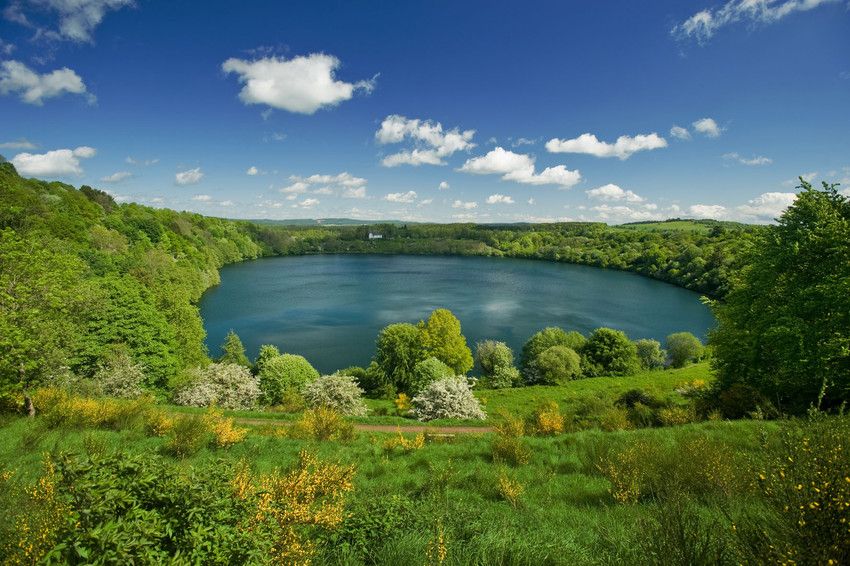
Canyons around Maria Laach are characterized by the unique volcanic landscape of the Volcanic Eifel. The region features geological formations resulting from ancient volcanic activity, including water-filled calderas and deep gorges. Laacher See, a large water-filled caldera, is a prominent natural feature surrounded by high banks. The area offers diverse geological formations such as maars, lava flows, and mofettes.
Best canyons around Maria Laach
- The most popular canyons is Marxe Lay (former quarry), an other_man_made site that features a…
Last updated: June 26, 2026
Waterfall in the Wolfsschlucht
Highlight • Waterfall
Translated by Google •
Tip by

Wolf Gorge Waterfall and Trass Cliffs
Highlight (Segment) • Gorge
Translated by Google •
Tip by

Sign up now to discover places like this
Get recommendations on the best single tracks, peaks, & plenty of other exciting outdoor places.
Sign up for free
Wolfsschlucht Gorge and Tönissteiner Bach Waterfall
Highlight • Gorge
Translated by Google •
Tip by

Marxe Lay (former quarry)
Highlight • Structure
Translated by Google •
Tip by

Teufelsknochen and Trass Caves, Burgbrohl
Highlight • Cave
Translated by Google •
Tip by

Sign up for free to discover even more gorges around Maria Laach.
Sign up for free
Already have an account?
Start today with a free account
Your next adventure awaits.
Login or Signup
Other adventures around Maria Laach

Tips from the Community

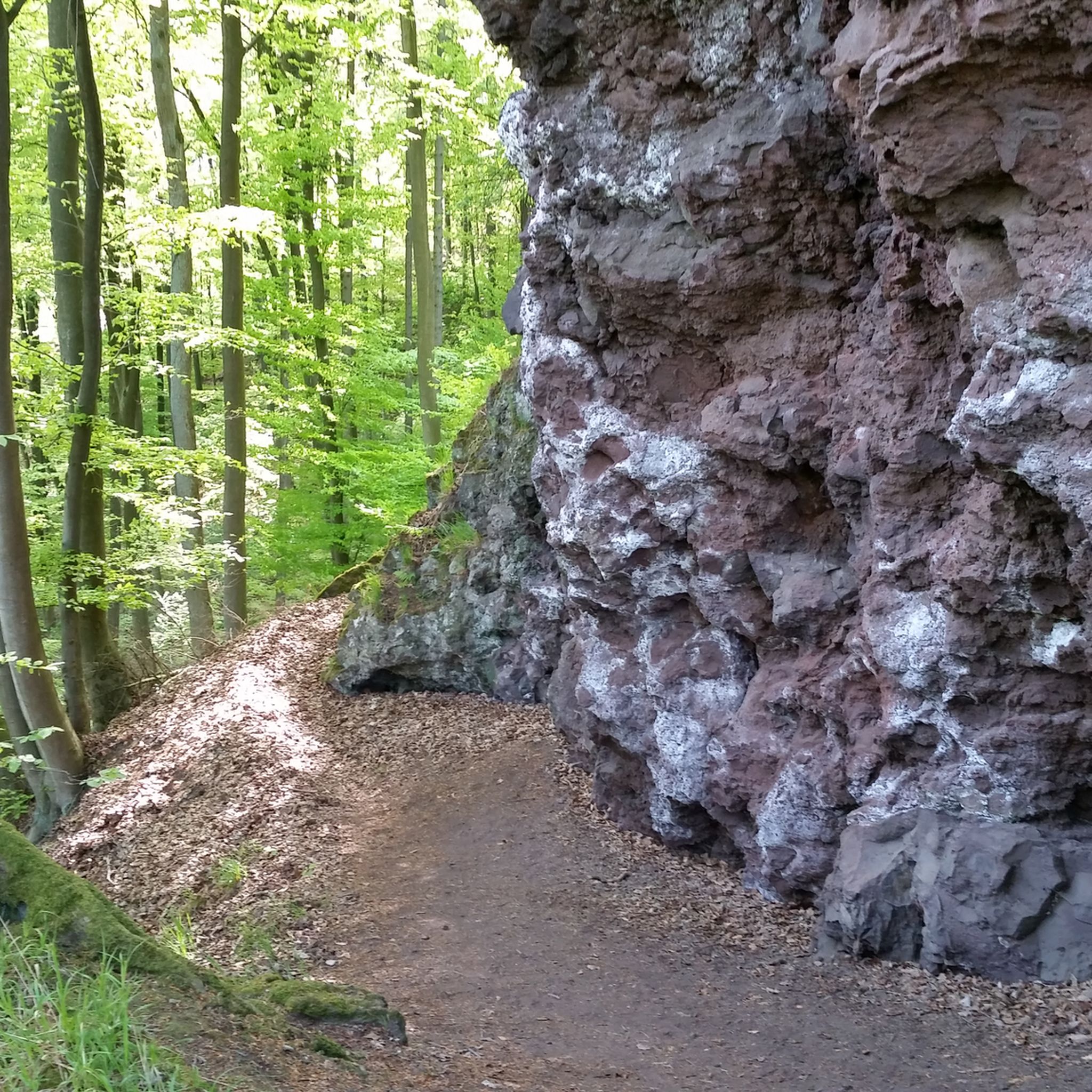
The Devil's Bone is a cooled lava flow whose bizarre shape was created by volcanic processes and erosion.
6
0

After the Trass caves, which are very easy to walk through, the volcano and panoramic trail awaits you with a challenging climb. In some sections, the trail is secured with ropes.
14
1

An almost alpine climb. Closed from November to February inclusive for safety reasons.
4
0

Walking around between the rocks is insanely fun.
5
0

Imposing former quarry with a spectacular gorge-like entrance, at the same time a rustic spot for a picnic, seating with a table - highly recommended!
10
1

Beautiful canyon along the water. Nice nice hike
5
0

you should definitely have seen
6
1

Sometimes a steep ascent... a rope helps to get up without any problems
9
2
Frequently Asked Questions
What kind of geological formations can I expect to find around Maria Laach?
The region around Maria Laach, part of the Volcanic Eifel, is renowned for its unique volcanic landscape rather than traditional canyons. You'll find dramatic features like the water-filled caldera of Laacher See, maars (volcanic craters), extensive lava flows, and mofettes (carbon dioxide vents). The area also features deep gorges and former quarries that offer canyon-like experiences, such as the Marxe Lay (former quarry) with its high basalt walls.
Are there family-friendly trails to explore these natural features?
Yes, several trails are suitable for families. For instance, the area around Wolfsschlucht Gorge and Tönissteiner Bach Waterfall is noted as family-friendly, offering rock formations and a jungle-like atmosphere. Many paths around Laacher See are also accessible for families, allowing exploration of the volcanic landscape.
What are some of the most popular gorge-like spots near Maria Laach?
Visitors frequently enjoy the Waterfall in the Wolfsschlucht, known for its idyllic, jungle-like atmosphere. Another highly rated spot is the Wolf Gorge Waterfall and Trass Cliffs, a rugged ravine with a waterfall close to impressive trass cliffs. The Marxe Lay (former quarry) is also very popular, featuring trails between 12-meter-high basalt walls.
Can I bring my dog on the trails around Maria Laach's gorges?
Many trails in the Volcanic Eifel region, including those around the gorge-like formations, are dog-friendly. It's always advisable to keep dogs on a leash, especially in nature reserves or areas with wildlife, and to check specific trail regulations before your visit.
What is the best time of year to visit the Maria Laach area for hiking?
The Volcanic Eifel region is beautiful year-round. Spring brings lush greenery and blooming flora, while autumn offers vibrant fall colors. Summer is ideal for longer hikes and enjoying the lake, though popular spots can be crowded. Winter can provide a serene experience, but some paths might be slippery or less accessible, especially after snowfall.
Are there any challenging trails or unique geological sites for experienced hikers?
Yes, for those seeking more challenging routes, the area offers trails that traverse diverse volcanic features. The path leading to Teufelsknochen and Trass Caves, Burgbrohl, for example, includes a challenging climb with sections secured by ropes after exploring the trass caves. The region's lava flows and tuff deposits also provide rugged terrain for exploration.
What other outdoor activities can I do near Maria Laach?
Beyond exploring the gorge-like formations, the area around Maria Laach offers various outdoor activities. You can find numerous running trails, including loops around Laacher See. There are also extensive options for cycling and road cycling, with routes that take you past scenic viewpoints and through the volcanic landscape.
Where can I find parking when visiting the natural attractions around Maria Laach?
Parking is generally available near major attractions and trailheads around Maria Laach and Laacher See. Specific parking information for individual starting points of hikes or highlights can often be found on local signage or detailed trail maps. The area around Maria Laach Abbey typically has designated parking facilities.
What are 'trass cliffs' and 'trass caves' mentioned in the guide?
Trass refers to solidified volcanic ash and pumice deposits, which are abundant in the Volcanic Eifel due to past eruptions. Trass cliffs are exposed formations of this material, while trass caves are old mining tunnels or natural cavities within these deposits. You can explore these at locations like the Wolf Gorge Waterfall and Trass Cliffs or the Teufelsknochen and Trass Caves, Burgbrohl.
Are there any less crowded spots to enjoy nature around Maria Laach?
While popular spots like the Wolfsschlucht can get busy, especially on weekends, exploring trails further afield in the Volcanic Eifel can offer more solitude. Many of the smaller maars or less-trafficked sections of the larger hiking networks provide peaceful natural experiences. Visiting during weekdays or off-peak seasons can also help avoid crowds.
What historical or cultural sites are near the natural attractions?
The most prominent historical site is the Benedictine Maria Laach Abbey, a significant Romanesque architectural masterpiece founded in 1093, located directly on the western side of Laacher See. Its proximity allows visitors to combine natural exploration with a rich cultural experience.
What should I bring for a hike in the Maria Laach gorges and volcanic landscape?
It's recommended to wear sturdy hiking shoes suitable for varied terrain, as paths can be uneven or rocky. Bring water, snacks, and appropriate clothing layers for changing weather conditions. A map or GPS device is also useful, and if exploring trass caves, a headlamp or flashlight is advisable.
Most popular routes around Maria Laach
Most popular attractions around Maria Laach

Get inspired with the komoot mobile app


Explore more
Already discovered everything in this region? See additional gorges around Maria Laach for your next adventure:
