Top 20 Caves around Bischofswiesen
Best caves around Bischofswiesen are found within the wider Berchtesgaden Alps, a region known for its dramatic natural landscapes and geological formations. The area, particularly the Untersberg massif, hosts significant subterranean features. While Bischofswiesen itself is a gateway to these natural wonders, the surrounding mountains offer diverse cave experiences. This includes Germany's only accessible ice cave and other unique natural monuments.
Best caves around Bischofswiesen
- The most popular caves is Eiskapelle at the Watzmann East Face, a natural monument…
Last updated: June 25, 2026
Berchtesgaden Salt Mine
Highlight • Historical Site
Showing Translation
Tip by

Eiskapelle at the Watzmann East Face
Highlight • Natural Monument
Translated by Google •
Tip by

Sign up now to discover places like this
Get recommendations on the best single tracks, peaks, & plenty of other exciting outdoor places.
Sign up for free
Cave on the Zauberwald Trail
Highlight • Cave
Translated by Google •
Tip by

Mittagsscharte
Highlight • Mountain Pass
location
It is located between the Salzburg Hochthron (1 853 m above sea level) in the north and the Raucheck (1 …
Translated by Google •
Tip by

Eiskapelle (Ice Chapel) at Watzmann (no longer available)
Highlight • Cave
Translated by Google •
Tip by

Sign up for free to discover even more caves around Bischofswiesen.
Sign up for free
Already have an account?
Start today with a free account
Your next adventure awaits.
Login or Signup
Popular around Bischofswiesen
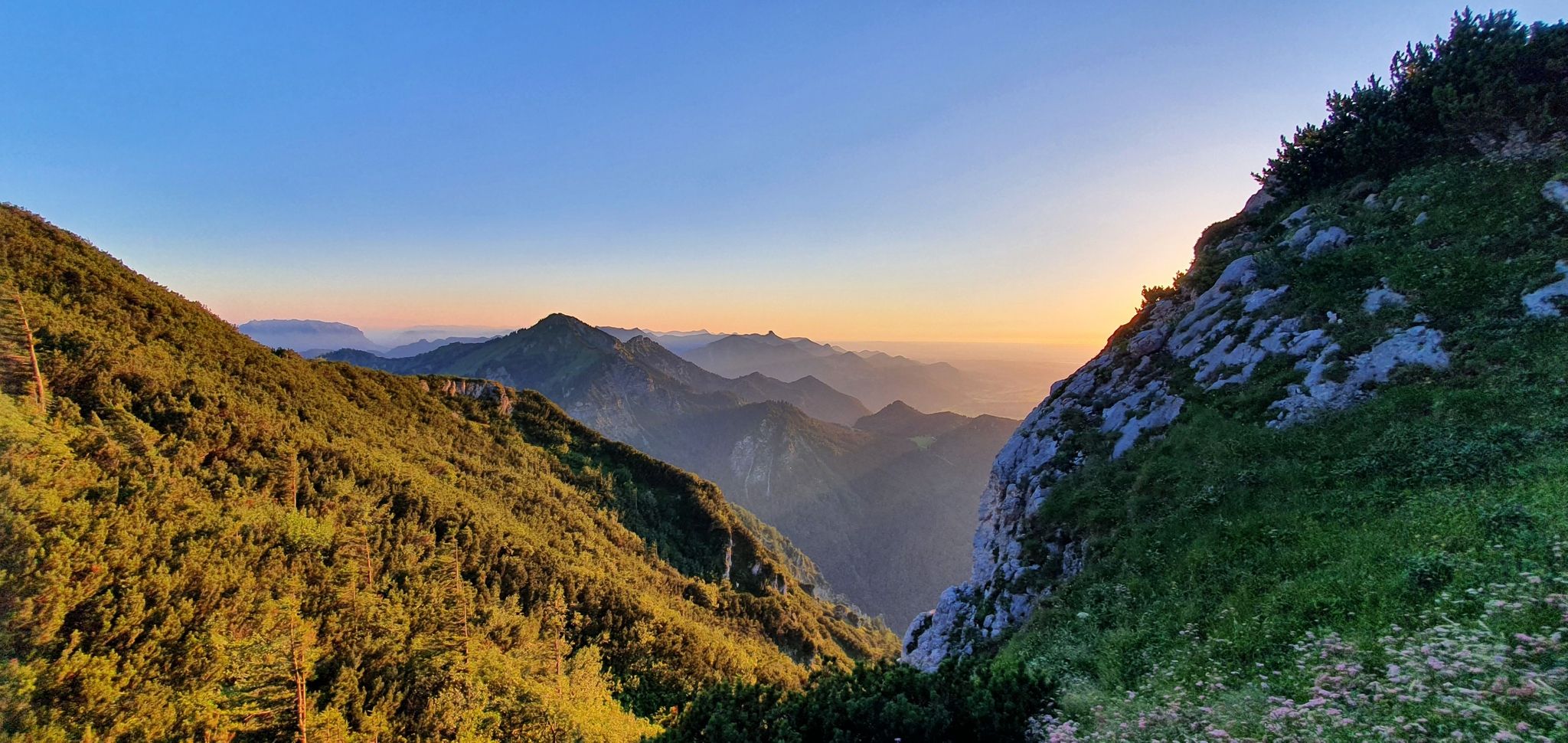
The SalzAlpenSteig – On the tracks of white gold
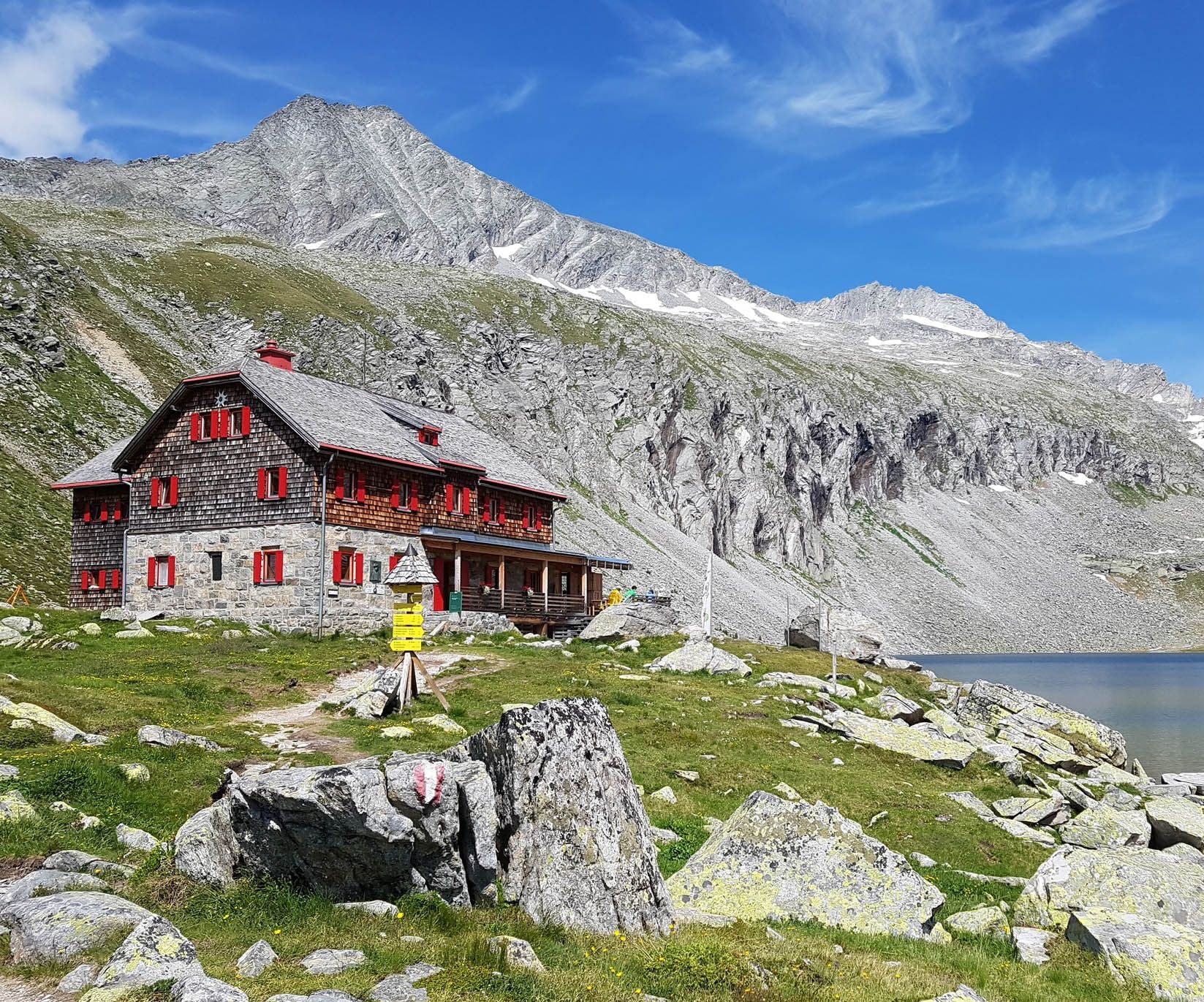
Ruperti Trail – Hike from Austria's Bohemian Forest to the Carnic Alps
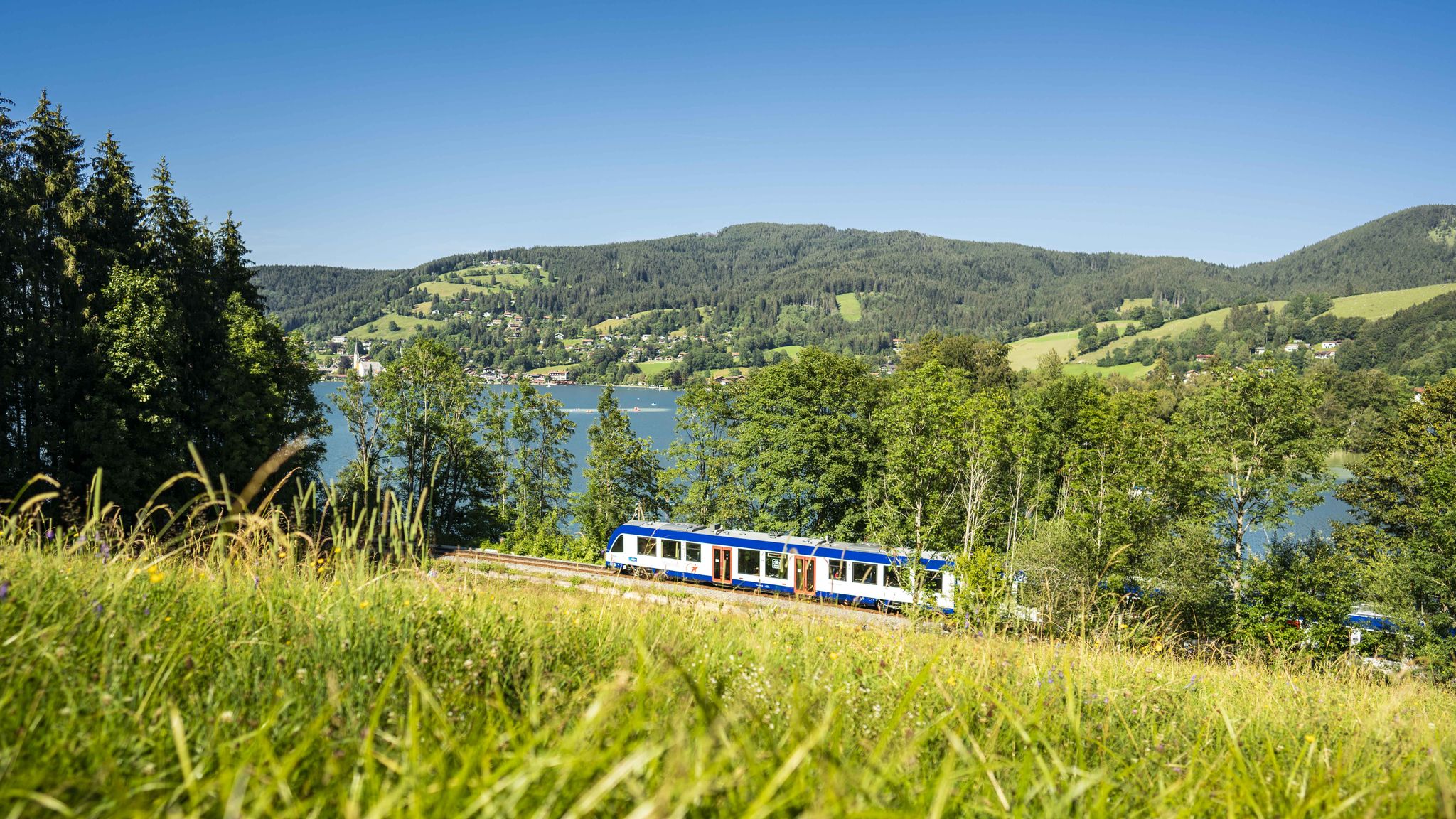
Mountain air by train – hiking in the BRB Network
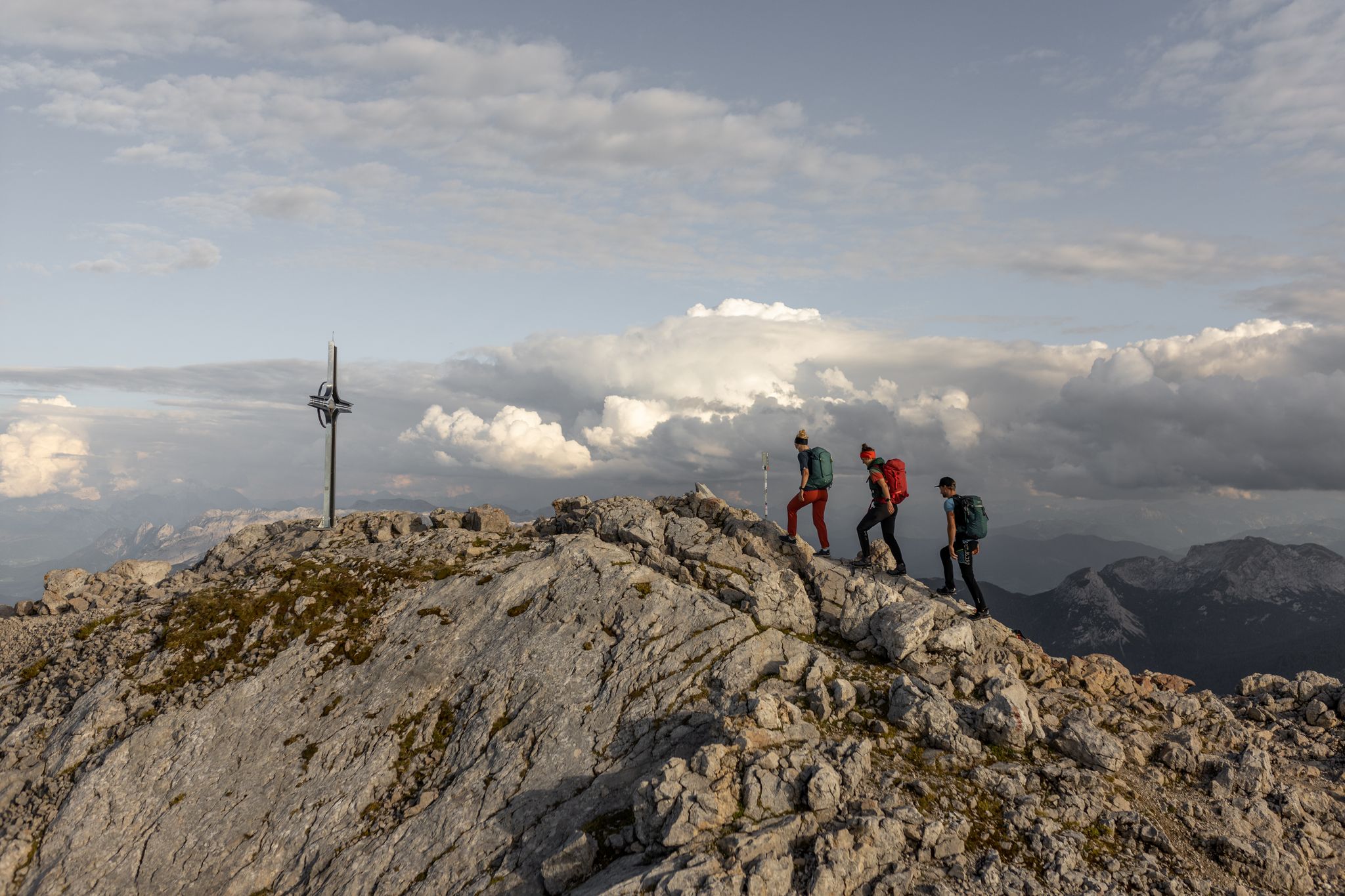
Alone, but never lonely – unforgettable hiking in Berchtesgaden
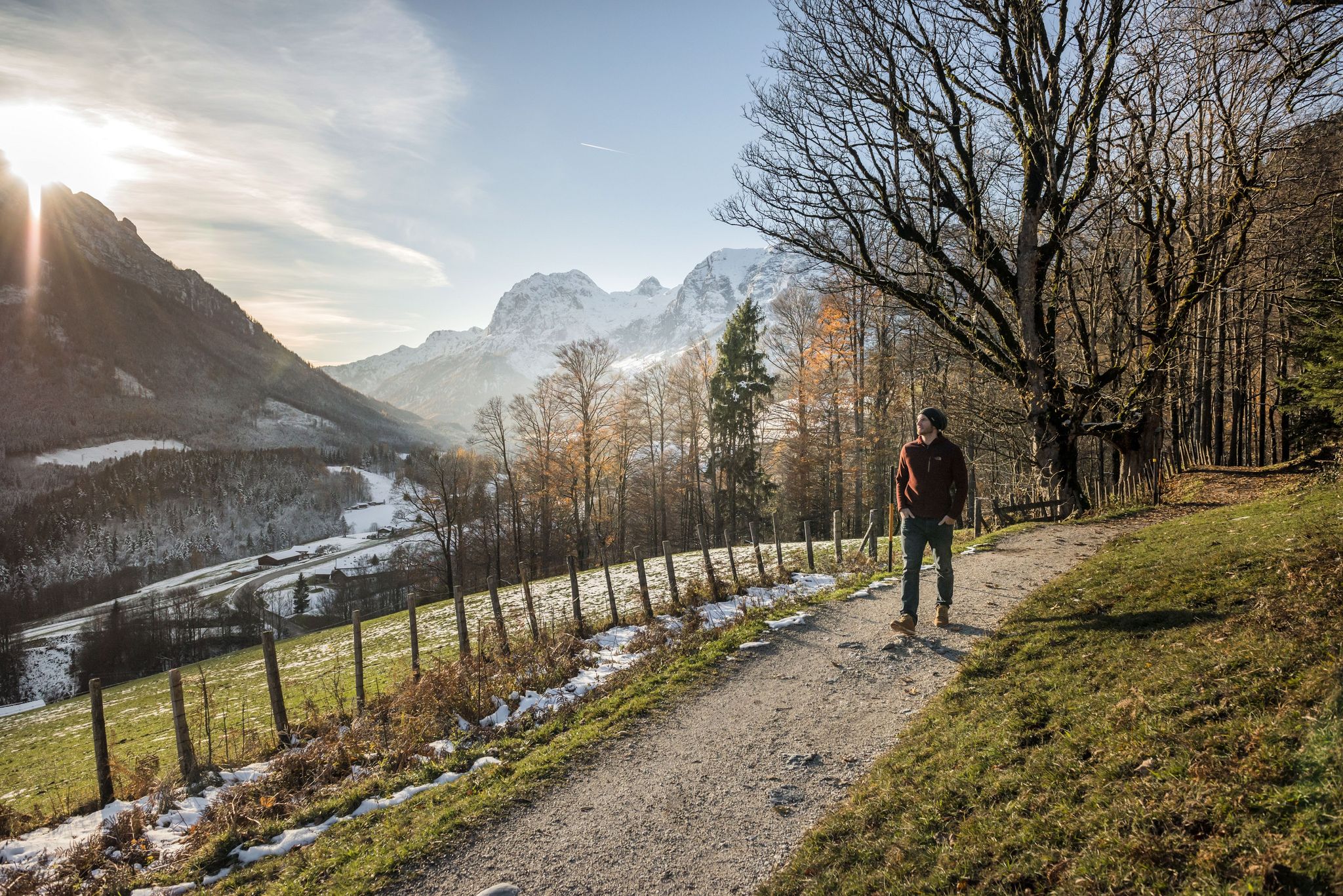
8 delightful winter hikes in Upper Bavaria
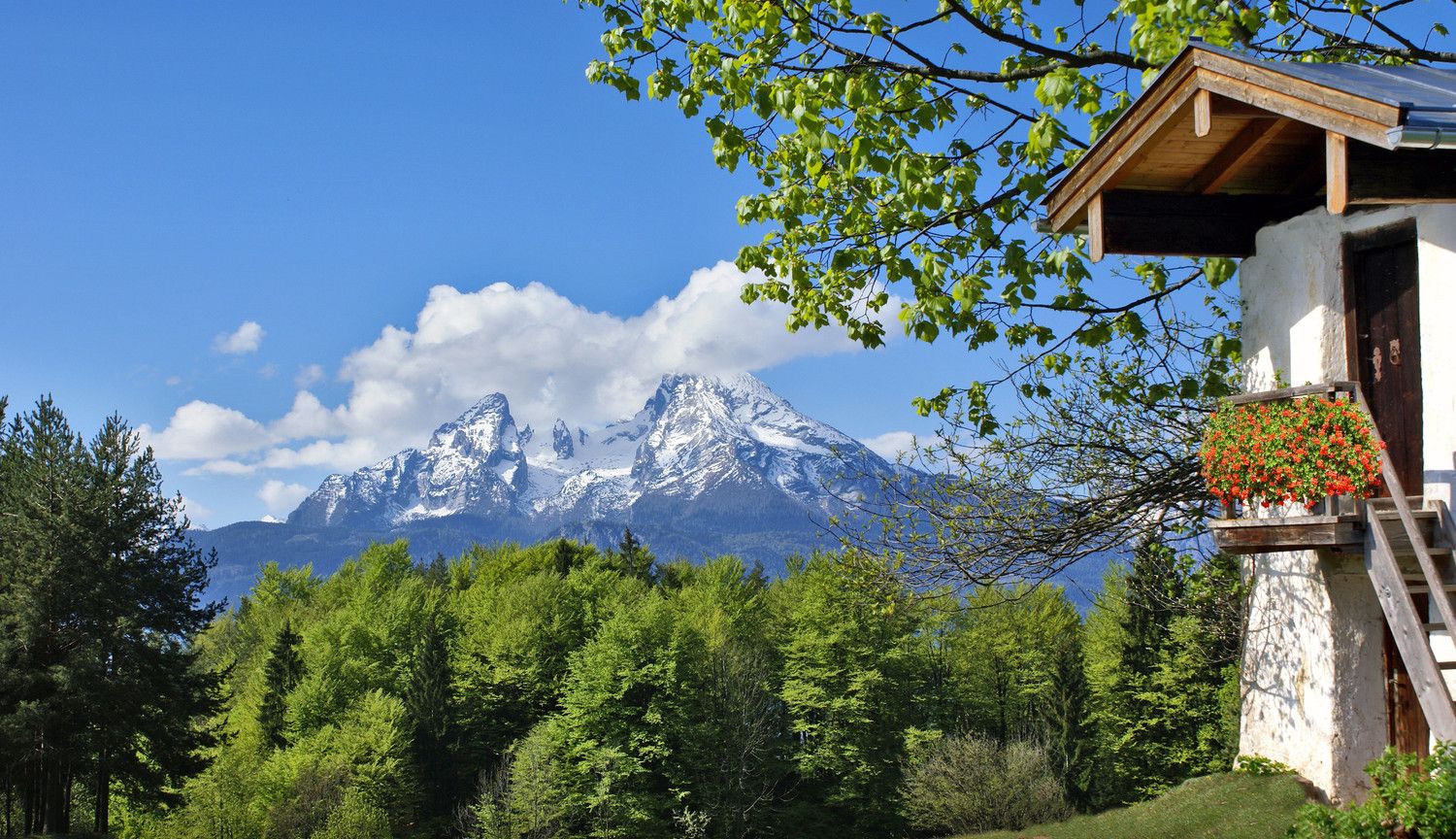
Going for the summer – hiking in the Berchtesgadener Land
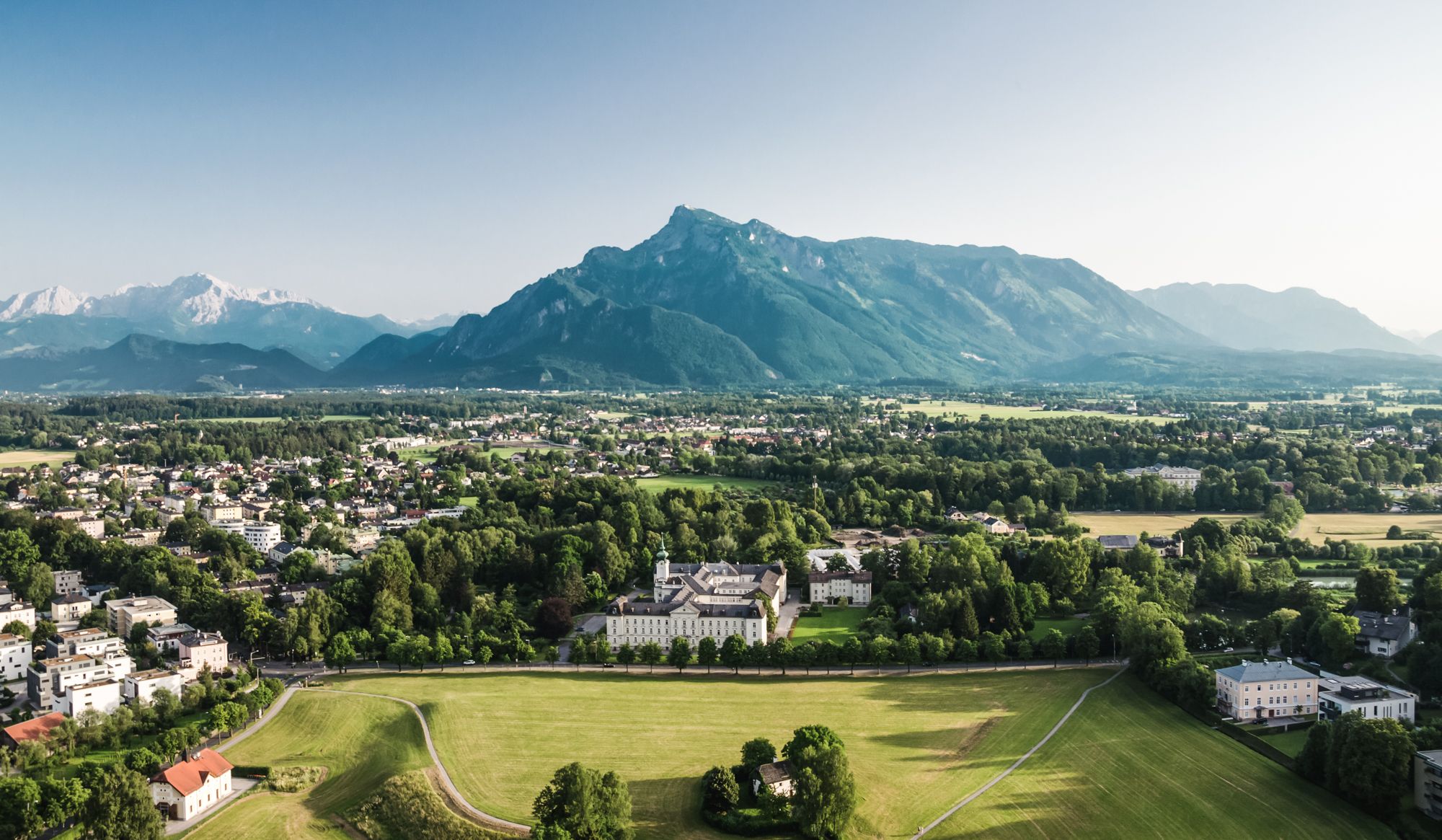
Summit hikes on the legendary Untersberg mountain
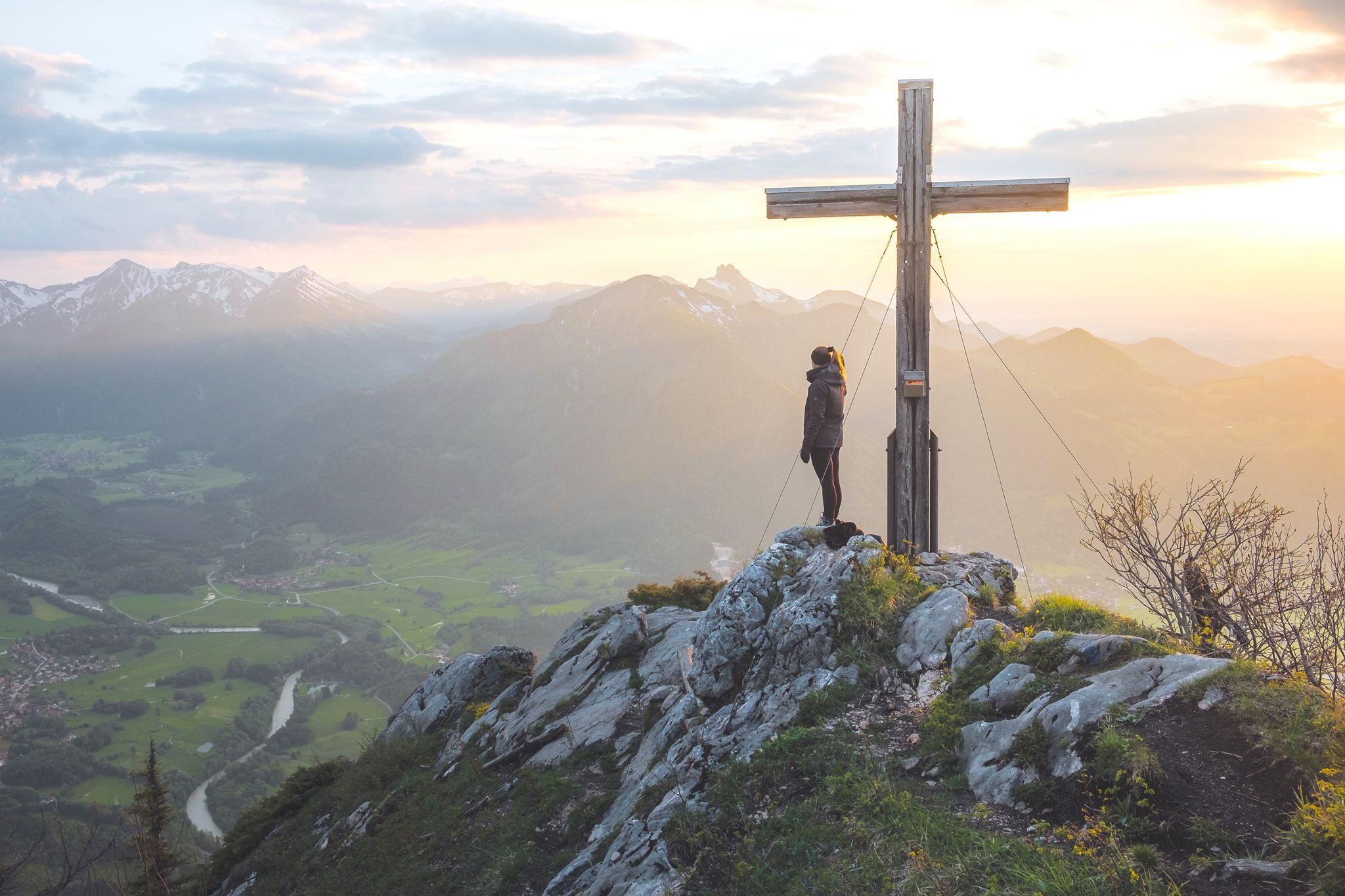
High up in Chiemgau and Berchtesgadener Land
Wanderparadies Berchtesgadener Land: Touren durch echte Bergwelten
Hiking around Bischofswiesen
Other adventures around Bischofswiesen


Tips from the Community

From St. Bartholomä, which is at an altitude of 600 meters, the path goes to the Ice Chapel through the forest past a chapel and from 800 meters above sea level through the gravel bed of the former ice channel. The valley is framed by the north face of the Kleiner Watzmann and the Watzmannkinder, on the south side by Hachelkopf and Hirschwiese and with the east face of the Watzmannmittelspitze and -Südspitze as the head of the valley, in which the lowest permanent ice field of a glacier in the German Alps is located, the Ice Chapel at an altitude of 820 meters.
3
0

Your taxi into the underground... sit on it... head straight... arms not stretched out... and the journey into the interior of the mountain begins
11
0
Actually not the place to be.. Danger of collapse lurks everywhere and at all times.. even if it is only small chunks like in the back part… weighing a few tons… but hey… it looks brutally good in there
8
1
In some places it collects even over the summer... so it gets cold in a T-shirt
8
1
The point of the tour that shows you how small you are.. p.s: here it gets suddenly and noticeably cooler
7
1
Here you will once again realize what a little lamp you are
9
1
A dream world in itself... Updated September 25...: which unfortunately no longer exists... the chapel has collapsed... there is currently an absolute risk of rockfall and life-threatening danger there!
3
0

The walk is worth it, but it takes more than the stated time of 1 3/4 hours from the jetty. You can set aside an extra 2 hours for the walk there and back from the viewing point. This is because of the Alpine path to the Ice Chapel. Be careful here.
5
0
Frequently Asked Questions
What unique cave experiences can I find near Bischofswiesen?
Near Bischofswiesen, you can explore Germany's only ice cave open to the public, the Schellenberger Ice Cave, known for its massive ice formations. Another unique experience is the Berchtesgaden Salt Mine, offering historical insights into salt mining with a mine train and slides. Additionally, the Eiskapelle at the Watzmann East Face presents a natural phenomenon as the deepest glacier in the Alps.
Are there any family-friendly caves or underground attractions in the Bischofswiesen region?
Yes, the Berchtesgaden Salt Mine is highly recommended for families, featuring guided tours, a mine train ride, and fun slides. The Magdalene Grotto on Wartstein is also considered family-friendly, offering a natural rock church experience.
What is the best time to visit the Schellenberger Ice Cave for the most spectacular ice formations?
For the most spectacular ice formations, the best time to visit the Schellenberger Ice Cave is early in the season, just after it reopens. This is when the ice is typically at its most impressive.
What should I wear when visiting the Schellenberger Ice Cave?
Even in summer, temperatures inside the Schellenberger Ice Cave remain near freezing (around 0°C). Warm clothing is essential, regardless of the season, to ensure a comfortable visit.
How do I reach the Schellenberger Ice Cave?
Reaching the Schellenberger Ice Cave involves an alpine hike. You can either undertake a several-hour hike from the valley or a shorter walk from the Untersbergbahn mountain station. The trek itself offers panoramic views of the Alps.
Are there any historical caves or sites near Bischofswiesen?
The Berchtesgaden Salt Mine is a significant historical site, offering tours that delve into centuries of salt mining. Additionally, the Magdalene Grotto on Wartstein is a natural grotto that served as a hermitage before 1800, adding to its historical charm.
What other natural features, similar to caves, can I explore in the Berchtesgadener Land region?
Beyond traditional caves, the Berchtesgadener Land is known for its stunning gorges. The Almbachklamm Gorge near Marktschellenberg and the Wimbachklamm Gorge offer dramatic natural exploration with waterfalls and well-maintained paths. The Eiskapelle at the Watzmann East Face is also a unique glacier cave experience.
Can I find hiking trails near the caves around Bischofswiesen?
Yes, the region offers numerous hiking opportunities. For instance, reaching the Schellenberger Ice Cave requires a hike. You can find various mountain hikes around Bischofswiesen, including routes like the 'Kleiner Rauher Kopf – Großer Rauher Kopf loop' or the 'Steinerne Agnes Rock Formation – Mittlerer Rotofen Summit Cross loop'. Explore more options on the Mountain Hikes around Bischofswiesen guide.
What do visitors enjoy most about the caves and underground sites near Bischofswiesen?
Visitors frequently highlight the impressive natural phenomena, such as the deepest glacier at the Eiskapelle, and the unique experience of the Berchtesgaden Salt Mine with its mine train and slides. The mystical atmosphere and the sense of adventure in exploring these subterranean worlds are also highly appreciated.
Are there any caves or natural monuments that are particularly challenging to reach?
Yes, the Eiskapelle at the Watzmann East Face and the Mittagsscharte, which contains the 'Steinerner Kaser' cave, are both categorized as challenging due to their alpine locations and required hikes.
Is there a cave near Bischofswiesen that is located on a national border?
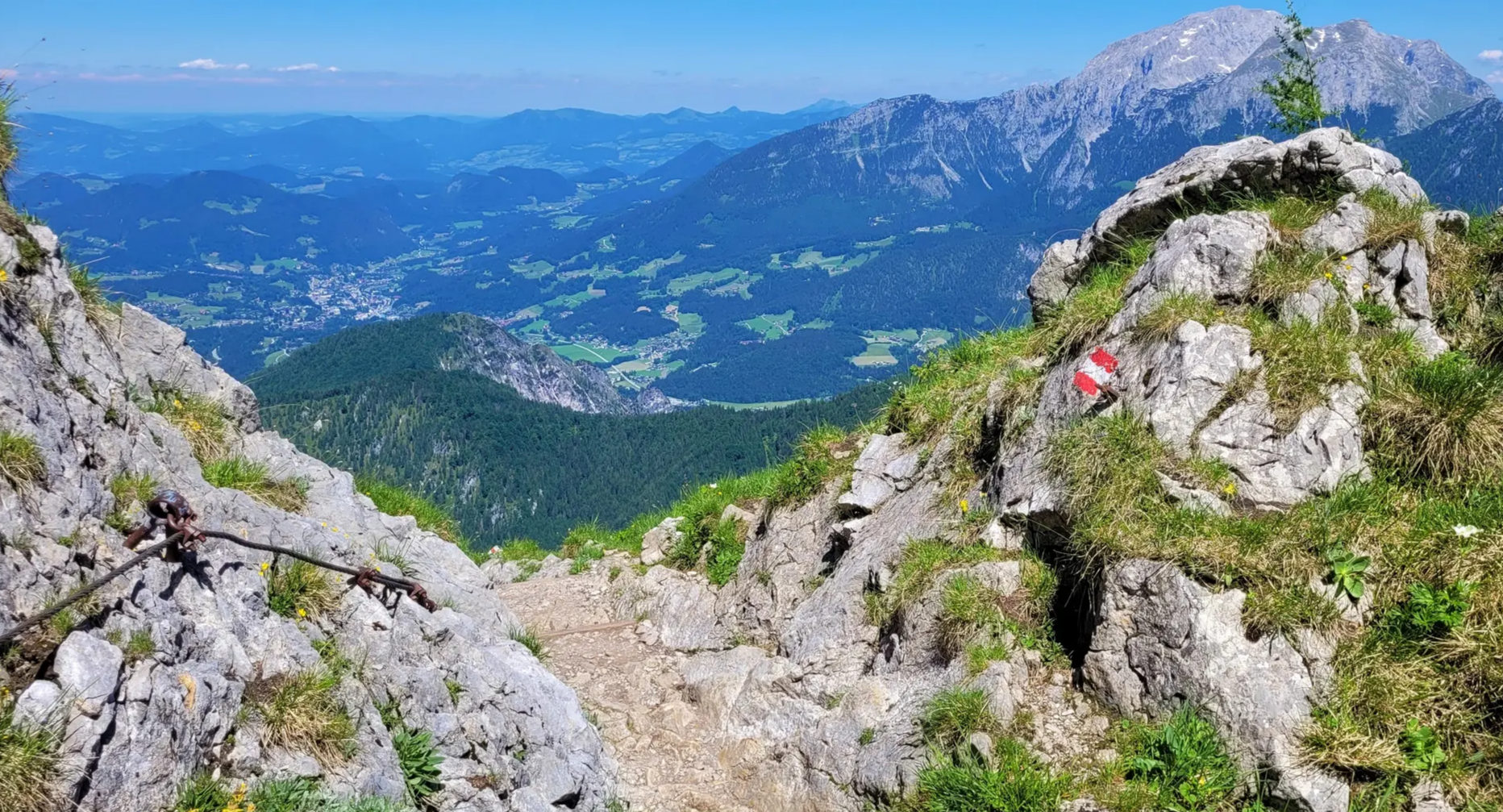
Yes, the Mittagsscharte, a mountain pass, is situated directly on the border between Austria and Germany. It contains the 'Steinerner Kaser' cave, historically considered an entrance to the mountain's interior.
Are there any cycling routes that pass near these cave attractions?
Yes, the region offers various cycling routes. For example, you can find routes like the 'Parish church of St. Sebastian – Königsseer Ache Cycle Path loop' or the 'Saalach River – Saalach Cycle Path loop' that allow you to explore the wider area. Check the Cycling around Bischofswiesen guide for more details.
Most popular routes around Bischofswiesen
Most popular attractions around Bischofswiesen

Get inspired with the komoot mobile app


Explore more
Extend your search for the best caves by checking out these guides of the top ones around Bischofswiesen:
