Top 14 Caves around Burrweiler
Best caves around Burrweiler refer to the natural rock formations and grottoes characteristic of the Palatinate Forest's geology. Burrweiler is a wine village situated on the edge of this low mountain range, primarily composed of Buntsandstein. Over time, weathering and erosion have sculpted these sandstone formations into various features, including rock shelters and smaller cave-like openings. Hikers exploring the numerous trails in the Palatinate Forest frequently encounter these natural features.
Best caves around Burrweiler
- The most popular caves is Ramburg…
Last updated: June 25, 2026
Felsenmeer rock formations
Highlight (Segment) • Natural Monument
Showing Translation
Tip by

Ramburg Castle Ruins
Highlight • Castle
Translated by Google •
Tip by

Sign up now to discover places like this
Get recommendations on the best single tracks, peaks, & plenty of other exciting outdoor places.
Sign up for free
Bürgermeisterstein Cave (Ritterstein No. 240)
Highlight • Cave
Translated by Google •
Tip by

Lourdes Grotto Dernbach
Highlight • Religious Site
Translated by Google •
Tip by

Studerbildschacht Cave
Highlight • Cave
Translated by Google •
Tip by
Sign up for free to discover even more caves around Burrweiler.
Sign up for free
Already have an account?
Start today with a free account
Your next adventure awaits.
Login or Signup
Popular around Burrweiler
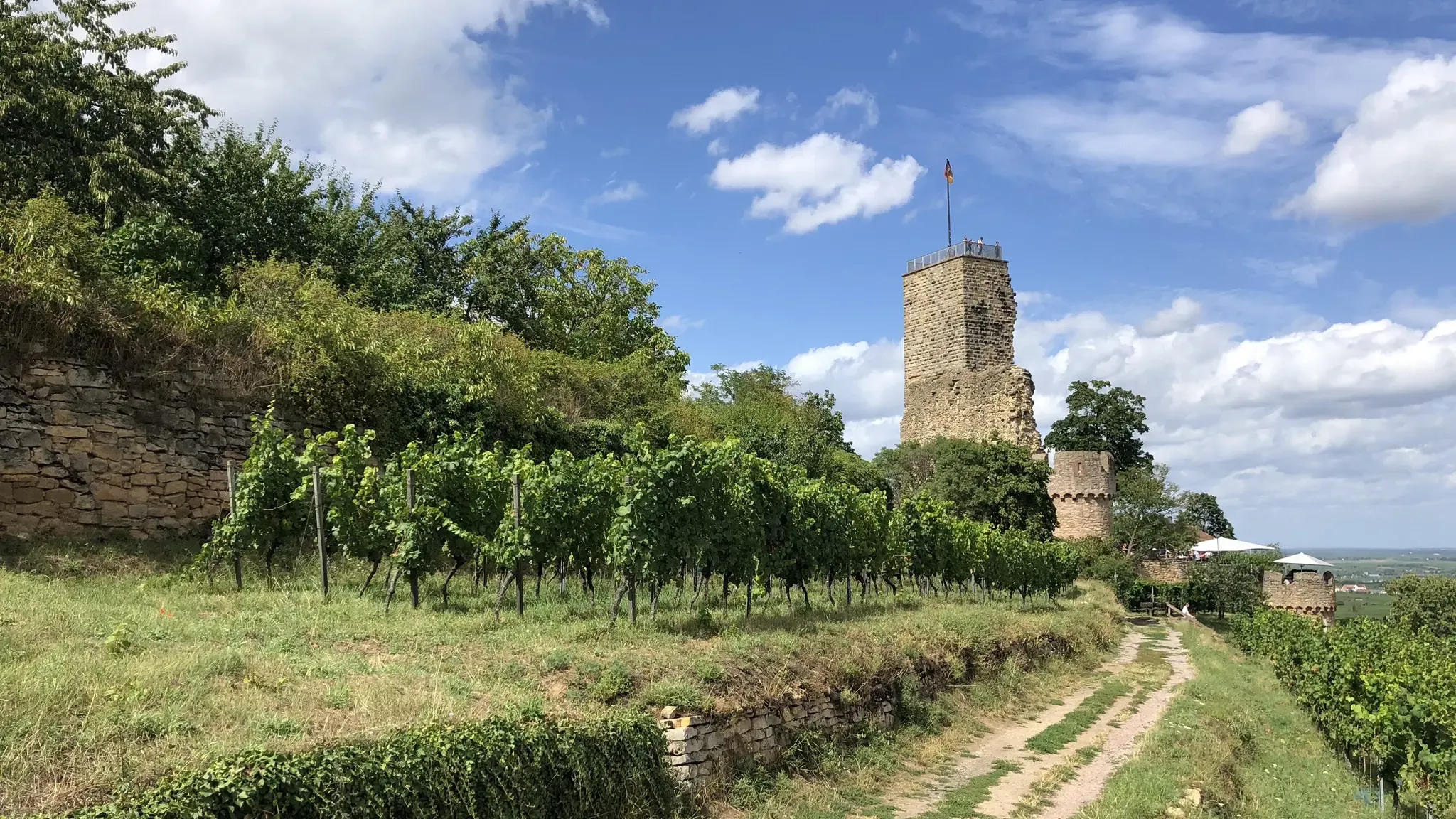
Pfälzer Weinsteig trail – 11 stages along forests and vinyards
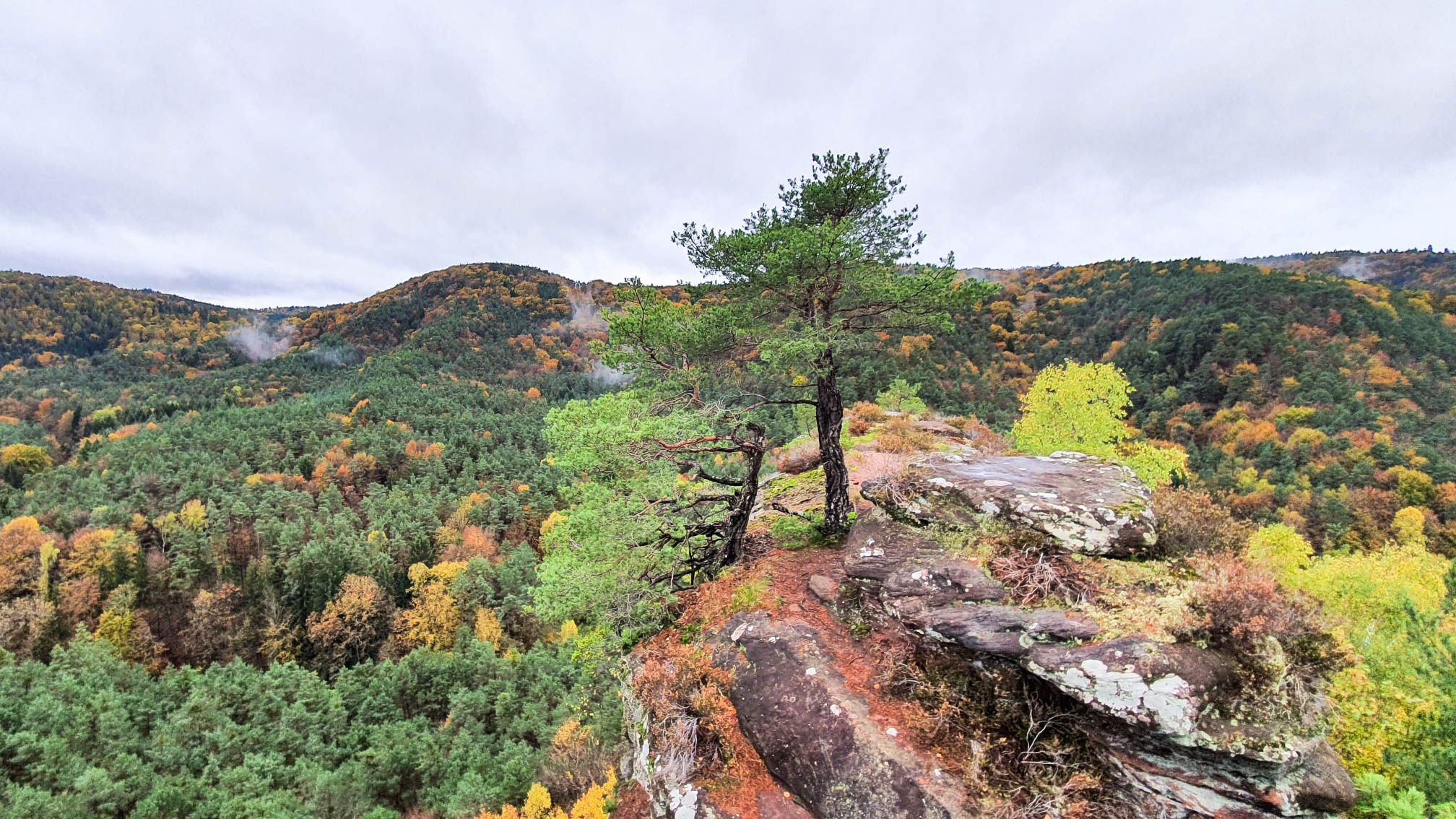
Colourful views — autumnal hikes in the Palatinate Forest
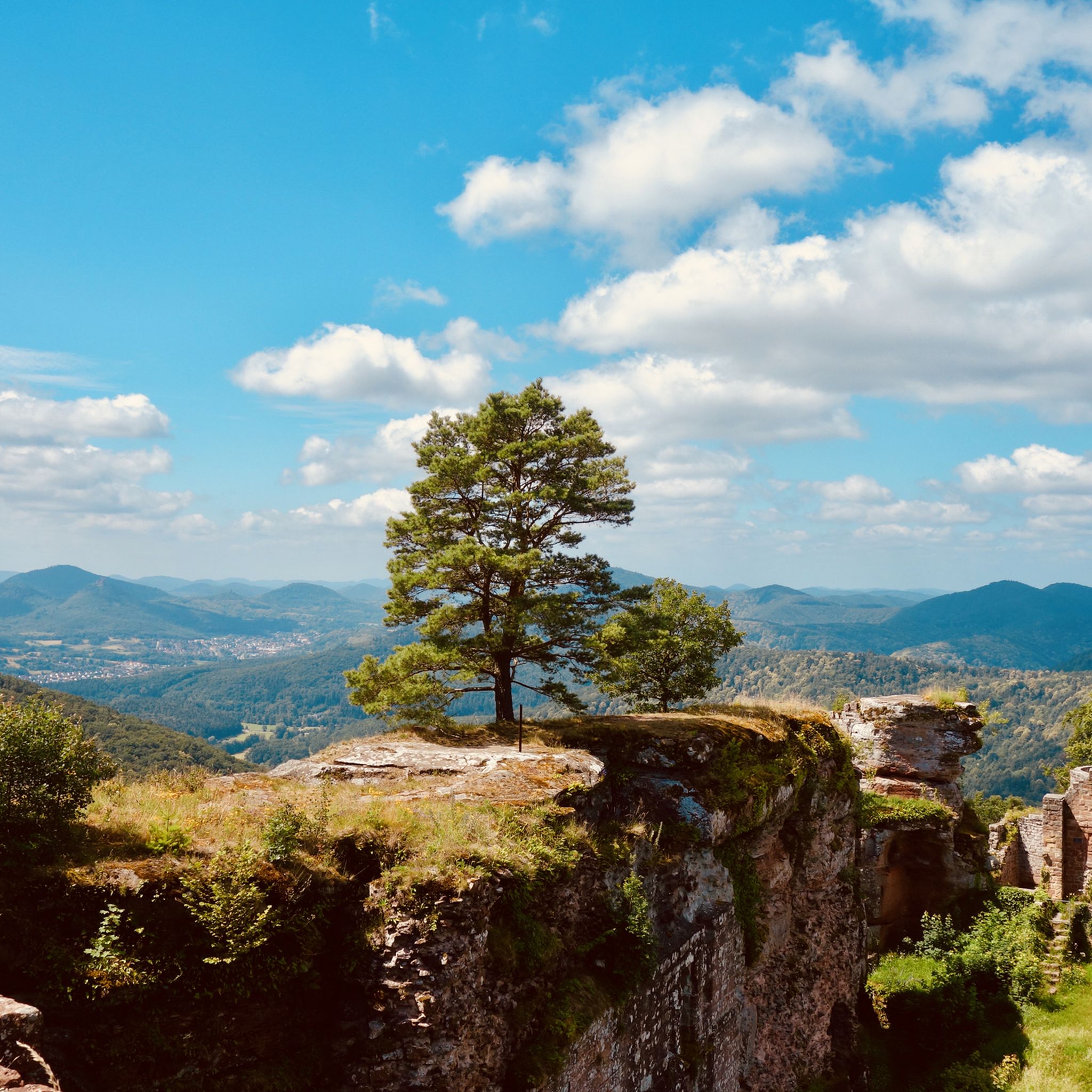
Hiking around Burrweiler
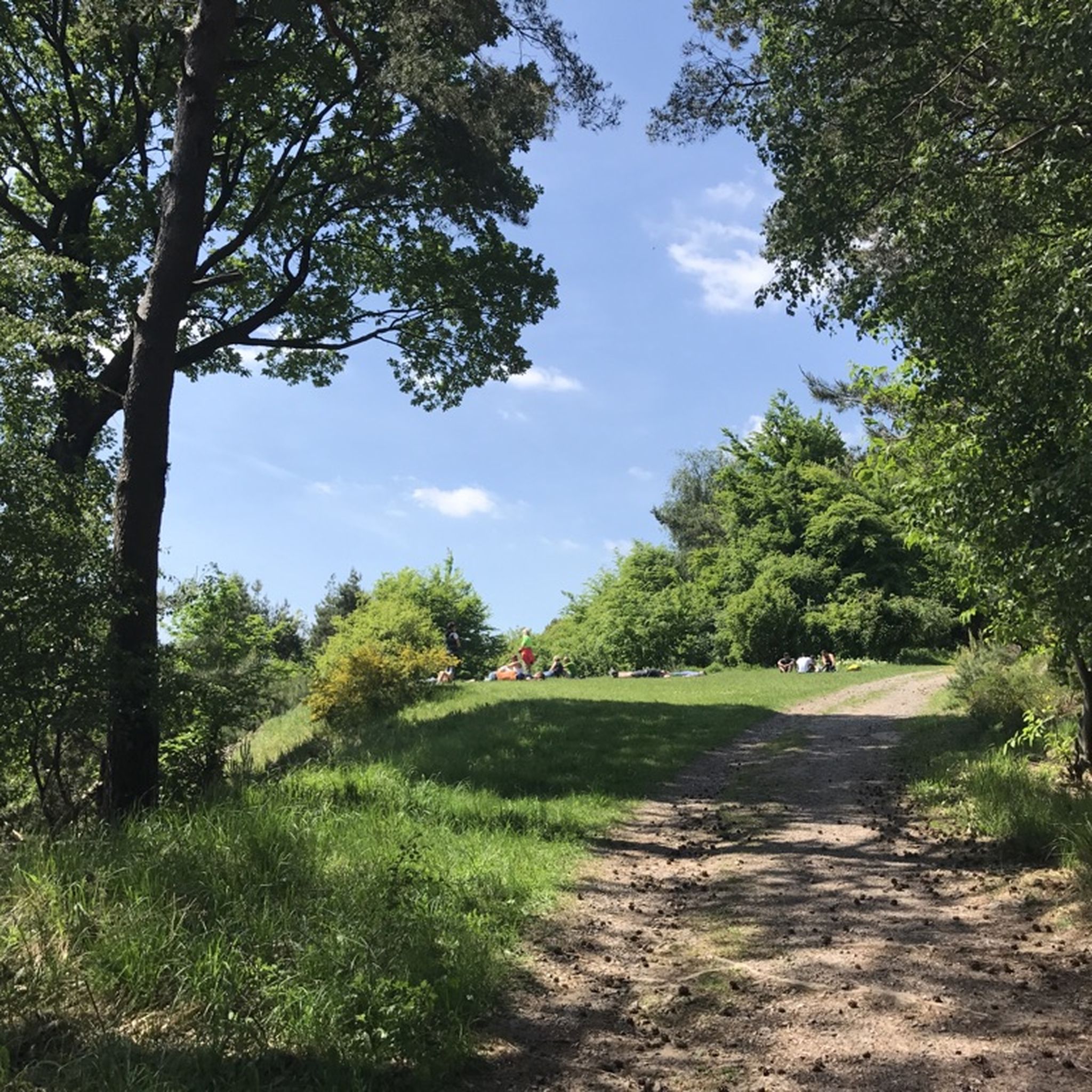
MTB Trails around Burrweiler
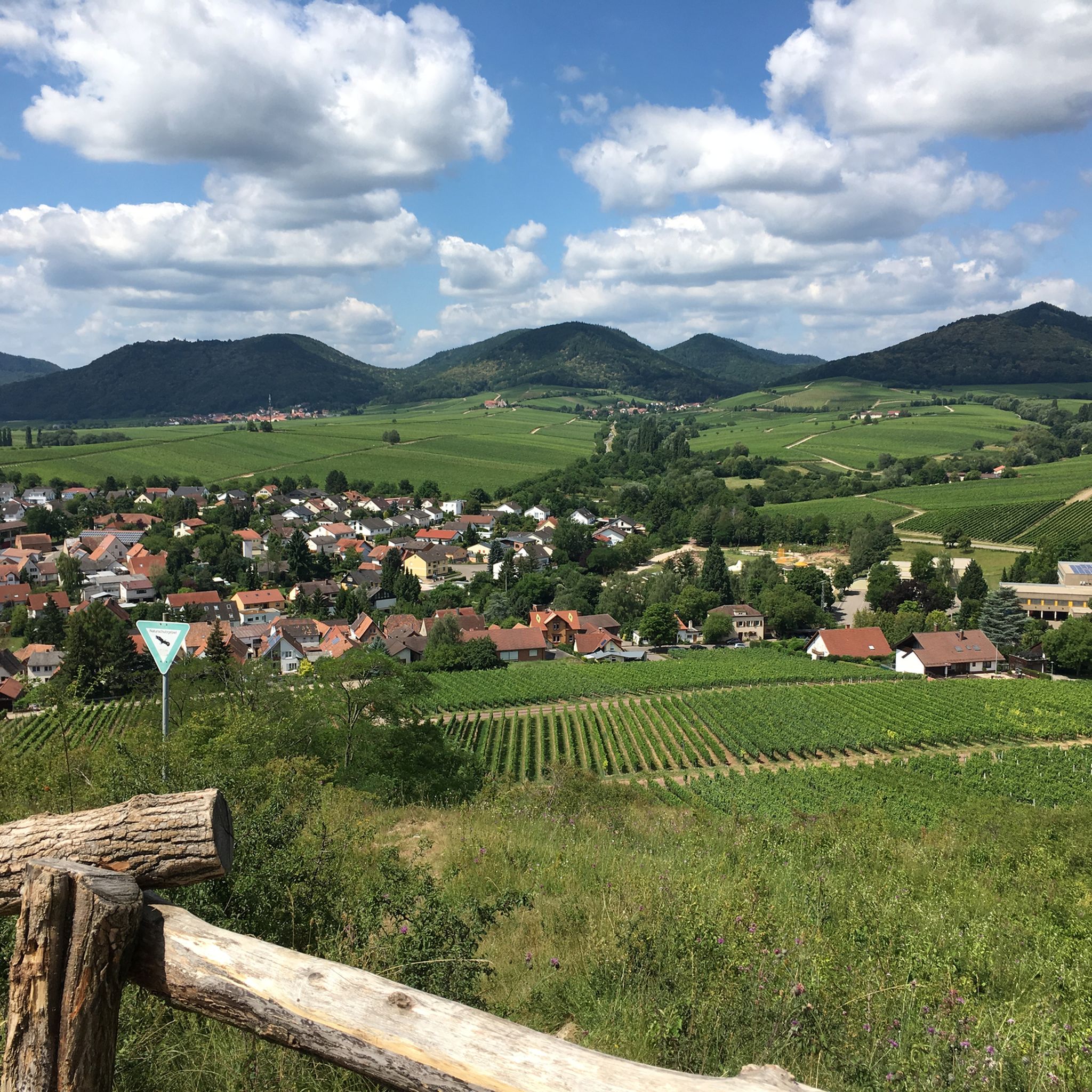
Cycling around Burrweiler
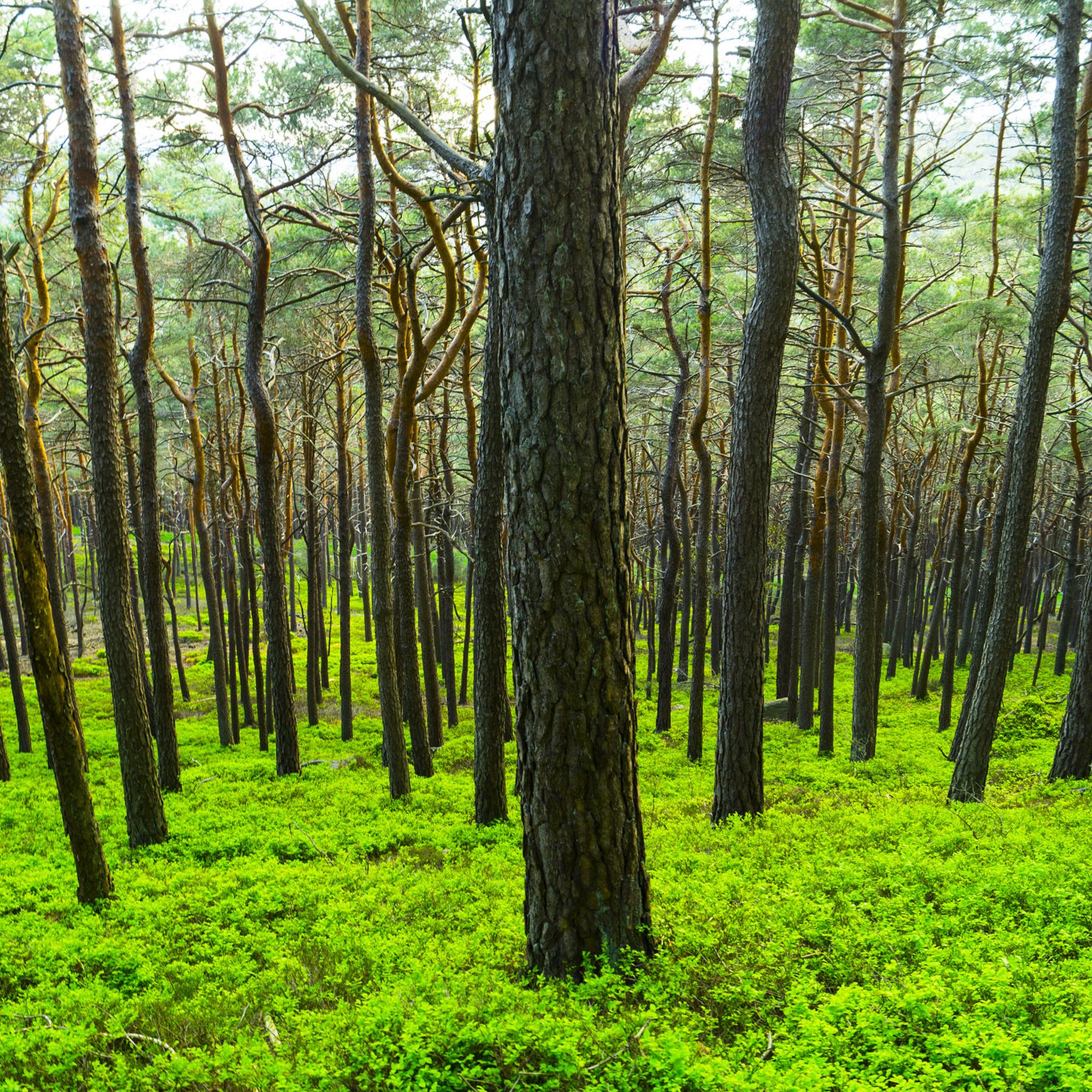
Road Cycling Routes around Burrweiler
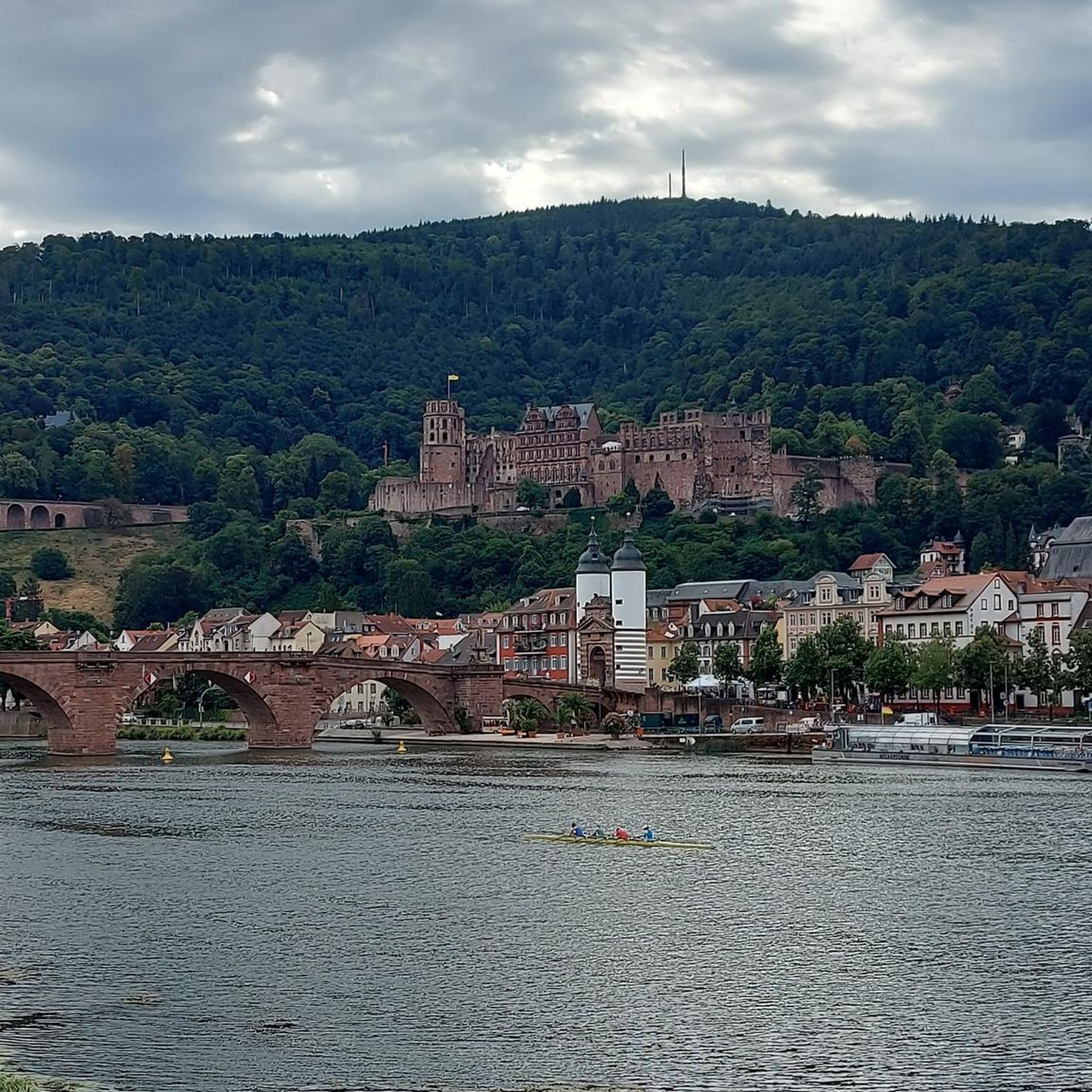
Gravel biking around Burrweiler
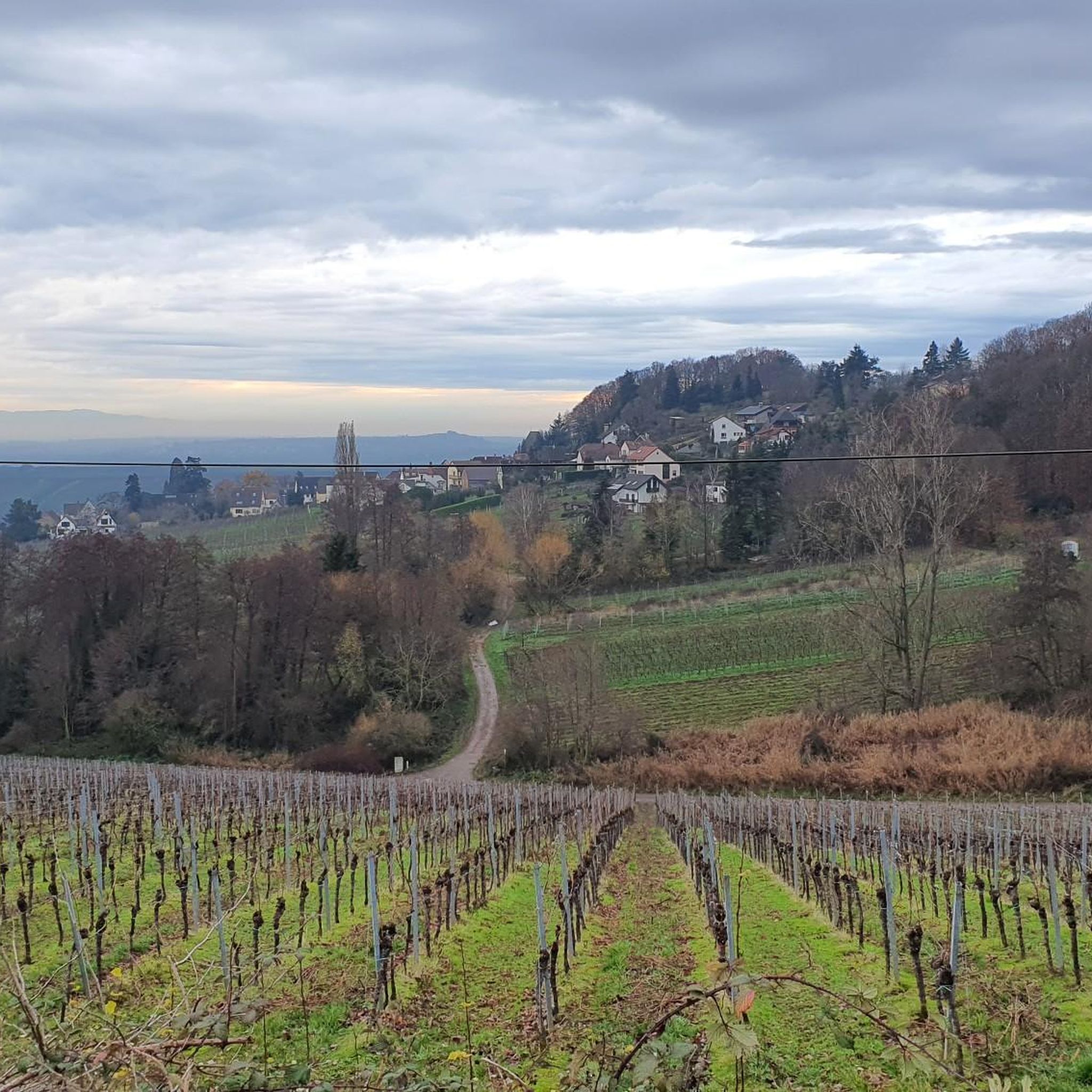
Running Trails around Burrweiler

Mountain Hikes around Burrweiler

Tips from the Community

A highlight of the hike from Sankt Martin to Kalmit is the Felsenmeer. Many spectacular rock formations please the eye.
6
0

This artificially created Marian Grotto features a statue of the Virgin Mary and a small enclosed spring. Since then, the grotto has been renovated several times, and the spring had to be re-enclosed to ensure its long-term preservation.
6
0

This Lourdes Grotto is also a sign of solidarity between Catholics and Protestants in Dernbach: "Every Whit Monday, a Catholic service takes place at the Lourdes Grotto in Dernbach. The Protestant parish deliberately does not hold its own service on this day, but invites people to the service at the Lourdes Grotto." Source: https://www.bistum-speyer.de/bistum/oekumene/leitfaden/bewaehrte-praxisbeispiele/gottesdienst/gottesdienst-an-der-lourdesgrotte/
1
0

You can find a list of knight stones here: https://de.m.wikipedia.org/wiki/Liste_der_Rittersteine
0
0

You can't see much, but this shaft is still mystical, especially when you know that it goes 50m deep. This makes it one of the deepest.
0
0

This knight's stone no. 240 PWV describes a small cave below the Hohe Loog.
3
0
Here, right on the path on the side of the hill, stands one of the Palatinate Forest Association's over 300 knight's stones. Its arrow points to the top right at the "Mayor's Stone". This stone contains a "small cave, on whose rock walls over 100 house marks [= a kind of signature or name seal] were carved between 1602 and 1634." Source (partly quoted verbatim): "Knight's Stones in the Palatinate Forest" by Walter Eitelmann, self-published by the Palatinate Forest Association, Neustadt/Wstr.
2
0

One of the numerous knight stones of the Palatinate: https://de.wikipedia.org/wiki/Liste_der_Rittersteine
4
0
Frequently Asked Questions
What kind of 'caves' can I expect to find around Burrweiler?
The 'caves' around Burrweiler are primarily natural rock formations, grottoes, and rock shelters characteristic of the Palatinate Forest's geology. This region is known for its Buntsandstein (Lower Triassic sandstone) formations, which, through millions of years of weathering and erosion, have sculpted striking features including smaller rock openings and grottoes. You won't find large, well-known show caves directly in Burrweiler, but rather natural shelters and interesting rock formations often encountered while hiking.
Are there any historical sites with cave features near Burrweiler?
Yes, you can explore historical sites that incorporate cave elements. For instance, the Ramburg Castle Ruins is a walkable ruin with beautiful views that includes cave features. Another historical spot is the Bürgermeisterstein Cave (Ritterstein No. 240), a small cave below the high Loog with Hambach, where house marks were carved in the 17th century.
Are the caves and rock formations around Burrweiler suitable for families?
Many of the natural features and sites around Burrweiler are family-friendly. The Ramburg Castle Ruins, for example, is easy to hike and perfect for families, offering benches and a table for rest. The Lourdes Grotto Dernbach is also considered family-friendly, providing a peaceful spot to visit.
What natural features, beyond caves, can I explore in the Burrweiler area?
Beyond the smaller cave-like openings, the Palatinate Forest around Burrweiler offers numerous striking natural features. You can visit the Felsenmeer rock formations, a natural monument with intermediate climbing opportunities and a narrow path below the rocks. The region is characterized by its unique Buntsandstein geology, resulting in rock towers, walls, and cliffs that are great for exploration.
What outdoor activities can I do near the caves around Burrweiler?
The area around Burrweiler is excellent for various outdoor activities, often incorporating the natural rock formations. You can find numerous hiking trails, including mountain hikes like the 'Bishop’s Cross on Teufelsberg – Dreimärker Stone loop' or the 'Hohe Loog House – Hohe Loog Summit loop'. There are also extensive options for road cycling and mountain biking. For more details on routes, you can explore the Mountain Hikes around Burrweiler guide, the Road Cycling Routes around Burrweiler guide, or the MTB Trails around Burrweiler guide.
Are there any religious or spiritual sites with grottoes in the area?
Yes, the region features beautiful grottoes with religious significance. The Lourdes Grotto Weyher is a serene natural monument above the wine village of Weyher, offering a place for pause and reflection with benches. Similarly, the Lourdes Grotto Dernbach is an artificially created Marian Grotto with a statue of the Virgin Mary and a small enclosed spring, providing a place for inner retreat.
What is the best time of year to visit the caves and rock formations near Burrweiler?
The Palatinate Forest, with its rock formations and grottoes, is enjoyable throughout much of the year. Spring and autumn offer pleasant temperatures for hiking and exploring, with vibrant foliage in fall. Summer is also suitable, though it can be warmer. Winter visits are possible, but some paths might be slippery, and the focus is more on the geology than lush greenery.
What should I wear when exploring the rock formations and grottoes?
When exploring the rock formations and grottoes around Burrweiler, it's advisable to wear sturdy hiking shoes with good grip, as paths can be uneven or rocky. Layered clothing is recommended to adapt to changing weather conditions, especially in forested areas. Depending on the season, consider bringing rain gear and sun protection.
Are there any larger, more substantial show caves accessible from Burrweiler, even if they require travel?
While Burrweiler itself is known for smaller natural rock formations, the broader Rhineland-Palatinate region and other parts of Germany offer more substantial cave systems. Examples include the Elfengrotte/Käsegrotte in Bad Bertrich (Eifel), the Lava Cellars in Mendig, or the Bears' Cave near Rodalben. Further afield, you'll find the Baumanns Cave and Hermanns Cave in the Harz Mountains, or the Atta Cave in Sauerland. These would require dedicated travel from Burrweiler.
What do visitors enjoy most about the caves and rock formations in the Burrweiler area?
Visitors particularly appreciate the unique geological formations and the opportunities for exploration within the Palatinate Forest. The Felsenmeer rock formations are loved for their intermediate climbing opportunities and the chance to explore narrow paths and niches. The Ramburg Castle Ruins are popular for their beautiful views and family-friendly accessibility. The overall appeal lies in combining hiking with discovering these natural and historical features.
Can I bring my dog to the trails and rock formations around Burrweiler?
The Palatinate Forest generally welcomes dogs on its hiking trails. Many of the natural rock formations and grottoes are accessible as part of these trails. However, it's always best to keep your dog on a leash, especially in nature reserves or near historical sites, and to be mindful of other hikers and wildlife. Specific rules might apply to certain protected areas.
Where can I find parking when visiting the caves and rock formations?
Parking is typically available at trailheads or designated parking areas within the Palatinate Forest, often near villages like Burrweiler or the starting points for popular hikes. For example, when visiting the Ramburg Castle Ruins, parking spaces are available directly at the Dernbacher Haus and at its driveway, with the ascent to the castle ruins being well-signposted from there.
Are there any circular walks that include these cave features?
Yes, many of the natural rock formations and grottoes around Burrweiler are integrated into the extensive hiking network of the Palatinate Forest, allowing for circular walks. You can often plan routes that pass by features like the Felsenmeer rock formations or the Lourdes Grotto Weyher. Komoot's route planning tools can help you discover and create circular tours that include these points of interest.
Most popular routes around Burrweiler
Most popular attractions around Burrweiler

Get inspired with the komoot mobile app


Explore more
Extend your search for the best caves by checking out these guides of the top ones around Burrweiler:
