Top 7 Caves around Bad Berka
Best caves around Bad Berka provide a variety of underground experiences within the Ilmtal valley, a region characterized by its natural landscapes and historical significance. The area features geological formations including shell limestone cliffs and karst structures. These natural features contribute to a landscape that supports both historical sites and natural monuments.
Best caves around Bad Berka
- The most popular caves is Rock Castle, a castle that also features a cave. This site is known for its mighty shell…
Last updated: June 25, 2026
Park Cave and the Nadelöhr in the Park on the Ilm
Highlight • Cave
There are a few other highlights above on the side facing away from the Ilm:
the "eye of the needle", the bark house, the temple lord's house etc..
Translated by Google •
Tip by

Hermitage of Hans Weichberger
Highlight • Historical Site
Translated by Google •
Tip by

Sign up now to discover places like this
Get recommendations on the best single tracks, peaks, & plenty of other exciting outdoor places.
Sign up for free
Grill hut at Karsthöhle Dienstedt
Highlight • Mountain Hut
Translated by Google •
Tip by

Dienstedt Karst Cave
Highlight • Cave
Translated by Google •
Tip by

Weimar Park Cave
Highlight • Cave
The Park Cave is an underground tunnel system in the park on the Ilm. It is located twelve meters below the ground between the steep slope to …
Translated by Google •
Tip by

Sign up for free to discover even more caves around Bad Berka.
Sign up for free
Already have an account?
Start today with a free account
Your next adventure awaits.
Login or Signup
Popular around Bad Berka

Around Thuringia — 7 stages through Germany's green heart
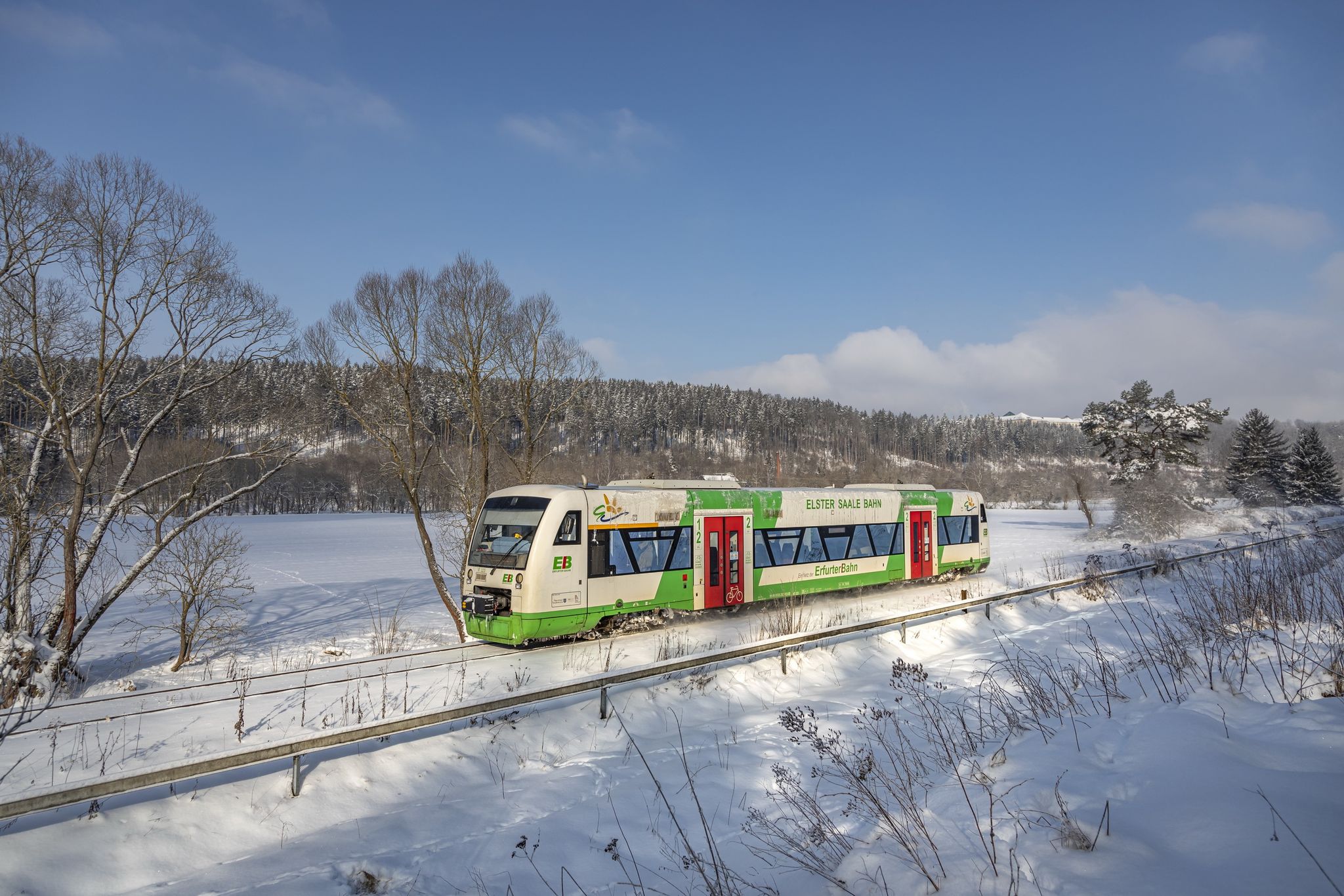
Discover Thuringia – winter hiking with the Erfurter Bahn
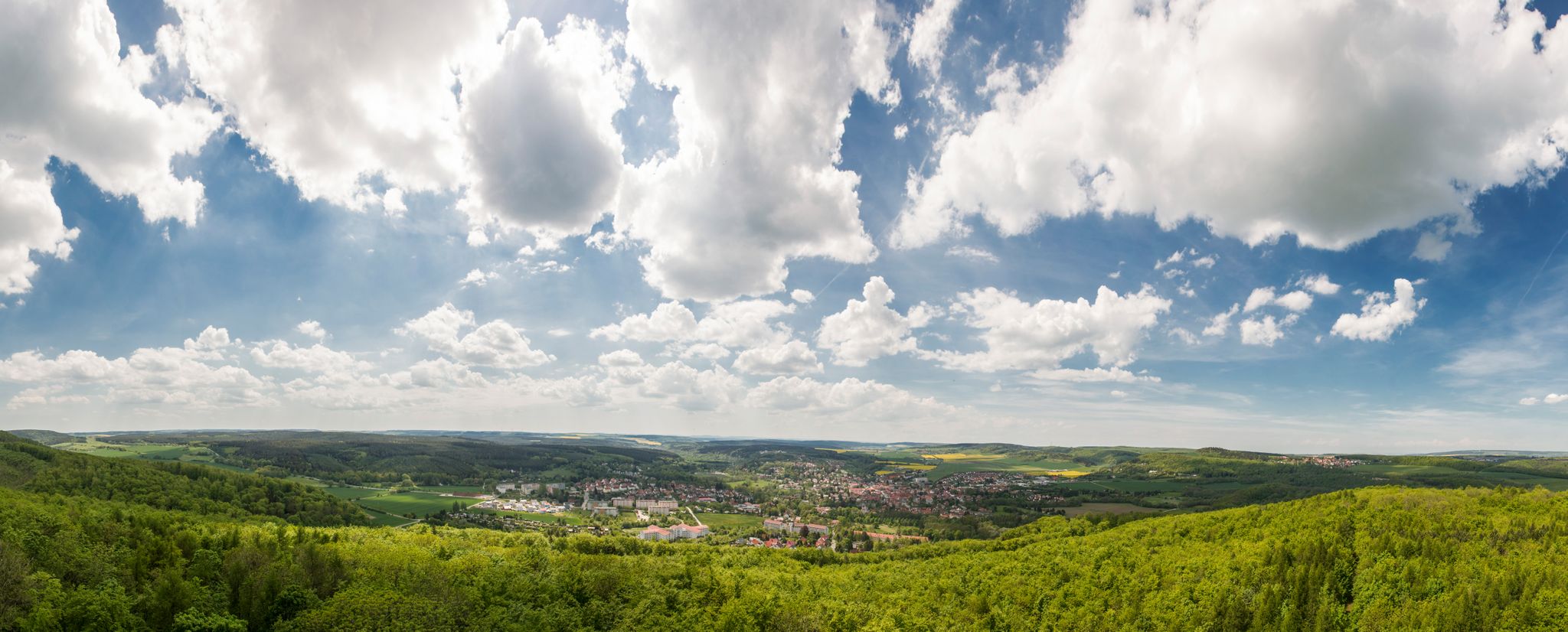
Beautifully varied hikes around Bad Berka
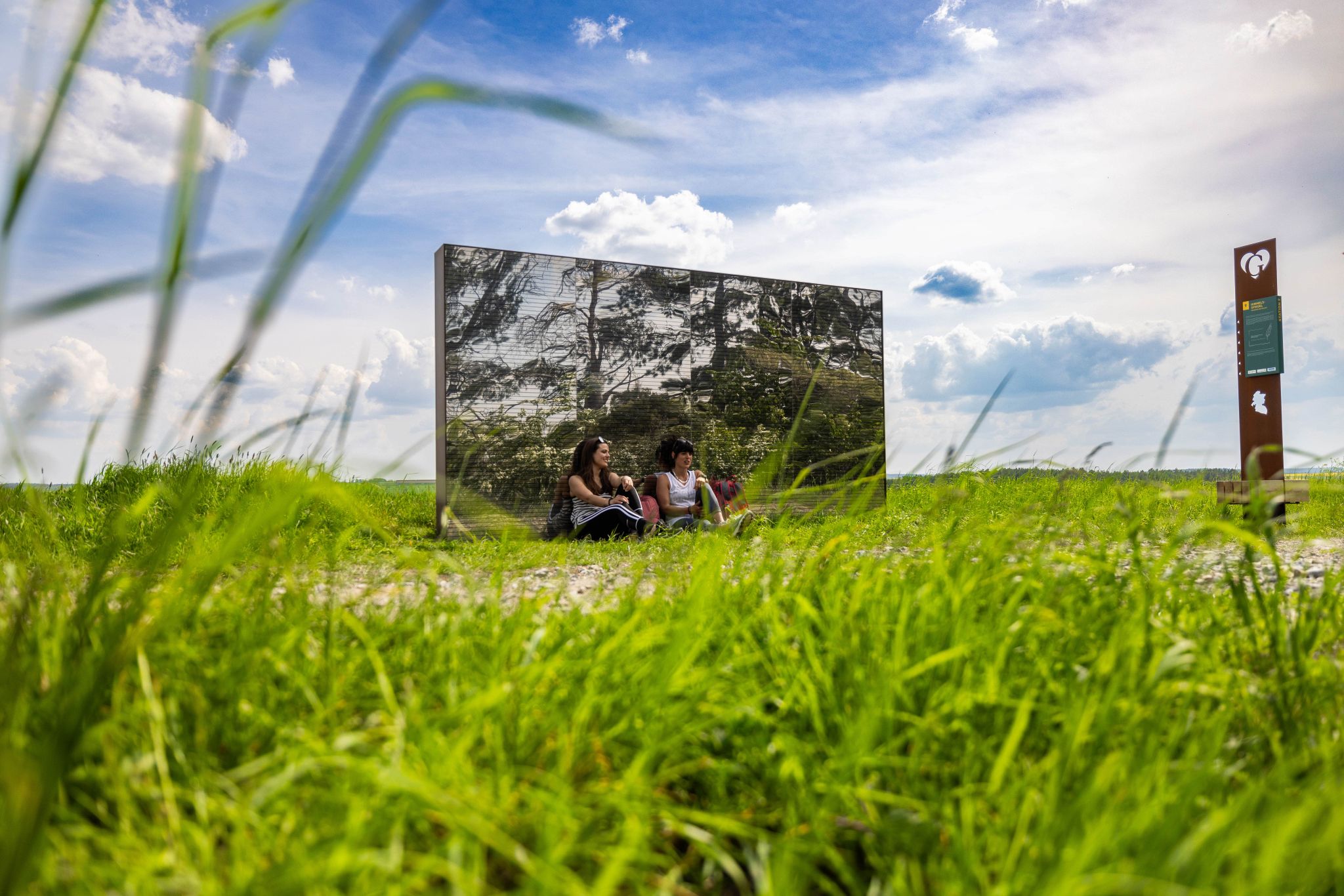
On the Goethe Adventure Trail through Germany’s Weimarer Land
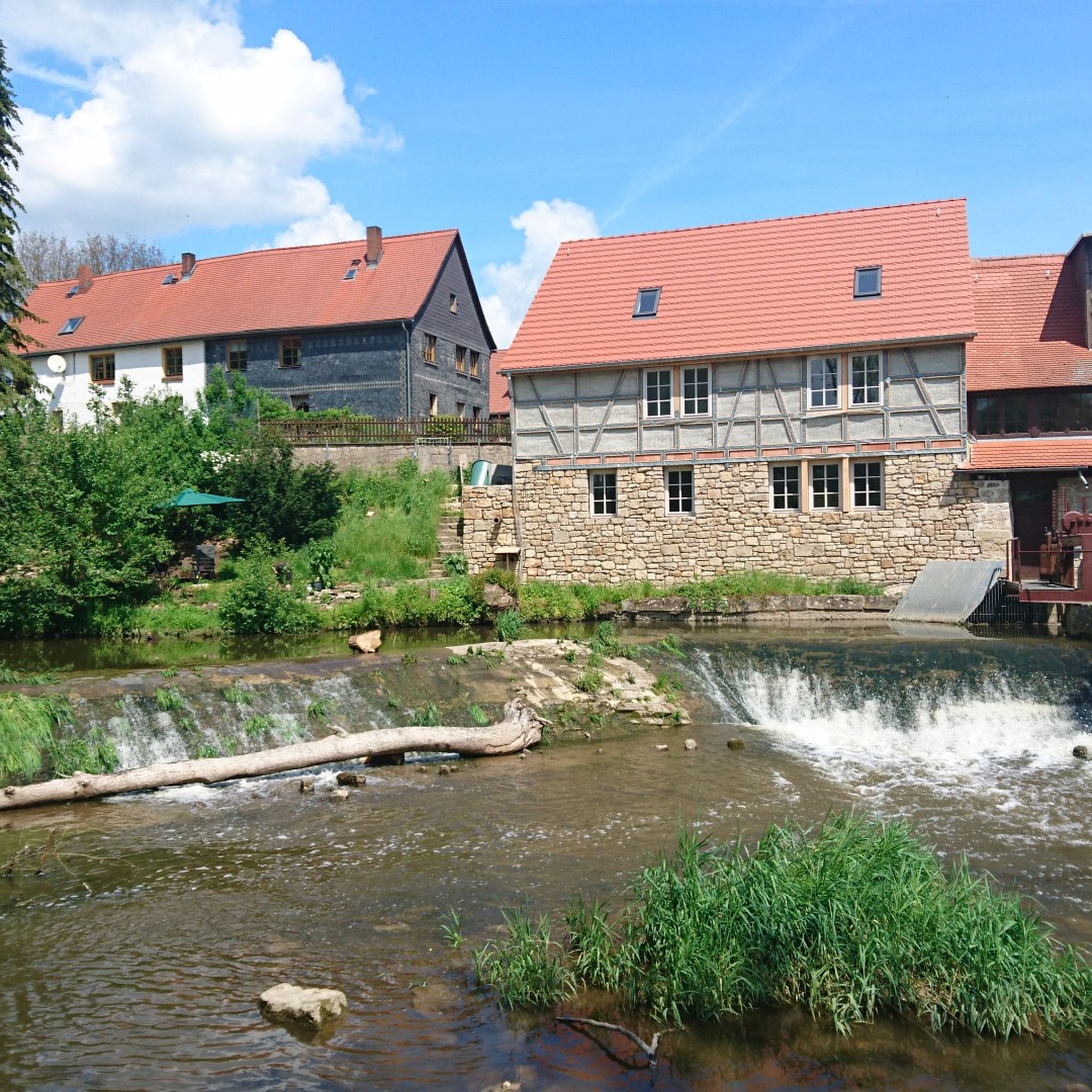
Hiking around Bad Berka
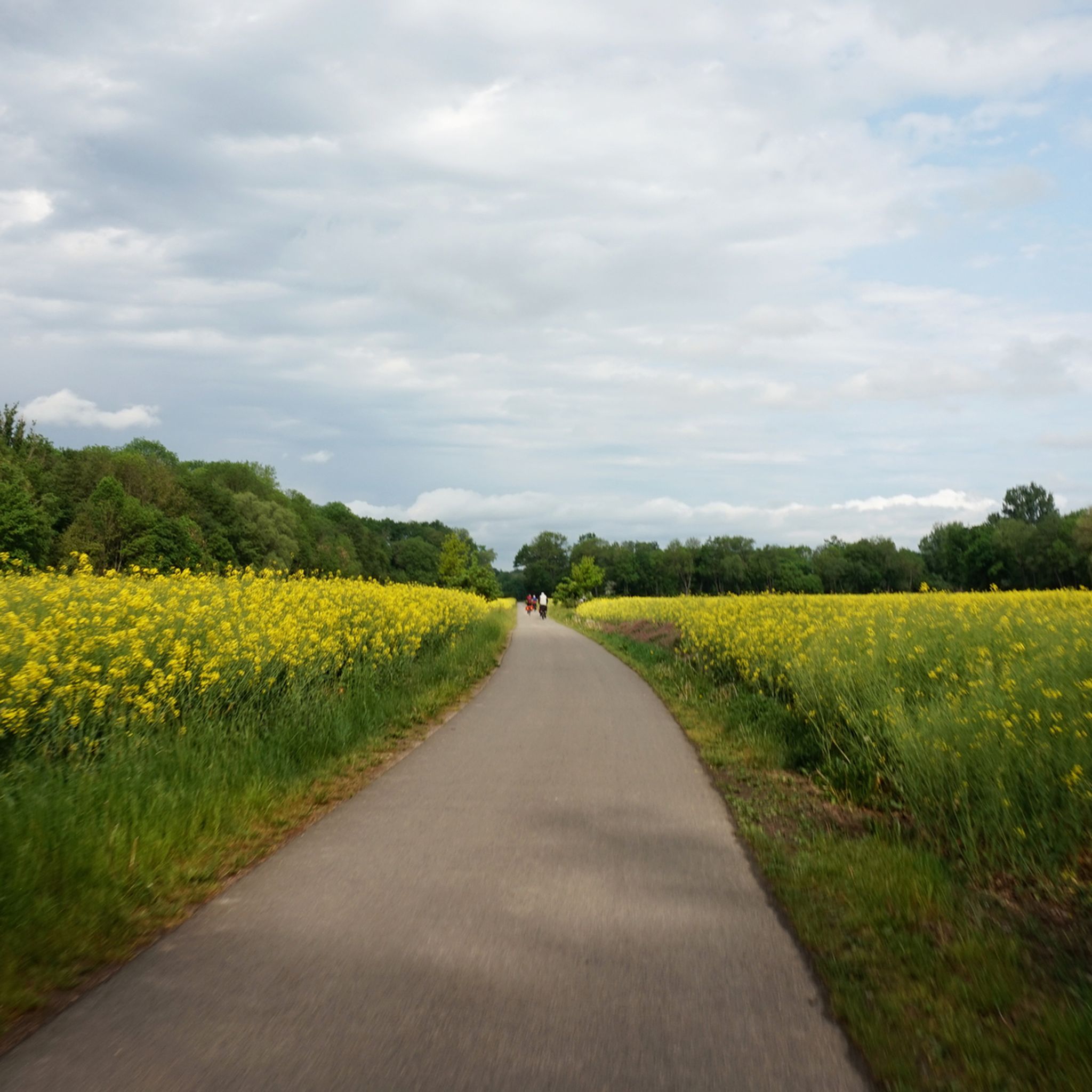
Cycling around Bad Berka
Road Cycling Routes around Bad Berka
Running Trails around Bad Berka
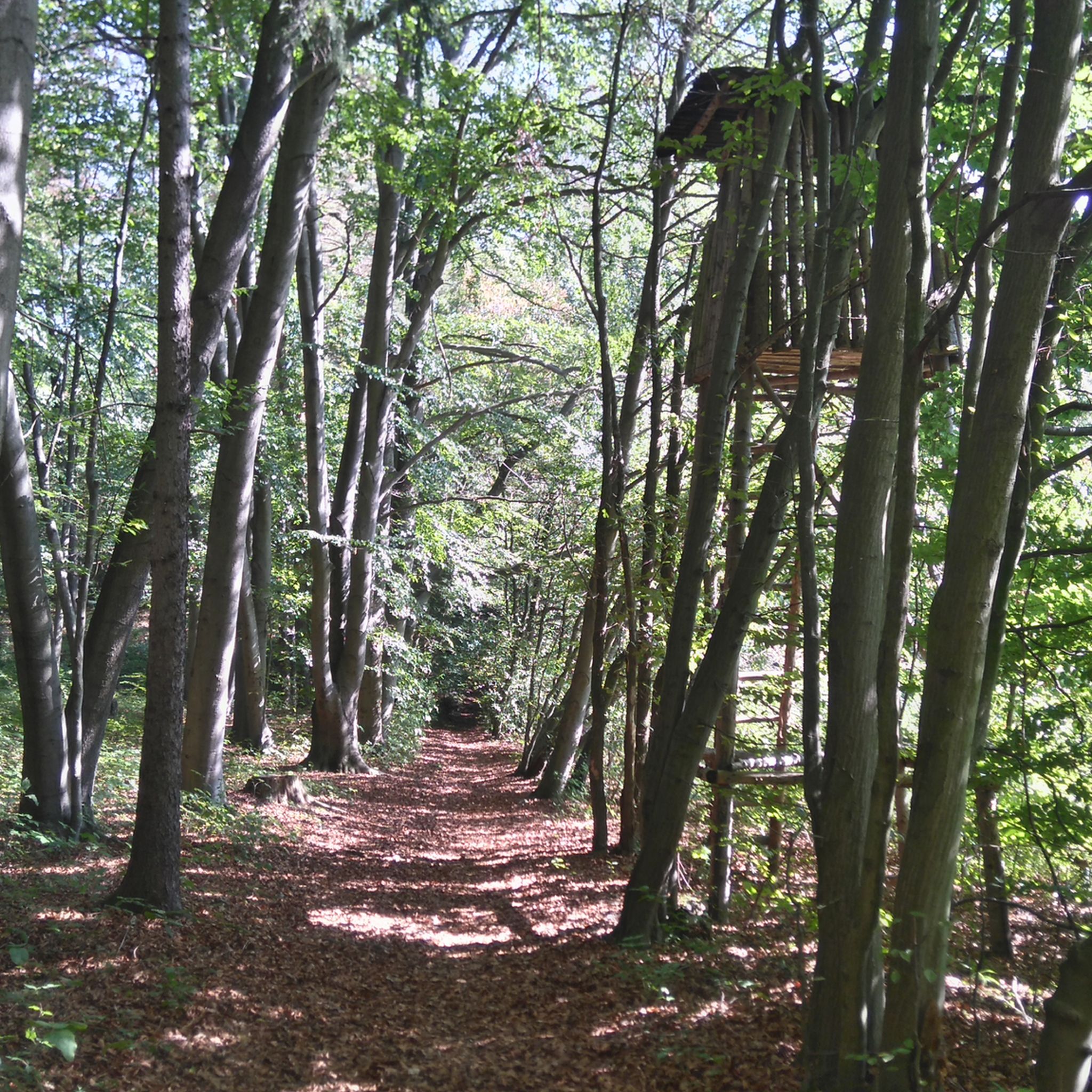
MTB Trails around Bad Berka
Gravel biking around Bad Berka
Other adventures around Bad Berka


Tips from the Community

At the end of the 12th century, an artificial sewage tunnel system was created at a depth of 12 meters. It was used as an air raid shelter during World War II. Today, the cave is accessible and features an exhibition on its history, geology, and the Ice Age in the Weimar region.
11
0

Sewage Tunnel – Walkway – Air-Raid Shelter – Underground Museum The origins of the Park Cave date back to the desire of Duke Carl August of Saxe-Weimar and Eisenach to have his own brewery. Between 1794 and 1796, a roughly 500-meter-long tunnel was built in the park on the Ilm River for beer storage and the drainage of process water for the planned brewery. After the original project was abandoned, the tunnel was used for sand and gravel mining. A complex network of tunnels was created, which court members and park visitors occasionally used as an underground walkway between 1810 and 1830. Towards the end of World War II, part of the complex was converted into an air-raid shelter. The current museum rooms are located in this area. From 1992 to 1999, the partially filled and dilapidated tunnel system was reopened in an extensive renovation project. https://www.klassik-stiftung.de/parkhoehle/
0
0

The Einsielicher Weichberger lived here from 1937 to 1956. Two social systems allowed him to live here.
0
0

Park Cave, Weimar The Park Cave is an underground tunnel system in the park on the Ilm. It is located twelve meters below the ground between the steep slope to the Ilm and Belvederer Allee. A staircase near the Liszt House leads down to the tunnel, which ends at the so-called "needle's eye", an artificially created rock gate on the Ilm. History The Park Cave owes its existence to Duke Carl August's desire for his own brewery. Between 1794 and 1796, a tunnel around 500 meters long was built in the park on the Ilm to drain the process water of the planned brewery. After the plan to build a brewery was abandoned, the tunnel was used for sand and gravel mining between 1797 and 1815. A complex system of passageways and tunnels was created. Towards the end of the Second World War, part of the complex was converted into a bunker. This area now houses the Park Cave Museum. Permanent exhibition: Park Cave Experience Through time and climate The permanent exhibition tells the story of the park cave: created in Goethe's time, unused for decades, converted into a shelter towards the end of World War II, it has been accessible again since 1997, interrupted by a pandemic and a comprehensive renovation. Text / Source: Weimar GmbH, Tourist Information Weimar, Markt 4, Weimar https://www.weimar.de/kultur/sehenswuerdigkeiten/museen-in-weimar/erlebnis-parkhoehle/
13
0

A little off the beaten track, but refreshing and interesting, especially in summer.
1
1

Because of these events, Felix Gebser and some other local friends began excavating stonewood between 1953 and 1955; Unfortunately unsuccessful. After further excavations on the Schenkhopfberg, a large cavity was found, but not the cave and the search was resignedly stopped. It was not until the spring of 1957 that another attempt was made. Felix Gebser, Lothar Großkunze, Reinhardt Erdmann, Rüdiger Pöttgen and a few young people were initially there. After the initial success was achieved again, the first two continued digging alone. This time, however, the entrance to the cave was found. After scratch marks left by cave bears were discovered on walls, a close collaboration was established with the Museum of Prehistory and Early History in Weimar. The initial enthusiasm was dampened when no archaeologically valuable finds could be made even at a depth of 20 meters. The two local researchers worked for months, alone in their free time and with the simplest tools, into the cave, which was filled almost to the ceiling with material.
14
2

Haven't seen it. I wandered past.
1
0

Very nice path through the park.
4
0
Frequently Asked Questions
What types of caves can I explore near Bad Berka?
Near Bad Berka, you can find a variety of underground formations, including historical cave castles like Rock Castle, natural grottoes such as the Park Cave and the Nadelöhr in the Park on the Ilm, and karst caves with archaeological significance like the Grill hut at Karsthöhle Dienstedt. The region is characterized by shell limestone cliffs and karst structures.
Are there any family-friendly caves to visit around Bad Berka?
Yes, several spots are suitable for families. The Park Cave and the Nadelöhr in the Park on the Ilm is family-friendly, offering a natural bridge and views of Goethe's garden house. The Sphinx Grotto at the Leutra Spring is also listed as family-friendly and is a pleasant spot near the park entrance.
What historical insights can I gain from visiting caves in this region?
The caves around Bad Berka offer a glimpse into both natural and human history. For instance, Rock Castle was historically used for protection. The Grill hut at Karsthöhle Dienstedt is a historical site where archaeological finds were made, revealing its use as a residence and protective function for humans and animals over time. You can also visit the Hermitage of Hans Weichberger, a historical site where a hermit lived for decades.
What natural features can I expect to see near the caves?
The region around Bad Berka is known for its natural landscapes, including shell limestone cliffs and karst structures. At the Park Cave and the Nadelöhr in the Park on the Ilm, you can see a natural bridge and enjoy views of the Ilm river. The Rock Castle is set against a mighty shell limestone cliff, offering impressive natural scenery.
Are there any notable caves in the broader region beyond Bad Berka?
While Bad Berka itself has unique local formations, the broader Harz Mountains region, a short drive away, is home to several impressive show caves. These include the Iberg Dripstone Cave with its sinter cascades, Baumanns Cave known for stalactites and stalagmites, Hermanns Cave with crystal chambers and rare olms, the large Unicorn Cave, and the Barbarossa Cave, a geological rarity formed in anhydrite rock.
What outdoor activities can I combine with a visit to the caves?
The area around Bad Berka is excellent for various outdoor activities. You can find numerous cycling routes, such as the 'Buchfart – Ilmtal Cycle Path loop', or explore easy hikes like the 'Schlossberg Adventure Trail'. For more challenging activities, there are running trails like the 'Saufelder Hut – Kohlgrund Hut loop'. You can find more details on these activities in the Cycling around Bad Berka, Easy hikes around Bad Berka, and Running Trails around Bad Berka guides.
Are there specific hiking trails that lead to or past these caves?
Yes, many hiking routes in the Ilmtal valley incorporate these natural features. For example, the Hermitage of Hans Weichberger is located directly on the '3 towers way'. You can explore various trails that pass by or lead to these cave highlights. Check the Easy hikes around Bad Berka guide for routes.
What do visitors enjoy most about the caves around Bad Berka?
Visitors appreciate the unique combination of natural beauty and historical significance. The mighty shell limestone cliff at Rock Castle captivates many, while the archaeological finds and impressive river cave formations at Grill hut at Karsthöhle Dienstedt offer a fascinating experience. The natural bridge and views of Goethe's garden house from the Park Cave are also highly rated.
Is it possible to visit these caves in winter?
While specific opening times for each site may vary, many natural outdoor features like the Park Cave and Rock Castle are generally accessible year-round. However, conditions can be very slippery in wet and snowy weather, especially around the natural bridge at Park Cave. For managed show caves in the broader Harz region, it's best to check their specific winter operating hours.
Are there any specific safety tips for exploring the caves?
When visiting natural cave formations, especially in wet or snowy conditions, paths can be very slippery. Always wear appropriate footwear with good grip. For sites like Rock Castle, erosion is an ongoing process, and it can be dangerous to get too close to certain deteriorating sections. Always observe local signage and warnings.
Are permits required for caving or hiking near Bad Berka?
For general hiking on marked trails and visiting the publicly accessible cave highlights mentioned, permits are typically not required. However, if you plan to engage in specialized caving activities or explore off-trail, it's always advisable to check with local authorities or guide services for any specific regulations or permit requirements.
What should I wear for cave exploration in the Bad Berka area?
For exploring the caves and grottoes around Bad Berka, comfortable walking shoes with good grip are essential, especially since paths can be slippery. Layers of clothing are recommended as temperatures inside caves can be cooler than outside. A flashlight or headlamp can also be useful for darker sections, even in accessible areas.
Most popular routes around Bad Berka
Most popular attractions around Bad Berka

Get inspired with the komoot mobile app


Explore more
Extend your search for the best caves by checking out these guides of the top ones around Bad Berka:
