Top 5 Caves around Bad Sulza
Best caves around Bad Sulza are found within a region characterized by the scenic Ilm Valley, rolling hills, and extensive vineyards. This area, sometimes referred to as "Thuringian Tuscany," offers a mild climate and picturesque natural landscapes. While Bad Sulza is known for its spa facilities and hiking trails, the surrounding natural features include various rock formations and smaller cave systems. These natural features contribute to the area's appeal for outdoor exploration.
Best caves around Bad Sulza
- The most popular…
Last updated: June 25, 2026
Klausloch Cave on the Saale
Highlight (Segment) • Cave
Translated by Google •
Tip by

Klausloch Cave
Highlight • Cave
Translated by Google •
Tip by

Sign up now to discover places like this
Get recommendations on the best single tracks, peaks, & plenty of other exciting outdoor places.
Sign up for free
Muschelkalk Rock Formations and Cave
Highlight • Cave
Translated by Google •
Tip by

Muschelkalk Grotto
Highlight • Cave
The sandstone pillar supports the small grotto,
Translated by Google •
Tip by

Grottenweg Single Trail
Highlight • Trail
Translated by Google •
Tip by
Sign up for free to discover even more caves around Bad Sulza.
Sign up for free
Already have an account?
Start today with a free account
Your next adventure awaits.
Login or Signup
Other adventures around Bad Sulza

Tips from the Community

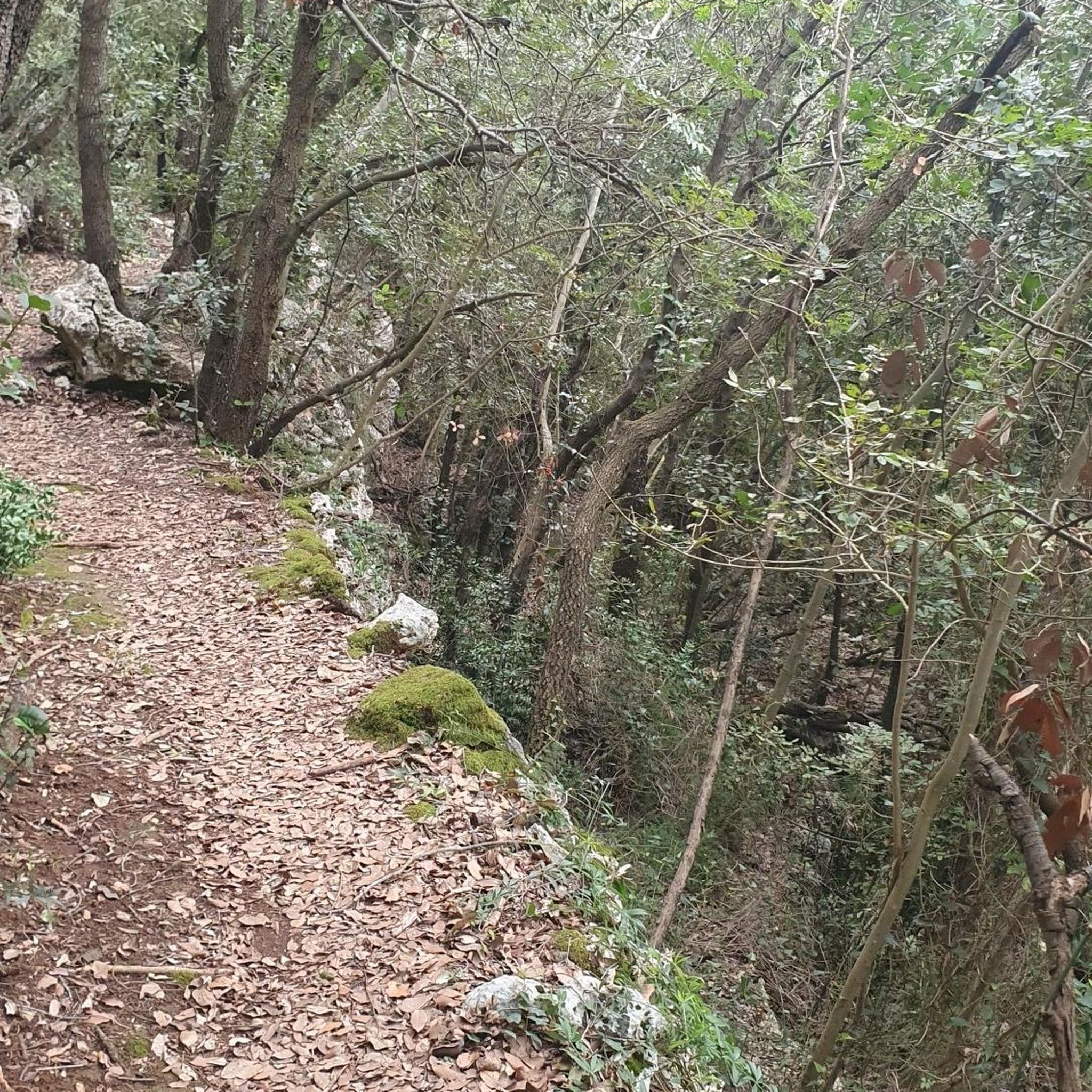
The narrow path along the rock edge is also passable with a gravel bike.
1
0

About the Klausloch: on the way from Camburg to Tümpling a hermit lived in a cave. In the front part of the cave he created a small chapel with an altar niche that is still recognizable, and in the back part he created the "hermit's" living space. In the hermitage the hermit prayed, ate the fruits of the forest and lived in harmony with nature.
1
0


The supports of the large limestone slabs will probably not last forever…
3
0

The path from Camburg to Tümpling becomes very narrow at one point; On the left, the slope covered with dense bushes falls almost vertically down to the Saale and on the right, limestone cliffs rise steeply. At this place you pass a cave carved into the rock, the Klause, also called Klausloch, from Romanesque times. The visitor has to climb some steps cut into the rock to reach the cave, which is divided into two rooms. The front room with a still recognizable altar niche was apparently used as a chapel by the hermit who lived here in the early Middle Ages. The rear room probably served as a living room. Source:https://dornburg-camburg.de/ortschaften/camburg/die-klause/
0
0

Imposing rocky path along the Saale. The rocks are made of shell limestone. The calcareous soils mean that you can discover a lot of snails.
3
0

You can get here on the Grottenweg, a highlight that has not been noticed so far, wrongly. The sandstone pillar supports the small grotto,
16
0
A path to melt away, it's not bad in the grotto, the path to the grotto is a must for every hiker, sure-footedness and looking for the dead trees. 👍
15
0
Frequently Asked Questions
What kind of caves can I expect to find around Bad Sulza?
The region around Bad Sulza features natural rock formations, grottoes, and smaller cave systems, often composed of shell limestone. These are more about natural exploration and geological interest rather than large, developed show caves. You can find places like the Muschelkalk Rock Formations and Cave, where you might even discover fossils.
Are there any historical aspects to the caves in this area?
Yes, some caves have historical significance. For instance, Klausloch Cave on the Saale is known for a hermit who once lived there, creating a small chapel within the cave. This adds a unique historical layer to the natural exploration.
Are the caves around Bad Sulza suitable for families with children?
Yes, some of the natural features and caves are considered family-friendly. Klausloch Cave on the Saale is specifically noted as family-friendly, offering an accessible way to explore these natural formations.
Can I bring my dog to the caves?
Yes, Klausloch Cave on the Saale is listed as dog-friendly, making it a good option for exploring with your canine companion. Always ensure your dog is well-behaved and kept on a leash.
What are the best outdoor activities to combine with a visit to the caves?
The area around Bad Sulza is excellent for various outdoor activities. You can find numerous hiking trails that lead to or past these natural features. Additionally, there are many cycling opportunities, including gravel biking, road cycling, and mountain biking routes, often along the scenic Ilm and Saale valleys.
What kind of geological features can be observed in the caves?
The caves and rock formations in this region are primarily made of shell limestone (Muschelkalk). This geological composition means you can often find beautiful fossils of shells, particularly at sites like the Muschelkalk Rock Formations and Cave. The imposing rocky paths along the Saale also showcase these unique formations.
Are there any viewpoints near the caves?
Yes, several cave-related highlights also offer excellent viewpoints. Klausloch Cave on the Saale and the Muschelkalk Grotto are both noted for providing scenic views of the surrounding landscape, often overlooking the river valleys.
What is the difficulty level for exploring these caves and their surrounding trails?
Many of the trails leading to and around the caves are rated as intermediate. Some, like Klausloch Cave, offer opportunities for climbing and can be quite exciting, requiring sure-footedness. Always check the specific trail details for the area you plan to visit.
What should I bring when visiting the caves?
For exploring the smaller caves and grottoes, a flashlight is highly recommended, as mentioned in tips for Klausloch Cave and Muschelkalk Rock Formations and Cave. Sturdy footwear is also advisable for the rocky and sometimes uneven paths.
What do visitors enjoy most about the caves around Bad Sulza?
Visitors appreciate the unique natural beauty, the geological formations, and the sense of adventure. The opportunity to discover fossils, explore mini-caves, and enjoy scenic trails along the Saale river are frequently highlighted. The blend of natural exploration with historical elements, such as the hermit's chapel at Klausloch, also adds to the appeal.
Is there a specific trail that leads to multiple cave features?
The Grottenweg Single Trail is a notable path that leads to the Muschelkalk Grotto and offers a rewarding experience for hikers. It's considered a must-do for those looking to explore the grottoes and rock formations.
Most popular routes around Bad Sulza
Most popular attractions around Bad Sulza

Get inspired with the komoot mobile app


Explore more
Extend your search for the best caves by checking out these guides of the top ones around Bad Sulza:
