Top 4 Caves around Bad Orb
Caves around Bad Orb offer insights into the region's unique geological history and natural formations. The area, part of the Spessart, features diverse terrain including basalt formations resulting from ancient volcanic activity. These geological features provide a contrast to the surrounding red sandstone, characteristic of the Main-Kinzig district. Visitors can explore various rock formations and cave-like structures that highlight the natural landscape.
Best caves around Bad Orb
- The most popular caves is Beilstein Nature Reserve Plaque, a natural monument…
Last updated: June 25, 2026
Beilstein Trail
Highlight • Trail
Showing Translation
Tip by

Beilstein Basalt Formation
Highlight • Natural Monument
Translated by Google •
Tip by

Sign up now to discover places like this
Get recommendations on the best single tracks, peaks, & plenty of other exciting outdoor places.
Sign up for free
Beilstein Nature Reserve Plaque
Highlight • Natural Monument
Translated by Google •
Tip by
Marian Grotto
Highlight • Religious Site
Translated by Google •
Tip by

Räuber-Heinz Cave
Highlight • Cave
Due to offset gaps, they have a total distance …
Translated by Google •
Tip by

Start today with a free account
Your next adventure awaits.
Login or Signup
Popular around Bad Orb
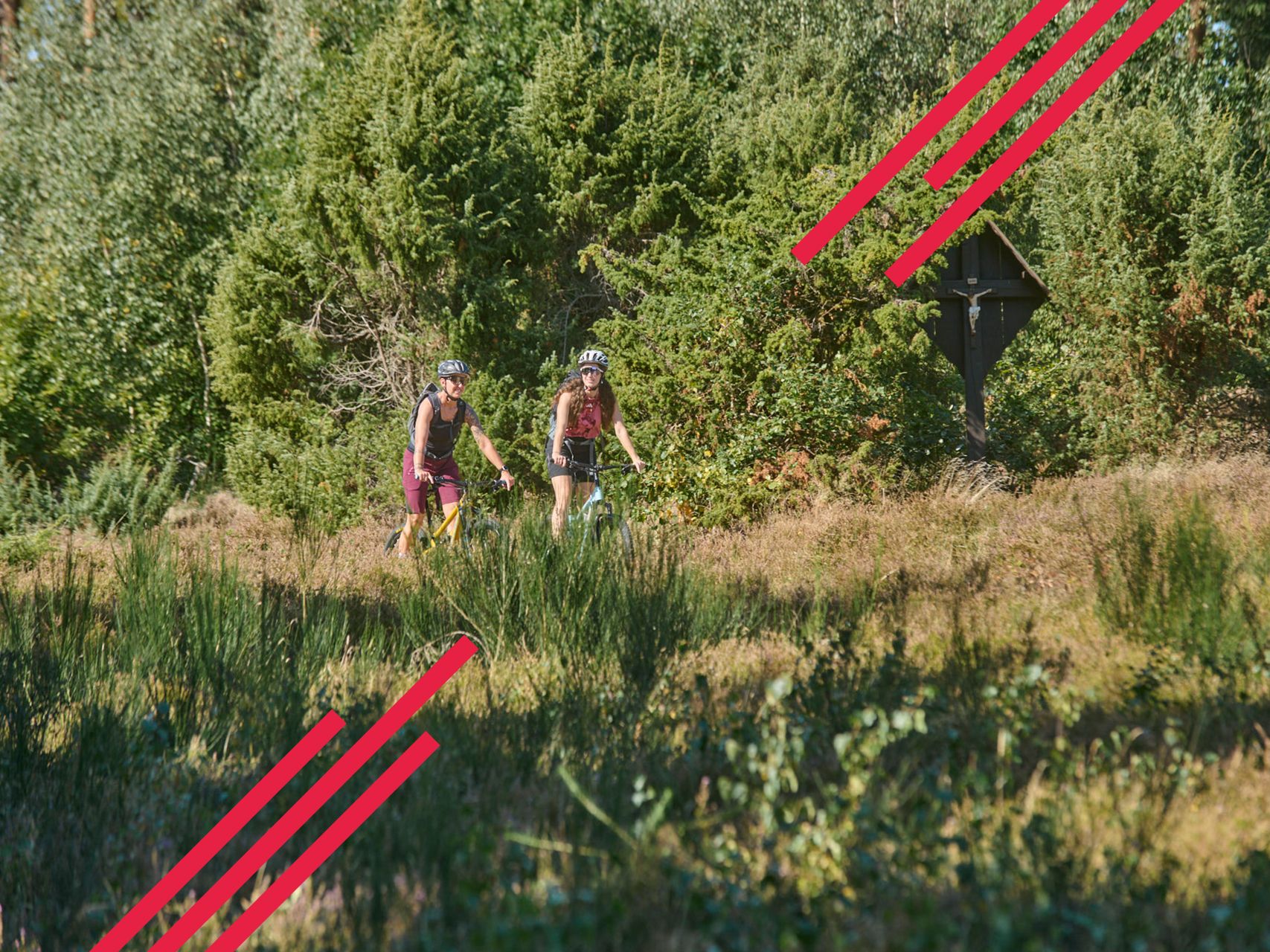
Nature, trails and local cuisine – MTB in the Spessart
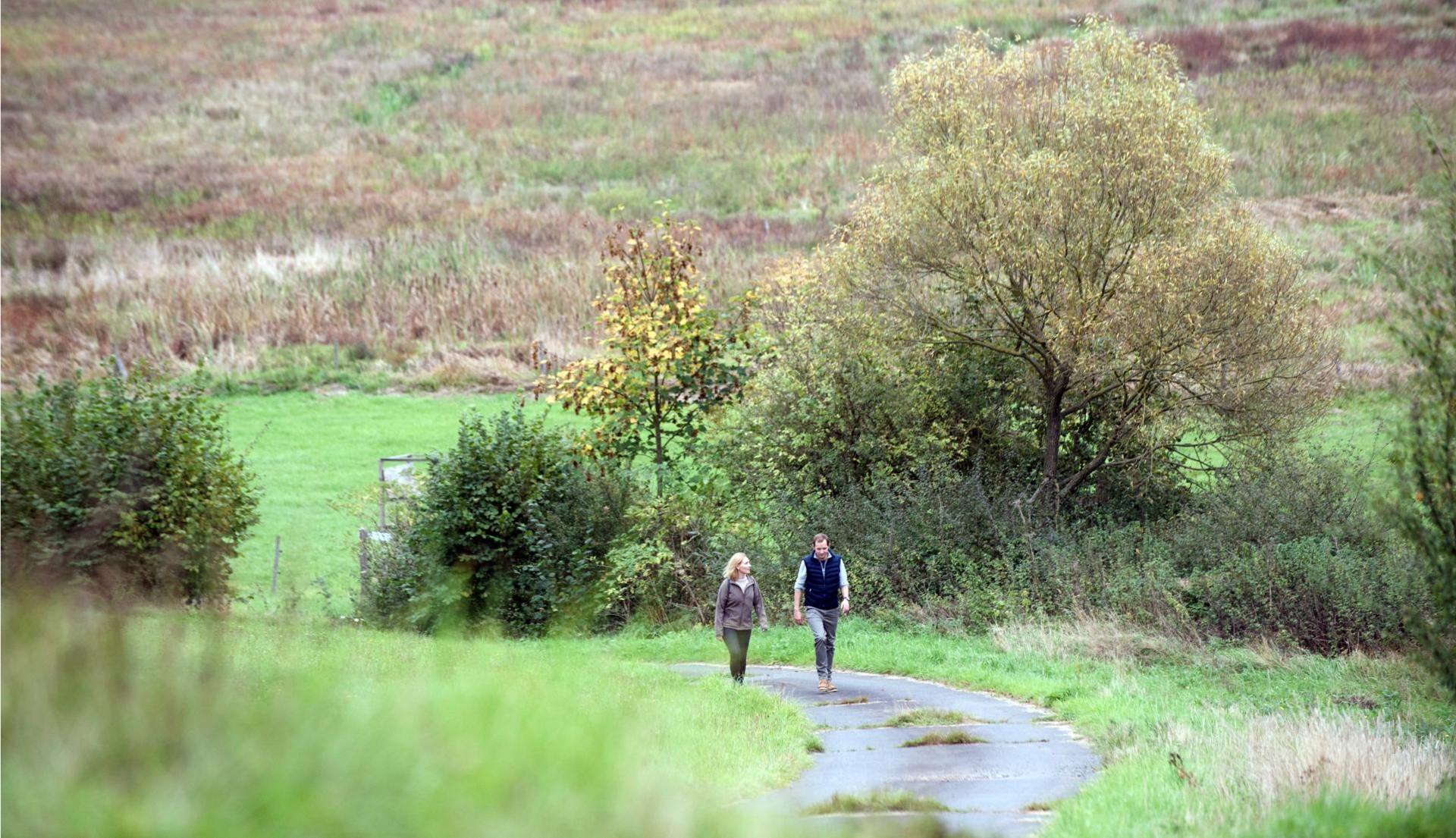
Pleasure hiking in the Spessart: trails that taste as good as they look
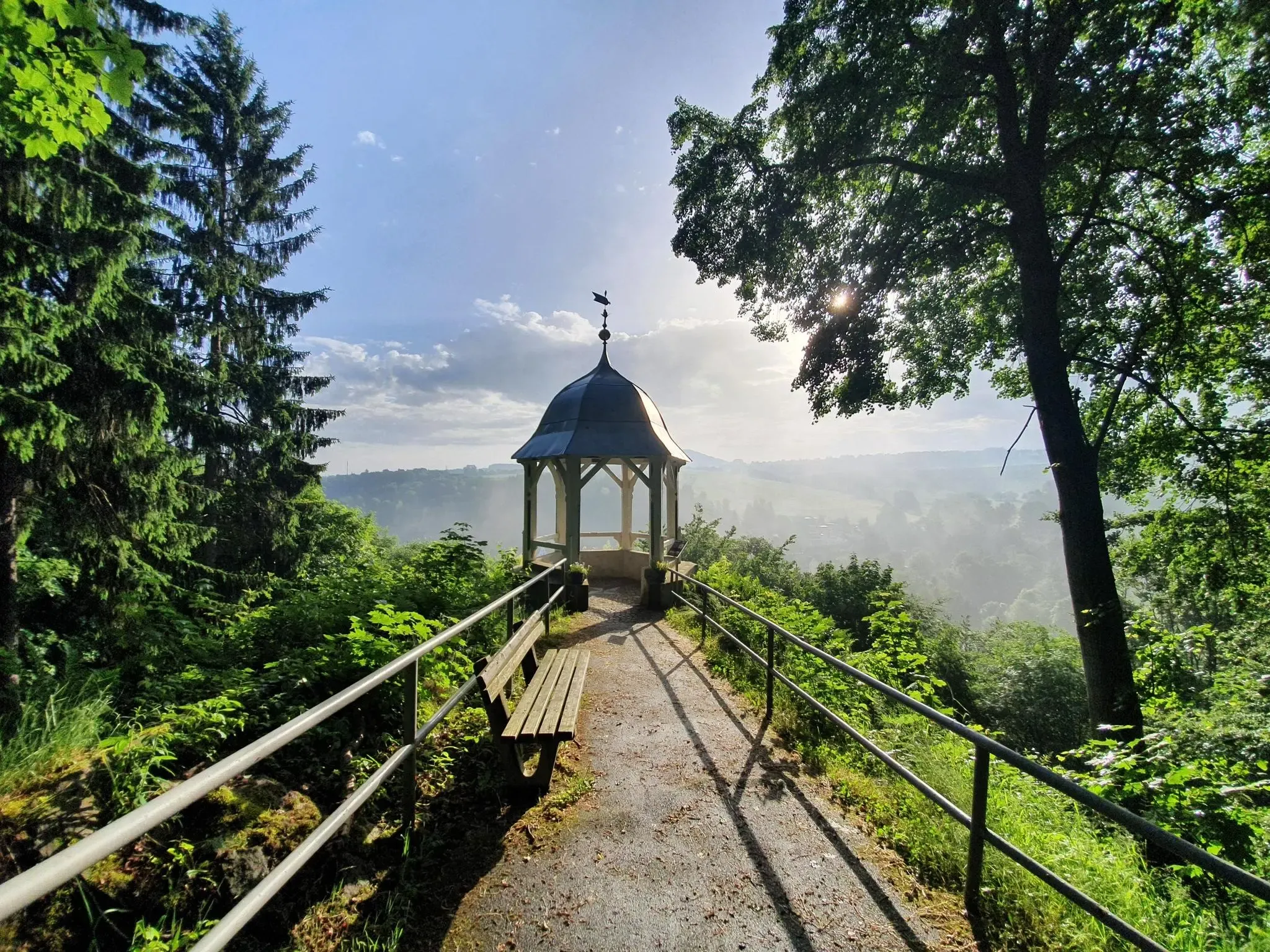
#GoFurther – discover the views of Germany!

Into the countryside! — hike with Germany’s Rhine-Main Transport Network
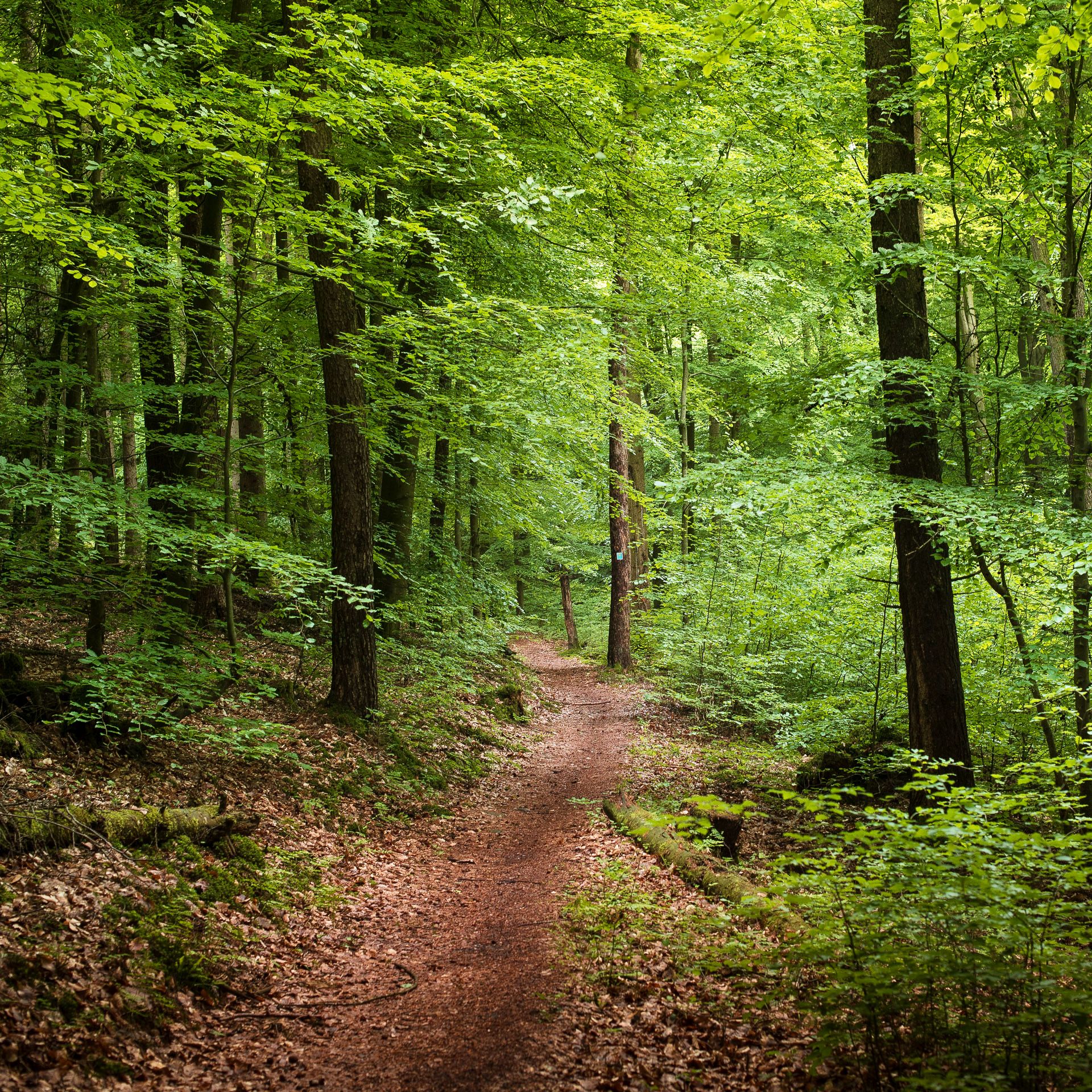
Endless forests, flowing trails – MTB in Germany’s Spessart region
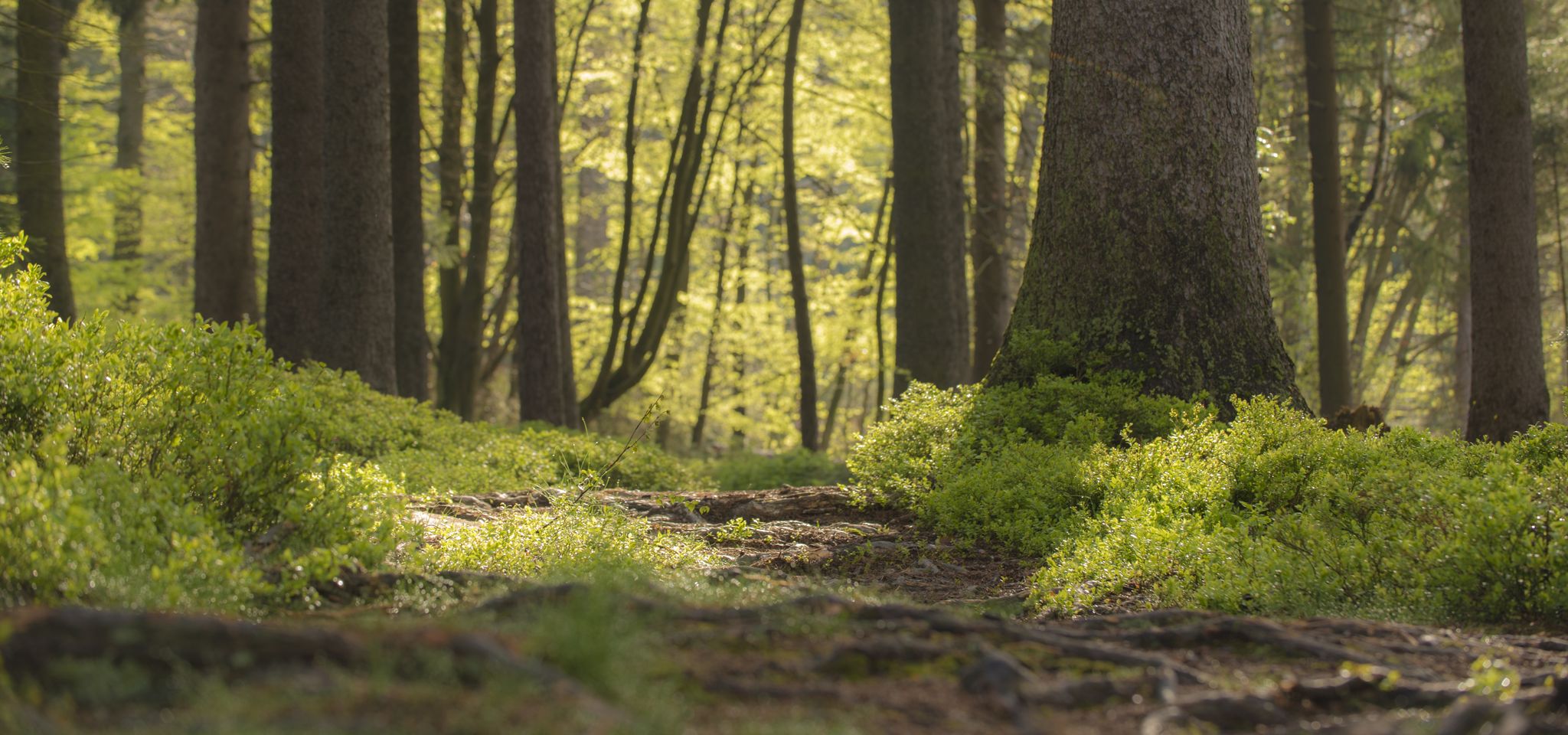
Mountain biking in the Spessart – Awesome trails in Germany
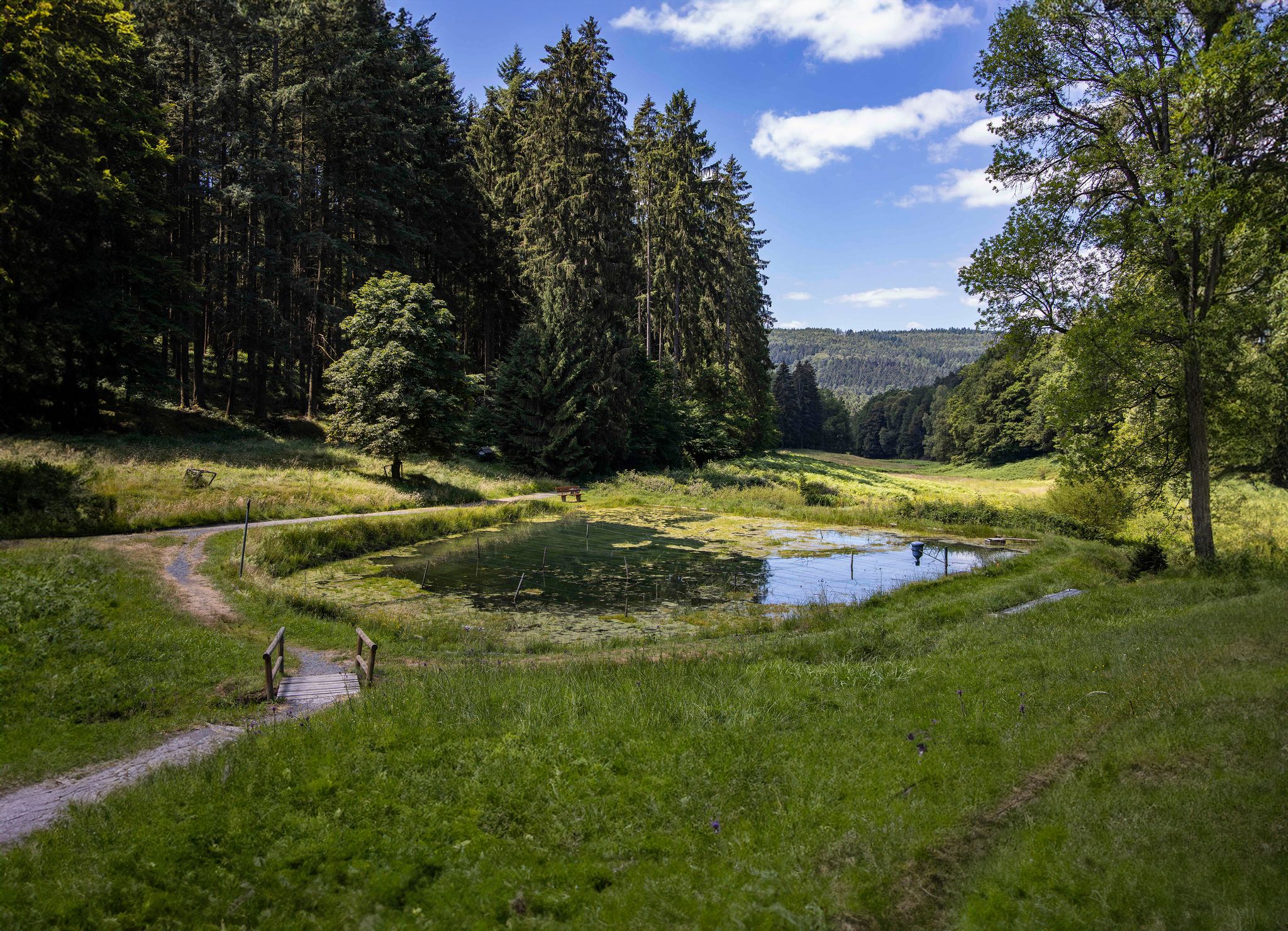
Hike through one of Germany’s greatest forests – Spessart 3
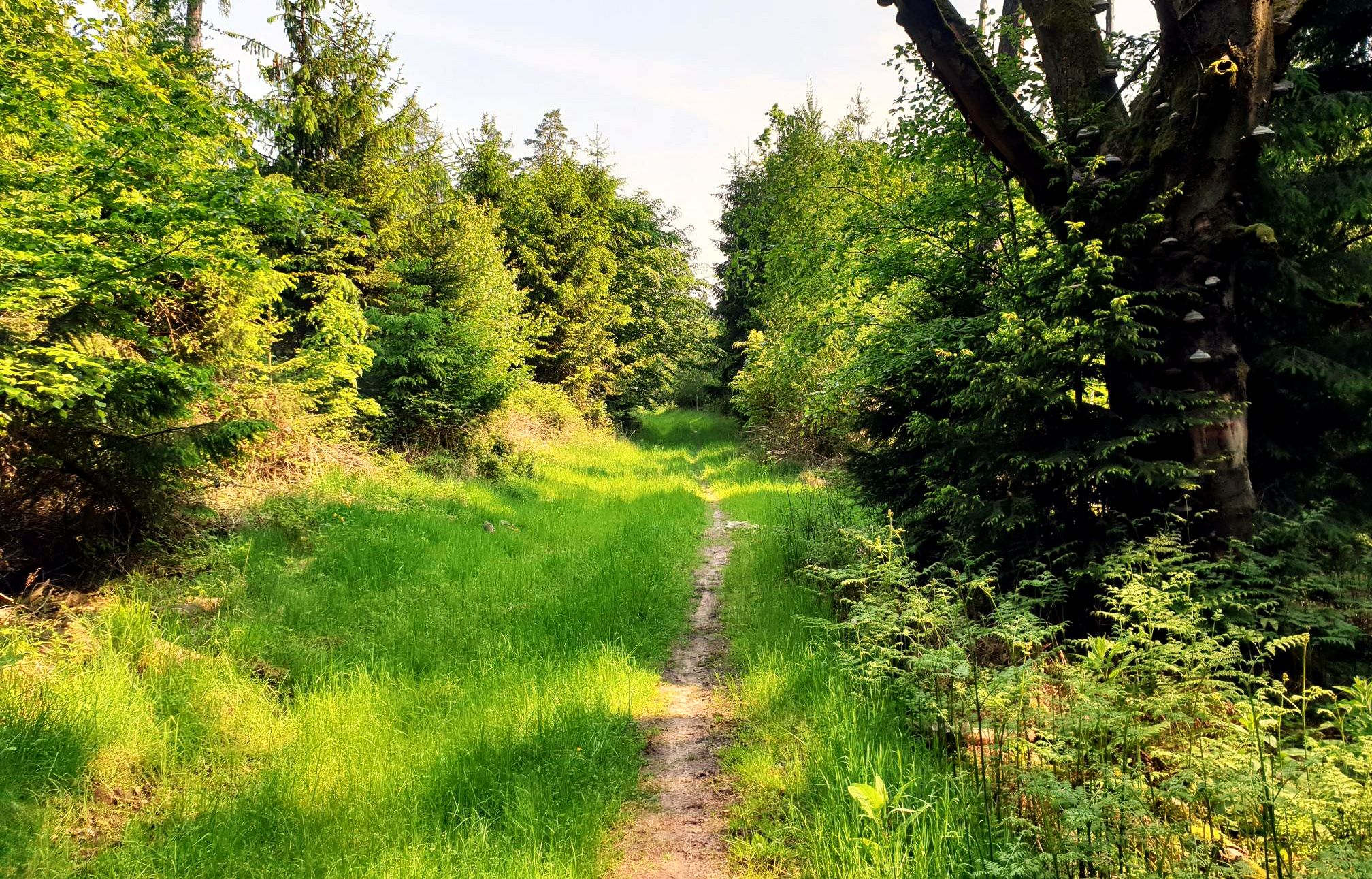
Mountain biking in the Spessart – Awesome trails in Germany
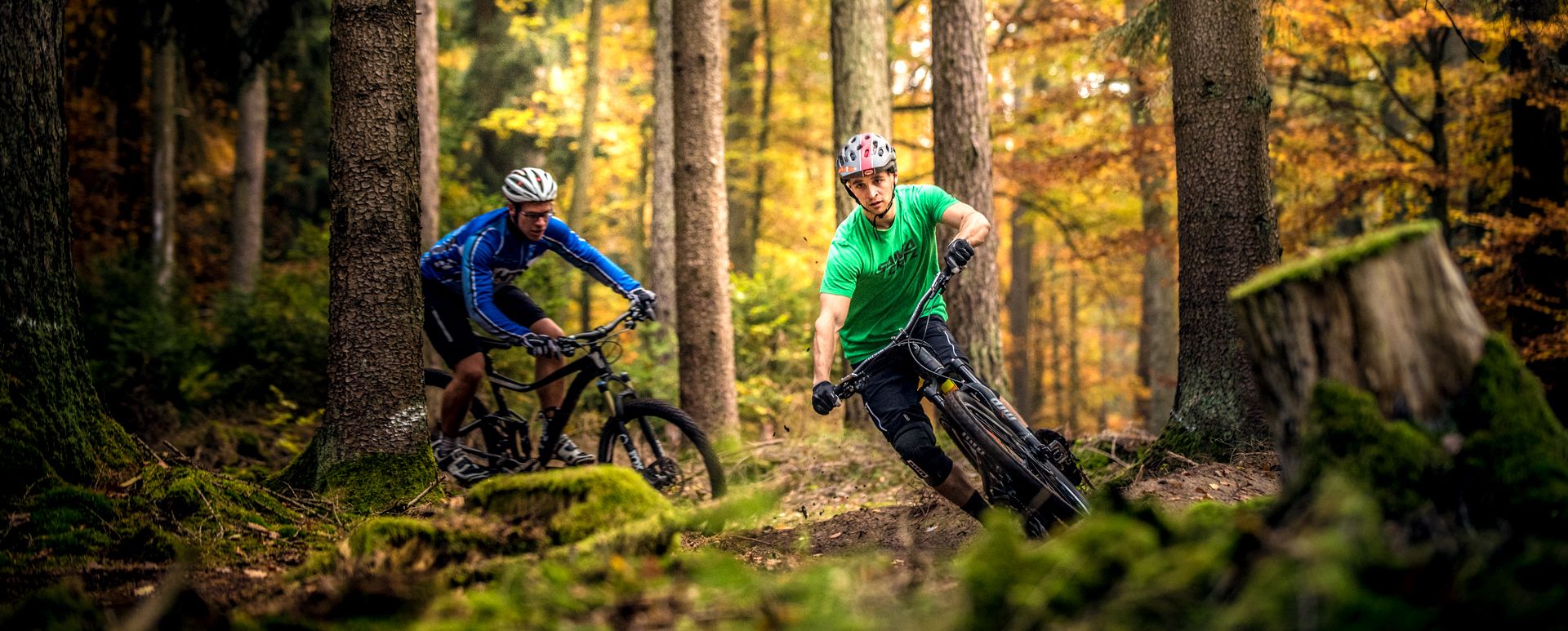
Pure flow and endless trails — biking in the North Spessart

Wandern auf dem Spessartweg 3
Other adventures around Bad Orb


Tips from the Community

The cave cannot be reached (or only in a dangerous way). The footpath is on the other side of the L3216, you would have to climb over the guard rail on the road at least once to get to the other side. It's dangerous because the B276 functions as a cross road and the fairly large intersection is very confusing and busy. In addition, there doesn't seem to be any forest or footpath anymore, everything looks very overgrown and impassable. So I've skipped visiting the cave on my tour. What a pity 😔
1
0

A castle ruin, of which there is not much left to see, but still interesting.
2
0

Remains of ruins made of sandstone walls and inexplicable to me... reinforced concrete parts... don't expect anything special.. however, the view is quite nice
13
0
Currently well cleared of young trees... nice view of a quite unexpected basalt formation in the otherwise existing federal sandstone
17
0

In any case, go up to the rock and enjoy the distant view from Beilstein!🤩 Playful trail.😊 Increasingly overgrown towards the end - "enchanted character"😉
5
1

The Beilstein is a basalt cone with the largest basalt cave in the Main-Kinzig district. The formation was formed by volcanic eruptions 10 to 20 million years ago; the surrounding red sandstone, which otherwise characterizes the Spessart, is around 200 million years older. The basalt breach was exposed by erosion; The typical basalt columns and smaller, spherical structures can be seen on the rock walls. On the mountain, which was first mentioned in a document in 1059, are the remains of the small, medieval hilltop castle of Beilstein. It was built to protect the possessions of the archbishopric of Mainz and to control an old road, and was first mentioned in 1343. It was also intended to protect the first glassworks that were established. When rule passed to the Counts of Hanau, the castle probably lost its importance and has since fallen into disrepair. Due to the poor source situation, little is known about the castle. Source: Wikipedia
5
1
The Beilstein is a 499.5 m above sea level. NHN high mountain in the Spessart. It lies east of the road from Bad Orb into the Jossatal between Villbach and Lettgenbrunn in the municipality of Jossgrund in the Main-Kinzig district of Hesse. The Beilstein is a basalt cone with the largest basalt cave in the Main-Kinzig district. The formation was formed by volcanic eruptions 10 to 20 million years ago; the surrounding red sandstone, which otherwise characterizes the Spessart, is around 200 million years older. The basalt breach was exposed by erosion; The typical basalt columns and smaller, spherical structures can be seen on the rock walls. On the mountain, which was first mentioned in a document in 1059, are the remains of the small, medieval hilltop castle of Beilstein. It was built to protect the possessions of the archbishopric of Mainz and to control an old road, and was first mentioned in 1343. It was also intended to protect the first glassworks that were established. When rule passed to the Counts of Hanau, the castle probably lost its importance and has since fallen into disrepair. Due to the poor source situation, little is known about the castle. Today the complex consists only of a ring of walls about 12 meters long. Source: Wikipedia
5
1
The Beilstein is a mountain in the Spessart, 499.5 m above sea level (NHN). It lies east of the road from Bad Orb to Jossatal, between Villbach and Lettgenbrunn, within the municipality of Jossgrund in the Main-Kinzig district of Hesse. The Beilstein is a basalt cone with the largest basalt cave in the Main-Kinzig district. The formation originated 10 to 20 million years ago through volcanic eruptions; the surrounding Bunter sandstone, which otherwise characterizes the Spessart, is around 200 million years older. The basalt breakthrough was exposed by erosion; the rock faces show the typical basalt columns as well as smaller, spherical formations. On the mountain, first documented in 1059, are the remains of the small, high medieval hilltop castle Beilstein. It was built to protect the possessions of the Archbishopric of Mainz and to control an old road, and was first mentioned in 1343. Furthermore, it was intended to protect the first glassworks that were established. When the lordship passed to the Counts of Hanau, the castle presumably lost its importance and fell into ruin thereafter. Due to the scarce sources, little is known about the castle. Today, the complex consists only of a ring wall about 12 meters long. Source: Wikipedia
6
1
Frequently Asked Questions
What kind of geological features can I explore around Bad Orb?
Around Bad Orb, you can explore unique geological features such as basalt formations and tectonic fissures. These are remnants of ancient volcanic activity and provide a contrast to the region's typical red sandstone. You'll find impressive basalt columns and prism structures, as well as cave-like formations.
What are some of the most notable cave-like attractions near Bad Orb?
One of the most notable attractions is the Beilstein Nature Reserve Plaque, which marks the largest basalt cave in the Main-Kinzig district. Another significant site is the Beilstein Basalt Formation, known for its imposing basalt prisms visible along hiking trails.
Are there any man-made grottoes or historical cave sites to visit?
Yes, the Marian Grotto is a notable man-made feature built into the mountain. It serves as a religious building and offers a peaceful place to linger.
Is the Räuber-Heinz Cave accessible to the public?
The Räuber-Heinz Cave, known for its tectonic fissures and being one of Germany's largest tectonic caves, is unfortunately no longer accessible to the general public. It is located in a former red sand quarry.
What makes the Beilstein area geologically interesting?
The Beilstein area is geologically interesting because it features basalt formations that resulted from volcanic eruptions 10 to 20 million years ago. This basalt contrasts sharply with the surrounding red sandstone, which is approximately 200 million years older, showcasing a unique geological history.
Are there family-friendly options for exploring these sites?
The Marian Grotto is considered family-friendly and offers a pleasant spot for visitors of all ages to enjoy the tranquil atmosphere.
What outdoor activities can I combine with visiting these geological sites?
The region around Bad Orb offers various outdoor activities. You can find numerous hiking trails, such as those detailed in the Hiking around Bad Orb guide, or explore gravel biking and mountain biking routes, as highlighted in the Gravel biking around Bad Orb guide and MTB Trails around Bad Orb guide.
What do visitors say about the Beilstein Basalt Formation?
Visitors often describe the Beilstein Basalt Formation as an imposing and unexpected sight along the hiking trails. They appreciate seeing the clearly visible basalt prisms, which are a rare rock type in the Spessart region.
Can I find hiking trails that lead to these geological formations?
Yes, the Beilstein Trail is a popular route that takes you past the basalt formations. It's described as a cool, partly steep trail that is very worthwhile for its unusual basalt rock features.
What is the best time of year to visit the geological sites around Bad Orb?
The geological sites and formations around Bad Orb can be visited year-round. However, spring and autumn offer pleasant temperatures for hiking and exploring the outdoor features. In autumn, some trails might be overgrown, so caution is advised.
Are there any viewpoints near these cave-like structures?
Many of the geological highlights, including the Beilstein sites, are also noted as viewpoints. For example, the Beilstein Nature Reserve Plaque offers a nice view, despite the limited remains of the old castle ruin.
What should I wear when exploring the trails and formations?
When exploring the trails and geological formations, it's advisable to wear sturdy hiking shoes, as some paths can be steep or uneven. Layered clothing is also recommended to adapt to changing weather conditions.
Most popular routes around Bad Orb
Most popular attractions around Bad Orb

Get inspired with the komoot mobile app


Explore more
Extend your search for the best caves by checking out these guides of the top ones around Bad Orb:
