Top 13 Caves in Lanzarote
Caves in Lanzarote are a direct result of the island's extensive volcanic activity, offering unique geological insights. The landscape is characterized by lava tubes and formations created by ancient eruptions. These natural features provide captivating experiences for visitors interested in the island's geological history. Lanzarote's caves showcase a blend of natural architecture and, in some cases, artistic intervention.
Best caves in Lanzarote
- The most popular caves is Jameos del Agua, a cave that impresses with its unique natural texture, coupled with the architectural style of César Manrique. It features a subterranean salt lake home to rare albino crabs.
- Another must-see spot is Cueva de los Verdes, a cave and natural monument. Visitors can explore approximately 1.5 kilometers of this lava tube, observing layers of lava from past eruptions.
- Visitors also love Cueva del Agua, a natural pool which is completely protected from the wind. This remarkable natural spectacle is best visited when the sea is high.
- Lanzarote is known for extensive lava tubes, unique sea caves, and natural pools. The island offers a variety of caves to see and explore, from artistically integrated sites to more raw geological formations.
- The caves in Lanzarote are appreciated by the komoot community, with more than 230 upvotes and over 270 photos shared across 13 highlights.
Last updated: June 25, 2026
Los Hervideros
Highlight • Natural Monument
Translated by Google •
Tip by

Jameos del Agua
Highlight • Cave
Translated by Google •
Tip by

Sign up now to discover places like this
Get recommendations on the best single tracks, peaks, & plenty of other exciting outdoor places.
Sign up for free
Jameos del Agua Cave and Underground Lake
Highlight • Cave
Translated by Google •
Tip by

Cueva de los Verdes
Highlight • Cave
(7.20 Euros Residente Canario Adulto; 3.60 Euros Residente Canario Menor)
Open daily from 10:00 a.m. to 6:00 p.m., last entry: 5:00 p.m
(Summer opening times (until September 30th): 10:00 a.m. - 7:00 p.m., last entry: 5:00 p.m
Visit duration approx. 1 hour
(Ask for combination tickets at the ticket office, this will save you a few euros if you want to see different sights (Mirador del Río, Jameos del Agua, etc.)!)
Translated by Google •
Tip by

Cueva del Agua
Highlight • Cave
A dense silence surrounds the stay here, interrupted by the gentle entry of water from the shore into the interior of the cave.
Translated by Google •
Tip by

Sign up for free to discover even more caves in Lanzarote.
Sign up for free
Already have an account?
Start today with a free account
Your next adventure awaits.
Login or Signup
Popular around Lanzarote

GranGuanche gravel – Komoot women's rally 2023

GranGuanche Audax Trail – my first ultra race on the Canary Islands
Bikepack in the Canary Islands – surprising adventures in the sun
Six fascinating ways to discover the Canary Islands on foot
Volcanic and coastal hikes in Lanzarote
Lanzarote by road bike – three dream routes
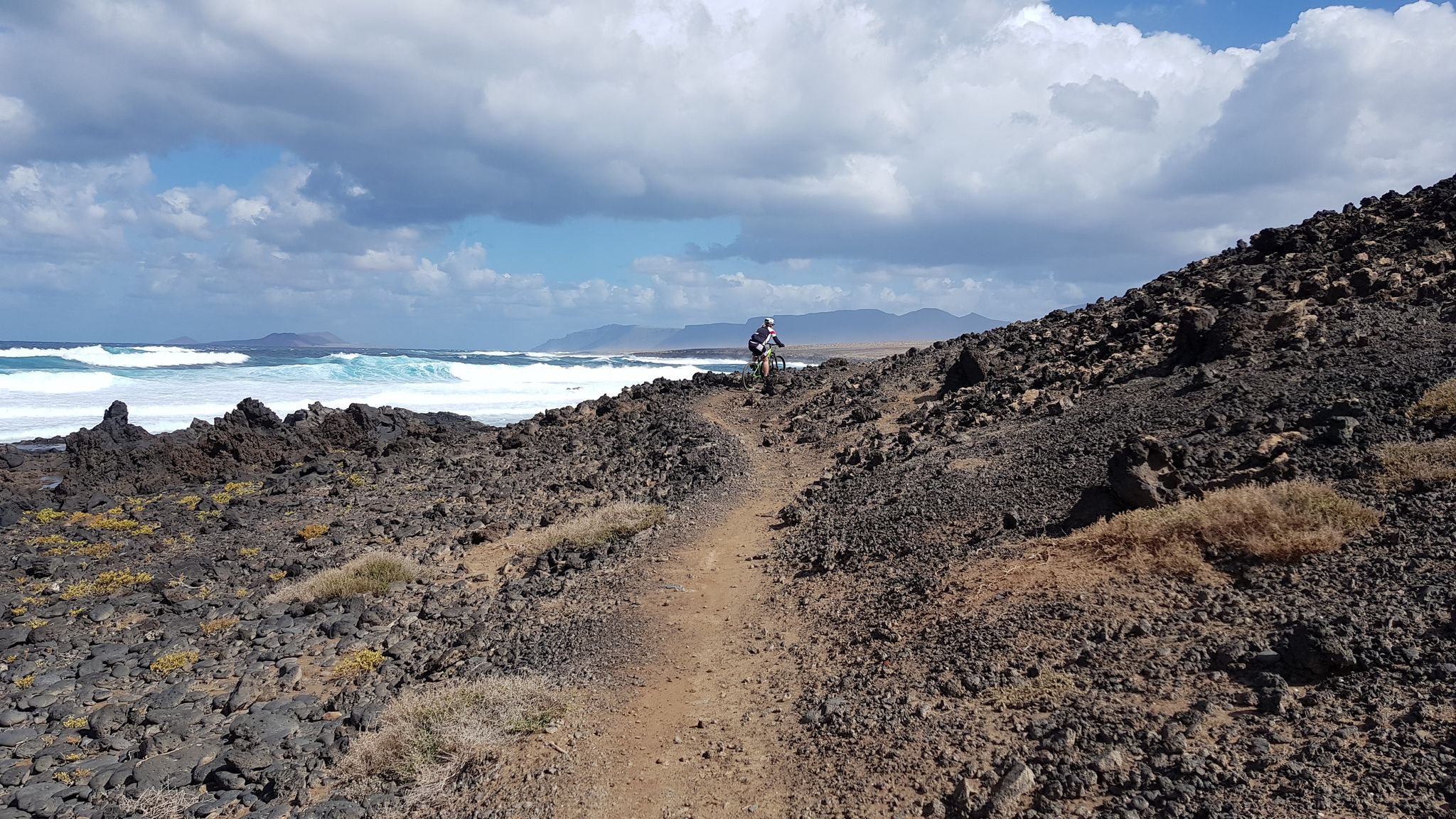
MTB on the island of volcanoes – Pedales de Lava
Adventures on the eighth island – hiking in La Graciosa
Las Cumbres Reinas de España — Spanish mountain trail races

GranGuanche Audax Gravel — five islands in two and a half days
Other adventures in Lanzarote


Tips from the Community

The Cava del Agua is a round depression that has a small tunnel at water level that leads to the open sea. At low tide it is rather unspectacular; when the surf is strong and the tide is high, veritable fountains spray high, far above ground level.
0
0

Very nice area… Highly recommended… Will come again no question
1
0

A wild lava coast where the water seems to boil in underground caves. Very spectacular. It is worth continuing from the car park through the lava fields after the asphalt path and taking the following path. Here you will be rewarded with a large black beach. And the green olivine shines everywhere in the lava rocks.
4
0

ATTENTION: The translation from Spanish in one of the comments is completely wrong and meaningless: the 'Cueva de los Verdes' means cave and not hell and the 'de los Verdes' indicates, according to the prevailing opinion, a property. A family or clan is assumed, so translated it means 'The cave that belongs to the 'Greens'' or,... The cave of the 'Greens', ...
3
0

The bizarre rocky coast of Los Hervideros can be found between El Golfo and the Salinas de Janubio, in the southwest of Lanzarote. The rocks give the impression that the sea is still boiling, as it was during the volcanic eruptions in 1730 to 1736 when these rocks were formed there. The Atlantic with its strong surf creates meter-high fountains when it hits the rock masses. Small paths and stairs lead through the lava rocks so that you can marvel at the roar of the surf from many different angles. It is a unique and impressive natural spectacle.
5
1

The crabs are rather inconspicuous. What is special is simply the entire work.
4
0
Can only be visited with a guide in Spanish and English. You can't walk normally everywhere. It's often steep, narrow and low!!!
2
0

Jameos del Agua is a fascinating natural attraction on the Canary Island of Lanzarote, designed by renowned artist and architect César Manrique. The name "Jameos" refers to the natural caves created by lava flows that contain this unique work of art. The Jameos del Agua extends over an underground lava cave created by the eruption of the La Corona volcano. César Manrique made creative use of the natural formations of this cave, creating a breathtaking place that combines art, nature and architecture. Visitors enter the Jameos del Agua through a lava tunnel and then enter an underground world with a saltwater lake in which the unique albino crab "Jameito" lives. The dazzling white crabs are an endemic species and contribute to the unique ecology of this place. The heart of the Jameos del Agua is a spectacular auditorium integrated into the natural cave structure. It is used for cultural events, concerts and other artistic performances. The architecture and the organic integration of art and nature make the visit an unforgettable experience. The harmonious combination of artistic design and the natural beauty of the surroundings makes Jameos del Agua a must-see in Lanzarote and an impressive example of César Manrique's vision that shaped the island.
5
0
Frequently Asked Questions
What are the most popular caves to visit in Lanzarote?
The most popular caves in Lanzarote are Jameos del Agua and Cueva de los Verdes. Both are part of the same extensive volcanic tunnel system and offer unique experiences, from artistic interventions by César Manrique to impressive geological formations and historical significance as a refuge from pirate attacks.
Are there family-friendly caves in Lanzarote?
Yes, both Jameos del Agua and Cueva de los Verdes are considered family-friendly. They are well-adapted for visitors, offering guided tours and facilities. Jameos del Agua Cave and Underground Lake is particularly noted for its unique albino crabs, which fascinate children.
What unique natural features can I expect to see in Lanzarote's caves?
Lanzarote's caves, primarily volcanic lava tubes, showcase remarkable geological features. At Jameos del Agua, you'll find a subterranean salt lake home to a rare species of blind, albino crab. Cueva de los Verdes displays layers of lava from past eruptions and impressive rock formations enhanced by artistic lighting. The Cueva de los Naturalistas, formed during the Timanfaya eruptions, is noted for its excellent preservation of volcanic cave morphologies like cornices and lava drippings.
What is the difference between Jameos del Agua and Cueva de los Verdes?
While both are part of the same volcanic tunnel, Jameos del Agua is known for its artistic integration by César Manrique, featuring an auditorium, gardens, and a unique subterranean lake with albino crabs. Cueva de los Verdes offers a more raw exploration of the lava tube, focusing on its geological marvels and historical use as a refuge, enhanced by skillful artistic lighting that creates optical effects.
Are there any less developed or 'hidden' caves in Lanzarote?
Yes, beyond the main tourist attractions, there are less developed caves. The Cueva de los Naturalistas (also known as Cueva de las Palomas de Masdache) offers a more raw exploration of a volcanic tube, often requiring guided tours for family speleology experiences. Other sea caves like Cueva de Órzola and Cueva de Agua are accessible only at low tide and offer a different kind of adventure.
What historical significance do Lanzarote's caves hold?
The Cueva de los Verdes holds significant historical importance, having served as a refuge for locals hiding from pirate attacks in the 17th and 18th centuries. This historical context adds another layer to the experience of exploring its ancient lava tubes.
What outdoor activities can I do near the caves in Lanzarote?
Lanzarote offers a variety of outdoor activities near its caves. You can find numerous hiking trails, such as the Caldera Blanca loop or routes in Timanfaya National Park. For cyclists, there are extensive road cycling routes and MTB trails that explore the island's unique volcanic landscapes.
How long does a typical visit to the main caves last?
A guided tour of Cueva de los Verdes typically lasts approximately one hour. For Jameos del Agua, visitors often spend more time exploring the various artistic installations, gardens, and the lake, so allow at least 1.5 to 2 hours.
Is it possible to visit sea caves in Lanzarote?
Yes, Lanzarote has several sea caves, such as Cueva de Órzola and Cueva del Agua. These are often only accessible during low tide and can offer unique natural pools or photo opportunities. It's important to check tide times and consider accessibility before visiting.
What are the accessibility considerations for Lanzarote's caves?
Jameos del Agua is one of Lanzarote's most popular and well-adapted tourist attractions, making it generally accessible for most visitors. Cueva de los Verdes also offers guided tours through its accessible sections. Less developed caves, like Cueva de los Naturalistas or sea caves, may require more physical effort or specific conditions like low tide for access.
What should I wear when exploring caves in Lanzarote?
For the main tourist caves like Jameos del Agua and Cueva de los Verdes, comfortable walking shoes are recommended. The temperature inside caves is generally cooler than outside, so a light jacket might be comfortable. For less developed caves or speleology experiences, more robust clothing and footwear suitable for uneven terrain and potentially damp conditions would be advisable.
Are there any caves in Lanzarote that are restricted from public access?
Yes, some caves are restricted due to their complex nature or for preservation. For example, Cueva de los 7 Lagos, part of the La Corona volcanic tube, is of great interest for speleology but public access is prohibited as it requires specialized speleodiving techniques to cross its multiple lakes. Entry is restricted to authorized personnel.
Most popular routes in Lanzarote
Most popular attractions in Lanzarote

Get inspired with the komoot mobile app


Explore more
Extend your search for the best caves by checking out these guides of the top ones in Lanzarote:
