Top 13 Caves in Denmark
Caves in Denmark provide a diverse range of underground experiences, despite the country's generally flat topography. These formations include extensive limestone mines, natural sea caves, and historical underground structures. Visitors can explore geological wonders and sites with significant cultural heritage. The country offers unique opportunities to discover both natural and artificial subterranean environments.
Best caves in Denmark
- The most popular caves is Helligdom Cliffs, a natural_monument that features a rugged rock formation on the east coast of Bornholm. The cave located there can be visited with a flashlight.
- Another must-see spot is Mønsted Limestone Mines, a cave and historical site. This is the largest lime pit in the world, with 2 km of illuminated tunnels, 600 meters of which are wheelchair accessible.
- Visitors also love Glentehøj Passage Grave, a historical site and cave. This site offers the opportunity to crawl into a 5,200-year-old burial chamber.
- Denmark is known for its limestone mines, sea caves, and ancient passage graves. These sites offer a variety of experiences, from exploring vast underground networks to discovering historical burial chambers.
- The caves in Denmark are appreciated by the komoot community. Over 320 users have upvoted these locations, and more than 290 photos have been shared.
Last updated: October 12, 2026
Helligdom Cliffs
Highlight • Natural Monument
Translated by Google •
Tip by

Mønsted Limestone Mines
Highlight • Cave
Above the largest lake there is a sea of light every hour - and then the history of lime and pits in the water is reflected.
The visitors decide for themselves how far they want to go. 2 km of tunnels are lit and 600 m are handicapped accessible. Dogs on a leash are welcome.
In the Kalkgrube, also Northern Europe's largest wintering center for bats, also 250 tons of cheese from the small dairy in Taulov mature.
Here you can learn more about geology, bats and the long and tiring working days, where the lime was brought to light.
sonneundstrand.de/urlaub-daenemark/erlebniszentren/moensted-kalkgruber.htm
Translated by Google •
Tip by

Sign up now to discover places like this
Get recommendations on the best single tracks, peaks, & plenty of other exciting outdoor places.
Collapse Pits Røverstuen and Hestegraven
Highlight • Cave
Showing Translation
Tip by

Sorte Gryde Cave
Highlight • Cave
Translated by Google •
Tip by

Glentehøj Passage Grave
Highlight • Historical Site
Translated by Google •
Tip by

Kragnaes Passage Grave
Highlight • Historical Site
Showing Translation
Tip by

Hulbjerg Passage Grave
Highlight • Historical Site
Translated by Google •
Tip by

Kalkgruber Nature Trail
Highlight • Trail
Translated by Google •
Tip by

Vor Fru Kilde Memorial Stone
Highlight • Monument
Translated by Google •
Tip by
Eroded Coastal Cliffs and Cave at Lønstrup
Highlight • Cave
Translated by Google •
Tip by

Sign up for free to discover even more caves in Denmark.
Already have an account?
Start today with a free account
Your next adventure awaits.
Popular around Denmark
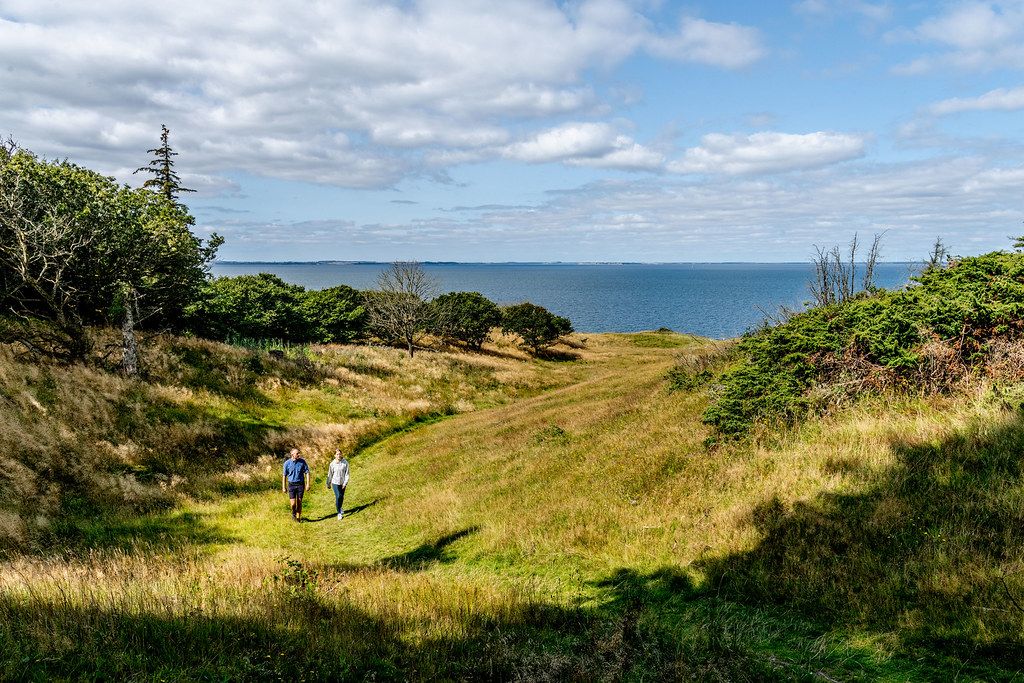
Fjords, heathland and vast coastline – hiking and cycling in Himmerland
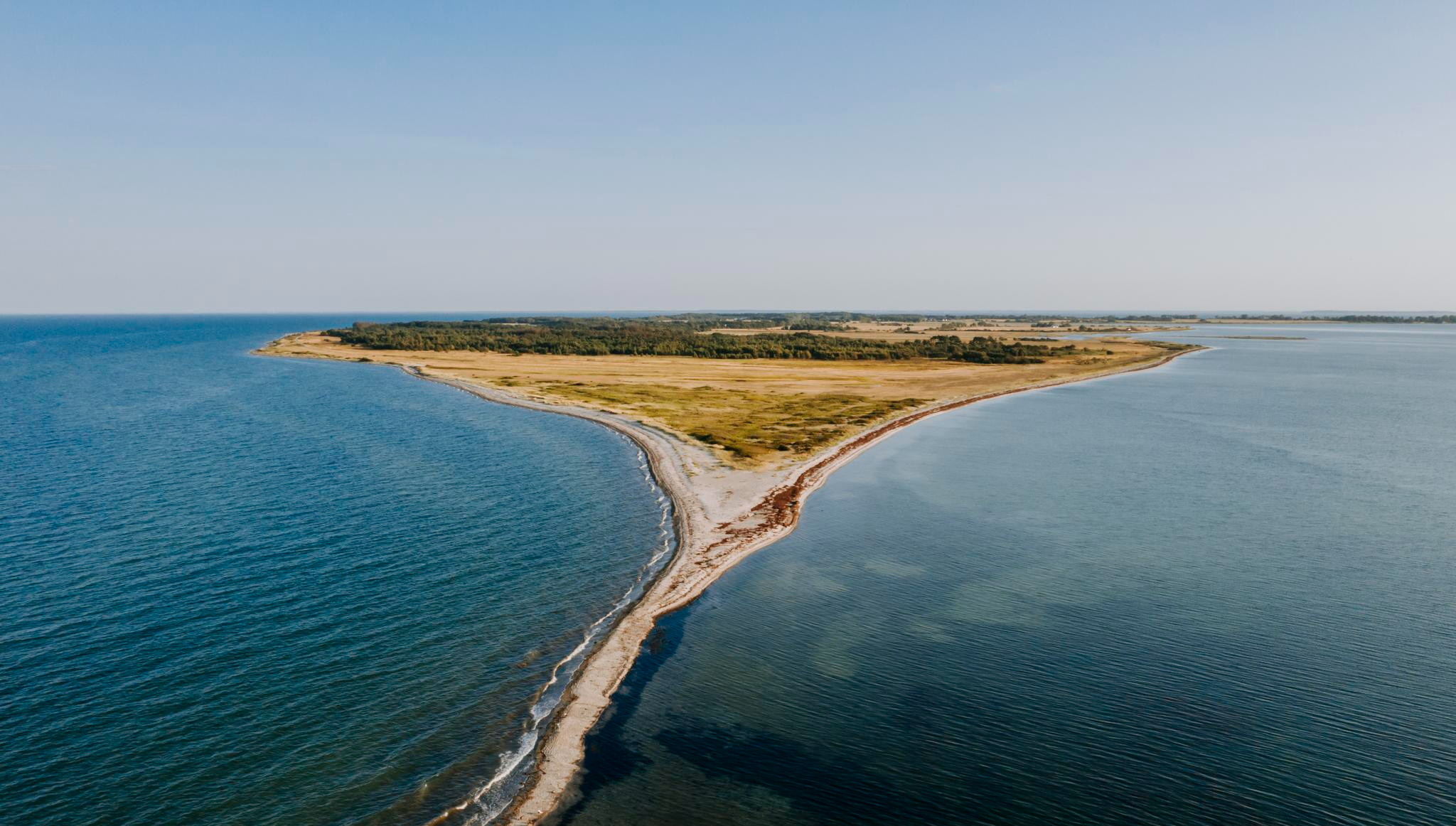
Small islands, great views – hiking and cycling in East Jutland
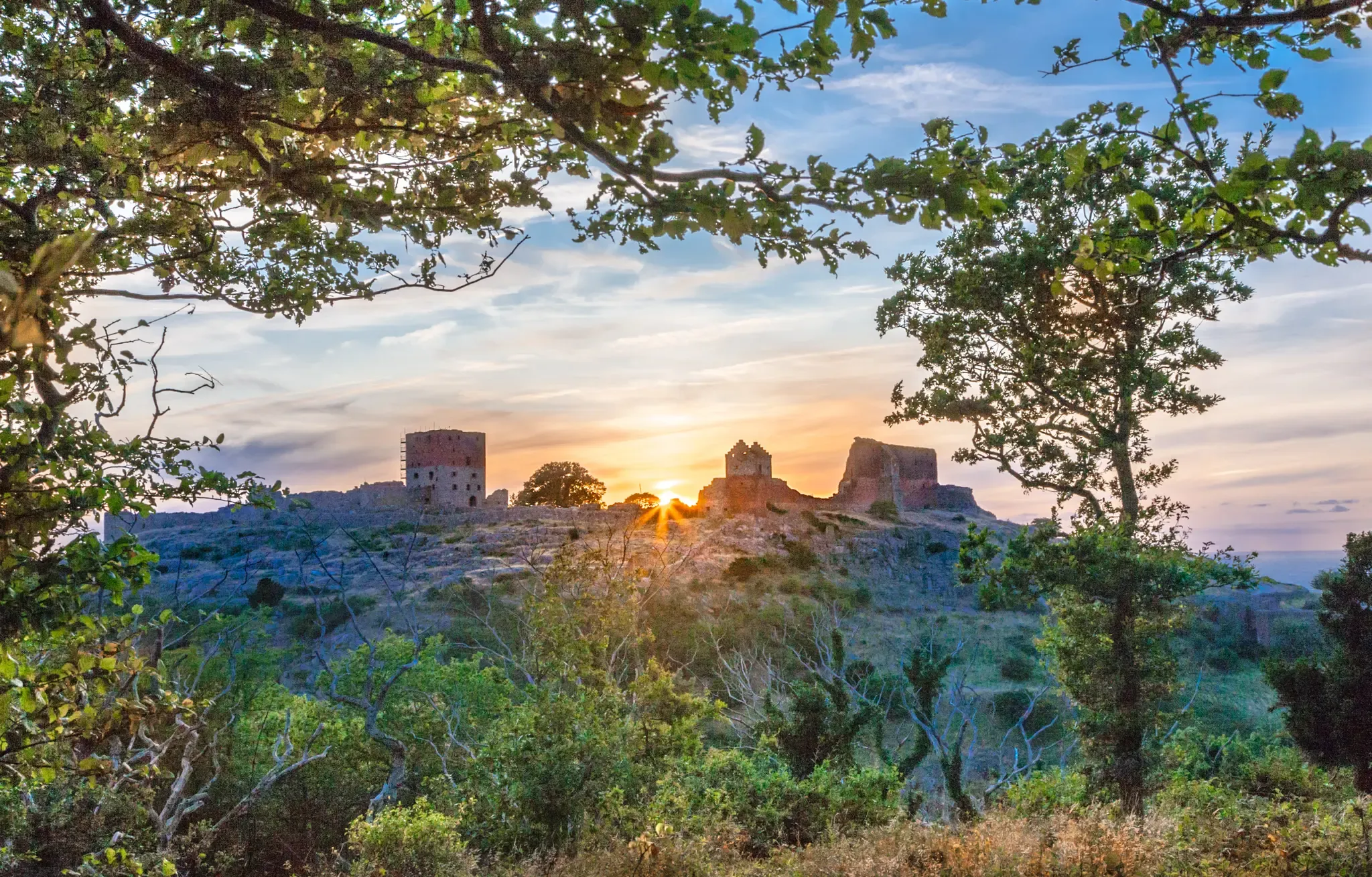
The best of both worlds – cycling and hiking on Bornholm
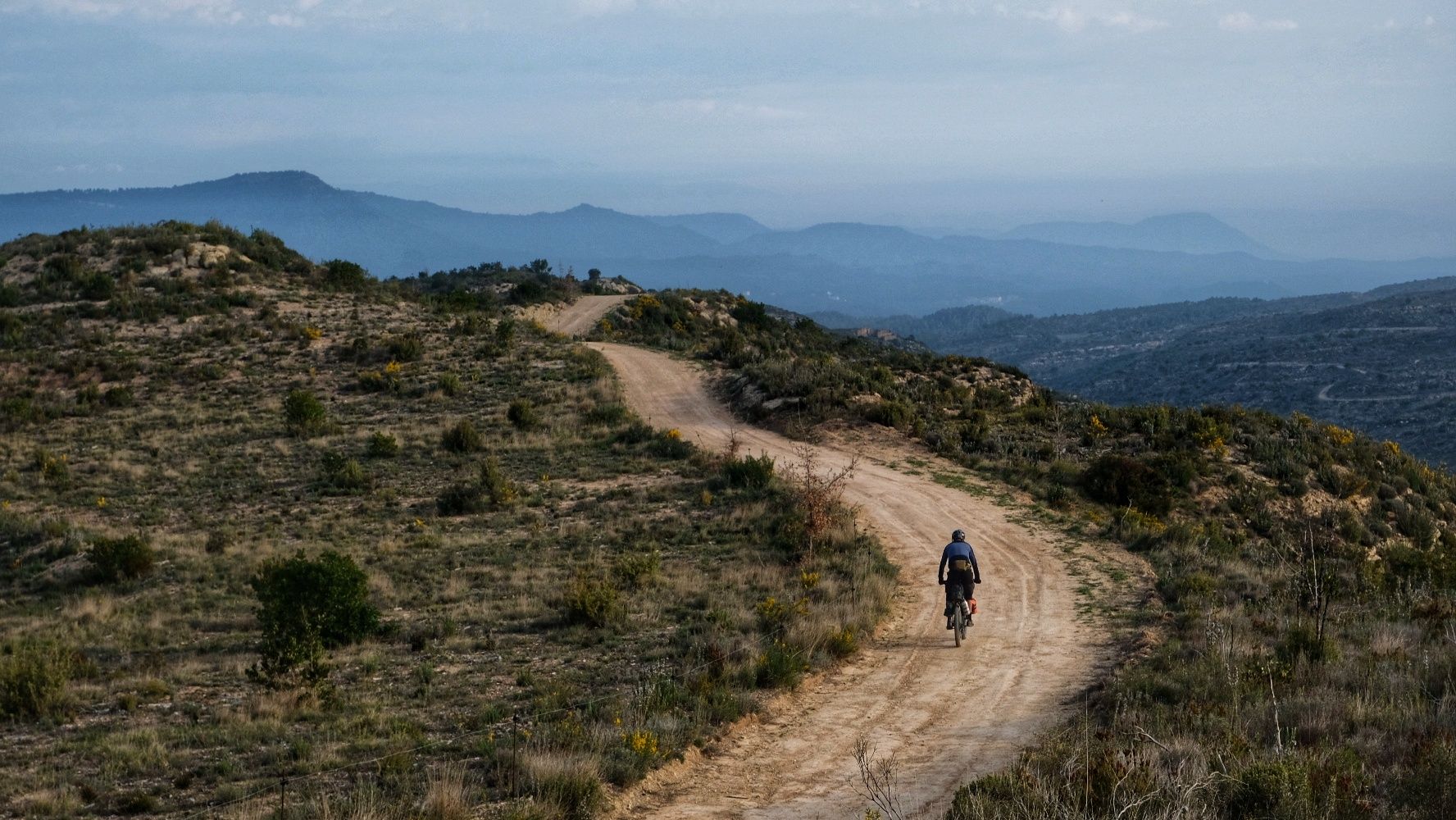
European Divide Trail — 7,600 km across the continent
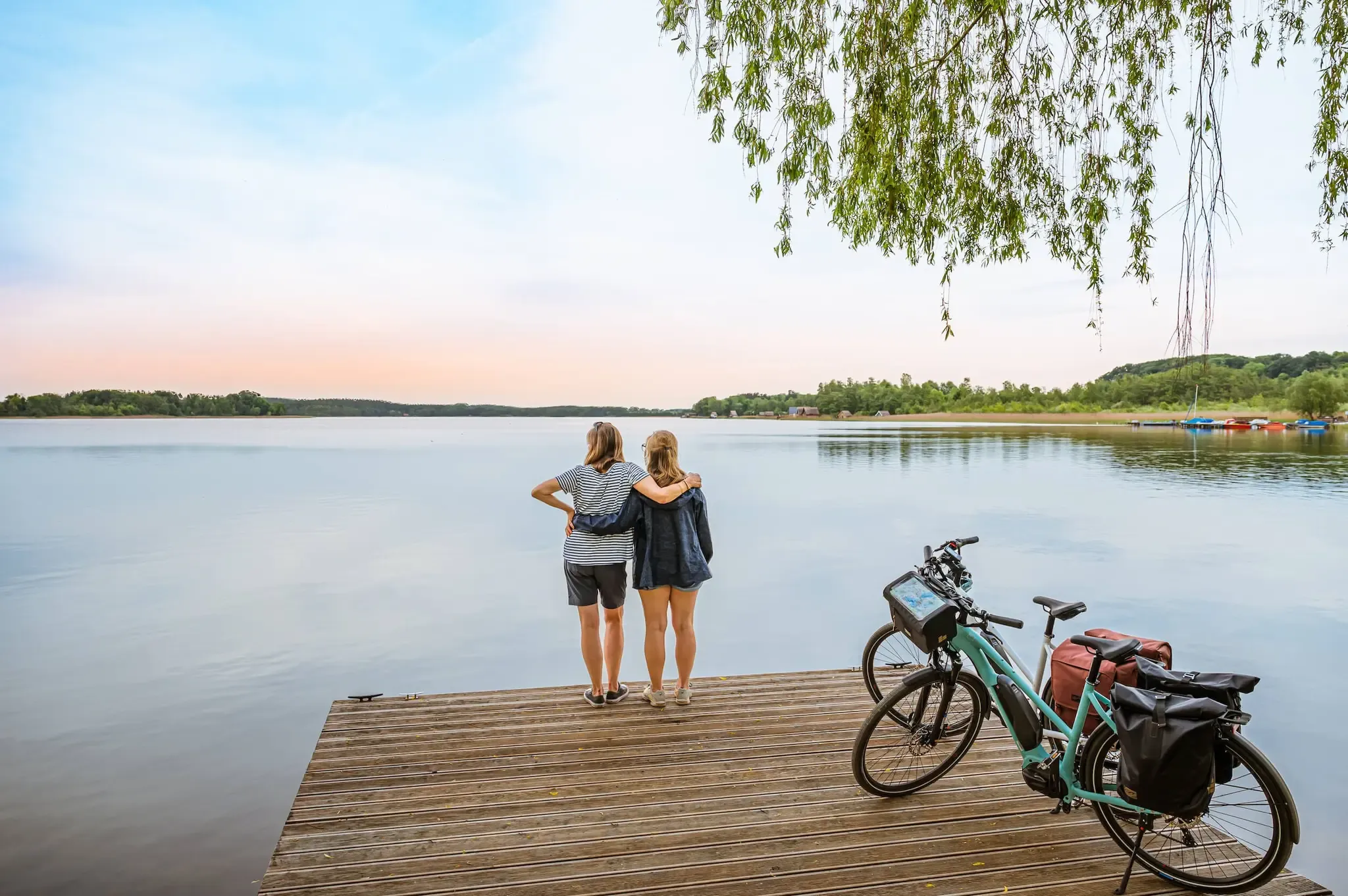
The long distance bicycle route Berlin-Copenhagen
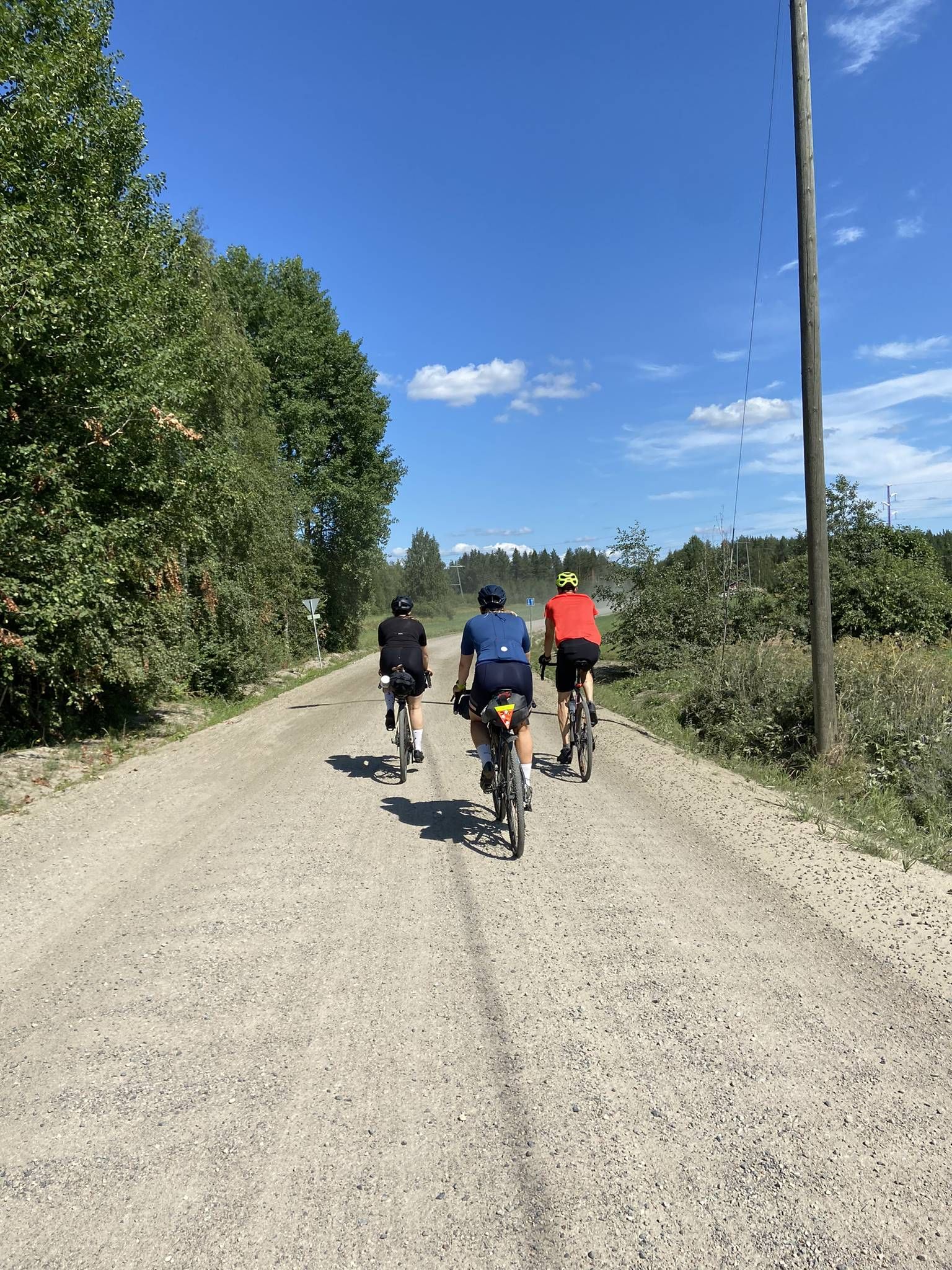
Naples to North Cape — Two friends, one purpose and many scoops of ice-cream
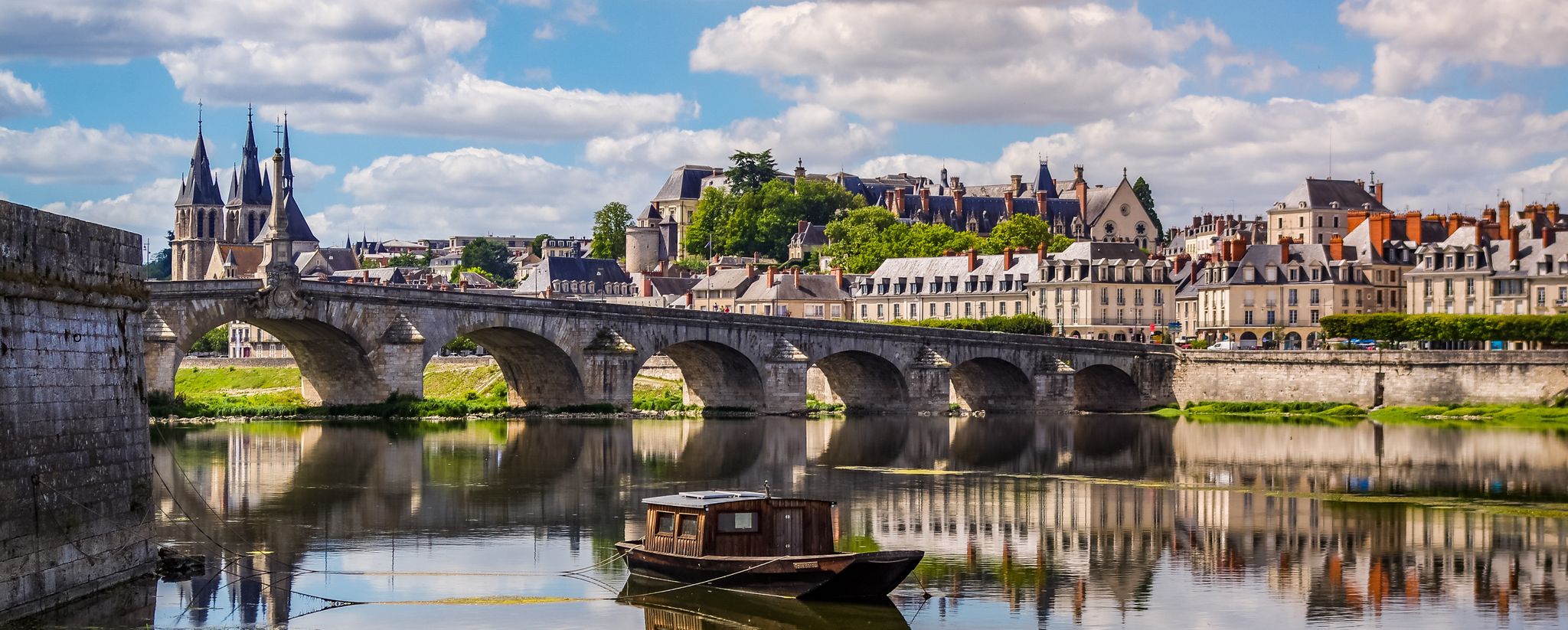
EuroVelo 3 – A cycling pilgrimage from Norway to France
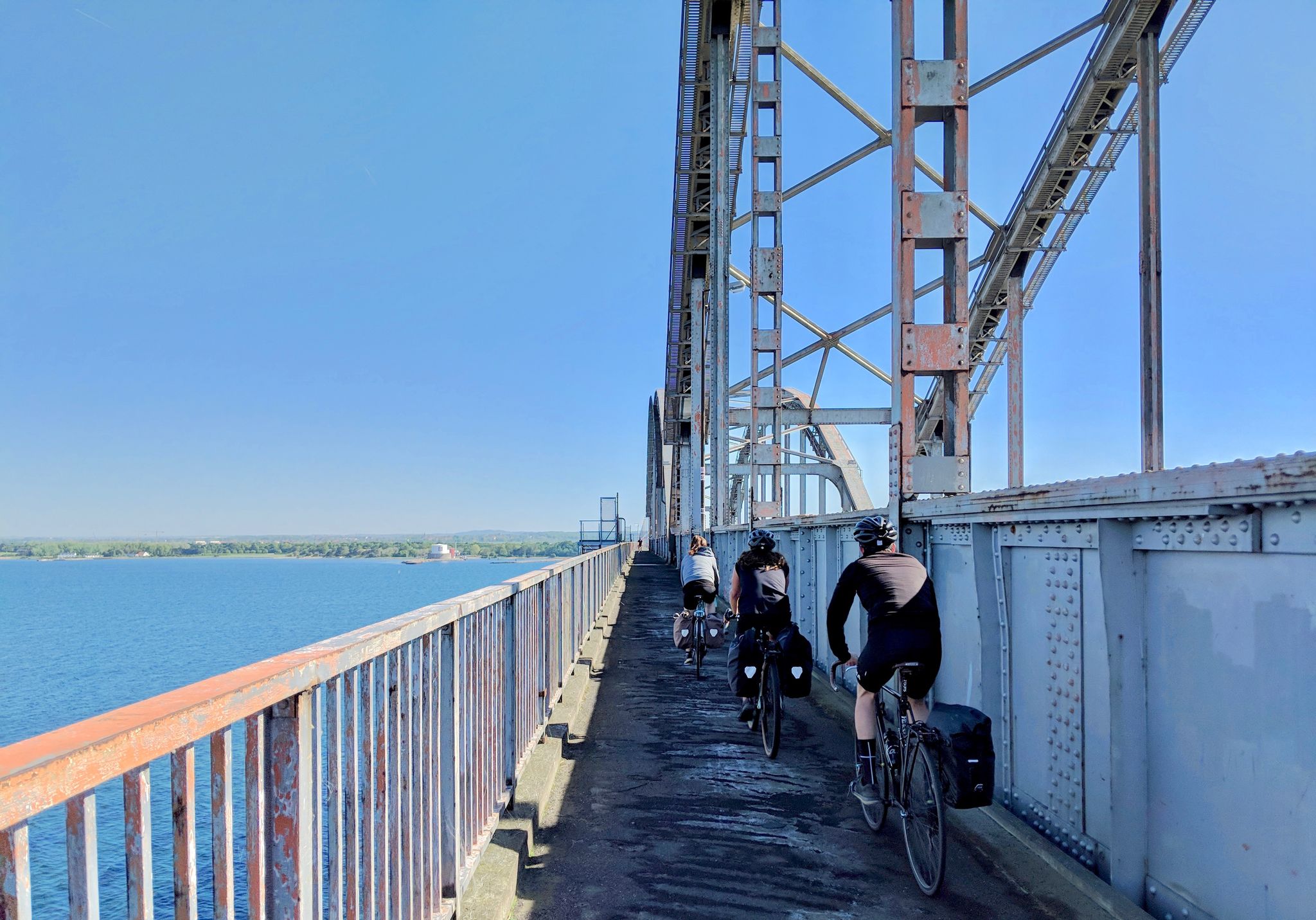
Cycling from Hamburg to Copenhagen – salty air included
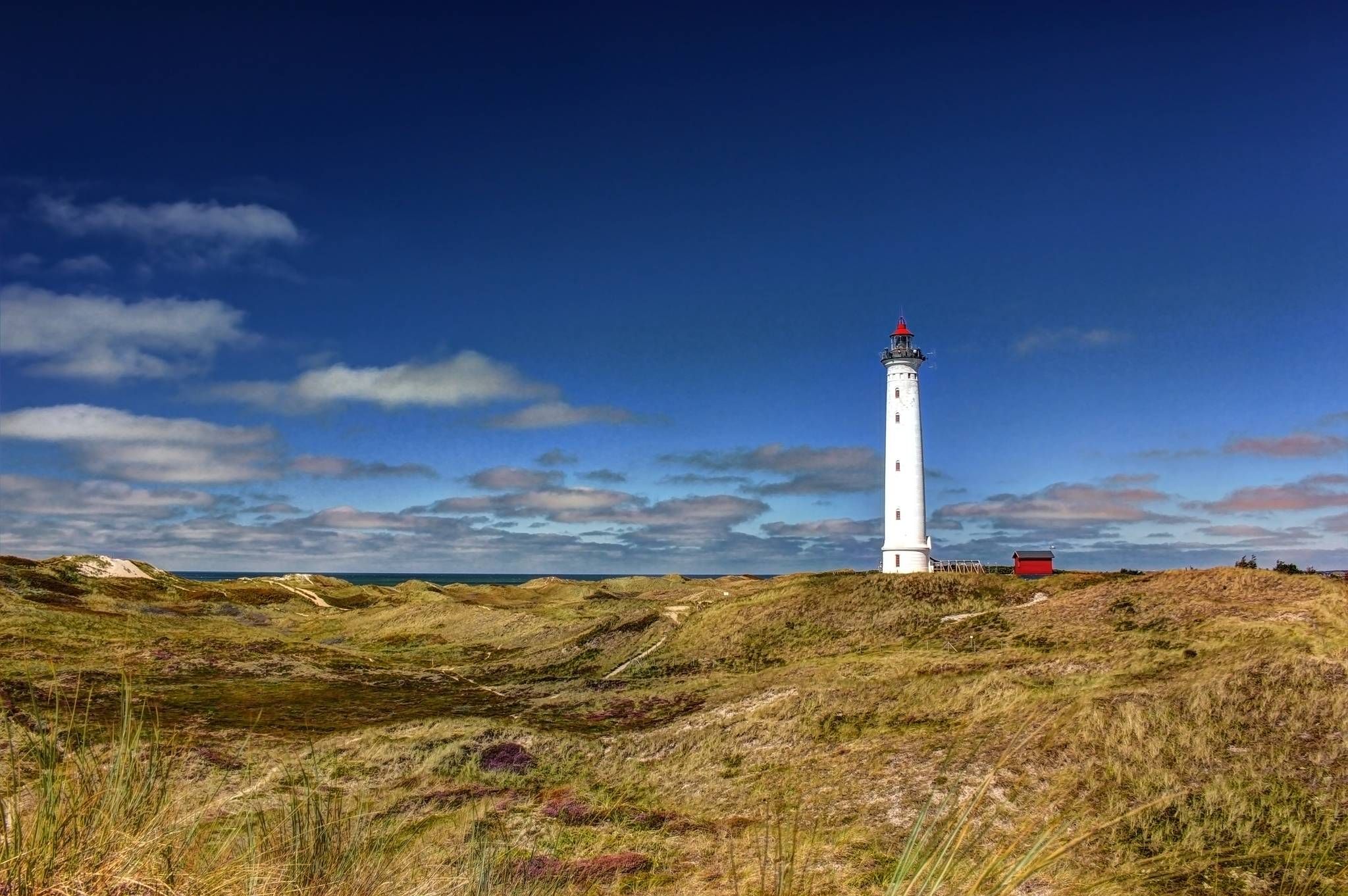
The North Sea Coast Cycle Route – Denmark
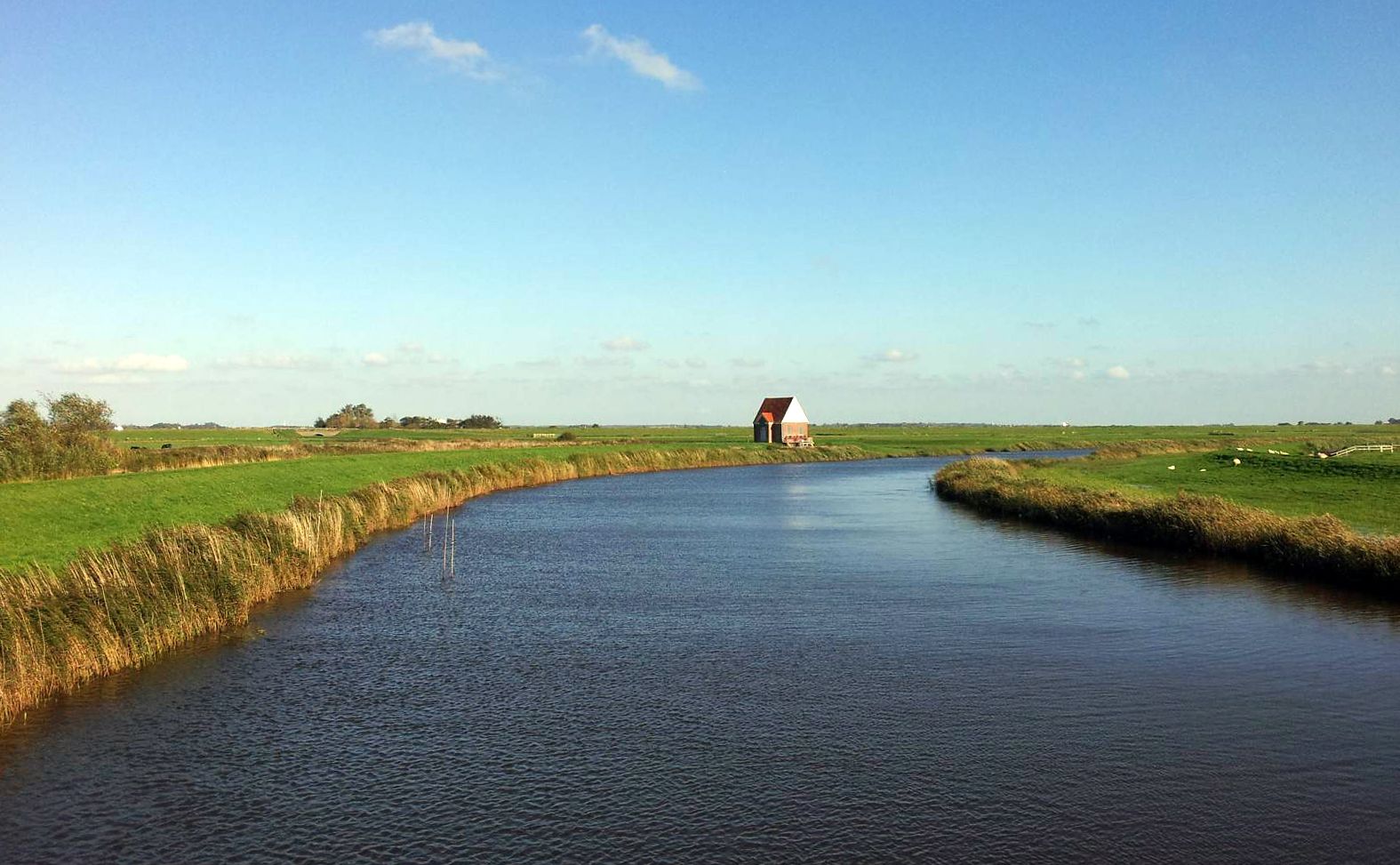
Border Route — in 3 days from the North Sea to the Baltic Sea
Other adventures in Denmark


Tips from the Community

It's best to leave your backpack somewhere in front of the cave so you don't get stuck inside, as I almost did. A flashlight 🔦 is also quite appropriate here.
0
0


In the middle of Hesselholt Skov, part of Rold Skov, the ground opens up to one of the region's most fascinating geological phenomena. The sinkhole Røverstuen is about twelve meters deep and measures approximately 35 meters in diameter. Sinkholes form when percolating rainwater dissolves chalk, creating a cavity that eventually collapses. However, the exact cause of Røverstuen has not been fully clarified to this day, as the chalk lies unusually deep here. What geology leaves open, legend fills. A band of robbers is said to have once lived at the bottom of the hole, well hidden next to the old forest path Roldvej, and listened to passing travelers with ropes and bells.
1
0

Beautiful memorial stone along the hiking trail
0
0

A walkway and ladder lead to the grotto. In rough seas, you might get your feet wet when entering.
2
0

This passage grave from around 3300 BC is in good condition. A short visit on your tour is definitely worth it… although you can only go in on your knees
4
0

Frequently Asked Questions
Are there family-friendly caves in Denmark?
Yes, the Mønsted Limestone Mines are considered family-friendly, offering an adventurous experience with illuminated tunnels and unique underground features.
Which caves in Denmark are wheelchair accessible?
The Mønsted Limestone Mines offer 600 meters of wheelchair-accessible tunnels, allowing a broader range of visitors to explore this vast underground network.
What kind of historical sites can I find among Denmark's caves?
Denmark features several historical underground sites. The Mønsted Limestone Mines are a significant historical site showcasing industrial heritage. Additionally, ancient burial chambers like Glentehøj Passage Grave allow visitors to crawl into a 5,200-year-old chamber. Cisternerne in Copenhagen, a former subterranean water reservoir, now hosts contemporary art exhibitions.
What unique natural features can be found in Danish caves?
Denmark's caves offer diverse natural features. The Helligdom Cliffs on Bornholm feature rugged rock formations and a cave. The Mønsted Limestone Mines contain underground lakes and babbling brooks. Våde Ovn, a sea cave on Bornholm, is notable for its formation by sea erosion and is accessible by boat.
Are there any challenging or adventurous caving experiences in Denmark?
For a more adventurous experience, the Sorte Gryde Cave is described as having exciting caves and crevices, though it might not be suitable for those with claustrophobia. Exploring passage graves like Glentehøj Passage Grave also involves crawling into ancient chambers.
What unique experiences do Denmark's caves offer beyond exploration?
Beyond exploration, the Mønsted Limestone Mines serve as Northern Europe's largest wintering center for bats and are used for maturing 250 tons of cheese. Cisternerne in Copenhagen offers a unique blend of art and history within a former underground water reservoir, functioning as a contemporary art space.
What is the best time of year to visit caves in Denmark?
The best time depends on the cave type. The Mønsted Limestone Mines maintain a constant temperature of approximately 8°C year-round, making them suitable for visiting even in winter. Sea caves like Våde Ovn are typically best visited during the summer months when boat tours are more frequent and sea conditions are calmer.
What should I expect regarding temperatures and conditions inside Danish caves?
Underground environments like the Mønsted Limestone Mines maintain a cool, constant temperature of around 8°C with high humidity (98%), so dressing warmly is advisable. Some caves, like Sorte Gryde Cave, involve narrow passages, which might not be comfortable for those with claustrophobia.
Are there other outdoor activities or routes near the caves in Denmark?
Yes, many caves are situated near areas with excellent outdoor activities. You can find various routes for cycling, mountain hikes, and waterfall hikes across Denmark. For example, the Helligdom Cliffs are close to several scenic hiking trails on Bornholm.
What are some lesser-known or unique underground attractions in Denmark?
Beyond the major sites, Denmark offers unique underground experiences such as Jons Kapel on Bornholm, a cave within a free-standing rock with local folklore. Cisternerne in Frederiksberg, Copenhagen, is a former water reservoir transformed into a contemporary art space and is considered Denmark's only dripstone cave. The 'Robbery Room' is a sinkhole with local myths about robbers.
Can I explore the caves independently or do I need a guide?
Many sites, like the Mønsted Limestone Mines, allow independent exploration of illuminated tunnels, with options for guided tours to learn more about their history. For places like the cave at Helligdom Cliffs, a flashlight is recommended for self-exploration. Some sea caves, like Våde Ovn, are best accessed via organized boat tours.
What kind of geological formations are typical for caves in Denmark?
Denmark's caves primarily feature limestone formations, as seen in the extensive Mønsted Limestone Mines. Coastal areas, particularly on Bornholm, also exhibit sea caves formed by erosion of granite cliffs, such as Våde Ovn. The country also has unique examples like Cisternerne, which has developed dripstone formations.
Most popular routes in Denmark
Most popular attractions in Denmark

Get inspired with the komoot mobile app


Explore more
Extend your search for the best caves by checking out these guides of the top ones in Denmark:
