Top 2 Caves around Alleghe
Best caves around Alleghe are primarily historical sites, reflecting the region's past. Alleghe, a village in the Dolomites, is known for its mountain landscapes, Lake Alleghe, and Monte Civetta. While natural caves are not a primary feature directly within Alleghe, the wider Dolomites region features significant World War I tunnel systems. These man-made structures offer a unique glimpse into military history and the challenging conditions faced by soldiers.
Best caves around Alleghe
- The most popular caves is World War I…
Last updated: October 12, 2026
Goiginger Tunnel
Highlight (Segment) • Cave
Translated by Google •
Tip by

World War I Trenches and Tunnels on Sas de Stria
Highlight (Segment) • Historical Site
Translated by Google •
Tip by
Sign up now to discover places like this
Get recommendations on the best single tracks, peaks, & plenty of other exciting outdoor places.
Madonna Cave
Highlight • Cave
Translated by Google •
Tip by

First World War Military Cave
Highlight • Cave
Showing Translation
Tip by

Start today with a free account
Your next adventure awaits.
Popular around Alleghe
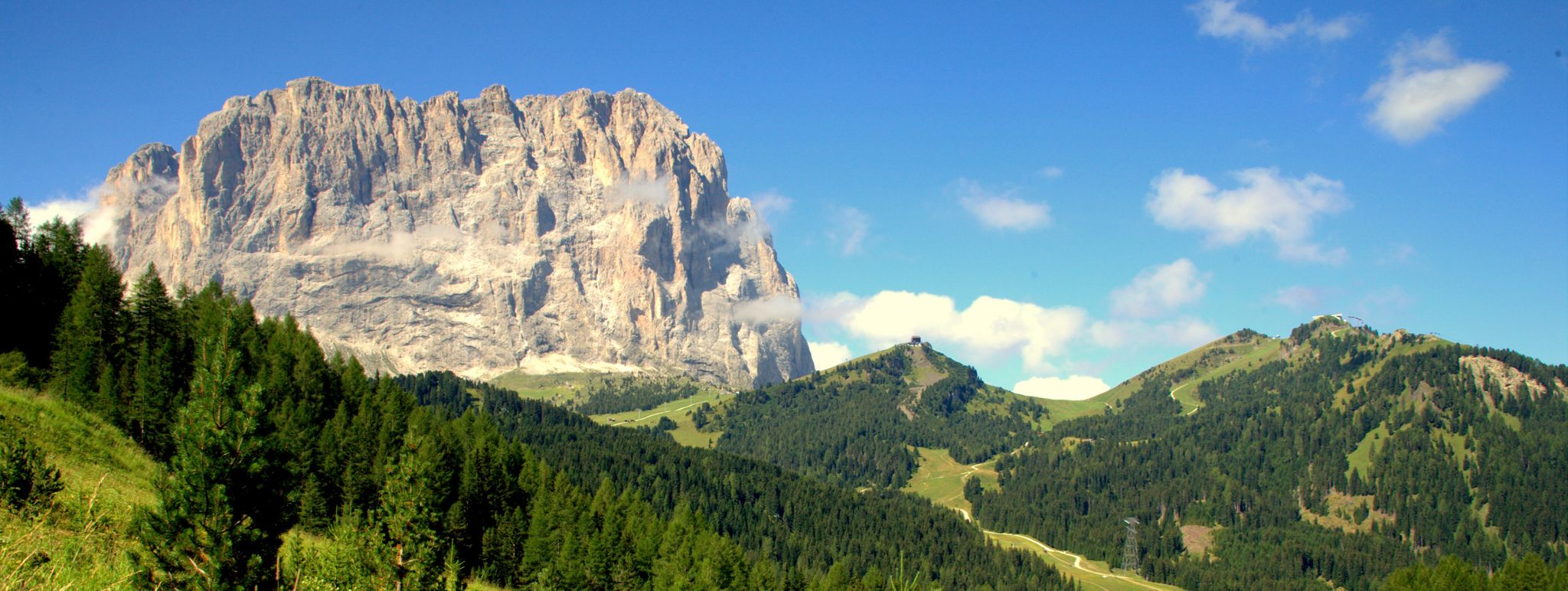
Via Venezia Alpina – hiking across the Alps to the Adriatic Sea
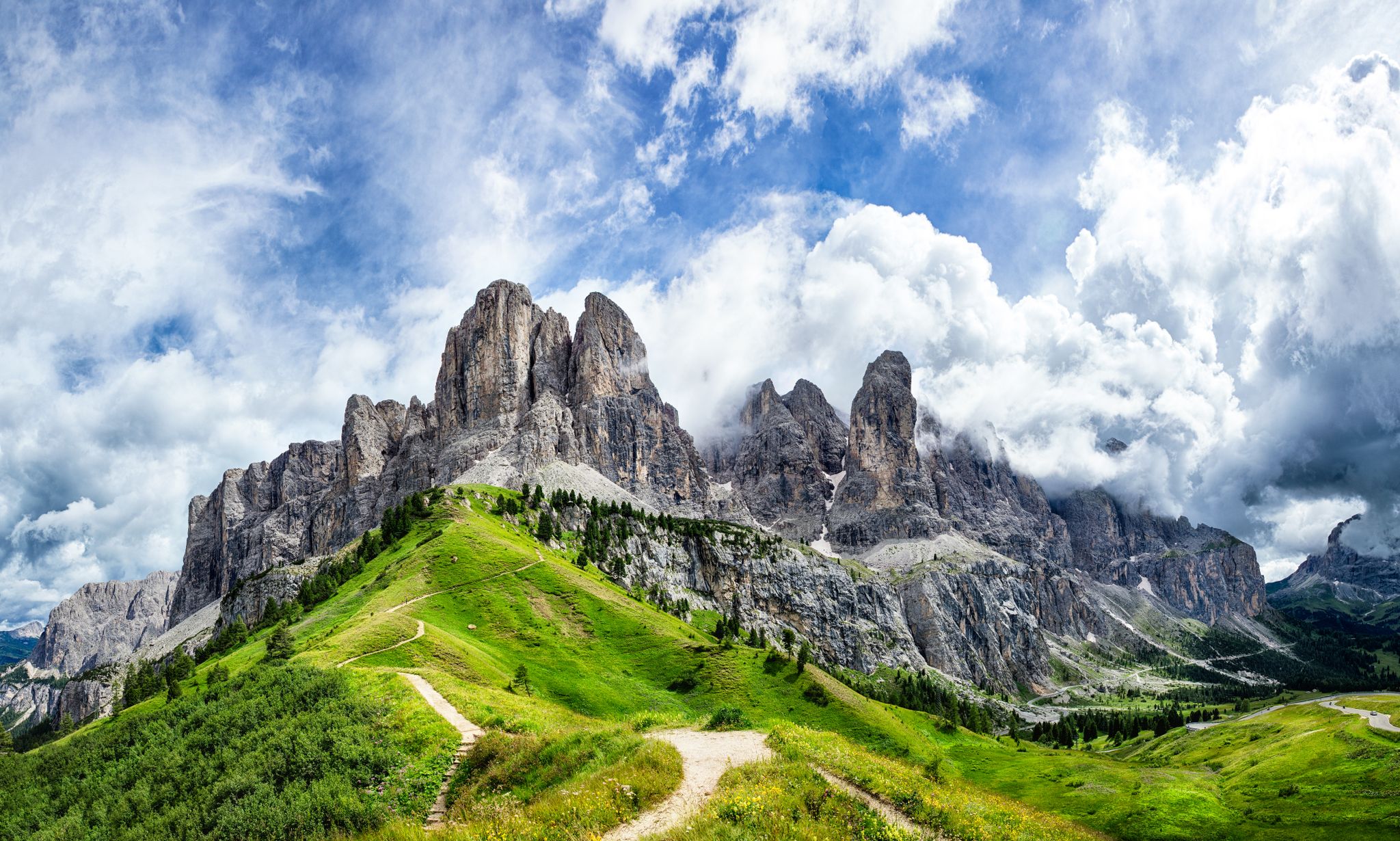
The "Dream Path" hiking trail – From Munich to Venice in 28 stages
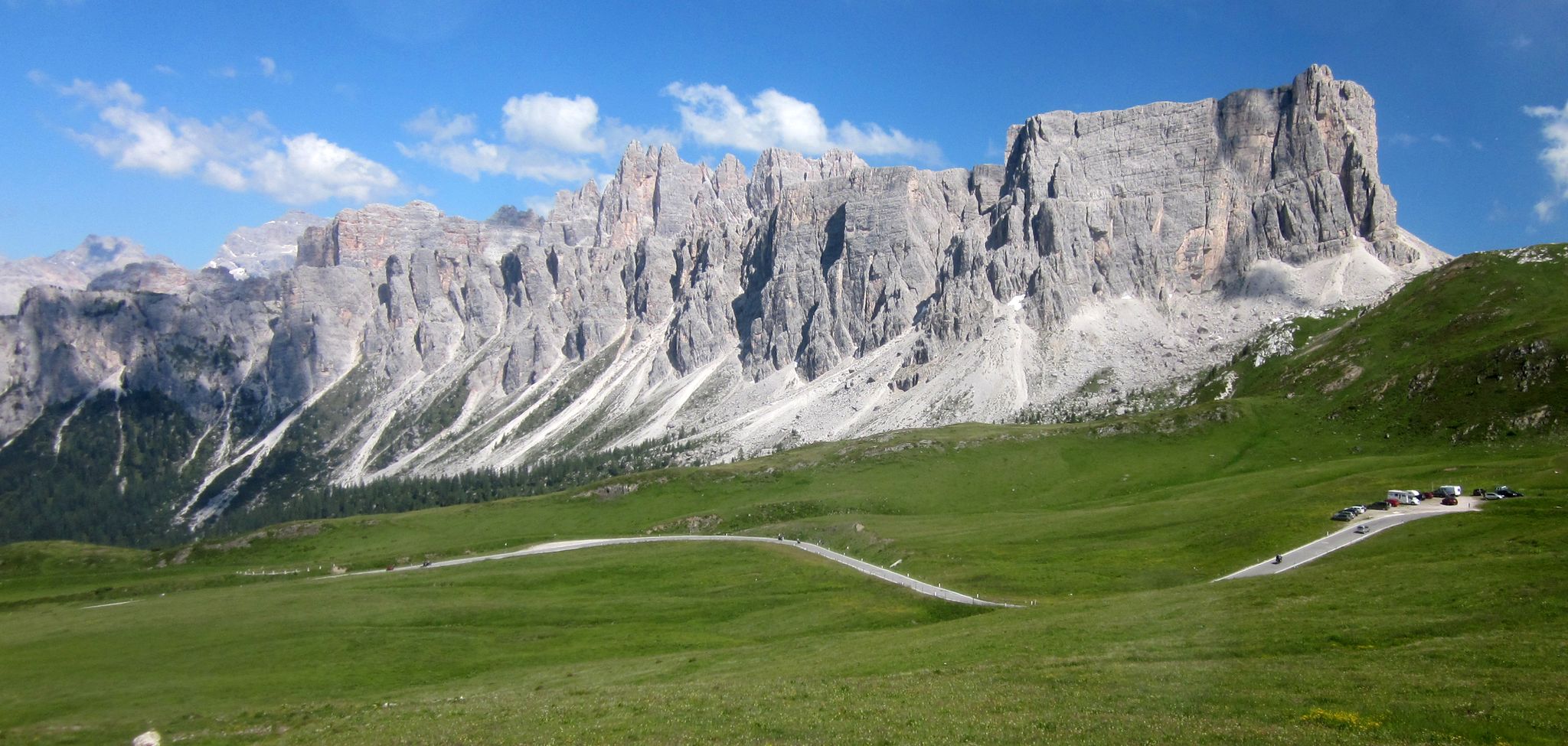
Traversing the Dolomites — the world's most beautiful mountain range
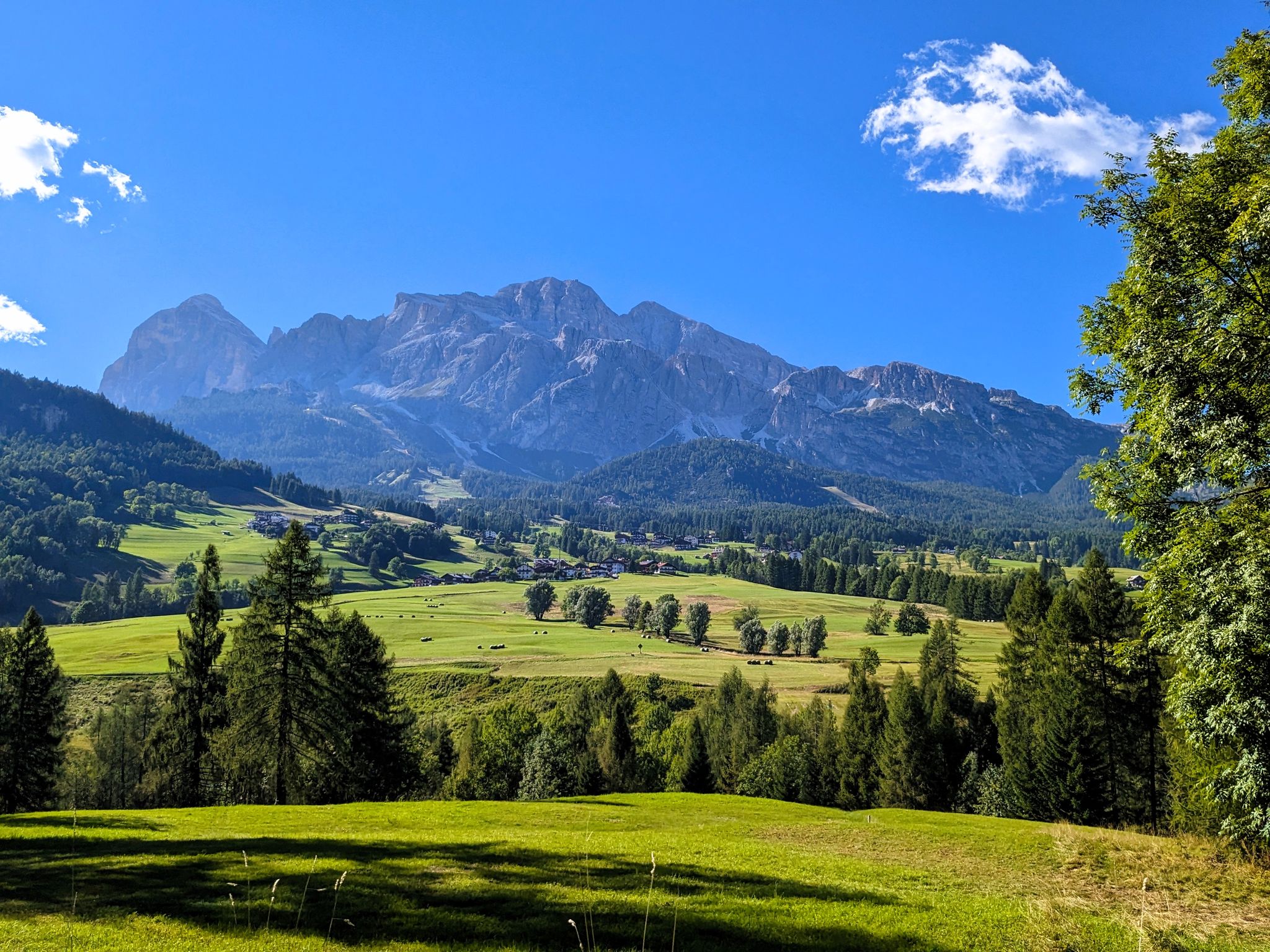
Wild routes – a week in Italy’s Dolomites
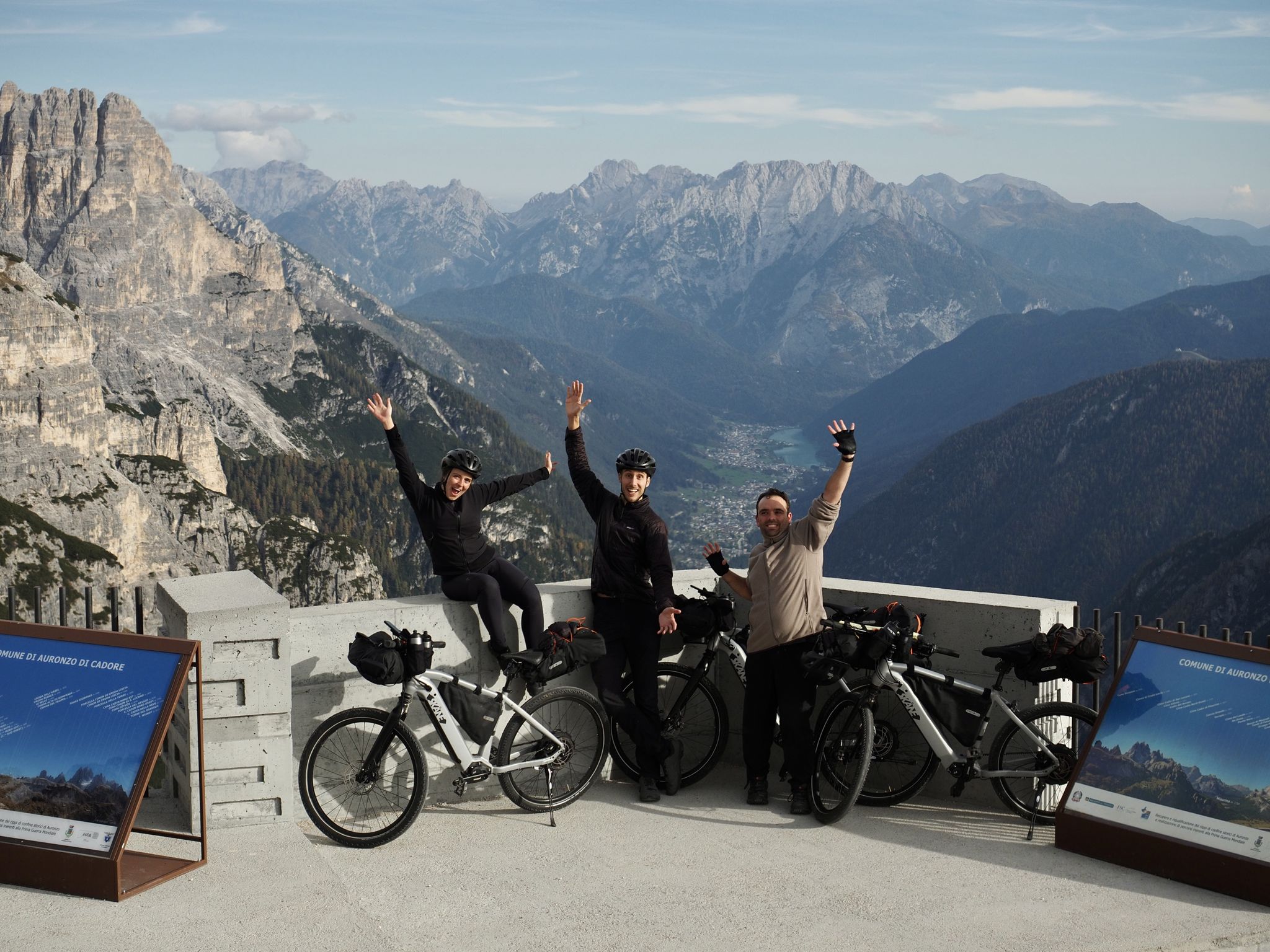
A family adventure – bikepacking through the Dolomites with Belén's brother
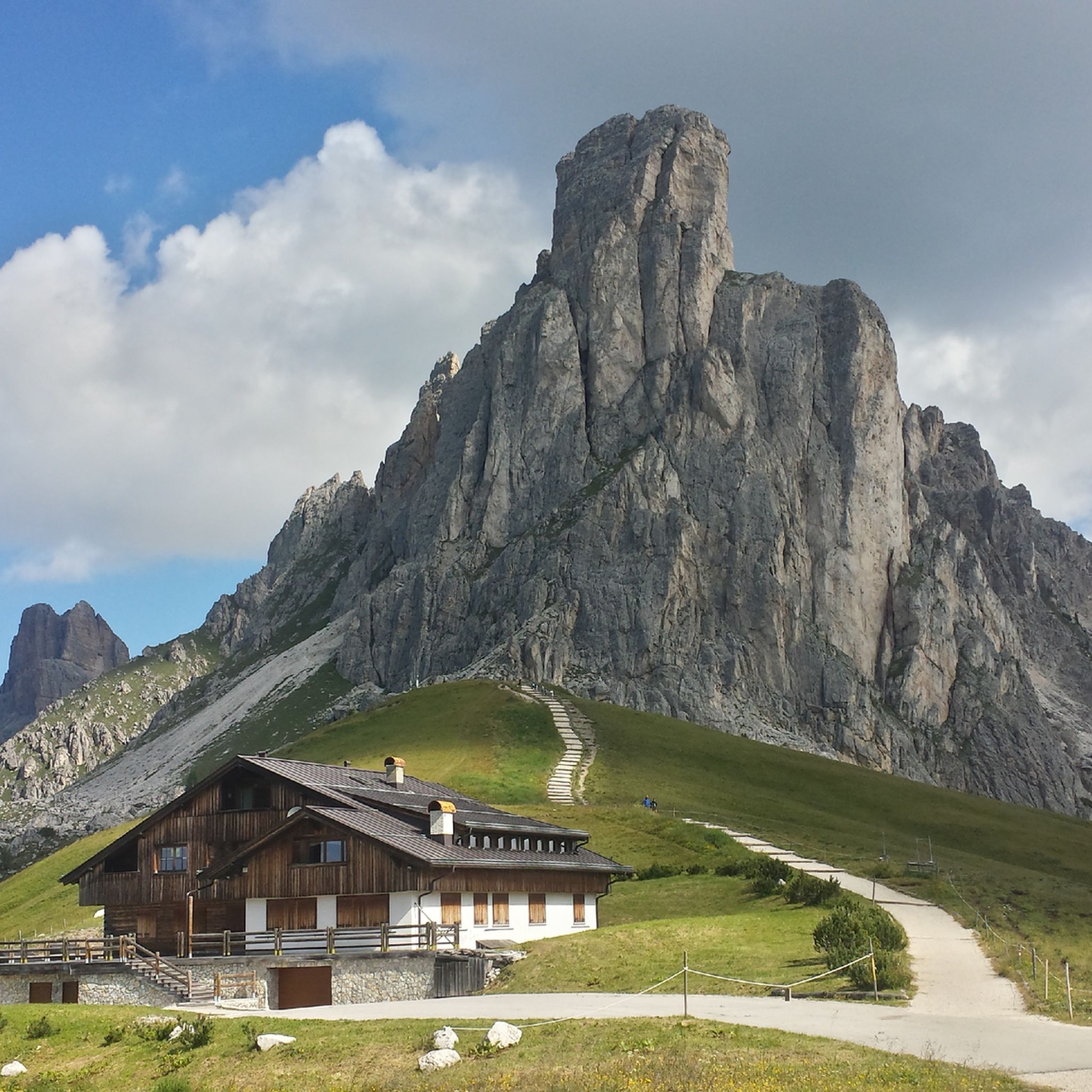
Hiking around Alleghe
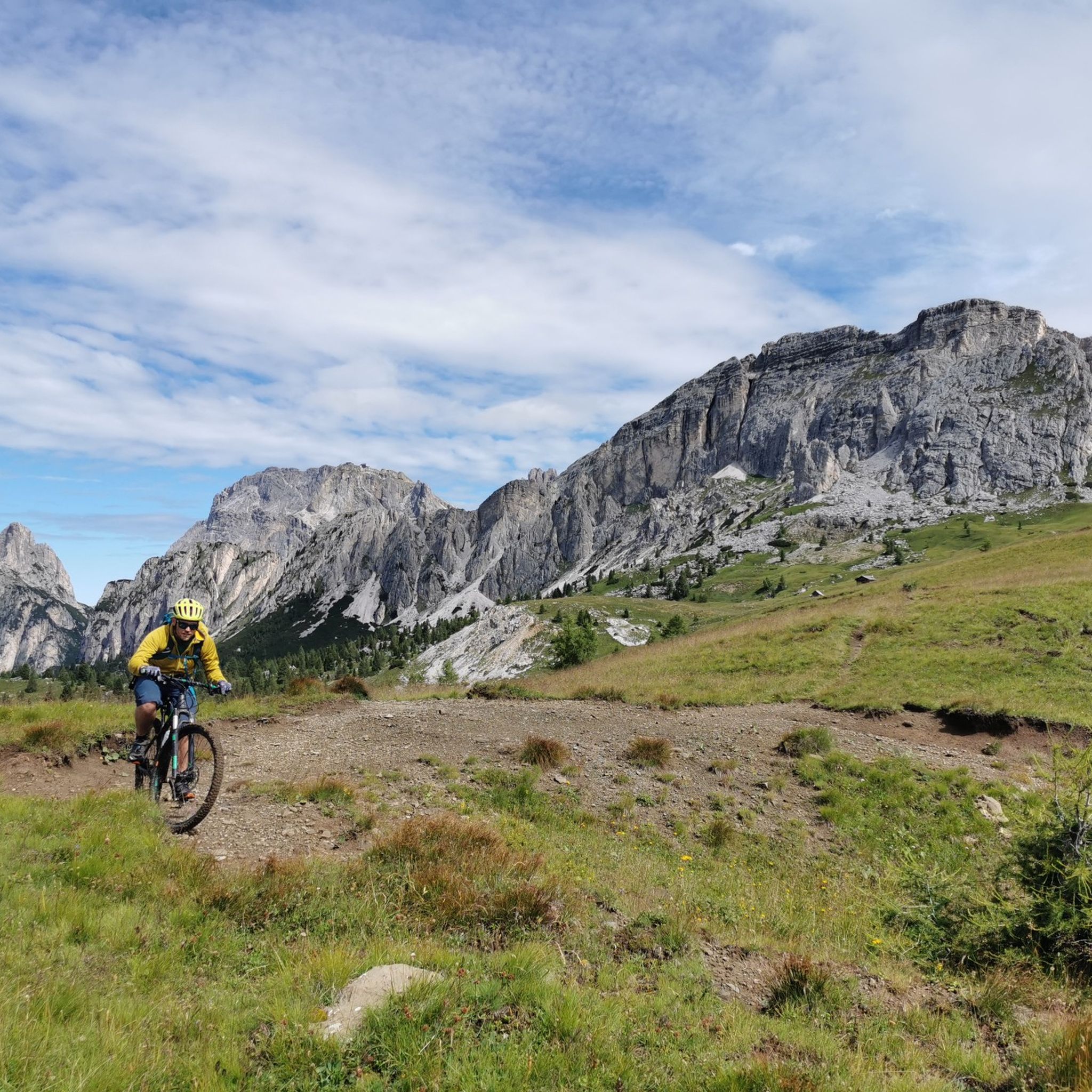
MTB Trails around Alleghe
Road Cycling Routes around Alleghe
Cycling around Alleghe
Running Trails around Alleghe
Other adventures around Alleghe


Tips from the Community

It is reached with a detour of about 10 meters from the main path. With a flashlight in hand, you can easily explore the interior. These are 2 small chambers to the right and left of the entrance.
0
0

A cave, closed off with a grate, suddenly appears on the hiking trail beneath the Grande Torre. A glimpse inside is reverent and immediately makes you pause.
1
0

In the course of the war, the Hexenstein was littered with caves and crossed by a tunnel: The Goiginger tunnel, named after Field Marshal Ludwig von Goiginger, who ordered the construction of this tunnel. This tunnel can be visited with a short and hardly strenuous hike. With the right equipment, the inspection is also possible on rainy days. The tunnel crosses almost the entire east wall of the Hexenstein horizontally. The entrance is on the slope above the path that leads along the foot of the Hexenstein. The entrance is a bit narrow, but then the full length of the tunnel, approx. 500 meters, is accessible while standing. Some sections of the tunnel are pitch dark, the darkness is occasionally interrupted by a series of identical windows that open onto the mountainside. In the tunnel you can see the remains of a generator base and the supports of the electrical line. If you continue from the tunnel exit towards the summit, you will reach the saddle and the tip of the Hexenstein, i.e. the Goiginger position. Here you can see the remains of the Austrian bolt position with a system of trenches and trenches, remains of buildings and barracks, caves, material stores and kitchens. Source: lagazuoi.it/DE/percorso27-Der-GoigingerStollen
6
1
Open-air museum above the pass. Very interesting. But don't get lost! ;-)
3
1
Interesting relics from WWI
3
0

The positions of the 1st World War testify to the hard and almost unreal everyday life of soldiers on the front in South Tyrol. Countless tunnels and a labyrinth of trenches were dug. Definitely take a good headlamp.
1
0

The way to the witchstone is badly marked. The best way to get off (by bus) is at the Valparola Pass (hut). From this hut you can best see the path to the "Sas de Stria" (witches stone).
1
1
Frequently Asked Questions
What kind of caves can I explore around Alleghe?
The Alleghe area, while known for its stunning mountain landscapes, is particularly rich in historical caves from World War I. These are not natural caverns but extensive tunnel systems and shelters dug into the mountainsides by soldiers. Notable examples include the Goiginger Tunnel and the World War I Trenches and Tunnels on Sas de Stria.
Are there any natural caves near Alleghe?
While the Dolomites region features unique geological formations, prominent natural cave systems directly within Alleghe are not a primary feature. The caves you'll find are predominantly historical, like the World War I military tunnels. However, you can find the Madonna Cave, a small natural cave with a religious significance, beneath the Grande Torre.
What is the difficulty level for exploring these caves?
Most of the historical war caves, such as the Goiginger Tunnel, are rated as intermediate difficulty. They often involve short hikes to reach and may have uneven terrain inside. The World War I Trenches and Tunnels on Sas de Stria are considered challenging due to the extensive labyrinth of trenches and tunnels.
What equipment do I need to explore the historical tunnels?
For exploring the historical tunnels, a good headlamp is essential, as sections can be pitch dark. Sturdy hiking shoes are also recommended for the approach and uneven surfaces inside. Some tunnels, like the Goiginger Tunnel, are accessible with a short, hardly strenuous hike, but proper lighting is key.
Are the caves around Alleghe family-friendly?
Exploring the historical World War I tunnels can be an educational experience for families, but some are more challenging than others. The Goiginger Tunnel is described as accessible with a short, hardly strenuous hike, making it potentially suitable for older children. However, the World War I Trenches and Tunnels on Sas de Stria are more extensive and challenging, requiring careful navigation and a good headlamp, so they might be better suited for families with older, more adventurous children.
How long does it take to explore the caves?
The time required varies by location. The Goiginger Tunnel is approximately 500 meters long and can be explored in a relatively short time, perhaps an hour or two including the approach. The World War I Trenches and Tunnels on Sas de Stria, being an open-air museum with a labyrinth of trenches, could take several hours to fully explore.
What is the best time of year to visit the caves near Alleghe?
The best time to visit the historical caves and tunnels is typically during the warmer months, from late spring to early autumn (May to October), when the mountain paths are clear of snow and ice. Some tunnels, like the Goiginger Tunnel, are noted as being visitable even on rainy days with the right equipment, offering an alternative activity when the weather is less favorable for other outdoor pursuits.
What other outdoor activities can I do near these caves?
The Alleghe region is a paradise for outdoor enthusiasts. You can find numerous hiking trails, such as those detailed in the Hiking around Alleghe guide, with routes like the challenging Rifugio Sonnino al Coldai — ring tour. For cyclists, there are many options, including traffic-free bike rides in the Traffic-free bike rides around Alleghe guide or more demanding MTB trails in the MTB Trails around Alleghe guide, featuring routes like the Civetta Superbike Loop.
Are there any hidden gem caves to discover?
Beyond the well-known historical sites, the First World War Military Cave offers a more secluded experience. It's reached with a short detour from the main path and consists of two small chambers. Remember to bring a flashlight to explore its interior.
What historical significance do the caves around Alleghe hold?
The caves in the wider Alleghe region are primarily significant for their role in World War I. They are not natural formations but extensive military tunnels and trenches dug by soldiers. Sites like the World War I Trenches and Tunnels on Sas de Stria and the Goiginger Tunnel offer a poignant glimpse into the challenging conditions and strategic importance of these positions during high-altitude combat.
Can I visit these caves in winter?
Visiting the historical caves in winter can be challenging due to snow and ice conditions on the mountain paths leading to them. Many trails may be inaccessible or require specialized winter equipment. It's generally recommended to visit during the snow-free months for safety and easier access. Always check local conditions before planning a winter visit.
Most popular attractions around Alleghe

Get inspired with the komoot mobile app


Explore more
Extend your search for the best caves by checking out these guides of the top ones around Alleghe:
