Top 7 Gorges around Soazza
Best canyons around Soazza are found in a region characterized by deep valleys and the powerful Moesa River. This area, located in the Swiss canton of Graubünden's Valle Mesolcina, features notable gorge-like formations. These natural features offer a combination of geological interest and historical significance.
Best canyons around Soazza
- The most popular canyons is Marmitte dei Giganti Nature Reserve, a natural monument that features "giants' pots" formed by glacial erosion. This area showcases the geological impact of glaciers on…
Last updated: June 25, 2026
Marmitte dei Giganti Nature Reserve
Highlight • Natural Monument
Translated by Google •
Tip by

Val Bodengo
Highlight • Gorge
Translated by Google •
Tip by

Sign up now to discover places like this
Get recommendations on the best single tracks, peaks, & plenty of other exciting outdoor places.
Sign up for free
Val Pontirone
Highlight • Gorge
Translated by Google •
Tip by

Val Febbraro
Highlight • Gorge
Translated by Google •
Tip by

Stone Bridge of Val Bodengo
Highlight • Bridge
Above is a parking lot that serves as the start of their tours for canyoning guests
The donkey path is quite steep on both sides. …
Translated by Google •
Tip by

Sign up for free to discover even more gorges around Soazza.
Sign up for free
Already have an account?
Start today with a free account
Your next adventure awaits.
Login or Signup


Tips from the Community

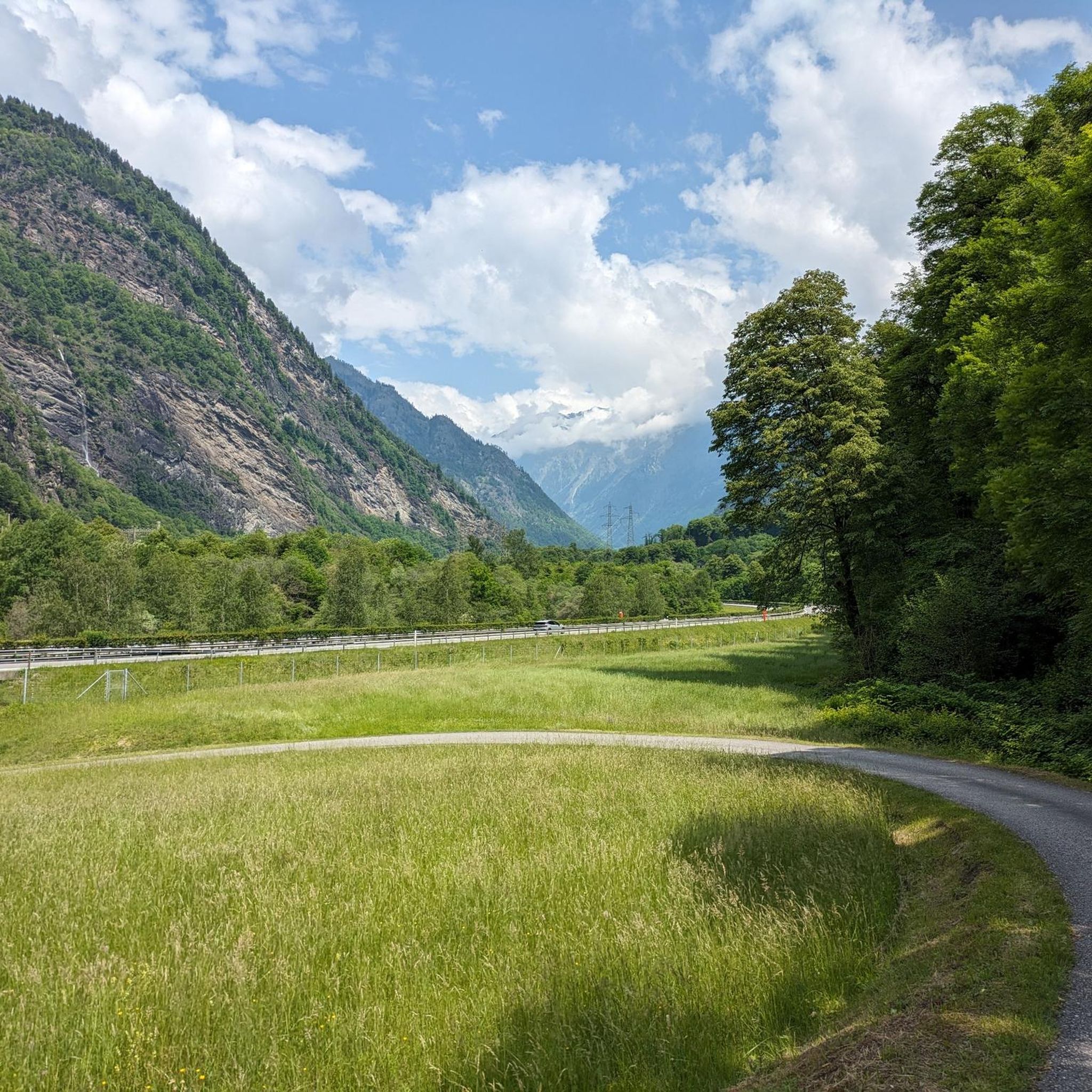
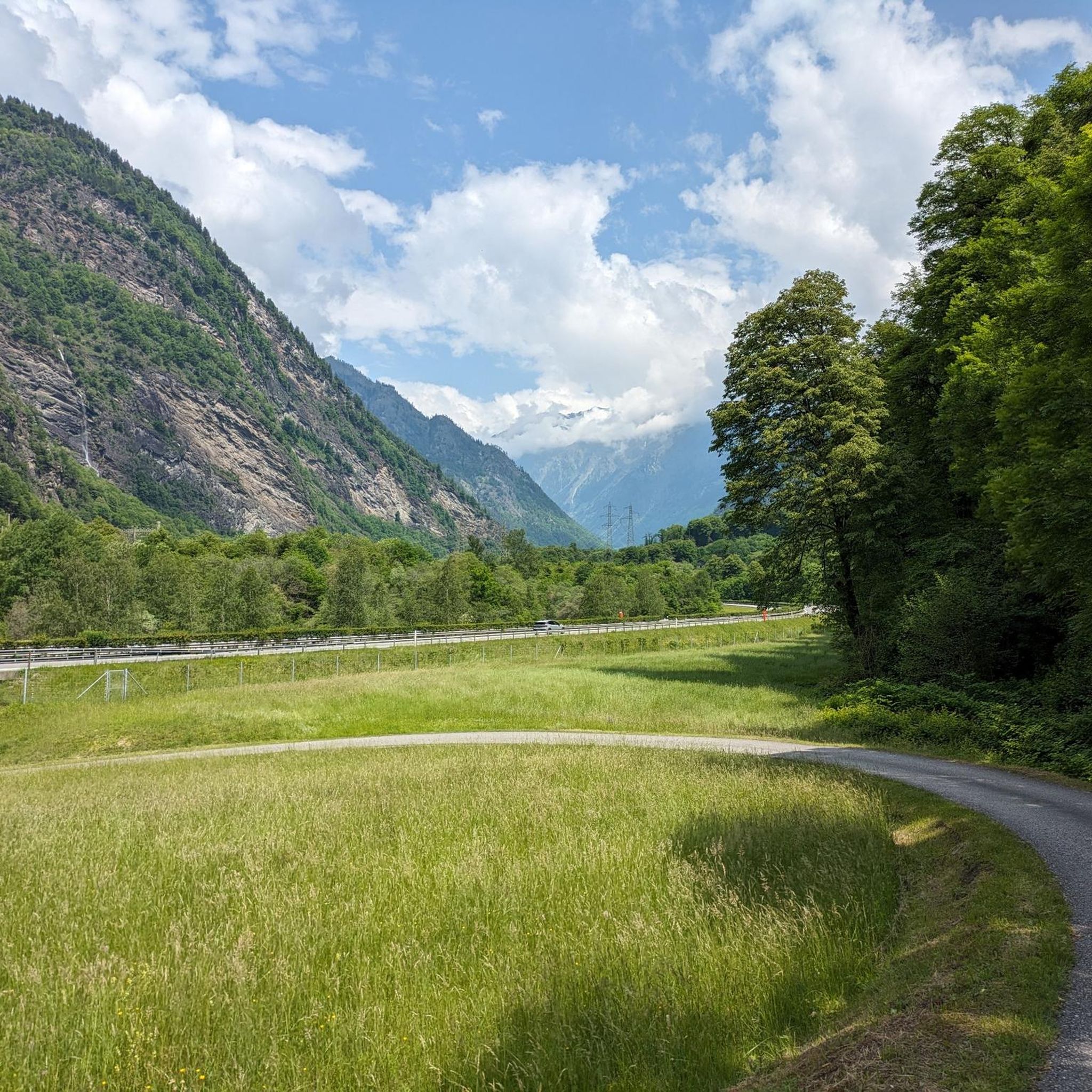
Val Febbraro, in the upper Val San Giacomo, is a long valley full of suggestive corners: the waterfalls, the pastures and the rushing waters of the homonymous stream give this place an atmosphere of great peace and tranquillity. It is the ideal starting point for reaching some of the most famous places in these mountains, such as Pian dei Cavalli, the Bianco lake and the Balisco pass. The valley is quite wild and there are no refuges or accommodation facilities of any kind, therefore it is advisable to equip yourself with everything you need before leaving.
2
0

The current geomorphological aspect of the territory is the result of the erosive and modeling action of the glaciers. Numerous orographic terraces arranged at various altitudes on the entire left side of the Mera river are recognizable. Above the alluvial strip, the appearance is characterized by the elevation of some rocky ridges, by areas branching even with large boulders, by rocky walls, gorges, granite erratic boulders and by a watershed that separates the ridges from the lower slopes of the mountains . On the top of the sheepskin rocks, striated and smoothed, in the center and along the sides of the glacial valleys are the Marmitte dei Giganti, also called glacial wells, of very variable dimensions and shapes and contiguous to intercommunicating channels, basins and basins.
3
1

Quiet high above Chiavenna - to drive on the almost adventurous road to the last parking lot at the Corte Terza you should buy a ticket in Gordona in a bar for a few euros
0
0

beautiful start in Singletrail downstream of the village of Malvaglia, all perfectly pedaled, it allows you to cut the stretch of boring climb from the village. Then, a paved road in a severe but beautiful valley up to Alpe Cava. It is useless to look for cycle paths, too steep. At the alp, you can buy their cheese. The seasoned and the cheese are excellent. From the alp to the Cava hut, it is better to leave the bikes down. For the muscular ones, on the other hand, OK with portage. Hut with cute and nice huts, real mountain smell ... and coolness 14 ° (on the floor it was 34 °). Consumed about 620 Wh
0
0

The Val Pontirone is a side valley of the Val Blenio and an idyllic and unspoilt region in the Ticino Apen. Good mobile path up to Alpe di Cava.
1
0

Easy tour to do where you can see the giants' pots
4
1

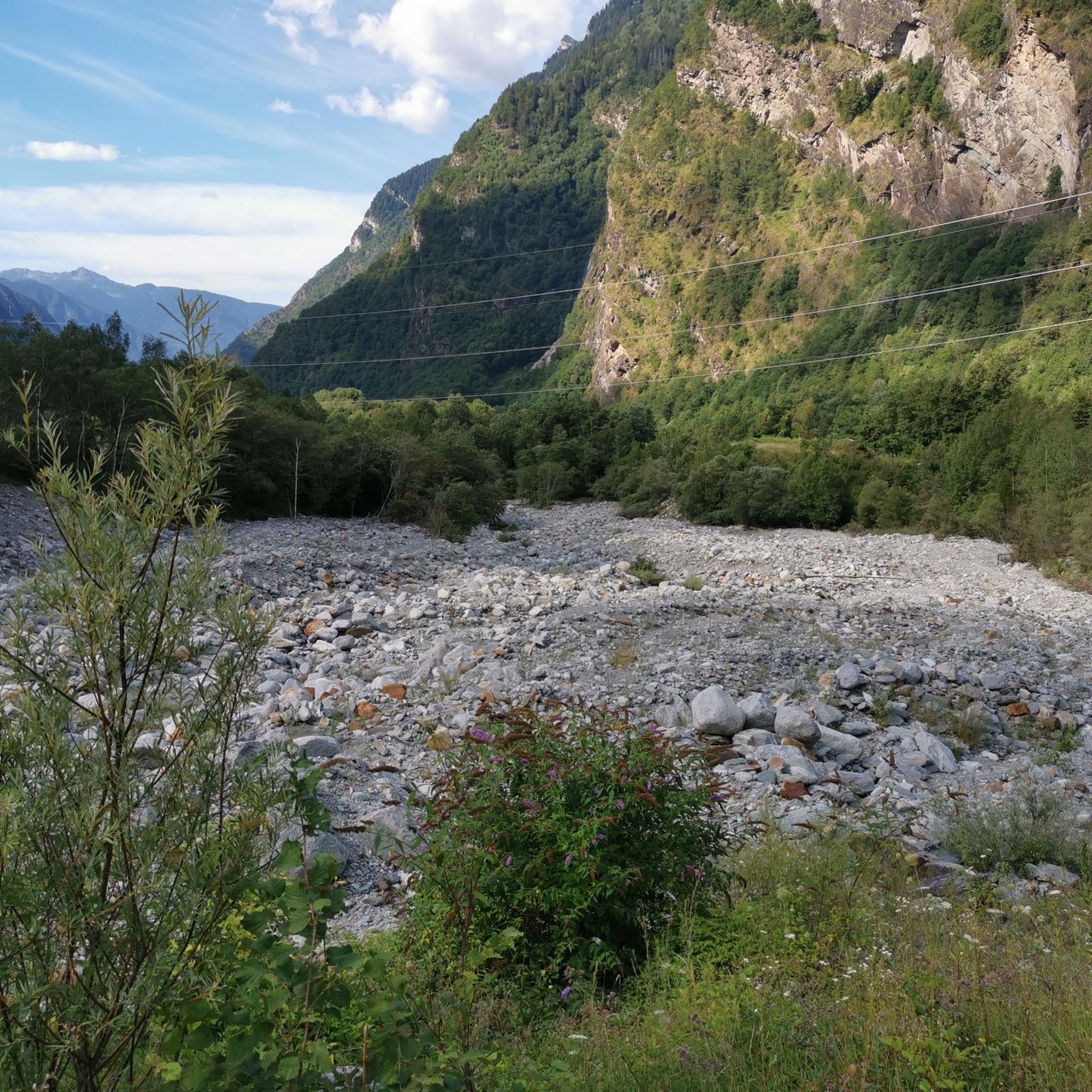
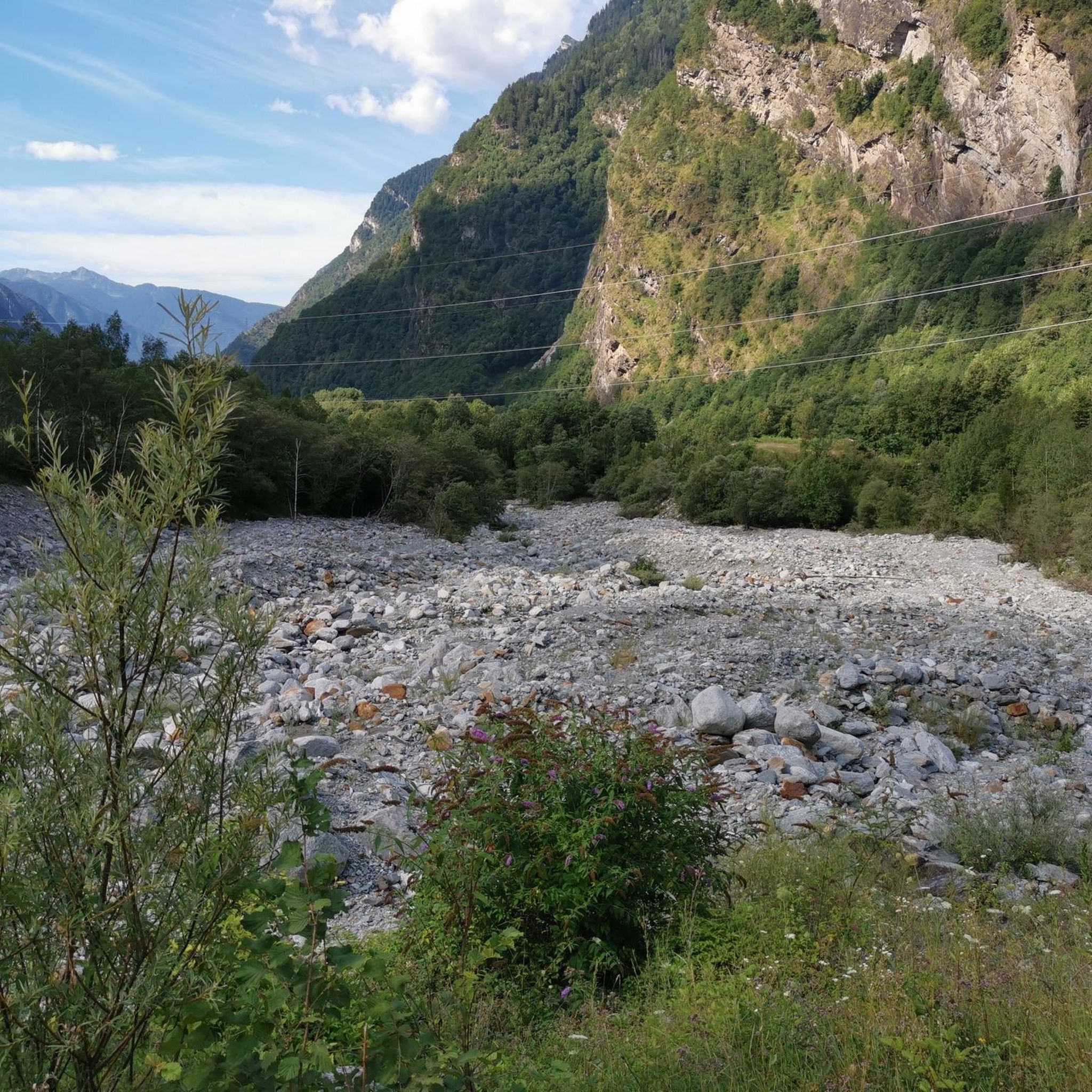
Bridge and donkey path there Above is a parking lot that serves as the start of their tours for canyoning guests The donkey path is quite steep on both sides. Approach with the MTB from Bedolina. S1-S2.n # o Up to the street then quite steep, 70% push 100hm http://www.paesidivaltellina.it/valbodengo/
1
0
Frequently Asked Questions
What are the most popular gorge-like features to visit around Soazza?
The region around Soazza, characterized by deep valleys and the Moesa River, offers several notable gorge-like features. Among the most appreciated by the komoot community are the Marmitte dei Giganti Nature Reserve, known for its unique 'giants' pots' formed by glacial erosion, and Val Pontirone, an idyllic and unspoilt gorge. Visitors also enjoy Val Febbraro, which features waterfalls and rushing waters.
Are there any family-friendly gorges or valleys near Soazza?
Yes, Val Pontirone is considered family-friendly. It's an idyllic and unspoilt region that offers a mobile path up to Alpe di Cava, making it accessible for families to explore.
What kind of natural features can I expect to see in the canyons around Soazza?
The canyons and gorges around Soazza showcase a variety of natural wonders. You can expect to see impressive geological formations like the 'giants' pots' at Marmitte dei Giganti Nature Reserve, steep rock walls, constricted riverbeds, and numerous waterfalls, especially in areas like Val Febbraro. The powerful Moesa River itself has carved out dramatic sections, and you'll find forests, rivers, and scenic viewpoints throughout the valleys.
Are there historical sites associated with the gorges in the Soazza area?
Yes, the region offers a blend of natural beauty and historical significance. The Moesa River Gorge near Mesocco Castle is a prime example, where the river flows past the imposing ruins of Castello di Mesocco, one of Switzerland's largest castle complexes. The castle is strategically perched above the dramatic gorge, offering a historical backdrop to the natural formation. Additionally, the Cardinello Gorge is known for its historical importance as a challenging route for early travelers, with infrastructure like tunnels and parapets dating back centuries.
What outdoor activities can I do near the gorges around Soazza?
The area around Soazza is excellent for various outdoor activities. You can enjoy hiking on trails that offer superb landscapes, such as the old railway line between Mesocco and Soazza, which provides views of the Moesa River Gorge. For more adventurous visitors, sections of the Moesa River are popular for kayaking, offering a canyon-like experience with rapids and challenging descents. There are also numerous hiking and running routes available, such as those found in the Hiking around Soazza and Running Trails around Soazza guides.
Are there hiking trails that lead through or offer views of these gorges?
Absolutely. Many trails in the region provide excellent access and views. For instance, hikers exploring the old railway line between Mesocco and Soazza can experience dramatic views of the Moesa River Gorge. The Val Pontirone also features a mobile path. You can find detailed hiking routes in the Hiking around Soazza guide, including options like 'Walk from Mesocco to Soazza, between churches and castles' and 'Culture and Nature Trail between castle and chestnut groves'.
What is the difficulty level of exploring the gorges near Soazza?
Many of the highlighted gorges, such as Marmitte dei Giganti Nature Reserve, Val Pontirone, Val Bodengo, and Val Febbraro, are generally rated as 'intermediate' difficulty for exploration. Some areas, like Val Bodengo, might involve adventurous roads to reach. Always check specific route details for the most accurate difficulty assessment.
Can I go wild swimming near the gorges in Soazza?
While specific wild swimming spots are not explicitly detailed for the gorges, the Moesa River, which carves many of these features, is known for its clear, often turquoise waters. Sections of the river are popular for water activities like kayaking, suggesting that there may be opportunities for swimming in calmer areas. Always exercise caution and check local conditions and regulations before swimming in natural waters.
What makes the <a href="https://www.komoot.com/highlight/1846941" target="_blank" rel="noopener">Marmitte dei Giganti Nature Reserve</a> unique?
The Marmitte dei Giganti Nature Reserve is a unique natural monument known for its 'giants' pots' or glacial wells. These fascinating geological formations are the result of the erosive and modeling action of glaciers, showcasing the powerful impact of ice on the landscape. They vary greatly in size and shape and are often contiguous with intercommunicating channels and basins.
What should I know before visiting <a href="https://www.komoot.com/highlight/5908660" target="_blank" rel="noopener">Val Febbraro</a>?
Val Febbraro is a long valley in the upper Val San Giacomo, celebrated for its suggestive corners, waterfalls, pastures, and the rushing waters of its eponymous stream, offering an atmosphere of peace and tranquility. It's a great starting point for reaching places like Pian dei Cavalli, Bianco lake, and Balisco pass. However, it's important to note that the valley is quite wild, with no refuges or accommodation facilities, so it's advisable to bring everything you need for your visit.
Are there any specific viewpoints to appreciate the gorges around Soazza?
Many of the gorges and valleys in the region offer excellent viewpoints. For instance, the Moesa River Gorge near Mesocco Castle provides a visually striking area where you can see the historical castle towering over the natural formation. Highlights like Val Pontirone and Val Bodengo are also noted for their scenic viewpoints, allowing visitors to appreciate the dramatic landscapes carved by rivers and glaciers.
What is the best time of year to visit the gorges in the Soazza area?
While specific recommendations for canyoning weather conditions are not provided, the region's natural beauty, including its rivers and forests, suggests that spring, summer, and early autumn would be ideal. Autumn, in particular, is mentioned for its beautiful colors along the Moesa River, which would enhance the scenic experience of the gorges. Always check local weather conditions before your visit.
Most popular routes around Soazza
Most popular attractions around Soazza

Get inspired with the komoot mobile app


Explore more
Already discovered everything in this region? See additional gorges around Soazza for your next adventure:
