Top 4 Gorges in Dublin
Canyons in Dublin are characterized by deep valleys and gorges, offering dramatic landscapes within the region. The area features several notable natural formations, including river valleys and mountainous terrain that extend into the Dublin Mountains. These locations provide impressive natural beauty and opportunities for outdoor activities like hiking and exploring. Dublin's natural features are often found along rivers or within its mountainous areas.
Best canyons in Dublin
- The most popular canyons is View of The Scalp and Wicklow Mountains from…
Last updated: August 19, 2026
Glencree Valley
Highlight (Segment) • Gorge
Translated by Google •
Tip by

View of The Scalp and Wicklow Mountains from Barnaslingan
Highlight • Viewpoint
Tip by

Sign up now to discover places like this
Get recommendations on the best single tracks, peaks, & plenty of other exciting outdoor places.
Sign up for free
Glensoulan Valley
Highlight • Gorge
Tip by

Start today with a free account
Your next adventure awaits.
Login or Signup
Popular around Dublin
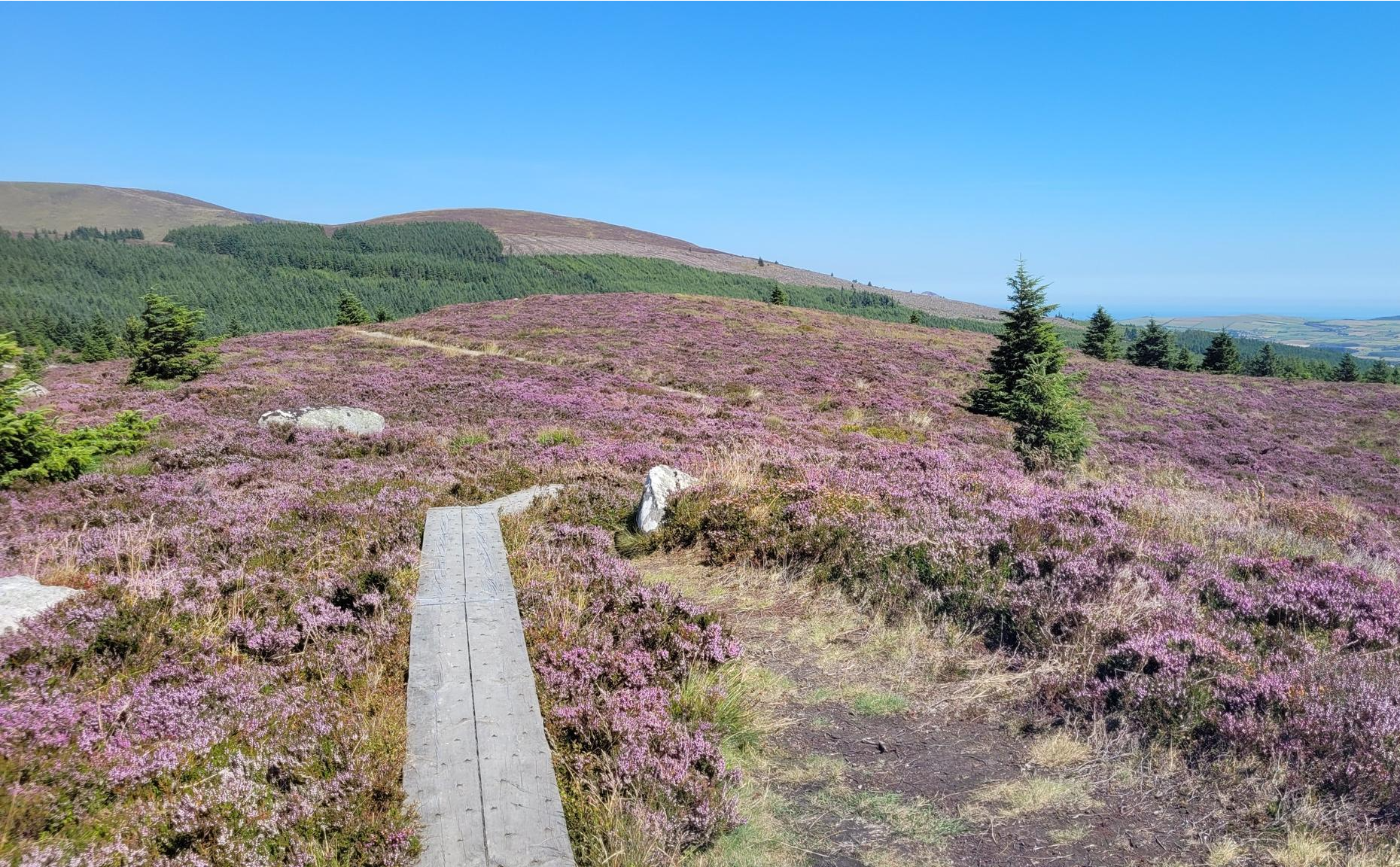
Running the Wicklow Way – From the city to the mountains
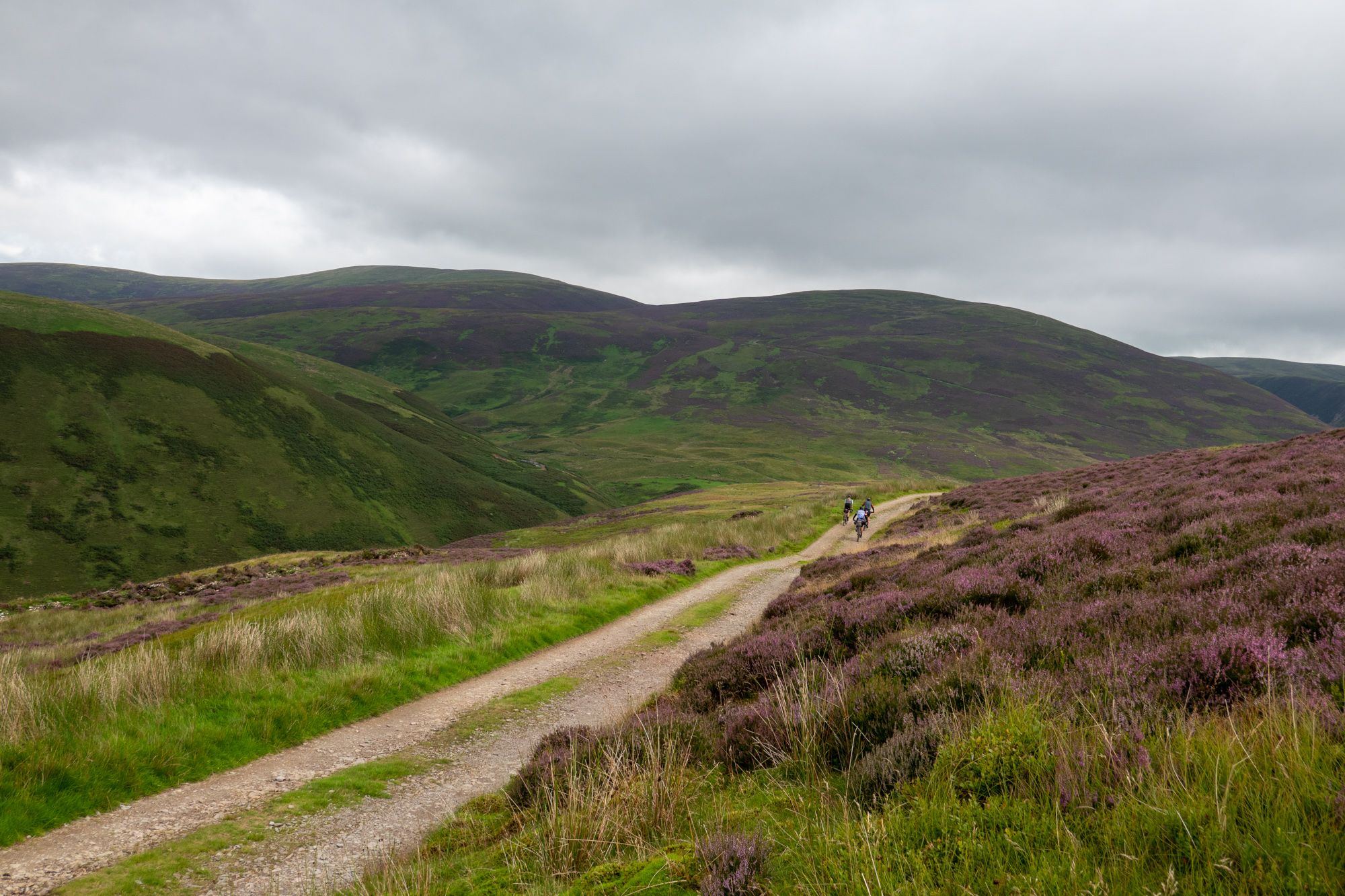
Bikepacking to the World Champs across Ireland and Scotland
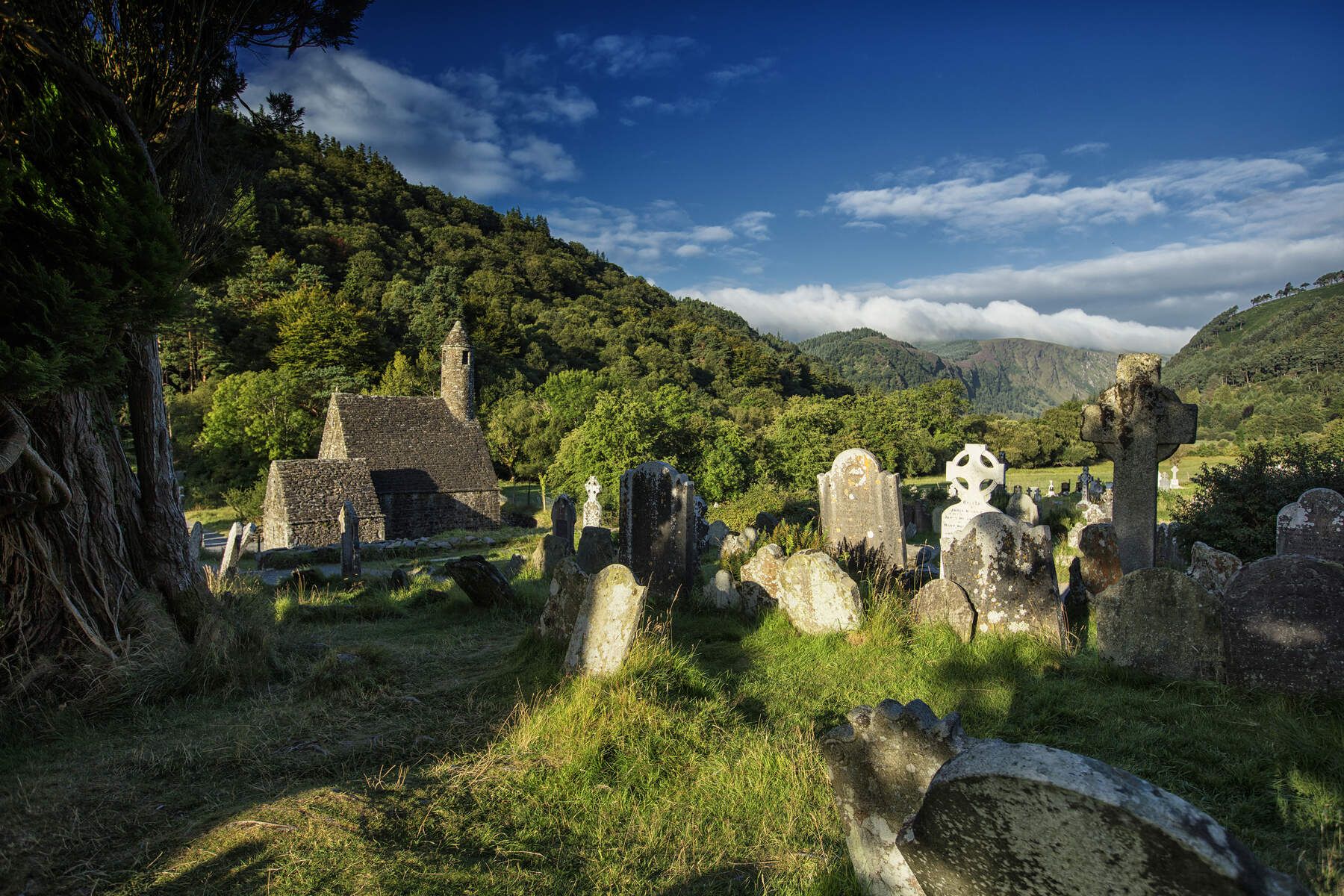
The Wicklow Way — discover Ireland's east
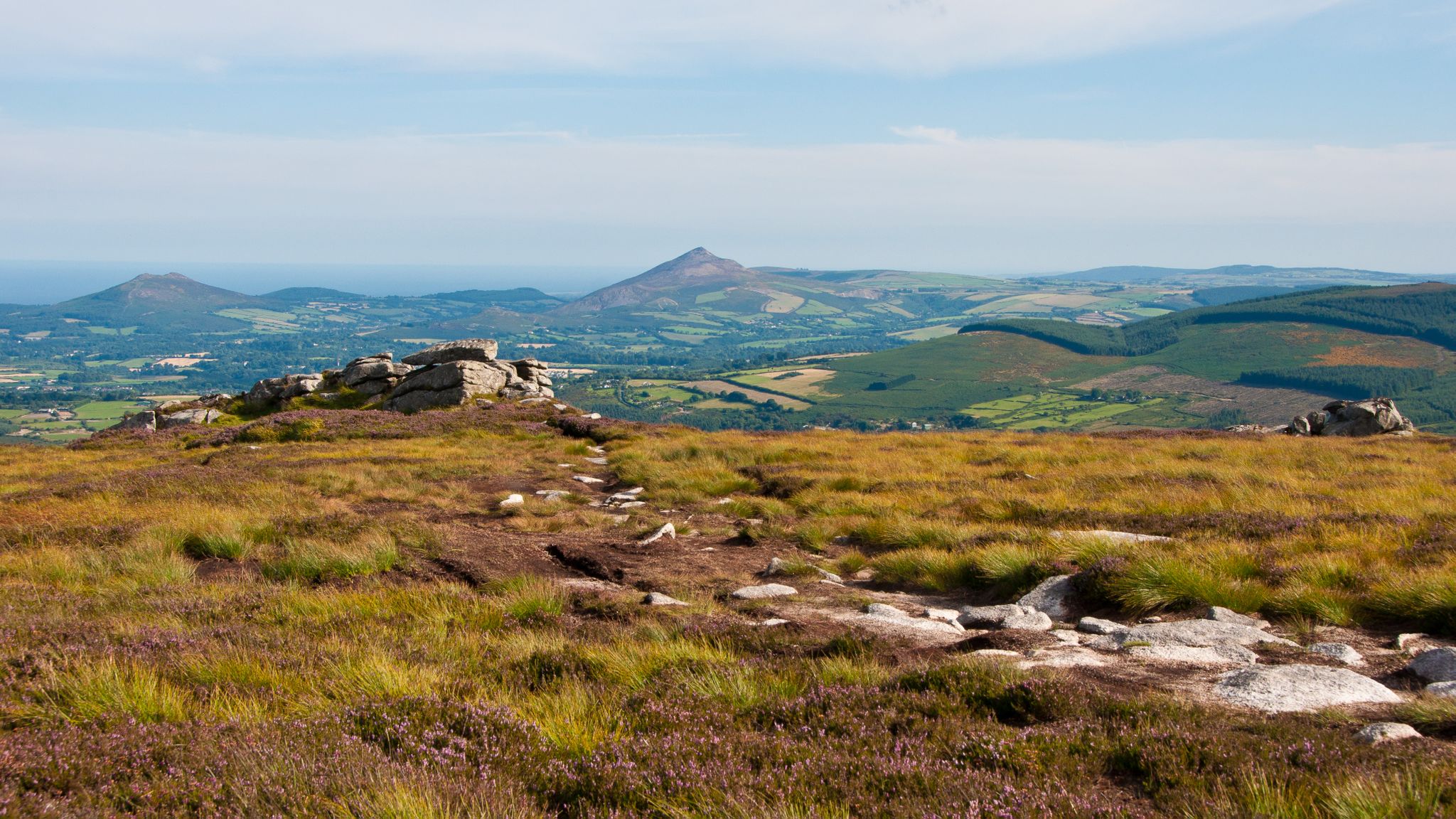
Dublin Mountains Way – hiking from city to summit
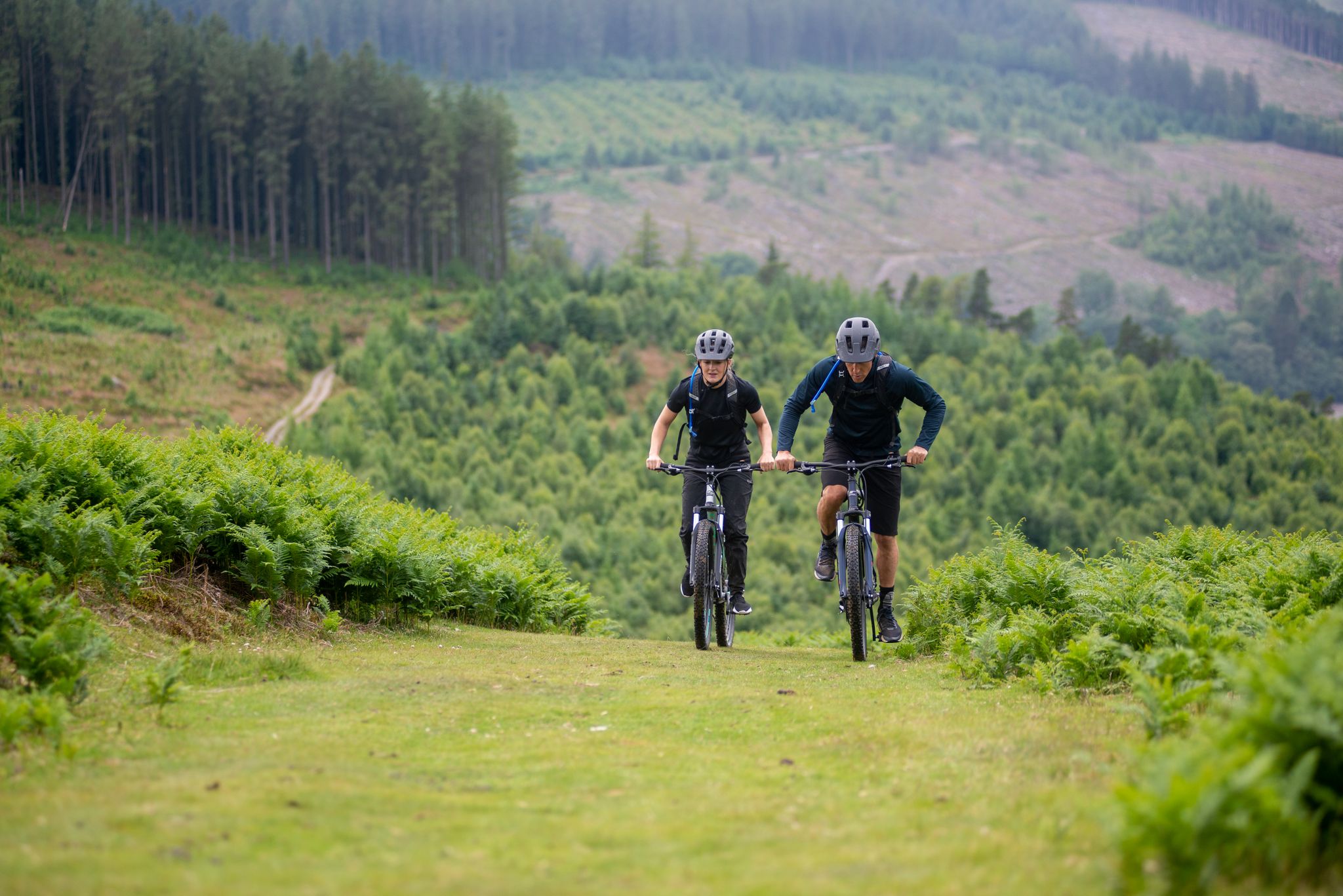
The Republic of Ireland and Northern Ireland – e-bike trials by Halfords
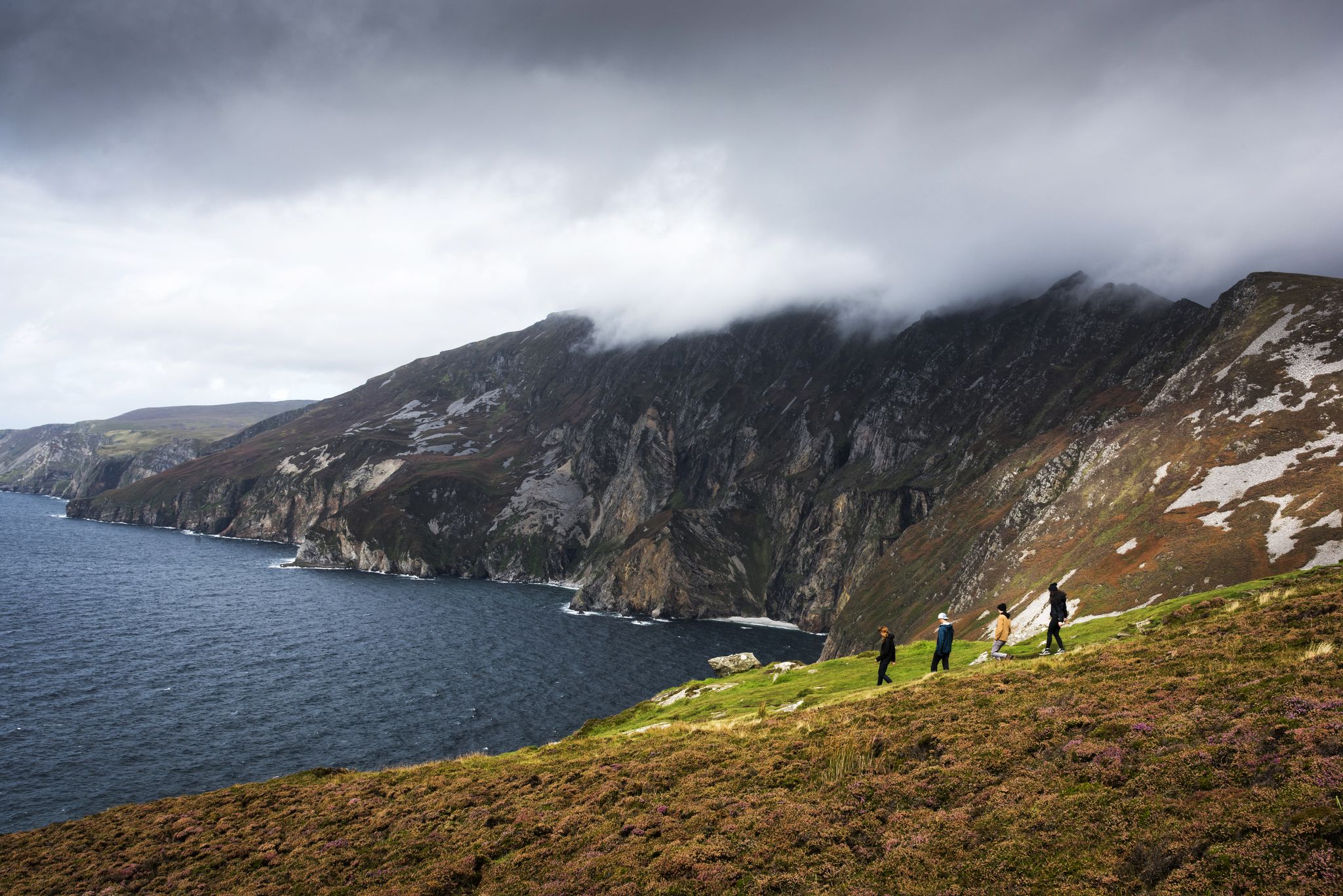
Hike Ireland's coast: cliffs, waves and wonderful wide beaches
Awaken your spirit of discovery — family-friendly walks in Ireland
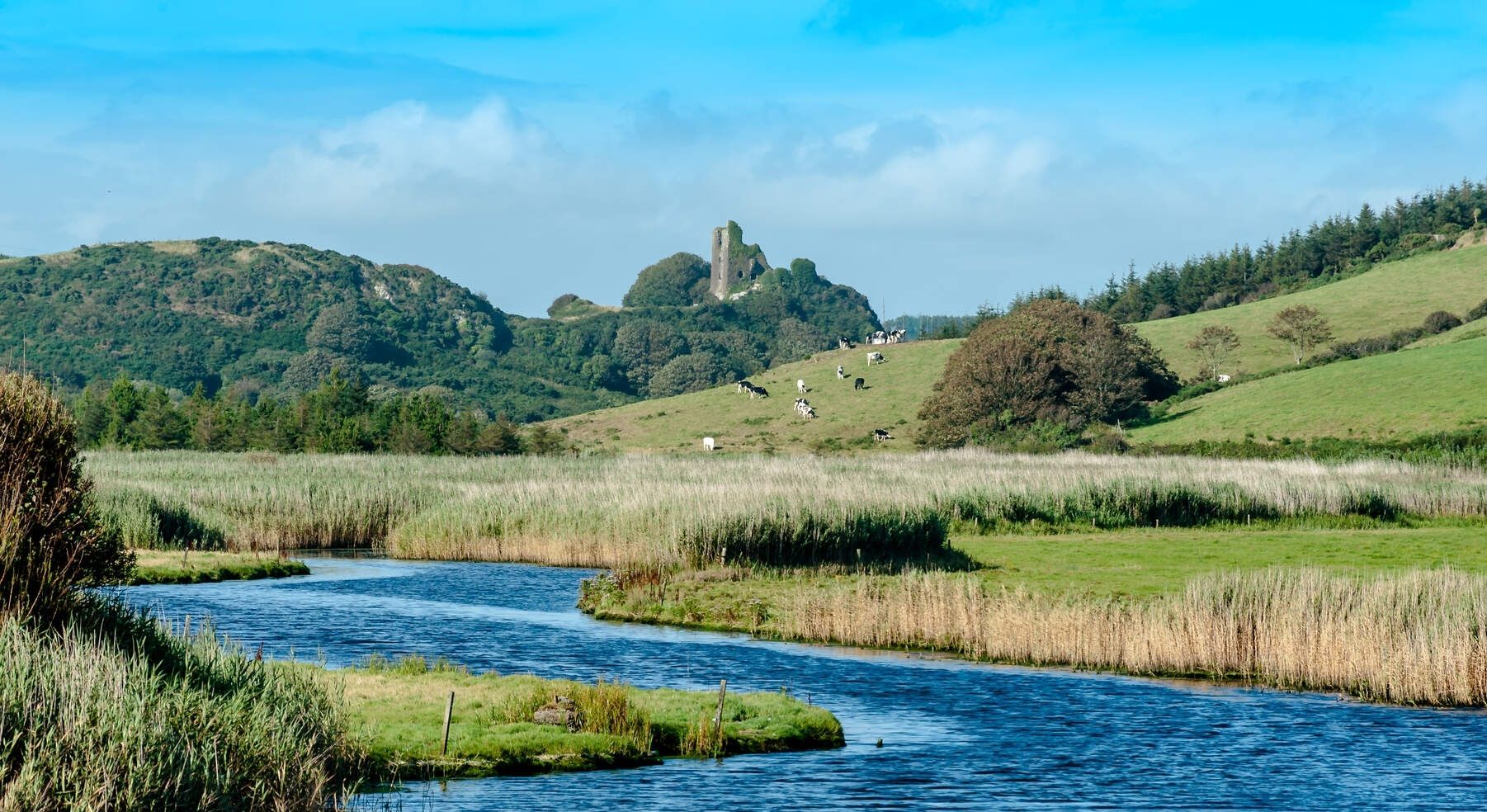
Ireland's blue rivers and lakes – walks along the water
Between waves and peaks — to the best views in Ireland
The magical east of Ireland – ancient places, scenic lakes and rocky mountains
Other adventures in Dublin


Tips from the Community

The Scalp is a narrow valley that originated around 12,000 years ago during the last ice age, shaped by glacial forces. The Scalp, is a chasm or cleft situated to the west of the summit, a deep natural gorge with towering and sloping walls on either side. Enormous granite boulders, some weighing several tons, have tumbled down, creating a chaotic jumble of rocks. The surroundings give the impression that these massive rocks are suspended in their descent, posing a constant threat of tumbling onto unsuspecting travelers.
2
0
At Barnaslingan Wood, don't miss the breathtaking viewing spot. Gaze southward to the majestic Wicklow Mountains and take in the sweeping vistas across the picturesque valley. It's a perfect vantage point to soak in the beauty of nature's masterpiece.
1
0

The Glensoulan Valley on the River Dargle is a wonderful place to hike or cycle. Green fields and dense woodland flank the river as it winds through the mountains. In these landscapes, it's easy to see why Ireland is referred to as the Emerald Isle.
0
0

The wonderful, green Glencree Valley is an absolute highlight of the Wicklow Way and the Wicklow Mountains in general. The valley is traversed by the small, wild river Glencree and in spring, summer and autumn beautiful plants bloom there and speckle the landscape with the most varied of colors.
2
0

Scenic views south to Wicklow Mountains and across „The Scalp“ (the valley).
4
0
Frequently Asked Questions
What kind of natural features are referred to as "canyons" in the Dublin region?
In Dublin, what are often referred to as "canyons" are primarily deep valleys, gorges, and mountainous areas shaped by geological forces, particularly during the Ice Age. These include significant river valleys like the Liffey and Tolka, and dramatic glacial formations such as The Scalp, which is a narrow valley with towering walls and granite boulders. The region also features extensive mountainous terrain, like the Dublin Mountains, which offer similar dramatic landscapes.
What are some popular areas for exploring gorges and valleys in Dublin?
Popular areas include The Scalp, known for its glacial origins and views towards the Wicklow Mountains. Glencree Valley is another favorite, traversed by the River Glencree and featuring beautiful seasonal flora. The Liffey Valley, particularly around the 'Strawberry Beds,' and Glenasmole Valley in the Dublin Mountains, also offer tranquil and scenic experiences with rich biodiversity.
What natural features can I expect to see in Dublin's valleys and gorges?
You can expect to see a variety of natural features, including winding rivers, dense woodlands, green fields, and diverse plant life that blooms beautifully in spring, summer, and autumn. Areas like The Scalp showcase unique glacial formations with large granite boulders, while the Liffey and Tolka Valleys are havens for biodiversity, supporting various fauna and flora.
What outdoor activities can I do near Dublin's gorges and valleys?
The areas around Dublin's gorges and valleys are excellent for various outdoor activities. You can enjoy hiking, walking, mountain biking, and running. For example, you can find numerous easy hikes, running trails, and cycling routes throughout the region, including options in the Dublin Mountains and along river valleys.
Are there hiking trails suitable for different skill levels near these natural features?
Yes, Dublin offers trails for various skill levels. Many paths through the valleys and gorges, such as the Dargle Valley Trail, are generally considered intermediate. However, the broader Dublin Mountains and river valleys provide a range of options, from easy walks in parks like St Catherine's Park to more challenging routes in areas like Ticknock and Three Rock Mountain.
Are there family-friendly walks in Dublin's valleys?
Yes, many of Dublin's valleys and parks offer family-friendly walking opportunities. The Liffey Valley, with its public parks like Waterstown and Lucan Demesne, provides unspoiled riverside walks suitable for families. Tolka Valley Park also features varied landscapes and easy paths for walking and jogging, making it a good choice for all ages.
What is the best time of year to visit Dublin's gorges and valleys?
The best time to visit Dublin's gorges and valleys is generally from spring through autumn. During these seasons, the weather is milder, and the landscapes are particularly vibrant, with beautiful plants blooming in areas like Glencree Valley. The lush greenery of the 'Emerald Isle' is most evident during these months.
Are there any less-known or 'hidden gem' valleys to explore in Dublin?
While not as widely known as some other spots, the Glensoulan Valley on the River Dargle offers a wonderful, serene experience for hiking or cycling. It features green fields and dense woodland, providing a tranquil escape. The Dargle Valley Trail itself also offers a secluded path, though it's important to note it may have access limitations.
What are the parking options at trailheads for Dublin's valleys and gorges?
Parking availability varies by location. Popular spots in the Dublin Mountains like Ticknock and Three Rock Mountain typically have designated car parks. For river valleys such as the Liffey and Tolka, parking can often be found near the entrances to public parks or specific trailheads. It's advisable to check specific location details before your visit.
Can I reach Dublin's valleys and gorges using public transport?
Many areas are accessible by public transport, though some of the more remote valleys might require a combination of bus services and a walk. For instance, parts of the Dublin Mountains are served by bus routes from the city center. For specific locations, checking local bus schedules and routes is recommended.
Are there cafes or pubs near Dublin's gorges and valleys?
Yes, depending on the specific location, you can often find cafes or traditional Irish pubs nearby. Areas closer to towns or villages, such as those bordering the Liffey Valley or the foothills of the Dublin Mountains, will have more options for refreshments and meals after your outdoor activities.
What do visitors enjoy most about Dublin's gorges and valleys?
Visitors frequently praise the scenic views and the sense of natural escape these areas provide. The dramatic landscapes, especially the panoramic views from places like Barnaslingan across The Scalp to the Wicklow Mountains, are highly appreciated. The tranquility, rich biodiversity, and the opportunity for invigorating hikes through beautiful forests and along rivers are also major draws.
Most popular routes in Dublin
Most popular attractions in Dublin

Get inspired with the komoot mobile app


