Top 4 Lakes in Wortel-Kolonie
Best lakes in Wortel-Kolonie are situated within a UNESCO World Heritage site, recognized for its historical significance and diverse natural landscapes. This area, once a colony, features a mix of forest avenues, open fields, fens, heathlands, and grasslands. The fens, many formed by past peat extraction, are ecologically valuable habitats supporting various wildlife, including numerous bird species. It offers a range of natural features for visitors to explore.
Best lakes in Wortel-Kolonie
- The most popular lakes is Bootjesven, a…
Last updated: July 8, 2026
Bootjesven
Highlight • Lake
Translated by Google •
Tip by

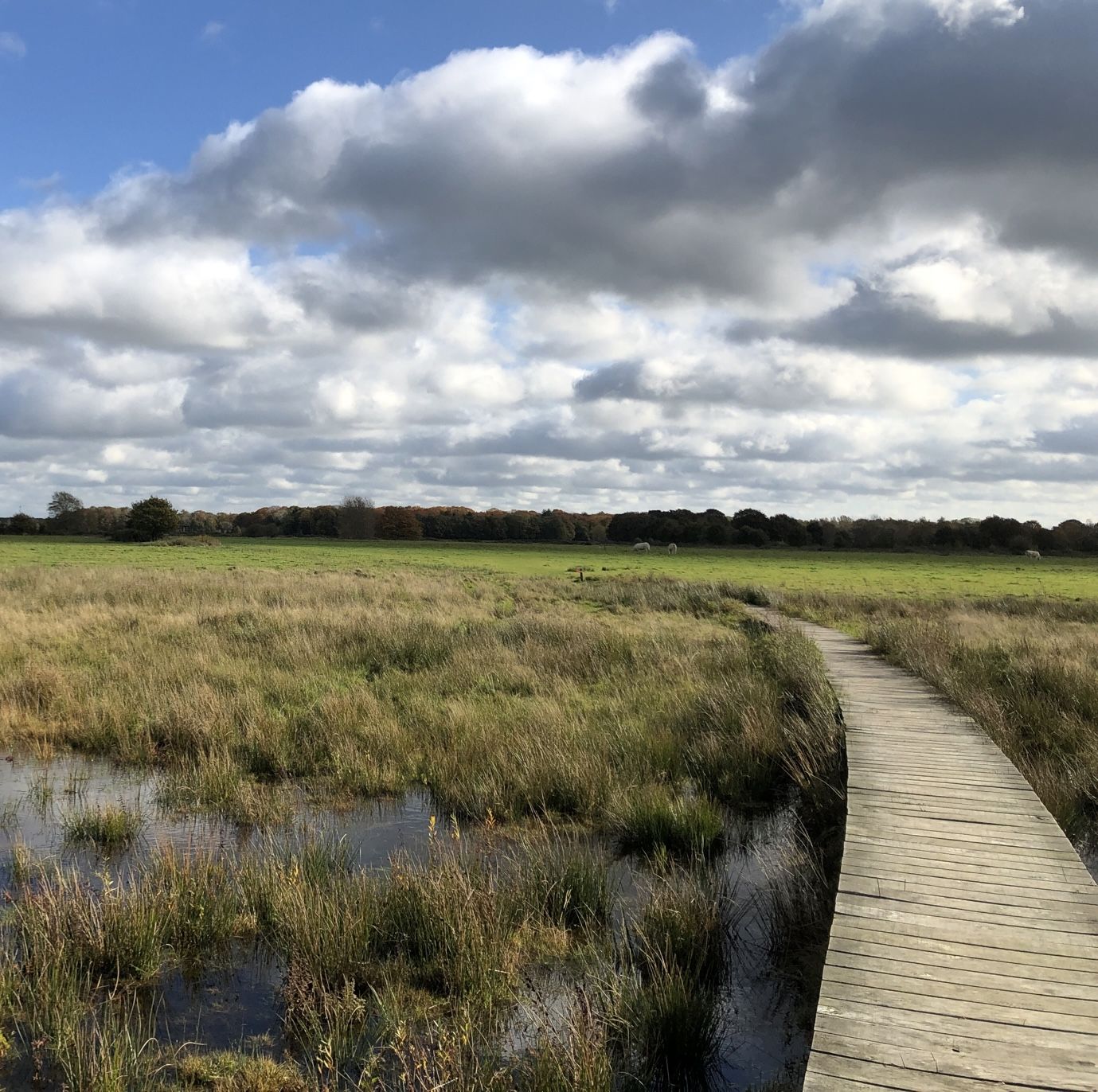
View of large peat bogs.
Highlight • Lake
Translated by Google •
Tip by

Sign up now to discover places like this
Get recommendations on the best single tracks, peaks, & plenty of other exciting outdoor places.
Sign up for free
Bootjesven Gravel Trail
Highlight (Segment) • Trail
Translated by Google •
Tip by

Bird Nesting Area at Wortel-Kolonie
Highlight • Natural
Translated by Google •
Tip by

Start today with a free account
Your next adventure awaits.
Login or Signup
Popular around Wortel-Kolonie



Tips from the Community

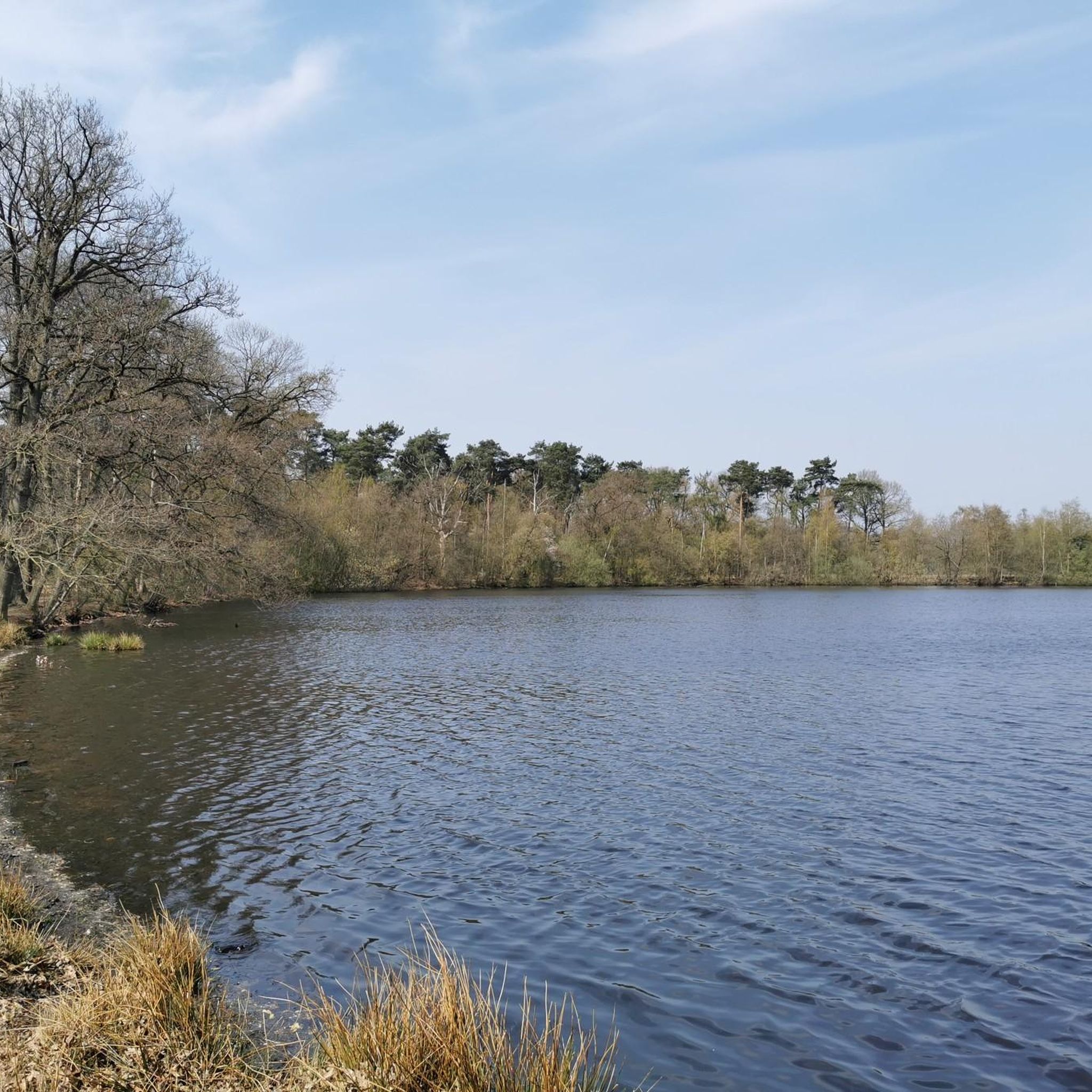
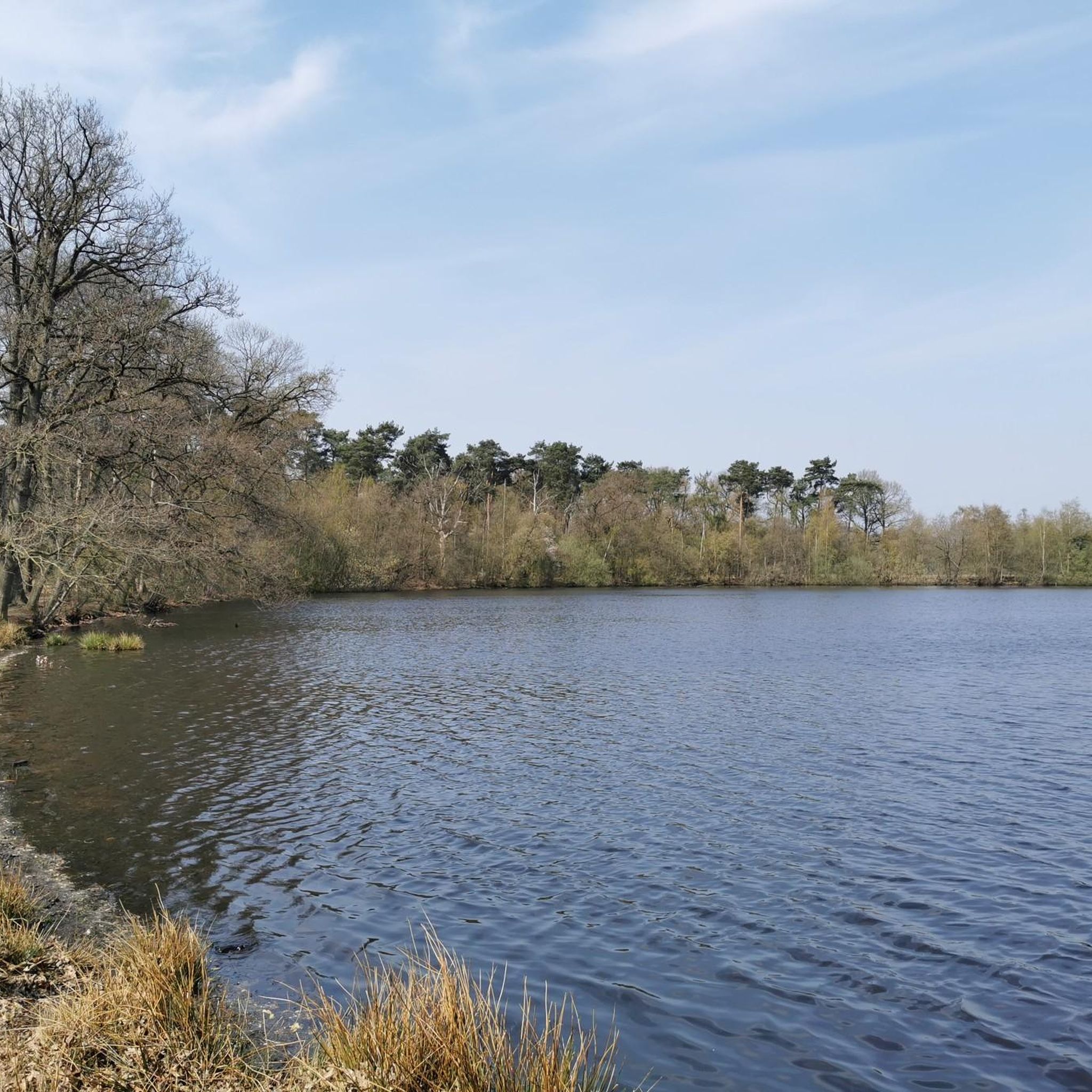
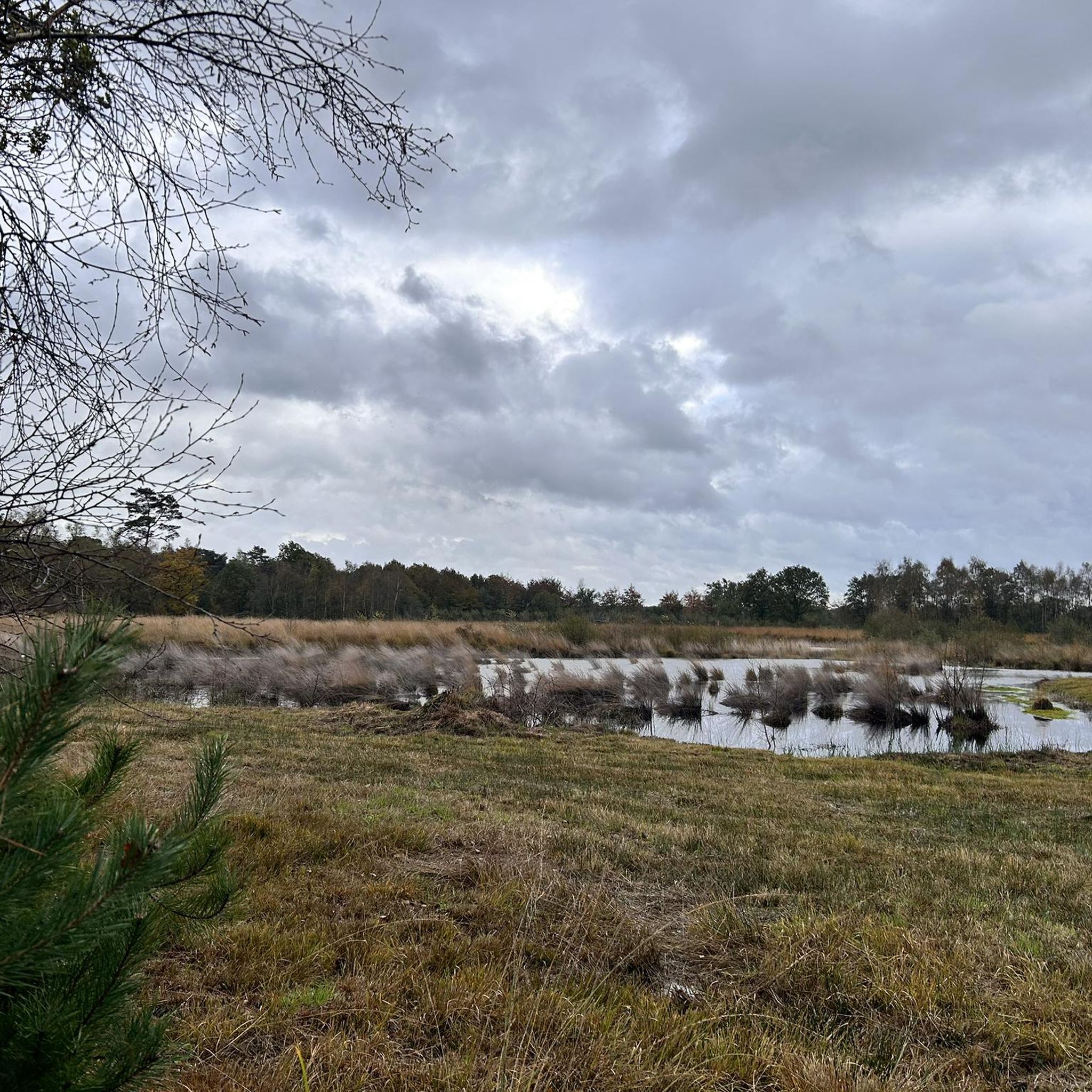
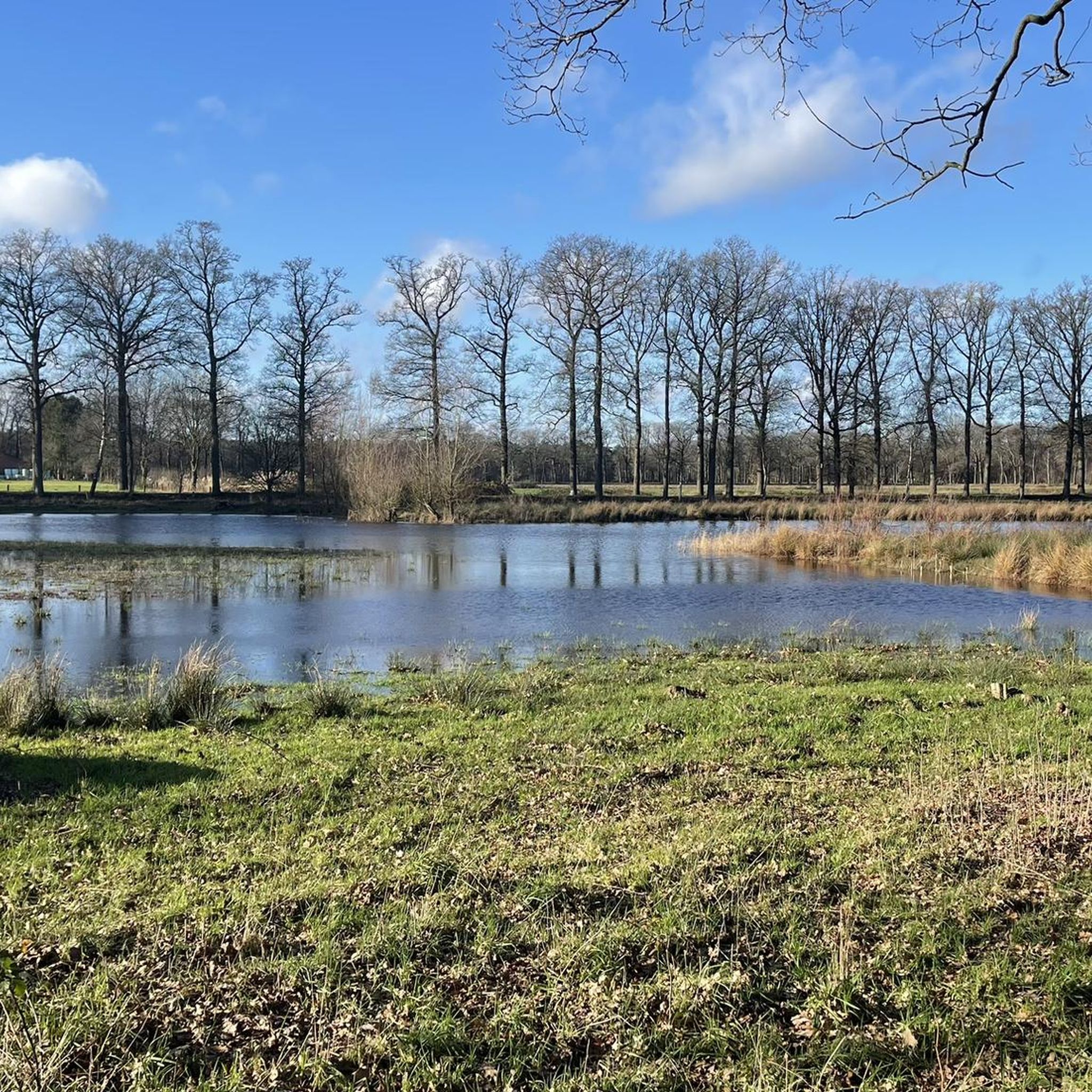
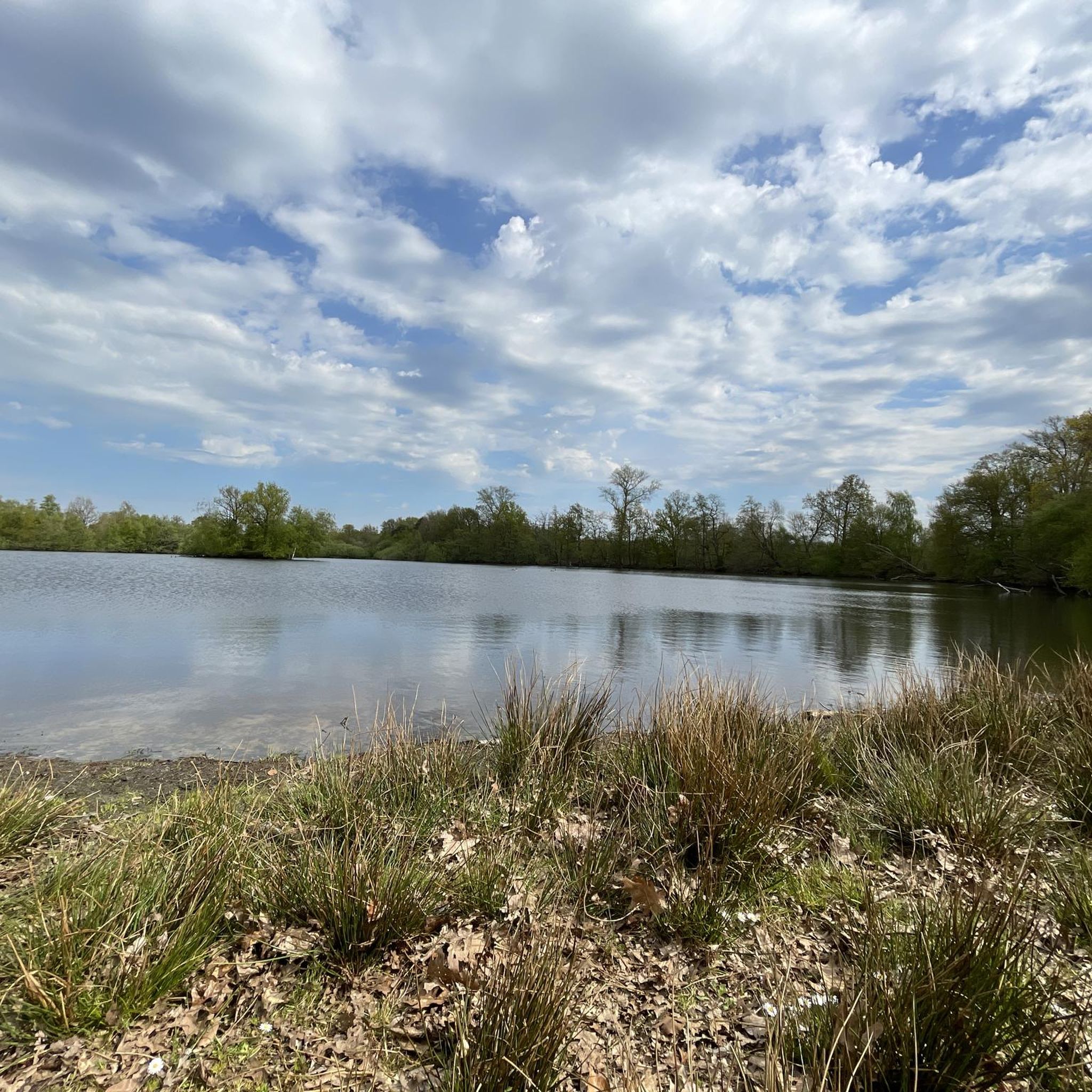
The Bootjesven is one of the most famous and beautiful spots in Wortel-Kolonie 🌿. 📍What is the Bootjesven? • It is a natural fen, surrounded by pine forests and heathland, in the heart of the tranquility of the Colony. • The name refers to the "boats" of peat moss that float on the water, giving the surface a fairytale-like appearance. • The fen is a vulnerable nature reserve: special plants such as cotton grass and sundew grow there, and you often find dragonflies and waterfowl there. • It is part of the Merkske Valley, a European Natura 2000 protected area. 🌿 Experience for hikers and cyclists • The Bootjesven is located along several beautiful hiking trails that start from the De Klapekster Visitor Center. • It is an ideal place to take a break and enjoy the peace and quiet and nature. • Because it is a sensitive area, walking on designated paths and not allowing dogs off the leash is important for the preservation of this unique natural environment.
9
1
From peat and turf, reclaimed by humans, these fens once began. From the thirteenth to the eighteenth century, the soil here was dug up. The peat, dried and ready for fuel, was removed, year after year. What remains is a rich and wet landscape, where every bird still had a place. In the marsh, the bird chorus resounds, different in every season, again and again. Winter, summer, autumn, or May, new guests sing freely.
7
0

These fens were created by peat extraction. Peat extraction took place on a large scale in the entire Northern Kempen region between the middle of the 13th and the 18th century. Peat is dried peat that was dug from the marshy peat areas. The extracted peat was laid out to dry and then used as a raw material. Now you can spot numerous bird species at this location. The marshy grounds are an excellent habitat for many water birds. Different protagonists can be spotted here every season.
9
0
The Bootjesven is a fen that was created by extracting peat. Peat was extracted on a large scale in the entire Noorderkempen region between the middle of the 13th and the 18th century. Peat is dried peat that was dug from the marshy peat areas. The extracted peat was laid out to dry and then used as a raw material. This location is now a large body of water where it is wonderful to stay. You can cool off up to your knees and no further. Swimming is prohibited.
12
0

Of course this is a beautiful nature reserve, but it is very difficult to cycle despite the fact that it is a marked cycling route. It is easier to drive a little further in Merksplats to the asphalted road.
2
1

The most famous fen of Hoogstraten, which was created by peat extraction. Today it is home to numerous waterfowl and is an ideal place for a picnic.
9
0

Today it is home to numerous waterfowl and is the ideal place for a picnic.
6
0
The gravel strip is more of a sandy path that is difficult and in some places impossible to cycle through.
13
1
Frequently Asked Questions
What natural features can I expect to see around the lakes in Wortel-Kolonie?
The lakes in Wortel-Kolonie are primarily fens and natural bogs, many of which were formed by historical peat extraction. These unique wetlands are part of a diverse landscape that includes stately forest avenues, open fields, heathlands, and grasslands. You'll find special plants like cotton grass and sundew, and the area is recognized for its ecological value within the Merkske Valley, a European protected Natura 2000 area.
What kind of wildlife can be observed near the lakes in Wortel-Kolonie?
The fens and bogs in Wortel-Kolonie provide a vital habitat for a variety of wildlife. You can often spot numerous bird species, especially around areas like the Bird Nesting Area at Wortel-Kolonie and the View of large peat bogs. The waters are also home to dragonflies and water beetles, making it an excellent spot for nature observation.
Are there any historical or cultural aspects to the Wortel-Kolonie area?
Yes, Wortel-Kolonie is a historically significant area and a UNESCO World Heritage site. It was once a colony for vagrants and later for poor families. This rich past, combined with its unique natural landscapes, makes it a cultural-historical heritage site. The fens themselves tell a story of past peat extraction, which shaped the environment you see today.
Can I swim in the lakes of Wortel-Kolonie?
No, swimming is prohibited in the lakes, including Bootjesven. This restriction is in place to protect the delicate natural integrity and vital habitats of these unique fens and bogs.
Are there family-friendly activities or areas around the lakes?
Yes, the area is generally family-friendly. While swimming is not allowed, picnicking is permitted at the edge of biotopes like Bootjesven. The diverse landscapes and opportunities for wildlife observation make it suitable for family walks. The Bird Nesting Area at Wortel-Kolonie is also noted as family-friendly.
What is the best time to visit the lakes in Wortel-Kolonie?
Wortel-Kolonie offers different experiences throughout the year. The marshy grounds are an excellent habitat for many water birds, with different species visible every season. For comfortable walking and enjoying the flora and fauna, spring and early autumn are often ideal. Winter walks can also be beautiful, offering a different perspective on the landscape.
Are there hiking trails near the lakes in Wortel-Kolonie?
Absolutely. Wortel-Kolonie is known as a 'walking paradise' with numerous trails. You can find a variety of hiking routes, including easy and moderate options, that pass by the lakes and through the diverse landscapes. For more detailed information on routes, including circular walks, you can explore the Hiking in Wortel-Kolonie guide.
What other outdoor activities can I do near these lakes?
Beyond hiking, the Wortel-Kolonie area is popular for cycling. There are dedicated guides for MTB Trails in Wortel-Kolonie and Gravel biking in Wortel-Kolonie. While some trails, like the Bootjesven Gravel Trail, can be challenging for cycling due to sandy paths, many other routes offer excellent opportunities to explore the region by bike.
Where can I find information about the flora and fauna of the area?
The Bootjesven Gravel Trail passes by a natural fen that is part of a nature reserve, where explanations about its flora and fauna are available. Additionally, the De Klapekster Visitor Centre serves as a starting point for several scenic walking routes and can provide further insights into the local ecology.
Is Wortel-Kolonie accessible by public transport, and is there parking available?
While specific public transport details are best checked with local providers, Wortel-Kolonie is generally well-regarded for its accessibility. For those traveling by car, parking is typically available near popular starting points for walks, such as the De Klapekster Visitor Centre. It's advisable to check local signage for specific parking regulations.
Are dogs allowed on the trails around the lakes?
The Wortel-Kolonie area is generally dog-friendly, offering many trails suitable for walks with your canine companion. However, it's always recommended to keep dogs on a leash, especially in nature reserve areas and near wildlife habitats, to protect the local fauna and ensure a pleasant experience for all visitors.
What makes the fens in Wortel-Kolonie unique compared to other lakes?
The fens in Wortel-Kolonie are unique because many were created by extensive peat extraction between the 13th and 18th centuries. This historical process, combined with their natural bog characteristics, has resulted in a distinct ecosystem. They are not typical open-water lakes but rather marshy, nutrient-poor wetlands that support specialized plant life and serve as crucial habitats for specific bird species, dragonflies, and water beetles.
Most popular routes in Wortel-Kolonie
Most popular attractions in Wortel-Kolonie

Get inspired with the komoot mobile app


Explore more
Still not found your perfect lake in Wortel-Kolonie? Check out the guides of these regions to see even more beautiful places.
