Naturpark Hoher Fläming
Naturpark Hoher Fläming
Top 4 Gorges in Naturpark Hoher Fläming
Canyons in Naturpark Hoher Fläming are characterized by unique geological formations known as "Rummeln" or "Trockentäler," which are deeply incised dry valleys. These features are a legacy of the Ice Age, formed by glacial erosion over 130,000 years ago, and contribute to the park's diverse and gently hilly landscape. The region offers a tangible connection to its geological past and provides varied terrain for exploration. These formations are often integrated into Naturpark Hoher Fläming hiking trails, offering routes through forested…
Last updated: July 8, 2026
Neuendorfer Rummel
Highlight (Segment) • Gorge
Translated by Google •
Tip by

Steep Kieten
Highlight • Gorge
Translated by Google •
Tip by
Sign up now to discover places like this
Get recommendations on the best single tracks, peaks, & plenty of other exciting outdoor places.
Sign up for free
Schollensteine in the Neuendorfer Rummel
Highlight • Natural Monument
Translated by Google •
Tip by

Brautrummel
Highlight • Gorge
Translated by Google •
Tip by

Entrance to Neuendorfer Rummel
Highlight • Gorge
Translated by Google •
Tip by

Sign up for free to discover even more gorges in Naturpark Hoher Fläming.
Sign up for free
Already have an account?
Start today with a free account
Your next adventure awaits.
Login or Signup
Popular around Naturpark Hoher Fläming
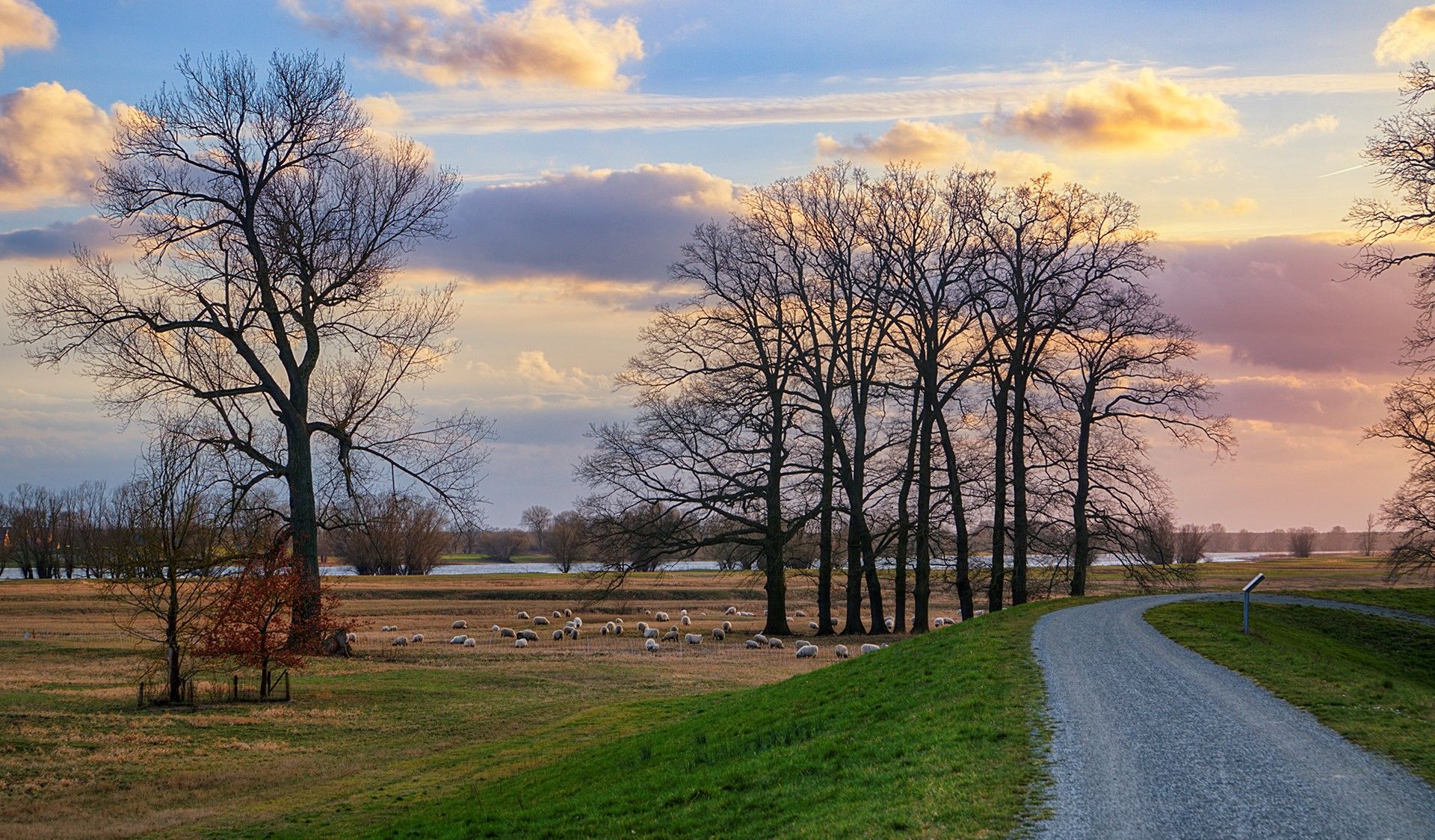
Tour Brandenburg – Cycle around Berlin in 18 stages
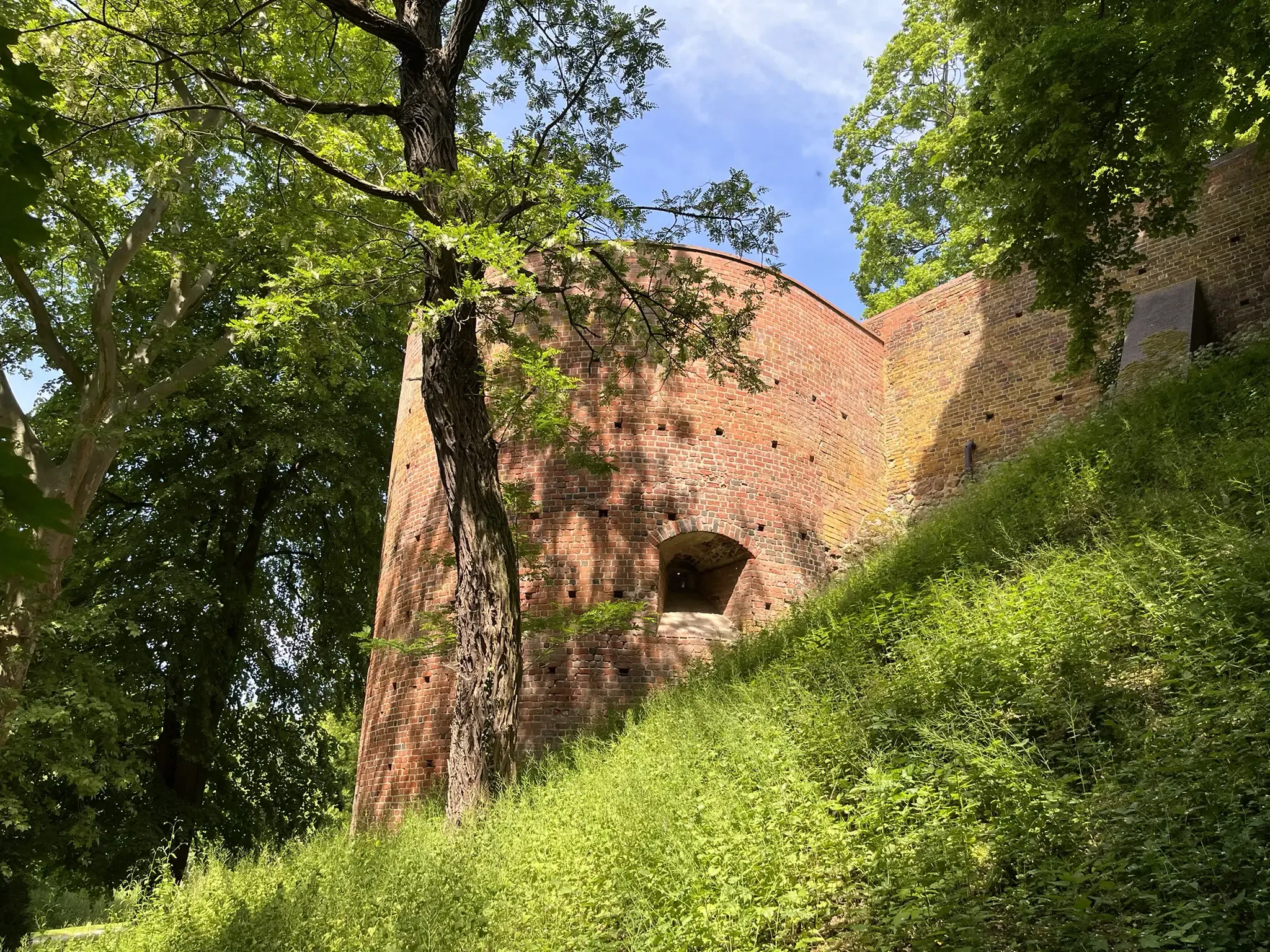
Castle Trail – through the Tuscany of Brandenburg
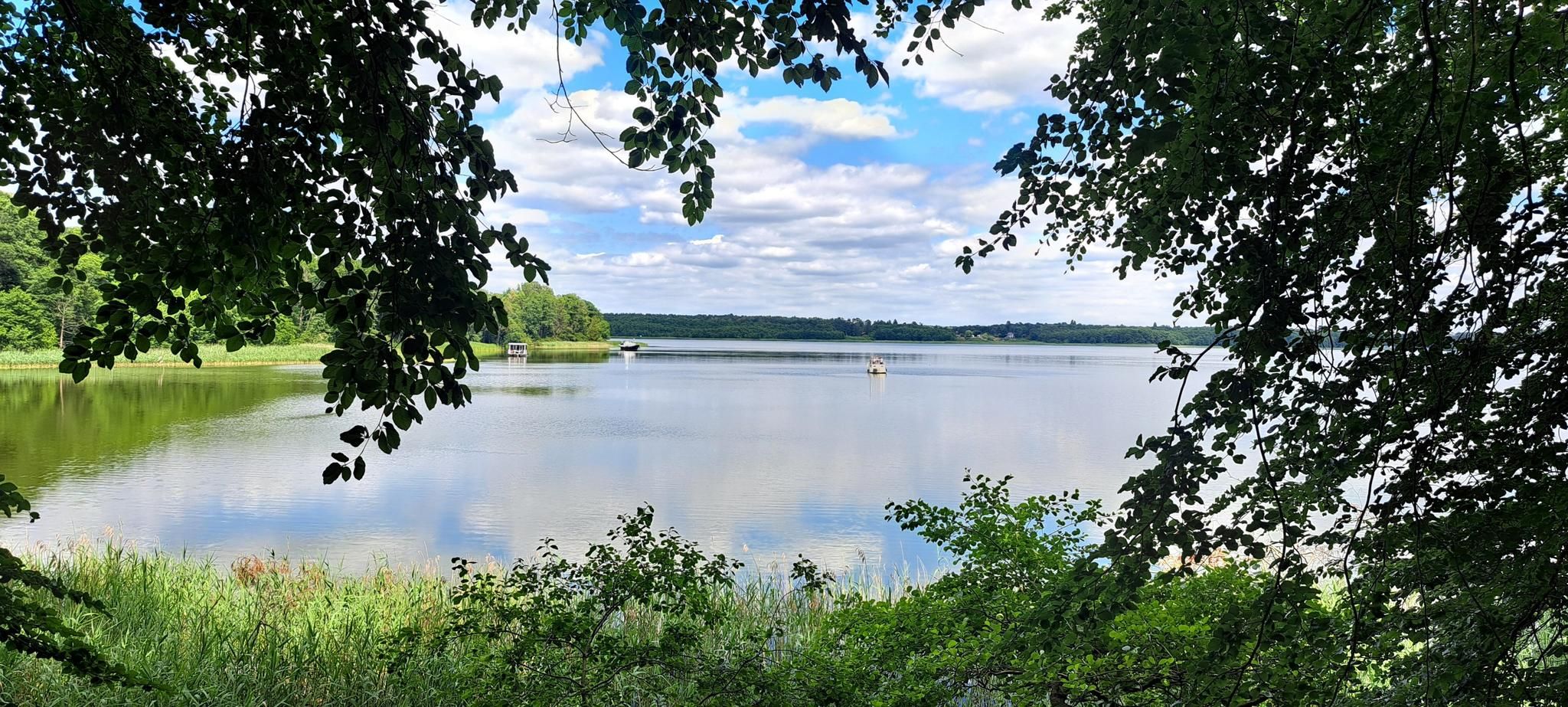
The National Natural Landscapes in Brandenburg
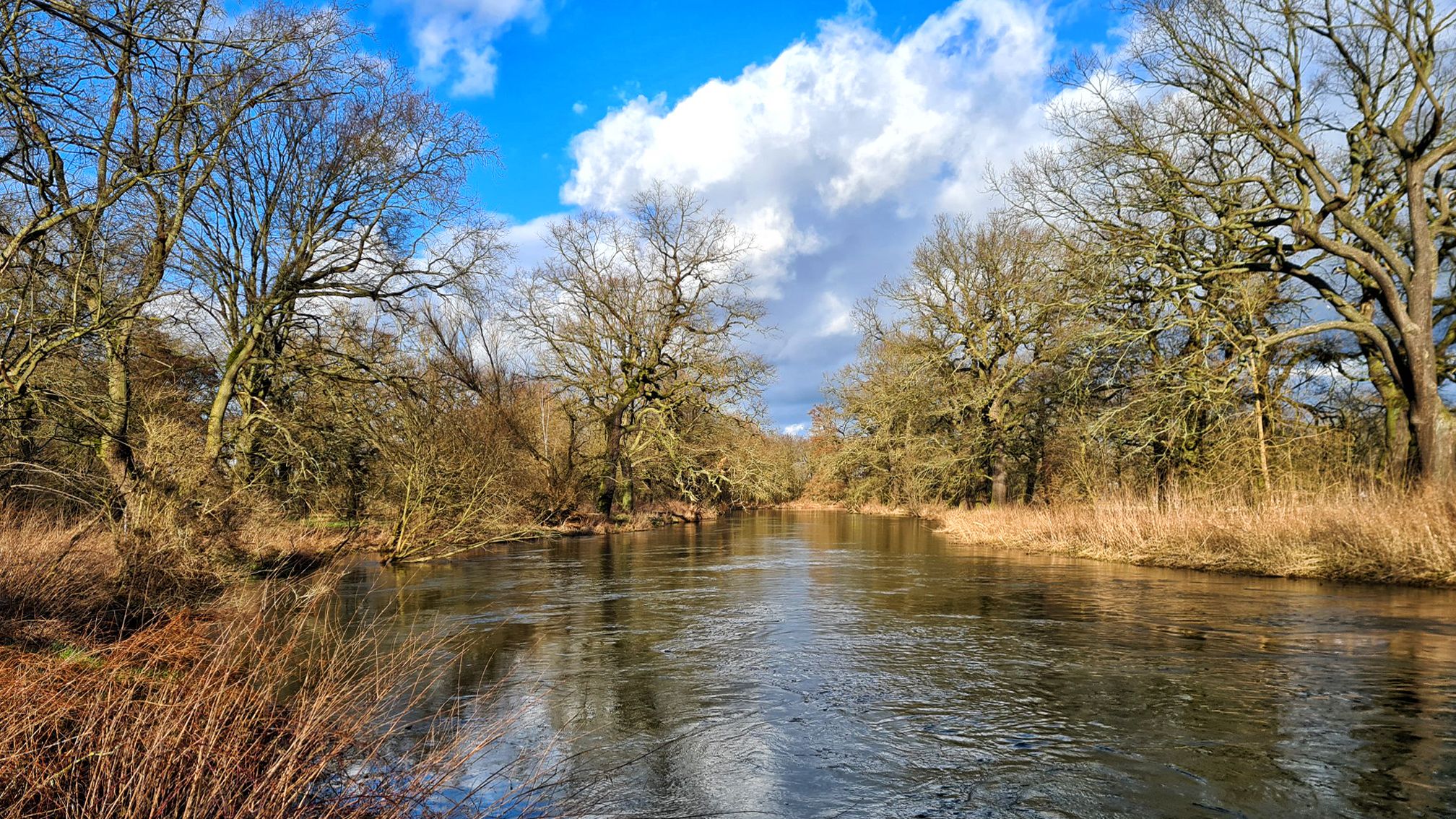
Stage hike 'From the Oder to the Elbe and on to the Saale'
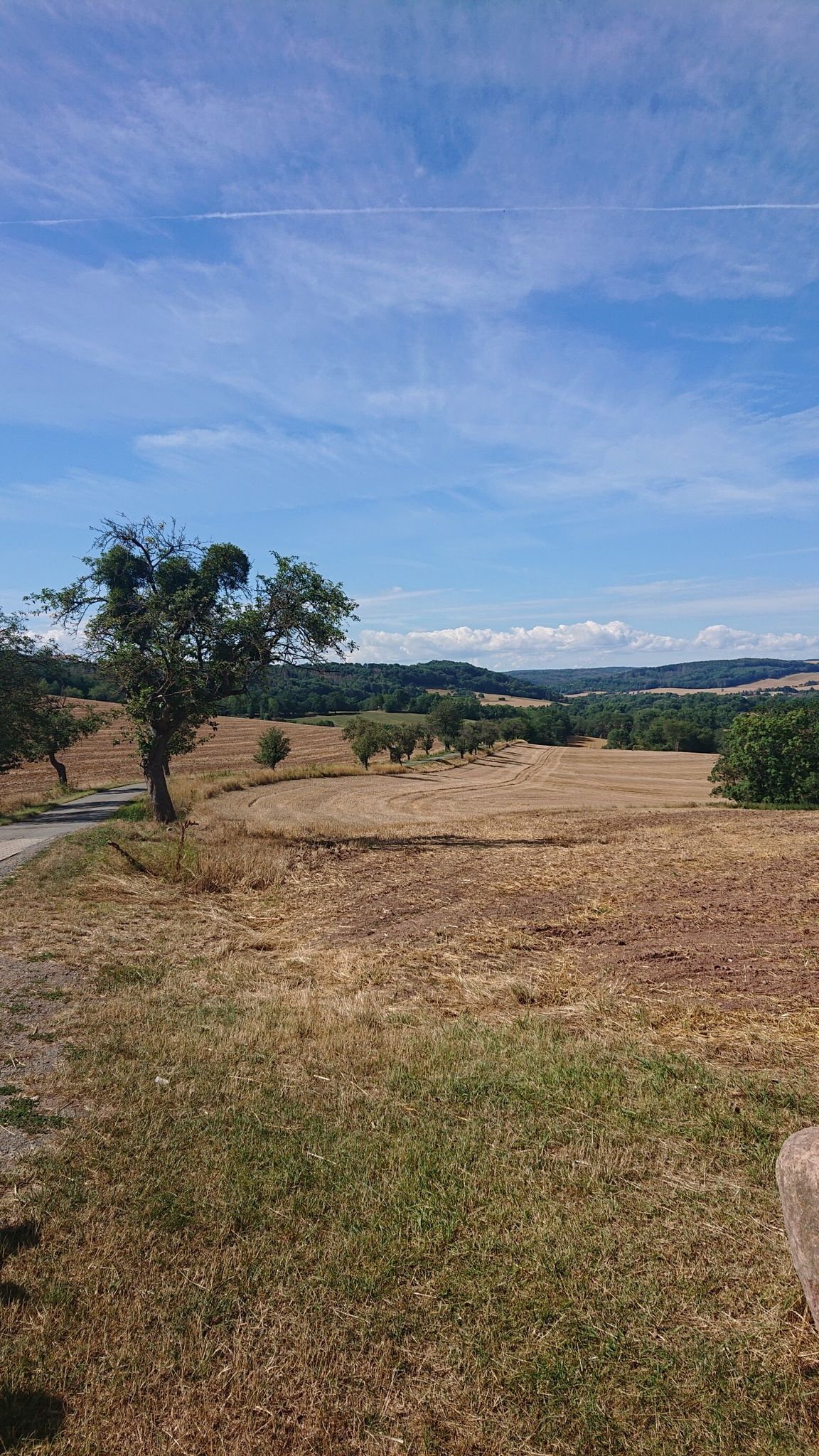
From A(ugsburg) to B(rodowin) – Cycling across Germany
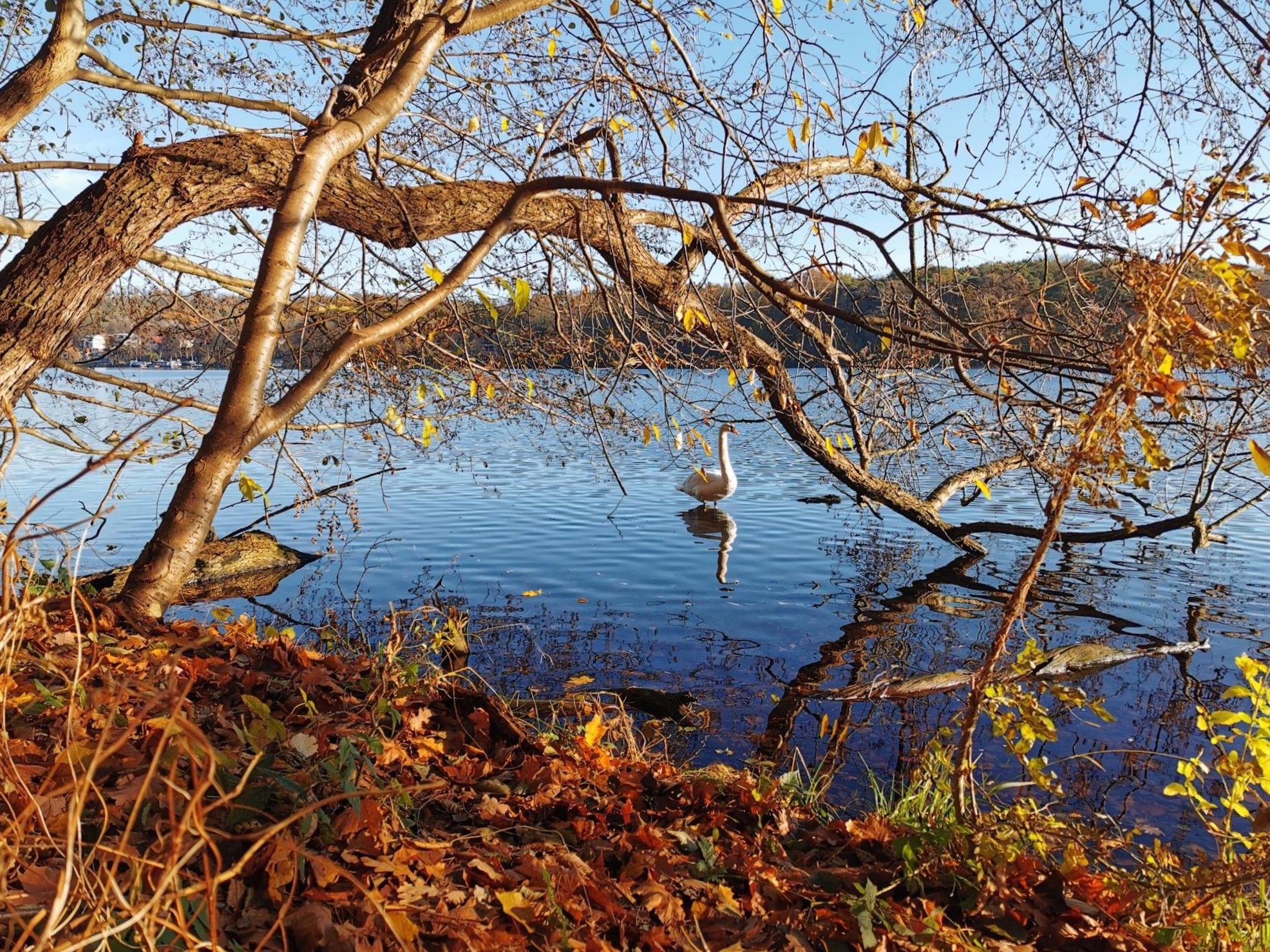
A vibrant sea of leaves – autumn around Berlin with the S-Bahn
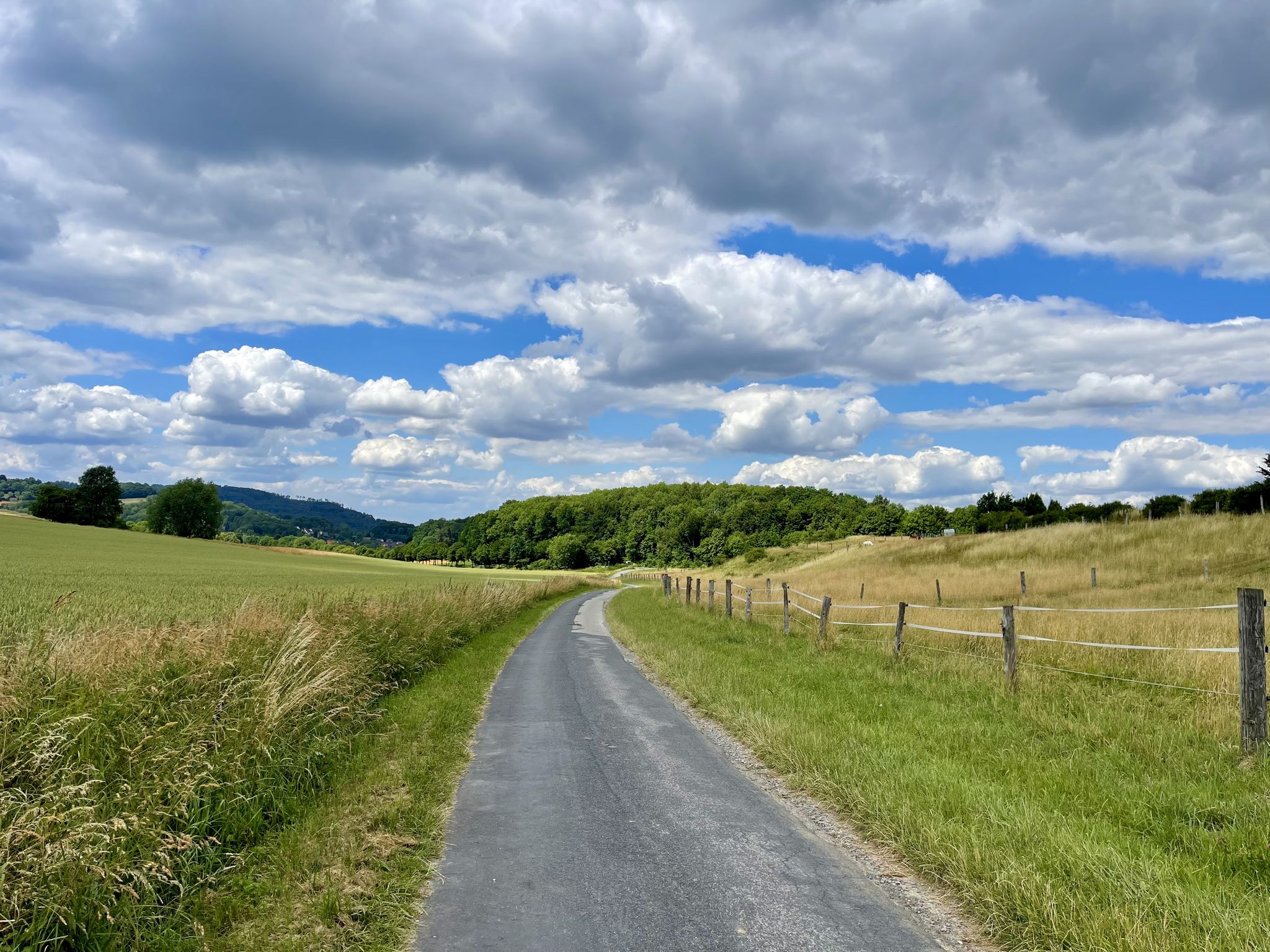
D-Route 3: European Route R1
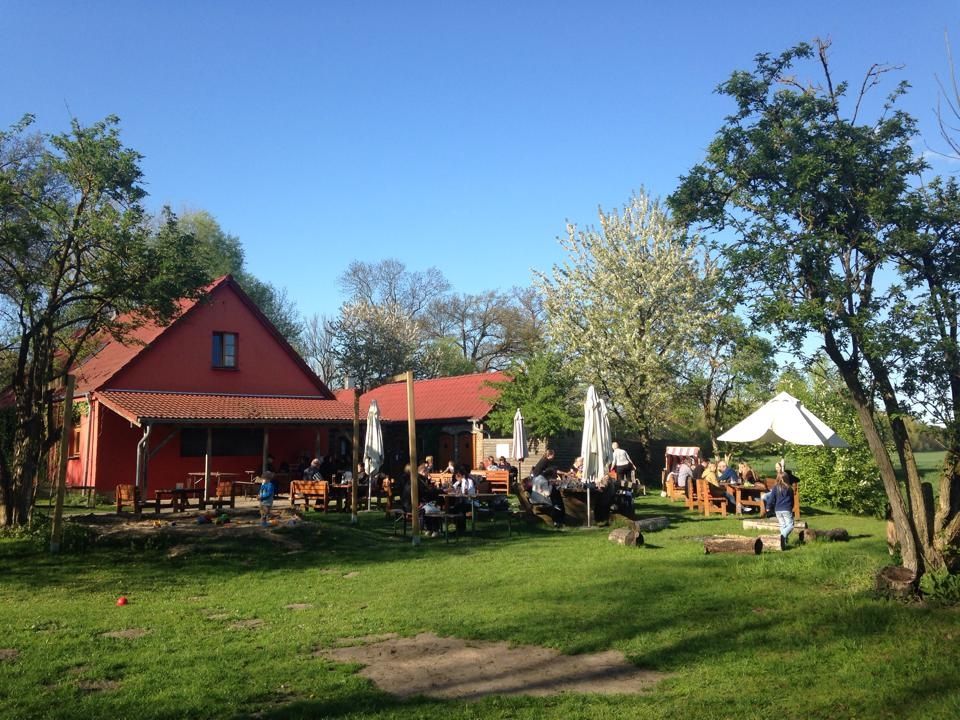
Farmer's shops — escape to the country
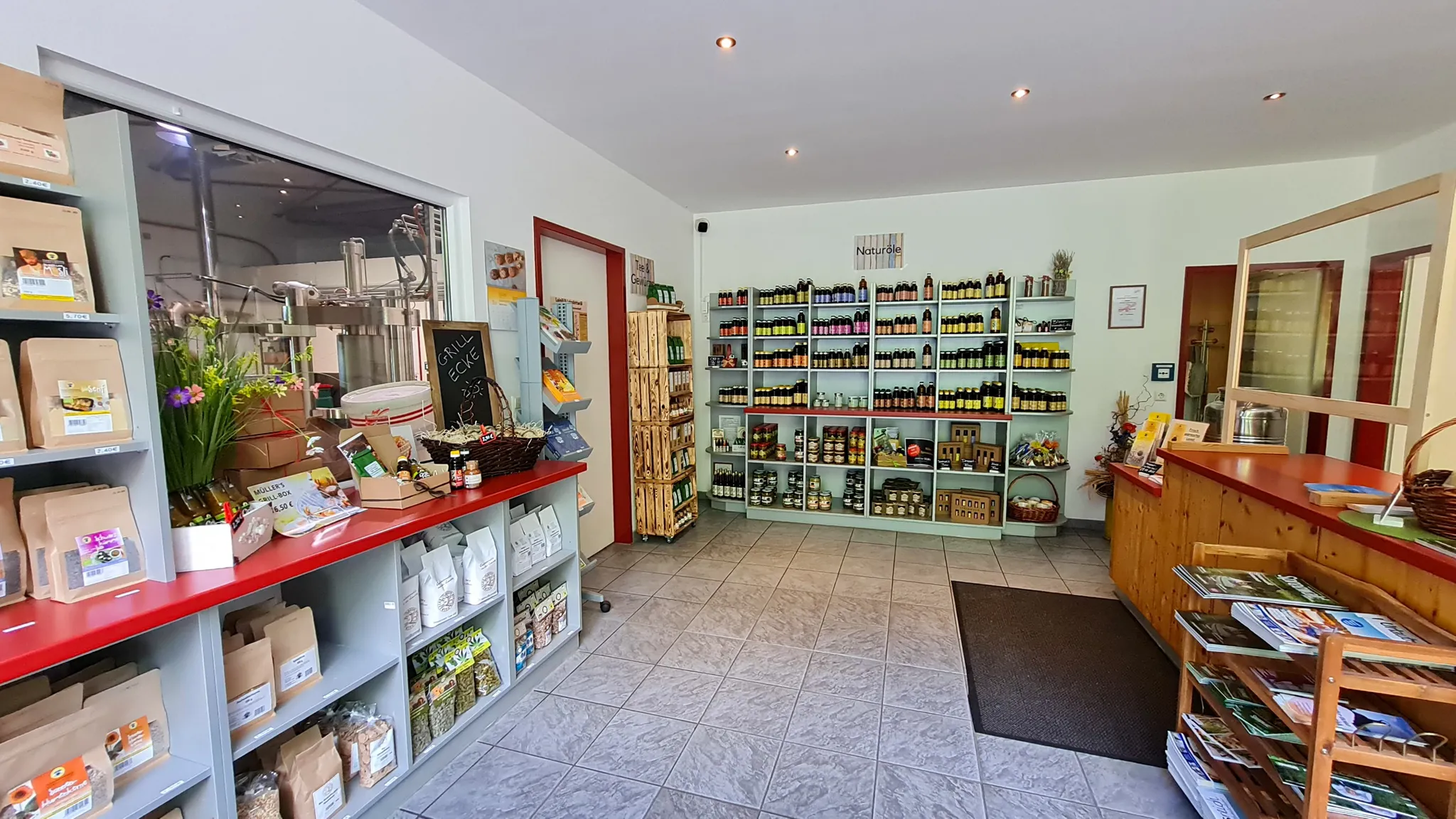
Farm shops in Brandenburg
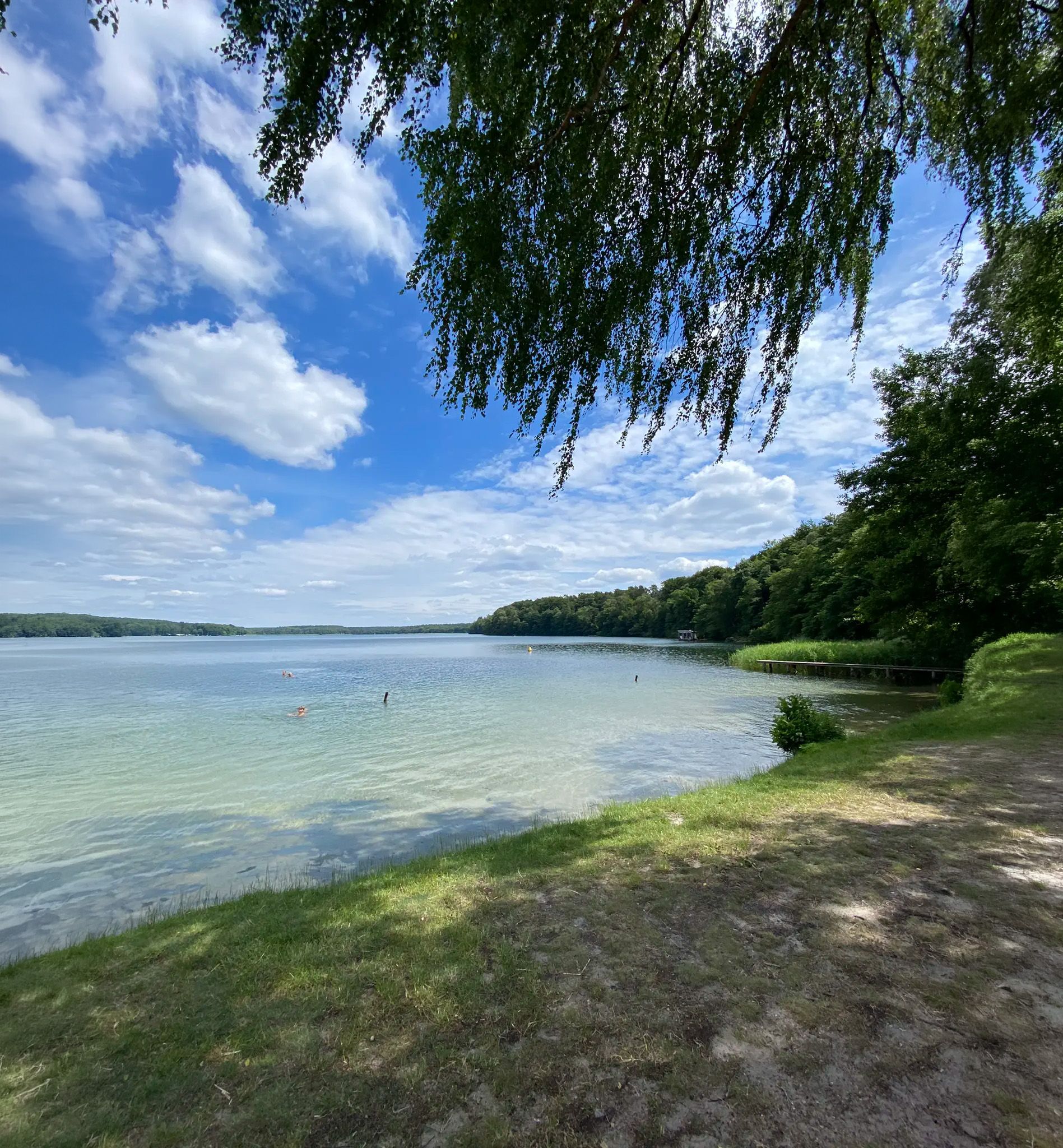
Zwischen Heide und Spree – Mikroabenteuer in Berlin & Brandenburg
Other adventures in Naturpark Hoher Fläming


Tips from the Community

On a stele you can scan a QR code and see a short film of the flowing water in the bridal circus.
0
0

The Neuendorfer Rummel can also be reached through this small, narrow side entrance; the larger one is about 350m away.
0
0


THE NEUENDORFER RUMMEL: The narrow dry valley of the Neuendorfer Rummel is about one kilometer long and has 15 to 20 meter high steep slopes. This makes it the most impressive of the three valley formations mentioned. There are also five giant boulders, so-called Schollensteine, here. Before it was reforested in the late 1920s and early 1930s, the Neuendorfer Rummel was a barren, almost treeless heathland. Today, trees and bushes grow on the steep slopes. Ferns thrive in the ravines. The peculiarity of the Rummeln to form special locations in small areas makes them valuable refuges for rare animal and fungal species, such as at the 0.g. Brautrummel. Here you will find ancient trees as well as special dry grassland species (Carthusian pink). For information, see the board
0
0

The Flämingrummeln and Trockenkuppen are now a European Natura 2000 protected area. The Rummel Steile Kieten area is number 5 of a total of 17 sub-areas of the Flämingrummeln. https://www.life-trockenrasen.de/projektgebiete/flaemingrummeln-und-trockenkuppen
0
0

A total of five giant boulders but somewhat overgrown.
13
0
The narrow dry valley of the Neuendorfer Rummel is about one kilometer long and has 15 to 20 meter high steep slopes. This makes it the most imposing of the three valley formations mentioned. Five giant boulders, so-called clod stones, are also stored here. The exit towards Garray is currently blocked.
13
2
The Burgenwanderweg leads through a valley system that has always been known as the "Steile Kieten" hiking area in the Hoher Fläming. It is not known where the name comes from.
15
1
Frequently Asked Questions
What are the "canyons" in Naturpark Hoher Fläming, and how were they formed?
The "canyons" in Naturpark Hoher Fläming are unique geological formations known as "Rummeln" or "Trockentäler" (dry valleys/gullies). These are a distinctive legacy of the Ice Age, formed by glacial erosion over 130,000 years ago. They are deeply incised dry valleys that contribute to the park's diverse and gently hilly landscape, showcasing the ancient moraine landscape shaped by the Saale Ice Age.
Which are some of the most notable dry valleys (Rummeln) to visit in Naturpark Hoher Fläming?
Among the most popular dry valleys are Neuendorfer Rummel, known for its side walls rising up to 20 meters and its impressive length of about 1 kilometer. Another significant spot is Steep Kieten, located near Bad Belzig train station, featuring steep dry valleys created by meltwater. You can also explore Brautrummel, a typical dry valley that carries water only during heavy rains or snowmelt and has a unique local history.
Are there hiking opportunities in and around the dry valleys of Naturpark Hoher Fläming?
Yes, the dry valleys are often integrated into the park's extensive network of hiking trails, offering picturesque routes through forested areas and unique natural environments. For instance, the Neuendorfer Rummel is considered one of the most beautiful hikes in the region. You can find various hiking routes in the area, including easy options like the "View of Garrey – Neuendorfer Rummel loop from Garrey" which is part of the Easy hikes in Naturpark Hoher Fläming guide.
How challenging is the terrain in the dry valleys of Naturpark Hoher Fläming?
The terrain in the dry valleys can be varied. While the region is generally gently hilly, the northern flanks of the Hoher Fläming, where these formations are found, exhibit steeply sloping areas. These areas, shaped by the erosion of younger glacial valleys, create a more varied and sometimes challenging terrain compared to the otherwise rolling hills. For example, the Neuendorfer Rummel features 15 to 20 meter high steep slopes.
What unique natural features can I expect to see in the dry valleys of Naturpark Hoher Fläming?
Beyond the deeply incised dry valleys themselves, you can expect to see significant glacial erratics, often referred to as "Riesensteine" (giant stones) or "clod stones." These boulders were pushed into the area by Ice Age glaciers. For example, the Schollensteine in the Neuendorfer Rummel are large boulders protected as natural monuments, serving as witnesses to the Ice Age. The valleys also offer tranquil, forested environments.
What is the best time of year to visit the dry valleys in Naturpark Hoher Fläming?
The dry valleys offer scenic beauty throughout the year. During heavy rains or snowmelt in spring, some valleys like the Brautrummel may temporarily carry water, offering a unique sight. However, for comfortable hiking and to fully appreciate the forested landscapes, spring, summer, and autumn are generally ideal. Winter hiking is also possible, offering a different, serene experience of the snow-covered landscape.
Are the dry valleys in Naturpark Hoher Fläming suitable for families with children?
Yes, many areas within the dry valleys are suitable for families. The unique geological formations and forested paths can be an exciting discovery for children. Some highlights, such as the Schollensteine in the Neuendorfer Rummel and the Brautrummel, are categorized as family-friendly. Always check specific trail difficulties to ensure they match your family's capabilities.
Can I bring my dog to the dry valleys in Naturpark Hoher Fläming?
Naturpark Hoher Fläming is generally dog-friendly, and you can typically bring your dog on a leash to the hiking trails within the dry valleys. It's always recommended to keep dogs under control to protect wildlife and ensure a pleasant experience for all visitors. Be sure to carry water for your dog, especially on longer hikes.
What other outdoor activities can I do near the dry valleys in Naturpark Hoher Fläming?
Beyond hiking, Naturpark Hoher Fläming offers a variety of outdoor activities. You can explore numerous cycling routes, such as the "3-castle cycle tour" or the "Trout Bike Tour," which are part of the Cycling in Naturpark Hoher Fläming guide. There are also dedicated Running Trails in Naturpark Hoher Fläming for joggers.
Is canyoning or similar adventure sports possible in the dry valleys of Naturpark Hoher Fläming?
No, the "Rummeln" or dry valleys in Naturpark Hoher Fläming are not suitable for traditional canyoning. They are geological formations characterized by deeply incised dry valleys, not active water-carved canyons with features like waterfalls or pools that would allow for canyoning activities. They are primarily explored through hiking.
How can I get to the dry valleys in Naturpark Hoher Fläming using public transport?
Some dry valleys are accessible via public transport. For example, Steep Kieten is conveniently located only fifteen minutes away from Bad Belzig train station, making it easily reachable without a car. For other locations, you might need to combine train or bus travel with a walk or local taxi service.
What should I wear when hiking in the dry valleys of Naturpark Hoher Fläming?
When hiking in the dry valleys, it's advisable to wear sturdy, comfortable hiking shoes, as the terrain can be uneven and sometimes steep. Layered clothing is recommended to adapt to changing weather conditions, and waterproof gear might be useful, especially during spring or autumn. Don't forget sun protection and plenty of water, particularly during warmer months.
Most popular routes in Naturpark Hoher Fläming
Most popular attractions in Naturpark Hoher Fläming

Get inspired with the komoot mobile app


Explore more
Already discovered everything in this region? See additional gorges in Naturpark Hoher Fläming for your next adventure:
