Top 6 Lakes in Naturpark Hirschwald
Lakes in Naturpark Hirschwald are not abundant, as this region in the Upper Palatinate, Bavaria, is characterized by limited natural surface water bodies. However, the park's landscape is defined by the Vils and Lauterach rivers, which offer picturesque scenery with steep rock formations, meadows, and forests. These river valleys support diverse flora and fauna, including unique vegetation and various bird species. While traditional lakes are rare, the park features unique ponds and Hülls that serve as important water points.
Best…
Last updated: July 7, 2026
Pond near the abandoned settlement of Eggenberg
Highlight • Lake
Translated by Google •
Tip by

Weiherschacht Pond
Highlight • Lake
Translated by Google •
Tip by
Sign up now to discover places like this
Get recommendations on the best single tracks, peaks, & plenty of other exciting outdoor places.
Sign up for free
Pfalzgrafentümpel
Highlight • Lake
Translated by Google •
Tip by

Kneipp Basin Theuern
Highlight • Rest Area
Translated by Google •
Tip by

Hüll in the forest
Highlight • Lake
Translated by Google •
Tip by
Sign up for free to discover even more lakes in Naturpark Hirschwald.
Sign up for free
Already have an account?
Start today with a free account
Your next adventure awaits.
Login or Signup
Popular around Naturpark Hirschwald
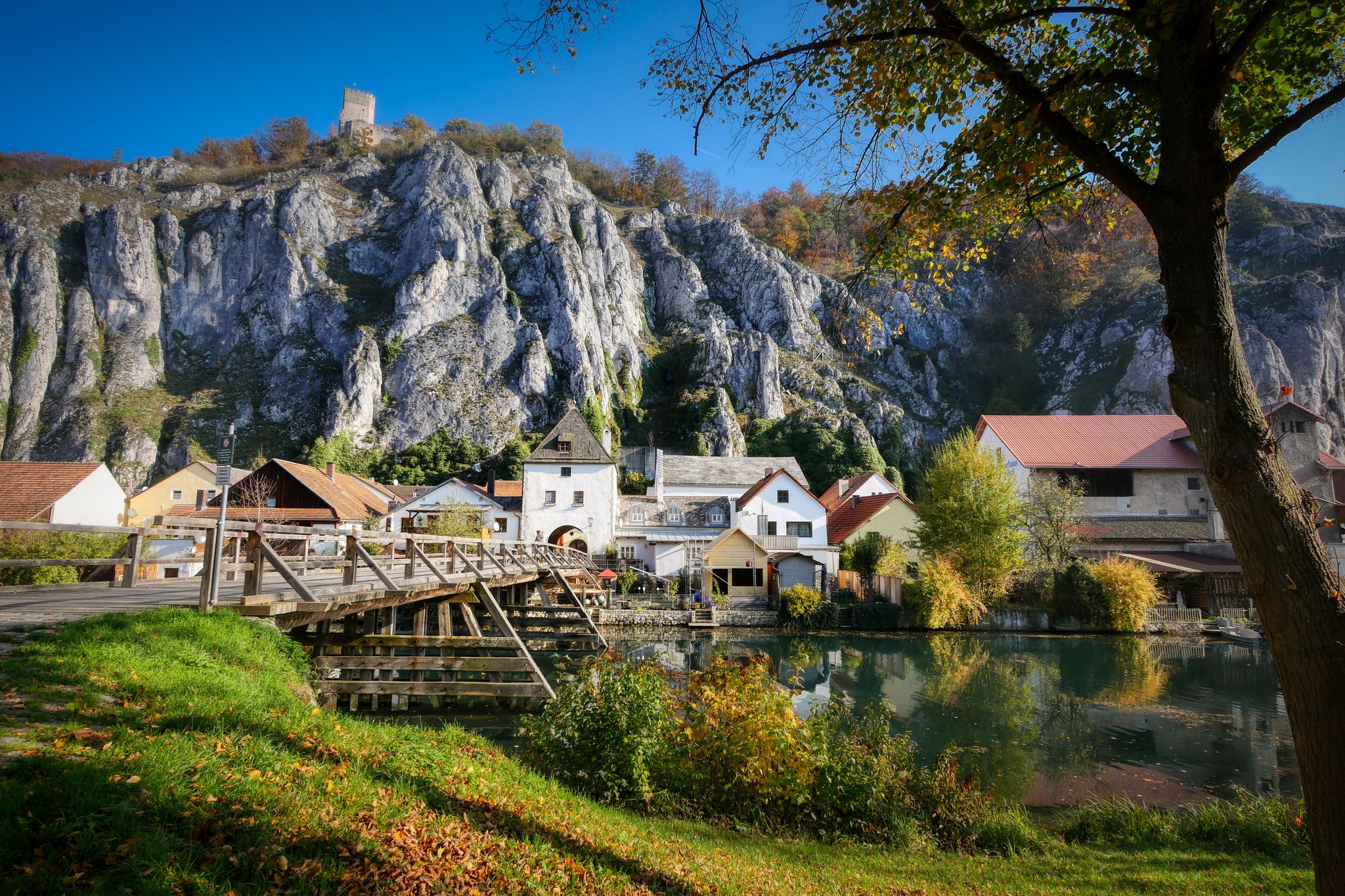
Jurasteig — hiking in the heart of Bavaria
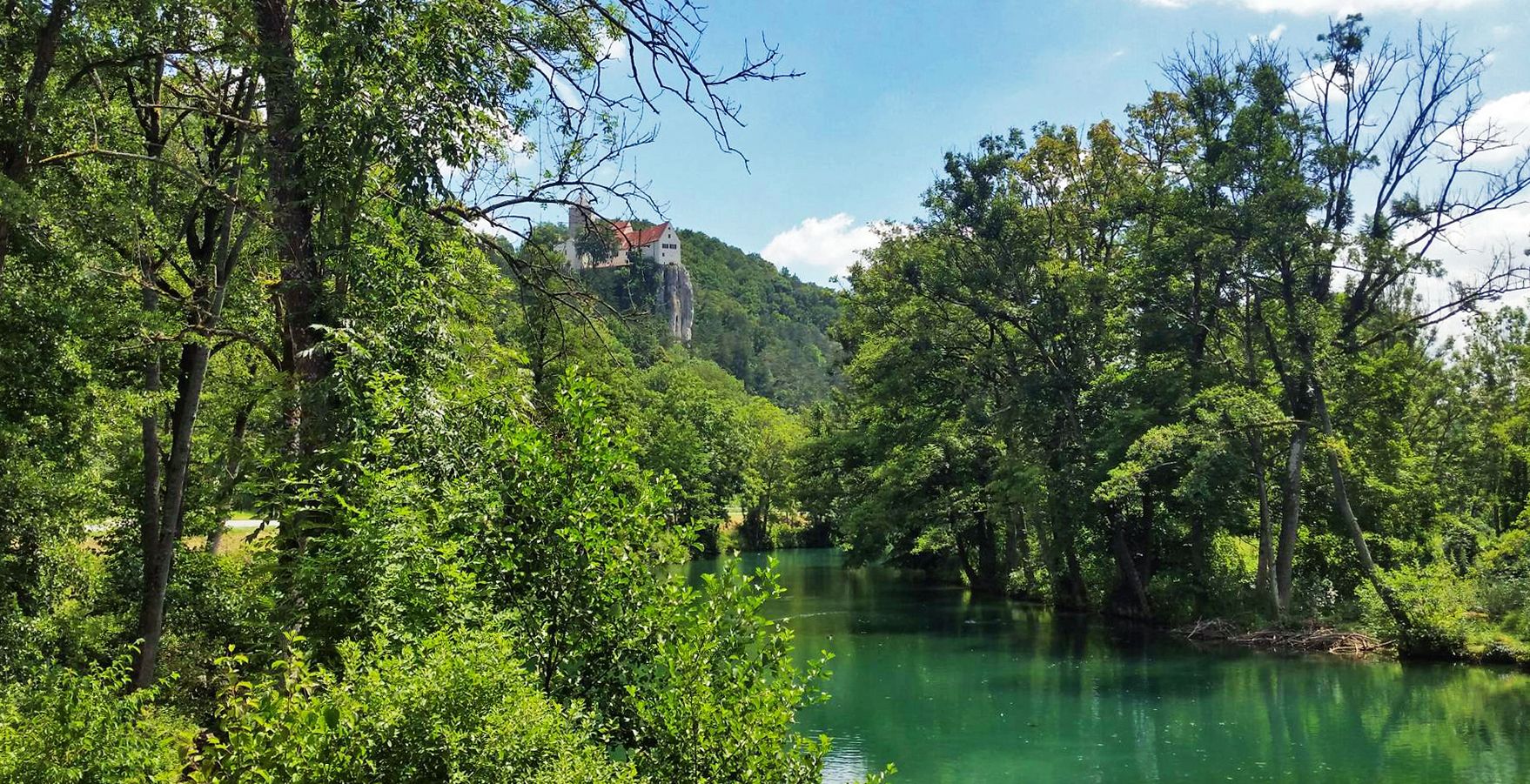
Five Rivers Cycle Path — 5 stages along Bavaria's most beautiful rivers
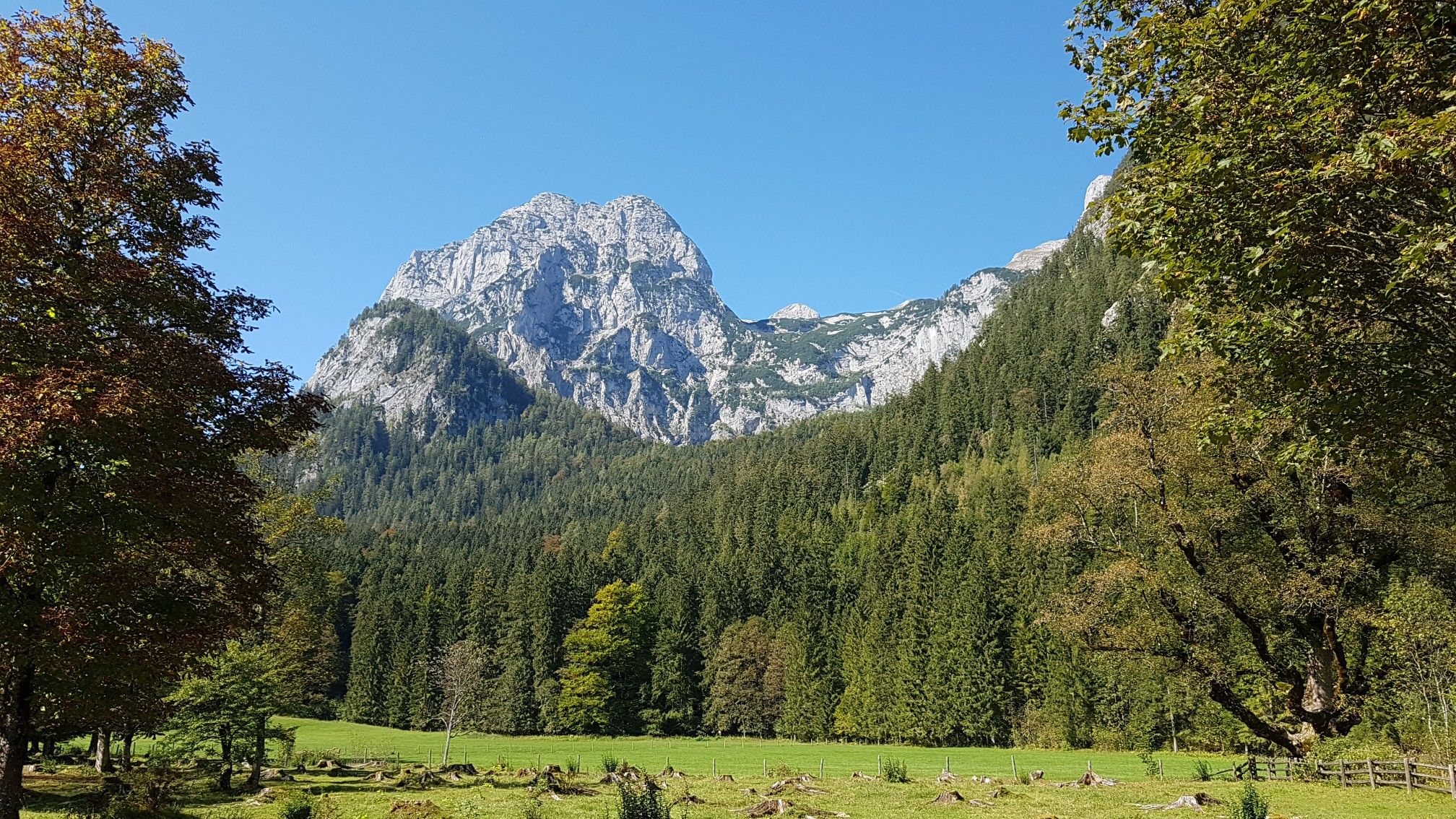
The National Natural Landscapes in Bavaria
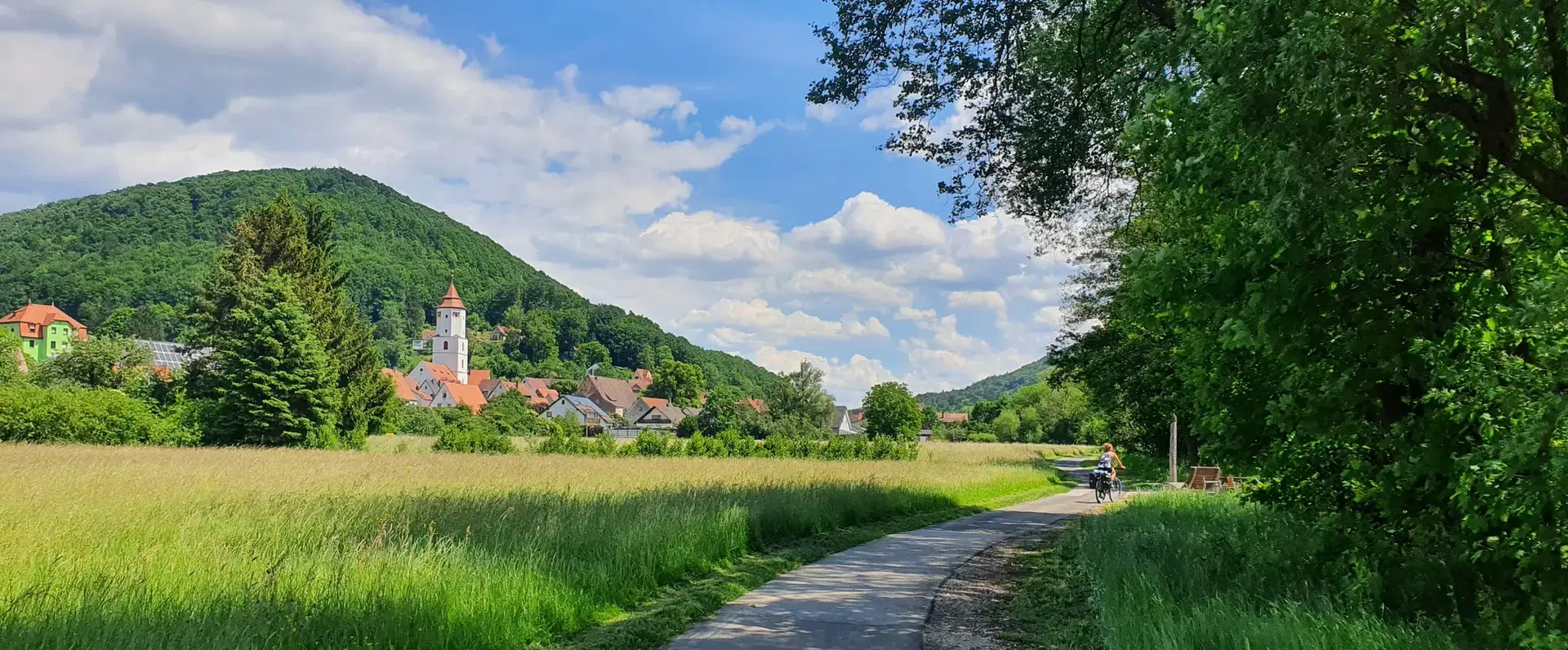
Cycling through the Nuremberg metropolitan region – nature & enjoyment
City, country, lake – VGN leisure tips 2025
11 Days on the Erzweg Quality Hiking Trail
VGN presents 8 cycling day trips around Nuremberg
Culinary delights on the road – VGN Pleasure Tours
Auf dem Erzweg im Naturpark Hirschwald
Tauche in die Geschichte ein! – Stadtrundgänge in Bayern
Other adventures in Naturpark Hirschwald


Tips from the Community

Since the Kneipp pool is on the cycle path, you can take a relaxing break here and relax while Kneipp.
1
0

Here is a so-called Himmelsweiher, locally also called Hüll, in the middle of the forest. Surface water is rare in the Jura, as is the case here in the deer forest. Such bodies of water are all the more important for amphibians and other species.
1
0
The Weiherschacht is (currently) the only remnant of a chain of ponds in the Hirschwald. Today the land belongs to the Bavarian state, but the Ensdorf monastery farmed the pond here until secularisation, as the fish in it were an important food for the Benedictine monks in the monastery.
2
0
A Hüll or Himmelsweiher - i.e. a body of water with no inflow or outflow - is located here at the site of a former settlement called Eggenberg. It belonged temporarily to the Ensdorf monastery and housed the sheep farm. It later went into private ownership. Around 1860 the Bavarian state bought Hog and Grund, demolished the buildings and reforested them. Today only the shell can be seen. In our arid region, such water points were rare and valuable. They were partly of natural origin, partly they were created artificially. Human (and animal) settlement at this point, far from other water sources, would otherwise not have been possible.
1
0

The only body of water far and wide in the deer forest. Ideal for a resting bench.
0
0

Night with a great frog concert.
1
0
If you want to have a frog concert, this is the place for you after work.
1
0

Small pond in the city moat on the Vils, an eye-catcher in every season.
5
1
Frequently Asked Questions
What kind of 'lakes' can I expect to find in Naturpark Hirschwald?
Naturpark Hirschwald is characterized by limited natural surface water bodies. Instead of traditional large lakes, you'll find unique 'Hülls' (also known as Himmelsweiher) and ponds. These are crucial water points in this arid region, often with no inflow or outflow, and are vital for local amphibians and other species. The park's landscape is also defined by the Vils and Lauterach rivers.
What are some notable ponds or Hülls to visit in Naturpark Hirschwald?
Among the most notable are Weiherschacht Pond, which is a remnant of a historic chain of ponds, and the Pond near the abandoned settlement of Eggenberg, a Hüll located at a former settlement site. Another charming spot is Pfalzgrafentümpel, a small pond situated in the historic city moat on the Vils.
Are there family-friendly spots near the water in Naturpark Hirschwald?
Yes, several spots are suitable for families. Weiherschacht Pond is categorized as family-friendly and offers an ideal resting break. The Pfalzgrafentümpel in the city moat is also a pleasant spot for a brief stop with family. Additionally, the Kneipp Basin Theuern, located on a cycle path, is a great place for families to relax and reactivate tired feet.
What outdoor activities can I do near the water bodies in Naturpark Hirschwald?
The Vils and Lauterach rivers, along with the various ponds, offer several activities. You can enjoy fishing, particularly for the agile Lauterach trout. Canoeing is also an option on the rivers. The surrounding areas are excellent for nature observation, hiking, and cycling. For hiking, you can explore routes like those found in the Hiking in Naturpark Hirschwald guide, or for easier options, check the Easy hikes in Naturpark Hirschwald guide. Running trails are also available, as detailed in the Running Trails in Naturpark Hirschwald guide.
Can I go fishing in Naturpark Hirschwald?
Yes, both the Vils and Lauterach rivers are known as excellent fishing grounds, particularly for the agile Lauterach trout. Several fishing clubs manage these areas, and some even offer accessible fishing spots.
What kind of wildlife can be observed near the water in Naturpark Hirschwald?
The rivers and ponds support a rich biodiversity. You might spot kingfishers hunting, white-throated dippers diving, and various dragonflies. The clean, oxygen-rich waters are home to trout and crayfish. The valleys also host rare insects like the Great Banded Grayling, owlflies, and antlions.
Are there any historical sites related to the ponds or rivers?
Yes, the Pond near the abandoned settlement of Eggenberg is located at the site of a former settlement that belonged to the Ensdorf monastery. The Weiherschacht Pond was also historically farmed by the Ensdorf monastery for fish. The Pfalzgrafentümpel is found within a historic city moat, adding a touch of history to its natural charm.
When is the best time to visit Naturpark Hirschwald to enjoy its water features?
The picturesque scenery of the Vils and Lauterach valleys, with their meadows and forests, can be enjoyed throughout the warmer months. Spring and summer are ideal for nature observation, as wildlife is most active. The Lauterach Valley, in particular, boasts unique vegetation like wild orchids in its south-facing hillsides, which are best seen in spring and early summer.
Are there hiking trails that follow the rivers in Naturpark Hirschwald?
Yes, numerous trails follow the course of the Vils and Lauterach rivers, offering scenic routes. The Lauterach Valley Cycle Path is a popular option for both cycling and walking, allowing you to explore the beautiful riverine landscape. You can find more hiking options in the Hiking in Naturpark Hirschwald guide.
What makes the Lauterach Valley unique?
The Lauterach Valley is known for its picturesque scenery, including steep rock formations, meadows, and forests. Its south-facing hillsides between Kastl and Schmidmühlen even boast a nearly Mediterranean climate, supporting unique vegetation such as wild orchids, juniper bushes, and yellow stonecrop. The clean, oxygen-rich waters are also home to diverse aquatic life.
What is a 'Hüll' and why is it important in Naturpark Hirschwald?
A 'Hüll' or 'Himmelsweiher' is a body of water with no natural inflow or outflow, relying solely on rainwater. In Naturpark Hirschwald, which is an arid region, these Hülls are incredibly important as rare and valuable water points. They provide crucial habitats for amphibians and other species, and historically, they were essential for human and animal settlements far from other water sources.
Most popular routes in Naturpark Hirschwald
Most popular attractions in Naturpark Hirschwald

Get inspired with the komoot mobile app


